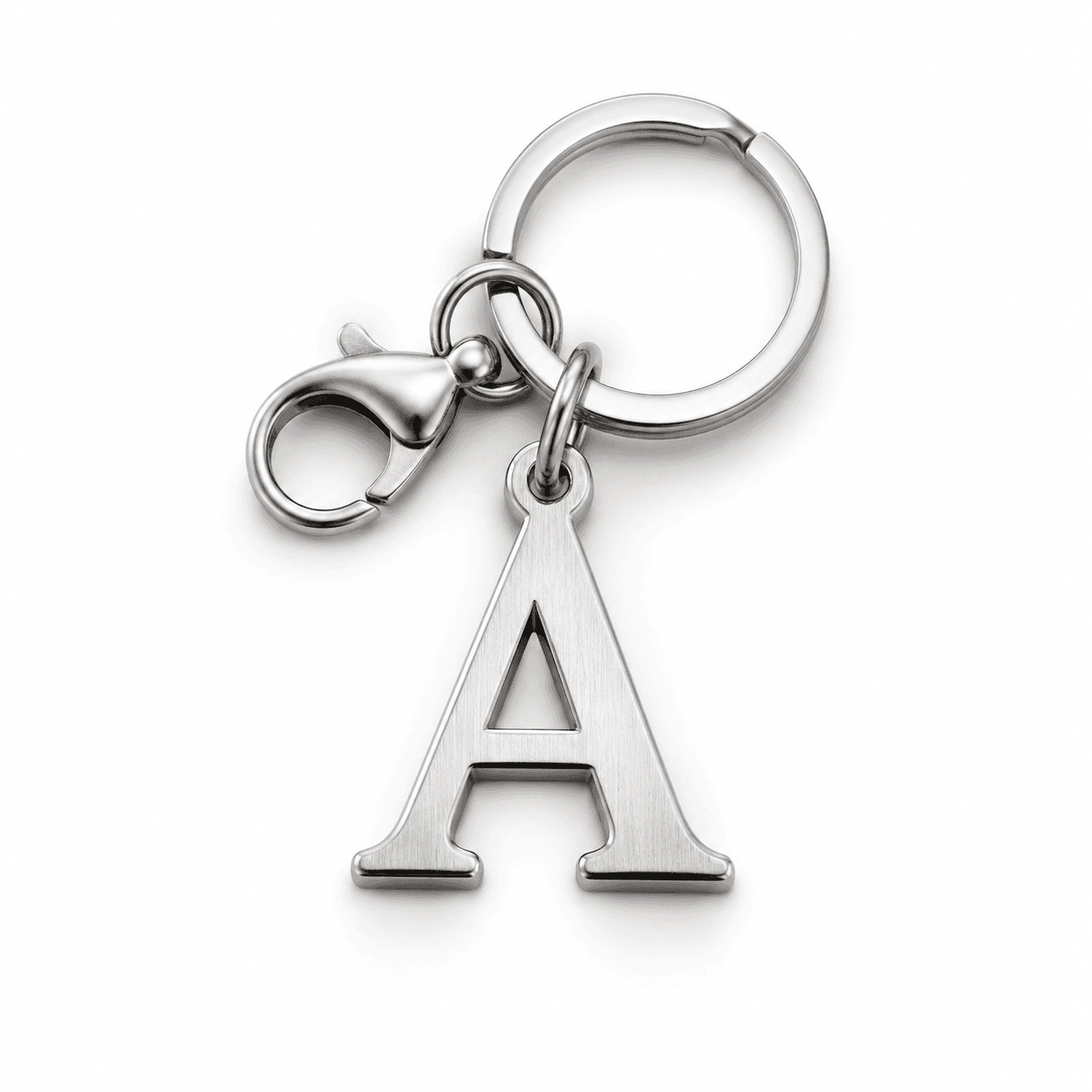
In an increasingly competitive accessory market, securing a consistent supply of high-quality stainless steel letter charm keychains can impact product performance and brand reputation. Procurement teams must navigate complex material specifications, vendor certifications, and production capabilities. This in-depth guide outlines a methodical, data-driven approach to sourcing 316L stainless steel letter charm keychains at scale, supporting bulk orders, ensuring compliance, and optimizing MOQ negotiations with an experienced ODM charm supplier.
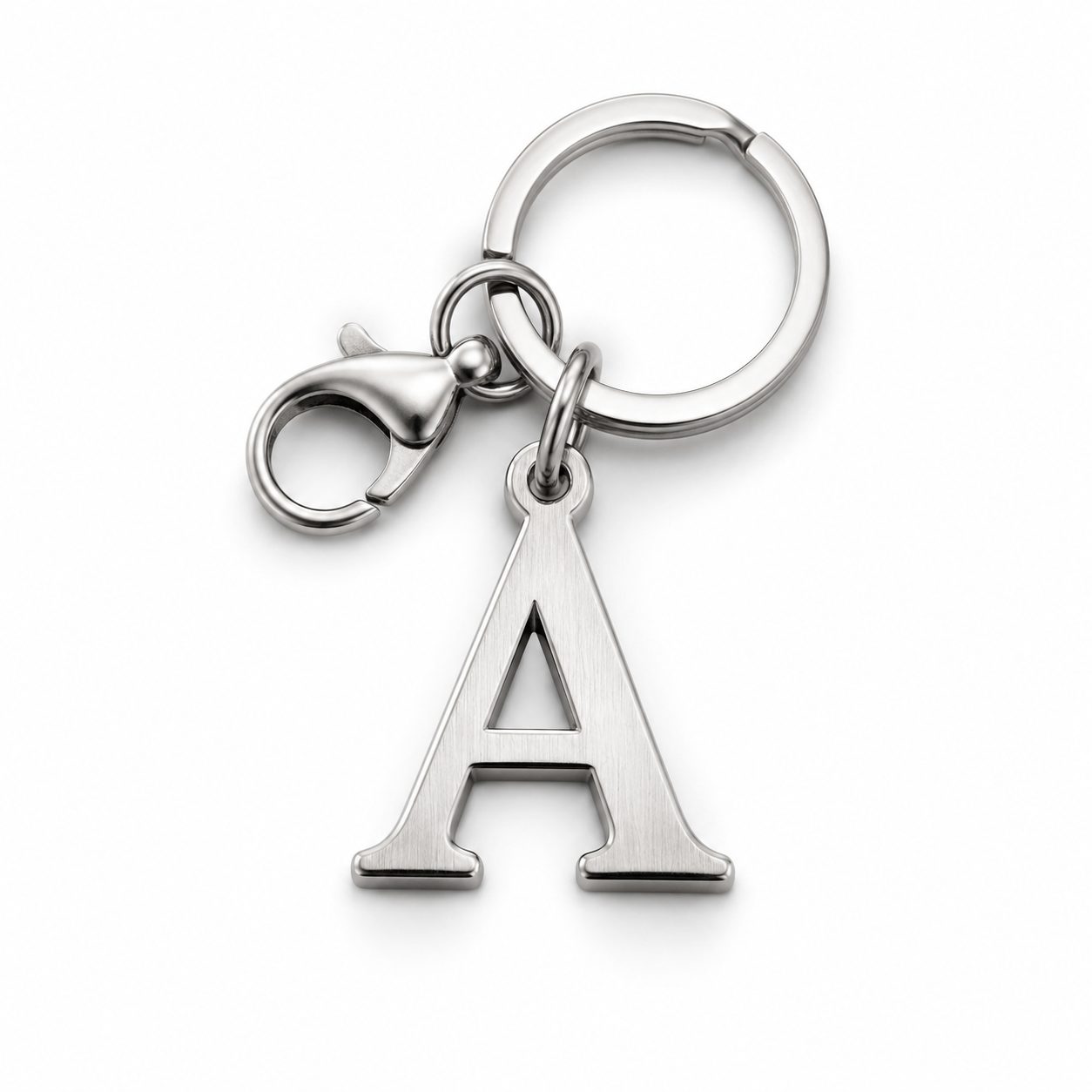
Stainless Steel Letter Charm Keychain Sourcing Guide
Guide Overview
Procurement professionals at boutique jewelry brands, gift companies, and distributors will learn how to vet potential manufacturers and ODM charm supplier offerings for custom stainless steel charms. The framework below combines material science insights with practical vendor evaluation steps to ensure reliability, performance, and cost efficiency.
Why the Right Supply Chain Matters
Key Benefits
- Corrosion Resistance: 316L stainless steel offers superior resistance to rust and pitting, critical for long-lasting keychain accessories.
- Biocompatibility: Low nickel release (<0.5 µg/cm²/week per EN1811) minimizes skin irritation risks and broadens market appeal.
- Consistent Plating: Reliable PVD gold plated, silver finish, or rose gold plating adheres uniformly, maintaining boutique-ready aesthetics.
- Regulatory Compliance: SGS certification for RoHS, REACH, nickel release, and salt spray tests (240H) ensure global market access without additive audits.
- Cost Control: Consolidating orders with a qualified OEM/ODM supplier reduces per-unit cost and streamlines quality management across your product range.
Step-by-Step Sourcing Guide
Step 1: Evaluate Material Specifications
Analyze the alloy composition to confirm 316L stainless steel quality. Key parameters include:
- Chromium content (16–18%) and nickel (10–14%) for corrosion resistance.
- Molybdenum addition (2–3%) for enhanced pitting resistance in humid or marine environments.
- Maximum carbon levels (≤0.03%) to prevent chromium carbide precipitation during welding.
Request a material certificate or test report demonstrating compliance with ASTM F138 or equivalent standards.
Step 2: Assess Supplier Facilities and Capabilities
Schedule a virtual or on-site audit to review a supplier’s manufacturing workflow. Focus on:
- CNC machining and laser cutting for precise letter shapes.
- Laser marking for custom logos and serial numbers.
- Automated polishing lines and PVD plating chambers for uniform finishes.
- Enamel color filling and crystal inlay stations, if required for decorated variations.
Verify process controls, batch traceability, and documented work instructions to ensure consistent quality across high-volume runs.
Step 3: Request Samples and Conduct Testing
Obtain pre-production or pilot-run samples to validate:
- Dimensional accuracy and tolerances for letter height (6–10mm for delicate charms, 16–25mm for statement pendants).
- Surface finish quality: mirror polish, matte, or textured options.
- Plating adhesion: salt spray test results, wear resistance panels.
- Functional strength: load testing on jump rings and split rings for keychain compatibility.
Document findings in a formal test report and compare against internal acceptance criteria.
Step 4: Review Quality Controls and Certifications
Ensure the supplier maintains:
- SGS-certified QC labs for in-house elemental analysis and salt spray chambers.
- RoHS and REACH compliance for EU, UK, and AU markets.
- Regular nickel release testing per EN1811 to stay below regulatory thresholds.
- Documented corrective action procedures for non-conforming batches.
Step 5: Negotiate Commercial Terms and MOQ
Clarify pricing tiers based on order volume. Typical factors include:
- MOQ thresholds: confirm lowest viable batch size (e.g., 100–500 pieces per SKU).
- Bulk orders discount structure for volumes exceeding 1,000 units.
- Sample development fees and lead times (often 5–10 working days for tooling and plating trials).
- Payment terms: deposit requirements, balance due on delivery, or letter of credit for new partners.
Strike a balance between MOQ flexibility and unit price to support both pilot programs and large-scale rollouts.
Step 6: Finalize RFQ and Contract
Consolidate agreed specifications into a detailed RFQ, including:
- Material certificates and plating specifications.
- Sample approval records and test reports.
- Packing requirements: private label packaging, polybags, or display cards.
- Delivery schedule, incoterms, and logistics responsibilities.
Execute a supplier contract or purchase order to formalize commitments. Store all documentation in your vendor management system for audit readiness.
FAQ
Q1: How does 316L stainless steel differ from other grades?
A1: Grade 316L contains molybdenum for enhanced pitting resistance and has a lower carbon content (≤0.03%) than 304 stainless steel, making it ideal for marine or high-corrosion environments.
Q2: Which certifications should buyers verify?
A2: Prioritize SGS test reports for RoHS, REACH, nickel release (EN1811), and salt spray resistance (240H) to ensure compliance across US, EU, UK, AU, and CA markets.
Q3: What is a typical MOQ for letter charm keychains?
A3: Many manufacturers offer low MOQ charm production starting at 100 pieces per design. MOQ can adjust based on plating or decoration complexity.
Q4: How long does sample development take?
A4: Standard sample development cycles range from 5–10 business days, covering tooling, laser marking, plating trials, and quality checks.
Ready to Partner With Lancy Jewelry?
For reliable sourcing of 316L stainless steel charms, partner with Lancy Jewelry, a factory-direct ODM charm supplier. Leverage our turnkey OEM solutions, consistent plating quality, and fast sample development to scale your custom stainless steel charms program.
Explore OEM Service | Request a Quote | Contact Our Team