Embarking on enamel finishes for 316L stainless steel charms? This beginner-friendly guide helps jewelry designers understand practical finishing options, so you can create durable, boutique-ready pieces. As a trusted 316L stainless steel charms manufacturer, Lancy Jewelry partners with designers worldwide, offering PVD coating, enamel color filling, and private-label packaging through our OEM/ODM services. Our SGS-certified facility carries RoHS, REACH, Nickel Release EN1811, and Salt Spray 240H compliance from first cut to final polish. This guide uses plain language and concrete steps to help newcomers plan finishes that fit their concept and production realities.
Stainless steel charms enamel: finishing techniques for beginners
What is enamel on 316L stainless steel charms?
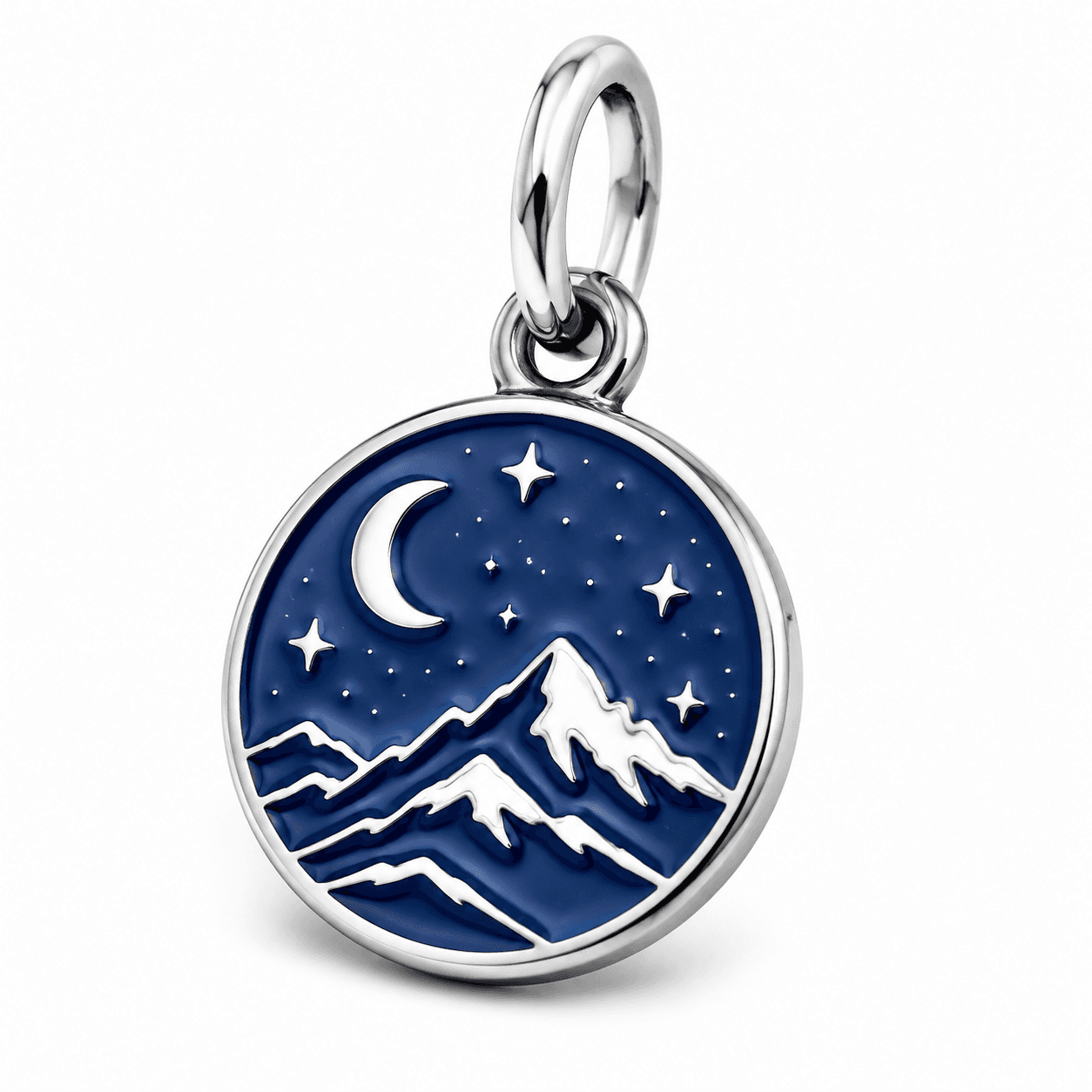
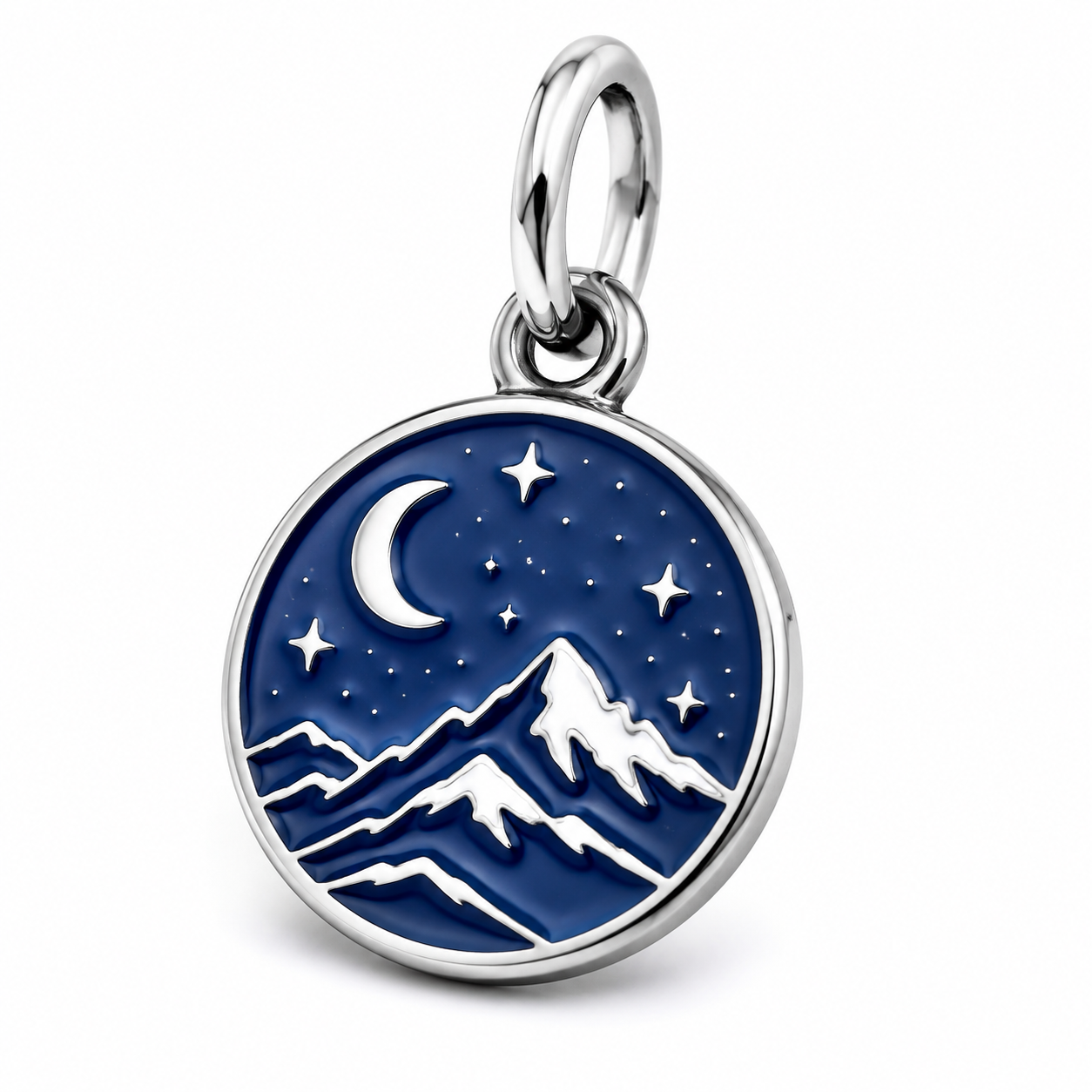
Enamel on stainless steel charms is a color-filled, glass-like material applied to recessed areas of the charm. After the enamel is placed, it is fused by controlled firing to create a durable color layer that resists everyday wear. On 316L stainless steel, enamel thrives because the metal offers corrosion resistance, dimensional stability, and a smooth surface that accepts enamel consistently. When paired with reliable finishes, enamel colors stay vibrant across seasons and product runs.
Key finishing options that pair well with enamel
Finishing options for 316L stainless steel charms can be used alone or layered to achieve boutique-ready results. Common approaches include:
- PVD coating: A physical vapor deposition coating can provide a durable, uniform base or accent color. PVD is favored for consistent color stability and excellent wear resistance, making it a strong partner to enamel fills.
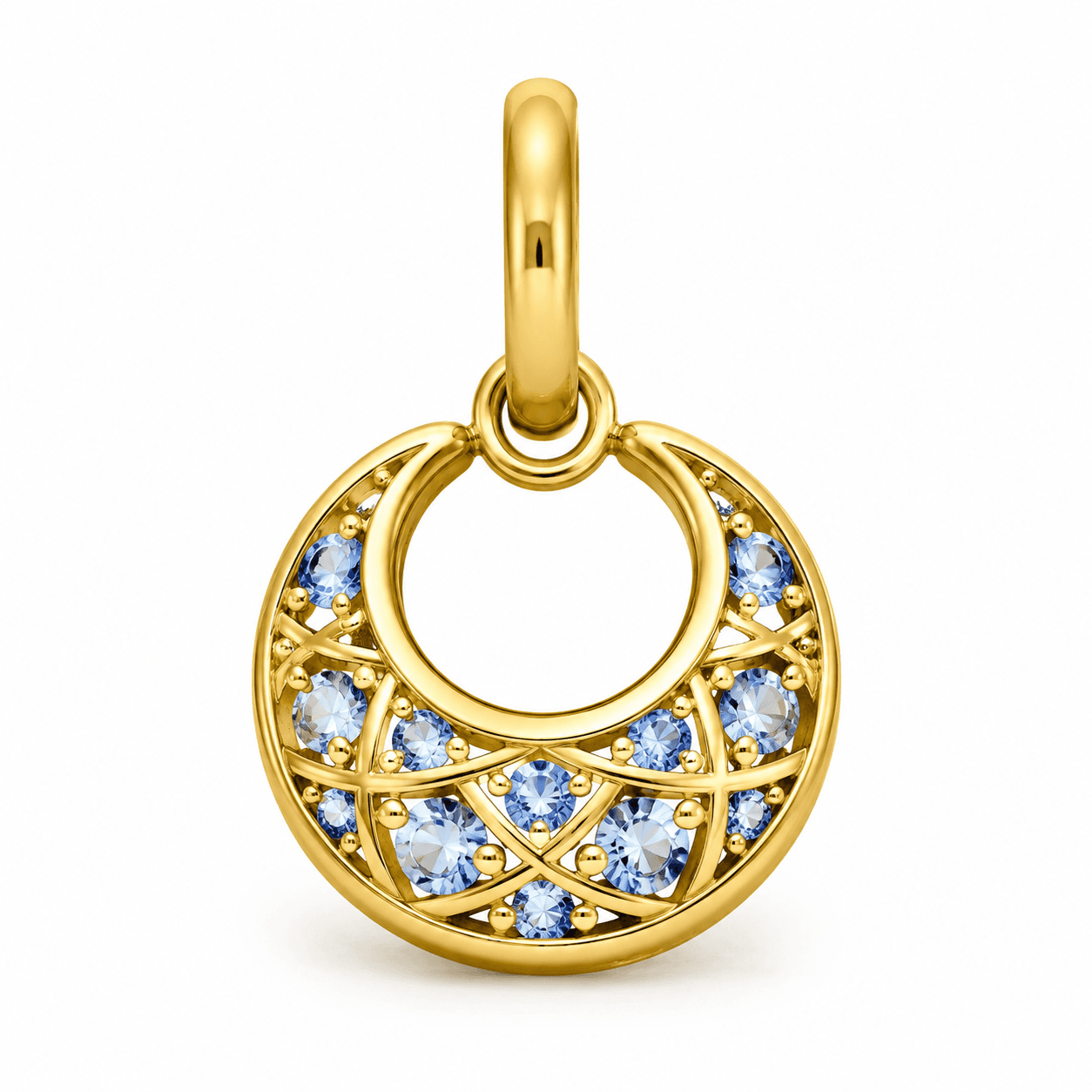
- Electroplating (gold, rose gold, silver): Electroplating adds metallic tone and depth beneath or alongside enamel colors. This option delivers a premium look with good adhesion to 316L stainless steel.
- Silver finish and other tonal platings: Silver-toned or other tonal finishes can complement enamel palettes, providing contrast or harmony with the colors chosen for enamel fills.
- Polishing and surface treatment: A careful polish after enamel firing enhances luster and removes edge burrs, ensuring a boutique-ready silhouette.
When selecting a finish, consider how enamel colors will interact with the plating or coating. An experienced OEM/ODM partner can help you design color palettes that maintain brightness and uniformity across production batches. If you are exploring private-label options or wholesale opportunities, discuss color consistency and batch traceability early in the design phase.
Surface preparation and quality considerations
Quality enamel results start with proper surface preparation. Key steps include:
- Thorough cleaning and degreasing of the 316L stainless steel base to remove oils or residues that could hinder enamel adhesion.
- Surface conditioning, which may include light mechanical finishing to create a consistent micro-roughness that improves enamel bonding.
- Pre-assembly engraving or logo marking if required, ensuring the raised areas are clean and defined before enamel filling.
- Controlled firing or curing for enamel to ensure depth and color uniformity across the charm.
Partnering with a factory that provides repeatable processes, inline QC, and SGS-certified testing helps ensure enamel integrity under RoHS, REACH, and Salt Spray conditions. For designers, this means fewer surprises in mass production and more reliable color matching across lots.
Benefits/Why it matters
Key benefits
- Color versatility: Enamel expands design possibilities with vibrant hues that can be mixed and matched across collections.
- Durability: When fired and finished properly, enamel is resistant to chipping and fading, suitable for everyday wear in jewelry and gift programs.
- Consistency: A controlled enamel process, especially when paired with PVD or electroplating, yields uniform color across batches, important for private-label and wholesale programs.
- Certifications: Working with a SGS-certified facility confirms compliance for RoHS, REACH, Nickel Release EN1811, and Salt Spray 240H, which matters for global buyers and regulated markets.
- Private-label and OEM/ODM options: Color planning, logo engraving, and packaging customization support boutique brands and private-label buyers, with low MOQ charm production where feasible.
For designers, partnering with a trusted OEM charms manufacturer like Lancy Jewelry means access to scalable enamel capabilities, sample development, and consistent plating quality, all within a factory-direct relationship. Explore private-label packaging, sample development, and bulk orders through our standard channels: OEM Service, Request a Quote, and Contact.
Detailed analysis / Guide
Step 1 — Define design and material choices
Start with a clear concept: color palette, enamel color set, and how you want the enamel to interact with the metal finish. For 316L stainless steel charms, confirm whether you will pair enamel with a PVD base, a gold- or rose-gold-plated surface, or a silver finish. If you plan private-label production or an ODM project, document logo placement, engraving options, and packaging preferences early to streamline tooling and color matching. As a 316L stainless steel charms manufacturer, Lancy Jewelry supports customized logo engraving, enamel-filled designs, and private-label packaging to suit your brand language.
Step 2 — Prepare the substrate
Prepare the base charm by thorough cleaning, degreasing, and surface conditioning. Ensure the bail hole or attachment area remains unobstructed for eventual charm-to-chain assembly. Consistent base quality is critical when enamel is applied, since surface irregularities can cause color migration or uneven firing results.
Step 3 — Enamel color filling technique
Enamel is applied in recessed areas and then cured or fired. For beginners, start with a small color palette and simple shapes before expanding to multi-color, intricate motifs. After firing, inspect for even color distribution and surface levelness. If needed, additional enamel layers can be applied and fired to achieve the desired depth, with each layer cured before the next. When working with an OEM/ODM partner, specify whether you want matte or glossy enamel finishes, and confirm color codes to enable batch-to-batch consistency.
Step 4 — Plating and coating decisions
Decide whether enamel will be paired with PVD coating or electroplating. PVD provides durable color and wear resistance, while electroplating adds metallic tones that can enhance the overall look of enamel colors. If you want a cohesive aesthetic, plan the order of operations carefully with your supplier: some projects apply PVD under enamel; others apply enamel before plating for a different visual effect. An experienced charm factory can provide samples to compare finish combinations and advise on durability and color stability.
Step 5 — Polishing and final finishing
After enamel firing and plating, perform thoughtful polishing to remove burrs, align angles, and ensure a smooth edge around the enamel fills. Polish should preserve the contrast between metal surfaces and enamel fills, and avoid excessive heat that could affect enamel integrity. This step often determines whether a piece looks premium on the shelf or feels mass-produced.
Step 6 — Quality checks and testing
Implement inline QC for color consistency, enamel alignment, and adhesion. Consider salt spray testing and other corrosion tests if your target markets include coastal regions or humid environments. Certification-backed processes (including SGS tests) help ensure your enamel charms meet cross-market expectations and regulatory standards.
Step 7 — Private-label packaging and logistics
Prepare packaging and labeling aligned with your brand. Private-label packaging should protect enamel surfaces during transit and clearly communicate care instructions. If you plan bulk charm orders for distribution, coordinate packaging quantities, labeling, and SKUs with your OEM or ODM partner to avoid delays in warehouse fulfillment. For prototyping or first-run samples, request a sample development cycle with your supplier to validate color accuracy and finish quality before committing to larger orders.
Partner with Lancy Jewelry to access a modern facility with CNC, laser cutting, laser marking, welding, and polishing capabilities, as well as a proven track record in enamel finishes for 316L stainless steel charms. For project planning, you can start with OEM/ODM service and sample development to evaluate finishes and colors, then scale to wholesale stainless steel charms production as your private-label program grows. To discuss your color palette, engraving needs, or packaging specs, contact our team today.
FAQ
Q1: What is enamel filling on stainless steel charms?
A: Enamel filling involves applying a colored, glass-like paste into recessed areas of the charm and then firing it to fuse the color with the metal surface. The result is a durable, vibrant color that can be paired with PVD or plating finishes for a boutique look.
Q2: How durable is enamel on 316L stainless steel?
A: When properly fired and finished, enamel on 316L stainless steel offers good durability and color stability. Proper surface prep, controlled firing, and quality post-treatment help resist chipping and fading during normal wear.
Q3: Do you offer low MOQ and sample development for enamel charms?
A: Yes. Lancy Jewelry provides low MOQ charm production, sample development, and private-label packaging options to support new collections and test runs. This makes it easier for designers to iterate colors and finishes before committing to larger bulk orders.
Q4: Can you support OEM/ODM projects and private-label programs?
A: Absolutely. As a dedicated OEM/ODM charms manufacturer, we offer logo engraving, enamel finishing, PVD plating, and private-label packaging, with scalable production for global markets. Reach out via our OEM service page or contact us to discuss your private-label or wholesale program.
Partner With Us
Ready to translate enamel concepts into market-ready charms? Lancy Jewelry offers a modern manufacturing facility, robust finishing options, and global-ready capabilities for private-label brands and boutique retailers. Explore private-label packaging, sample development, and bulk orders with a trusted stainless steel charms manufacturer. Partner with our OEM/ODM team to start your enamel-focused collection today, or request a quote to begin with a small, low-risk sample run. For direct assistance, contact our sales team and connect with a specialist who understands cross-market design intent and production realities.
Related resources