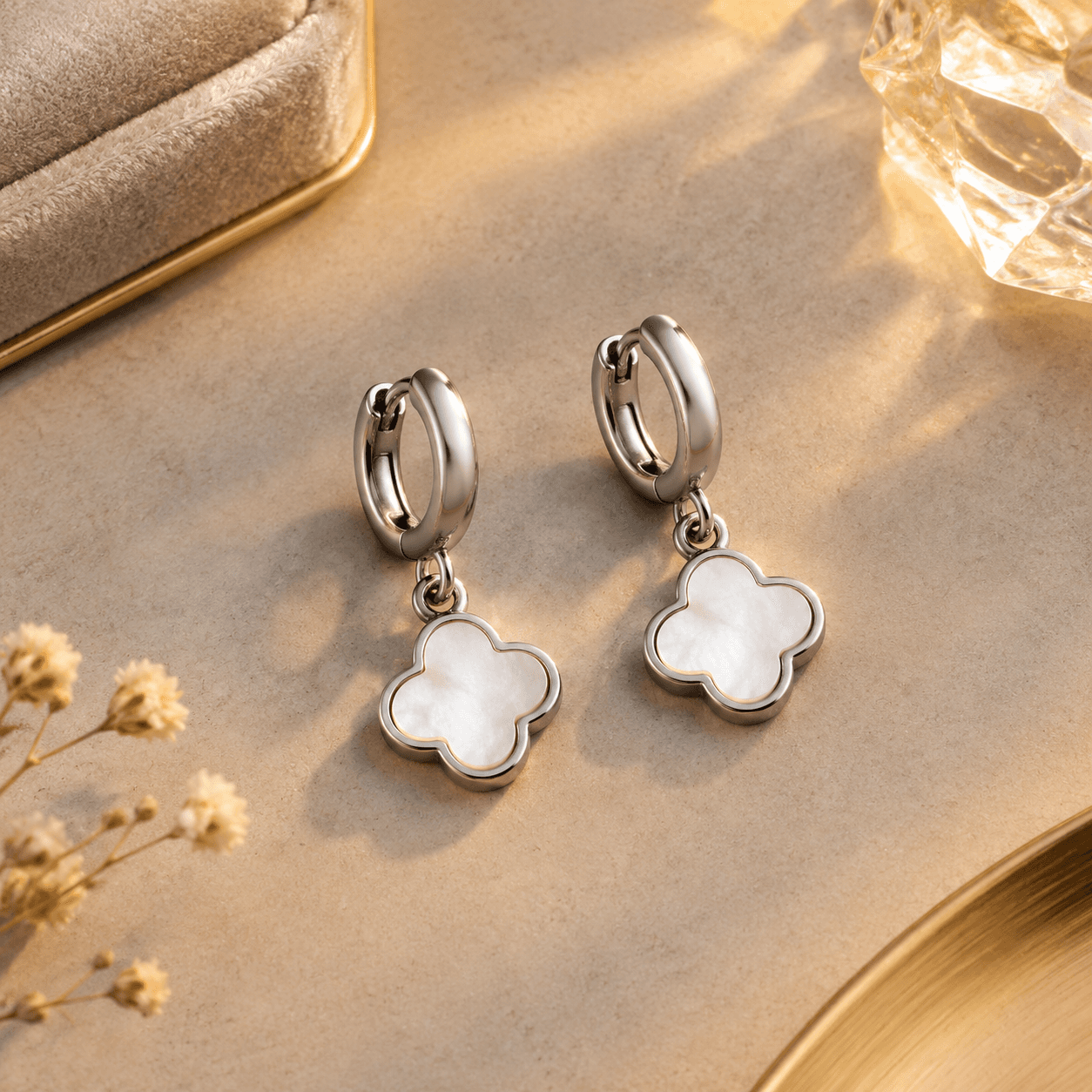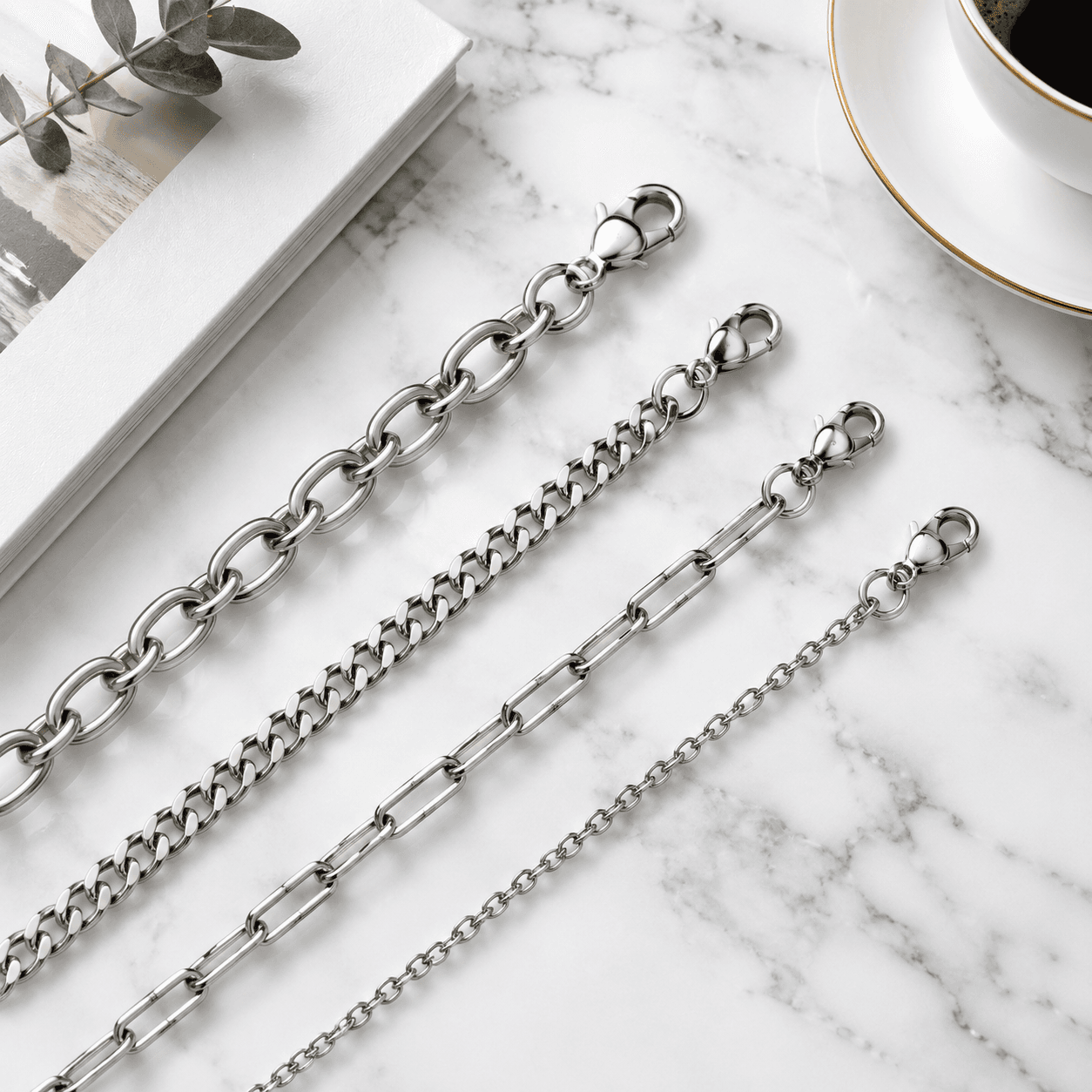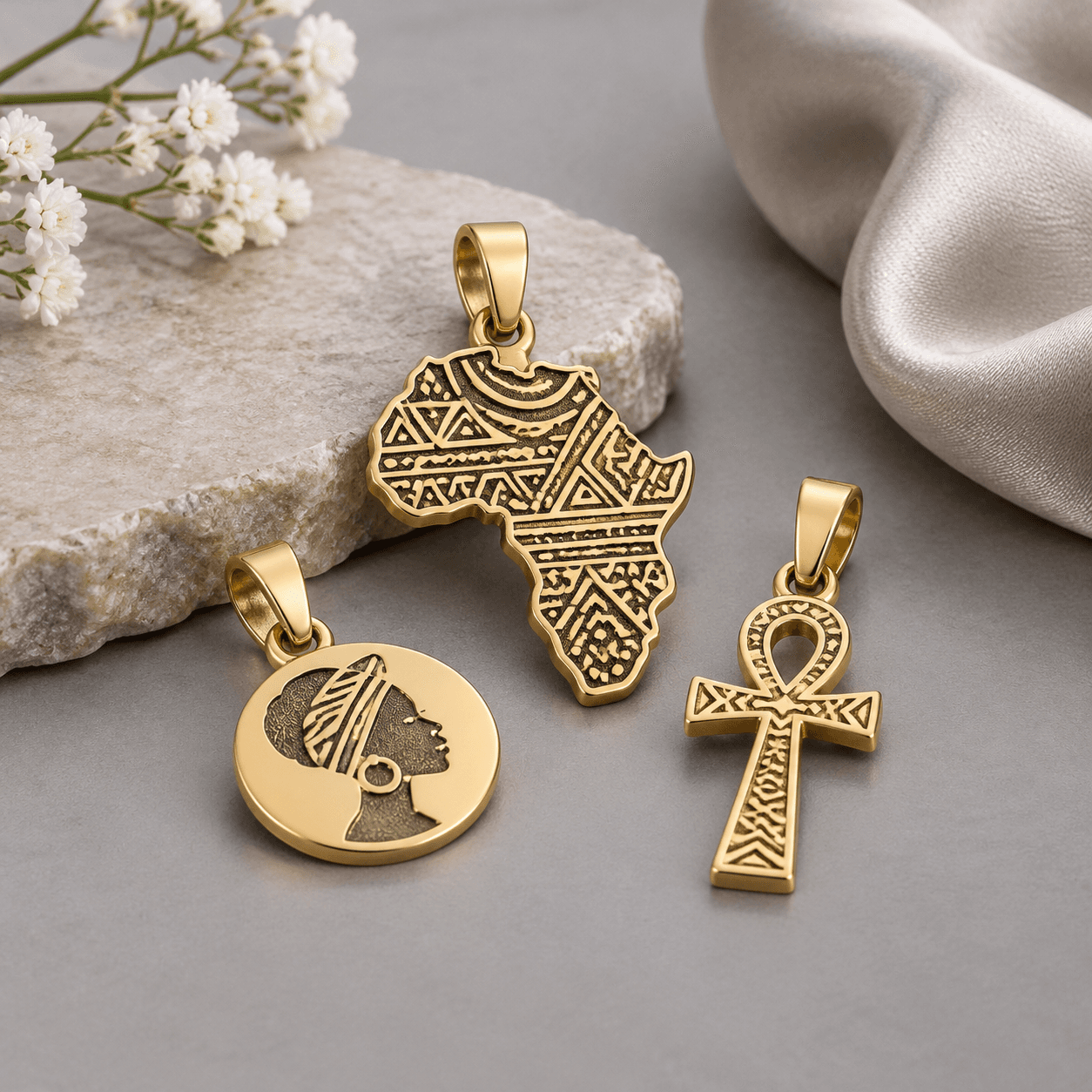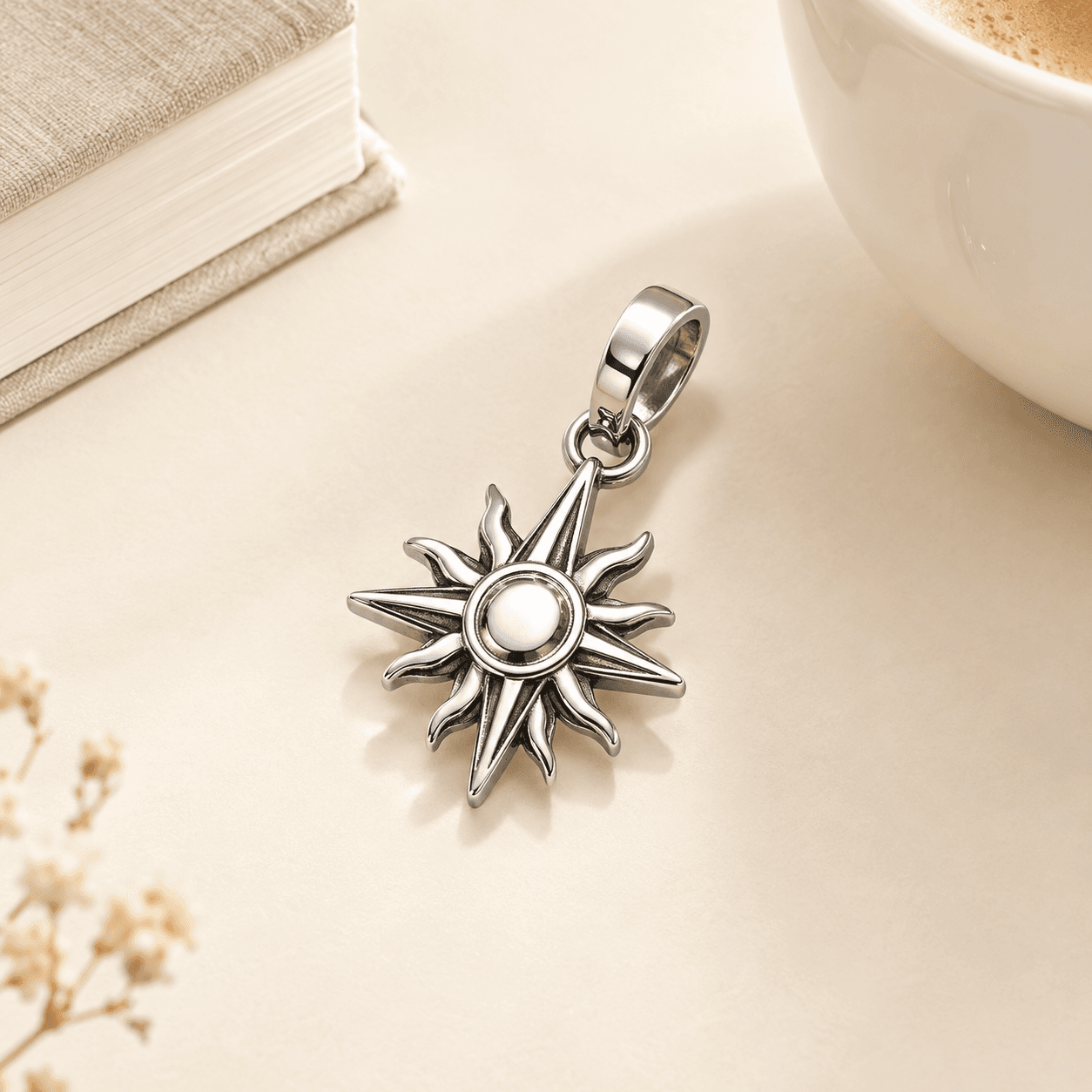
Finding the right charm supplier is a key step for jewelry designers building reliable collections. A professional sourcing process helps ensure consistent quality, flexible customization, and products that match the needs of boutique brands and private-label programs. For buyers looking for scalable production, working with a specialized stainless steel charms manufacturer can simplify development from concept to finished pieces.
This checklist explains how to evaluate suppliers, review customization options, and select a production partner for 316L stainless steel charms. The goal is to help designers make practical decisions about OEM/ODM development, sample review, finishing options, and long-term cooperation.

Stainless Steel Wholesale Charms for Jewelry Making: Supplier Evaluation Checklist
Check the supplier’s material focus
When selecting a charm production partner, the first checkpoint is material specialization. A supplier should clearly explain its manufacturing focus, production controls, and finishing capabilities. Lancy Jewelry focuses on 316L stainless steel charms as the base material, supporting buyers who need durable and consistent products for different markets.
Designers should review whether the supplier can provide clear information about material standards, surface treatments, and production processes. 316L stainless steel is widely selected for jewelry accessories because it offers strong durability, stable performance, and suitability for daily-wear applications.
Confirm OEM and ODM development capabilities
Customization is often the main reason buyers choose factory-direct sourcing. A capable OEM charms manufacturer should support the complete development process, including design review, sample creation, logo engraving, and production adjustments.
For brands with unique collections, ODM support can help transform creative directions into production-ready charm designs. A reliable supplier should provide practical recommendations about shapes, surface details, finishing methods, and manufacturing feasibility.
Review customization options
A strong supplier relationship depends on flexible customization. Important options to evaluate include:
- Custom logo engraving for brand identification.
- PVD finishes including gold plated, silver finish, and rose gold plating options.
- Enamel color filling for decorative details.
- Crystal inlay applications for added visual effects.
- Private-label packaging solutions for retail presentation.
These services allow jewelry designers to create collections that fit their own market positioning while maintaining production consistency.
Why Supplier Quality Matters for Boutique Jewelry Programs
Benefit 1: Reliable material and production consistency
Consistent manufacturing is essential for repeat orders and growing collections. When suppliers maintain controlled processes, buyers can reduce unexpected variations between samples and bulk production.
Lancy Jewelry operates with modern production equipment including CNC processing, laser cutting, laser marking, welding, and polishing systems. These capabilities support accurate detailing and stable production results for customized charm projects.
Benefit 2: Quality verification for global buyers
International buyers need confidence that products meet relevant quality expectations. Lancy Jewelry provides SGS certification support covering RoHS, REACH, Nickel Release EN1811, and Salt Spray 240H testing.
These certifications help buyers evaluate product compliance requirements for different regions and create stronger quality documentation for their own business operations.
Benefit 3: Better planning for wholesale and private label orders
Professional suppliers understand that commercial projects require more than product manufacturing. Buyers often need development support, packaging coordination, production schedules, and communication throughout the order process.
Choosing a supplier that supports wholesale stainless steel charms and private-label programs can help businesses organize product launches more efficiently.
Detailed Guide: How to Choose a Charm Manufacturing Partner
Step 1: Prepare your design requirements
Before contacting a supplier, organize your project information. Include charm concepts, preferred sizes, finishes, quantity expectations, packaging requirements, and target customer positioning.
Clear requirements help suppliers provide accurate suggestions and reduce unnecessary development adjustments.
Step 2: Evaluate sample development support
Sample quality is one of the most important evaluation points. Ask potential suppliers about their sample development process, communication steps, and revision options.
A supplier with strong sample support can help designers confirm design details before moving into production. This process is especially valuable for customized collections where appearance and functionality need careful review.
Step 3: Review production capabilities
Ask suppliers about their factory equipment, manufacturing processes, and quality management approach. Important areas include:
- Precision cutting and engraving capabilities.
- Finishing consistency for PVD treatments.
- Color control for enamel applications.
- Assembly accuracy and inspection procedures.
- Packaging preparation for private-label programs.
A complete production system helps support both small development projects and larger bulk orders.
Step 4: Discuss MOQ and order planning
MOQ requirements affect how easily designers can test new concepts. Suppliers offering low MOQ charm production can provide more flexibility for boutique brands developing seasonal collections or new product lines.
During supplier discussions, confirm minimum order expectations, production timelines, and possible scaling options. A transparent conversation helps create realistic planning for future growth.
Step 5: Confirm communication and service support
Good communication is essential for international sourcing. A dependable supplier should provide clear responses about technical details, production updates, quality checks, and shipping preparation.
For global buyers, selecting an experienced ODM charm supplier can improve collaboration throughout the entire product development journey.
FAQ About Stainless Steel Charm Sourcing
What should designers check before choosing a charm supplier?
Designers should review the supplier’s material focus, customization abilities, sample process, production equipment, quality documentation, MOQ requirements, and communication support.
Can Lancy Jewelry support customized charm projects?
Yes. Lancy Jewelry provides OEM/ODM development support including logo engraving, PVD plating, enamel color filling, crystal inlay, sample support, and private-label packaging services.
What customization options are available for 316L stainless steel charms?
Customization options include shape development, logo engraving, surface finishing, enamel details, crystal inlay, and packaging solutions designed for different retail programs.
How can buyers request production information?
Buyers can contact Lancy Jewelry through an RFQ request to discuss designs, quantities, samples, and production requirements.
Partner With Us for Custom Charm Production
Choosing the right manufacturing partner helps jewelry designers create reliable collections with professional support. Lancy Jewelry provides factory-direct OEM/ODM services for buyers seeking customized 316L stainless steel charms, flexible development, and consistent production.
From first concept and sample development to bulk production and private-label packaging, Lancy Jewelry works with boutique brands, gift companies, distributors, and jewelry businesses worldwide.
Explore available products at /products, learn about custom manufacturing at /oem, or submit an inquiry through /cart to begin your project.