خرزات الفولاذ المقاوم للصدأ هي فئة واسعة من عمليات التوريد، ولكن نجاح برامج B2B يعتمد على تفاصيل يسهل تجاهلها: درجة الفولاذ المقاوم للصدأ بالضبط، هندسة التثبيت، طريقة التشطيب، إدراك الحجم، التغليف، وثائق الامتثال، والتحكم في الطلبات المتكررة. يجب أن تساعد صفحة موضوع حول خرزات الفولاذ المقاوم للصدأ المشترين على فهم كيفية تحويل كلمة مفتاحية إلى مواصفة منتج جاهزة للعرض.
يركز هذا الدليل على خرزات الفولاذ المقاوم للصدأ 316L لبرامج OEM/ODM، والبيع بالجملة، والملصق الخاص، وبرامج الإكسسوارات. ويشرح كيف يمكن للمشترين تقييم طريقة تصنيع الخرز، اختيار تشطيبات عملية، تجنب توقعات غير واقعية من الصور، وإعداد موجز للمورد يؤدي إلى تصميمات مكتملة، ومنطقية جسديًا، وجاهزة للإنتاج.
What makes a stainless steel charm production-ready
A production-ready stainless steel charm is more than a small decorative shape. It needs a defined base material, a clear size range, a complete loop or bail, a realistic attachment method, a finish that can be repeated in bulk, and packaging that protects the surface. For B2B buyers, these details determine whether the product can move smoothly from sample approval to wholesale delivery.
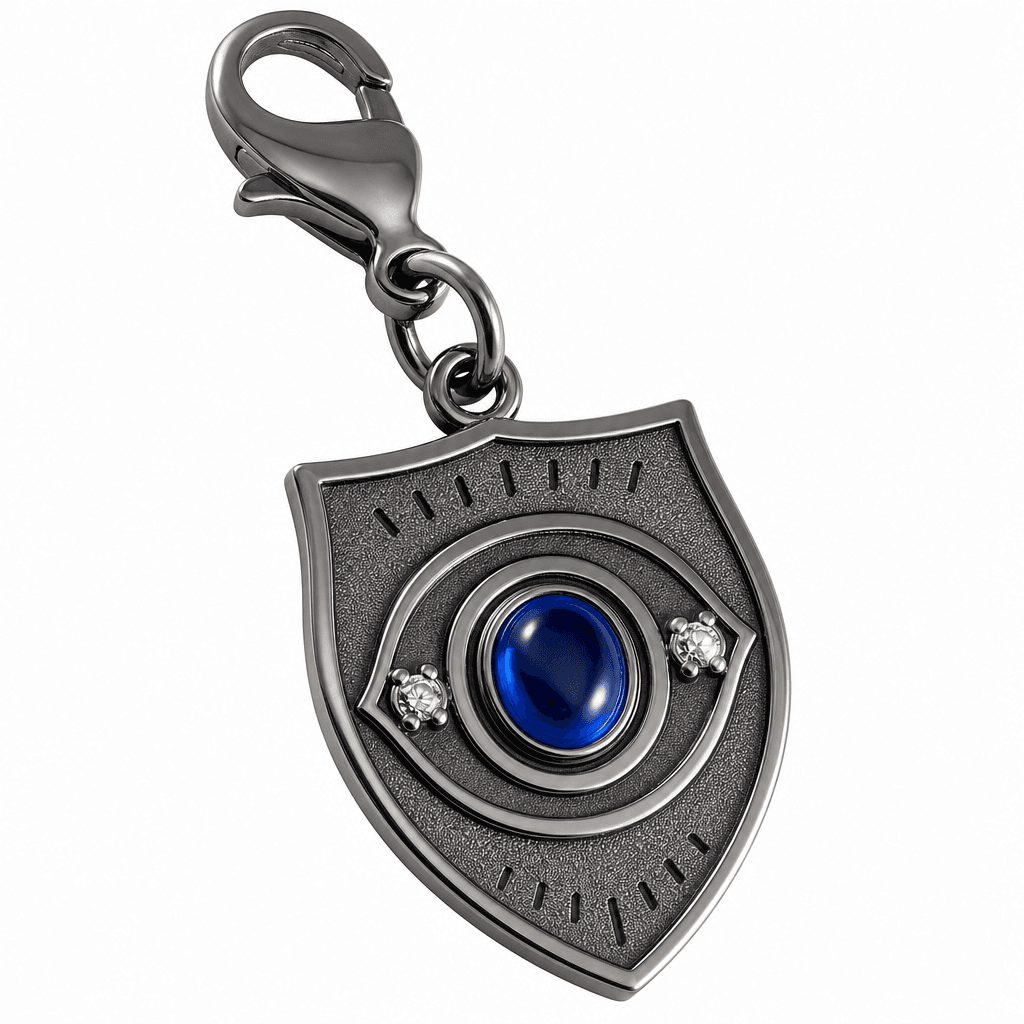
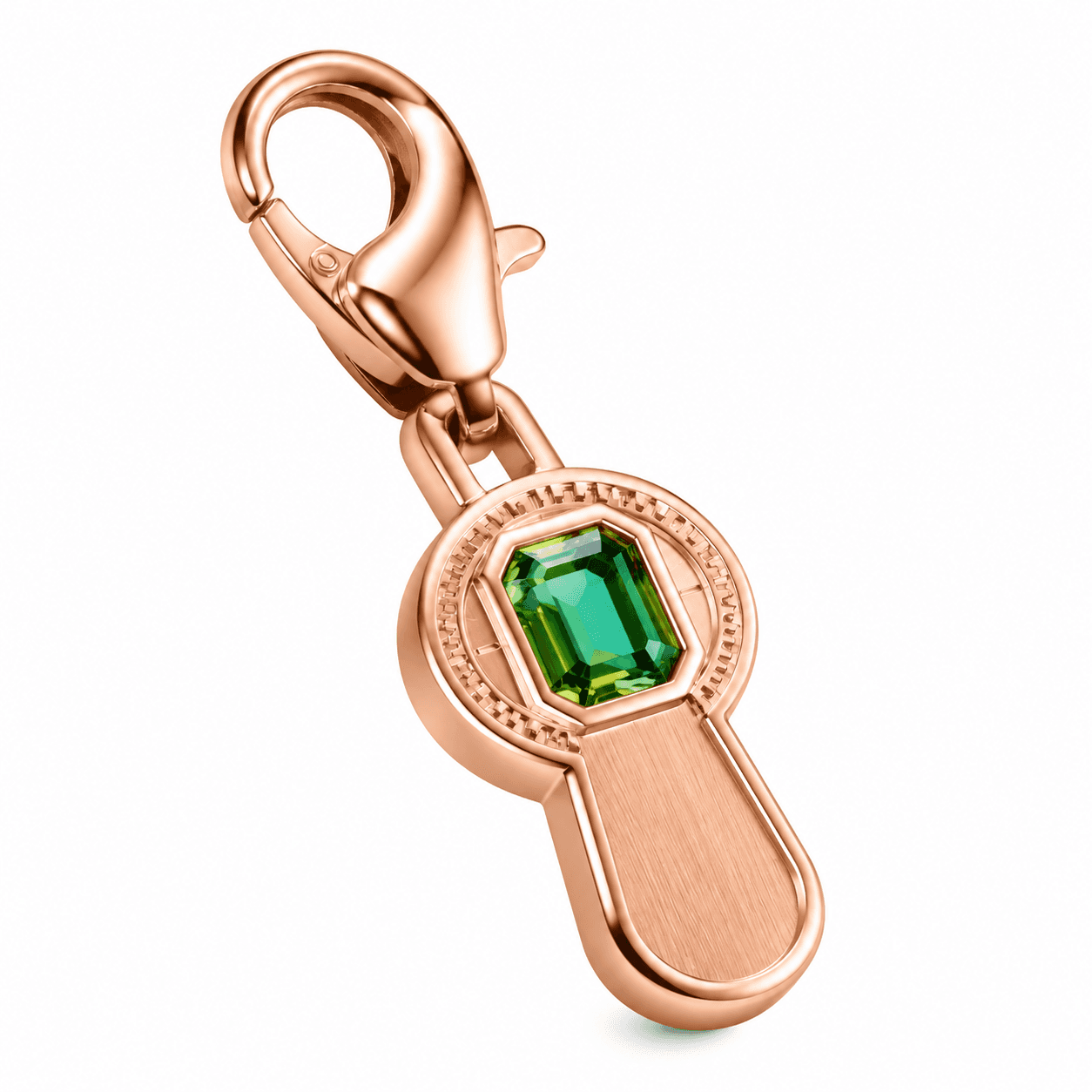
For Lancy-style programs, the preferred base is 316L stainless steel. This material supports polished steel, PVD gold color, rose tone, black PVD, enamel details, engraving, and stone-setting concepts when the design is engineered correctly. The RFQ should not simply say metal charm; it should specify 316L stainless steel charm, target finish, dimensions, thickness, and attachment hardware.
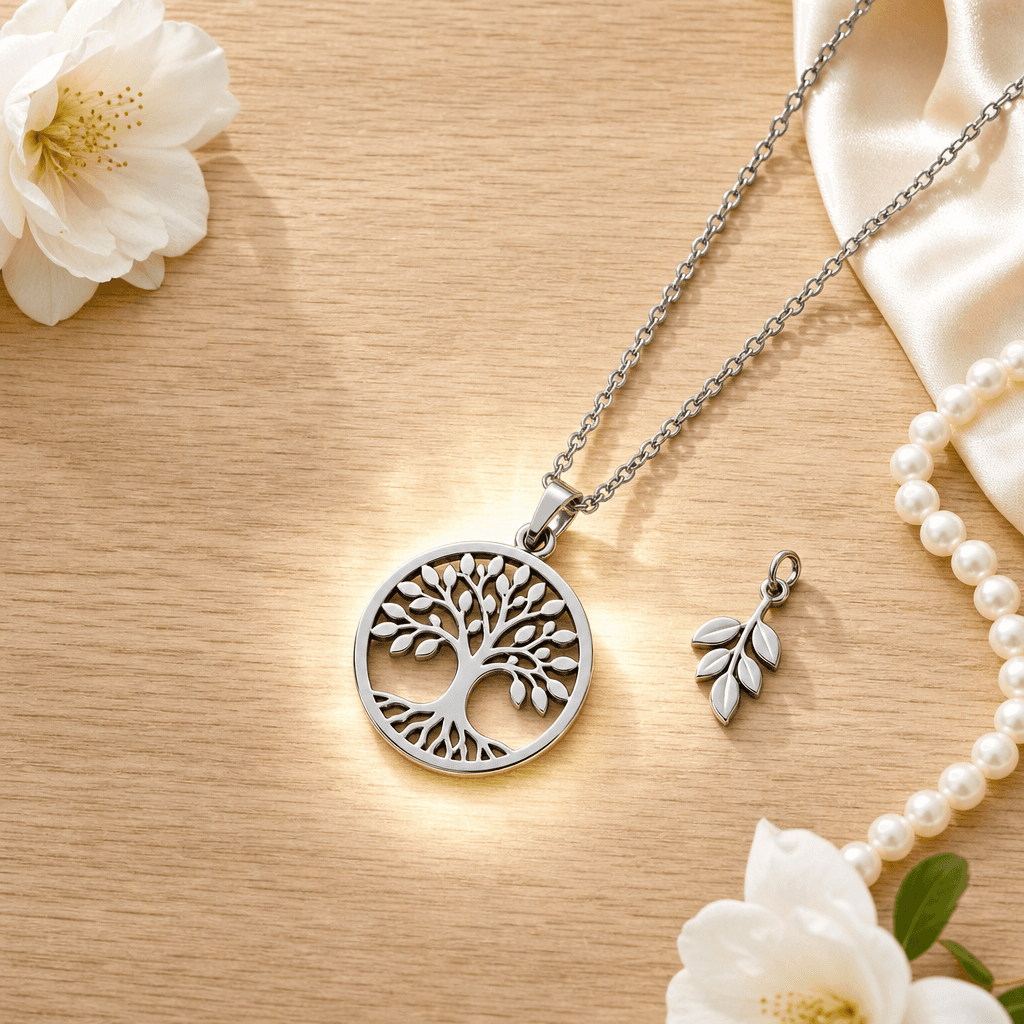
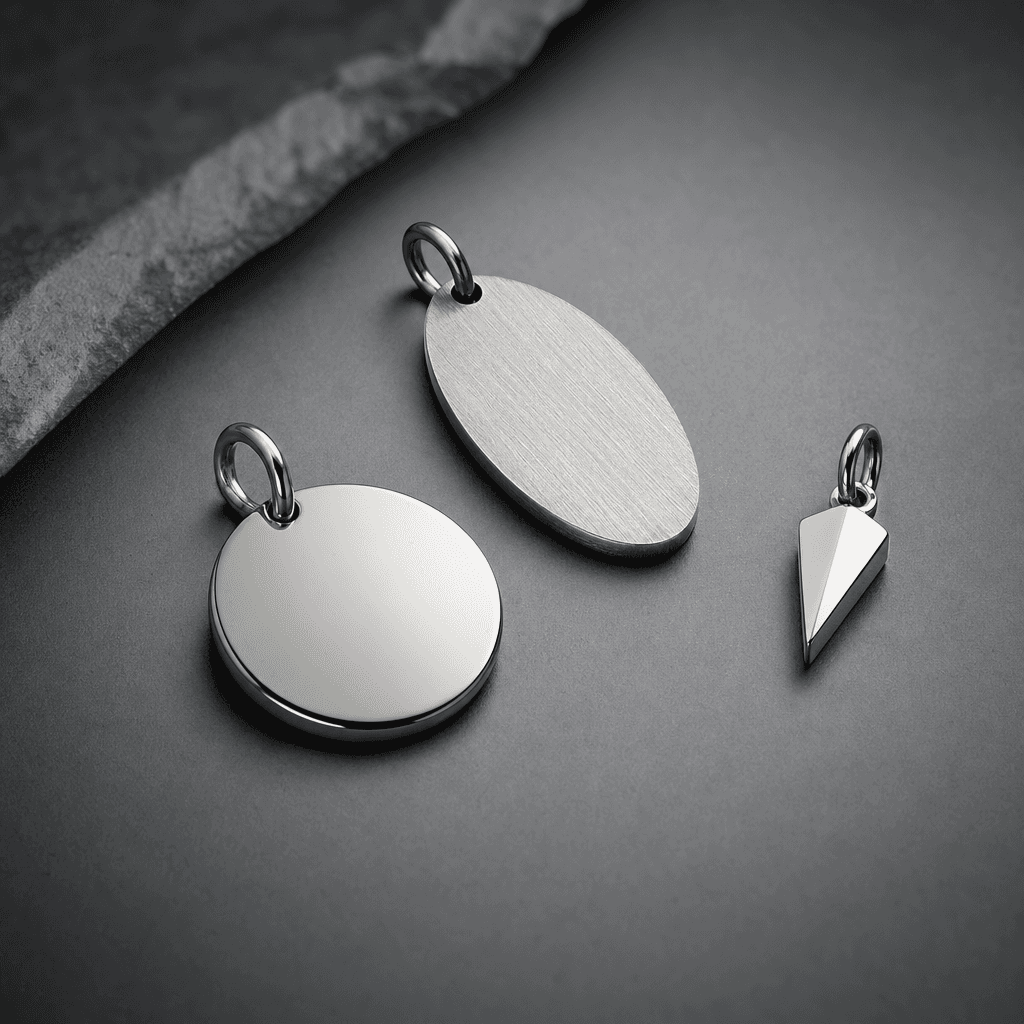
Production readiness also includes visual logic. If a charm is shown with a chain, clasp, key ring, zipper pull, or bag accessory, the connector must pass through an actual hole or loop. Product images should not show floating hardware, fused jump rings, broken loops, or cropped silhouettes. These image rules help buyers understand what the real product can achieve.
How buyers should choose charm size and visual scale
Charm size should be controlled by product use rather than by a single catalog rule. Small charms for earrings, rings, or delicate bracelet accents may sit around 6-10 mm. Medium charms for bracelets, anklets, zipper pulls, and bag accents often sit around 10-16 mm. Larger pendant-style charms may reach 16-25 mm when the buyer wants a stronger necklace or keychain presence.
Image scale is separate from real size. A small charm can fill enough of the frame to show detail, but if it fills 85 percent of the image it may look like a large pendant. A better practice is to show small charms at roughly 55-70 percent of the image area, with at least one scale-reference view using a packaging card, chain link, jump ring, neutral ruler grid, or display tray.
For AI-generated product images, the prompt should explicitly require complete outer silhouette, safe margins, realistic shadows, and no more than three coordinated items unless the image is an organized collection layout. This reduces the chance of broken, melted, or visually impossible charms appearing in blog and topic images.
Finish, color, and surface quality controls
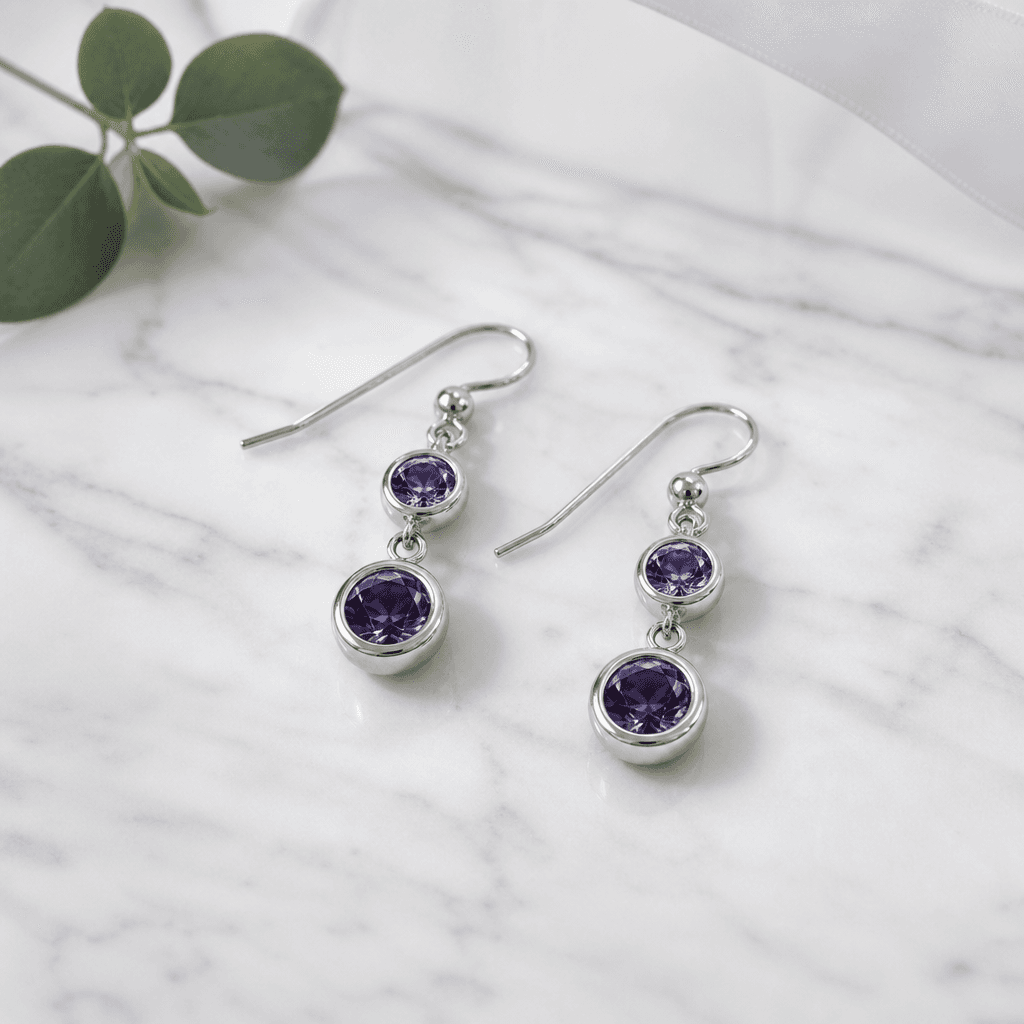
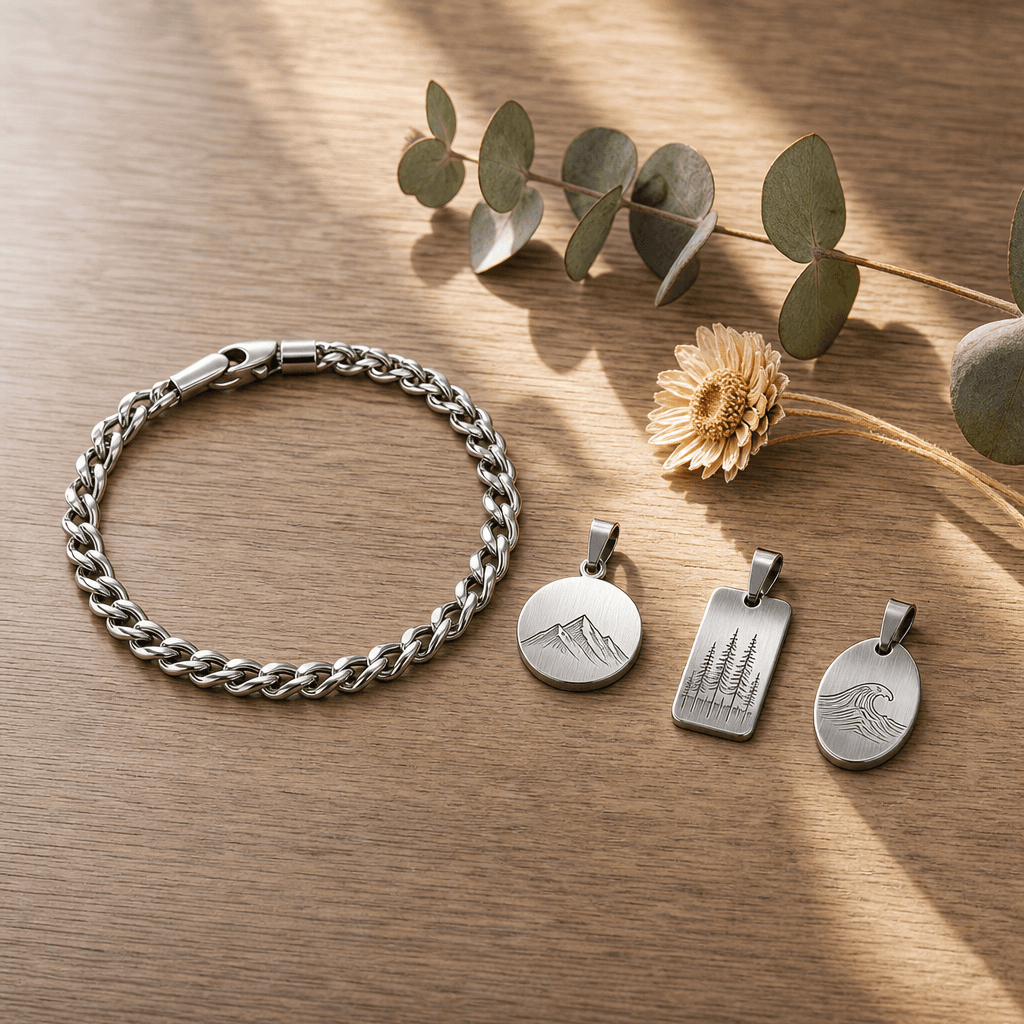
Stainless steel charms can carry different brand positions depending on finish. Polished steel gives a clean modern look, PVD gold color supports premium fashion lines, black PVD can work for bold collections, and enamel details help build color-driven series such as birthstone, zodiac, alphabet, animal, ocean, heart, cross, and botanical charms. Each finish should be approved with real samples before mass production.
Surface quality control should cover scratches, polishing lines, edge sharpness, plating shade, enamel fill, stone seating, and logo engraving clarity. Small charms magnify defects in close-up product photos, so inspection standards need to be practical but specific. A buyer should define acceptable surface variation before production, not after receiving bulk goods.
Repeat-order consistency is a core B2B issue. If the same SKU will be reordered seasonally, the supplier should keep approved sample references, finish records, and packaging specifications. This is especially important for charm series where customers expect the new production batch to match previous displays or retail cards.
Applications: jewelry, keychains, bags, car charms, and decorative accessories
Stainless steel charms can be used beyond traditional jewelry. The same core charm format can support necklace pendants, bracelet accents, anklets, earrings, keychains, bag charms, car charms, zipper pulls, gift packaging accents, and charm bar displays. The product should still remain a charm; the application context tells the factory how strong the connector should be and how the product may be packaged.
For jewelry applications, comfort and scale matter. For keychain, bag, and car charm applications, pull strength and hardware compatibility become more important. A charm used on a key ring may need a thicker jump ring than one used on a delicate chain. A charm used on a bag or zipper pull should be tested for movement, friction, and connection security.
When buyers import topic or keyword data, terms like necklace charm, bracelet charm, keychain charm, bag charm, and car charm can all be useful if the business sells stainless steel charms. Terms that imply unrelated products or inappropriate application contexts should be filtered before content generation so the website stays focused.
RFQ checklist for OEM/ODM stainless steel charms
A strong RFQ should include the target charm type, reference images or drawings, dimensions, thickness, material, finish, color details, attachment method, quantity, packaging, logo or card requirements, destination market, and required test documents. If the buyer wants multiple series, each series should have its own naming logic and SKU prefix so product records remain organized.
Buyers should also explain whether the project is made-to-order, private-label, wholesale stock, or a mixed charm bar program. This affects MOQ, sampling, packaging, and reorder planning. A supplier can give more accurate feedback when the commercial context is clear because sample complexity and bulk production risk are different for each route.
Before confirming bulk production, buyers should approve a physical sample or a clear sample photo set that shows front, back, side thickness, attachment detail, and scale reference. The approval record should be tied to the quote and production order so both sides can check the same standard during final inspection.
Start a quote-ready stainless steel charm project
Prepare your charm drawings, reference photos, size range, finish target, attachment requirement, quantity, packaging idea, and application context before requesting a quote. Lancy can review the structure, suggest practical 316L stainless steel production options, and help create sample-ready specifications for OEM/ODM stainless steel charm programs.