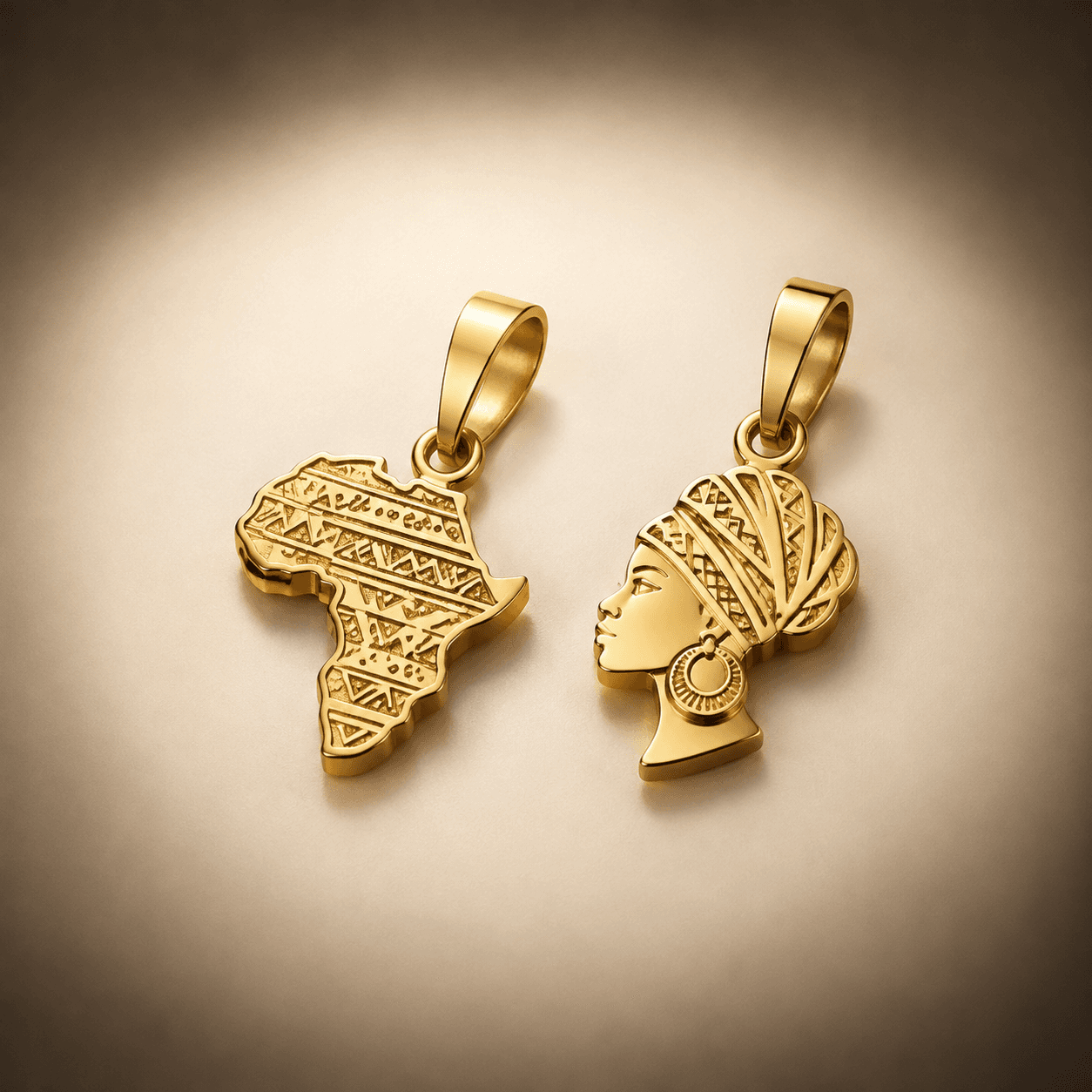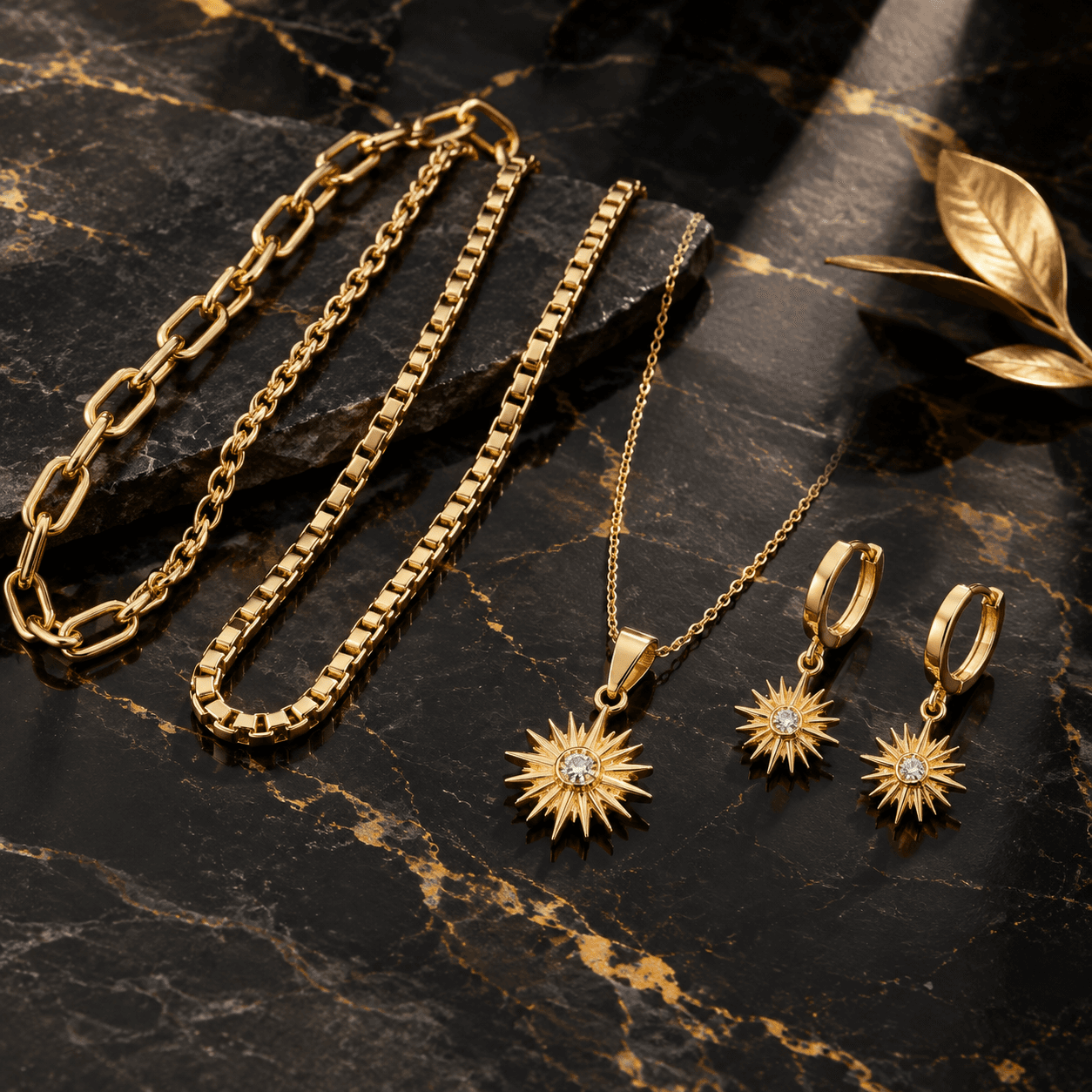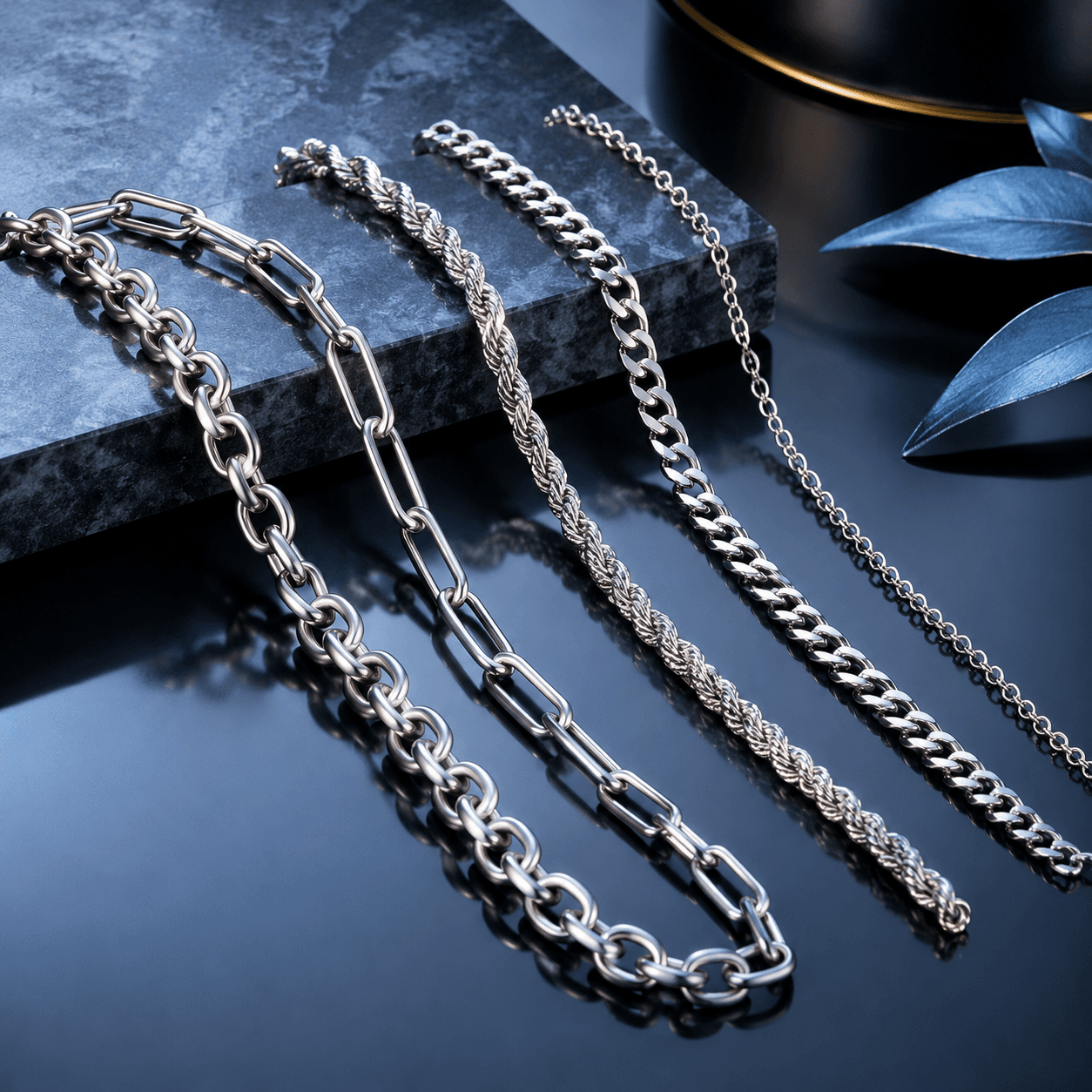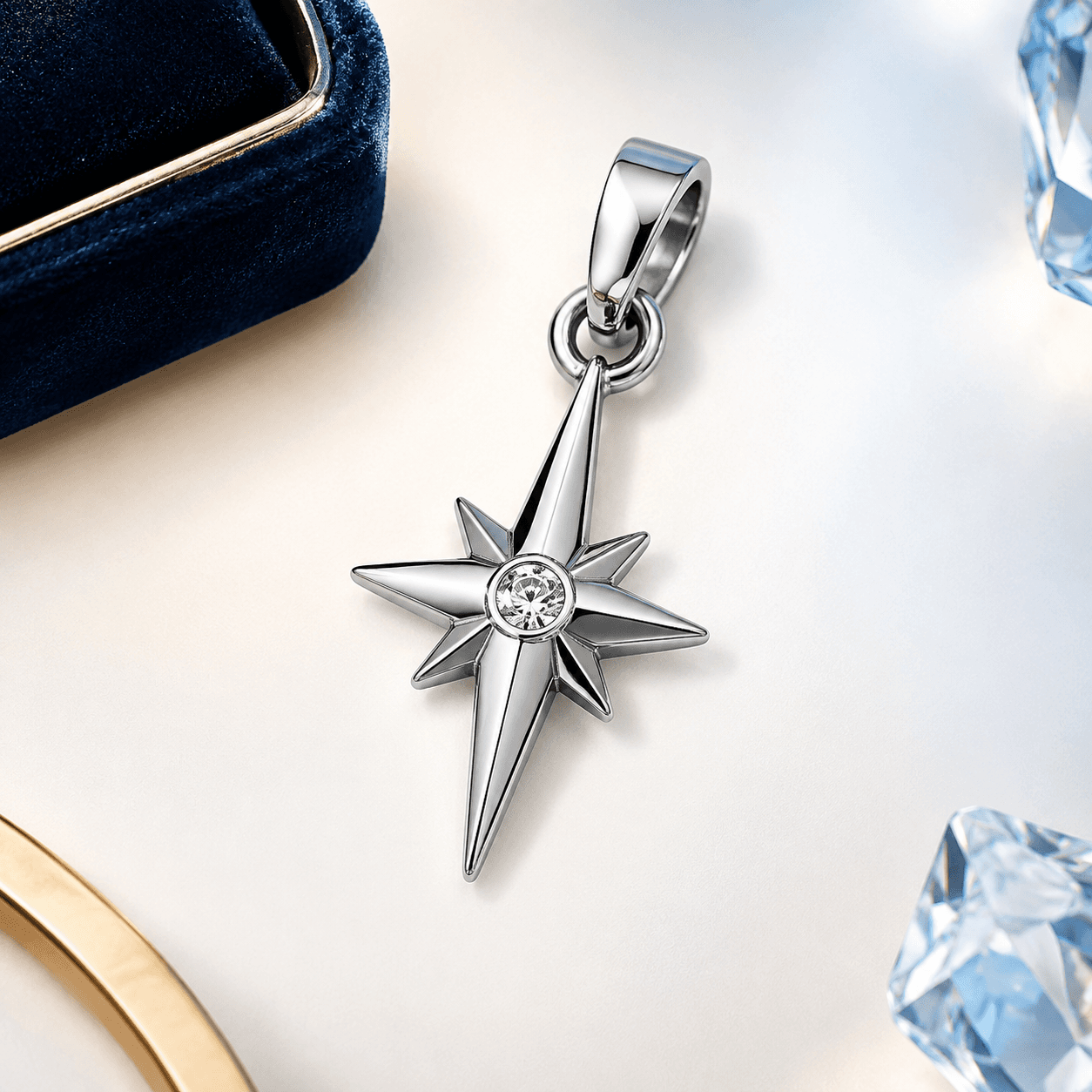
Choosing the right wholesale charms is not only a design decision. For jewelry designers and sourcing teams, the base material, metal chemistry, surface finish, production controls, and supplier development capability all influence whether a charm series performs consistently in production. A strong sourcing process therefore starts with understanding what 316L stainless steel brings to a charm and then evaluating suppliers against the same practical criteria.
This guide explains how to compare wholesale charm options for jewelry making with a materials-science perspective. It focuses on 316L stainless steel charms, finish quality, customization, testing, MOQ, and production support so buyers can make a more informed factory-direct decision.
Stainless Steel Best Wholesale Charms for Jewelry Making: What Should Buyers Compare?
Start with the 316L Material Specification
For a professional charm program, material specification should be clear before design details are finalized. 316L stainless steel is valued for its corrosion resistance, durability, and relatively low carbon content. Its chemistry is primarily iron with controlled amounts of chromium, nickel, and molybdenum, plus smaller quantities of elements such as manganese and silicon.
| Material factor | What to evaluate | Why it matters for charms |
|---|---|---|
| Chromium | Typically around 16–18% | Supports the passive surface layer that helps resist corrosion. |
| Nickel | Typically around 10–14% | Contributes to the stable austenitic structure and corrosion resistance. |
| Molybdenum | Typically around 2–3% | Improves resistance to localized corrosion in demanding environments. |
| Carbon | Low-carbon 316L specification | Helps reduce the risk of sensitization during manufacturing and welding. |
The exact specification should be confirmed through material documentation and quality-control procedures rather than assumed from a product title. For buyers, this distinction is important because consistent raw-material control supports more predictable polishing, marking, plating preparation, and finished appearance.
Compare Design Capability With Production Capability
A supplier may have attractive samples but still struggle to reproduce complex designs at commercial volume. Jewelry designers should therefore compare not only the appearance of a sample but also how the factory handles thin sections, small holes, lettering, edges, recessed areas, and repeated production tolerances.
A capable stainless steel charms manufacturer should be able to explain the production route for each design. CNC machining can support controlled dimensional work, while laser cutting and laser marking can provide precise shapes and detailed personalization. Welding, polishing, and finishing processes then need to be coordinated so the final surface remains clean and consistent.
Why 316L Stainless Steel Matters for Wholesale Charm Programs
Key Benefits for Jewelry Designers
- Corrosion resistance: The chromium-rich passive surface helps 316L stainless steel resist everyday environmental exposure.
- Durability: The material is suitable for small decorative components that need to maintain their shape during handling, packaging, and normal use.
- Low-carbon chemistry: The low-carbon specification is useful when manufacturing processes include welding or other heat exposure.
- Consistent finishing: A controlled stainless steel surface provides a dependable foundation for polishing, silver finish, PVD gold plated effects, rose gold plating, enamel, and crystal inlay.
- Design flexibility: Laser marking, CNC work, and controlled finishing can support initials, symbols, decorative outlines, and other custom details.
Quality Certifications and Testing
Material selection should be supported by measurable quality controls. Lancy Jewelry operates with SGS certification covering RoHS, REACH, Nickel Release EN1811, and Salt Spray 240H requirements. These testing areas give buyers useful reference points when evaluating product safety, restricted substances, nickel release performance, and resistance to corrosive conditions.
Certification should not replace supplier evaluation, however. Buyers should still request relevant documentation, confirm the specification of the production material, review finish samples, and establish acceptance standards before placing larger orders. This creates a repeatable quality process instead of relying on visual inspection alone.
Detailed Guide to Evaluating Wholesale 316L Stainless Steel Charms
Step 1: Define the Design and Application
Begin with the intended use of each charm. Jewelry charms, charm bar accessories, gift accessories, bag charms, and decorative accessories can require different dimensions and attachment details. Define the approximate charm size, hole or loop position, thickness, front and back appearance, and any required connector.
For most standard charm programs, compact dimensions around 8–18 mm provide a useful starting point. The final size should be driven by the design, application, visual balance, and required production tolerances.
Step 2: Review the Metal Chemistry and Surface Preparation
Ask the supplier to identify 316L stainless steel clearly and explain how the material is prepared before finishing. Surface preparation is particularly important for PVD and other decorative finishes because polishing quality, cleaning, and surface uniformity can influence adhesion and visual consistency.
Do not evaluate a finish only under showroom lighting. Request samples under neutral light and inspect edges, recessed areas, holes, lettering, and the transition between polished and textured surfaces.
Step 3: Compare Finishes Side by Side
| Finish option | Best evaluation points | Buyer questions |
|---|---|---|
| Natural stainless steel | Polishing, brushing, edge quality | Is the surface uniform across the full production batch? |
| Silver finish | Color consistency and surface cleanliness | How is finish consistency checked between batches? |
| PVD gold plated | Color, adhesion, coverage, durability | What preparation and quality checks are used before and after PVD? |
| Rose gold plating | Color stability and even coverage | Are recessed areas and edges finished consistently? |
| Enamel | Color accuracy, filling, edges | How are color references approved before bulk production? |
| Crystal inlay | Placement, security, alignment | How are setting accuracy and retention inspected? |
Step 4: Evaluate Customization and Development Support
Designers often need more than a catalog selection. A strong OEM charms manufacturer should be able to turn sketches, dimensions, logos, and reference specifications into manufacturable samples. Custom logo marking, laser engraving, enamel color filling, PVD finishing, and crystal setting can expand the range of private-label collections without changing the core 316L stainless steel material strategy.
Ask how many development revisions are included, how artwork is approved, what file formats are accepted, and how the supplier records approved samples. These details become especially important when a collection contains many related symbols or personalized designs.
Step 5: Check MOQ and Sample Development Before Bulk Orders
MOQ can strongly affect the economics of a boutique collection. A lower MOQ can allow a designer to test several designs before committing significant inventory. This is especially useful for seasonal launches, limited collections, charm bars, and private-label programs.
At the same time, buyers should distinguish between low MOQ support and uncontrolled small-batch production. Ask whether the same approved material specification, tooling standard, finish process, and inspection criteria will be used when quantities increase.
Sample development should establish the reference standard for future production. Compare the approved sample with the first production batch for dimensions, finish, engraving depth, enamel color, crystal position, and attachment geometry.
Step 6: Assess Packaging and Supply-Chain Support
For private-label buyers, manufacturing does not end when the charm is finished. Packaging presentation can influence the efficiency of receiving, merchandising, and retail preparation. Ask whether the supplier can support private-label packaging, packaging cards, labeling requirements, and coordinated series planning.
A supplier that combines product development with packaging support can reduce the number of external coordination points. This is particularly valuable when launching a collection across multiple markets with different packaging and labeling requirements.
Step 7: Use a Supplier Comparison Matrix
Before approving a supplier, score each candidate using consistent criteria. The following framework can help:
| Evaluation area | Suggested question | Priority |
|---|---|---|
| Material | Is the production material clearly specified as 316L stainless steel? | High |
| Testing | Can the supplier provide relevant SGS testing and certification information? | High |
| Finishing | Can the supplier maintain consistent polishing, PVD, enamel, and decorative finishing? | High |
| Customization | Can the factory develop logos, symbols, dimensions, and artwork into samples? | High |
| MOQ | Can the supplier support realistic quantities for a boutique launch? | Medium–High |
| Production | Does the factory have suitable CNC, laser, welding, and polishing capabilities? | High |
| Packaging | Can private-label packaging be coordinated with production? | Medium |
How Lancy Supports B2B Charm Sourcing
Lancy Jewelry focuses exclusively on 316L stainless steel charms for B2B buyers. The factory combines CNC, laser cutting, laser marking, welding, and polishing capabilities with OEM/ODM development and finishing services.
For buyers looking for custom stainless steel charms, the development process can cover logo engraving, PVD finishing, enamel color filling, crystal setting, and private-label packaging. The objective is to help designers build coordinated charm series rather than source disconnected individual pieces.
For wholesale stainless steel charms, practical sourcing considerations include consistent material specifications, repeatable finishing, low MOQ support, sample approval, and production planning. Buyers can also organize requirements through the OEM Service page or browse the All Products catalog before preparing an RFQ.
For larger programs, it is useful to provide artwork, target dimensions, estimated quantity, finish requirements, packaging expectations, and delivery targets at the inquiry stage. Clear specifications allow the factory to assess manufacturability and provide a more useful quotation.
FAQ
Why is 316L stainless steel useful for jewelry charms?
316L stainless steel combines corrosion resistance, durable physical properties, and controlled low-carbon chemistry. Its chromium, nickel, and molybdenum content contributes to its performance, making it a practical base material for detailed charm programs.
What should I request from a charm supplier before placing a wholesale order?
Request material specifications, relevant testing documentation, finish samples, dimensions, tolerances, MOQ information, sample-development details, production lead-time expectations, and packaging capabilities. An approved physical sample should become the reference for bulk production.
Can 316L stainless steel charms be customized for private-label collections?
Yes. Customization can include shape development, logo engraving, laser marking, PVD finishing, enamel color filling, crystal setting, and private-label packaging. The exact process depends on the artwork and required production details.
How can I reduce sourcing risk when ordering charms internationally?
Use a documented sample-approval process, confirm the 316L stainless steel specification, review testing information, define finish standards, verify attachment geometry, and start with an appropriate MOQ before scaling to larger orders.
Partner With Lancy for Your Next Charm Program
The best wholesale charm supplier is not simply the one with the largest catalog. For jewelry designers, a reliable partner should combine material knowledge, repeatable production, customization capability, quality testing, and practical B2B support.
Lancy Jewelry provides factory-direct OEM/ODM development for boutique brands, charm bar retailers, gift companies, distributors, and private-label buyers. With 316L stainless steel as the base material, buyers can develop coordinated collections with PVD, enamel, crystal inlay, logo marking, and private-label packaging.
Ready to evaluate your next collection? Request a Quote with your design files, target quantity, finish requirements, and packaging needs. For direct sourcing questions, visit Contact.