Finishing stainless steel charm bracelet links: PVD, plating, and polishing for OEM/ODM partners
In boutique-brand charm programs, finishing quality defines perceived value and long-term performance. This guide outlines the finishing workflow for 316L stainless steel charm bracelet links, focusing on PVD coating, electroplating, polishing, and surface treatments. Lancy Jewelry operates as a modern stainless steel charms manufacturer with 316L stainless steel as the base, supported by CNC, laser, welding, and polishing capabilities, and backed by SGS-certified processes for RoHS, REACH, EN1811 Nickel Release, and Salt Spray testing. For private-label programs or low MOQ initiatives, the guide includes actionable steps to align with OEM and ODM requirements while maintaining robust QC across batch runs. Explore our OEM service and contact channels for collaboration, or browse our All Products catalog to align finishes with base charm shapes.
Finishing options for stainless steel charm bracelet links
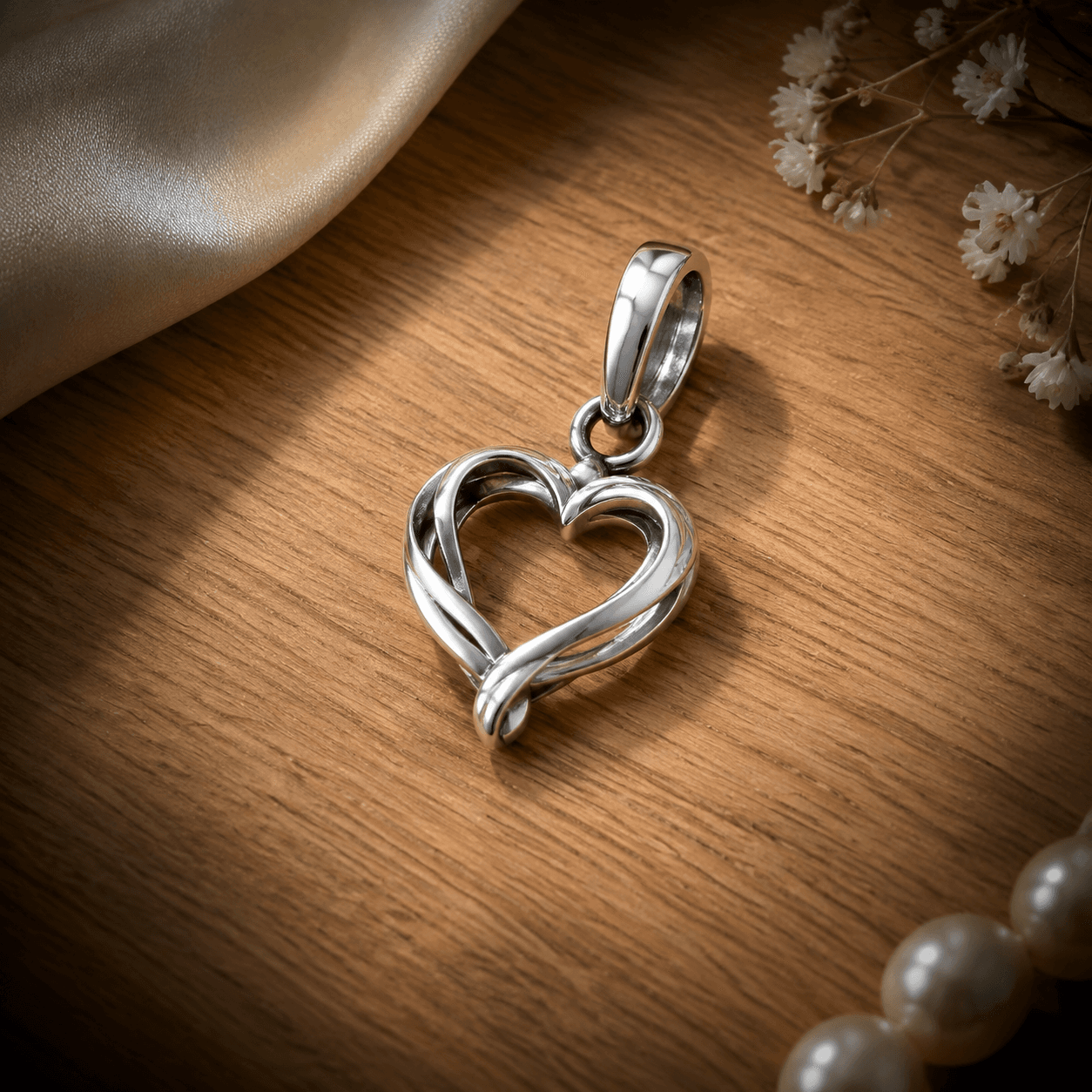
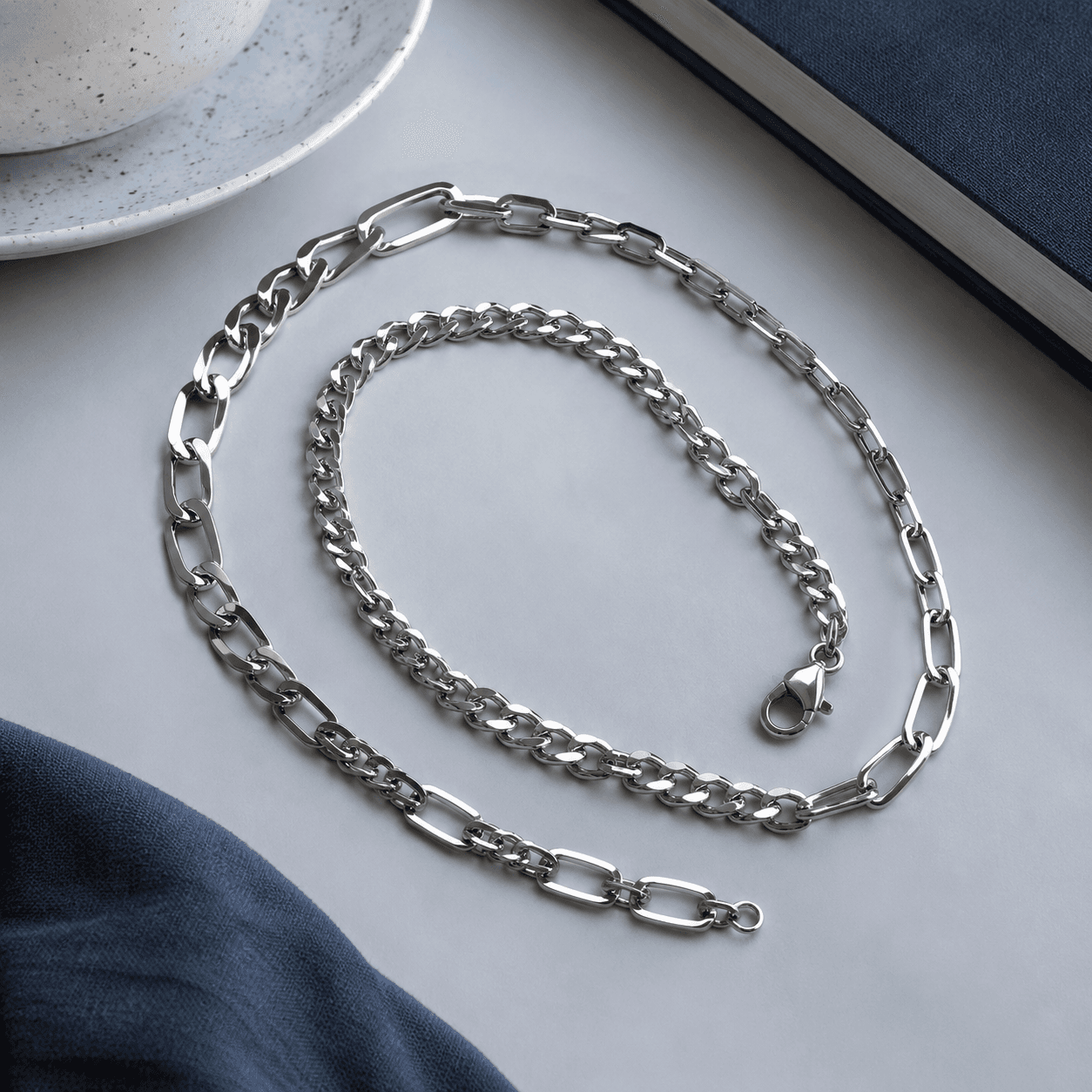
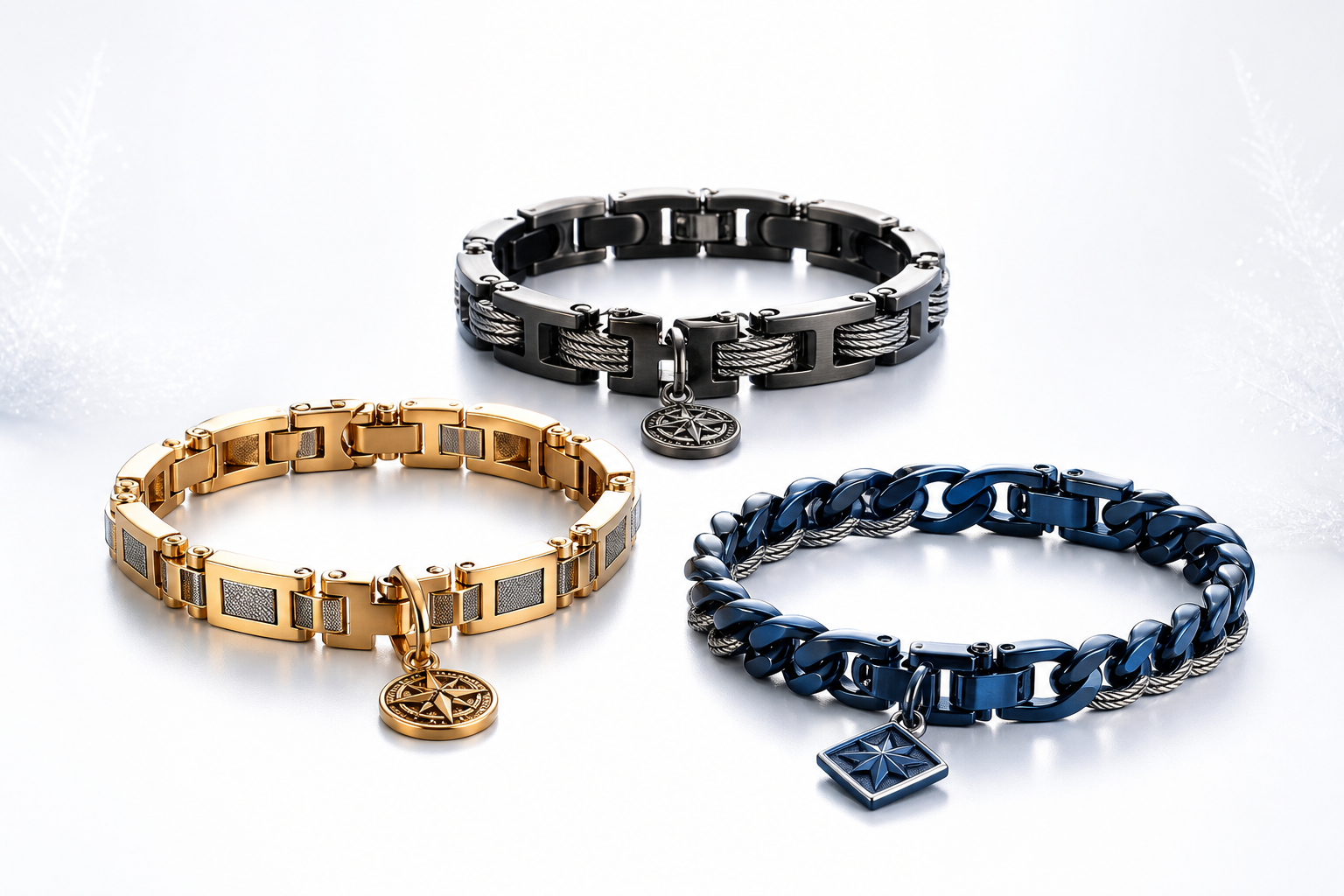
When selecting finishes for 316L stainless steel charm bracelet links, the focus is on durable color, uniform texture, and synergy with enamel fills and crystal inlays. The term stainless steel charm links reflects the base material and geometry used to produce a cohesive line of 316L charms, while PVD plating offers a versatile color palette with strong adhesion and wear resistance. This article uses consistent terminology to help designers, product developers, and private-label buyers articulate finish strategies in RFQs and sample development discussions. Lancy Jewelry is a dedicated stainless steel charms manufacturer specializing in 316L stainless steel, with finishing options designed for OEM/ODM collaboration and wholesale programs.
Sub-points
- Material behavior: 316L stainless steel as a stable base for high-precision finishes
- PVD coatings: color range, adhesion, and wear performance
- Electroplating vs. PVD: when to select each system to meet market needs
- Surface preparation: cleaning, micro-roughening, and passivation
- Quality control checkpoints: salt spray, EN1811 nickel release, and dimensional tolerances
Benefits and why finishing matters
Key benefits
- Durability and colorfastness: PVD coatings provide robust color retention under daily wear
- Multi-market consistency: SGS-certified processes ensure RoHS, REACH compliance, and reliable nickel-release control across regions such as the US, EU, UK, AU, CA, DE, FR, SP, NE, and RU
- Private-label readiness: finishes supported by sample development programs enable private-label charm lines with consistent plating quality and packaging options
- MOQ-friendly production: workflows designed for low MOQ charm production while preserving surface integrity and traceability
For designers and product developers, the interplay between PVD and electroplating defines color strategy, wear performance, and repairability. Our finishing workflows are designed to produce repeatable results, with documentation suitable for private-label packaging and technical specifications that support RFQ submissions. To explore material-led finishes or request a phased finish plan, visit our OEM/ODM service page or initiate an RFQ to align with your MOQ and sample development needs.
Detailed, step-by-step guide
-
Step 1 — Define the finish strategy
Begin with a finish map that enumerates color family, wear expectations, and client branding. Decide whether a color or metallic look will drive the collection, and confirm it works with enamel and crystal inlay options. For OEM/ODM collaborations, align with the private-label packaging and labeling requirements early in the design brief. Keywords for sourcing discussions should include stainless steel charms manufacturer, 316L stainless steel charms, and OEM charms manufacturer to anchor the conversation in contract-ready terms.
-
Step 2 — Surface preparation and pretreatment
Cleanliness and surface roughness set the foundation for coating adhesion. Perform degreasing using a non-chlorinated solvent system, followed by micro-roughening (if required) to enhance coating grip. Passivation steps will stabilize the stainless steel surface, reducing reaction potential during subsequent plating. A robust pretreatment protocol supports consistent finishes across batches and ensures the surface remains within defined tolerances for length, width, and hole diameters. This phase is critical for custom stainless steel charms and ensures reliable results when moving into PVD plated stainless steel charms production.
-
Step 3 — PVD coating: deposition, color selection, and adhesion
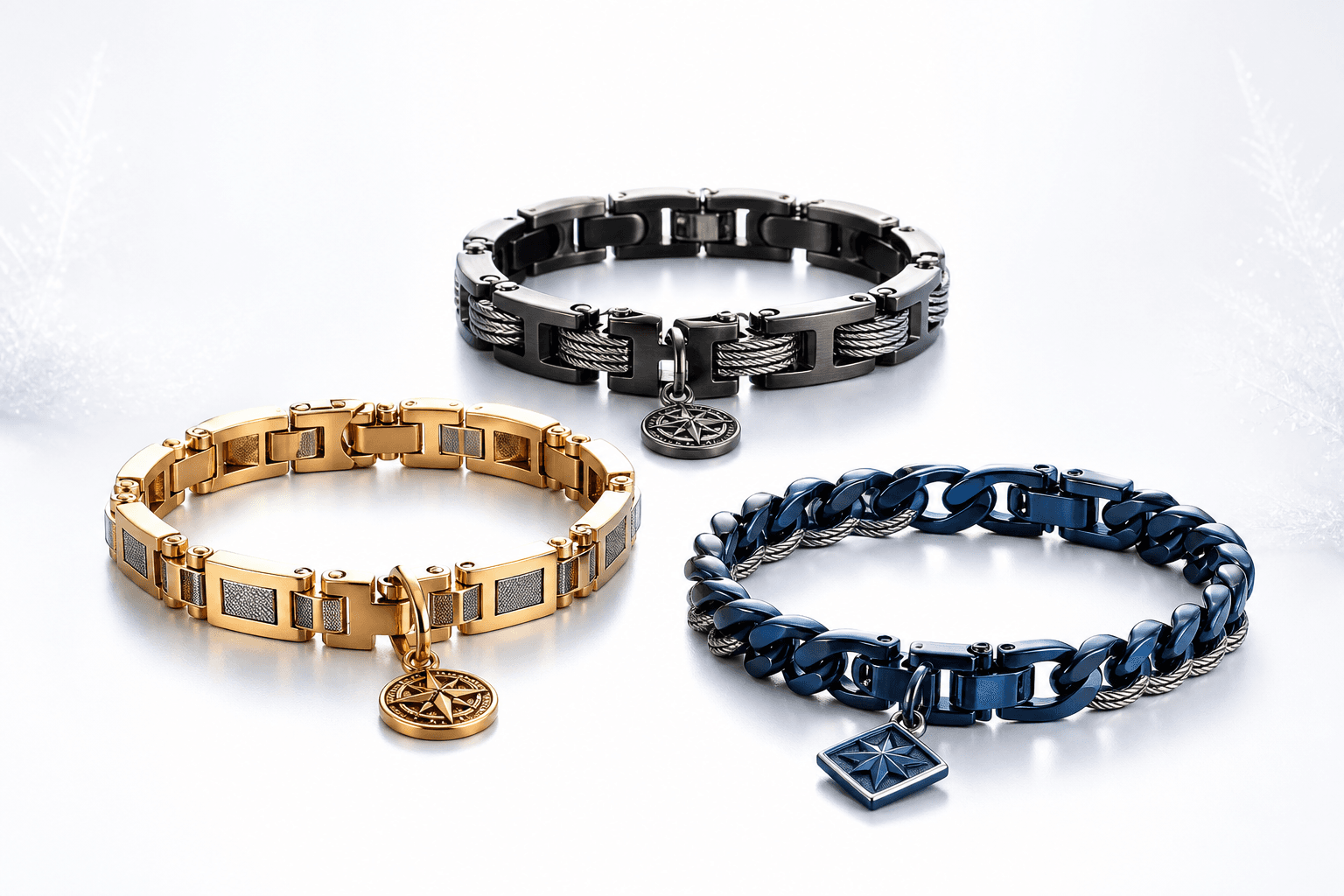
Physical Vapor Deposition (PVD) uses vaporized particles to form a thin, hard coating that adheres to the 316L stainless steel base. Choose a coating thickness appropriate for wear patterns (typically 2–8 microns for charm links) and select color families such as gold, rose gold, or silver to align with private-label color standards. PVD is favored for its abrasion resistance and corrosion resistance, contributing to a boutique-ready finish that maintains sheen under daily handling. When designing a line, specify PVD plated stainless steel charms as the base for high-contrast enamel fills or crystal inlays and document color tolerances for multi-market consistency.
-
Step 4 — Electroplating: complementary color and undercoat options
Electroplating provides an alternative or complementary route to PVD, offering specific color personalities (e.g., warm gold tones) and filling color gaps in hybrid finishes. Use electroplating for base coats, undercoats, or to achieve color shifts that are challenging with PVD alone. Ensure that plating processes and chemical baths meet RoHS and nickel-release standards for global markets. For designers exploring custom stainless steel charms, electroplating can be a practical bridge between raw 316L base parts and final color effects, especially when color fidelity under enamel fills is crucial.
-
Step 5 — Polishing, texturing, and surface refinement
Post-coating polishing refines luster, controls micro-scratch visibility, and enhances the tactile feel of the charm bracelet links. Decide between bright polishing for showroom appeal or satin/brick-texture finishes for a contemporary look. Surface texture choices influence how enamel colors settle and how crystals catch light, so coordinate polishing specs with enamel and inlay teams to prevent edge chipping or color pooling in tight radii. This step is essential for OEM/ODM charm production that expects consistent hand-feel across large runs.
-
Step 6 — Enamel fills and crystal inlays (optional)
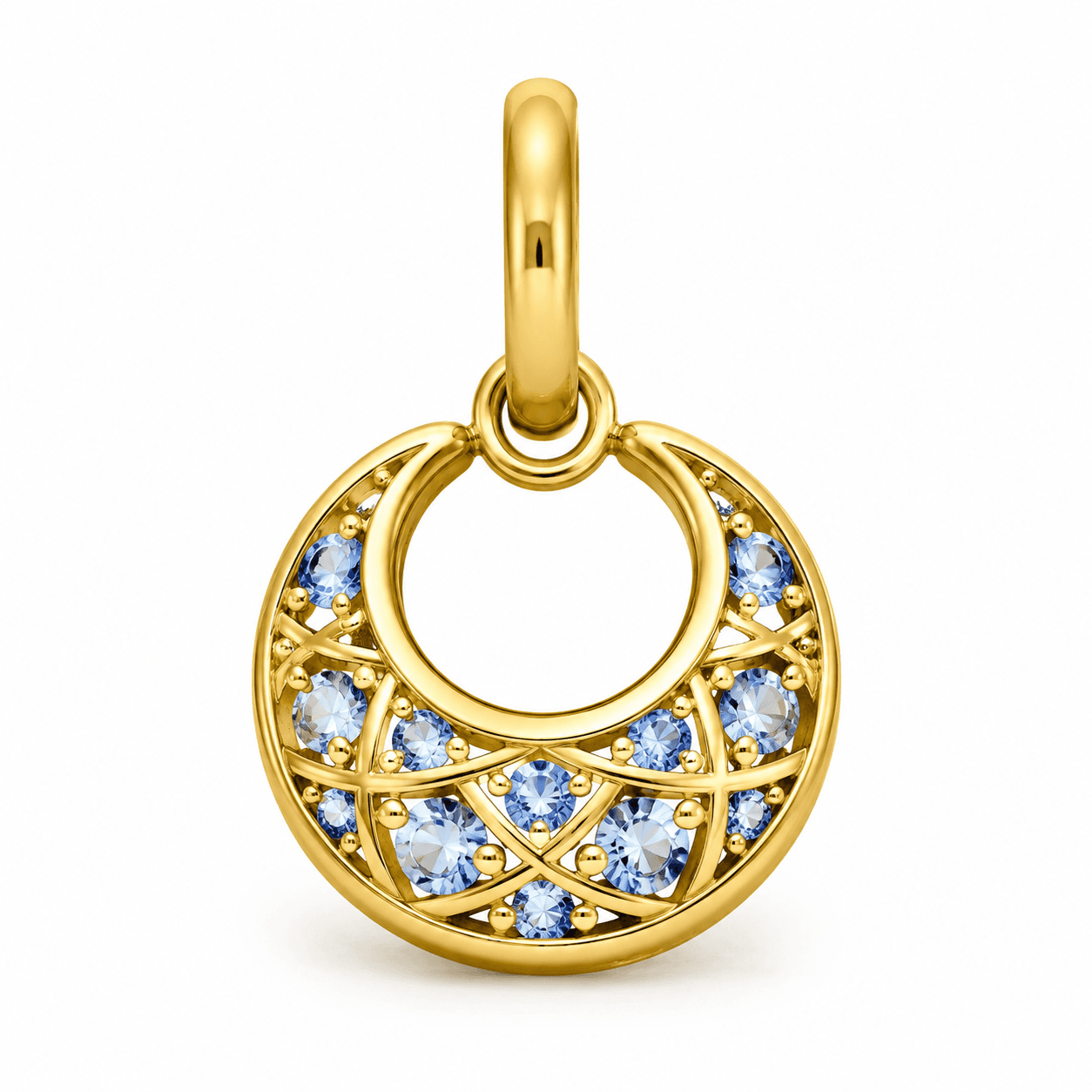
Enamel color filling requires precise masking and curing protocols to achieve crisp edges and durable color across the charm’s contour. Crystal inlays demand template accuracy and secure settings to avoid shedding or movement during wear. When designing collector-grade or premium lines, coordinate enamel thickness and crystal set depth with the finishing team to ensure long-term wear performance and color stability. These features complement PVD or electroplated finishes and expand customization opportunities for private-label lines.
-
Step 7 — Quality control and certification checks
Implement a multi-stage QC protocol: dimensional checks (hole diameter, bail width, overall length), coating adhesion tests, surface roughness, and visual inspection for color uniformity. Conduct salt spray tests to simulate long-term corrosion resistance and verify EN1811 nickel-release compliance. SGS-certified processes should be referenced in your QA documentation, especially for retailers and distributors seeking bulk charm orders with a transparent supply chain. Early incorporation of QC during sample development accelerates qualification for mass production.
-
Step 8 — Private-label packaging and documentation
Finalize packaging and labeling specs to support private-label programs. Provide finish data sheets, color swatches, and care instructions suitable for mass distribution. For partners pursuing long-term collaborations, ensure that your packaging, hang tags, and SKU labeling align with regional regulatory and market expectations. This step completes the chain from raw 316L stainless steel charm links to market-ready products in a private-label or wholesale context. If you anticipate high-volume demand, coordinate sample development timelines with the production schedule and prepare a phased ramp plan to satisfy bulk orders.
FAQ: finishing stainless steel charm bracelet links for global markets
Q1: What finishes are available for 316L stainless steel charm bracelet links?
A: Finishes include PVD gold plating, silver finish, rose gold plating, enamel fills, and crystal inlays, all for 316L stainless steel bases. PVD coatings offer durable color; enamel and crystal options provide customization aligned with private-label designs. Lancy Jewelry supports these finishes within our OEM/ODM manufacturing framework, emphasizing consistency and repeatability across batches.
Q2: How long does a PVD finish last on charm bracelet links in typical wear?
A: PVD finishes are designed for high wear resistance and color stability. With proper pretreatment, coating thickness, and post-process sealing, PVD-coated 316L stainless steel charms maintain appearance through long-term wear. For private-label collections, specify expected wear profiles and market-specific expectations during sample development to tailor thickness and coating selection.
Q3: What are typical lead times and MOQs for OEM/ODM orders?
A: Lead times depend on finish complexity and sample development cycles. Lancy supports low MOQ charm production, scalable to longer-term programs, with a clear RFQ and quotation process. For new programs, discuss MOQs, prototype windows, and production-start timelines in your request to ensure a smooth transition to mass production.
Q4: What certifications support finishing processes?
A: SGS-certified RoHS and REACH compliance, Nickel Release EN1811, and Salt Spray 240H tests are standard references for our processes. These certifications help ensure that finishes meet global regulatory expectations and support cross-market distributor approvals for private-label lines and wholesale orders.
Partner with Lancy Jewelry: your factory-direct charm factory
As a dedicated stainless steel charms manufacturer focused on 316L stainless steel, Lancy Jewelry offers OEM/ODM capabilities, including logo engraving, PVD plating, enamel color filling, crystal inlay, private-label packaging, and robust sample support. Our modern facility combines CNC, laser cutting, laser marking, welding, and polishing to deliver consistent quality across worldwide markets. If you are planning private-label programs, wholesale distribution, or custom decorative charms for boutique brands, we invite you to start with a formal RFQ through Request a Quote or reach out via Contact for a tailored finishing plan. For design inspiration and practical manufacturing options, explore our All Products catalog and our dedicated OEM service page to align with your design brief and production strategy.
Key action steps to partner: step into sample development, finalize color and finish specs, secure a private-label packaging plan, and confirm low MOQ terms for your first production run. By leveraging Lancy’s 316L stainless steel charm capabilities, designers can deliver boutique-ready lines that meet global standards, with reliable traceability and certification-backed performance.