
Factory audits for stainless steel charm suppliers
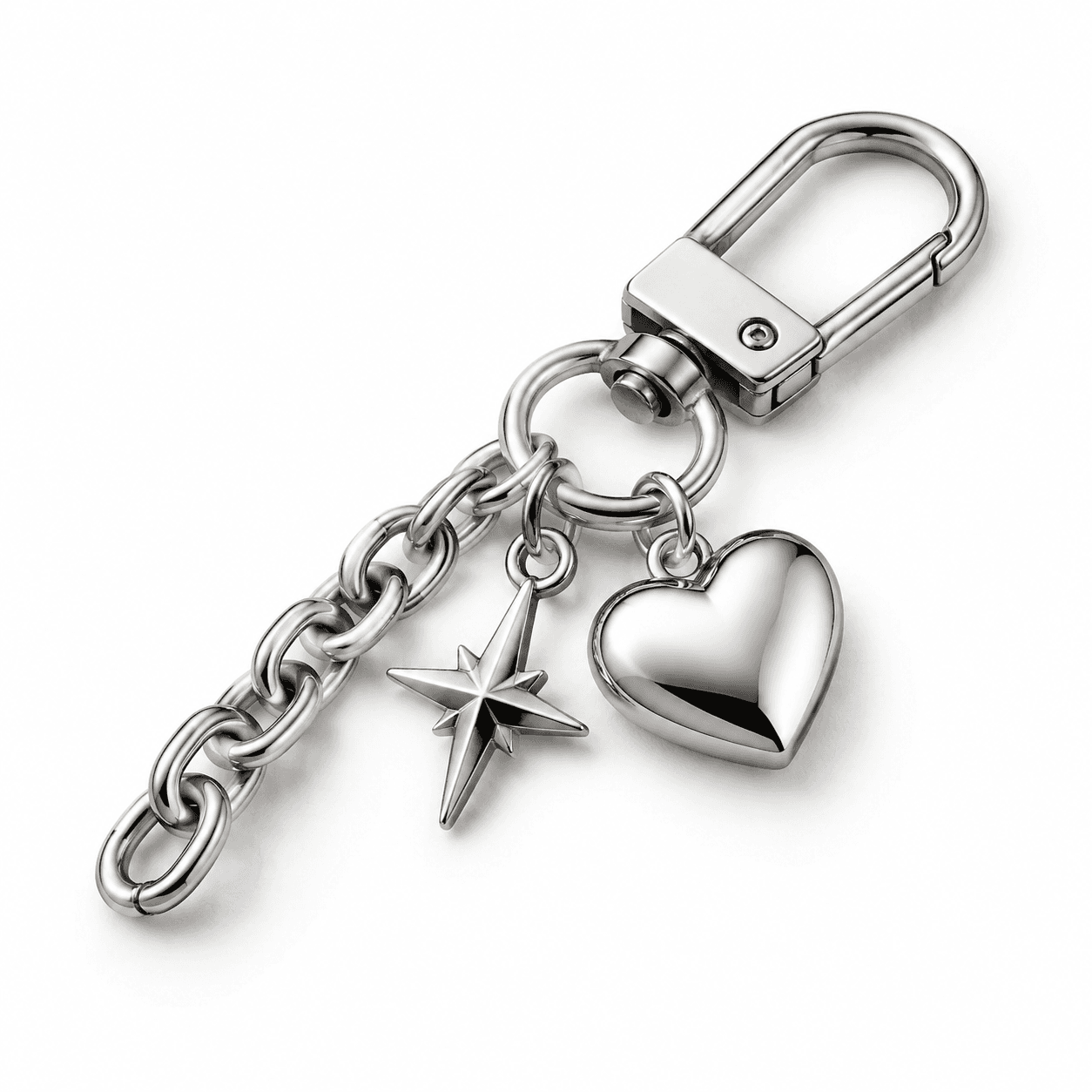
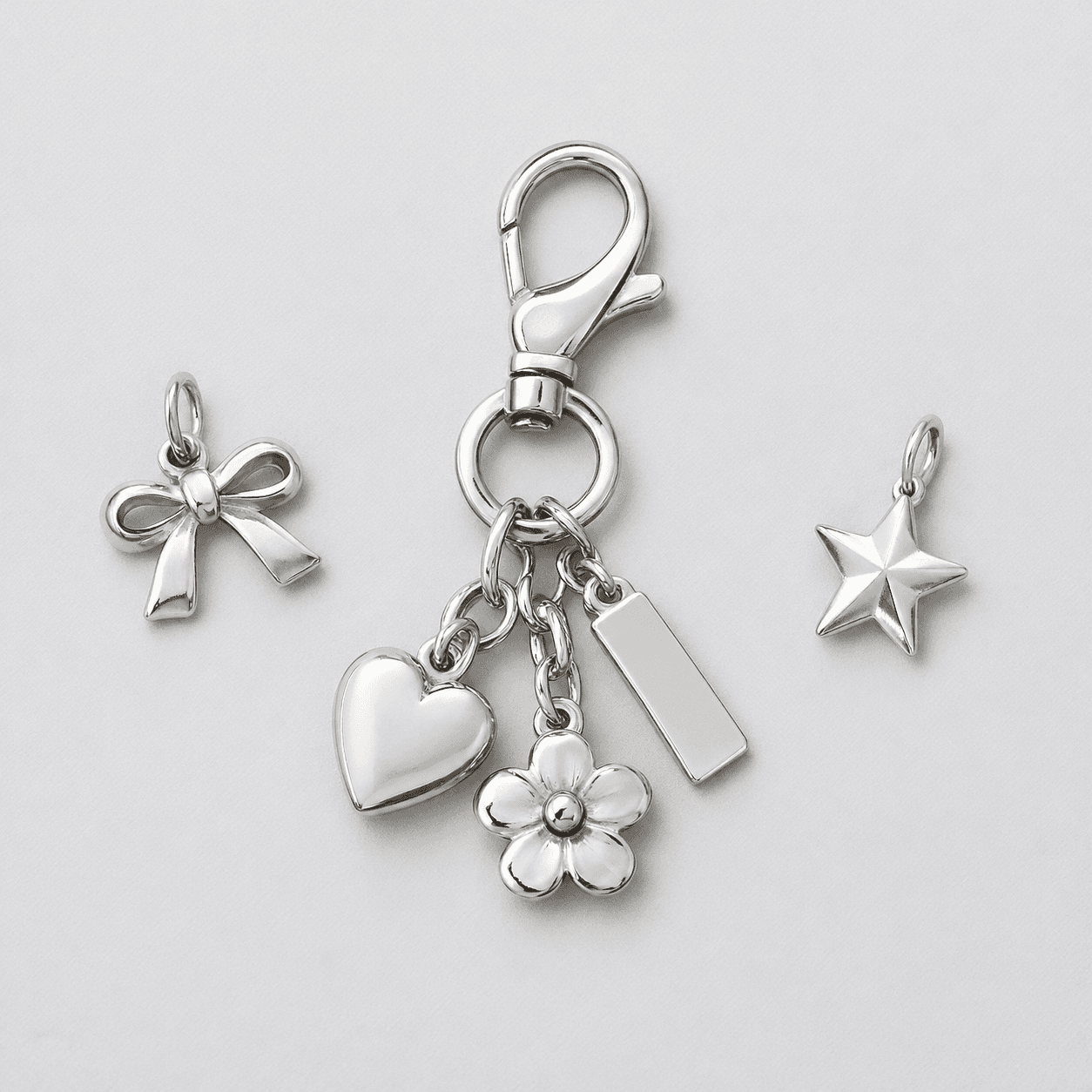
As a leading stainless steel charms manufacturer, Lancy Jewelry operates a modern facility equipped with CNC, laser cutting, laser marking, welding, and precision polishing. Our certifications, including SGS, RoHS, REACH, EN1811 nickel release testing, and Salt Spray 240H, underpin every audit and supplier evaluation. This article presents an actionable, checklist-style guide for procurement teams to verify supplier readiness, reliability, and compliance before committing to any partnership. If you are evaluating a potential supplier, use this as a practical framework to capture evidence and drive consistent vendor vetting across markets. For broader collaboration options, explore our OEM service and the option to request a quote via RFQ / Request a Quote while reviewing documented evidence of capabilities.
Pre-audit planning
- Define audit scope and objectives, focusing on 316L stainless steel base material, plating quality, and safety certifications (RoHS, REACH, EN1811), plus documented test reports.
- Gather supplier documentation: SGS certificates, material declarations, test reports, process flow diagrams, and factory layouts.
- Prepare a supplier questionnaire addressing process control, plating thickness, nickel release compliance, and traceability.
- Align on key performance indicators (KPIs) such as defect rate, plating consistency, and on-time delivery for bulk orders.
- Confirm scope includes OEM/ODM capabilities, sample development lead times, and MOQs relevant to private-label or wholesale customers.
Factory floor & process controls
- Inspect CNC, laser cutting, welding, and polishing stations for clean operation, documented calibration, and maintenance logs.
- Verify plating process controls for PVD or decorative finishes (gold, silver, rose gold) with process parameters, bath stability, and part-to-part consistency.
- Check cleanliness and substrate preparation steps to minimize adhesion issues and ensure corrosion resistance of 316L stainless steel charms.
- Confirm real-hole or loop connections and mechanical plausibility when any bail, jump ring, or connector is shown in samples.
- Review non-conforming material handling, quarantine procedures, and disposition workflows.
Materials & compliance
- Validate base material as 316L stainless steel with traceability data (mill lot/heat ID, supplier lot numbers).
- Confirm that nickel release testing follows EN1811 and that test reports are current for all lots used in production.
- Review RoHS and REACH compliance documentation and ensure no prohibited substances are present in plating and finish processes.
- Assess corrosion resistance testing (Salt Spray 240H or equivalent) results and any impact on long-term durability in target markets.
- Verify material traceability from raw material to finished charm, including batch traceability and a robust lot-record system.
Quality system & documentation
- Inspect the quality management framework, CAPA procedures, internal audits, and corrective action timelines.
- Review calibration records for measurement equipment used in plating thickness and dimensional checks.
- Check change-control processes for process or material changes that could affect safety or performance.
- Confirm packaging and labeling controls, including private-label packaging standards and protection during transit.
- Verify confidentiality agreements and data protection for design files and customer-specific artwork (logo engraving, enamel patterns, etc.).
Certifications & safety testing
- Confirm SGS certification scope covers RoHS, REACH, Nickel Release EN1811, and Salt Spray 240H for 316L stainless steel charms.
- Check certificate issue dates, scope, and the ability to provide updated copies upon request.
- Ensure test reports match current production batches and that re-tests or retests after changes are captured.
- Review supplier adherence to safety and regulatory standards relevant to target markets (US, EU, UK, AU, CA, DE, FR, SP, NE, RU).
Audit reporting & follow-up
- Ensure the audit yields a clear, itemized report with non-conformities, root-cause analysis, and corrective-action plans.
- Establish a corrective-action timeline and schedule a follow-up or mini-audit to verify closure of findings.
- Confirm final supplier rating and debrief with procurement stakeholders, including recommendations for OEM/ODM collaboration or alternative sourcing if gaps persist.
- Document any special conditions for private-label or low-MOQ programs to minimize risk while meeting private-label timelines.
Benefits of a certification-aware audit approach
Certified processes and transparent documentation translate into predictable performance for buyers across global markets. The following benefits align with common supplier expectations and procurement needs:
- Improved risk management through verified RoHS, REACH, and nickel-release compliance, reducing regulatory and warranty risks.
- Consistent plating quality and color stability across batches, critical for brand fidelity in 316L stainless steel charms.
- Clear traceability from raw material to finished charm, enabling efficient root-cause analysis when issues arise.
- Stronger supplier relationships through structured CAPA workflows and periodic re-audits, supporting long-term OEM/ODM engagements.
- Faster onboarding for private-label programs with documented MOQs, sample development timelines, and packaging specifications.
Detailed analysis / guide for procurement teams
- Pre-audit setup: Define the regulatory scope (RoHS, REACH, EN1811), confirm the base material (316L stainless steel), and compile the required SGS and test reports before the site visit.
- Materials validation: Request a material declaration and confirm 316L stainless steel and plating compositions, plus salt spray and corrosion data relevant to the customer’s markets.
- Process verification: Observe plating controls, finishing steps, and inspection points that directly influence surface finish quality and plating thickness consistency.
- Documentation review: Inspect quality manuals, calibration certificates, batch records, and change-control logs for traceability and compliance readiness.
- Safety and regulatory alignment: Cross-check RoHS/REACH conformity with market-specific requirements (for example, EN1811 nickel release thresholds) and ensure ongoing surveillance plans are in place.
- Sample development and testing: Validate that sample development timelines align with private-label or OEM/ODM programs, and review test results for EN1811 and corrosion performance.
- Packaging and labeling: Confirm packaging standards meet product protection needs and any private-label artwork is controlled under NDA and change-control.
- Risk-based prioritization: Rank findings by impact (safety, durability) and likelihood, then map corrective actions to responsible teams and due dates.
- Final assessment and go/no-go: Compile a detailed board-ready summary that supports OEM/ODM engagement decisions or identifies alternative suppliers to meet private-label or wholesale needs.
FAQ
Q: How often should factory audits be conducted for stability in supply chains?
A: For ongoing partnerships, annual audits paired with risk-based checks on major changes (materials, process equipment, or key personnel) are recommended. Mid-cycle spot checks on plating thickness and nickel-release performance can quickly flag drift before it impacts quality.
Q: What documentation should I request from a stainless steel charms manufacturer?
A: Request SGS certificates, RoHS/REACH declarations, EN1811 nickel-release test reports, salt-spray test data, material declarations showing 316L stainless steel, batch traceability records, and calibration certificates for measuring equipment used in plating and dimensional checks.
Q: How do I evaluate a supplier’s capability for OEM/ODM and sample development?
A: Look for a documented process for logo engraving, enamel filling, crystal inlay, and private-label packaging. Verify sample development timelines, MOQs, and the ability to scale from pilot samples to bulk orders without compromising compliance or finish quality.
Q: What role do certifications play in vendor selection?
A: Certifications like SGS, RoHS, REACH, EN1811, and Salt Spray demonstrate adherence to safety, regulatory, and performance standards across markets, reducing regulatory risk and post-sale claims.
Partner with us
As a dedicated 316L stainless steel charms manufacturer, Lancy Jewelry brings OEM charms manufacturer capabilities, robust private-label packaging options, and reliable sample development timelines to global brands. Our factory is designed for scalable production, and our audits emphasize governance, traceability, and safety at every step. We invite procurement teams to explore collaboration through our OEM / ODM services and to initiate conversations about bulk orders or private-label programs. For direct inquiries and partnership discussions, please contact our team to begin the RFQ process and receive a formal proposal.