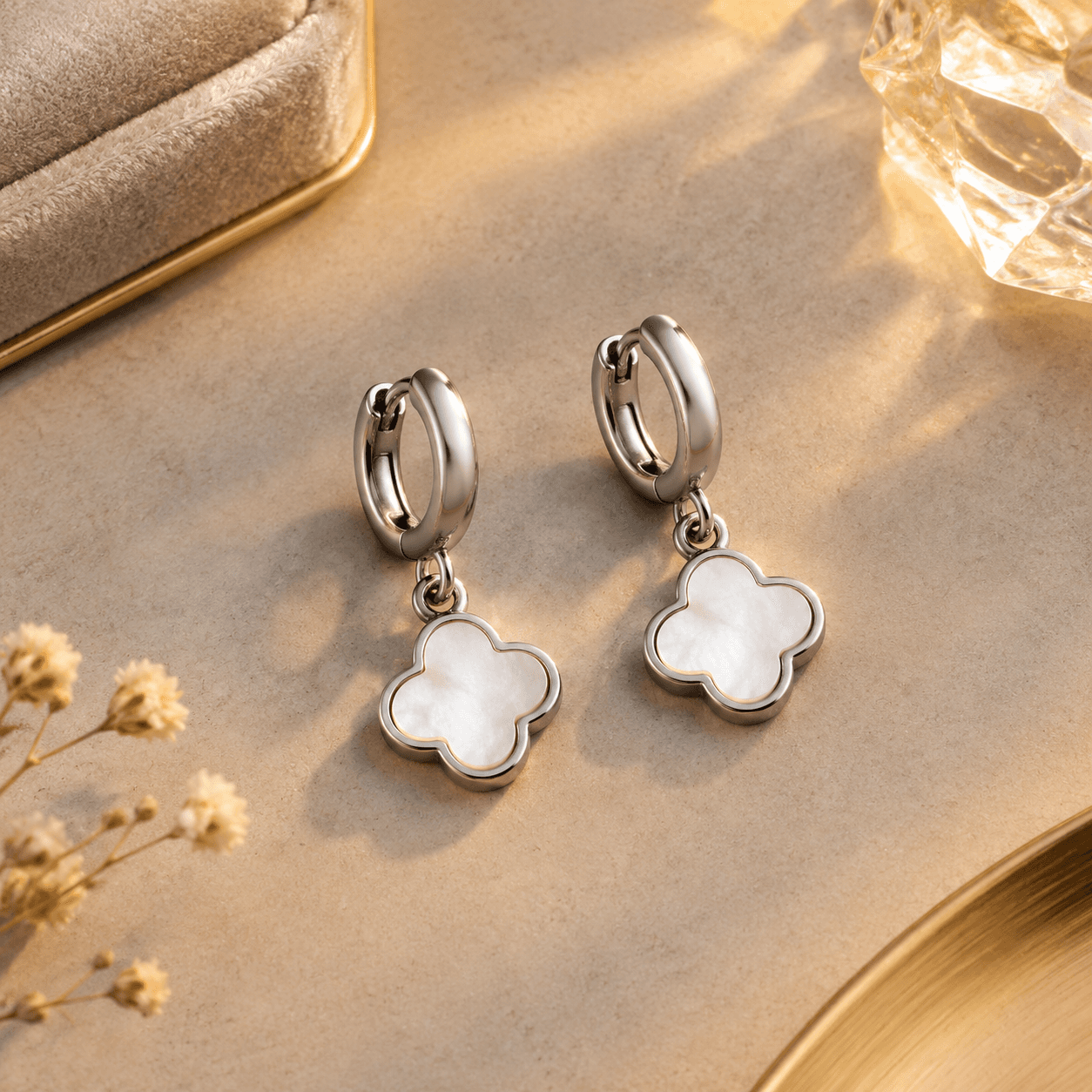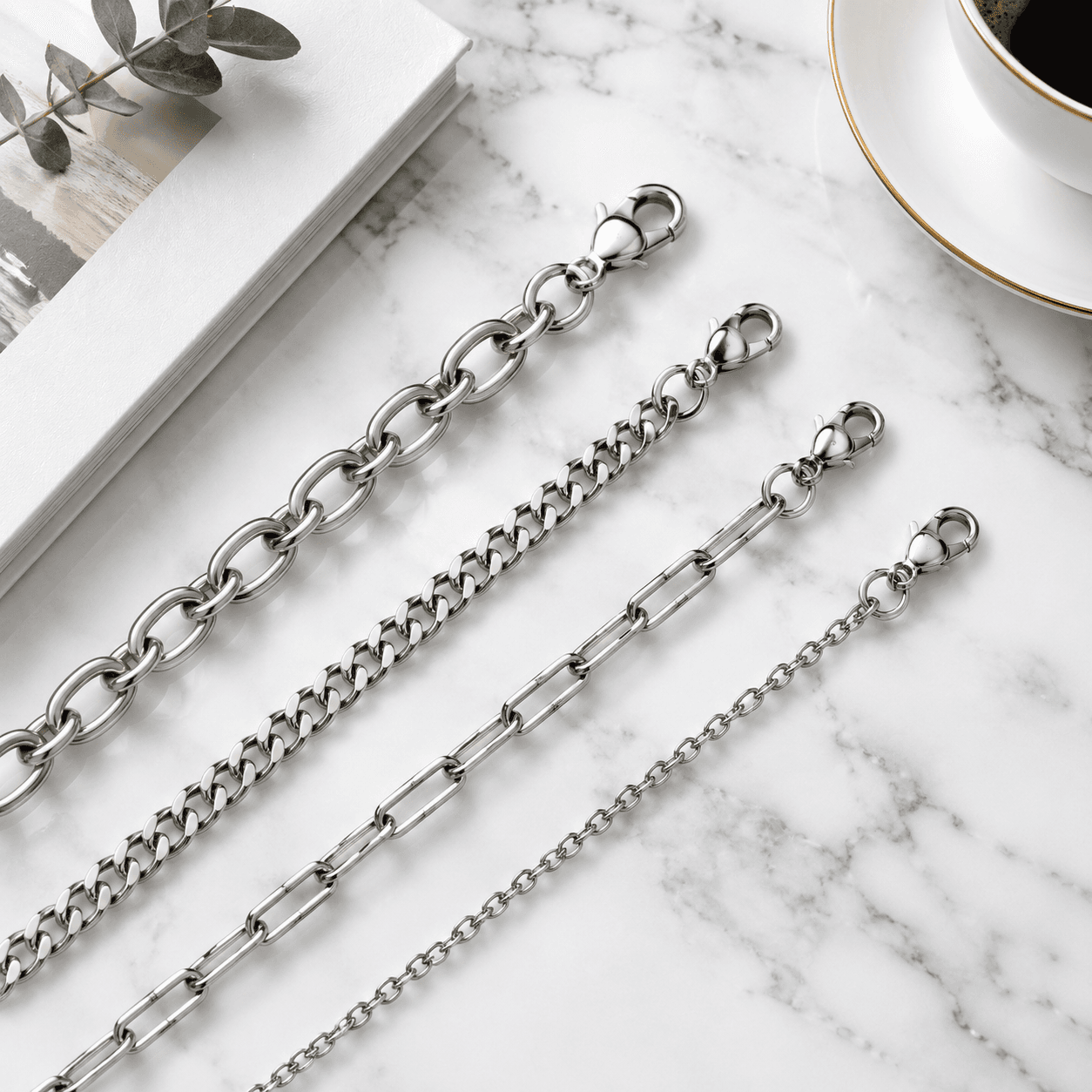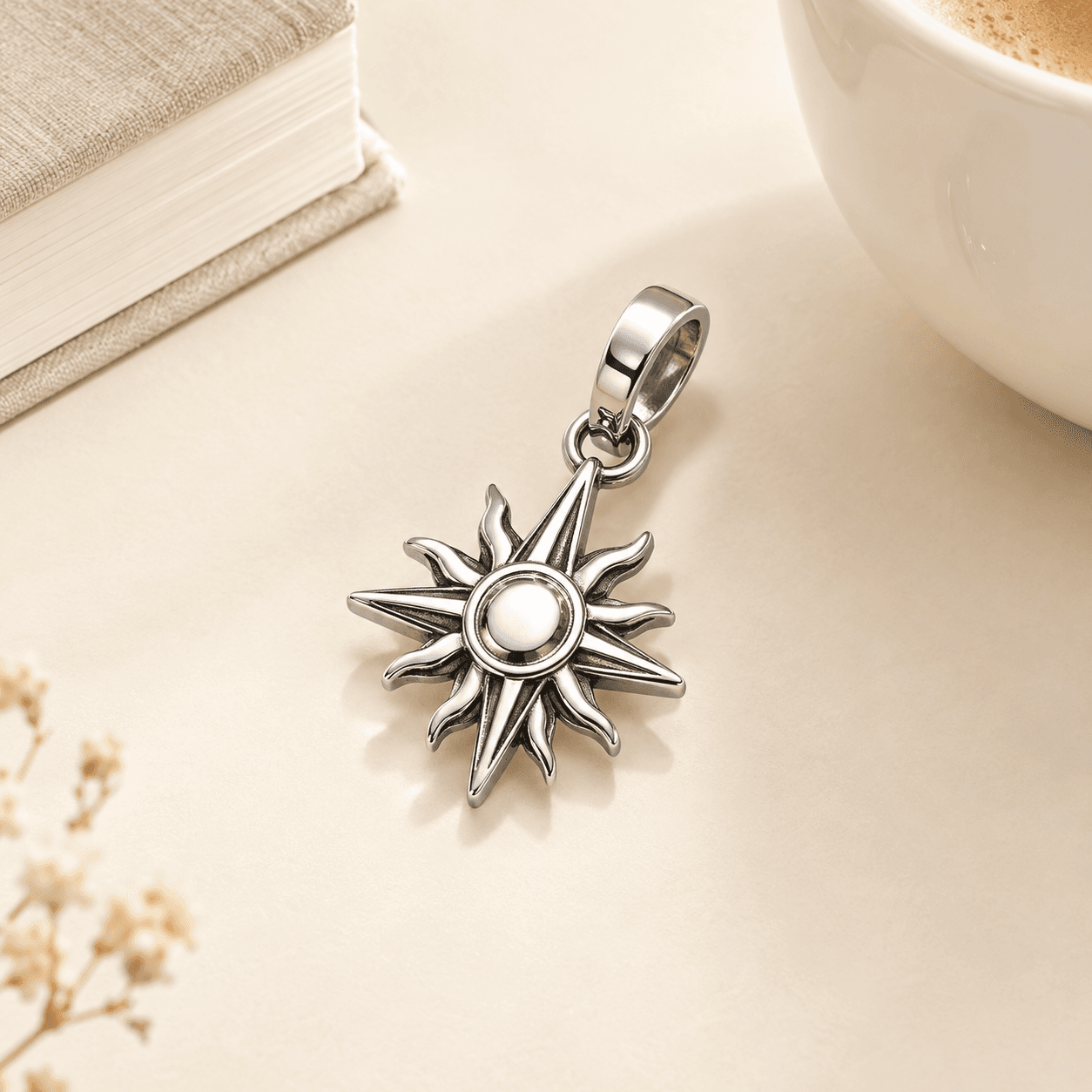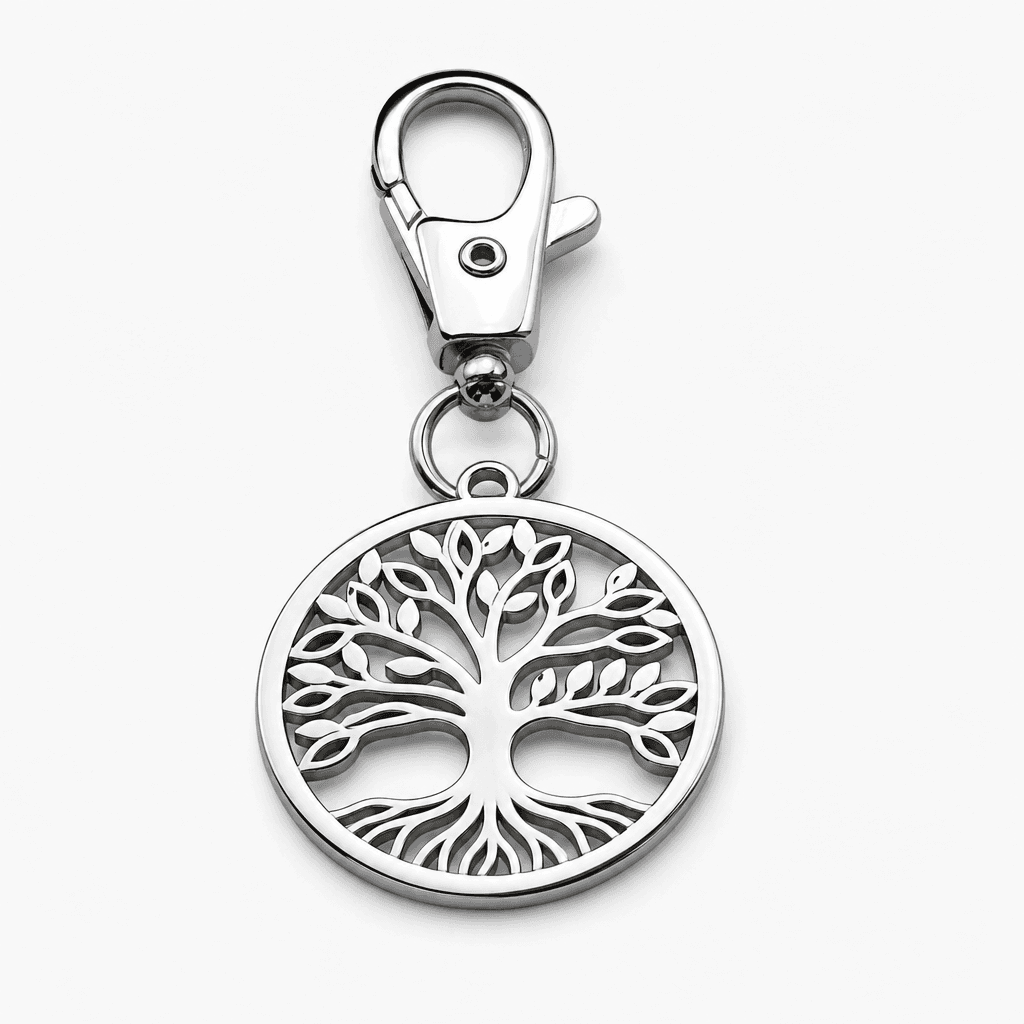
In today's competitive accessory market, procurement teams must adopt rigorous strategies to evaluate potential partners for 316L stainless steel charms manufacturing. As a leading OEM charms manufacturer and ODM charm supplier, Lancy Jewelry specializes in producing robust stainless steel good luck charm keychains that withstand demanding usage scenarios. This buyer's guide presents an advanced-level checklist to help sourcing managers ensure quality, compliance, and longevity when placing bulk orders or initiating sample development projects.
Evaluating Durability of Stainless Steel Good Luck Charm Keychains
Checklist for Vendor Vetting
- ☐ Verify supplier certifications (SGS RoHS, REACH, EN1811 Nickel Release, 240H Salt Spray)
- ☐ Confirm material traceability documents for 316L stainless steel batches
- ☐ Require detailed plating adhesion reports per ASTM F104 or ISO 4624
- ☐ Review sample development reports for bulk orders under worst-case wear cycles
- ☐ Inspect mechanical stress test protocols (tensile, compression, fatigue testing)
- ☐ Evaluate micro-hardness data (e.g., Rockwell or Vickers readings)
- ☐ Analyze corrosion resistance results, including alkaline and acidic exposure tests
- ☐ Check PVD gold plating thickness and uniformity tolerances
- ☐ Examine finish morphology via SEM or optical microscopy
- ☐ Validate batch-to-batch consistency using statistical process control charts
- ☐ Assess packaging integrity for transit shock and environmental humidity control
- ☐ Audit vendor quality management records and non-conformance logs
Why Durability Matters for Good Luck Charm Keychains
Key Benefits
- Enhanced brand reputation through reliable product longevity
- Reduced return rates and warranty claims due to superior wear resistance
- Uniform plating quality diminishes customer complaints on 316L stainless steel charms
- Fast sample development accelerates market launch timelines
- Low MOQ charm production supports boutique and private label orders
- Bulk order reliability with certified corrosion resistance
- OEM/ODM partnership lowers unit cost and simplifies supply chain management
- SGS-certified compliance assures global market acceptance
In-Depth Guide to Assessing Quality & Longevity
Step 1: Review Material Certification
Procurement professionals should demand full certification for each 316L stainless steel batch intended for good luck charm keychain production. Verify mill test reports per ASTM A240, confirming chemical composition (Cr, Ni, Mo content) and mechanical properties. Cross-reference SGS RoHS and REACH compliance to ensure restriction of hazardous substances. Examine EN1811 Nickel Release results to confirm levels below 0.5 μg/cm2/week in simulated wear conditions. Traceability documentation must link raw material lots to final production runs, forming the foundation for consistent durability and biocompatibility.
Step 2: Conduct Mechanical Stress and Wear Tests
Assess tensile strength, yield strength, and fatigue life through standardized testing protocols. Utilize a Taber abraser to simulate real-world friction and measure abrasion loss under predefined cycles. Review compression and impact resistance data to ensure charms maintain structural integrity under loading scenarios typical of keychain use. Confirm that supplier testing aligns with or exceeds ASTM standards relevant to thin-section metal components.
Step 3: Evaluate Corrosion Resistance
Corrosion testing should include ASTM B117 salt spray exposure for at least 240 hours, supplemented by cyclic corrosion tests in alternating humidity and temperature chambers. Analyze results in both neutral and slightly acidic or alkaline solutions to reflect sweat, water, and environmental contaminants. For enhanced traceability, require photographic or SEM evidence of any pitting or surface degradation post-test.
Step 4: Inspect Plating and Finish Durability
Plating layers, whether PVD gold plating, rose gold plating, or silver finish, must adhere to strict thickness and adhesion parameters. Confirm PVD bond strength via cross-hatch adhesion tests per ISO 4624. Examine uniformity across curved surfaces to prevent early peeling or flaking. Document color fastness under UV exposure and salt spray conditions to ensure enduring aesthetic appeal.
Step 5: Assess Packaging and Handling Standards
Durable packaging protects final goods during transit and reduces damage rates. Review supplier documentation on packaging materials, cushioning, and humidity control measures. Simulate shipping scenarios with drop tests and vibration analysis. Evaluate labeling accuracy for lot numbers, batch dates, and handling instructions. Proper packaging ensures that quality-verified charms arrive at your facility ready for assembly or private-label customization without additional inspection delays.
FAQs
Q: How can I verify the authenticity of 316L stainless steel certification?
A: Request original mill test certificates and SGS reports. Cross-check batch numbers against production logs and perform random spectrometer verification tests upon arrival.
Q: What testing protocols ensure plating durability on keychain charms?
A: Rely on cross-hatch adhesion tests per ISO 4624, UV exposure assessments, and salt spray evaluations following ASTM B117 to validate plating resilience.
Q: Can I place bulk orders with a low MOQ requirement?
A: Yes, Lancy Jewelry supports low MOQ charm production while maintaining consistent plating quality and comprehensive sample development options.
Q: What lead times are typical for sample development of custom charm keychains?
A: Standard sample development cycles range from 7 to 14 days, depending on complexity of logo engraving, enamel filling, and crystal inlay requirements.
Partner With Us
Elevate your charm offerings with Lancy Jewelry's factory-direct expertise in stainless steel charms manufacturing. For custom designs and private-label packaging, visit our OEM Service or Request a Quote. Browse our full product catalog or contact our team to discuss sample development and bulk orders.