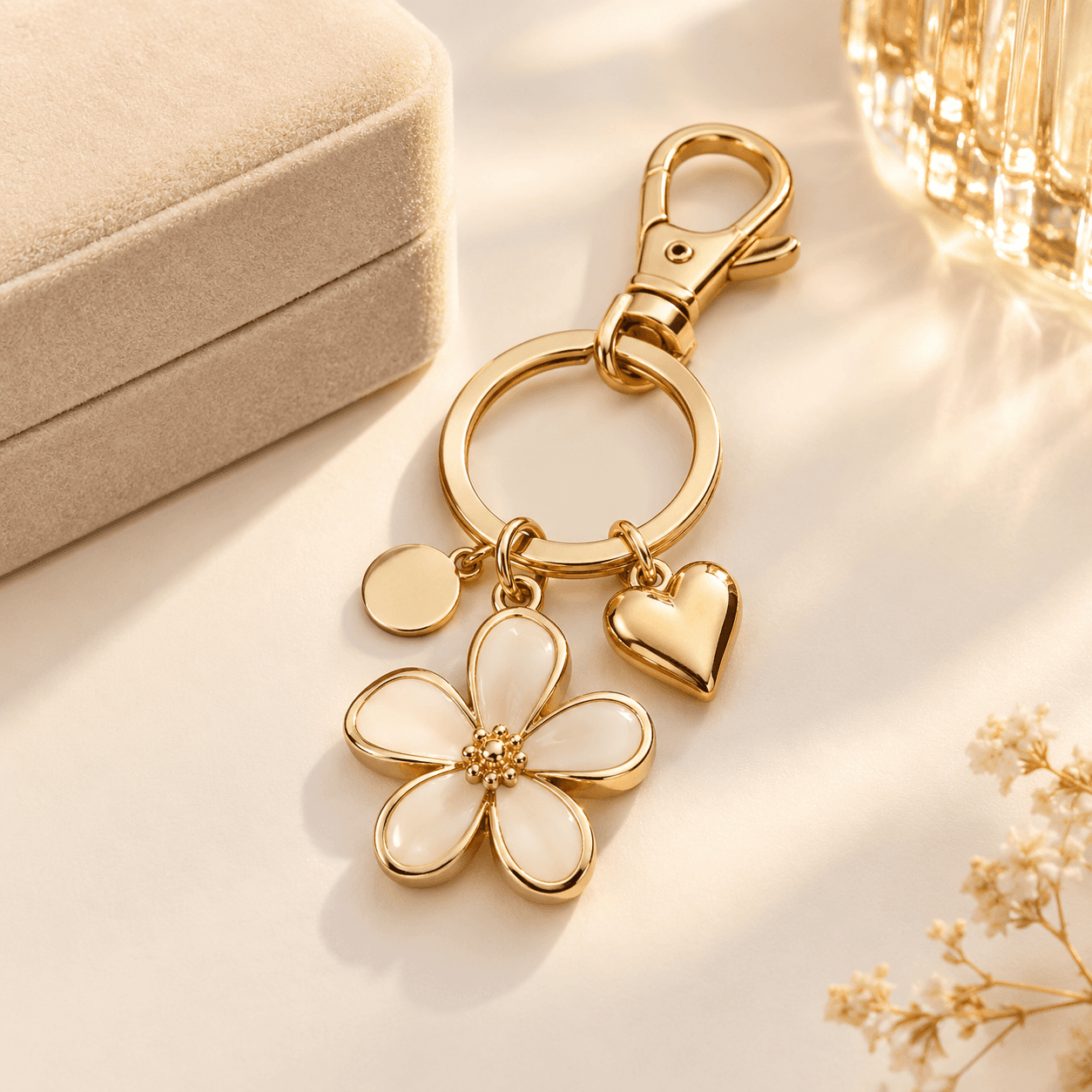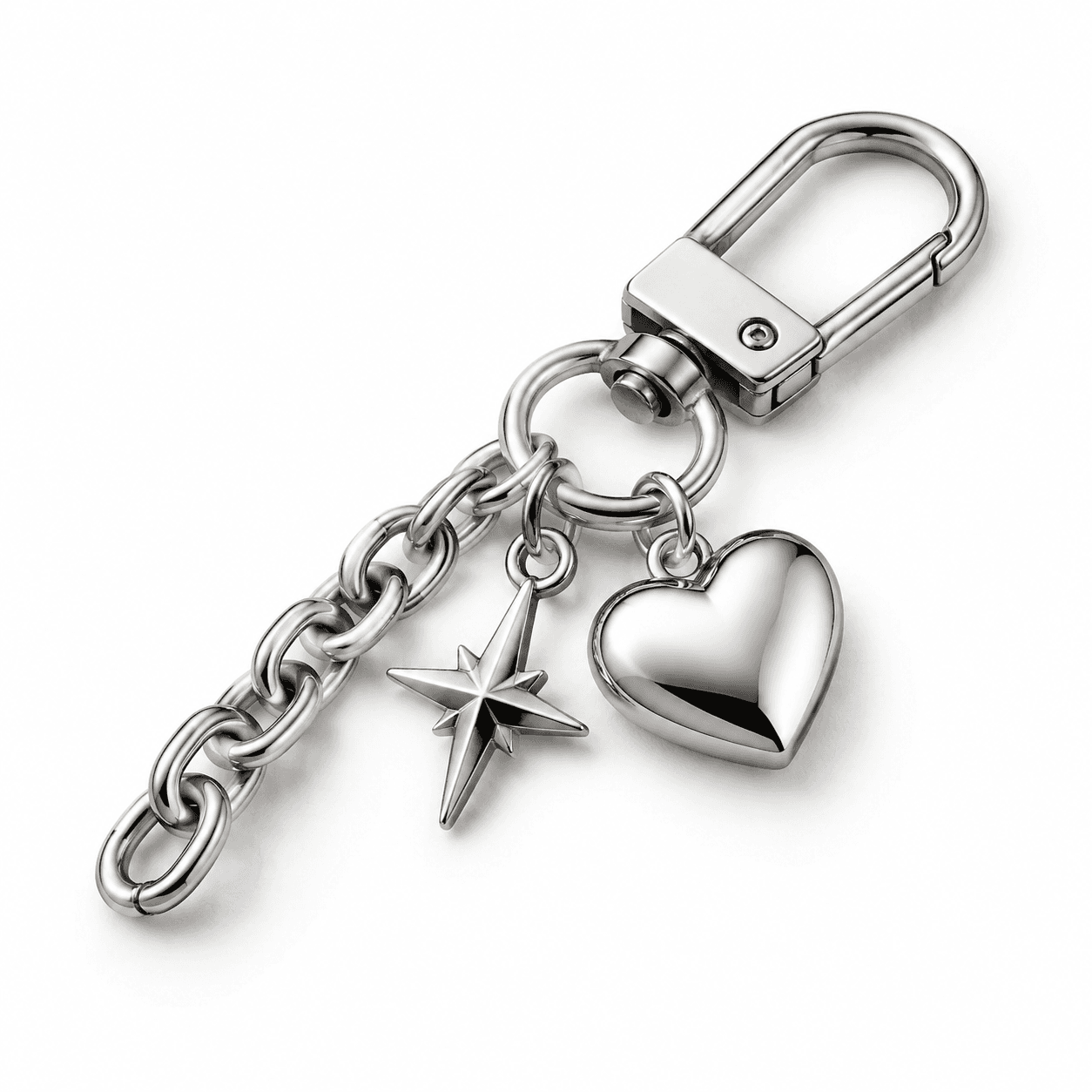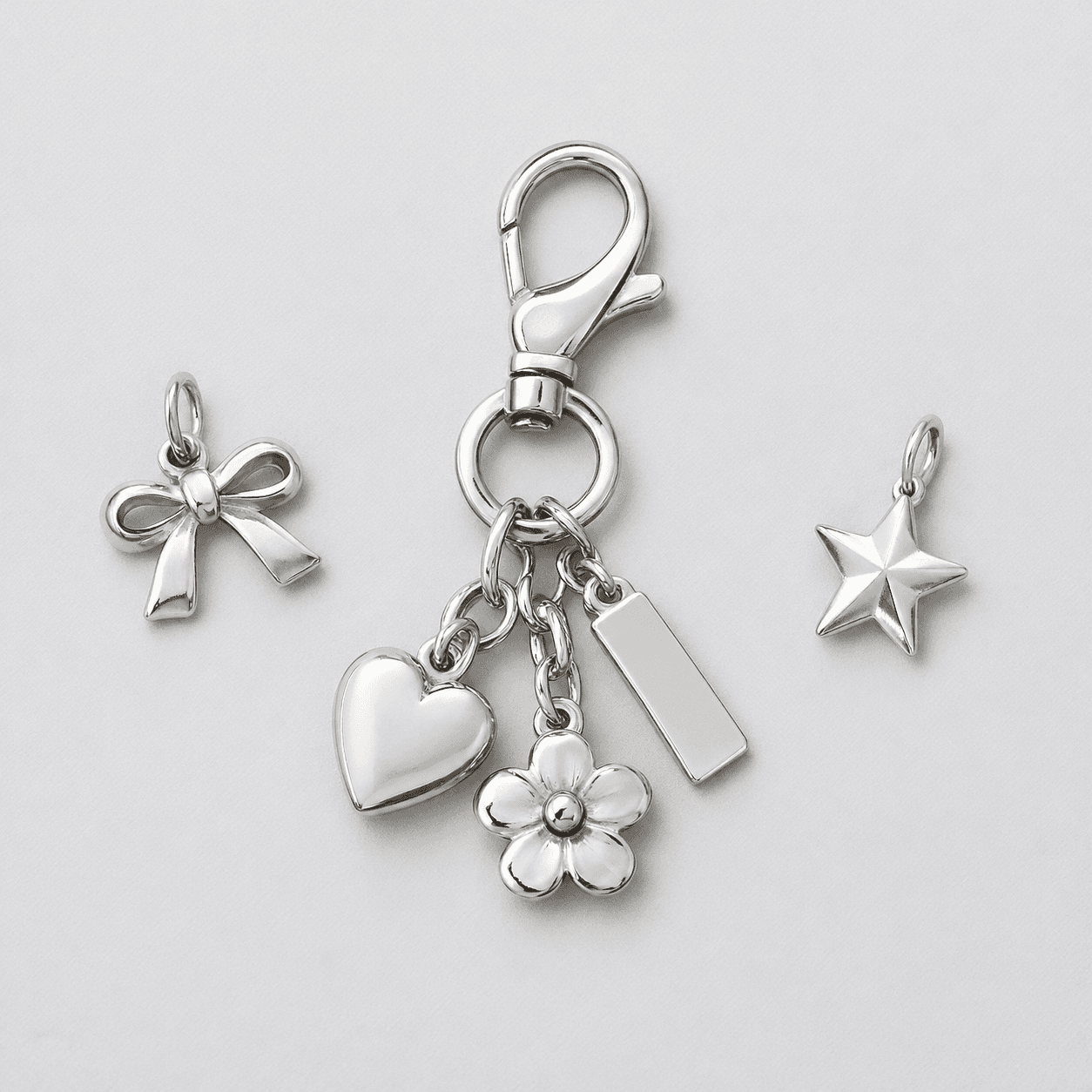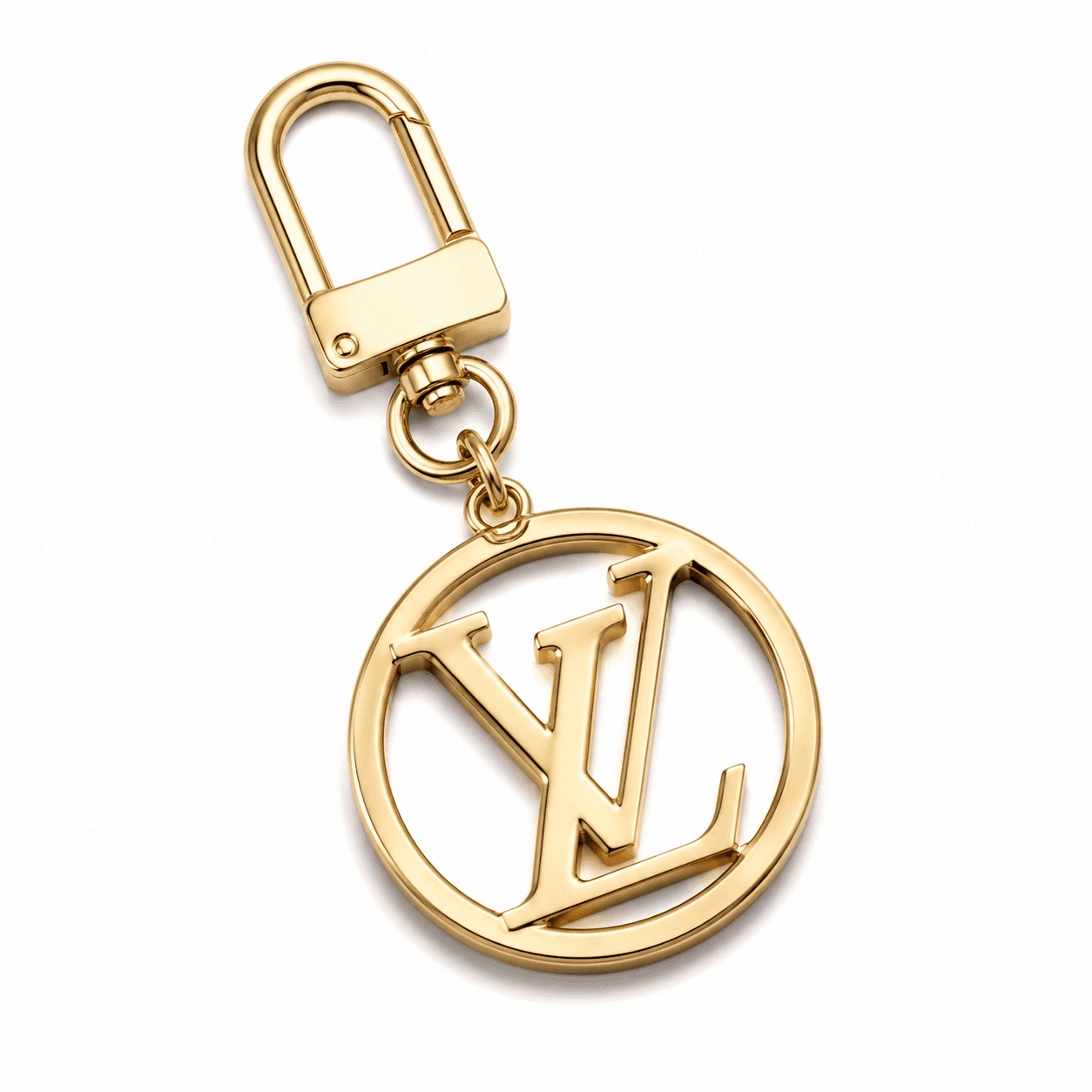
In the world of boutique brands and private-label programs, a durable, visually refined keychain charm can become a signature product. This case study highlights a private-label project with Lancy Jewelry, a modern stainless steel charms manufacturer, to deliver a high-precision 316L stainless steel keychain charm finished with PVD plating. The objective was a premium look, robust performance in daily use, and a scalable supply chain that could support private-label packaging, low MOQ charm production, and rapid sample development. The outcome demonstrates how disciplined finishing techniques—ranging from surface preparation to polishing and coating—create a product that performs across markets while preserving brand integrity. OEM Service and Contact channels were used to align expectations, timelines, and pricing, while keeping the process transparent for sourcing managers and brand owners.
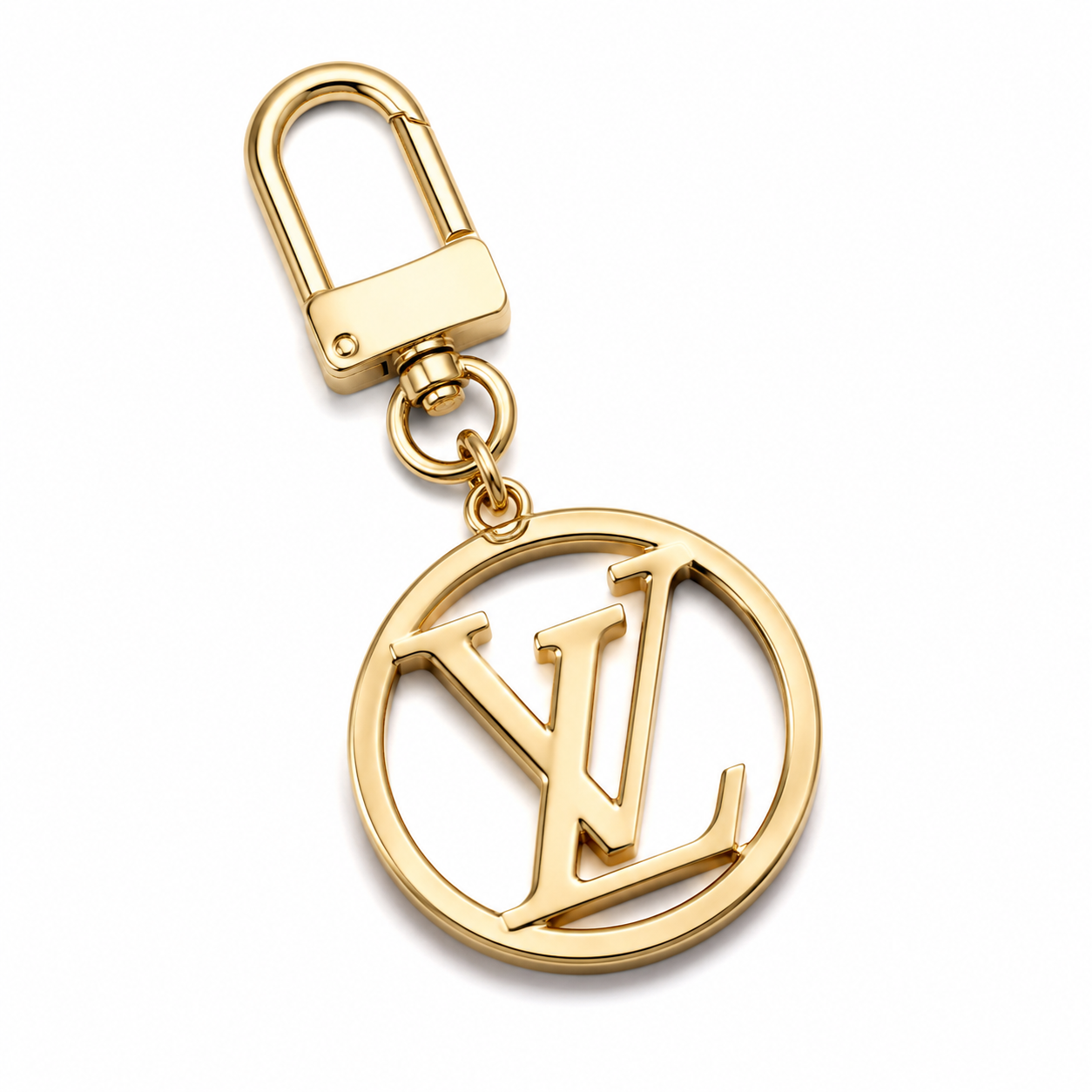
Stainless Steel Keychain Charm Case Study for Private-Label PVD
Background and objectives
The client, a boutique jewelry brand seeking private-label options, needed a standalone 316L stainless steel charm that could serve as a core product for a charm-bar concept. The design brief emphasized three pillars: high-quality finishing, repeatable production for wholesale stainless steel charms, and a packaging-ready solution that could carry the brand’s identity. As a stainless steel charms manufacturer with a modern facility equipped with CNC, laser cutting, laser marking, welding, and polishing, Lancy Jewelry was positioned to translate the concept into a scalable reality. The project also required a robust quality-control framework aligned with SGS standards (RoHS, REACH, Nickel Release EN1811, Salt Spray 240H) to reassure cross-market buyers about regulatory compliance and long-term durability. The client’s objectives included private-label packaging, a low MOQ option to test market response, and a fast sample development timeline to minimize time-to-market risk. The scope intentionally focused on 316L stainless steel as the base material to ensure consistent performance, corrosion resistance, and skin-friendly safety across regions.
Material and finishing strategy
Material selection centered on 316L stainless steel for all base charms, ensuring uniformity in performance across markets. The finishing strategy highlighted PVD plating as a core differentiator. The team explored gold-plated, rose-gold plated, and silver finish options, complemented by enamel color filling and crystal inlay where applicable. The combination of PVD plating with enamel or crystal accents allowed the client to offer multiple SKUs under a single private-label program while maintaining consistent plating quality across batches. The finishing plan also included careful pre-treatment, surface preparation, and strict adhesion testing to guarantee color stability and wear resistance even after repeated handling in retail environments.
Process engineering and production setup
To achieve repeatable results, Lancy deployed a controlled production line featuring CNC machining for precision in component dimension and tolerance, laser cutting for clean edge definitions, laser marking for branding or serial identifiers, and meticulous welding and polishing to achieve boutique-ready finishes. The PVD process was calibrated to deliver uniform coating thickness across all charms, with process controls logged for traceability. The team conducted pilot runs to map process windows, then established standard operating procedures (SOPs) for plating thickness, surface roughness targets, and post-polish luster. The integration of electroplating and polishing steps ensured a smooth surface texture, enhanced reflectivity, and improved scratch resistance—critical for keychain uses that encounter frequent contact and abrasion.
Sample development and private-label packaging
Sample development was a pivotal phase. The client required multiple iterations to validate weight, balance, and visual appearance before committing to bulk charm orders. Lancy delivered rapid prototypes and sample-development cycles through a structured feedback loop, aligning with the client’s branding guidelines. Private-label packaging concepts were designed to be ready for market launches, including packaging inserts, branded cartons, and tamper-evident features. By offering tailored packaging options, Lancy helped the client present a polished boutique experience on launch day, reducing in-store friction and enabling a smoother rollout across distribution networks.
Quality control and certification integration
Quality control was embedded throughout the project. Final QC checks included dimensional accuracy, surface finish uniformity, coating adhesion strength, and corrosion resistance verification under simulated real-world conditions. The SGS certifications (RoHS, REACH, Nickel Release EN1811, Salt Spray 240H) provided the backbone for compliance documentation, enabling the client to pursue cross-border sales confidently. This certification suite reinforced consumer safety and product reliability, a critical factor for gifting programs and retailer acceptance in diverse markets.
Logistics and cross-market considerations
Given the client’s global ambitions, the project incorporated supply-chain planning that accounted for regional distribution, import duties, and lead-time expectations. Lancy’s manufacturing capabilities supported scalable production to accommodate bulk charm orders while preserving low MOQ options for market testing. The private-label packaging was designed to be adaptable for various regions, ensuring consistent branding across the US, EU, UK, AU, CA, DE, FR, SP, NE, RU territories. This cross-market readiness reflects Lancy’s experience as a B2B accessory supplier with the ability to align manufacturing with brand positioning and channel requirements.
Benefits and why it matters
Key benefits that drive private-label success
- Consistent plating quality across batches: PVD plating delivers durable finishes with long-lasting color fidelity, essential for retail displays and brand perception.
- Low MOQ charm production: The project demonstrates how private-label brands can start with modest volumes and scale as demand grows, reducing initial risk.
- Boutique-ready series planning: A modular approach to charm variations (finish options, enamel fills, crystal accents) enables a cohesive product line aligned with brand positioning.
- Private-label packaging: Fully branded packaging solutions support a premium unboxing experience and retailer acceptance.
- Fast sample development: Rapid prototyping shortens time-to-market and accelerates go/no-go decisions for private-label launches.
- Global certifications: SGS-certified processes support regulatory compliance and quality expectations across markets, reducing downstream QC friction for distributors and retailers.
The collaboration also highlights the value of a turnkey approach: from concept and material selection to final delivery, the private-label program benefits from Lancy’s end-to-end capabilities as an OEM charms manufacturer and ODM charm supplier, with a strong emphasis on 316L stainless steel charms as the base material. For brand managers, the case demonstrates how a rigorous finishing strategy translates into consistent product performance, brand alignment, and scalable growth. To explore similar capabilities for your own program, learn more about OEM/ODM services or view the full range of offerings at All Products.
Detailed analysis and guide for private-label programs
Step 1: Define the brand position and technical brief
Begin with a clear definition of brand positioning, price tier, and target consumer. Translate these into technical requirements for a 316L stainless steel charm: size range, weight, and tactile quality. Align with the manufacturing partner on the finish palette (PVD plating gold, rose gold, and silver tones), enamel fill options, and crystal accents where appropriate. Document tolerances, surface roughness, and coating adhesion targets to guide samples and production.
Step 2: Material and finish selection
Choose 316L stainless steel as the base material to ensure corrosion resistance, biocompatibility, and consistent performance across markets. Select finish variants aligned with the brand narrative and price point. PVD plating offers durable, wear-resistant coatings with excellent color stability. Decide on enamel colors for branding cues and crystal inlays for focal accents. All selections should be validated against functional tests, including scratch resistance and color-fastness under simulated wear.
Step 3: Process control and quality gates
Establish sequential quality gates that begin with incoming material inspection, continue through CNC and laser processes, finish with plating and polishing, and end with final assembly and packaging inspection. Implement traceability for every SKU, tying coatings, finishes, and lot numbers to batch records. Regularly review plating thickness uniformity and adhesion test results to maintain consistent boutique quality across runs.
Step 4: Sample development cadence
Adopt a structured sample development cadence: initial concept sample, engineering sample, pre-production sample, and post-production confirmation. Maintain a closed feedback loop with the client to refine aesthetics, weight balance, and finish performance before committing to larger production. The emphasis on fast sample development minimizes market risk and accelerates private-label launch timelines.
Step 5: Private-label packaging and collateral
Partner with packaging designers early to ensure the packaging supports brand storytelling and shelf impact. Include branded inserts, care instructions, and legal compliance notes. Packaging must be scalable for multi-region distribution, and the supplier should be able to provide artwork proofs, dielines, and finished goods photography for product listings and retailer catalogs.
Step 6: MOQ planning and distributor readiness
Plan MOQs in a way that balances supplier capacity with market ambition. For new private-label programs, a lower MOQ can reduce risk and enable testing in different channels. As demand grows, orders can scale to meet wholesale stainless steel charms requirements while maintaining consistent lead times and quality.
Step 7: Compliance, testing, and go-to-market readiness
Highlight SGS certifications and testing results in product dossiers to support retailer confidence. Compile a regulatory and safety appendix for cross-border sales, including material declarations, coating lists, and care recommendations. A well-documented go-to-market package speeds approvals with distributors and enhances listing quality across sales channels.
FAQ
1. What is the typical lead time for a private-label 316L stainless steel keychain charm with PVD?
Lead times vary by order size and finishing options, but a typical private-label project progresses from concept through samples in 2-4 weeks, with bulk production following after sample approval. During peak seasons, plan additional buffer time for packaging finalization and logistics.
2. What certifications does Lancy Jewelry hold?
Lancy Jewelry maintains SGS certifications, including RoHS, REACH, Nickel Release EN1811, and Salt Spray 240H, ensuring regulatory compliance and product safety across markets. These certifications support cross-border sales and retailer approvals in multiple regions.
3. Can you tailor the finish and branding for a private-label program?
Yes. Lancy supports a range of finishes (PVD plating in gold, rose gold, and silver tones) and branding options (engraving, logo marking, packaging branding) to align with private-label positioning. A structured sample-and-review process helps lock in final specifications before production.
4. What is the minimum order quantity (MOQ) for private-label charms?
MOQ policies vary by product line and finish. Lancy offers low MOQ options to support market testing, with scalable production as demand grows. The MOQ is discussed during the RFQ stage and is documented in the OEM/ODM agreement.
Call to action: Partner with us
Ready to elevate your private-label program with a reliable 316L stainless steel charm partner? Lancy Jewelry provides end-to-end support—from concept through sample development to bulk orders—backed by a modern factory, precise finishing techniques, and SGS-certified processes. Partner with us to craft a private-label story that resonates across markets. Learn more about our OEM/ODM services, browse our All Products, or start a formal RFQ by visiting Request a Quote or Contact today.