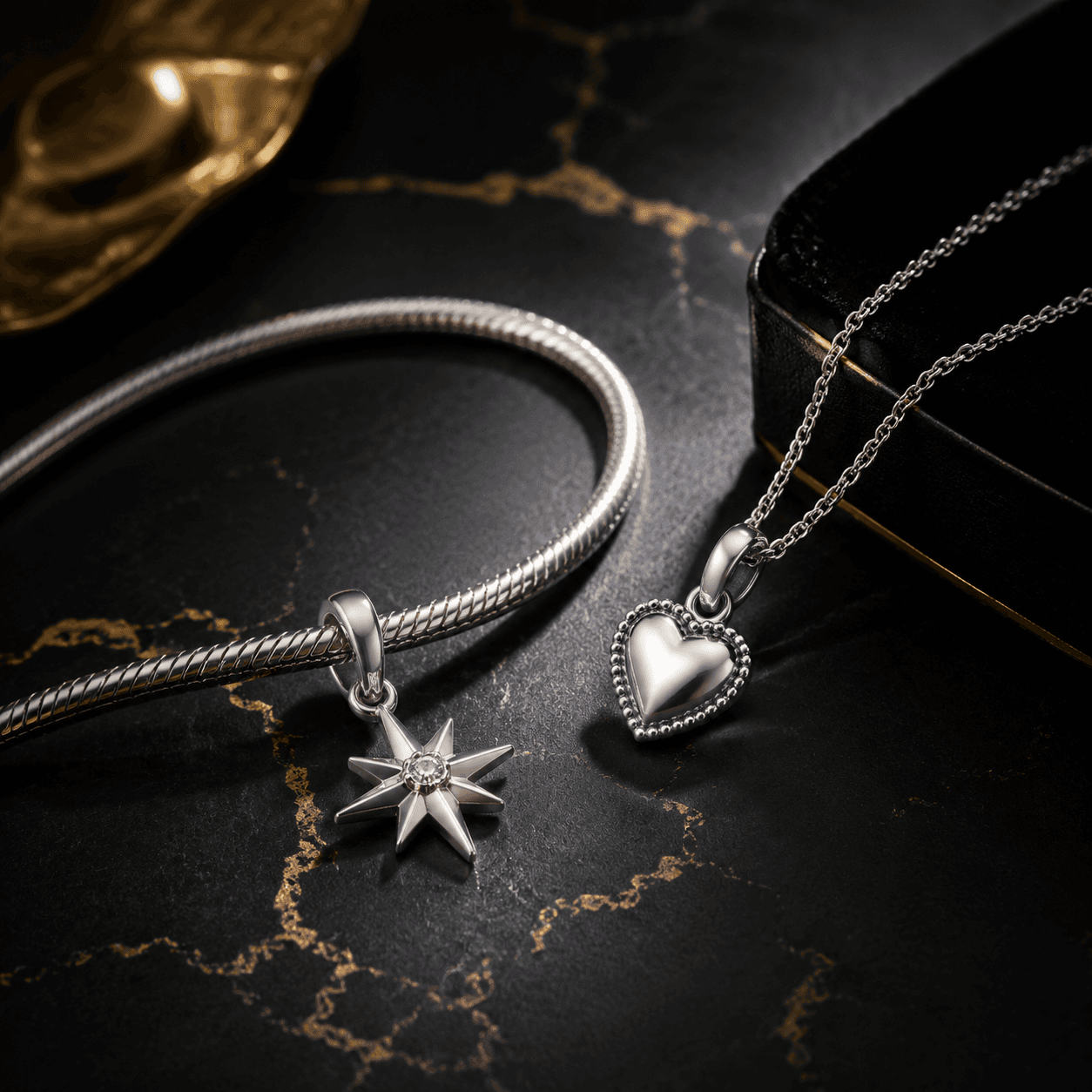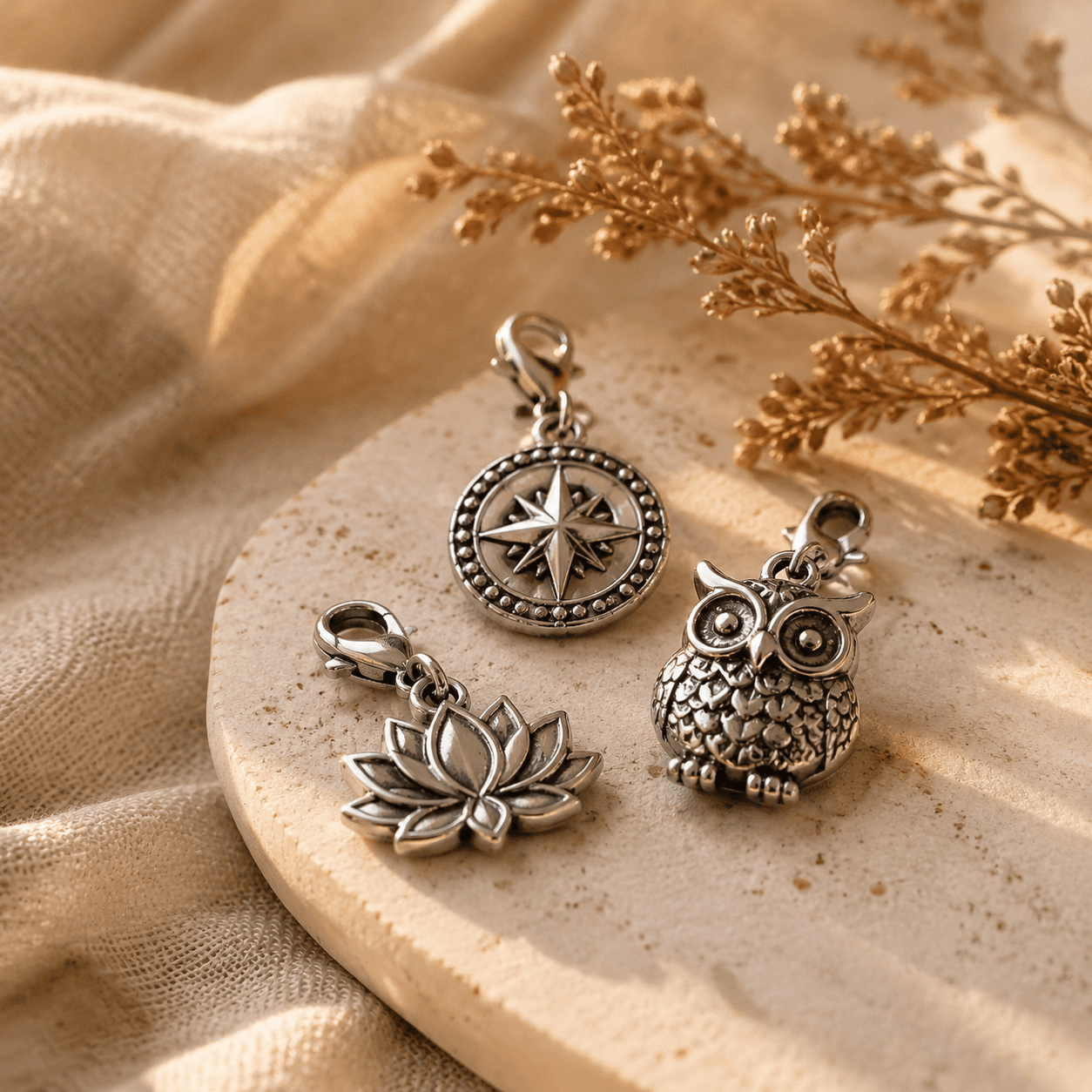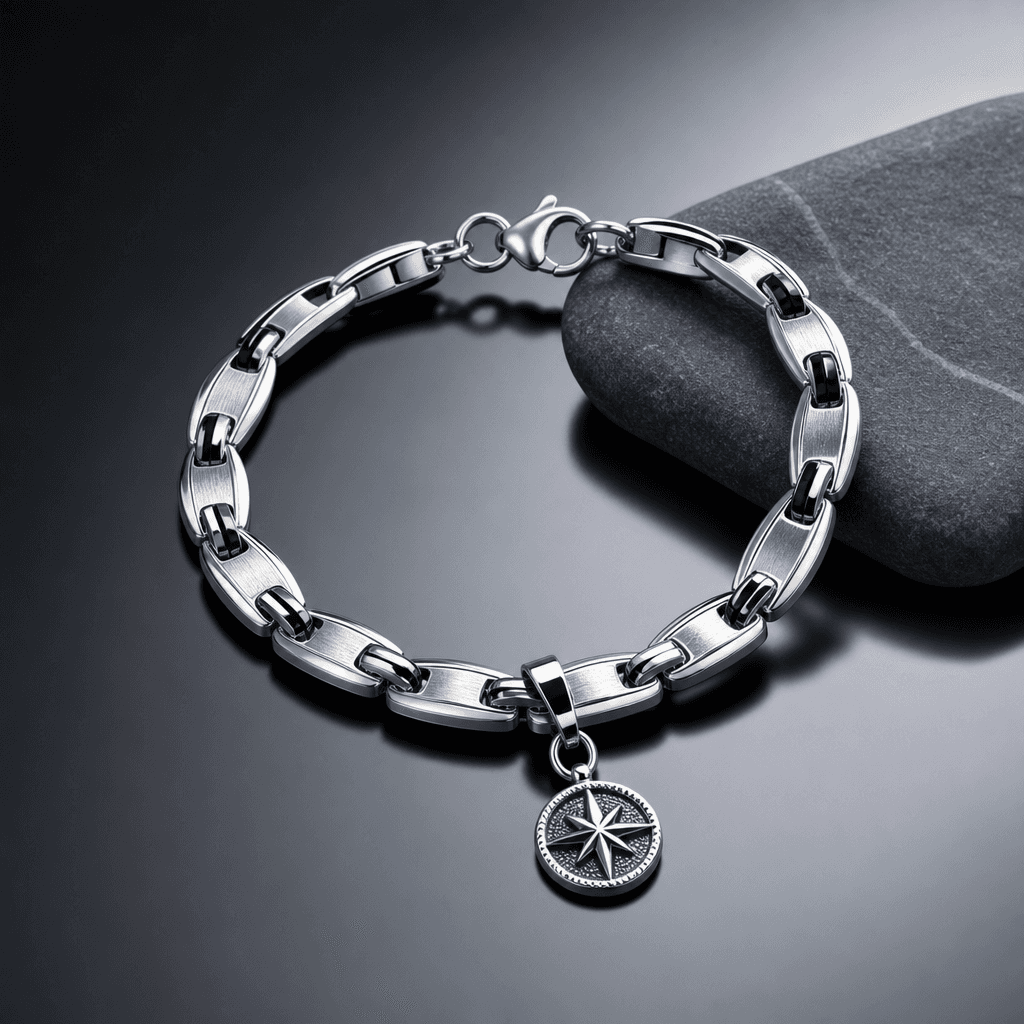
Wholesale charm programs live or die on compliance confidence. Procurement teams need defensible documentation, test reports that stand up in audits, and product construction that consistently performs across markets. This checklist is designed to help you vet vendors for stainless steel charm bracelets wholesale programs—especially when you must manage RoHS, REACH, SGS testing, and nickel release risk across the supply chain.
Checklist for Stainless Steel Charm Bracelets Wholesale: RoHS, REACH & Nickel Release
Before you quote: align compliance scope with the exact product
Supplier documentation pack: require these items for every material/finish
Traceability & quality controls: verify the audit trail
Packaging & logistics: close the compliance gaps often missed
Benefits/Why It Matters: Compliance reduces recall risk and speeds approvals
Key benefits for procurement teams
- Audit-ready documentation: A structured compliance pack reduces back-and-forth with internal legal, EHS, and retail/regulatory stakeholders.
- Risk reduction: Nickel release testing and hazardous substance compliance are critical to consumer safety and downstream acceptance.
- Global consistency: RoHS and REACH expectations are widely enforced across US, EU/UK, and other regulated markets—standardize your requirements and vendor proof.
- Durability confidence: Consistent surface finishing and testing-backed durability protect your charm bar programs over repeat wear, shipping, and display conditions.
At Lancy Jewelry, we operate as a B2B OEM/ODM supplier specializing in 316L stainless steel charms with documented compliance support. Our facility supports CNC, laser cutting, laser marking, welding, and polishing, plus finish processes such as PVD and enamel/crystal inlay—so your compliance is tied to the real production path. For certifications, our test coverage includes SGS-certified RoHS, REACH, Nickel Release EN1811, and Salt Spray 240H, helping procurement teams validate both safety and durability.
Detailed analysis/Guide: How to evaluate RoHS, REACH & nickel release in practice
Step 1: Map “what could release” to “what is tested”
When procurement teams evaluate nickel release, the goal is not just receiving a report—it is ensuring the report is relevant to your exact product configuration. Ask the vendor to explain:
- Which component surfaces contact skin (charm outer surfaces, edges, and any plated layers).
- How the finish process affects risk (e.g., plating coverage consistency, edge finishing, and polishing quality).
- How color systems (enamel/crystal inlay) are controlled and verified for restricted substances.
Step 2: Confirm the test standard alignment and reporting format
Step 3: Validate durability evidence (because compliance can fail in the field)
Safety compliance is necessary, but wear and corrosion resistance protect your brand experience. Salt spray resistance is a practical indicator for plated and finished items under accelerated corrosion conditions. Include a durability evidence check:
Step 4: Ensure the vendor is operationally capable for compliance and scale
Compliance is delivered by process discipline. In RFQ reviews, procurement teams should confirm operational capability:
Step 5: Build compliance into your contracting language
To prevent compliance drift, tie evidence requirements directly to delivery:
- Require submission of RoHS, REACH, and nickel release evidence prior to production approval.
- Include change notification clauses for material/finish process changes.
- Define acceptance criteria for nickel release and hazardous substance compliance in writing.
- Specify consequences for non-conforming batches and retesting responsibilities.
FAQ (Procurement Teams)
1) What evidence should we request for RoHS and REACH on stainless steel charm programs?
Request RoHS declarations and REACH documentation tied to the final product configuration. For defensible procurement, ask for SGS test reports covering hazardous substance screening and nickel release where your policy requires it. Lancy Jewelry provides SGS-certified coverage for RoHS and REACH, supporting audit-ready documentation for stainless steel charms manufacturer workflows.
2) How do we verify nickel release is relevant to our specific finishes?
Ensure test reports match your exact finish system and product surface design. Ask the vendor to confirm the tested material stack includes the same plating (e.g., PVD gold plated, silver finish, rose gold plating) or enamel/crystal inlay where applicable, and that the charm geometry and finishing process are consistent.
3) Do we need separate documentation for different charm finishes like enamel and crystal inlay?
Yes. Decorative processes can introduce different restricted substances via colorants or setting components. For compliance clarity, require evidence per finish and per product line. This is essential for OEM/ODM charm supplier validation and reduces audit friction during regulatory reviews.
4) How can we move from samples to bulk orders while maintaining compliance?
Use a gated approval workflow: complete sample development with compliance verification prior to bulk charm orders. Confirm re-test triggers for any manufacturing or finishing changes, and require stable traceability across batches for private label charms.
Partner With Us
If your procurement team manages multi-market compliance and needs consistent, documented outputs, Lancy Jewelry can support your wholesale charm requirements as a stainless steel charms manufacturer offering OEM and ODM development for 316L stainless steel charms. We support custom logo charms, PVD plated stainless steel charms, enamel stainless steel charms, crystal inlay execution, and private-label packaging—backed by SGS-certified compliance coverage for RoHS, REACH, nickel release (EN1811), and durability testing (Salt Spray 240H).
Next step: Prepare your RFQ with required finishes and documentation expectations, then request a quote so we can align sample development timelines and compliance evidence deliverables for your bulk charm orders.
Internal links: