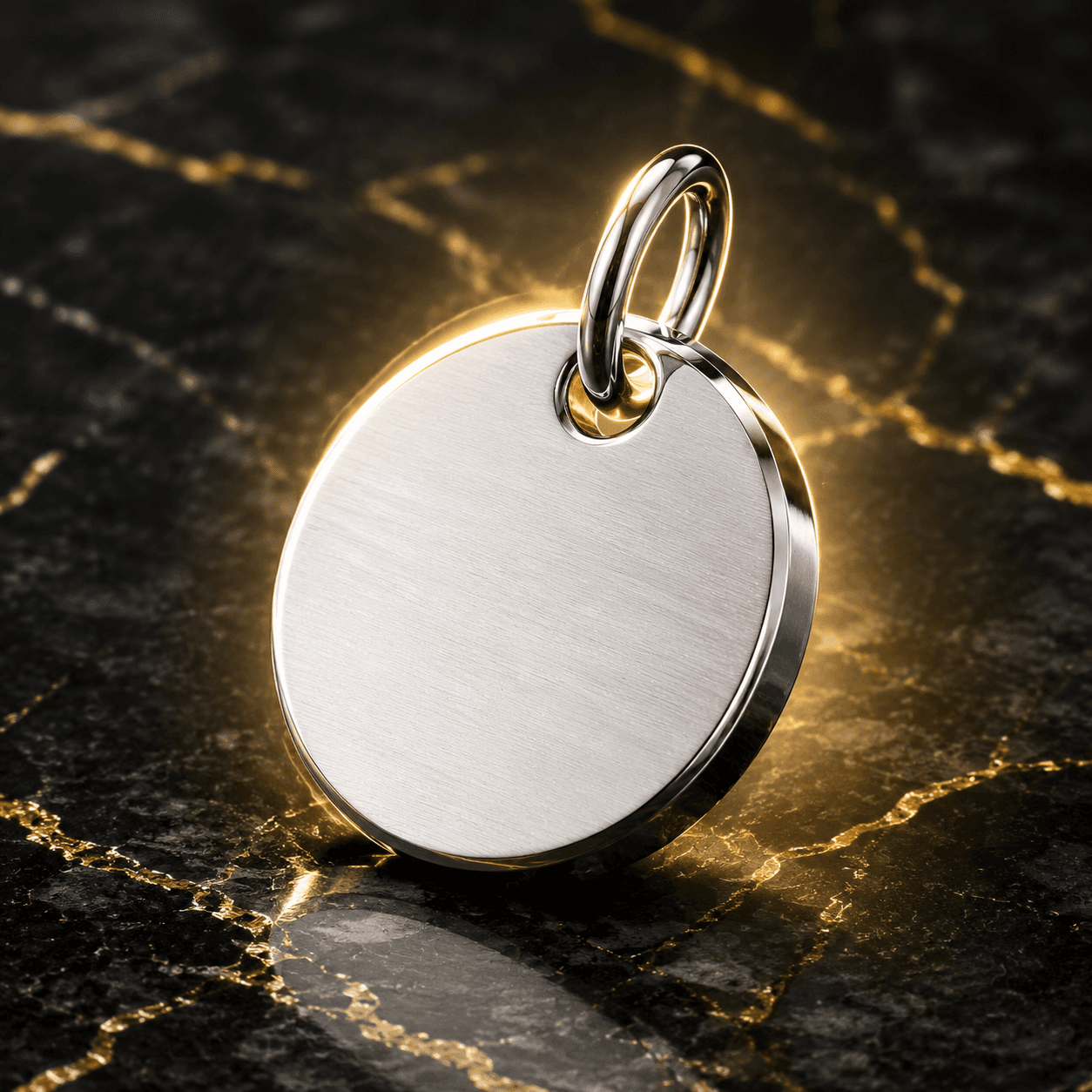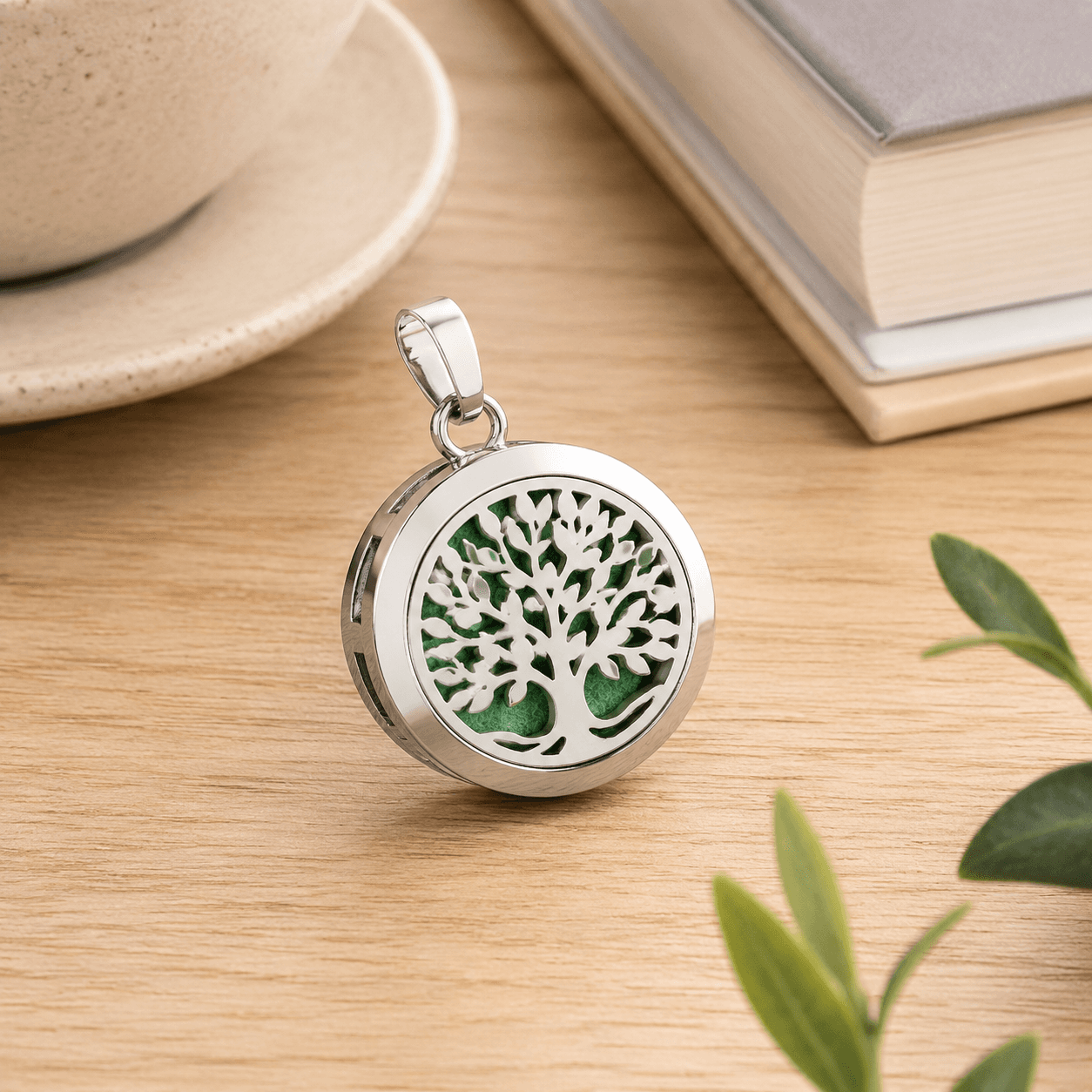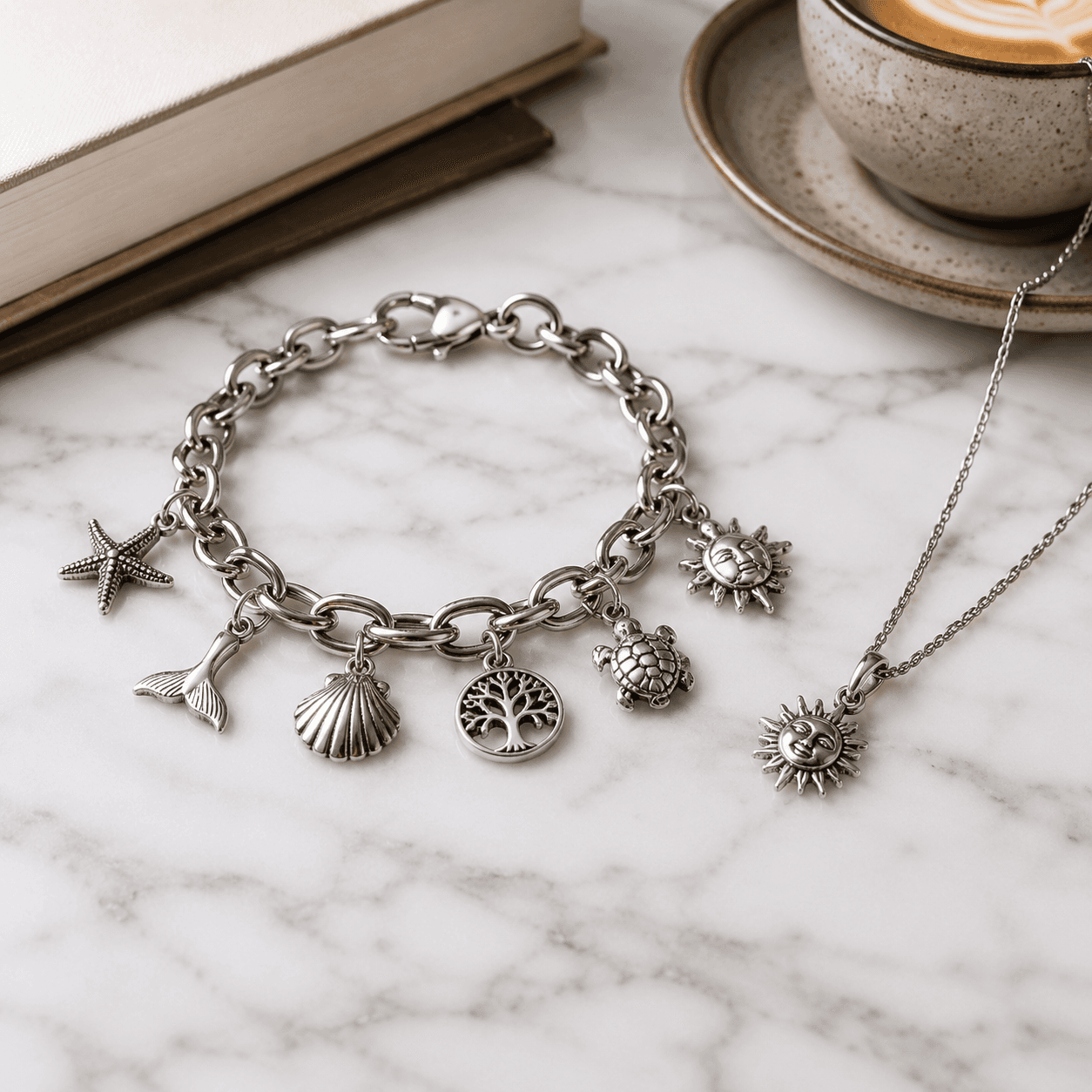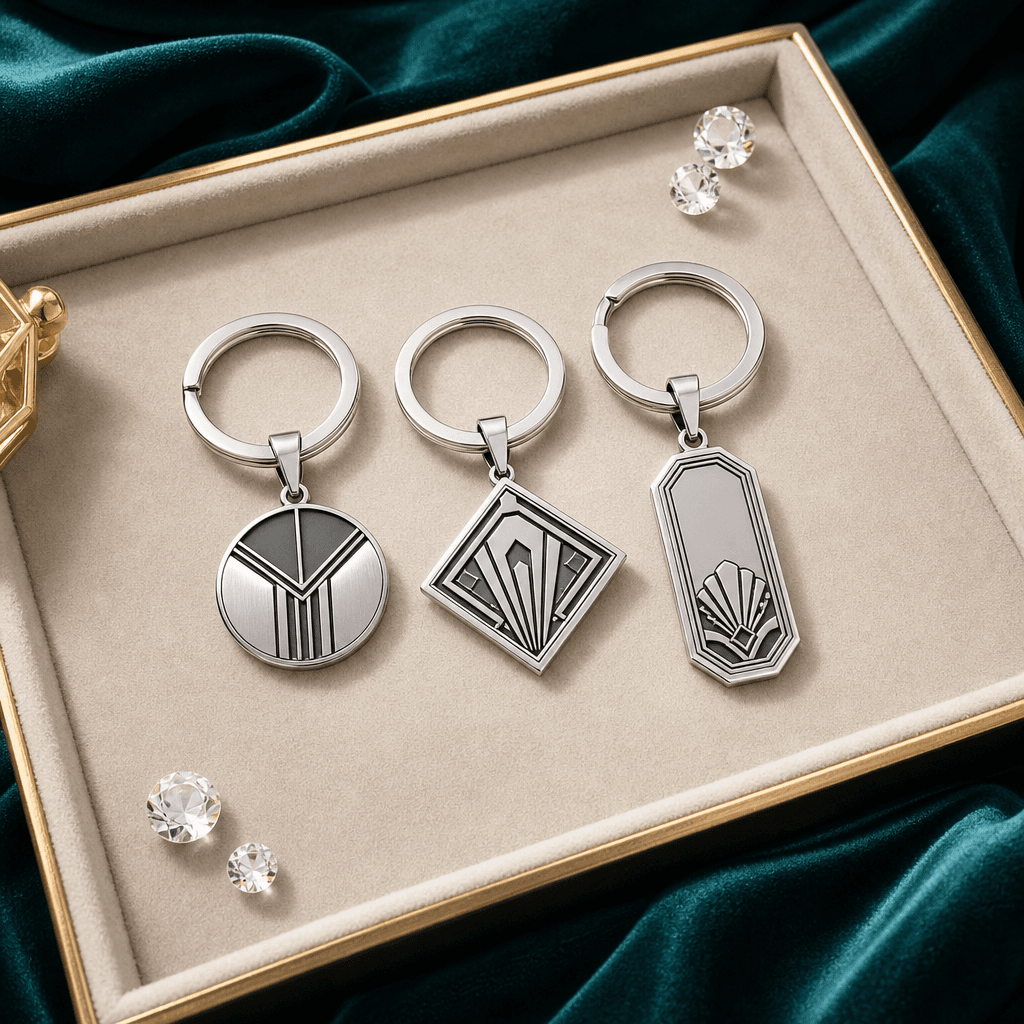
In the world of bulk charm programs, 316L stainless steel keychain charms represent a reliable intersection of performance, consistency, and scalable manufacturing. This deep-dive targets wholesale buyers who manage large orders, seek predictable margins, and rely on supplier reliability for private-label or OEM/ODM programs. As a dedicated 316L stainless steel charms manufacturer, Lancy Jewelry combines material science rigor with practical production know-how to deliver bulk-ready solutions that satisfy global markets from the US to EU, UK, AU, CA, and beyond. This article outlines the material science fundamentals, processing workflows, and decision criteria that underpin successful bulk programs.
Stainless steel keychain charms bulk: a material science-first perspective
316L stainless steel chemistry and alloy composition
316L is a low-carbon variant of the 316 stainless steel family. Its composition typically includes iron as the base, chromium in the 16–18% range for corrosion resistance, nickel around 10–14% to stabilize austenite, and molybdenum about 2–3% to enhance pitting resistance in chloride-rich environments. The low carbon content (the “L” in 316L) reduces carbide precipitation during welding, improving weldability and post-weld corrosion resistance—an important consideration for laser marking, welding, and CNC finishing used in charm fabrication. For buyers, this chemistry translates to predictable mechanical properties, stable plating bases, and reliable long-term performance across varied climates and handling conditions.
Corrosion resistance, passivation, and nickel-release considerations
316L’s high chromium and molybdenum content confer excellent corrosion resistance in outdoor, humid, and salt-air conditions—a critical factor for keychain charms constantly exposed to sweat, lotions, and environmental moisture. The passivation layer that forms on 316L provides a self-healing shield against surface attack, supporting consistent finishes during plating and subsequent decoration. From a buyer’s standpoint, this translates to lower risk of surface deterioration over time and fewer warranty concerns across bulk orders. Compliance with nickel-release standards (EN 1811) is tracked during SGS testing to ensure nickel exposure remains within acceptable limits for consumer safety, an important risk-management point for private-label or gift programs.
Mechanical properties and formability for mass production
In charm manufacturing, a balance between strength and ductility matters. 316L offers tensile strength that supports stable wear with repeated handling in key rings, bag charms, and decorative attachments, without cracking during laser welding or marking. Low-carbon chemistry also reduces work-hardening risk during stamping, CNC milling, and finishing operations, enabling higher yields in a high-volume factory setting. For buyers, this means predictable machining behavior and fewer scrap losses in bulk charm production.
Surface finishes and decoration options for 316L base
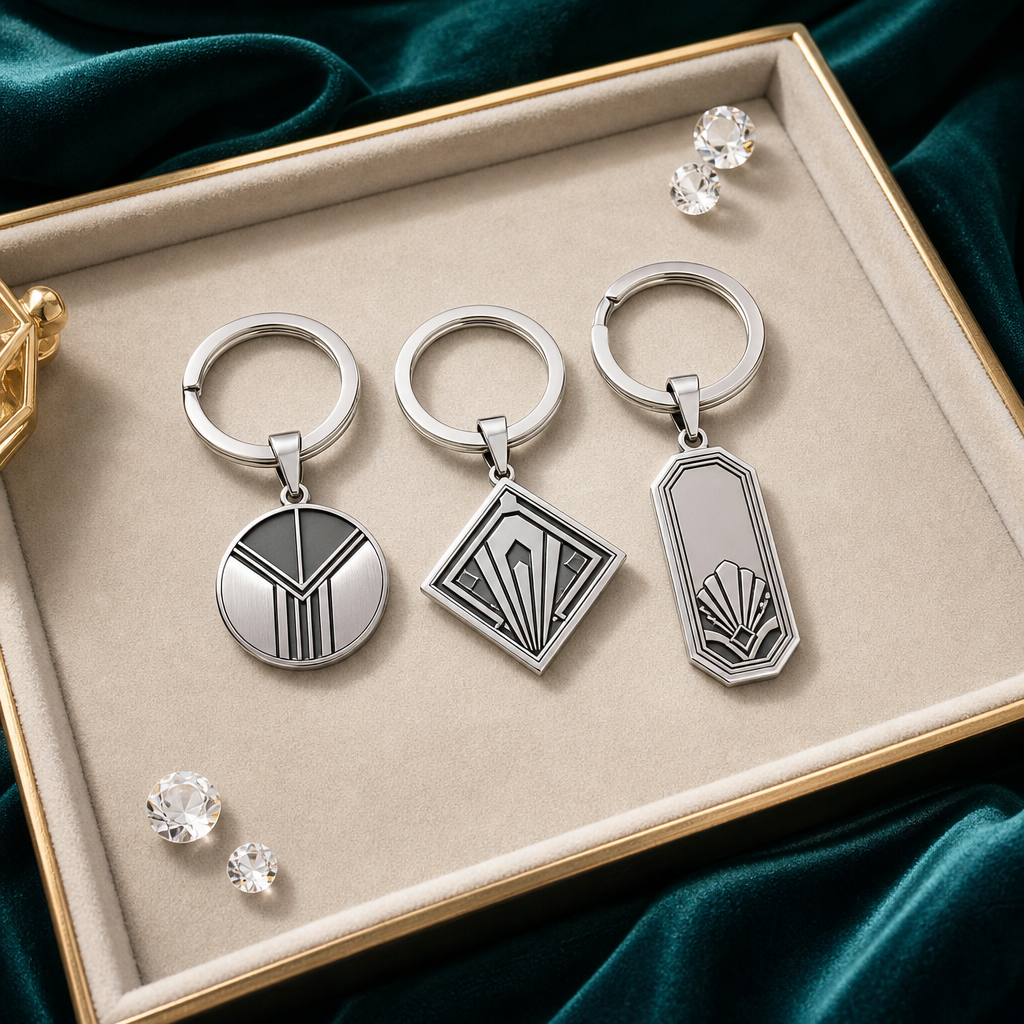
The base material accommodates a range of finishes suitable for wholesale programs: PVD plating in gold, rose gold, or silver tones; electroplated silver finish; enamel color filling; and crystal inlay. When choosing a finish for bulk assemblies, buyers should consider compatibility with the base alloy, long-term adhesion, and post-deposition stability. PVD plating in particular offers a controlled, uniform coating that resists wear and maintains color fidelity through extensive cycle testing. Enamel fills provide color versatility for thematic runs, while crystal inlays can elevate premium lines without compromising core material integrity. All finishes are applied on 316L stainless steel charms to deliver uniform aesthetics across large production runs.
Manufacturing methods and process controls
A modern production line—like the one at Lancy Jewelry—employs CNC machining, laser cutting, laser marking, robotic welding, and precision polishing. This combination supports tight tolerances for bail holes, jump rings compatibility, and consistent surface finishes. For bulk orders, process controls such as in-process gauging, statistical process control (SPC), and post-process inspection are essential to maintain repeatable quality across thousands of units. The net effect for buyers is consistent yield, fewer rework cycles, and reliable acceptance of large shipments in various markets.
Decoration options: enamel, crystals, and signage
Decoration choices expand the market appeal of 316L stainless steel charms while preserving base material integrity. Enamel color filling delivers a vibrant, durable aesthetic without compromising the metallic substrate. Crystal inlays add premium sparkle when desired. PVD plating can be combined with enamel or crystal accents for multi-layered effects. When evaluating bulk options, buyers should specify exact color codes, finish tolerances, and required adhesion standards to ensure the final product meets brand standards across all SKUs.
Why this matters for bulk programs: reliability, compliance, and commercial value
Operational reliability for wholesale programs
Bulk orders demand consistent yield, short lead times, and predictable pricing. 316L stainless steel provides a stable platform for mass production, minimizing variability in alloy composition and finish performance. For buyers, this reduces the risk of batch rework and helps maintain margins across multiple SKUs—an essential consideration in wholesale stainless steel charms programs.
Certifications and risk management
SGS certified processes (RoHS, REACH, Nickel Release EN1811, Salt Spray 240H) validate material safety and behavior under environmental stress. These certifications reduce compliance risk when selling across regions with strict consumer safety regulations, including private-label programs and gift-line releases. In a B2B context, such documentation supports smoother onboarding with retailers, distributors, and boutique brands, while enabling faster RFQ responses and lower total cost of ownership over time.
Private-label packaging and branding readiness
Many buyers pursue private-label opportunities to differentiate their product lines. Lancy supports private-label packaging, logo engraving, and custom decorative options that align with brand guidelines. This enables a turnkey route from OEM/ODM development to full-market readiness, reducing the procurement friction for boutique brands and charm bar retailers who want to scale with a consistent supply chain.
Supply chain resilience and global reach
Global buyers rely on supplier reliability, scalable production capacity, and consistent communication. A modern manufacturing facility with CNC, laser, and polishing capabilities, paired with robust QA processes and SGS-certified outputs, fosters a resilient supply chain. This is especially important for bulk orders that may span multiple markets with different import requirements. Lancy’s global reach and standardized production schedules support reliable delivery into US, EU, UK, AU, CA, DE, FR, SP, NE, RU markets and beyond.
Detailed analysis and practical guide for buyers
Step 1 — define spec for bulk runs
Begin with a clear spec: size (default 8-18 mm for charm form factor, with larger silhouettes for statement runs if needed), bail/hole diameter compatibility, plating preference (PVD gold, rose gold, silver), and any enamel or crystal accents. For bulk production, finalize tolerance bands, color codes, and service-level requirements (e.g., packaging-in-carton, label placement, and branding marks). Also determine the desired packaging approach (bulk polybags, display-ready packaging, or private-label packaging) to align with downstream retailers.
Step 2 — material and finish selection for scale
Confirm 316L stainless steel as the base and choose compatible finishes. PVD plating provides durable color and uniform thickness across tens of thousands of units, while enamel fills enable vibrant colorways that stay consistent under wear. If combining finishes (e.g., gold-plated accents on a silver base), specify coverage patterns, adhesion tolerances, and cleaning procedures to prevent color bleed or chipping during assembly and transit.
Step 3 — testing, compliance, and risk mitigation
Request SGS test reports for RoHS, REACH, and EN1811 nickel-release standards, plus salt spray test results to gauge corrosion resistance. For high-volume shipments, define acceptance criteria for surface defects (pitting, dulling, scratches), plating uniformity, and edge sharpness. These tests support reliable rollouts in cross-border markets and reduce post-launch quality issues that could erode margins in wholesale deals.
Step 4 — MOQ, pricing, and program economics
Discuss minimum order quantities and tiered pricing to optimize margins on bulk charm production. A low MOQ program often aligns with niche boutique brands or seasonal private-label launches, while higher-volume runs benefit from unit-cost reductions. Ensure that pricing accounts for decoration (enamel, crystal), surface finish (PVD options), and packaging requirements. In many cases, a staged ramp with a pilot batch and subsequent full-scale production helps balance cash flow and supply reliability.
Step 5 — sample development and lead times
Sample development accelerates risk reduction before committing to large buys. A dedicated sample development phase—covering base 316L substrates, finish prototypes, and packaging proofs—reduces the likelihood of misalignment with brand standards. Typical timelines vary by complexity but are commonly in the 1–3 week range for basic charms and 2–4 weeks for decorated variants. Use these samples to validate fit with crown closures, jump rings, or key-ring mechanisms in downstream assemblies.
Step 6 — private-label packaging and branding alignment
When private-label programs are involved, align packaging geometry, branding placement, and engraving formats with brand guidelines. A standardized private-label packaging protocol streamlines distribution to retailers and reduces friction during customs clearance. Lancy supports logo engraving and private-label packaging configurations to expedite market entry for new lines.
Step 7 — lead times, logistics, and supplier reliability
Establish realistic lead times based on current capacity and seasonal demand. Build redundancy by engaging backup tooling for engraving or finishing to avoid production interruptions. Transparent communication, clear documentation, and proactive change-control processes strengthen buyer confidence in global markets and contribute to favorable terms in OEM/ODM engagements.
FAQ: common questions from wholesale buyers
Q1: What is the typical MOQ for 316L stainless steel keychain charms?
A typical wholesale program from a trusted OEM charms manufacturer can accommodate low MOQs to support private-label pilots, with scalable tiered pricing for larger runs. For bulk orders, discuss your target quantity with the supplier to determine which MOQ tier applies and to optimize unit costs. Lancy offers flexible MOQ options to support private-label launches and long-term partnerships.
Q2: How long does sample development take after finalizing specs?
Sample development timelines depend on finish complexity, decoration, and engraving requirements. Basic 316L stainless steel charm samples often range from 5–14 days for initial proofing, while decorated or multi-finish samples may require 2–4 weeks. A well-defined sample plan, including color codes, engraving templates, and packaging proofs, helps accelerate approvals and reduces overall time-to-market.
Q3: Do you offer private-label packaging and logo engraving?
Yes. Private-label packaging and logo engraving are standard capabilities for OEM/ODM engagements. Engraving can be applied to the charm face, back, or packaging inserts, with branding alignment and tolerance controls to maintain consistency across large orders. This capability supports boutique brands and gift programs seeking a coherent brand experience across channels.
Q4: What certifications and testing reports can I expect for global shipments?
SGS-certified processes cover RoHS, REACH, Nickel Release EN1811, and Salt Spray 240H. Buyers can receive test reports and material certificates as part of supplier qualification and RFQ packages. These certifications ease cross-border compliance and retailer onboarding, contributing to smoother wholesale distributions and reduced risk in new markets.
Call to action: Partner with Lancy Jewelry for your bulk charm program
As a modern OEM/ODM supplier specializing in 316L stainless steel charms, Lancy Jewelry delivers reliable, scalable, and private-label-ready solutions for wholesale partners. Our factory features CNC, laser cutting, laser marking, welding, and polishing capabilities to support high-volume production with consistent plating quality and finish control. If you are planning a private-label line, need a dependable ODM partner, or are evaluating bulk orders for a new charm bar program, start with a clear spec and a conversation about your long-term objectives.
Explore our OEM service to discuss development pathways, or browse our broader product ecosystem to understand compatible finishes and decoration options. For a formal inquiry or RFQ, you can request a quote and we will respond with a structured, margin-aware proposal. To connect directly with our sales team, contact us today. For a quick overview of our catalog, you can browse all products and identify potential SKUs for your next private-label program.