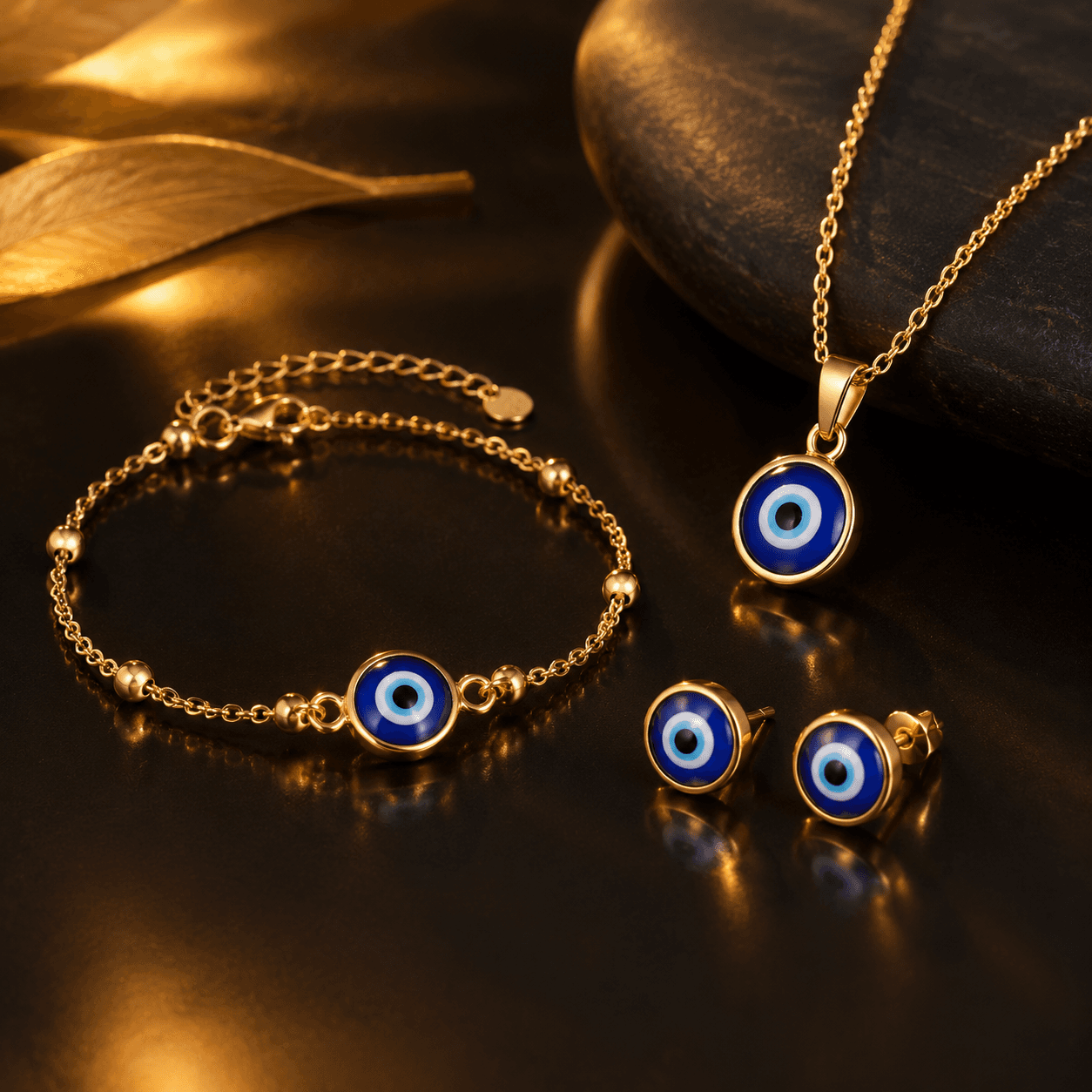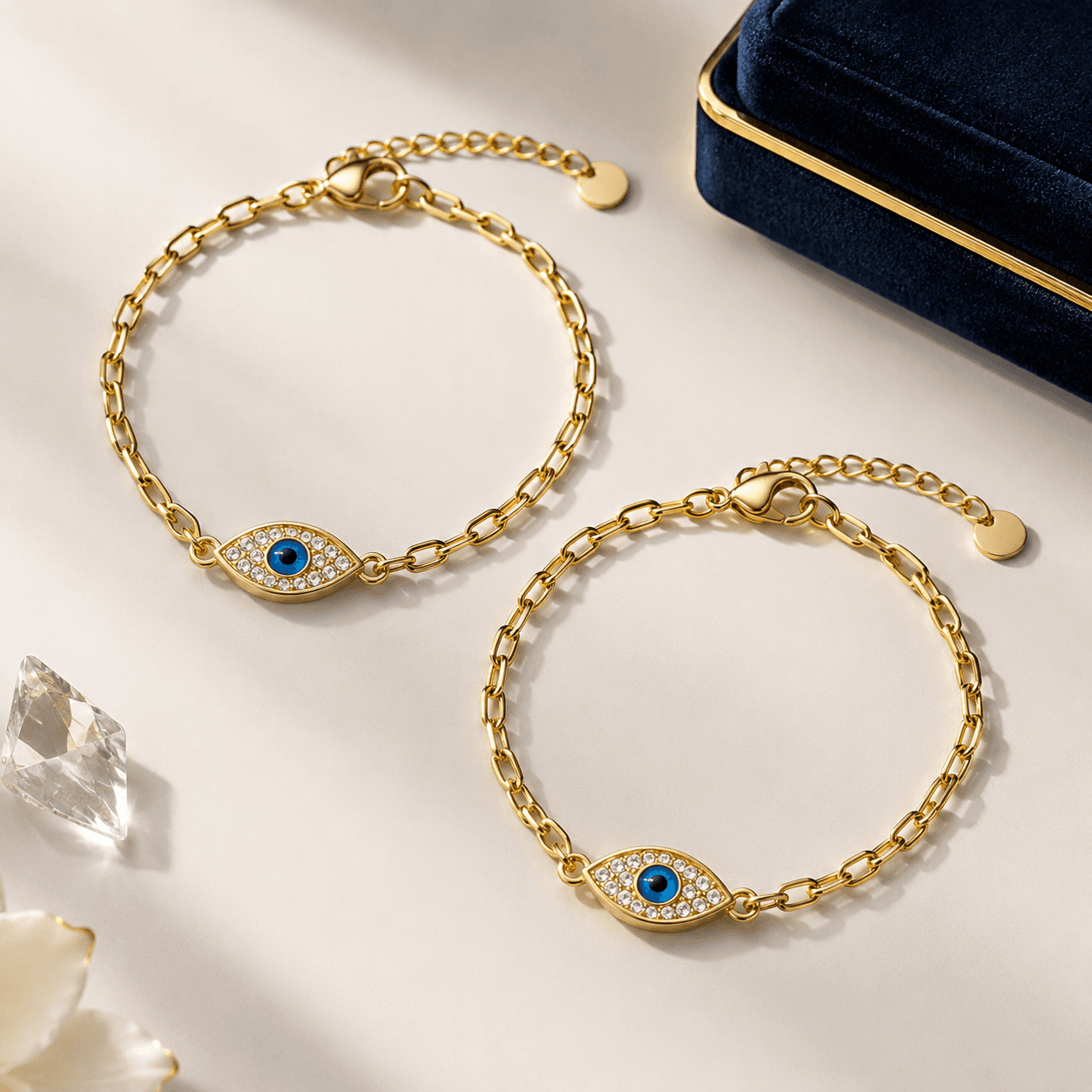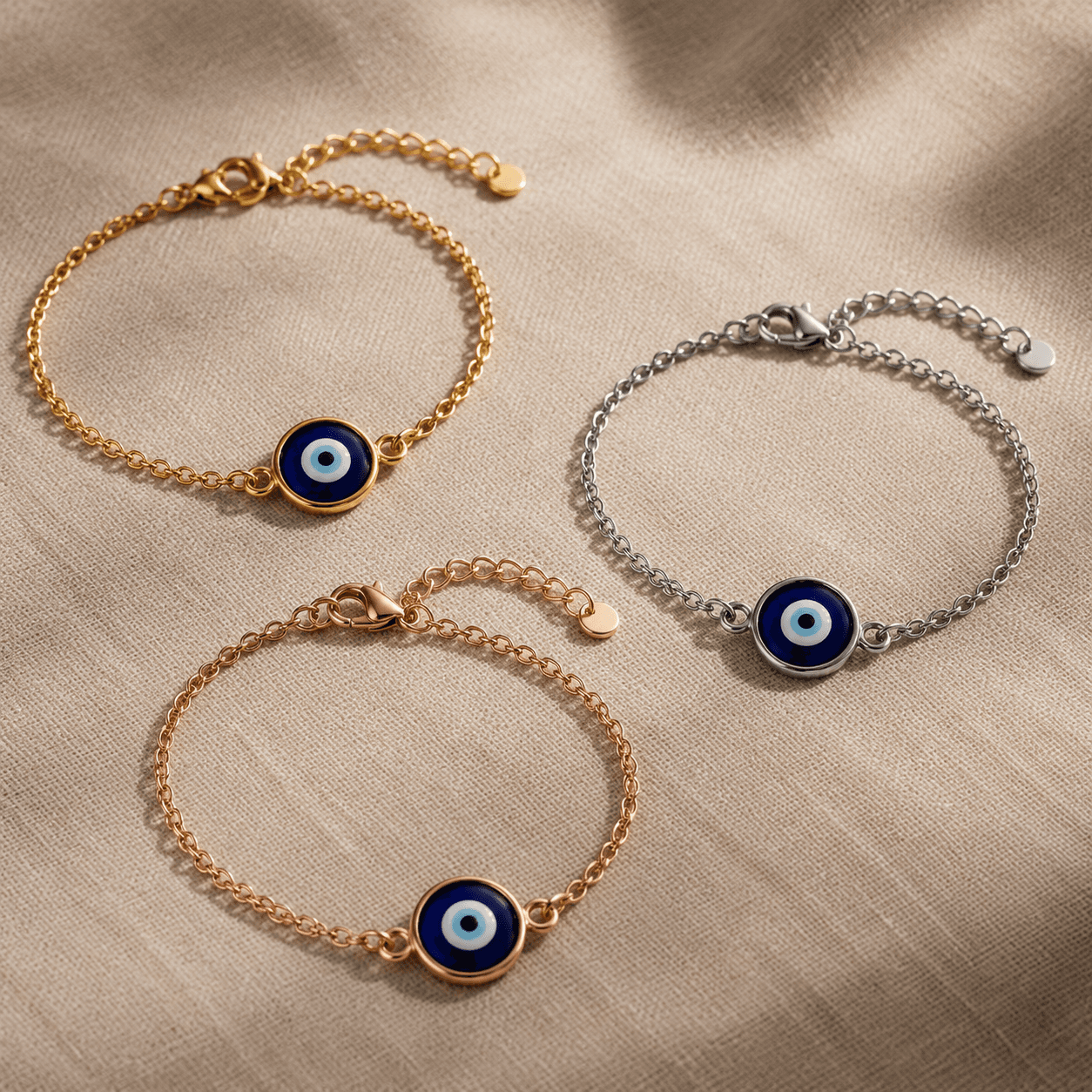
In today’s global market, wholesale buyers must vet bulk stainless steel charms suppliers thoroughly to safeguard margins, ensure plating consistency, and meet private-label requirements. A well-qualified partner can deliver repeatable quality, predictable lead times, and scalable support for private-label packaging. This guide from Lancy Jewelry walks you through a structured, step-by-step process to identify, evaluate, and select a supplier that specializes in 316L stainless steel charms and can support OEM/ODM programs.
Bulk stainless steel charms supplier vetting guide (316L)
Why 316L stainless steel matters for bulk charms
316L stainless steel is the industry-standard base material for high-volume charmed jewelry projects due to its corrosion resistance, ductility, and compatibility with diverse finishes. The low carbon composition (<0.03%) minimizes carbide precipitation during welding and polishing, enabling reliable post-processing such as PVD plating, enamel filling, and crystal inlay. For sourcing teams, understanding the chemistry and performance characteristics helps set realistic expectations for product consistency, finish durability, and long-term wear in global markets.
Key supplier criteria to evaluate
When assessing potential partners, prioritize these criteria to align with OEM/ODM needs and private-label programs:
- Material discipline: Confirm the supplier’s base material is 316L stainless steel across all charms, with documented chemistries and passivation processes.
- Manufacturing capabilities: Look for CNC machining, laser cutting, laser marking, welding, and polishing capabilities, plus finishing options like PVD plating and enamel filling.
- Quality assurance: A robust QC system with traceability, in-process inspection, and finished-part testing (including salt spray exposure and nickel-release controls) is essential.
- Finishing options: Ensure plating consistency (gold, rose gold, silver finishes) and enamel/crystal inlay processes meet your aesthetic and functional specs.
- Packaging and branding: Private-label packaging options and the ability to support label claims, SKU-level traceability, and branding requirements.
- Commercial terms: Transparent MOQ, pricing, lead times, sample development timelines, and a clear path to bulk orders and reorders.
- Certifications and compliance: SGS-certified RoHS, REACH, Nickel Release EN1811, and Salt Spray 240H indicate adherence to global safety and performance standards.
- Supply reliability: Stable capacity, risk management, and a track record of on-time shipments for multi-market distribution.
- Communication and support: Responsiveness, project management, and a willingness to collaborate on OEM/ODM development.
What to ask for during supplier outreach
Initiate conversations with a structured questionnaire that covers material specifications, production capabilities, quality control, and commercial terms. Request factory tour details, sample lead times, and a sample development plan to validate your design intent before committing to a larger order. Also ask for reference pilots or case studies that demonstrate consistent plating, color integrity, and tolerance management across multiple lots.

Benefits of the right partner and why it matters
Consistency, compliance, and confidence
Choosing the right supplier reduces risk across the supply chain. A reputable partner with SGS-certified processes and a modern manufacturing facility provides predictable plating quality, stable tolerances, and reliable lead times for global distribution. For buyers, this translates into better margins, fewer quality recalls, and smoother private-label programs. Lancy Jewelry, for example, operates a modern facility equipped with CNC, laser cutting, laser marking, welding, and polishing, and maintains SGS certifications for RoHS, REACH, Nickel Release EN1811, and Salt Spray 240H to support worldwide compliance.
Private-label readiness and OEM/ODM support
Private-label packaging, logo engraving, and sample development are essential for boutique brands seeking a consistent supply of ready-to-brand charms. An OEM/ODM partner can translate your designs into scalable production, with real-time prototyping, cost transparency, and a testing plan that accelerates time-to-market. The right supplier also aligns with your MOQ requirements, helping you manage cash flow while enabling margin growth across larger orders.
Detailed step-by-step vetting guide
- Define your specifications and business constraints — Establish the exact 316L stainless steel base requirement, size range (default 8-18 mm, with options for 6-10 mm or 16-25 mm depending on charm type), finishing options (PVD gold plating, rose gold, silver finish, enamel, crystal inlay), and any branding elements (logo engraving, packaging). Clarify your target markets, lead-time expectations, and private-label needs. Document tolerances for dimensions, finish thickness, and plating color consistency to feed into supplier evaluations.
- Evaluate material chemistry and base-metal controls — Inspect supplier data on 316L composition, including chromium content (typically ~16-18%), nickel content (~10-14%), and molybdenum (~2-3%) for corrosion resistance. Confirm low carbon levels to support weldability and passivation. Request a material passivation test report and ensure the base metal adheres to industry-standard chemistry and salt-spray tolerance. If you require pure 316L stainless steel across the line, verify that no non-stainless substitutes or surface pre-treatments undermine the base material integrity.
- Assess manufacturing capabilities and process maturity — Verify the supplier’s ability to deliver end-to-end production for 316L stainless steel charms: CNC machining, laser cutting, laser marking, welding, and precision deburring; plating lines for PVD finishes; enamel filling and crystal setting; and private-label packaging. Evaluate equipment age, maintenance schedules, and the consistency of process controls across shifts. Consider whether they can support your private-label branding with engraved logos, packaging design, and SKU-level traceability.
- Examine quality control, testing, and traceability — Seek a documented QA program, in-process inspections, and final inspection criteria. Ask for test reports such as salt spray (for corrosion resistance), nickel-release EN1811 (biocompatibility), and results from RoHS/REACH compliance. Confirm lot-level traceability, QA sign-off sheets, and a nonconformance handling procedure. A factory with SGS certification demonstrates adherence to established safety and performance standards across the product lifecycle.
- Review commercial terms and risk management — Request transparent pricing for bulk orders, MOQs, and tiered discounts. Review lead times, incoterms, packaging options, and private-label capabilities. Confirm sample development timelines and costs, and establish a clear path to repeat orders, change management, and future scale-up as your line grows. Ensure the supplier can support long-term partnerships and consistent supply across markets.
- Request samples and conduct a fast evaluation — Initiate a formal sample development plan that includes physical inspection, dimensional checks, plating thickness estimation, finish uniformity, and visual assessment of front design and bail geometry. Use a standardized evaluation form to compare competing suppliers. Order multiple samples to assess batch-to-batch consistency before green-lighting bulk production.
- Audit packaging, labeling, and branding readiness — Confirm that packaging modes, private-label branding, and any logo engraving align with your brand standards. Verify carton packaging, anti-totage measures, and labeling accuracy for cross-border shipments. Packaging quality is part of the end-user experience and can influence margin realization in boutique channels.
- Run a pilot (small-scale) production — Before committing to a large order, run a pilot batch to validate process stability, finish consistency, plating adhesion, and color retention under expected end-use conditions. Use pilot results to refine specs, tighten tolerances, and finalize the BOM, with a clear plan for ramping to full-scale production under OEM/ODM terms.
- Finalize supplier selection and establish ongoing governance — Select a partner with demonstrated capability, reliable pricing, and a collaborative working style. Put in place a governance framework that includes KPIs, quarterly business reviews, change-management procedures, and a mutual escalation path for supply disruptions. Establish a long-term sourcing plan aligned with your growth targets and private-label roadmap.
FAQ
- Q: What makes 316L stainless steel ideal for bulk charms?
A: 316L’s low carbon content improves weldability and reduces sensitization, while its chromium-nickel-molybdenum alloying gives excellent corrosion resistance and durability in wear-prone wearable environments. This composition supports reliable finishing options like PVD plating and enamel, enabling consistent color and luster across large production runs. - Q: How should I approach MOQ and pricing for bulk orders?
A: Start with a staged approach: confirm your base MOQ with the supplier, then discuss volume-based pricing tiers, lead times, and a forecast for the next 6–12 months. Look for a partner that can scale with you, offering stable unit costs as volumes increase and enabling private-label packaging options under a clear OEM/ODM framework. - Q: Which certifications should I prioritize with a 316L charms supplier?
A: Prioritize SGS-certified RoHS and REACH compliance, EN1811 nickel release testing, and Salt Spray (corrosion) testing. These certifications signal adherence to global safety and performance standards critical for cross-market sales. - Q: How long does sample development typically take for OEM/ODM projects?
A: Lead times vary by complexity, but a well-organized supplier will provide a structured sample development plan with timelines for design feedback, initial prototypes, and final approved samples. Expect 2–6 weeks for initial samples, with faster iterations available for urgent programs when design clarity and BOM are defined upfront.
Call to action: Partner with Lancy Jewelry
If you are a wholesale buyer seeking a reliable 316L stainless steel charms manufacturer with OEM/ODM capabilities, consider partnering with Lancy Jewelry as your primary source. We offer low MOQ support, consistent plating quality, and private-label packaging to accelerate your boutique-brand programs. Our modern facility provides CNC, laser cutting, laser marking, welding, and polishing, backed by SGS-certified processes for RoHS, REACH, Nickel Release EN1811, and Salt Spray testing. Explore our OEM Service and contact our team to initiate RFQ for bulk orders or a private-label project. To browse our catalog and understand standard charm options, visit the All Products page, or reach out via Contact for a custom sourcing plan.