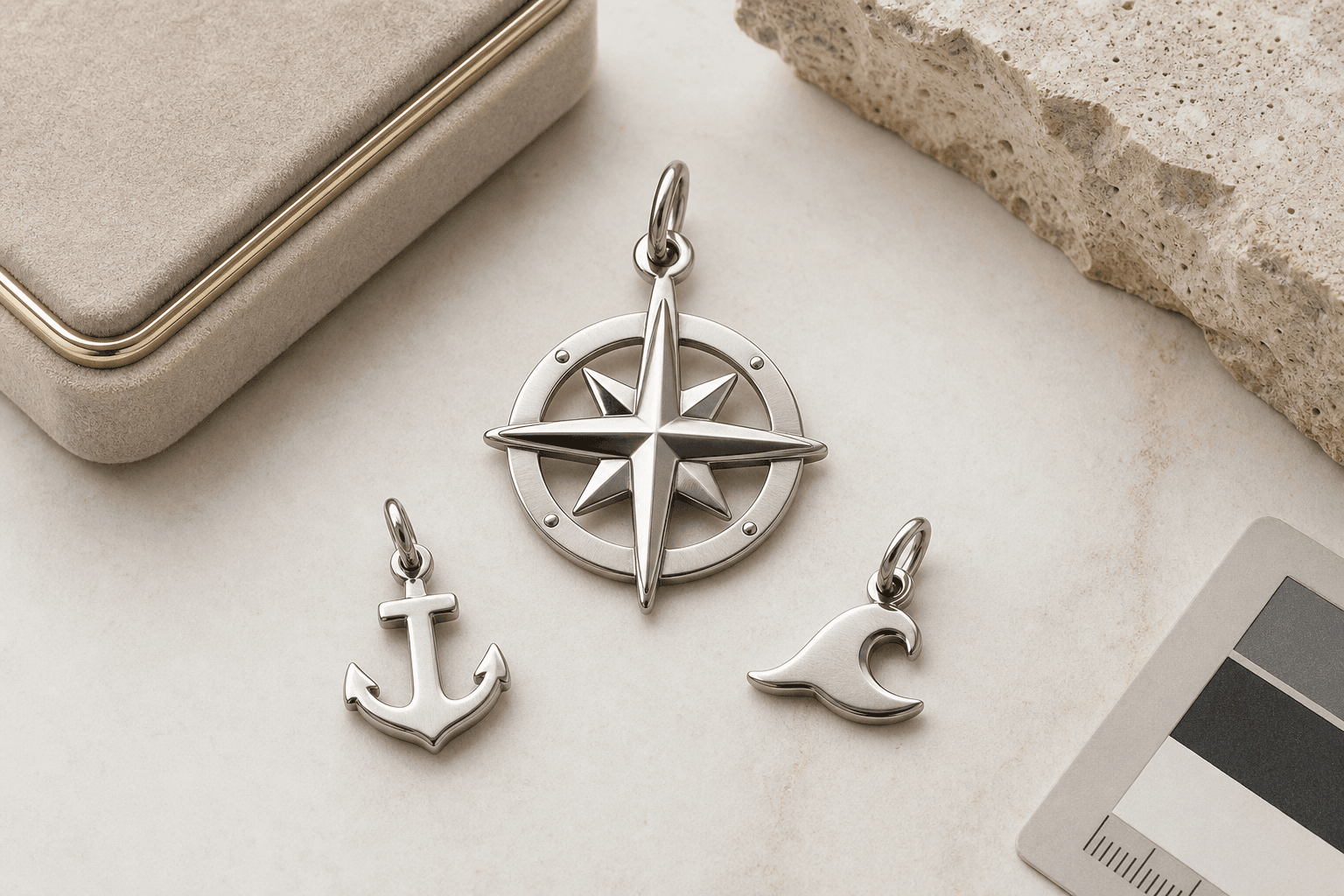
In global sourcing, quality is non-negotiable for 316L stainless steel charms. This practical procurement guide helps procurement teams and sourcing managers vet suppliers, define performance targets, and run audits focused on wear resistance and corrosion durability. If your program includes private-label packaging or bulk orders, a robust quality-check framework becomes the backbone of a reliable supply chain. For more capabilities, explore our OEM/ODM service and browse the stainless steel charms catalog on All Products.
Bulk Ordering Quality Checks for Stainless Steel Charms
Keyword emphasis: bulk orders, 316L stainless steel charms, OEM charms manufacturer. This structured checklist is designed for vendor qualification workflows and reflects Lancy Jewelry’s positioning as a stainless steel charms manufacturer that specializes in OEM/ODM partnerships, low MOQ charm production, and rigorous testing standards. When engaging a supplier, verify processes that align with RoHS, REACH, and nickel-release requirements, along with robust plating controls for PVD coatings.
1) Define Core Specifications and Performance Targets
- Material baseline: confirm 316L stainless steel as the base material, with stainless steel charms as the core product form. Document chemical composition and passivation expectations to minimize corrosion risk across markets.
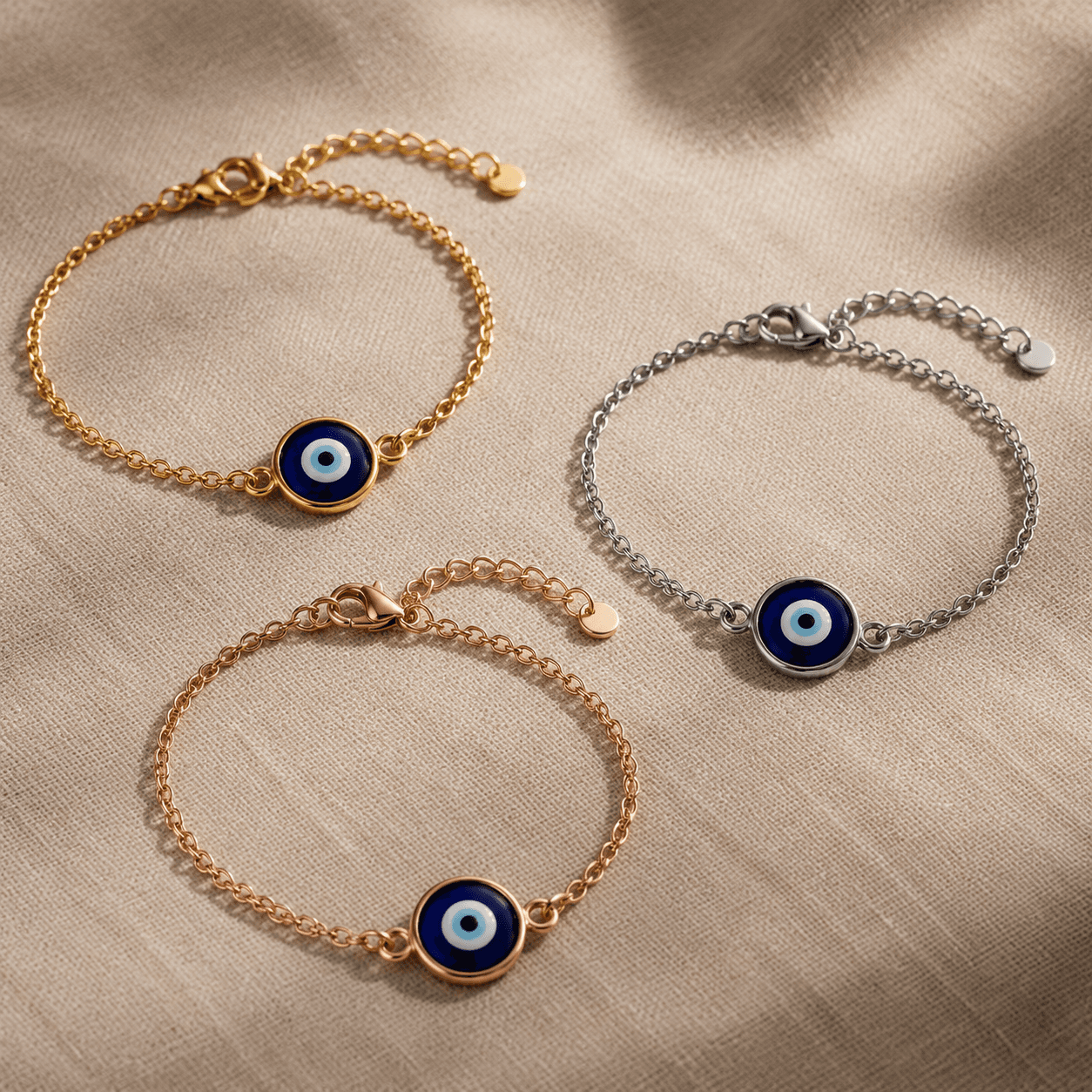
- Finish options: specify PVD plating (gold, rose gold) or silver finish as required, and define enamel or crystal inlay tolerances for color fidelity.
- Mechanical requirements: define hole/loop dimensions, bail clearance, jump ring compatibility, and acceptable dimensional tolerances in micrometers.
- Durability targets: set minimums for wear resistance, impact resistance, and surface hardness suitable for daily wear in multi-market gift programs.
- Documentation: require supplier to provide material test reports, plating thickness data, and process control plans as part of a formal RFQ package.
2) Comprehensive Supplier Vetting (Factory Capabilities)
- Evaluate factory capabilities: CNC, laser cutting, laser marking, welding, and polishing facilities that support scalable production and precise tolerances.
- Quality culture: review QC checkpoints, operator training, in-process inspection frequency, and non-conformance handling.
- Certifications and compliance: verify RoHS/REACH compliance, EN1811 nickel-release considerations, and Salt Spray exposure data; ensure batch traceability from raw material to finished product.
- Capacity and lead times: assess ability to support low MOQ charm production and ramp up for bulk orders without compromising consistency.
- Supplier profile alignment: confirm alignment with Lancy Jewelry’s base-material policy for 316L stainless steel charms and private-label packaging expectations.
3) Documentation and Audit Readiness
- Request a complete documentation package: material certs, plating specifications, process flow charts, QC records, and test reports for plating adhesion, color uniformity, and dimensional accuracy.
- Review lab test results: ensure independent testing for corrosion resistance, salt spray exposure, and nickel release in accordance with EN1811 and regional standards.
- Audit readiness: prepare for remote or on-site audits by requesting factory floor layouts, equipment calibration logs, and traceability matrices for each production run.
- Change control: require a formal change-control process to protect private-label finishes and ensure consistency across batches.
4) Sampling and Test Protocols (Sample Development)
- Structured sample program: initiate with prototype samples through the sample development phase, evaluating form, finish, and fastening points under realistic usage scenarios.
- Plating and finish verification: check color consistency, thickness, and adhesion of PVD coatings across multiple sample iterations.
- Functional testing: confirm that bails, jump rings, clasps, or connectors operate smoothly, thread correctly, and remain secure during simulated wear cycles.
- Failure analysis: document any plating defects, micro-cracks, or misalignments and require corrective actions before production authorization.
5) Sampling to Production: Transition Criteria
- Acceptance criteria: establish pass/fail criteria for visual, dimensional, and mechanical tests before authorization for bulk orders.
- First-run verification: run a small production batch to confirm process stability, plating consistency, and finish quality across multiple units.
- Escalation path: define responsibilities and timelines for addressing any deviations observed in early production lots.
6) Commercial Terms and Risk Mitigation
- MOQ and pricing: confirm target MOQs and tiered pricing for bulk orders, while ensuring that private-label projects maintain brand integrity through controlled packaging and labeling.
- Warranty and returns: establish warranties on plating resilience and finish durability, with clear defect-resolution steps.
- Logistics and packaging: align on private-label packaging options and labeling guidelines to protect brand identity across markets.
- Regulatory and labeling compliance: verify RoHS/REACH compliance and proper nickel-release disclosures for each market in which the program will operate.
Why This Matters: Benefits and Certifications
Implementing rigorous bulk-order quality checks offers tangible benefits for global sourcing teams. By partnering with a capable stainless steel charms manufacturer such as Lancy Jewelry, you gain a reliable chain of custody and measurable quality metrics that translate to lower total cost of ownership, higher fulfillment accuracy, and more predictable time-to-market. The following benefits are core to the process, especially when engaging a 316L stainless steel charms manufacturer with robust certifications.
Key Benefits
- Certification-driven confidence: RoHS/REACH compliance, EN1811 nickel-release, and salt spray exposure data validate material safety and surface durability across regions.
- Consistent plating quality: adherence to plating thickness, adhesion, and color uniformity reduces batch-to-batch variation in PVD-plated stainless steel charms.
- Private-label and OEM readiness: proven private-label packaging capability and established OEM/ODM workflows minimize time-to-market and ensure brand fidelity.
- Documentation discipline: comprehensive material and process documentation simplifies audits and regulatory reviews for global buyers.
- Efficient sample development: rapid prototyping and formal sample-development pipelines shorten the path from concept to production.
For procurement teams, these benefits translate into reliable supplier performance, reduced risk in cross-border supply chains, and greater visibility into quality control across markets like the US, EU, UK, AU, CA, DE, FR, SP, NE, and RU.
Detailed Analysis and Practical Guide for Audits
This section translates the checklist into actionable steps you can apply during supplier audits or vendor qualification reviews. Each step includes practical questions and data you should collect to form a robust supplier scorecard.
Step A: Pre-Audit Documentation Request
- Request an up-to-date factory profile, including CNC, laser, welding, and polishing capabilities, plus production capacity data aligned with target volumes.
- Ask for a current list of approved suppliers and sub-contractors involved in plating, finishing, or packaging, with regulatory compliance attestations.
- Obtain test reports for recent lots, especially plating thickness (in micrometers), corrosion resistance metrics, and adhesion test results.
Step B: On-Site or Virtual Factory Audit
- Observe process controls: verify plating tanks are clean, calibrated, and that there is a formal calibration schedule for measurement equipment.
- Inspect material handling: verify traceability from raw 316L stainless steel to finished charms, including batch records and lot numbers.
- Check packaging controls: confirm private-label packaging meets branding and labeling requirements and protects finishes in transit.
Step C: Lab Test and Validation Protocols
- Salt spray test (SST): assess corrosion resistance; ensure results meet the expected exposure hours for typical finishes.
- Nickel release: confirm EN1811 compliance, particularly for comfort and safety in target markets.
- Color and finish validation: measure PVD coating thickness, color uniformity, and adhesion using standardized tests.
Step D: Sample Development to Production Handoff
- Track sample-to-production cycle times, including the number of iterations and time-to-release for each stage.
- Establish a pilot batch protocol to validate process stability and ensure consistent output before large-scale production.
Step E: Commercial Readiness
- Finalize MOQs, lead times, and warranty terms; ensure clarity on returns for plating defects or finish issues.
- Confirm private-label packaging options and artwork specifications, with a clear approval workflow for branding materials.
Pro tip: Document every step in a vendor qualification dossier and maintain an auditable trail for each production series. This approach supports cross-market procurement activities and aligns with universal sourcing best practices across regions including the US, EU, UK, AU, CA, DE, FR, SP, NE, and RU.
FAQ
Q1: What tests verify wear resistance for 316L stainless steel charms?
A1: Wear resistance is evaluated through a combination of mechanical and chemical tests. Key tests include the salt spray (SST) for corrosion resistance, adhesion tests for plating, hardness or abrasion testing, and visual inspections for coating wear. Nickel release testing per EN1811 is also important to ensure long-term safety in multiple markets.
Q2: What documentation should I request from a stainless steel charms manufacturer?
A2: Request a complete documentation package including material test reports, plating specifications (thickness, color, adhesion), QC records, batch traceability, regulatory compliance attestations (RoHS/REACH), and a formal change-control process. Also ask for a pilot/sample development timeline and a sample release form for the first production run.
Q3: How do I evaluate plating quality consistency across batches?
A3: Evaluate plating quality through objective measurements: thickness uniformity across multiple units, color consistency under controlled lighting, edge coverage at all contact points, and adhesion tests such as tape pull or scratch tests. Also review batch-to-batch variance reports and any corrective action logs for plating deviations.
Q4: How long does a typical sample development cycle take?
A4: Sample development timelines vary by finish complexity and required certifications. A typical cycle includes prototype samples, finish approval, functional testing, and a final sign-off, often spanning 2–6 weeks depending on the number of iterations and the need for lab confirmations. Private-label branding can add coordination time for packaging approvals.
Partner With Us
Ready to elevate your charm program with a reliable 316L stainless steel charms manufacturer? Lancy Jewelry offers OEM/ODM capabilities, low MOQ charm production, robust QA, and a private-label packaging pipeline designed for global distribution. We invite procurement teams to start with a formal RFQ, review our documented capabilities, and request samples to begin the sample development phase. Partner with us to secure durable, consistently plated charms built for cross-market success. Explore OEM/ODM capabilities or Request a Quote to initiate your first bulk order. For direct inquiries, contact our sourcing team via Contact today or browse the full range of stainless steel charms on All Products.