Designers in North America exploring 316L stainless steel charms for private-label programs often ask where to start. This Sourcing Guide provides a practical, step-by-step approach to finding and evaluating suppliers for stainless steel hobby lobby keychain charms, focusing on material properties, finishes, and reliable manufacturing partners. If you’re prototyping or scaling, a clear path from initial concept to bulk orders helps you save time and reduce risk.
Guide to Sourcing Stainless Steel Hobby Lobby Keychain Charms (316L)
Why 316L stainless steel is the right base material
316L stainless steel is known for corrosion resistance and strong mechanical properties, making it well suited for everyday wear and gift packaging. The low carbon content improves weldability and reduces carbide precipitation, which is helpful during fabrication processes like CNC cutting and laser marking. For North American brands, 316L also offers reliable performance across a range of finishes, including PVD plating, silver finishes, and enamel inlays. When you source, ask for alloy data and plating specifications to confirm compatibility with your design and packaging requirements.
What to look for in a supplier
Key capabilities include a modern facility with CNC, laser cutting, laser marking, welding, and polishing, plus a proven track record with OEM/ODM development and private-label packaging. In your supplier shortlist, prioritize partners who can provide low MOQ charm production, consistent plating quality, and robust sample development programs. For jewelry designers, it is important to verify that the factory can produce complete 316L stainless steel charms with authentic hole or loop connections and properly finished surfaces.
Benefits of Choosing 316L Stainless Steel Charms for North American Markets
Key benefits
- Durability and corrosion resistance under daily wear and gifting conditions.
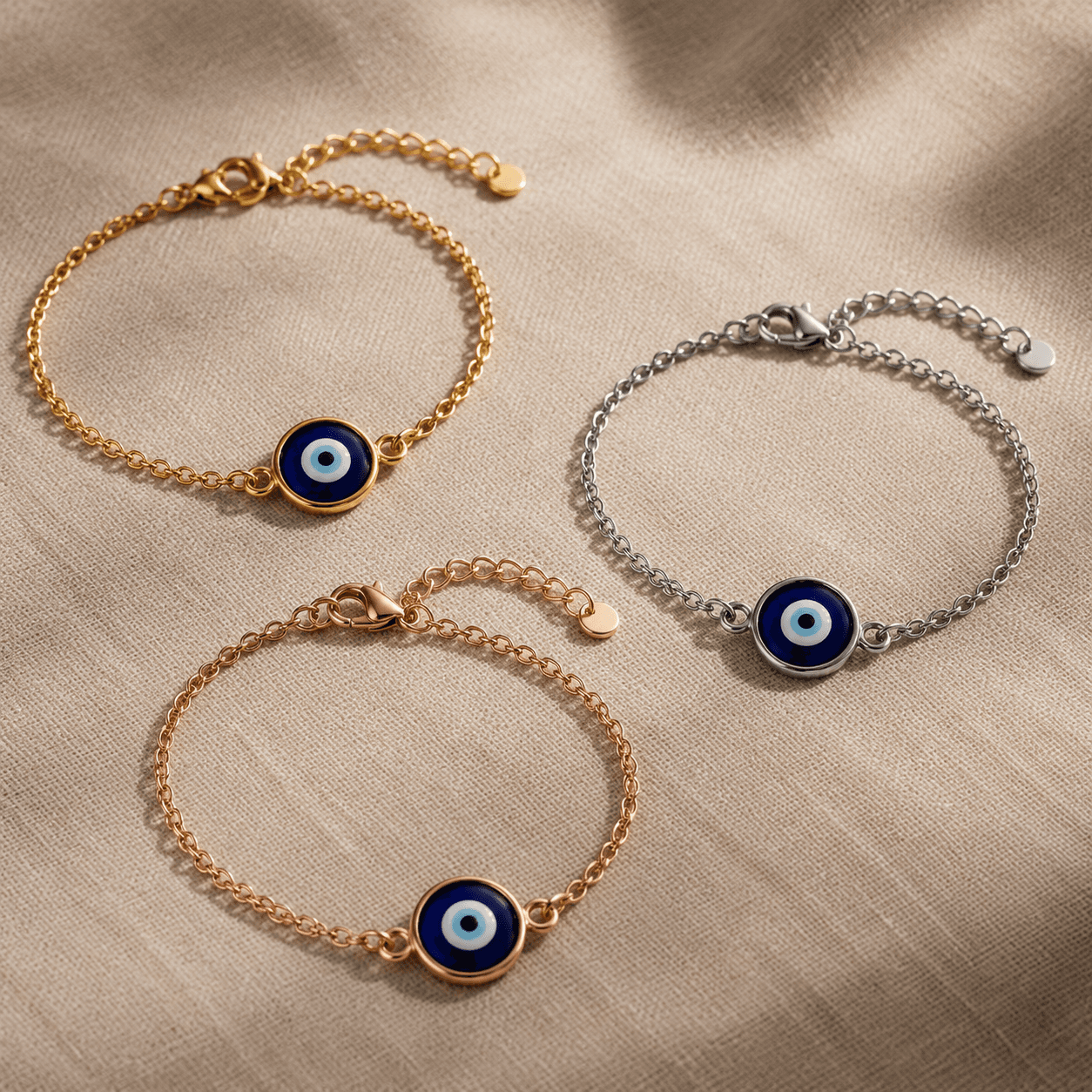
- Consistent plating quality across batches, including PVD gold plating, silver finish, and rose gold plating.
- Versatile finishes and detailing options: enamel color filling and crystal inlay for decorative accents.
- Regulatory compliance and certifications: SGS certified (RoHS, REACH, Nickel Release EN1811, Salt Spray 240H) for regionally compliant products.
- Private-label packaging options and low MOQs to support boutique brands and private-label buyers.
Choosing a partner with SGS certification and RoHS/REACH compliance helps you reduce regulatory risk for US/Canada markets and align with customer expectations for safe, well-manufactured products. When you work with a reputable charm factory, you can also request COAs and test data during the supplier evaluation.
Detailed Sourcing Guide: Step-by-Step to 316L Stainless Steel Charms
- Define your design and specs: specify diameter and thickness ranges (8-18 mm typical for charms), bail or jump ring requirements, and desired finishes (PVD plated stainless steel charms with enamel or crystal inlay). Clarify packaging needs for private-label programs and identify whether you will ship to the US, Canada, or other North American markets. This stage sets the foundation for cost and lead-time estimates.
- Identify potential suppliers: search for a charm factory or OEM charms manufacturer with capabilities in CNC, laser cutting, welding, polishing, and laser marking. Evaluate whether the partner can support OEM/ODM development and private-label packaging, and whether they have a formal sample development program. Check their website for certifications and factory capabilities, and ask for factory references. For a practical approach, request a short list of candidates and initiate RFQ discussions through your preferred channels by contacting the supplier's sales team via /contact or starting a formal inquiry via /cart.
- Assess material chemistry and plating options: verify that the base material is 316L stainless steel and discuss available finishes (PVD plating, gold plated, silver finish, rose gold plating) plus enamel color filling and crystal inlay options. Ask for alloy composition data if available, and confirm that plating thickness is consistent across batches. This step helps you compare long-term durability and finish uniformity across suppliers.
-
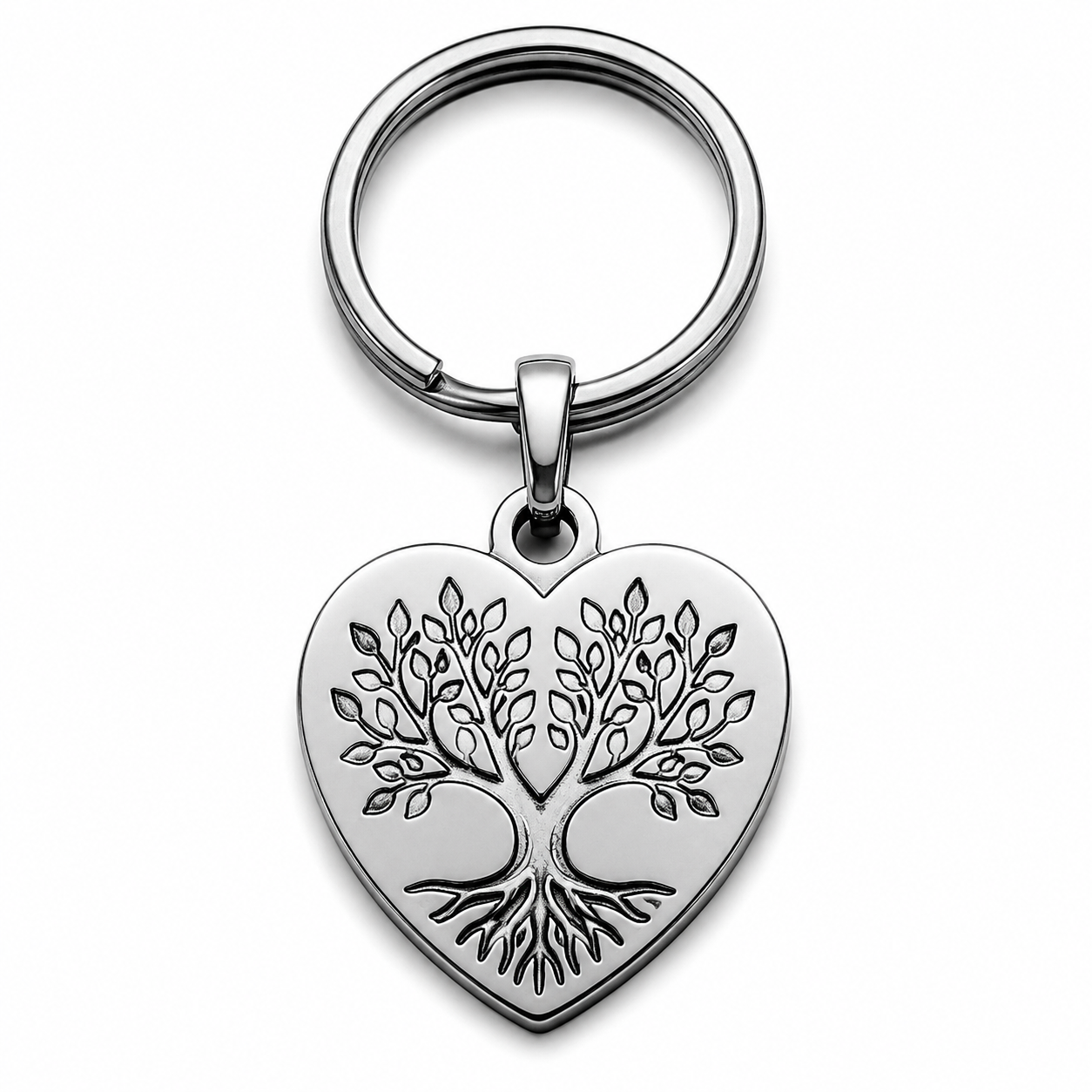
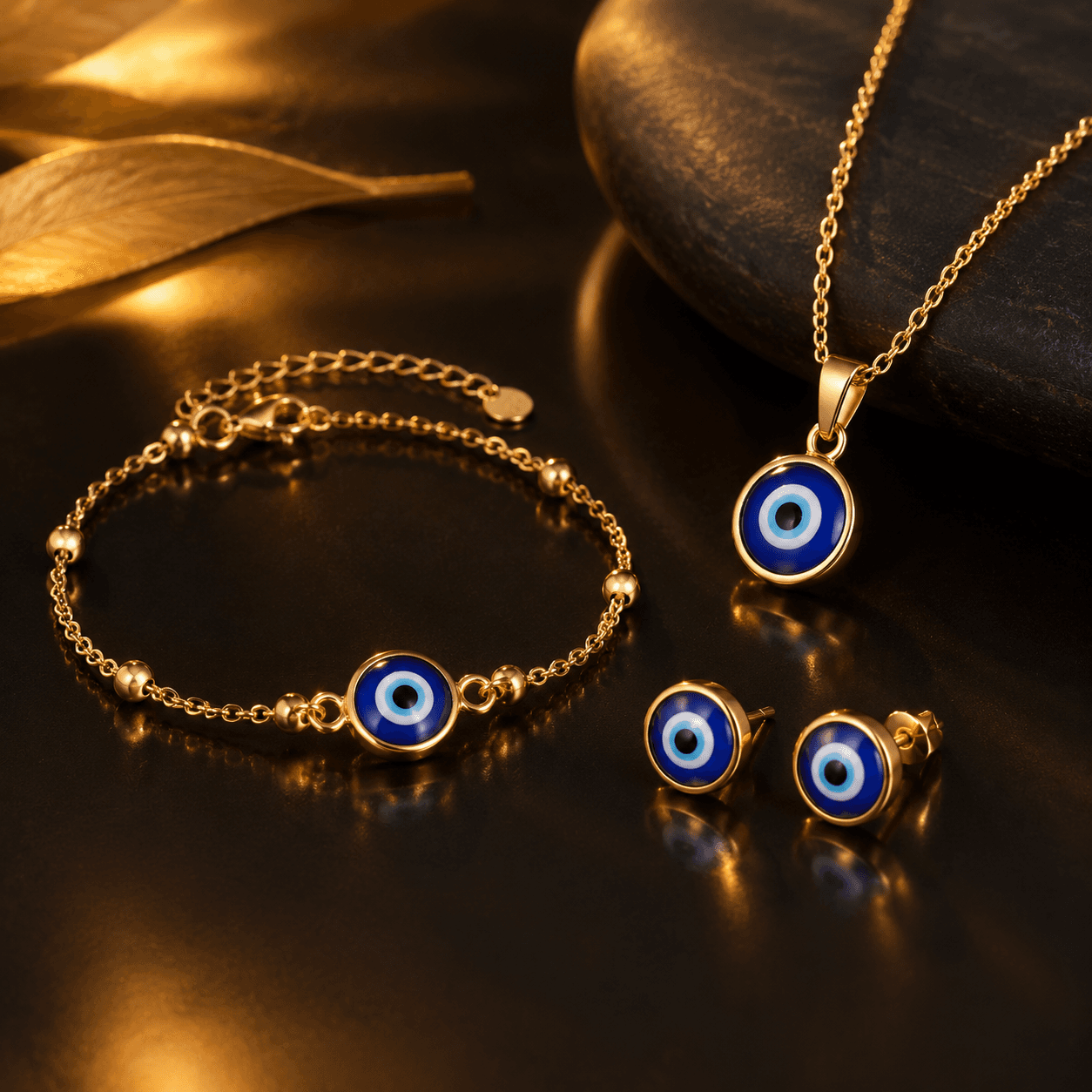
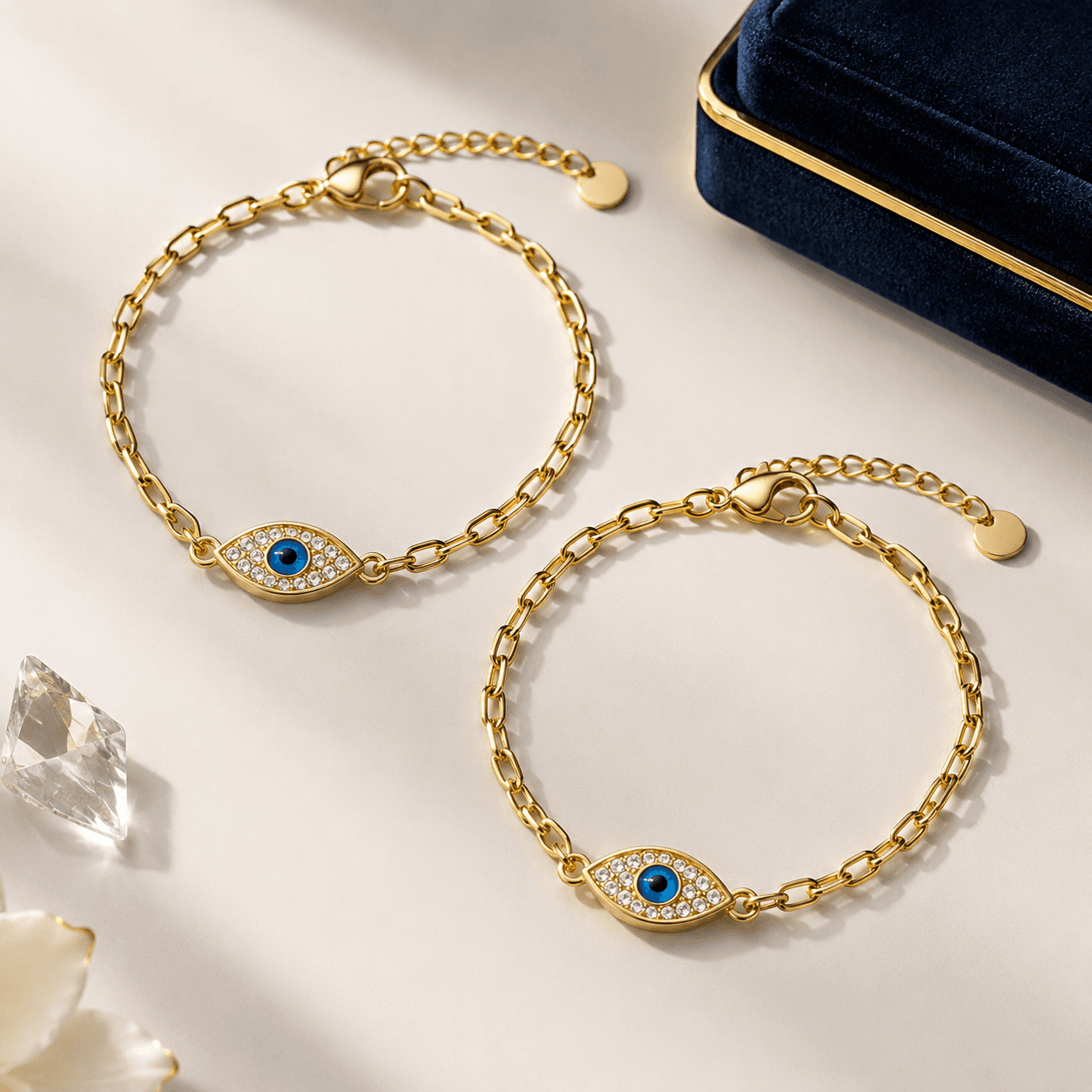
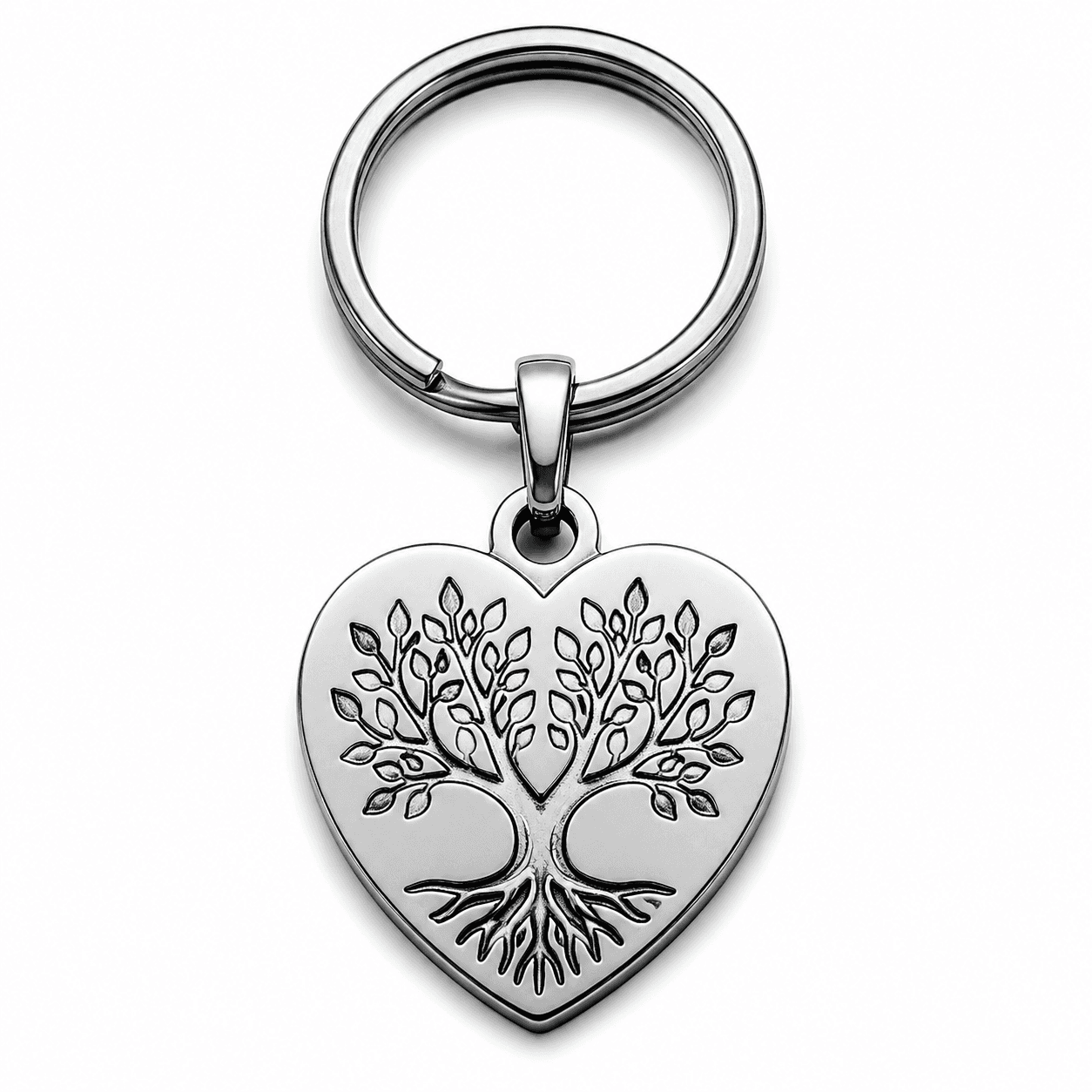
Close-up of a 316L stainless steel charm showing PVD gold plating, enamel fill, and a visible jump ring - Request samples and evaluate workmanship: initiate sample development to inspect the surface finish, edge deburring, hole integrity, and overall craftsmanship. Review sample quality for consistency in plating, enamel color accuracy, and crystal setting. Taking time to examine samples reduces risk before committing to bulk orders. Low MOQ programs can help you test multiple designs with minimal upfront investment.
- Evaluate packaging and private-label considerations: discuss private-label packaging options, branding, labeling, and product against packaging requirements. Confirm whether your supplier can deliver ready-to-sell private-label products with your logo engraved or laser-marked, compliant packaging, and clear product documentation.
- Discuss commercial terms: negotiate pricing for your target volumes, lead times, and MOQs. Ask about MOQ commitments, sample development timelines, and batch-release procedures. Clarify whether the supplier can support wholesale stainless steel charms or private-label orders, and whether they offer ongoing supply for ongoing collections.
- Quality control and certifications: check that the supplier carries SGS certification and can provide test data for RoHS, REACH, Nickel Release EN1811, and Salt Spray 240H results. Request certificates, batch traceability, and a clear process for handling defects. This helps ensure reliability for long-term partnerships and reduces the risk of non-compliance in North American markets.
FAQ
- What is the typical MOQ for 316L stainless steel charms?
- Many manufacturers, including dedicated charm factories and OEM suppliers, offer low MOQ charm production to support boutique brands and private-label buyers. If you are prototyping, seek suppliers that can accommodate a flexible MOQR and provide sample development with minimal upfront cost.
- How long does sample development take?
- Sample development typically takes 2–3 weeks for standard finishes (PVD plating, enamel color filling). Custom instructions or complex crystal inlays may extend lead times slightly. Always confirm a timeline during RFQ and allow time for any engraving or logo development.
- What finishes are available for 316L stainless steel charms?
- Common finishes include PVD gold plating, silver finish, rose gold plating, and enamel color filling. Crystal inlays can add decorative detail. Your supplier should provide finish specs, coating thickness, and color matching data to ensure consistency across batches.
- How can I verify supplier reliability?
- Check the supplier’s SGS certification status, request sample sets, and ask for factory references. Review COAs and test data for RoHS, REACH, and Nickel Release EN1811. Visiting the supplier or requesting a virtual factory tour can also help you assess capabilities and quality control processes.
Partner With Us
Ready to start with a trusted 316L stainless steel charms partner for OEM/ODM programs, private-label packaging, and private-label campaigns? Lancy Jewelry is a modern charm factory with CNC, laser cutting, laser marking, welding, and polishing capabilities. We offer low MOQs, consistent plating quality, and robust sample development for wholesale stainless steel charms. Learn more about our OEM service at OEM service, browse our catalog at All Products, or reach out via Contact to request a formal RFQ through Request a Quote.