In today’s global sourcing environment, securing durable stainless steel keychain lucky charms requires a structured approach. For procurement teams, a clear process from supplier vetting to final quality assurance helps protect timelines, ensure compliance, and deliver products that withstand everyday wear. This guide focuses on 316L stainless steel charms, with practical steps to evaluate, test, and finalize partnerships with trusted manufacturers and suppliers.
Stainless Steel Keychain Lucky Charm Sourcing
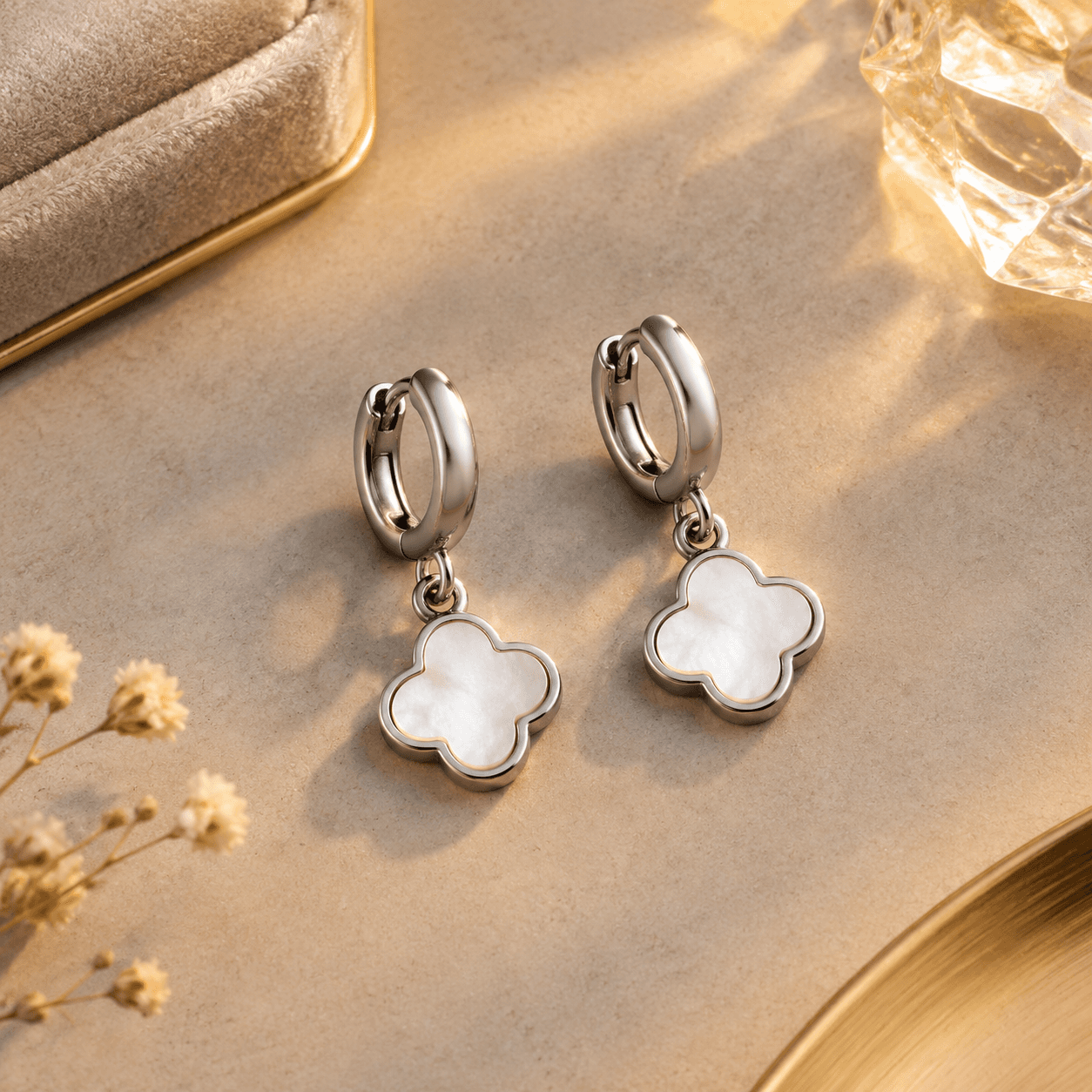
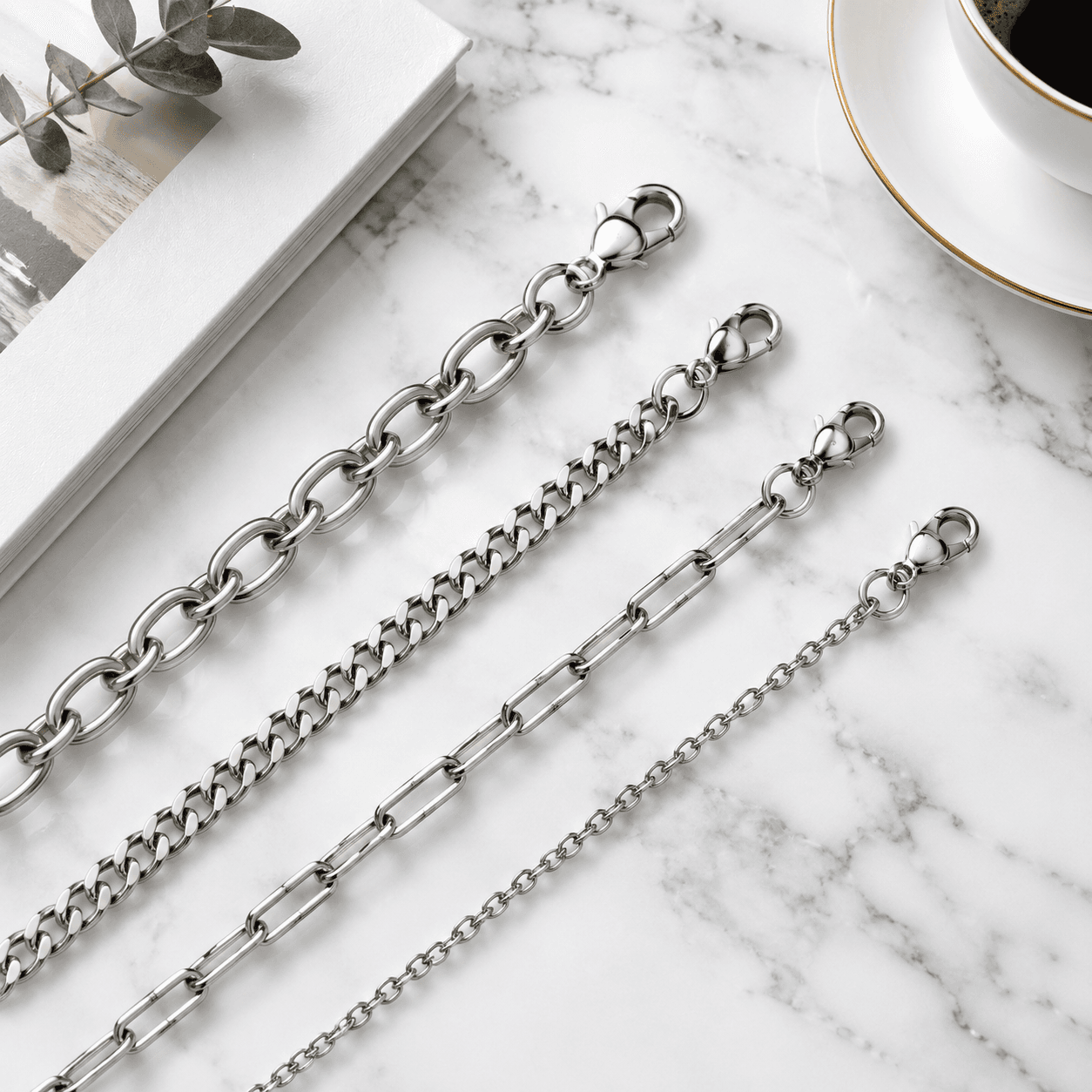
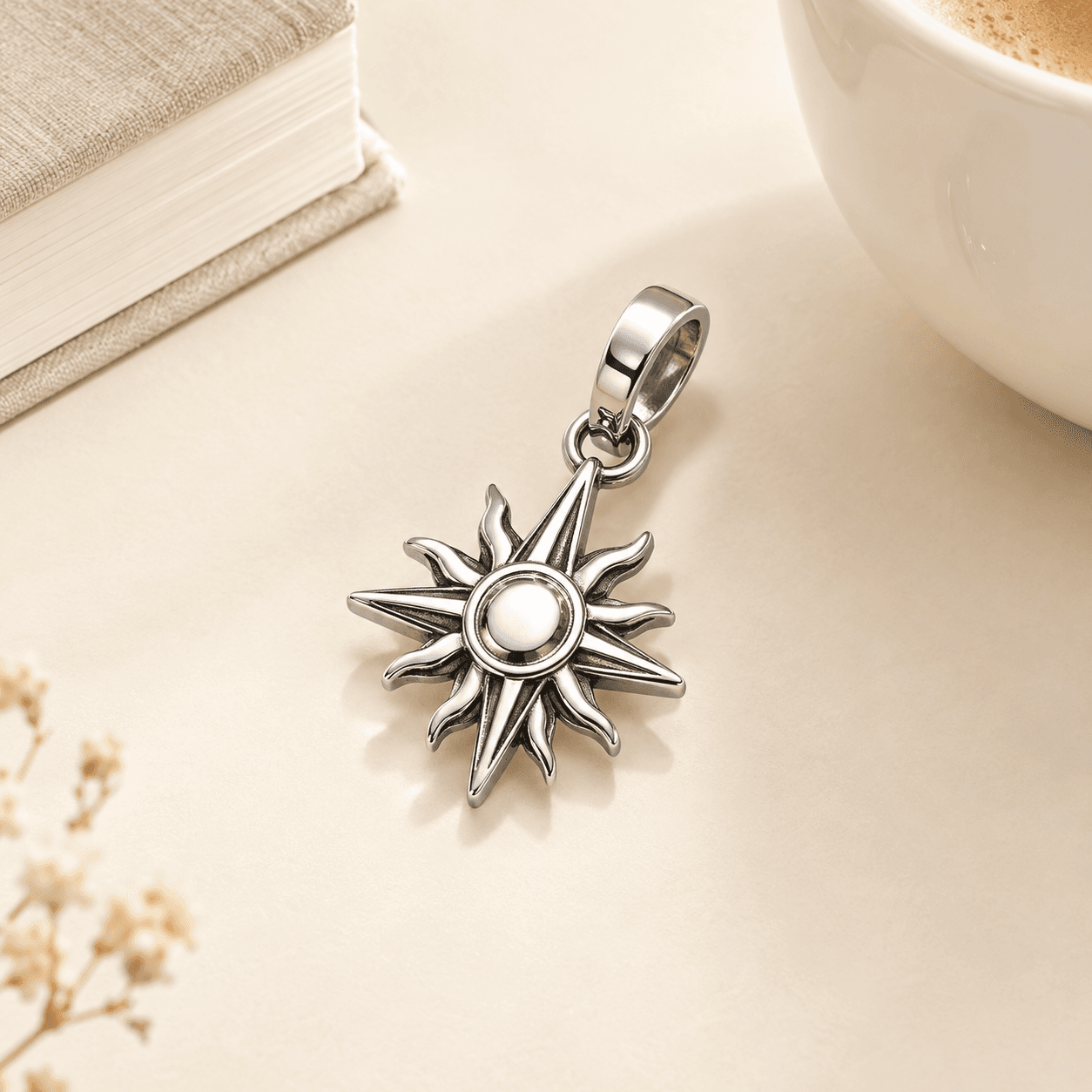
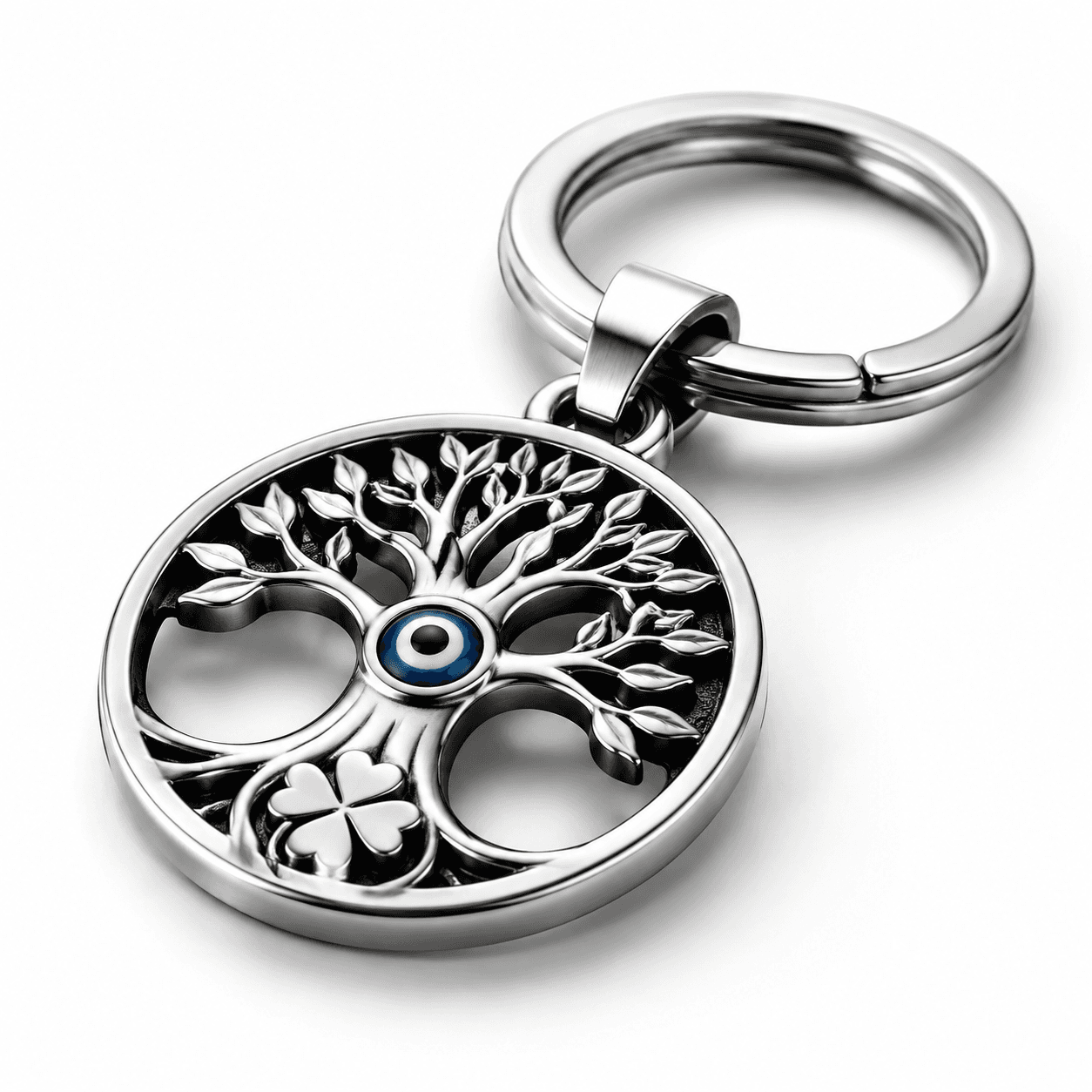
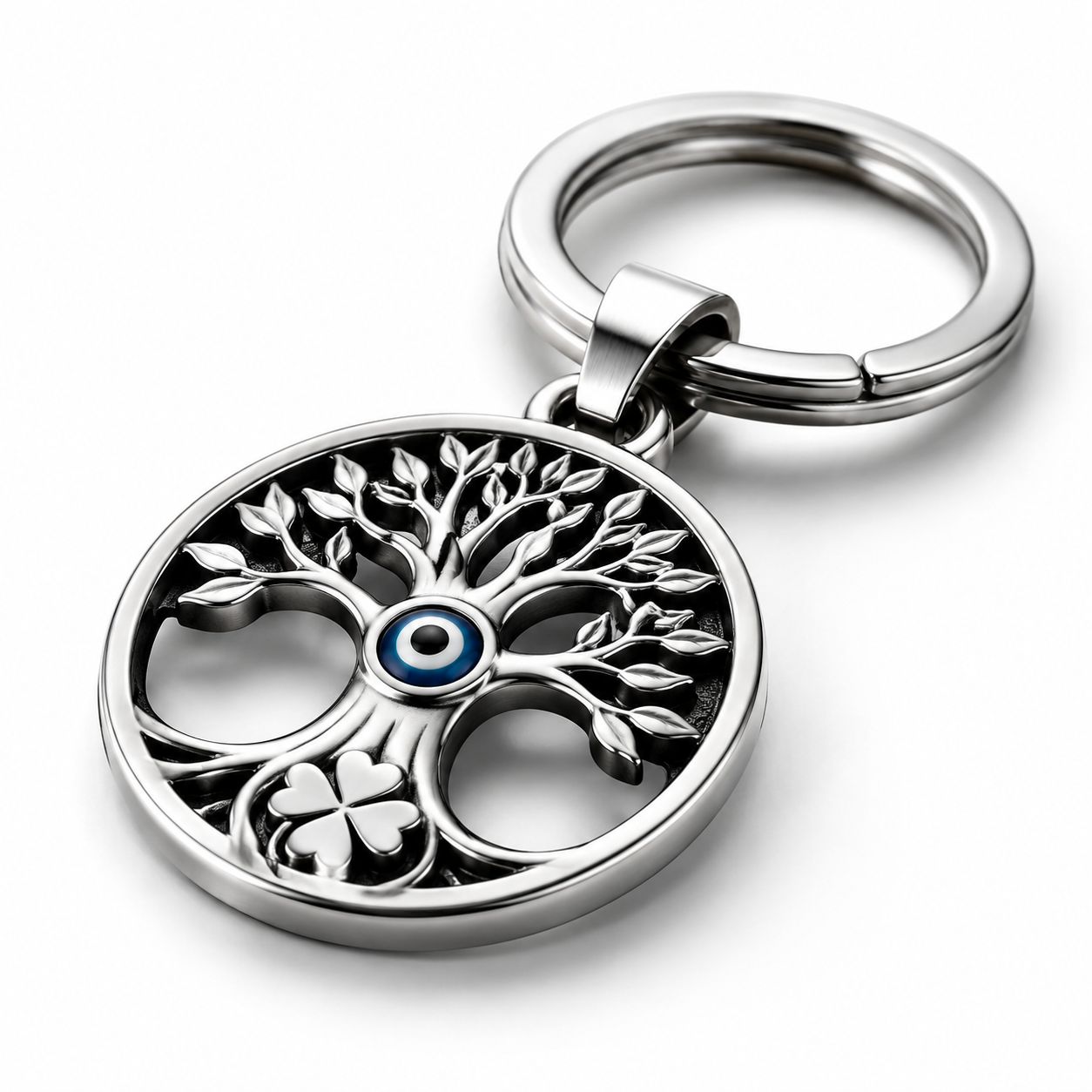
As a stainless steel charms manufacturer, Lancy Jewelry specializes in 316L stainless steel charms with reliable finishes such as PVD plating, enamel, and crystal inlay. When sourcing keychain charms, you should look for a partner who can offer OEM charms manufacturer capabilities, private-label options, and robust sample development. This ensures you receive consistent plating, traceable materials, and scalable private-label packaging for boutique brands and private-label buyers. See our OEM service for details and capabilities, or explore our key rings collection to understand standard form factors and attachment options. For RFQ and inquiries, you can also reach us via Request a Quote, or contact our sales team through Contact.
Step 1 — Define your requirements
- Clarify base material and finishes: confirm 316L stainless steel as the base material, and decide between finishes such as PVD gold plating, silver finish, or rose gold plating. If enamel or crystal inlay is needed, specify colorways and tolerance expectations.
- Set aesthetic and functional criteria: identify target sizes (default 8-18 mm for charms), attachment types (bail, jump ring, or split ring), and compatibility with common key rings and packaging formats.
- Establish compliance needs: require SGS certified production data, RoHS/REACH compliance, Nickel Release EN1811 testing, and Salt Spray 240H results. These certifications help minimize compliance risk across global markets.
- Define commercial terms: decide on MOQ, sample development timelines, and whether you need private-label packaging or a basic SKU-ready program. Include expectations for private-label branding, packaging inserts, and labeling requirements.
- Outline testing plan: determine the tests you’ll run in-house or via a third party (abrasion, corrosion, plating wear, and load/attachment tests) to validate wear resistance in real-world use.
Step 2 — Shortlist qualified suppliers
Begin with a focused supplier list that includes manufacturers with demonstrable experience in 316L stainless steel charms and a track record of private-label support. Prioritize partners who offer OEM/ODM capabilities, transparent BOMs, and documented QA processes. Ask for:
- Company information and manufacturing scope (CNC, laser cutting, laser marking, welding, polishing).
- Product certifications and test reports (SGS, RoHS, REACH, EN1811, Salt Spray 240H).
- Sample lead times, pricing, and MOQs related to your target volumes.
- Factory audits or third-party audit reports and a clear chain of custody for materials.
During evaluation, consider supplier responsiveness and risk management capabilities. A reliable partner should provide a clear RFQ process, support for private-label packaging, and a documented path from design to mass production.
Step 3 — Request samples and establish a testing plan
Request samples from top candidates to assess base quality and finish consistency. Evaluate:
- Base material integrity and weight consistency across lots.
- Plating quality, adhesion, and color tolerance for PVD finishes.
- Attachment mechanism reliability (bail, jump rings, and connectors) with real holes or loops.
- Dimensional accuracy and feature detail for intricate enamel or crystal inlays, if applicable.
Document the tests and outcomes, and compare against your internal specifications. If needed, request multiple sample lots to assess production stability over time.
Step 4 — Evaluate durability and wear resistance
Durability is critical for gift programs, charm bars, and retail environments where items endure daily handling. Use a standard durability checklist that aligns with your target markets. Key areas include:
- Coating wear resistance: assess color retention and plating integrity after simulated handling and friction.
- Corrosion resistance: verify performance in a salt-spray environment and exposure to cosmetics or cleaners commonly used by end customers.
- Strength of attachment points: ensure holes or loops remain intact after repeated loading and unloading actions.
- Finish stability across temperature and humidity ranges typical in US, EU, UK, AU, CA, DE, FR, SP, NE, RU markets.
Record results for each supplier and build a comparative matrix. This helps procurement teams justify supplier choices to internal stakeholders and confirms that you are selecting partners with proven wear performance.
Step 5 — Verify packaging, labeling, and private-label readiness
Private-label and boutique-brand buyers often require packaging and branding support. Confirm that your chosen supplier can provide:
- Private-label packaging options, branding sleeves, and product inserts.
- Clear labeling, lot codes, and traceability documentation for quality control and recall readiness.
- Compatible packaging sizes that fit existing display or charm-bar setups.
Discuss packaging lead times and minimums, and ensure packaging artwork aligns with your brand guidelines before committing to a production run.
Step 6 — Review pricing, MOQs, and lead times
Cost transparency matters for budget planning and supplier negotiations. Verify:
- Item and finish pricing for 316L stainless steel charms with and without finishes (PVD plating, enamel, crystal inlay).
- MOQ and how it scales with private-label packaging needs or OEM branding requirements.
- Ramp-up lead times for first production runs and consistent supply for ongoing wholesale orders.
- Terms for sample development and potential bulk charm orders with favorable unit pricing.
Document all terms in a formal RFQ or contract, clearly outlining payment terms, warranty periods, and post-sales support. A well-defined agreement helps prevent scope creep and ensures a smooth transition from sample to mass production.
Step 7 — Audit and compliance documentation
Compliance is non-negotiable when operating in multiple markets. Demand from your supplier:
- SGS certifications covering RoHS, REACH, Nickel Release EN1811, and Salt Spray 240H, demonstrating material safety and corrosion resistance.
- Traceable material declarations for 316L stainless steel bases and any plated finishes.
- Quality management documentation or process controls showing consistent plating quality across lots.
Request access to audit reports or schedule a factory tour if feasible. This step helps validate the supplier's capabilities and reduces supply-chain risk when you scale orders.
Step 8 — Finalize terms and begin production
With a preferred supplier selected, finalize the commercial terms, including MOQs, sample-development timelines, production costs, and delivery schedules. Establish a pilot run to validate manufacturing consistency before committing to larger wholesale or private-label orders. Maintain open channels for ongoing communication, quality monitoring, and post-launch support to safeguard long-term success.
Benefits and Why It Matters
Durability-focused sourcing delivers tangible advantages for global markets. Working with a reputable 316L stainless steel charms manufacturer that provides robust QA, clear documentation, and flexible OEM/ODM options translates into fewer quality issues, faster time-to-market, and stronger brand confidence for boutique brands and private-label buyers. Certifications such as SGS (RoHS, REACH, Nickel Release EN1811, Salt Spray 240H) serve as independent assurances that materials and processes meet international safety and performance standards. Additionally, a partner capable of sample development and low MOQ charm production enables smoother test campaigns and scalable growth across markets like the US, EU, UK, AU, CA, DE, FR, SP, NE, and RU.
In practice, you gain predictable color consistency, reliable plating quality, and consistent finished charm character across batches—vital for wholesale programs and multi-brand collaborations. A strong supplier relationship also supports ongoing private-label projects and a steady pipeline of 316L stainless steel charms for charm bars and gift programs.
Detailed Analysis / Quick Reference Guide
To keep this guide actionable, here is a compact reference you can reuse during supplier conversations:
- Base material and finish confirmation: 316L stainless steel with PVD plating options.
- Durability testing: abrasion, corrosion, and plating wear in salt spray environments.
- Compliance checks: RoHS, REACH, EN1811 nickel-release, and Salt Spray results.
- Private-label readiness: packaging, labeling, and branding support.
- Commercial terms: MOQ, sample development timeline, and lead times for bulk orders.
For ongoing supplier management, consider documenting supplier performance over multiple orders and maintaining an updated risk assessment. If you want to explore established private-label packaging options or OEM/ODM capabilities, you can review our OEM services and related product lines such as key rings to understand attachment options and typical use contexts. For direct inquiries, please contact us via Sales or start a formal RFQ through Request a Quote.
FAQ
- Q: What makes 316L stainless steel ideal for keychain charms?
A: 316L stainless steel offers good corrosion resistance, strong durability, and compatibility with many finishes and embellishments. It is widely used for long-lasting keychain charms in global markets. - Q: Do you provide private-label packaging and branding?
A: Yes. We offer private-label packaging and branding support as part of our ODM/charm factory capabilities, with flexible MOQs based on project scope. - Q: How long does sample development typically take?
A: Sample development timelines vary by finish and complexity, but we target efficient cycles to accelerate testing and supplier validation, with clear milestones in the RFQ. - Q: Can you assist with bulk charm orders for wholesale programs?
A: Absolutely. Our scalable manufacturing capabilities and robust QA support bulk charm orders with consistent quality across lots, including plating and finish stability.
Partner With Us
If you’re assembling a durable, private-label-friendly keychain charm program, partner with Lancy Jewelry—your 316L stainless steel charms manufacturer with OEM/ODM capabilities, strong QA, and global supply experience. We can help you develop a reliable supply chain from supplier vetting to final mass production. Explore our OEM service pages, browse our key rings and clasps assortments for attachment compatibility, and contact us to initiate a formal RFQ or to discuss private-label packaging options. Partner with us to ensure a steady supply of durable, high-quality charms for your brand or distribution network. OEM service | Key rings collection | Request a Quote | Sales contact.