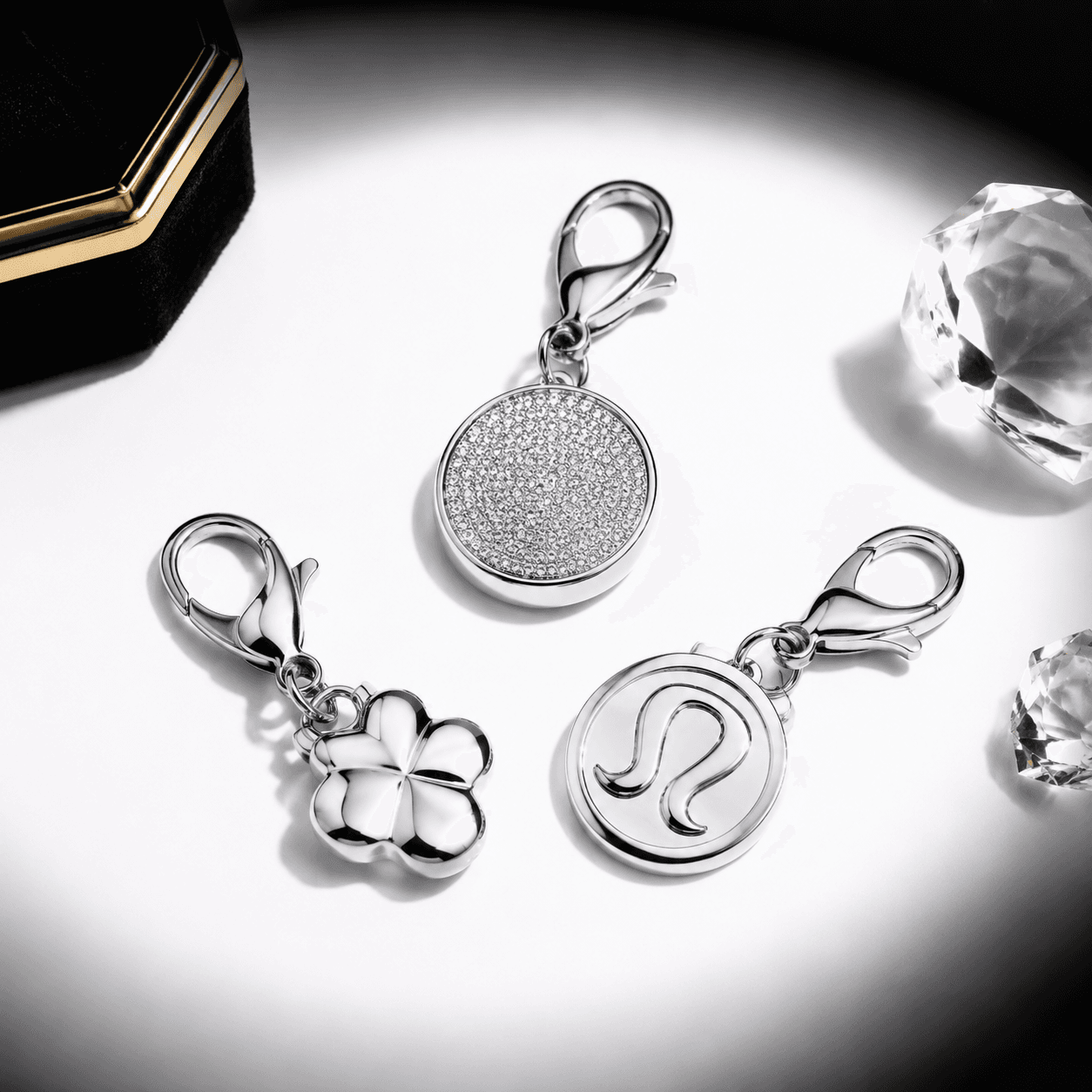
In today’s boutique and private-label jewelry programs, belt bag charms made from 316L stainless steel offer durability, consistent finishes, and supply-chain resilience. For procurement teams, the challenge is not only price but also materials science, supplier compliance, and scalable manufacturing. This guide walks you through a structured, step-by-step approach to find and evaluate the right supplier for 316L stainless steel charms, with a focus on compliance, documentation, and audits. By following these steps, your team can minimize risk, reduce lead times, and secure a partner capable of delivering OEM/ODM solutions and private-label packaging through a reliable supply line.
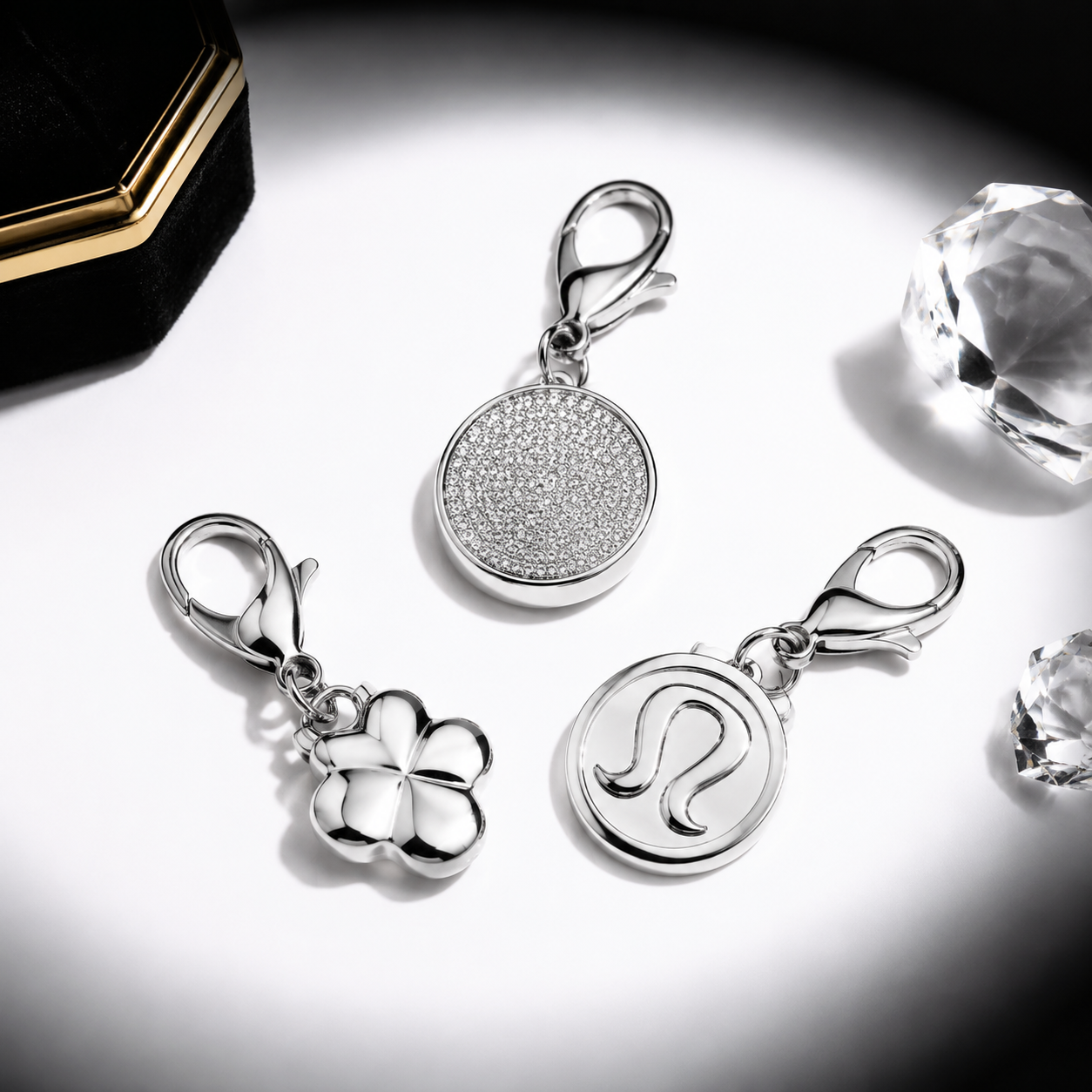
Stainless steel belt bag charm keychain sourcing
As a procurement professional, you’re evaluating suppliers who can deliver 316L stainless steel charms with consistent plating, reliable logo engraving options, and private-label packaging. When you search, prioritize manufacturers who explicitly offer OEM and ODM capabilities, low MOQ pathways, sample development, and detailed material data. A qualified supplier should provide documentation that confirms material composition, plating chemistry, and compliance with RoHS, REACH, and nickel-release standards, as part of their SGS certification portfolio. The goal is a partner who can support mass production and private-label programs while maintaining consistent quality across batches.
Sub-points
• 316L stainless steel basis: understand the alloy chemistry and how it contributes to corrosion resistance, weldability, and finish compatibility. A compliant supplier will use only 316L stainless steel as the base charm material and will document its chemical composition and test results.
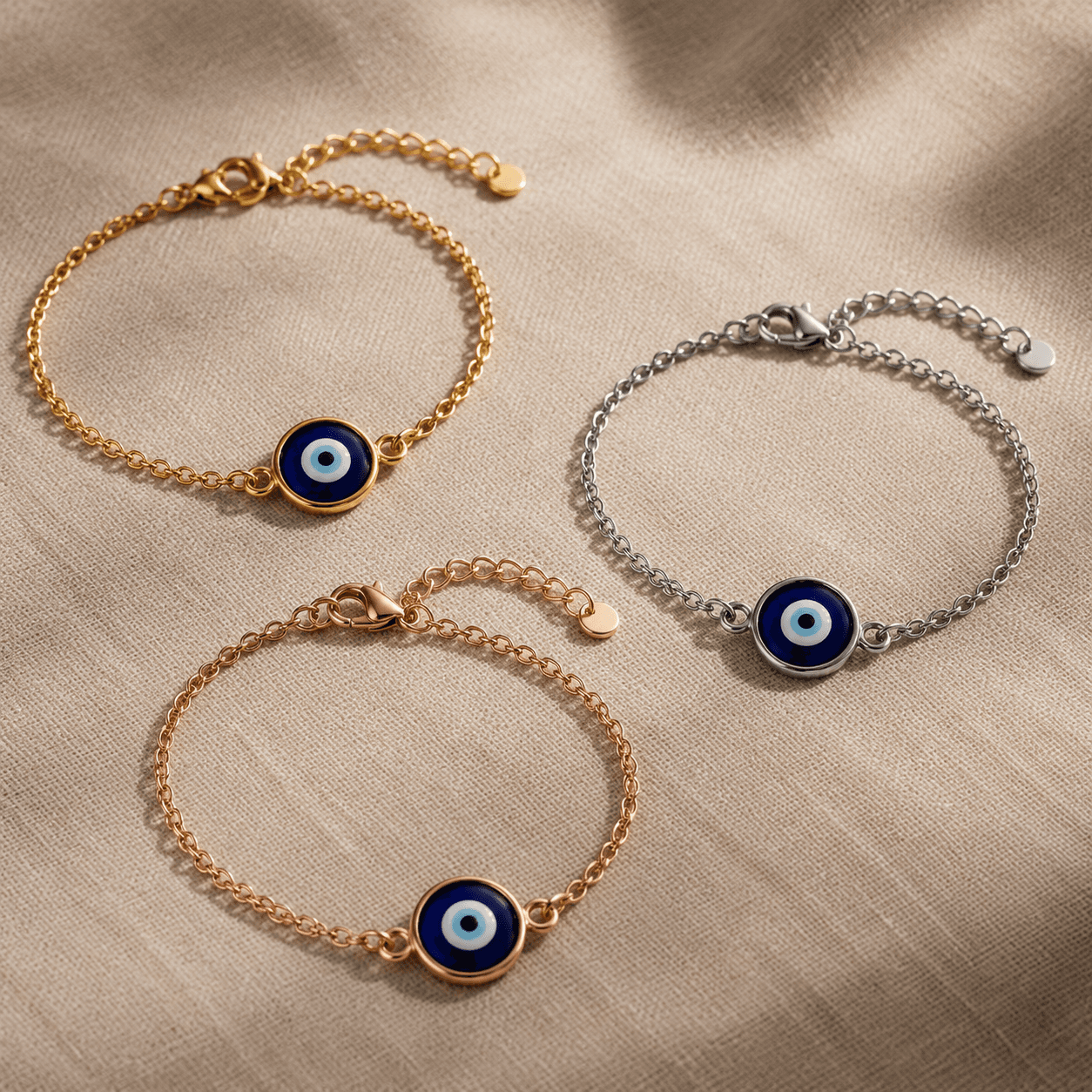
• Finishes and accents: PVD plating (gold, rose gold, or silver), enamel filling, and crystal inlay require compatible substrates and careful process control for adhesion and wear resistance.
• Documentation and audits: insist on material data sheets, process procedures, and third-party SGS certificates for RoHS, REACH, Nickel Release EN1811, and Salt Spray 240H tests.
Benefits / Why it matters
Choosing the right supplier reduces risk in private-label programs and ensures a reliable supply for wholesale orders. Key benefits include:
- Certified quality and traceability from a 316L stainless steel charms manufacturer with SGS oversight.
- Dedicated OEM/ODM capabilities, enabling custom logos, engraving, and private-label packaging.
- Low MOQ pathways to support boutique brands and early-stage programs.
- Consistent plating quality across batches, with options for PVD finishes and enamel/crystal accents.
- Structured sample development to validate design, fit, and finish before bulk orders.
For teams pursuing cross-market programs, these advantages translate into shorter time-to-market, fewer reworks, and clearer documentation ready for supplier audits. When evaluating potential partners, verify the following: certifications, material chemistry, finish consistency, and logistics capabilities. A credible supplier will not only produce the charm but also align with your private-label and wholesale goals, including packaging and branding requirements. If you are seeking a reliable partner, explore the OEM/ODM service options at OEM/ODM service and review product catalog pages to understand standard capabilities. You can also browse our general offerings at Products for 316L stainless steel charms and related components.
Detailed analysis / Step-by-step guide
-
Start with the base material specification: 316L stainless steel, with target thickness and weave tolerance. List desired finishes (PVD gold plating, silver finish, rose gold plating), enamel colors, and any crystal inlay. Document compatibility with engraving, as many private-label programs require logo engraving and marking that passes cosmetic and durability tests. Confirm that the supplier can deliver 316L stainless steel charms exclusively and will not substitute base materials. This step sets the baseline for supplier screening and RFQ. (Keywords: 316L stainless steel, private label, OEM/ODM readiness, MOQ discussions, sample development.) -
Build a short list of candidates who identify themselves as stainless steel charms manufacturers with OEM/ODM capabilities. Assess their ability to handle logo engraving, PVD plating, enamel filling, crystal setting, and private-label packaging. Look for documented QA processes, a clean CNC/laser shop environment, and the ability to provide packaging options suited for boutique brands. Evaluate their production capacity and whether they can meet your wholesale volume targets. This step often reveals whether a supplier can support both standard lines and private-label programs, reducing supplier fragmentation. (Keywords: OEM, ODM, stainless steel charms manufacturer, private-label packaging, sample development.) -
Ask for material data sheets, alloy composition, and process descriptions for plating and enamel. Confirm SGS certification status and request RoHS, REACH, Nickel Release EN1811, and Salt Spray 240H test reports. Ensure the supplier logs traceability for each batch and can provide a bill of materials (BOM) for finishes and colorants used in enamel. This is essential for procurement audits and cross-market compliance checks. (Keyword anchors: 316L stainless steel, SGS certified, REACH, Nickel Release EN1811.) -
Understand how PVD plating interacts with 316L substrate across wear cycles. Request plating thickness targets (in microns), adhesion test results, and wear resistance data. Ask for color stability data under UV exposure and salt spray conditions. Confirm that PVD plate adheres uniformly and does not chip or wear unevenly across logo areas and edges. This technical diligence prevents coating delamination in market-facing products. (Keywords: PVD plated stainless steel charms, enamel, crystal inlay, nickel release tests.) -
Initiate a sample development cycle to verify manufacturability, tone of plated finishes, logo clarity, and fit with your target chains and jump rings. Use this stage to test real-world assembly: durability of the bail, engagement with jump rings, and overall silhouette. Ensure samples reflect your exact private-label packaging and labeling expectations. Use this phase to validate lead times, build a baseline for pricing, and confirm MOQ implications. (Keywords: sample development, OEM/ODM, wholesale, MOQ.) -
If possible, conduct a remote or on-site QA review of production processes, including CNC cutting, laser marking, welding, and polishing workflows. Review plating control plans, cleanliness, and in-process inspections. Validate that final products meet cosmetic and mechanical specs, and that packaging protects charms during transit. A credible supplier should invite your team to review QA records and provide a clear non-conformance handling process. (Keyword: QA, certifications, SGS.) -
For private-label programs, ensure packaging design is feasible with your brand’s label, hangtags, and anti-tamper seals. Confirm whether the supplier can deliver in your packaging format and provide carton-level traceability. Private-label packaging is a differentiator for boutique brands; ensure a partner can scale packaging variations to support regional markets. (Keywords: private-label packaging, OEM/ODM, MOQ, bulk orders.) -
Align on pricing for different MOQs, lead times, payment terms, and warranty expectations. Clarify the process for changes in design, finishes, or packaging mid-SKU and confirm how changes impact price and lead times. Ensure that the RFQ covers all regulatory documentation, performance tests, and post-delivery support. This step culminates in a formal agreement and a purchase agreement, enabling bulk orders with reliable support from an established 316L stainless steel charms manufacturer. (Keywords: MOQ, bulk orders, RFQ, OEM, ODM.)
FAQ
1. What is 316L stainless steel, and why does it matter for charms?
316L stainless steel is a low-carbon variant of stainless steel with enhanced corrosion resistance due to its molybdenum content. It is widely used in watch components, jewelry, and accessories because it resists pitting and corrosion in chloride environments. For charm applications, 316L provides durable wear resistance, good formability for engraving, and compatibility with PVD plating and enamel processes when backed by proper surface preparation.
2. What documents should I request from a supplier during vetting?
Ask for material data sheets (chemical composition), process specifications for engraving and finishing, and independent test reports from SGS covering RoHS, REACH, Nickel Release EN1811, and Salt Spray 240H. Request a certificate of compliance, a traceability plan for batch lots, and a sample bill of materials (SBOM) for finishes and embellishments. These documents support your cross-market audits and labeling requirements.
3. How long does sample development typically take, and how should I evaluate it?
Sample development timelines vary by complexity, but expect 2–6 weeks for first-pass samples, followed by iterations for engraving, enamel colors, or crystal setting. Evaluate sample integrity across three dimensions: material accuracy (316L base), finish adherence (PVD or enamel), and mechanical fit (bail, jump ring compatibility, and overall silhouette). Keep a log of any deviations and request corrected samples before progressing to bulk orders.
4. What commercial terms should I negotiate for private-label programs?
Key terms include MOQ (minimum order quantity) and scalable pricing for multiple SKUs, lead times, payment terms, and packaging options. Ensure the contract specifies packaging design approval cycles, branding rights, and the supplier’s ability to support ongoing private-label programs with consistent finishes. Also clarify warranty and post-delivery support in case of defects or finish inconsistencies across batches.
Call to action
If you are evaluating 316L stainless steel charms for belt bag applications and need a reliable partner with strong OEM/ODM capabilities, consider engaging with a dedicated stainless steel charms manufacturer that emphasizes material science, plating quality, and private-label packaging. Lancy Jewelry offers CNC, laser cutting, laser marking, welding, and polishing in a modern facility, along with SGS certified compliance. Learn more about our OEM/ODM services and private-label packaging capabilities at OEM or request a quote to start your RFQ process. For product browsing and standard offerings, visit Products to view 316L stainless steel charms and related components. Partner with us to streamline your belt bag charm programs, reduce risk, and accelerate time-to-market across global markets.