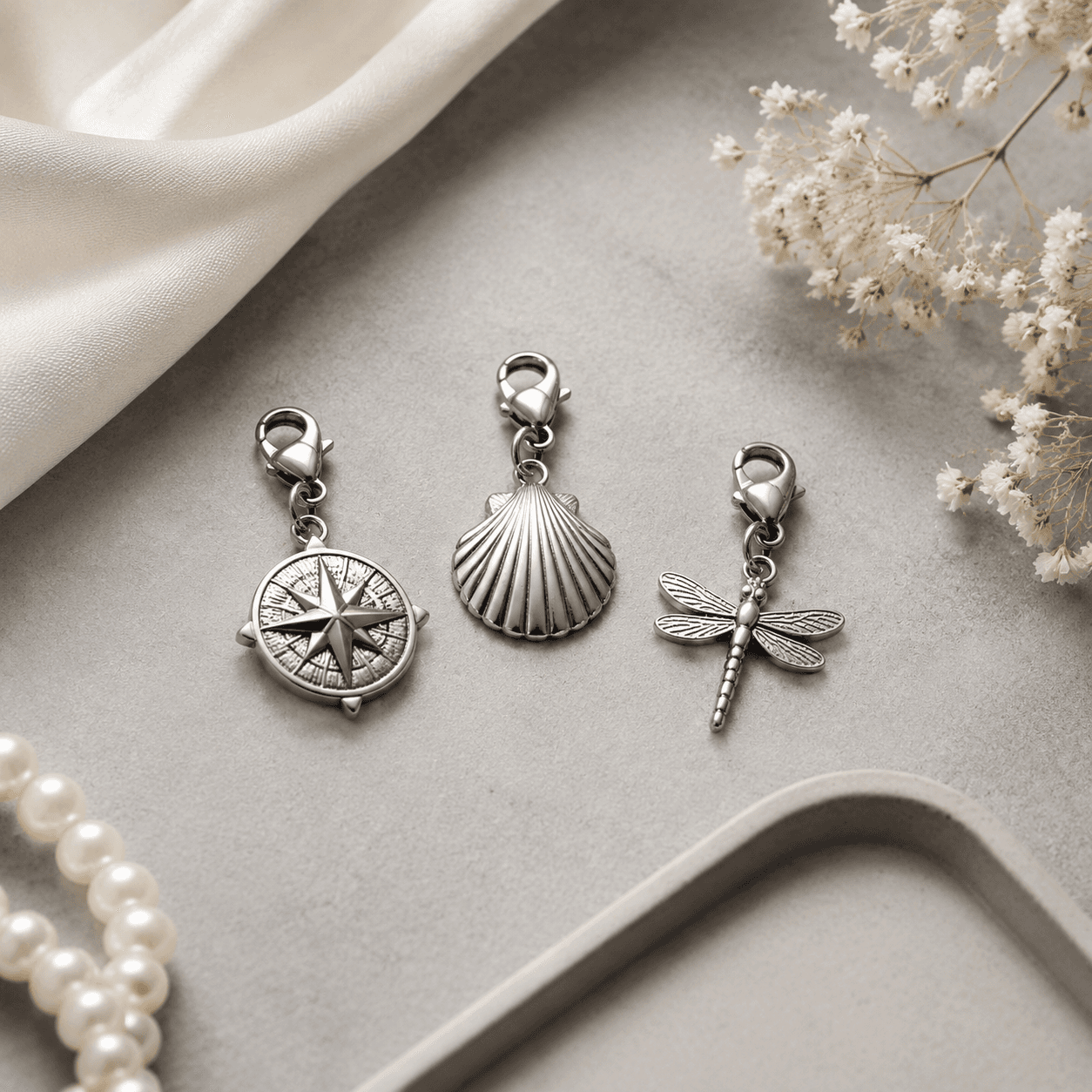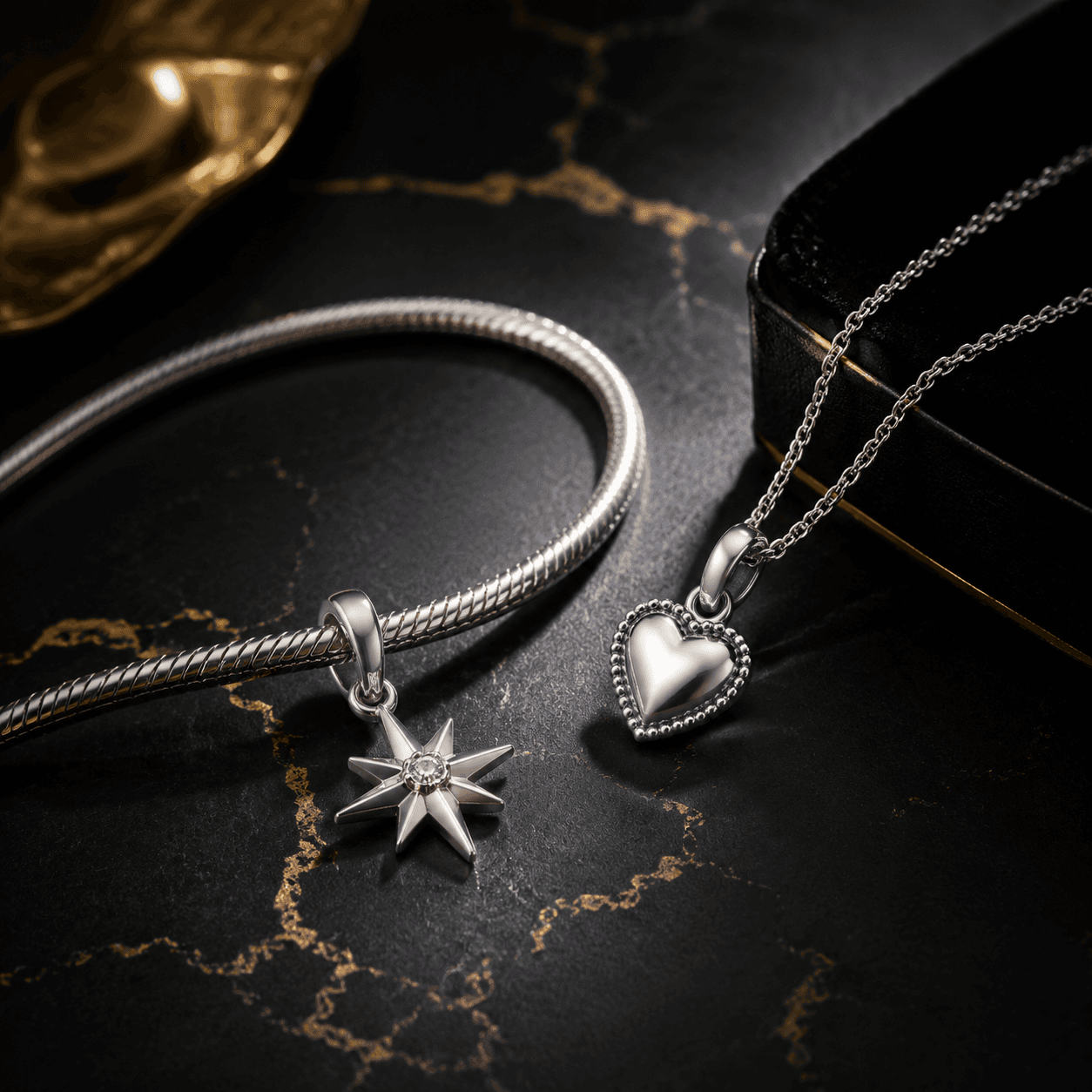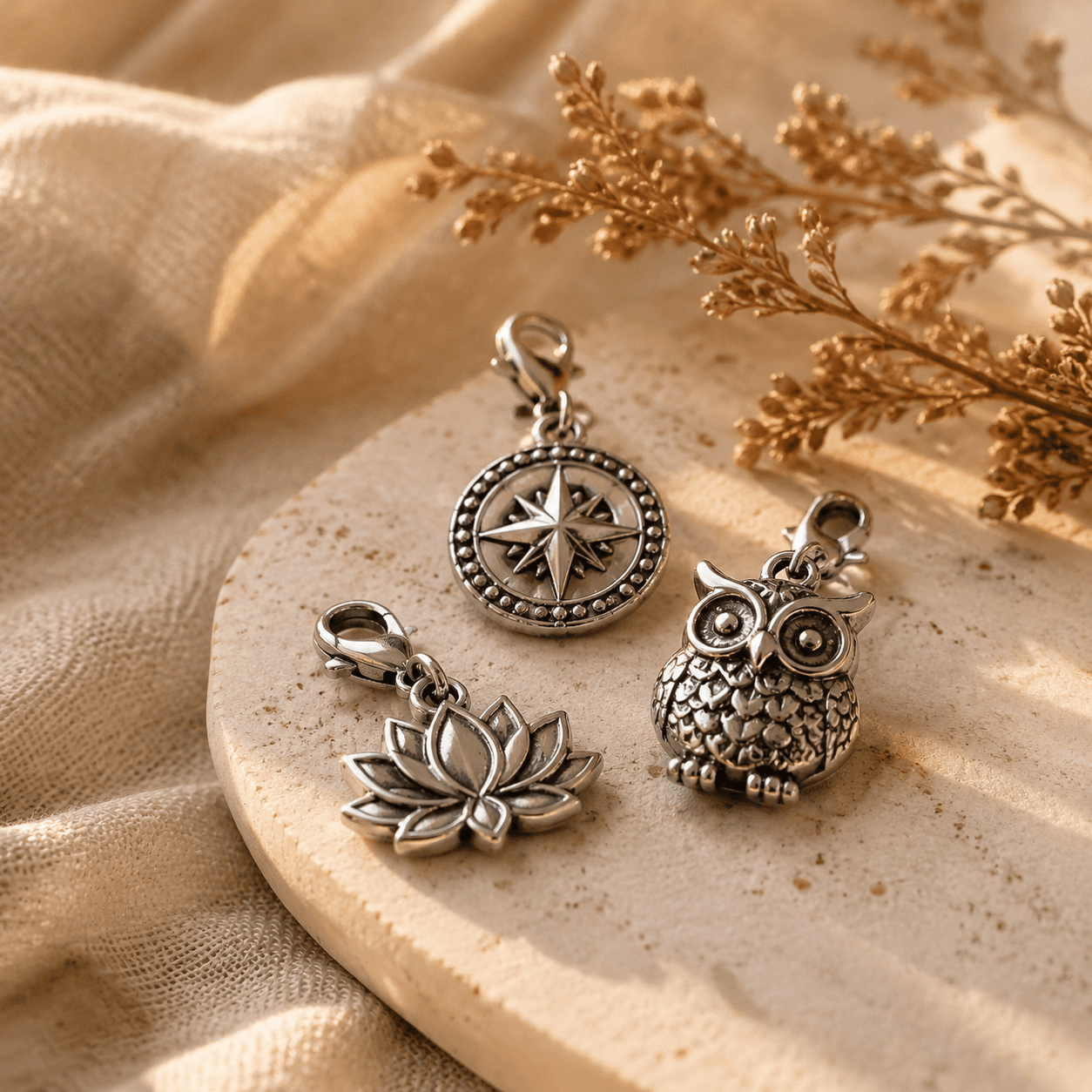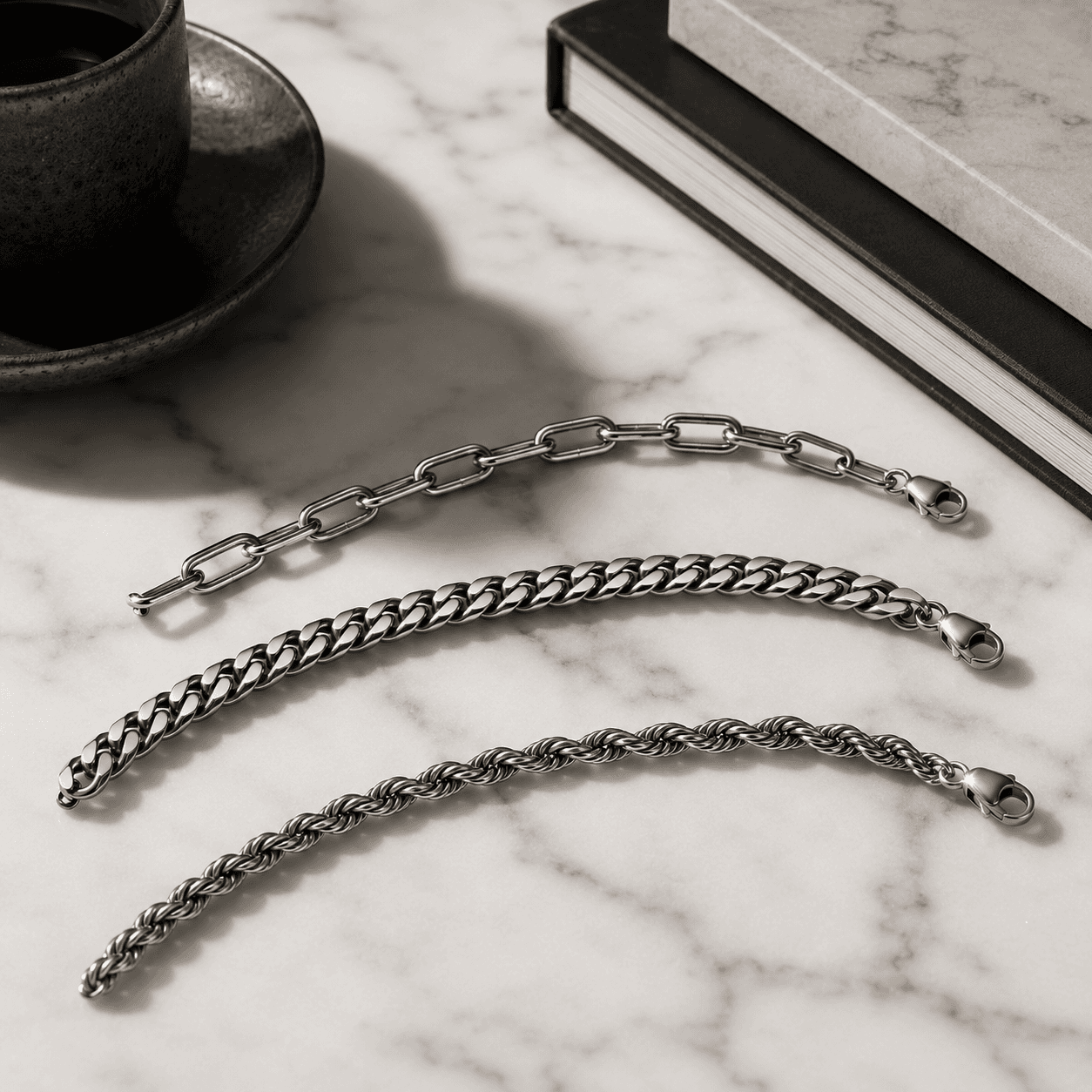
In the world of boutique brands and private-label programs, quality sourcing for stainless steel charms is as crucial as design. For wholesale buyers, the goal is to secure consistent material behavior, reliable finishes, flexible MOQs, and a partner who can scale with you—from prototyping to bulk orders. This guide offers a deep dive into finding and evaluating 316L stainless steel charms suppliers, with a materials-science lens, practical evaluation steps, and a sourcing framework tailored to global markets. It is written from the perspective of a B2B purchaser seeking durable components, predictable pricing, and a supplier committed to private-label packaging and OEM/ODM collaboration. If you are exploring options for high-volume charm programs, this guide will help you frame your sourcing, risk assessment, and negotiation strategy. For reference, Lancy Jewelry operates as a modern OEM/ODM charms manufacturer, with a focus on 316L stainless steel charms and a full suite of finishing and customization services. You can learn more about our OEM service at OEM service or request quotes via Request a Quote or Contact for direct guidance.
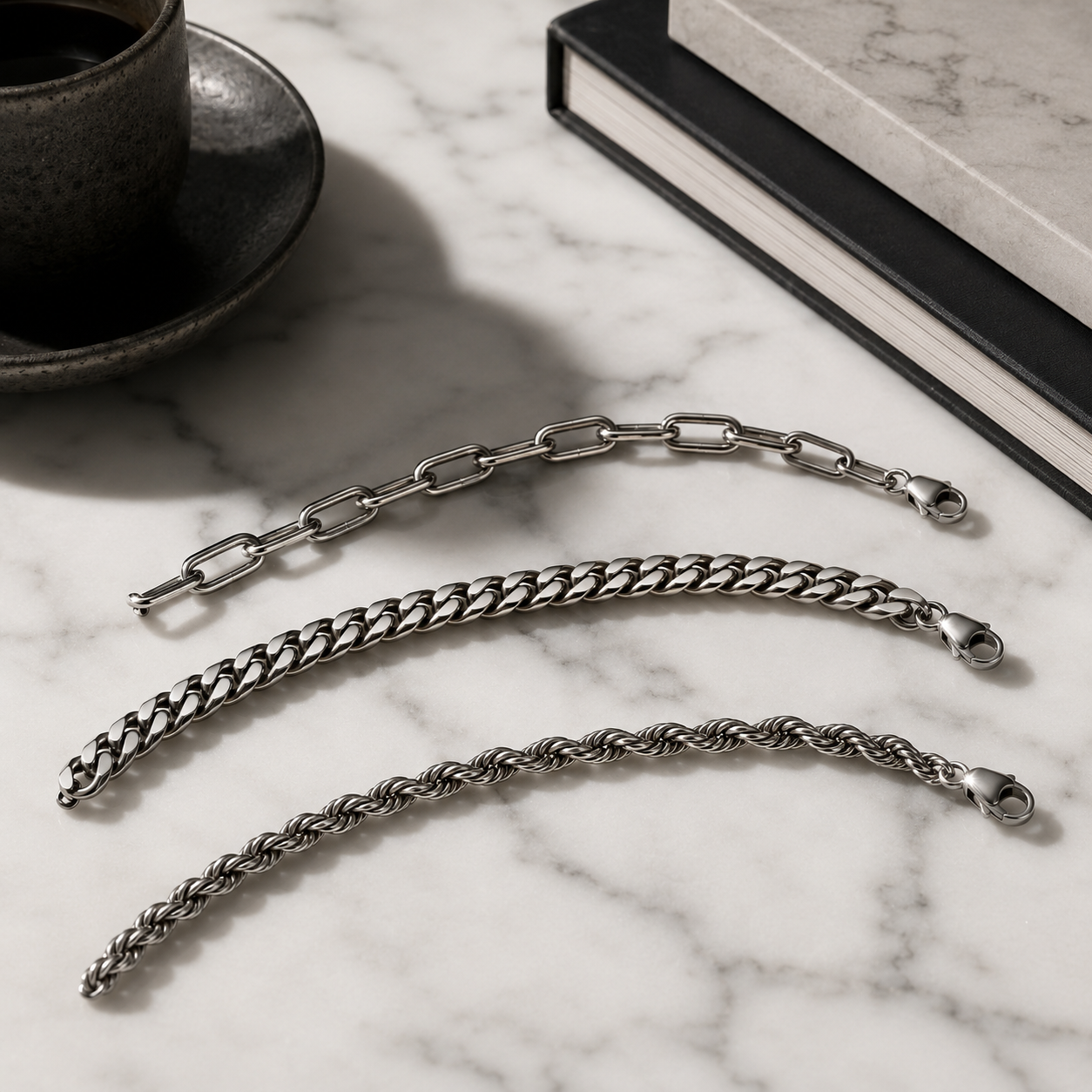
Stainless steel charms for jewelry making wholesale: essential themes and keywords
wholesale stainless steel charms
The leading material choice for durable, brandable charms is 316L stainless steel. In wholesale contexts, buyers should look for explicit statements about base material, alloy chemistry, and finish options. A supplier that emphasizes 316L stainless steel charms as the base material demonstrates alignment with your product specs and regulatory expectations. When evaluating a supplier, frame questions around the chemistry of the alloy, corrosion resistance, and how the material behaves under different finishes such as PVD plating, enamel filling, or crystal inlay. The emphasis on material science helps ensure that your private-label program remains consistent across production runs and market cycles.
Why 316L stainless steel matters for wholesale charm programs
- Corrosion resistance and longevity: 316L contains chromium, nickel, and molybdenum, delivering robust performance in everyday wear and varying climates across the US, EU, UK, AU, CA, and beyond.
- Formability and machinability: The alloy supports precise CNC milling, laser cutting, and laser marking—critical for consistent design fidelity in OEM/ODM projects.
- Finish versatility: A strong base for finishes such as PVD gold plating, silver finish, rose gold plating, enamel fills, and crystal inlay, enabling boutique-ready aesthetics.
- Regulatory alignment: 316L is widely accepted in jewelry manufacturing and, when paired with SGS certifications, helps streamline compliance across markets.
For wholesale buyers, the material science foundation of 316L stainless steel underpins predictable performance in designs ranging from alphabet series and birthstones to nature-inspired motifs. When you pair a reliable base with robust finishing options, you create a scalable path from sample development to bulk orders. At Lancy Jewelry, our modern facility uses CNC, laser cutting, laser marking, welding, and polishing to convert 316L blanks into boutique-ready charms with controlled tolerances and repeatable finishes. Learn more about our capability set at OEM/ODM capabilities and how we support private-label packaging and logo engraving in RFQ and quoting.
Fundamental supplier attributes to assess in wholesale sourcing
- Material transparency: Confirm 316L stainless steel as the base and request a materials data sheet or metallurgical specs, including composition ranges and treatment compatibility.
- Finish options: Ensure the supplier can deliver PVD plating, enamel color filling, crystal inlay, and other finishes in a scalable way.
- Manufacturing capability: Look for an OEM/ODM partner with in-house CNC, laser cutting, welding, polishing, and engraving to support logo charms and private-label packaging.
- Quality control: Demand robust testing, including RoHS and REACH compliance, as well as nickel release testing (EN1811) and salt spray corrosion tests (240H).
- Logistics and MOQs: Clarify MOQs, lead times, packaging options, and the ability to support low MOQ charm production for boutique brands and gift programs.
Benefits and why this matters for wholesale buyers
Key benefits for wholesale partnerships
- Consistency in plating quality: A reputable supplier maintains uniform thickness and adhesion across batches, reducing rework and returns.
- Flexible MOQs and private labeling: Low MOQ support and private-label packaging help you scale from pilot runs to full-season launches without enormous upfront risk.
- End-to-end OEM/ODM support: From logo engraving to enamel filling and crystal setting, your manufacturer collaborates on designs and executes at scale.
- Global compliance and certifications: SGS-certified facilities (RoHS, REACH, Nickel Release EN1811, Salt Spray 240H) streamline cross-market approvals.
- Evidence-based sourcing: A structured approach to materials science, supplier capabilities, and quality tests reduces supply chain volatility and improves margins over time.
For buyers, partnering with a dedicated 316L stainless steel charms supplier means a predictable path from design concepts to market-ready products. The right partner offers not only the base material but also private-label packaging, custom logo charms, and sample development that accelerates time-to-market. To explore such a partnership, see our OEM service and request a quote after reviewing your product specs.
Detailed analysis and step-by-step guide to sourcing 316L stainless steel charms
Step 1 – Define your design and finish requirements
Begin with a clear specification sheet outlining the charm shapes, sizes, and finishes you plan to offer. Typical charm sizes for wholesale programs range across several categories, with 8-18 mm as a common range. Decide whether you want PVD gold plating, silver finish, or rose gold plating, and whether you’ll include enamel, crystal inlay, or other decorative elements. When you specify graphic details, ensure the design can be reliably produced by laser marking or engraving on 316L blanks. For private-label programs, specify packaging requirements and branding placement to align with your market positioning.
Step 2 – Evaluate material chemistry and alloy composition
Ask suppliers for the nominal composition ranges of their 316L stainless steel charms, including Cr, Ni, Mo, and C content. Though exact recipes may vary, the goal is consistent corrosion resistance, surface finish compatibility, and plating adhesion. 316L’s low carbon content helps reduce sensitization during welding and finishing, which is beneficial during CNC machining and precision engraving. Suppliers should also provide information about how the base metal interacts with PVD plating and enamel on the final surface. This is essential for maintaining long-term color stability and resistance to wear in multi-metal assemblies used in charm bars and gift programs.
Step 3 – Assess finishing capabilities and customization options
Finishing is a key value driver in wholesale charm programs. Verify that the supplier can deliver:
- PVD plating in gold, rose gold, or other color tones with consistent adhesion and wear resistance.
- Silver finish options that maintain uniform luster without peeling or dulling over time.
- Enamel filling with stable color density and resistance to chipping or cracking during assembly.
- Crystal inlay or inserts with reliable setting methods and long-term retention.
- Logo engraving capabilities for branding on the charm face or back side, with scalable repeatability for collections.
These capabilities directly influence your ability to offer cohesive, boutique-grade collections across markets. A partner with integrated finishing processes reduces vendor handoffs and improves on-time delivery for bulk orders.
Step 4 – Due diligence on manufacturing capacity and OEM/ODM scope
In a true OEM/ODM relationship, the supplier should support end-to-end product development. Look for:
- OEM charms manufacturer experience with design collaboration and logo integration.
- ODM charm supplier capabilities for full decorative charm sets and coordinated packaging concepts.
- In-house CNC, laser cutting, laser marking, welding, and polishing to ensure process consistency and tolerance control.
- Private-label packaging options, including branded packaging materials, inserts, and carton designs.
- Documentation for traceability, quality control, and batch-level testing results.
Step 5 – MOQs, pricing, and supplier reliability
MOQs vary by design and finish, but top-tier suppliers emphasize low MOQ charm production to support boutique programs and seasonal assortments. Price stability across orders, the ability to adjust orders mid-cycle, and transparent pricing for finishes and engraving are indicators of a reliable partner. When negotiating, link MOQs to your expected rollout cadence and sample development timeline to avoid over-commitment while preserving the ability to scale. A trusted supplier will provide a clear quotation with material, finishing, packaging, and delivery timelines as part of a formal RFQ process.
Step 6 – Request samples and define a practical evaluation plan
Samples are essential to confirm material behavior and finish quality before large-scale orders. Request representative samples that cover core finishes (e.g., 316L base with PVD gold plating, enamel-filled variations, and any crystal-inlay options). Propose a practical sample development timeline and a validation plan that includes visual inspection, dimensional checks, plating adhesion tests, enamel density checks, and any required regulatory screening. Track sample lead times and cost against your project timeline to ensure alignment with private-label packaging and marketing calendars.
Step 7 – Quality, testing, and regulatory readiness
Quality control is not optional in wholesale sourcing. Ensure the supplier documentation includes RoHS and REACH compliance statements, Nickel Release EN1811 test results, and Salt Spray 240H test data. These certifications help mitigate market-entry risks across cross-border programs and simplify customer-facing documentation for retailers and distributors. Regular factory audits or third-party QC checks are advisable, especially when expanding into new markets or introducing premium finishes.
Step 8 – Private-label packaging and branding readiness
Private-label packaging is a differentiator in boutique branding. Confirm whether the supplier can provide carton designs, insert cards, anti-tarnish pouches, and branded header cards that align with your brand guidelines. When packaging supports your label, you reduce complexity in your supply chain and can deliver consistent unboxing experiences across channels. For a turnkey approach, inquire about full private-label packaging options in addition to logo charms and engraving services.
Step 9 – Logistics, lead times, and global distribution
Global markets require reliable logistics. Ask about production lead times per finish, packaging type, and the ability to consolidate shipments for multiple SKUs. A capable supplier should offer scalable production planning, the option to hold finished goods for drop shipments to regional hubs, and clear communication on ETAs. For cross-market programs, confirm that packaging and labeling comply with regional requirements and that you can leverage shared warehousing or fulfillment if needed.
Step 10 – Final decision framework and vendor onboarding
When you finalize a supplier, develop a formal supplier scorecard that includes: material compliance, finish consistency, lead times, MOQs, sample development speed, and the robustness of OEM/ODM collaboration. A clean onboarding process reduces risk and sets expectations for future scale. If you are expanding a private-label line, begin with a pilot run to validate product-market fit before committing to long-term bulk orders.
FAQ: common questions about sourcing 316L stainless steel charms for wholesale
Q1: What is 316L stainless steel and why is it preferred for charms?
A1: 316L stainless steel is a low-carbon variant of 316 stainless steel, containing chromium, nickel, and molybdenum that provide excellent corrosion resistance, good mechanical properties, and strong polish retention. For charms, this means durable parts that resist tarnish during wear and over repeat production cycles. The low carbon content also supports clean welding and precise machining without compromising material integrity, which is essential for consistent engraving, inlay, and assembly in OEM/ODM projects.
Q2: What should I request from a supplier during due diligence?
A2: Request the following: (1) a materials data sheet or composition ranges for 316L alloys; (2) finish specifications for plating, enamel, and crystal settings; (3) documentation of RoHS and REACH compliance; (4) EN1811 nickel release testing results; (5) Salt Spray (SST) test results; (6) in-house capabilities for CNC, laser cutting, welding, and polishing; (7) MOQs, pricing, and lead times; (8) OEM/ODM capabilities including logo engraving and packaging options; (9) private-label packaging proposals; (10) sample development timelines and costs. In practice, an established OEM/ODM supplier will provide a cohesive data package and a transparent RFQ workflow, including a formal quotation and a sample plan.
Q3: How do MOQs impact a boutique program and private-label strategy?
A3: MOQs affect cash flow, inventory risk, and the speed of market entry. A supplier offering low MOQs enables a boutique brand to test designs and finishes without tying up excessive capital. It also supports private-label launches where you may roll out a small initial collection and expand later based on demand. As you scale, you can shift to larger runs with predictable pricing, while preserving the ability to adjust assortment breadth in response to market feedback.
Q4: How should private-label packaging be integrated into a sourcing plan?
A4: Private-label packaging should be planned in parallel with product development. Ensure packaging aligns with your branding guidelines, shelf-ready requirements, and regional packaging regulations. A supplier that offers private-label packaging can reduce your development timeline and maintain brand consistency across orders. Request mockups or dielines early in the process to verify fit and presentation, and consider whether you need packaging inserts, anti-tarnish pouches, or eco-friendly packaging options as part of the program.
Call to action: Partner with a reliable 316L stainless steel charms supplier
If you are building a cross-market charm program or expanding a private-label line, partnering with a trusted OEM/ODM supplier provides a clear advantage in material science, finish consistency, and supply chain reliability. Lancy Jewelry operates as a modern OEM charms manufacturer with a strong emphasis on 316L stainless steel charms, PVD finishes, and private-label packaging. Our capabilities include logo engraving, enamel color filling, crystal setting, and robust sample development to support wholesale and bulk orders. Explore our OEM service to align design concepts with production realities, or start your inquiry through Request a Quote to initiate a formal RFQ. For direct inquiries or to discuss private-label packaging options, contact us at Contact.
At a glance, a smart sourcing strategy for stainless steel charms combines material science rigor with practical manufacturing capabilities. With a modern facility and SGS-certified processes, Lancy Jewelry offers reliable supply through low MOQ options, consistent plating quality, and rapid sample development. By integrating private-label packaging and customization into your sourcing plan, you can deliver boutique-grade collections with market-ready efficiency. To learn more about how we can support your wholesale program, visit All products and OEM/ODM services, then reach out to initiate a collaboration that scales from pilot runs to bulk orders with confidence.