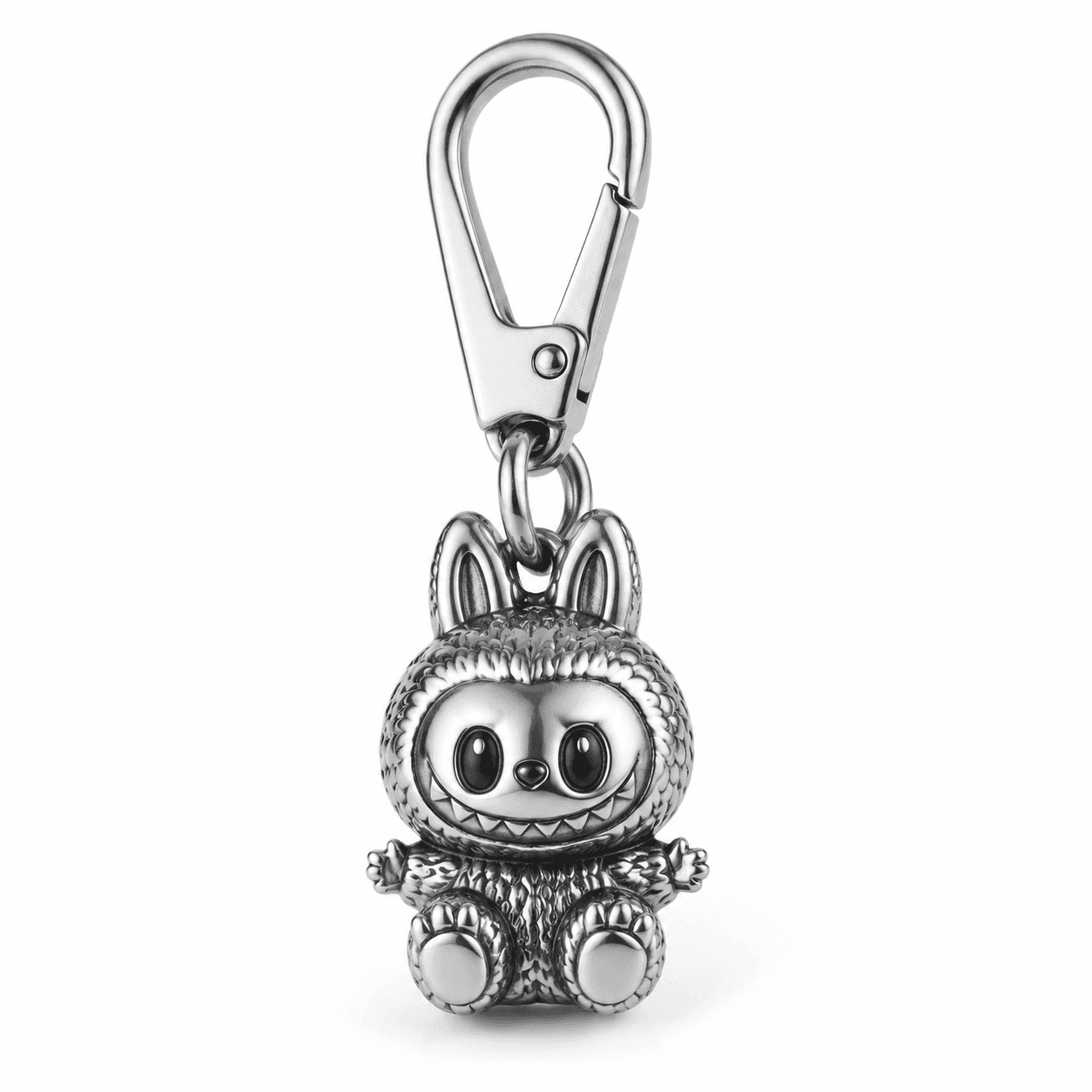
In a crowded market for fashion accessories, sourcing 316L stainless steel mini labubu keychain charms requires a disciplined, process-driven approach. Procurement teams benefit from a clear standard for material integrity, finish consistency, and supplier collaboration that supports both OEM and ODM projects. This guide is designed for global buyers who manage vendor vetting, documentation, and audits while seeking reliable finishing, packaging, and production capabilities from a dedicated charm factory like Lancy Jewelry.
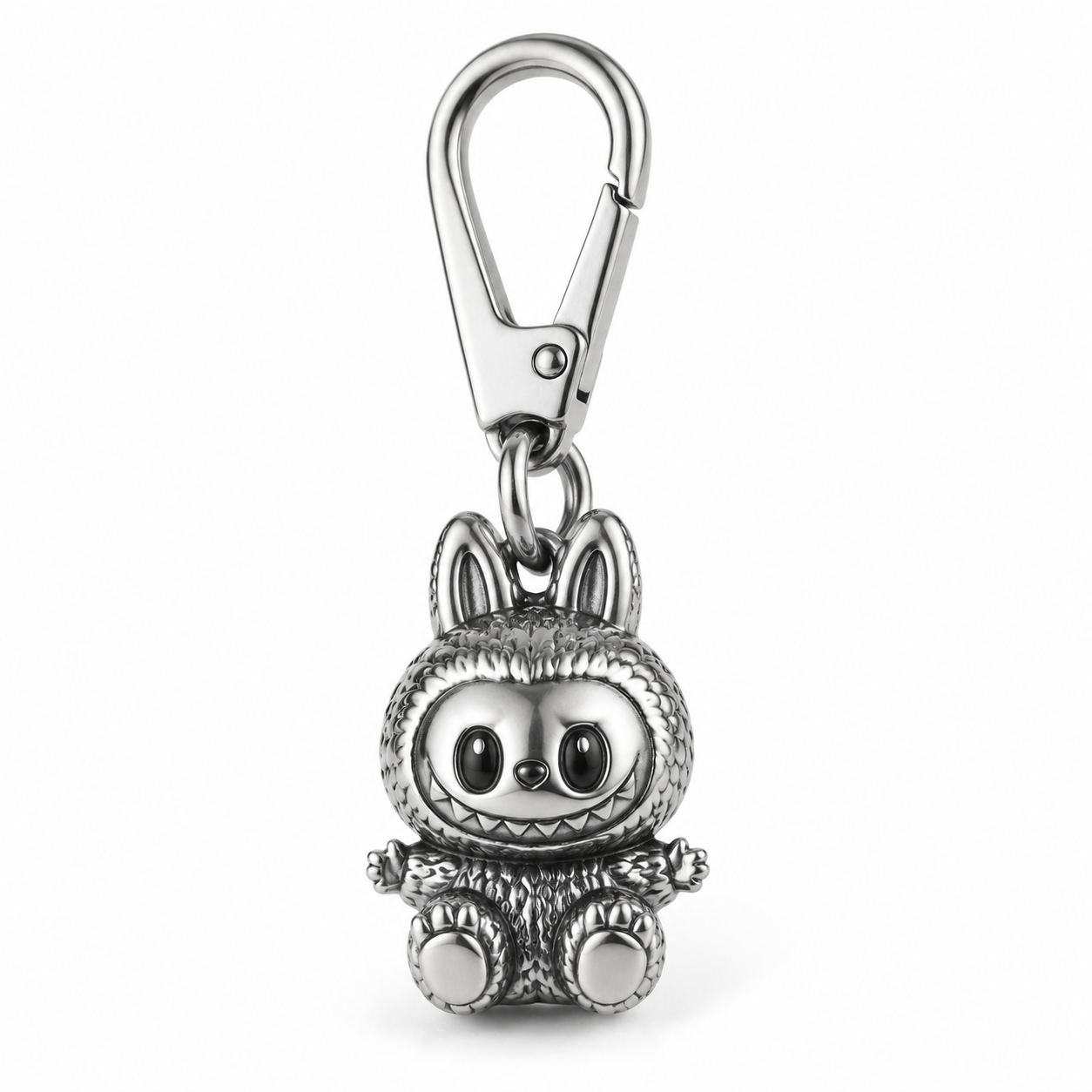
Sourcing stainless steel mini labubu keychain charm suppliers
Define your material and finish specs
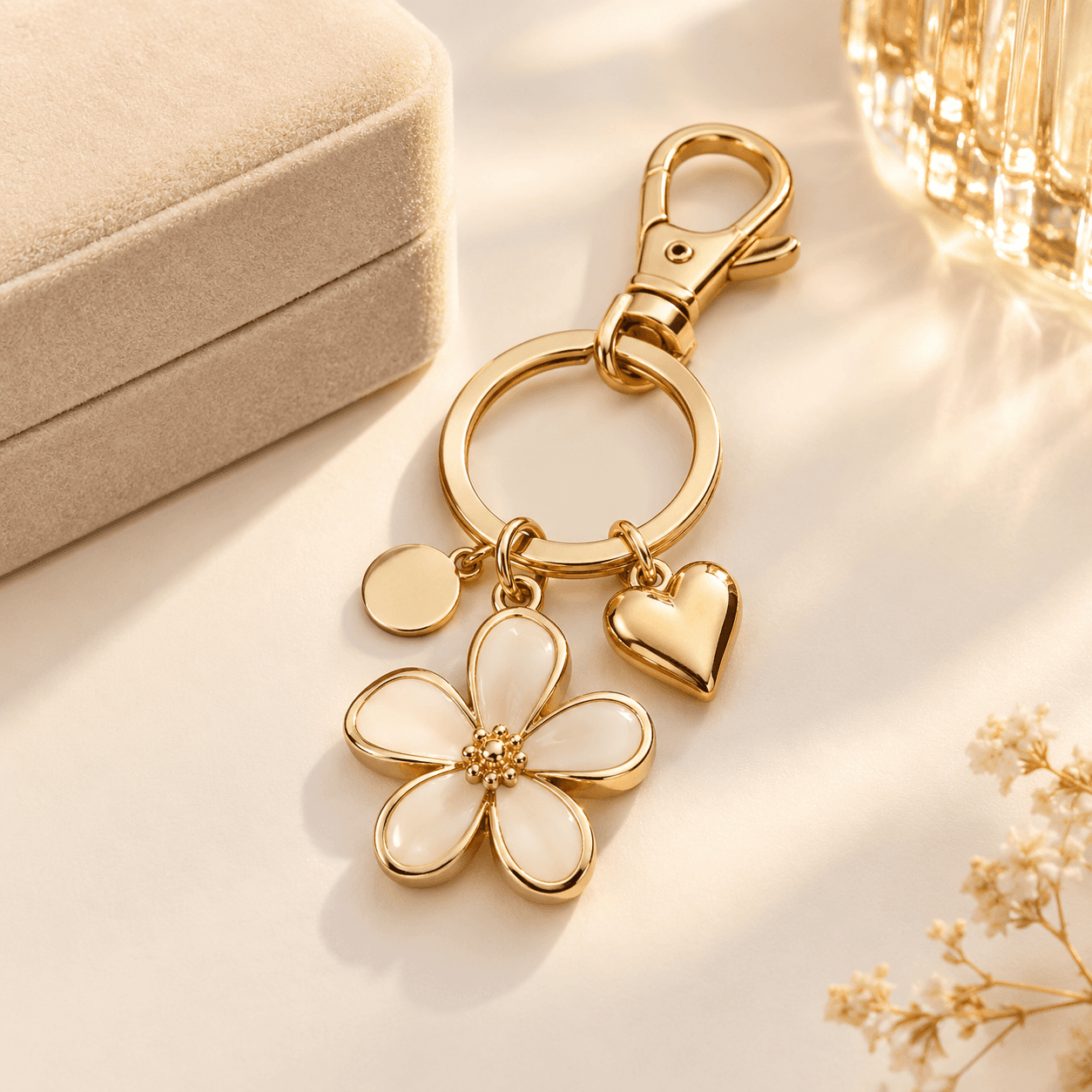
Start with base material and finishes: ensure the base is 316L stainless steel with no compromise on corrosion resistance and biocompatibility. For finishing, prioritize options such as PVD plating (gold, silver, rose gold), enamel color filling, and crystal inlay. Consider surface treatments like polishing grade and passivation to achieve boutique-ready surfaces. At Lancy Jewelry, the capabilities include PVD plating, enamel filling, and crystal setting, complemented by precise laser engraving for logo or brand marks. When drafting your spec sheet, include required certifications (see below) and test standards for finish wear, colorfastness, and adhesion.
Assess supplier certifications and factory capabilities
Rely on independent SGS certification signals (RoHS, REACH, Nickel Release EN1811, Salt Spray 240H) to validate compliance and reliability. Factory capabilities should be verifiable: CNC machining, laser cutting/marking, welding, and advanced polishing; capability for OEM/ODM development; logo engraving; packaging readiness; and sample support. If possible, request a sample kit showing PVD-coated charms alongside enamel-filled variants to compare finish depth, color uniformity, and plating adhesion. For brands requiring private-label packaging, confirm available packaging options, labeling, and carton protection that aligns with your distribution standards.
Evaluate manufacturing and sourcing model
Whether you pursue a standard line or a tailored private-label program, ensure alignment on MOQ, lead times, and cost structure. A reliable partner will offer low MOQ charm production for pilot programs, scalable production for wholesale stainless steel charms, and flexible terms for sample development. Discuss whether the supplier can support both OEM charms manufacturer and ODM charm supplier roles, enabling logo customization, co-design, and private-label packaging. In vendor discussions, use concrete language about expectations, timelines, and quality gates, and request documented lead times, packaging specs, and change control procedures.
Plan for end-to-end supply chain and quality checks
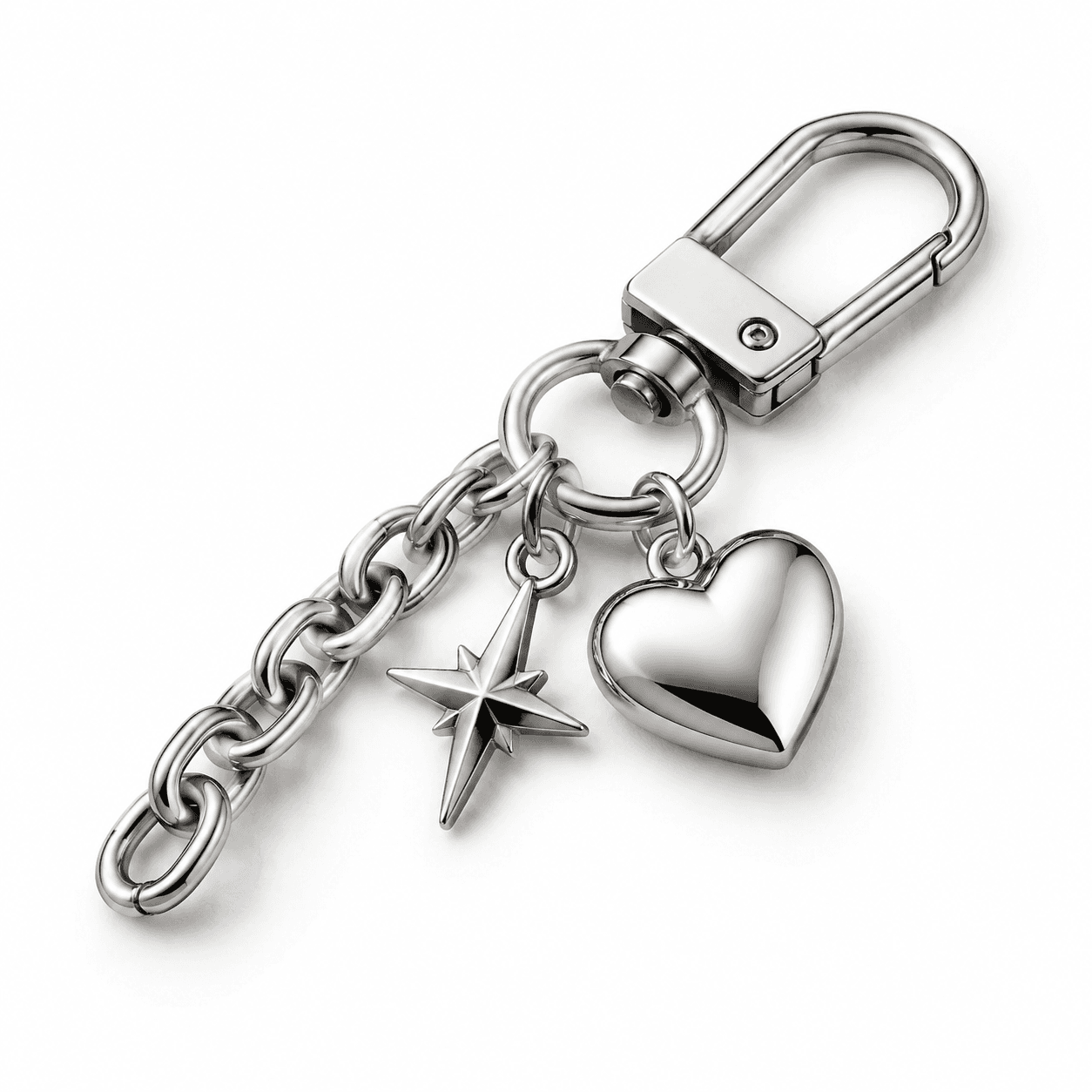
From alloy verification to final inspection, build a QA plan that includes first-article inspection (FAI), process controls for plating, and final batch release criteria. Confirm the supplier’s ability to ship on time to cross-border destinations in the US, EU, UK, AU, CA, DE, FR, SP, NE, RU, and other markets. Choose a partner who can help with sample development quickly, allowing you to validate dimensions, bail or jump ring geometry, and hole tolerances before large orders. Use a documented change-control process to track any design or finish changes across the lifecycle of the program.
Benefits/Why it matters
Key benefits for global buyers
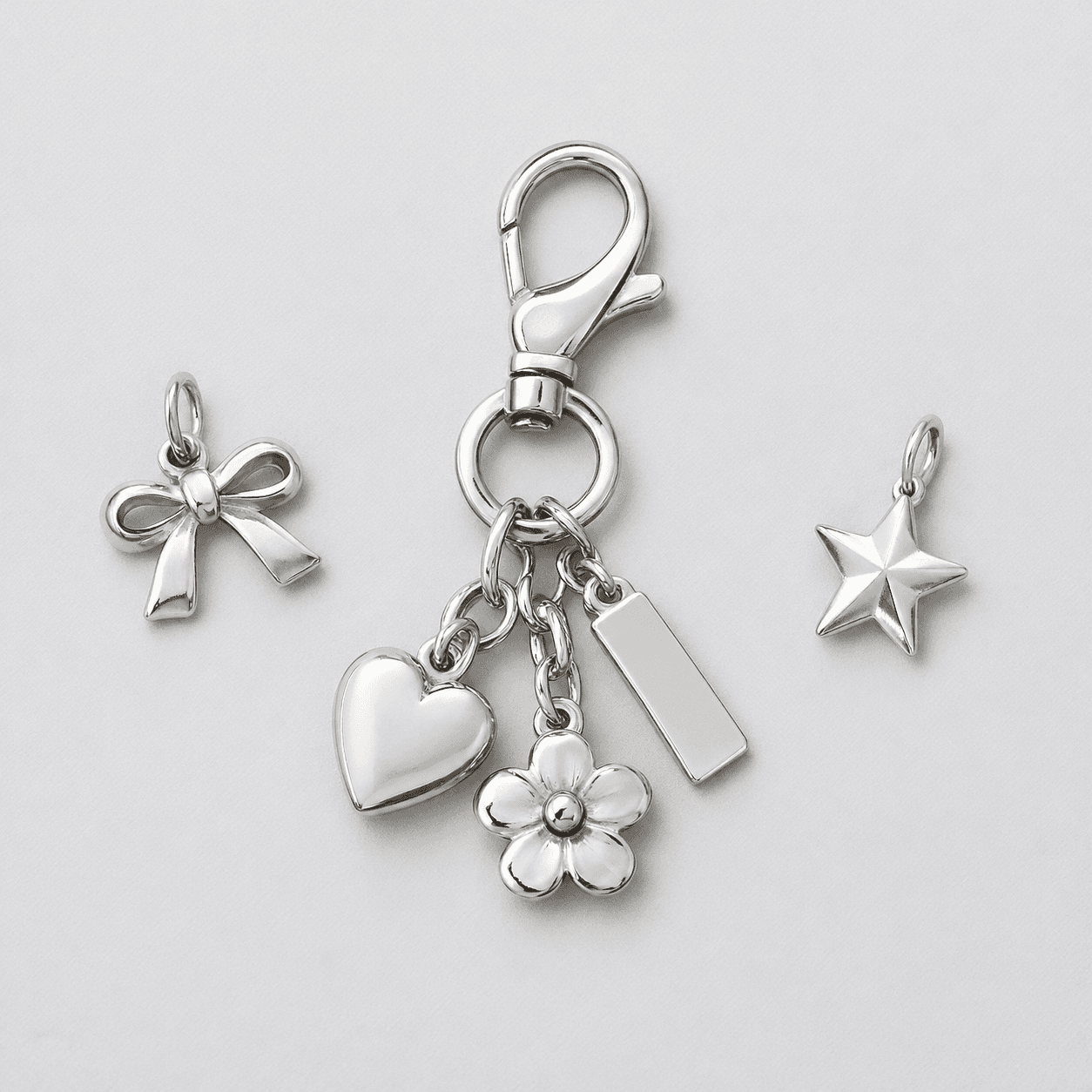
By choosing a 316L stainless steel charms manufacturer with a robust finishing program, your supply chain gains predictable plating quality, durable color finishes, and consistency across batches. The combination of PVD plating options and enamel/crystal accents enables a broad product range, from enamel labubu motifs to crystal-inlaid charms that meet boutique-gift requirements. Certifications such as SGS RoHS, REACH, Nickel Release EN1811, and Salt Spray 240H are important signals of product safety and corrosion resistance—critical for private-label packaging and international distribution. A factory with modern CNC, laser, and polishing equipment ensures high precision for small charms (as small as 8–18 mm), and the ability to offer low MOQ charm production makes it feasible to test new SKUs and seasons without tying up capital. The ability to offer private-label packaging and sample development makes it easier to scale from pilot programs to wholesale orders, creating a reliable private-label pipeline for your brand partners.
Detailed analysis/Guide
Step-by-step supplier evaluation and onboarding
Step 1: Create a comprehensive supplier brief that outlines material spec (316L stainless steel), finish options (PVD plating, enamel, crystal inlay), size ranges, tolerances, and required certifications. Step 2: Shortlist candidates who demonstrate OEM/ODM capabilities, logo engraving, and private-label packaging. Step 3: Request sample development with a defined set of finishing variants. Step 4: Plan a small pilot run, including a first article inspection and production controls. Step 5: Conduct a factory audit or third-party inspection to verify quality systems, equipment, and process controls. Step 6: Review packaging and labeling options to ensure brand consistency and anti-tamper integrity. Step 7: Confirm MOQ, price tiers, and lead times for reorder cycles, including bulk charm orders. Step 8: Align on a change-control process for any future design or finish changes. Step 9: Validate compatibility with accessory ecosystems, including supply of clasp, chain, and key ring components from the same source when possible. Step 10: Finalize the onboarding plan with a detailed contract, acceptance criteria, and a test-and-learn calendar.
Finishing techniques: practical guidance
The finishing stage defines perceived value and longevity. PVD plating provides durable color and enhanced corrosion resistance, with color options such as gold plated, silver finish, or rose gold plating that stay consistent across batches. When choosing PVD, require scratch resistance tests and colorfastness data for the intended use on jewelry charms. Enamel color filling adds vibrant, durable color that can be tuned for seasonal runs, while crystal inlay introduces subtle sparkle that complements boutique offerings. For high-end ranges, precise polishing and surface treatment ensure a premium mirror or satin finish. In production, insist on in-line inspection of plating thickness and color uniformity, plus post-process cleaning to minimize residue. If your design requires logo engraving, verify compatibility with laser marking processes and ensure legibility at small scales. Documentation should include finish specifications, coating thickness targets, adhesion tests, and batch traceability.
Quality assurance and risk management
Establish a quality assurance framework that covers incoming material inspection, in-process controls, and finished-goods testing. Regular audits by your QA team or a third-party inspector help identify drift in plating thickness, color, or crystal settings. Nickel release testing (EN1811) and salt spray tests (ASTM B117 or equivalent) help confirm biocompatibility and corrosion resistance—critical for global markets. SGS-certified labs can provide independent verification of RoHS and REACH compliance. Document and store test reports, certificates, and production lot data to support supplier audits and private-label packaging claims. Consider a supplier who can provide a clear escalation path for defects and a robust return and rework policy to minimize disruption to your private-label program.
FAQ
Q1: What finishing options should I prioritize for 316L stainless steel labubu keychain charms?
A1: Prioritize PVD plating (gold, silver, rose gold) for durability and color stability, enamel color filling for vibrant branding, and crystal inlay for premium accents. Ensure polishing quality and consistent surface finish. Request adhesion and thickness specifications, and verify color tolerance across lots. Your supplier should offer sample development to compare finish depth and wear resistance before committing to a full run.
Q2: How do I evaluate a stainless steel charms supplier for OEM/ODM projects?
A2: Evaluate material compliance (316L stainless steel), finishing capabilities (PVD, enamel, crystal), and branding support (logo engraving, private-label packaging). Check certifications (SGS RoHS, REACH, EN1811, Salt Spray 240H) and request a factory tour or vendor assessment. Review MOQs, lead times, and pricing structures, plus the supplier’s ability to provide BOM traceability and change-control procedures. Ask for sample development timelines and a clear path to private-label packaging or co-design.
Q3: What should I expect in terms of MOQs and lead times for bulk orders?
A3: Expect low MOQ charm production for pilots and eligibility for bulk charm orders with scalable pricing. Lead times vary by finish and complexity, but a professional partner will provide a detailed schedule from sample approval to mass production and shipping. Confirm order quantities, production slots, and contingency plans for holidays or port delays, and include clear terms for reorders to maintain supply continuity.
Q4: How can I ensure effective private-label packaging and branding?
A4: Work with a supplier who offers flexible private-label packaging options, including branding on packaging cards, hangtags, and inner packaging. Confirm graphic file formats, color matching, and label compliance across markets. Ensure that packaging is tamper-evident and designed to secure 316L stainless steel charms during transit. A strong partner should provide packaging proofs and a turnaround timeline aligned with your product calendars.
Call to action
Partner with Lancy Jewelry to source reliable 316L stainless steel labubu keychain charms with robust finishing capabilities and private-label packaging options. Explore OEM/ODM services to align your product design with production reality, and request a quote for sample development or bulk orders through Request a Quote. For additional details on product catalogs and factory capabilities, visit Birthstone Collection or browse the company’s complete offering via All Products. Lancy’s SGS-certified facility combines modern CNC, laser cutting, and polishing to deliver consistent quality across orders and markets.