In the fast-moving world of boutique jewelry sourcing, procurement teams must go beyond price and lead times. The right stainless steel charms supplier can unlock consistent plating, reliable supply, and private-label agility that keeps your collections fresh and compliant across markets. This deep-dive guide focuses on 316L stainless steel charms, with a practical, step-by-step approach for vetting suppliers, evaluating material science, and structuring OEM/ODM partnerships that scale globally. If you’re evaluating partners for belt bag charms, keychains, or other charm formats, this guide provides a rigorous framework to minimize risk and maximize value.
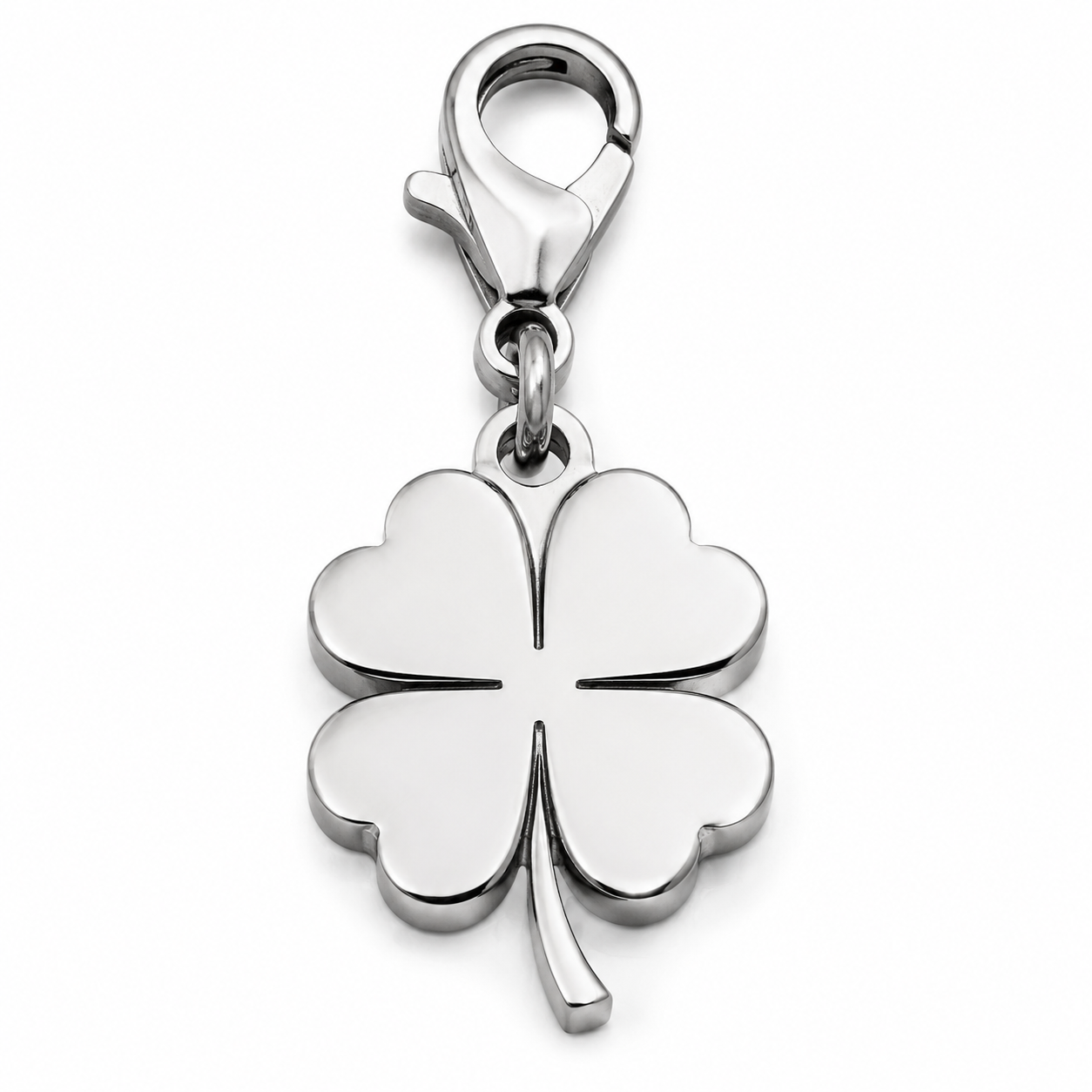
Stainless Steel Charms Sourcing and Vetting for 316L Charms
When you source 316L stainless steel charms, you are not just buying a finished product; you are selecting a manufacturing partner whose capabilities, chemistry, and process controls will influence every subsequent batch. As a stainless steel charms manufacturer, Lancy Jewelry emphasizes a science-driven approach to alloy composition, plating compatibility, and private-label packaging options. The goal is to ensure your private-label campaigns, OEM programs, and low MOQ charm production run smoothly from first sample to full-scale orders. This section lays out the core considerations to evaluate during supplier vetting.
Define material and finish specs
316L stainless steel is defined by its low carbon content and its corrosion resistance in challenging environments. The alloy composition typically features iron with chromium in the 16–18% range, nickel around 10–14%, and molybdenum about 2–3%. The low carbon content (the “L” in 316L) minimizes sensitization during welding, enabling stronger joins and better overall corrosion resistance for components that may undergo decoration or color filling. When you specify 316L stainless steel charms, you are laying a foundation for consistent performance across markets with varied humidity, salinity, and sweat exposure.
Discuss with potential suppliers how the chemistry tolerance is managed. Ask for a material certificate that confirms the precise 316L specification and outlines any alloying adjustments. In addition to base material, plan your finishes: PVD plating (gold, rose gold, or silver tone), enamel fills, and crystal inlays. Each finish interacts with the base metal differently, so require compatibility data and test results for enamel adhesion, crystal retention, and plating thickness uniformity. For belt bag charms and keychain formats, we recommend integrating finishing specifications early in the RFQ / inquiry process to avoid mid-project redesigns.
Understand plating and finishes
PVD plating is a common choice for durable, boutique-ready appearances. It offers uniform color and good wear resistance, which is critical for frequently handled items like bag charms and keychains. When evaluating PVD plated stainless steel charms, request plating thickness data, color tolerance ranges, and adhesion test results. If an enamel fill is part of the design, ask for enamel adhesion test results and cure schedules to ensure long-term color stability through handling and stacking. For crystal inlays, require supplier data on setting reliability, stone retention under impact, and surface finish consistency.
At a minimum, consider finishes such as gold plated, silver finish, and rose gold plating, and map out how each finish aligns with your brand aesthetics. Ensure your supplier can deliver color-consistent batches across runs and can support private-label packaging that aligns with your retail concepts.
Documentation and compliance to request
Regulatory and safety documentation is not optional for modern global sourcing. Require SGS certified testing and traceability documentation, including RoHS and REACH compliance, EN1811 nickel release testing, and salt spray corrosion testing. These certifications are not only regulatory protections; they are reliability signals for brand-conscious buyers who demand consistent performance in cross-border markets. Request a current test report and a certificate of conformity, then verify that the supplier maintains a robust document control system to ensure ongoing compliance across batches.
In addition to material and safety documentation, ensure your supplier can provide traceability data for each lot, including the 316L composition, plating batch numbers, and finish lot codes. This traceability supports private-label packaging and helps satisfy private-label program requirements for brands that demand full provenance for each product.
Factory capability assessment
A modern charm factory should demonstrate capabilities across precision machining and decoration: CNC and laser cutting, laser marking, welding, and polishing. For belt bag charms and keychains, the ability to produce consistent connectors and bail components matters, because the charm’s attachment points must be robust and securely closed. Private-label packaging capability is equally important, as it supports your branding strategy and reduces post-production handling.
Beyond the shop floor, assess process controls for plating thickness, surface finish uniformity, and defect rates. Inquire about in-line inspection systems, post-process QC checks, and any dedicated QA personnel responsible for finish and assembly. The ultimate goal is a stable, audited process that yields reliable color, texture, and tolerances across lots, textures, and finishes.
Vetting steps
To systematize supplier evaluation, follow a structured vetting workflow. The steps below align with typical OEM/ ODM project timelines and emphasize documentation, testing, and transparency.
Step 1: RFQ and initial screening
Prepare a detailed RFQ that includes material spec (316L stainless steel), finish options (PVD plating, enamel, crystal inlay), dimensional tolerances, and required packaging. Screen candidates for capabilities in CNC, laser processing, welding, polishing, and private-label packaging. Shortlist suppliers who demonstrate clear capabilities and a track record with similar product formats.
Step 2: Documentation and technical data review
Request material certificates, process flow charts, plating thickness specs, and test data for RoHS, REACH, EN1811, and salt spray. Review the supplier’s quality management approach, traceability practices, and whether they operate with a formal SOP-driven production environment. Assert that the supplier can provide sample development timelines and manage revisions without disrupting your project schedule.
Step 3: Sample development and testing
Ask for prototype samples that reflect your finish and color finishes. Use a defined sample development timeline and specify acceptance criteria for dimensional accuracy, finish uniformity, and functional tests (such as a bail/jump ring fitment test and clasp compatibility where applicable). Track sample lead times and the rate of first-pass acceptance to gauge supplier responsiveness and engineering capability.
Step 4: Compliance audit and factory evaluation
Conduct a remote or on-site audit focusing on process controls, calibration records, and material handling practices. Validate that the factory’s traceability aligns with your private-label requirements, and confirm the supplier’s ability to maintain consistent outcomes across multiple production lines and shifts.
Step 5: Commercial terms and private-label packaging
Discuss MOQs (preferably low MOQ charm production for boutique brands), pricing, lead times, and payment terms. Confirm packaging options that align with your branding strategy, minimum labeling requirements, and carton-level traceability. Ensure the supplier can deliver finished products that are ready for wholesale distribution, including private-label packaging, SKU labeling, and BOM documentation.
Benefits / Why it matters
- 316L stainless steel chemistry and corrosion resistance underpin long-lasting charms that survive daily wear and tear in cross-market environments.
- Consistent plating quality and finish stability reduce rework, returns, and quality risk across batches.
- SGS certified (RoHS, REACH, Nickel Release EN1811, Salt Spray 240H) suppliers provide assurance for regulatory compliance and brand safety.
- Low MOQ charm production options support boutique brands and private-label strategies, enabling faster time-to-market.
- Comprehensive private-label packaging capabilities streamline launch programs and giftable SKUs.
These benefits translate into tangible business outcomes: reliable supplier performance, predictable cost of goods, and faster sample development cycles that shorten your time-to-market for new collections. When you partner with a supplier that has strong technical discipline and robust QA processes, you reduce the risk of delamination, color peeling, or poor fitment—issues that can erode the trust of boutique brands and distributors alike.
Detailed analysis / Guide
The most effective sourcing approach treats 316L stainless steel charms as a product system rather than a single part. The system includes base metal chemistry, decoration methods, assembly practices, packaging, and documentation. The steps below translate theory into practice for global procurement teams seeking consistency across markets.
Step A: Establish precise specs and tolerances
Define the mechanical tolerances for charm diameter, bail hole size, and overall silhouette. Specify allowable deviations and ensure consistent fit with your chosen jump rings, clasps, and chain formats. Describe plating thickness targets and color tolerance windows for PVD finishes. For enamel, provide color-matching standards and enamel thickness controls. A well-documented spec sheet is the cornerstone of a smooth OEM or ODM process.
Step B: Material science due diligence
Delve into the metallurgy of 316L stainless steel. The chromium content provides corrosion resistance, while nickel adds ductility and improves formability; molybdenum enhances pitting resistance in chloride environments. The low carbon content minimizes carbide precipitation at welds and improves weldability. When evaluating suppliers, request confirmation of 316L grade origin (furnace batch traceability, mill test reports) and ensure that any alloy adjustments are within tight tolerances that do not compromise corrosion resistance or biocompatibility requirements for consumer jewelry.
Step C: Plating, enamel, and stone inlays
Assess how each finishing process affects durability. PVD plates should have uniform thickness across the charm with minimal color drift across lots. Enamel fills must adhere under heat and resist cracking under flexion. Crystal inlays should be secured with robust setting methods to prevent loss during handling. For private-label programs, confirm that packaging and labeling comply with regional requirements and that any product serialization is traceable to production lots.
Step D: Quality assurance and process control
Ask for process control plans and in-line inspection methods. A mature supplier will document acceptance criteria for each operation and maintain calibration logs for equipment like micrometers, balance scales, and spectroscopic analyzers used for metal verification. Discuss the supplier’s corrective action and deviation handling procedures to ensure non-conforming parts are segregated, investigated, and prevented from re-entering production.
Step E: Testing and validation program
In addition to the required regulatory tests, implement a practical in-house test program tailored to your use case. A salt spray test simulates corrosive exposure in coastal or humid climates; EN1811 measures nickel release to prevent potential allergy risks. Enamel adhesion tests, crystal retention tests, and mechanical flex tests demonstrate real-world endurance. Build a test plan that covers at least three production lots to verify consistency before committing to a standing PO schedule.
Step F: Packaging, labeling, and supply chain traceability
Private-label packaging should reflect your brand’s visual identity and protective packaging needs. Request packaging artwork templates, labeling conventions, and clear BOM documentation. Ensure the supplier can deliver with traceability codes that map to your purchase orders, batches, and production dates. Consider how packaging can support wholesale distribution and shelf-ready fulfillment for your markets.
Step G: Commercial terms and ongoing collaboration
Negotiating long-term stability matters. Discuss MOQ flexibility, pricing escalation clauses, and lead-time commitments that align with seasonal campaigns. For private-label partnerships, finalize trademark clearance, artwork approvals, and any co-branding guidelines. Establish a cadence for quarterly business reviews to monitor performance, quality metrics, and supplier readiness for new finishes or design variants.
FAQ
A1: 316L stainless steel provides excellent corrosion resistance, strong mechanical properties, and compatibility with PVD plating and enamel. Its low carbon content reduces sensitization during welding and fabrication, which is important for small decorative parts like belt bag charms and keychains that experience frequent handling and contact with skin or sweat. This alloy supports consistent finishes and reliable maintenance over time, which is essential for wholesale and private-label programs.
A2: Start with a comprehensive RFQ that covers material specs, finishes, tolerances, and packaging. Review material certificates and compliance data (RoHS, REACH, EN1811). Request samples with test data for plating thickness, enamel adhesion, and crystal retention. Conduct a supplier audit or remote verification of QA processes, then validate commercial terms, MOQs, and private-label packaging capabilities before approving a long-term contract.
A3: PVD plating yields uniform color with strong wear resistance and good adhesion to 316L stainless steel. It typically offers superior color stability under daily use compared with some electroplated finishes. However, compatibility with enamel and crystal inlays should be tested, and thickness control is essential to maintain consistent color across batches. Request thickness specs and cross-batch color tolerances for reliable private-label production.
A4: Lead times vary by finish and complexity, but a robust supplier can support small pilot orders for sample development and initial private-label runs. MOQs can be negotiable, with options for low MOQ charm production to accommodate boutique brands and trial programs. Ensure there is a clear ramp plan for larger orders and a defined path from sample to mass production, including QA sign-off at each stage.
Call to action
Partner with Lancy Jewelry for your OEM/ ODM stainless steel charm needs. Leverage our modern facility with CNC, laser cutting, laser marking, welding, and polishing capabilities, along with SGS certifications and a proven private-label packaging program. We support sample development and low MOQ charm production to accelerate your collections from concept to market. Explore our OEM service options or start a quick inquiry with a formal RFQ through Request a Quote. For direct conversations with our sales team, please contact us via Contact. If you are sourcing chain-based decor or want to see catalog-ready examples, browse our related collections like 316L stainless steel chains to understand compatibility and packaging ideas that complement your charms.