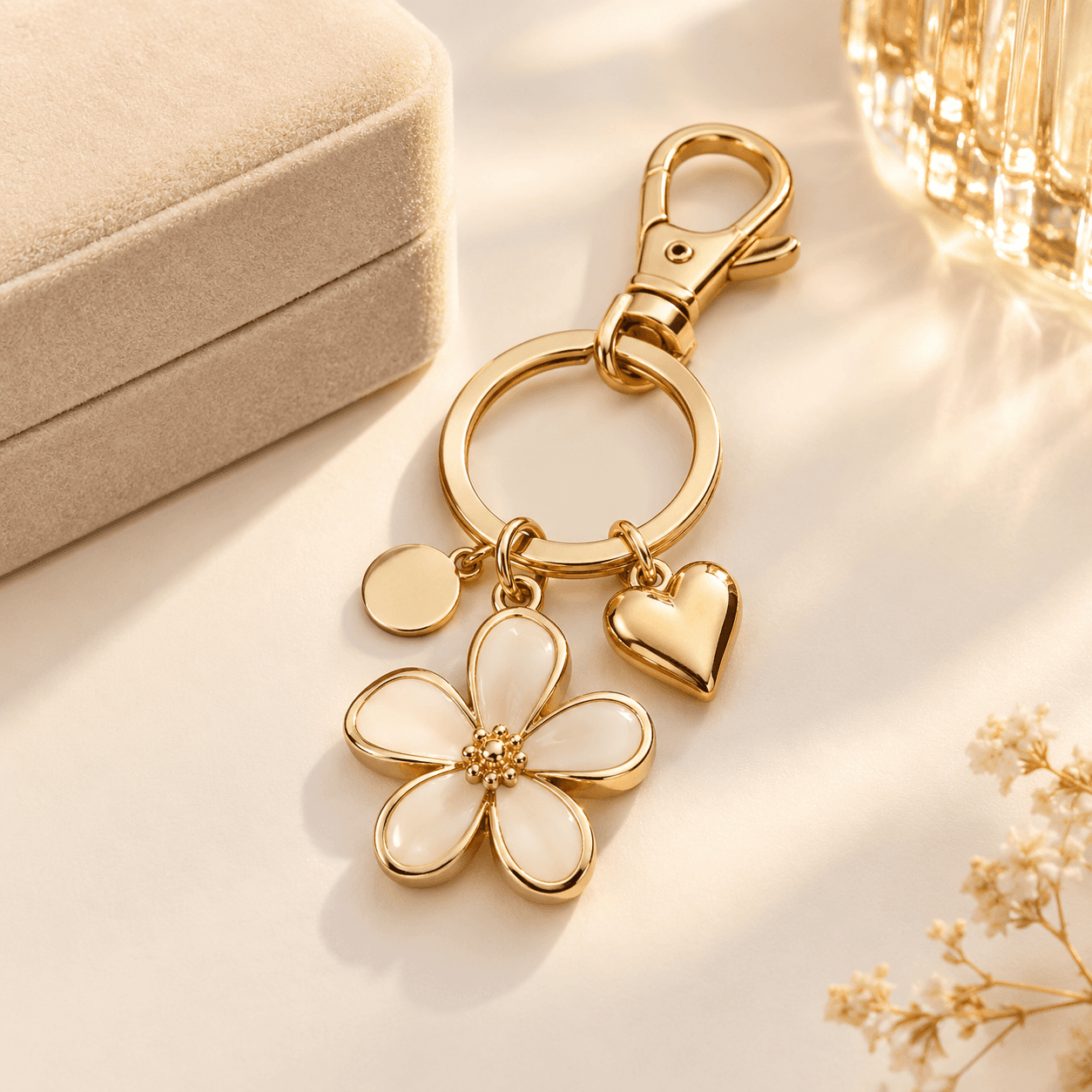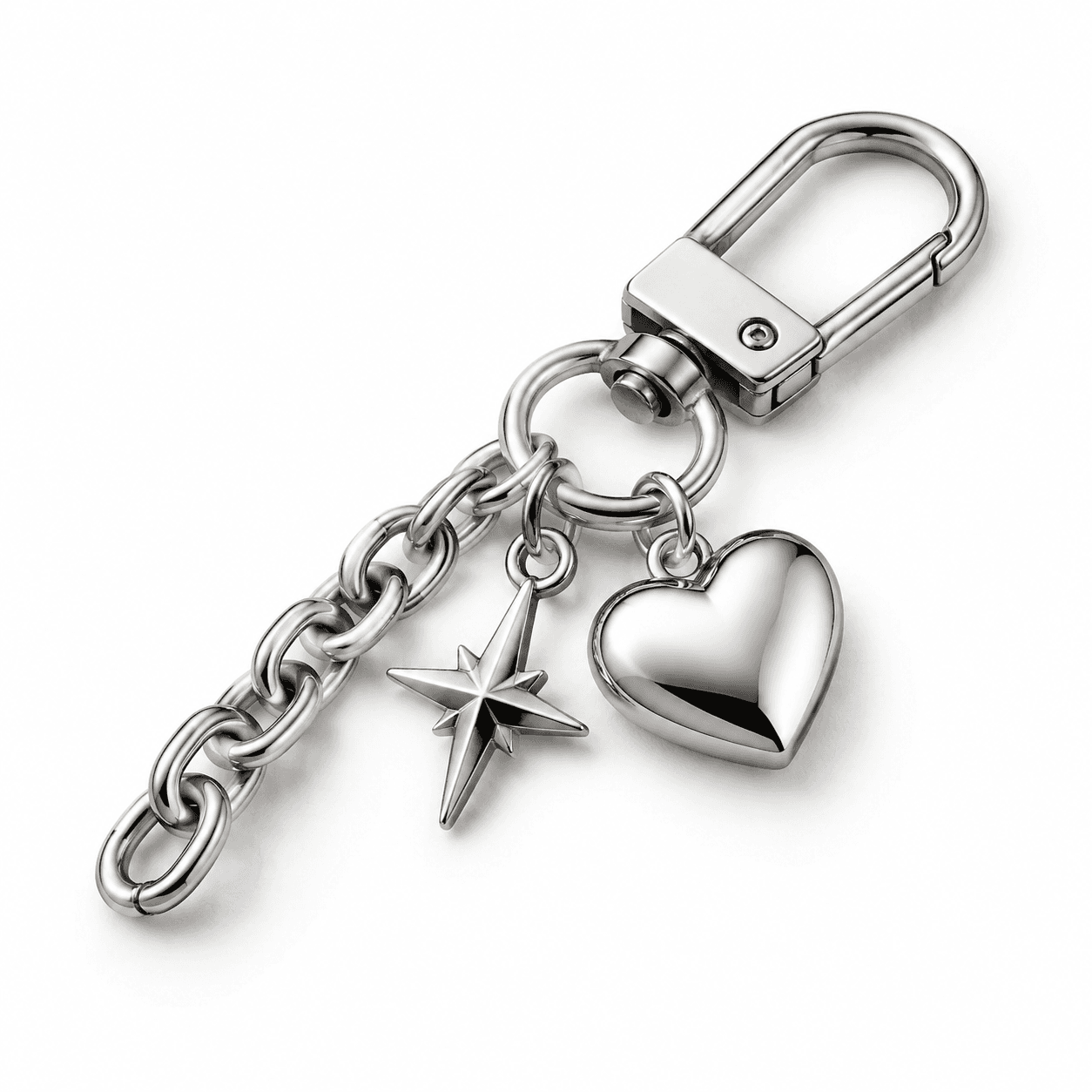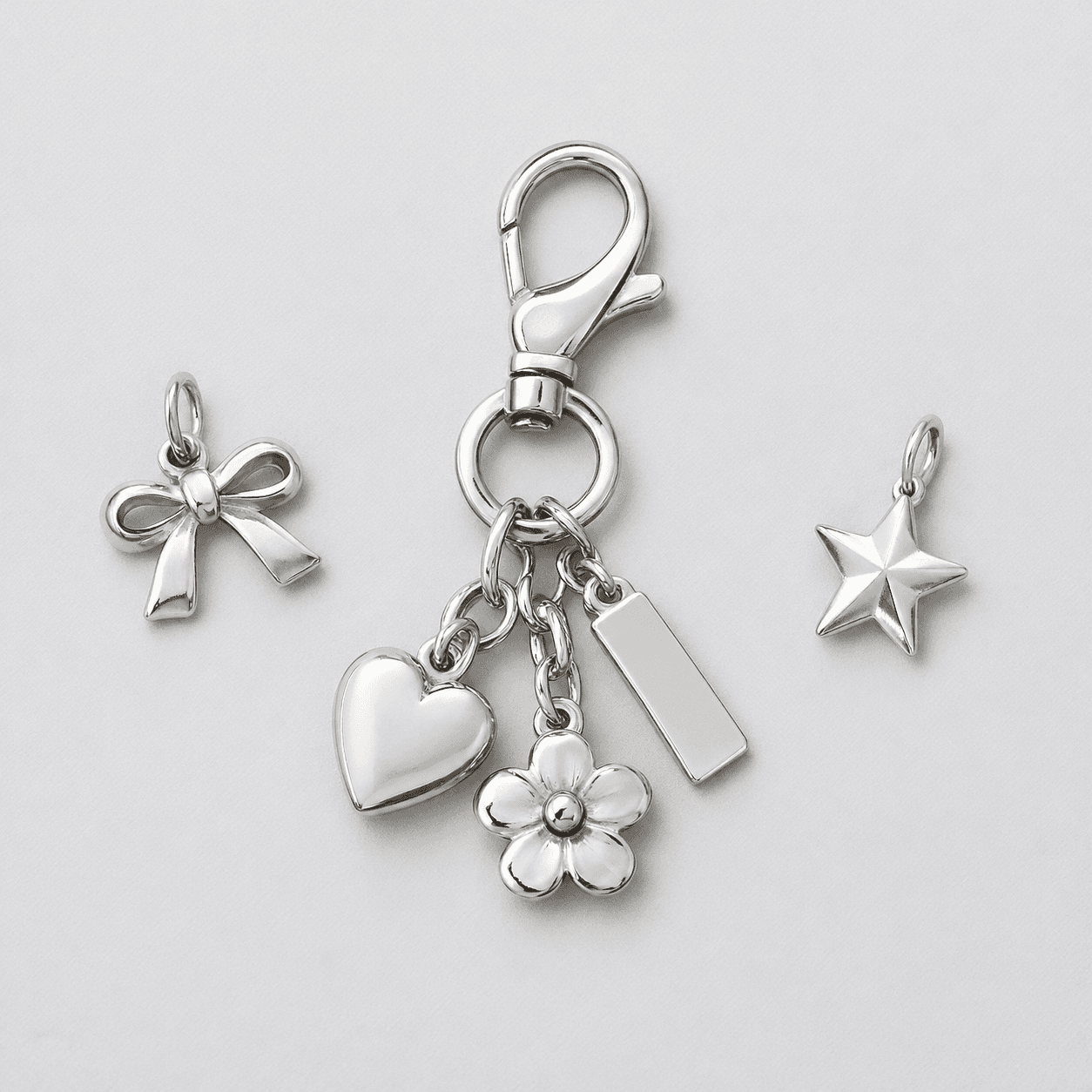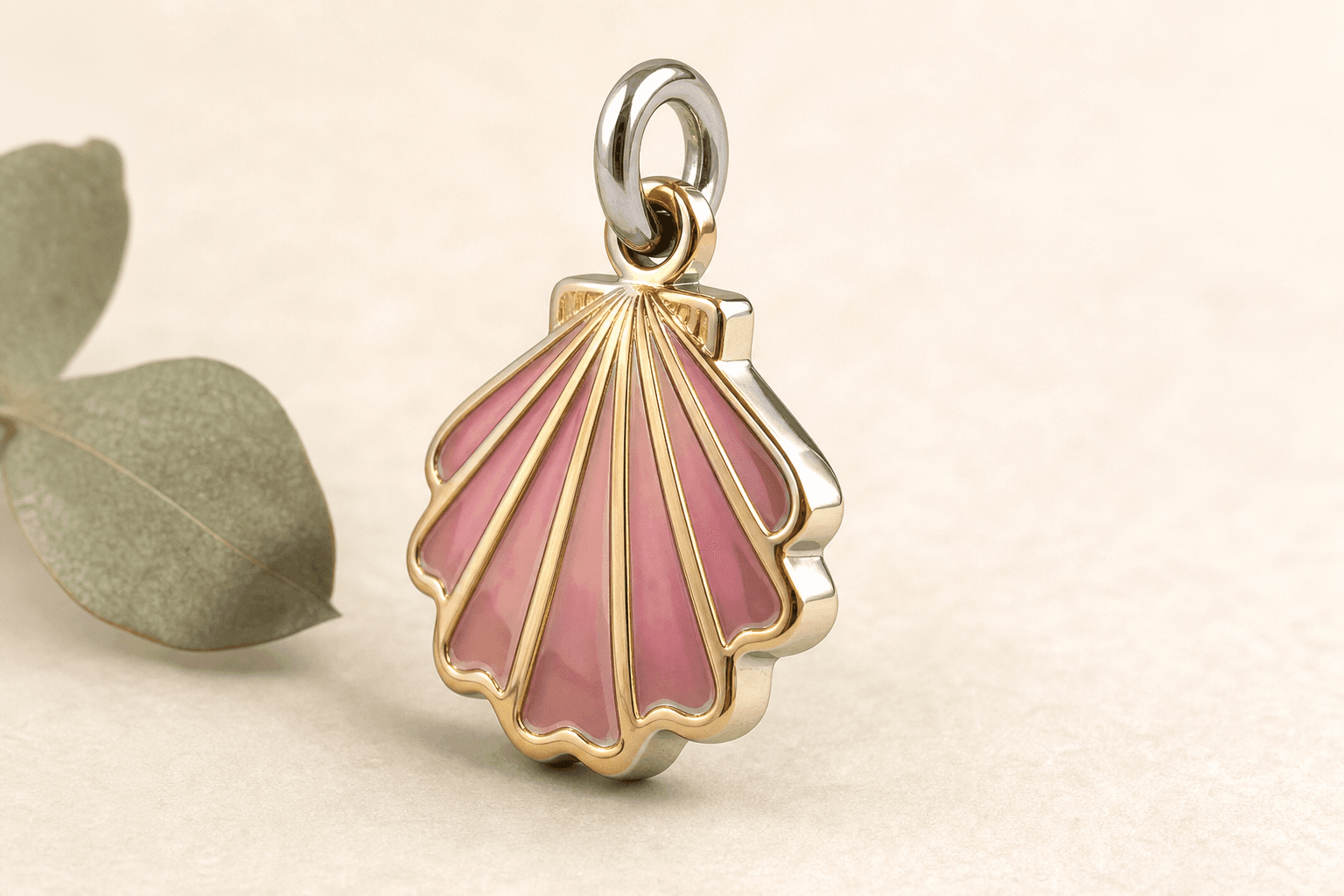
Hook: In today’s tightly audited supply chains, private-label enamel 316L stainless steel charms require a disciplined, science-driven approach from material selection through final packaging. This step-by-step guide walks procurement teams through a documented, factory-direct process that aligns with SGS-certified quality, robust traceability, and scalable private-label programs. The goal is a repeatable, audit-ready production flow that supports low MOQ charm production while delivering consistent PVD plating, enamel fill, and logo engraving for boutique brands and private-label buyers.
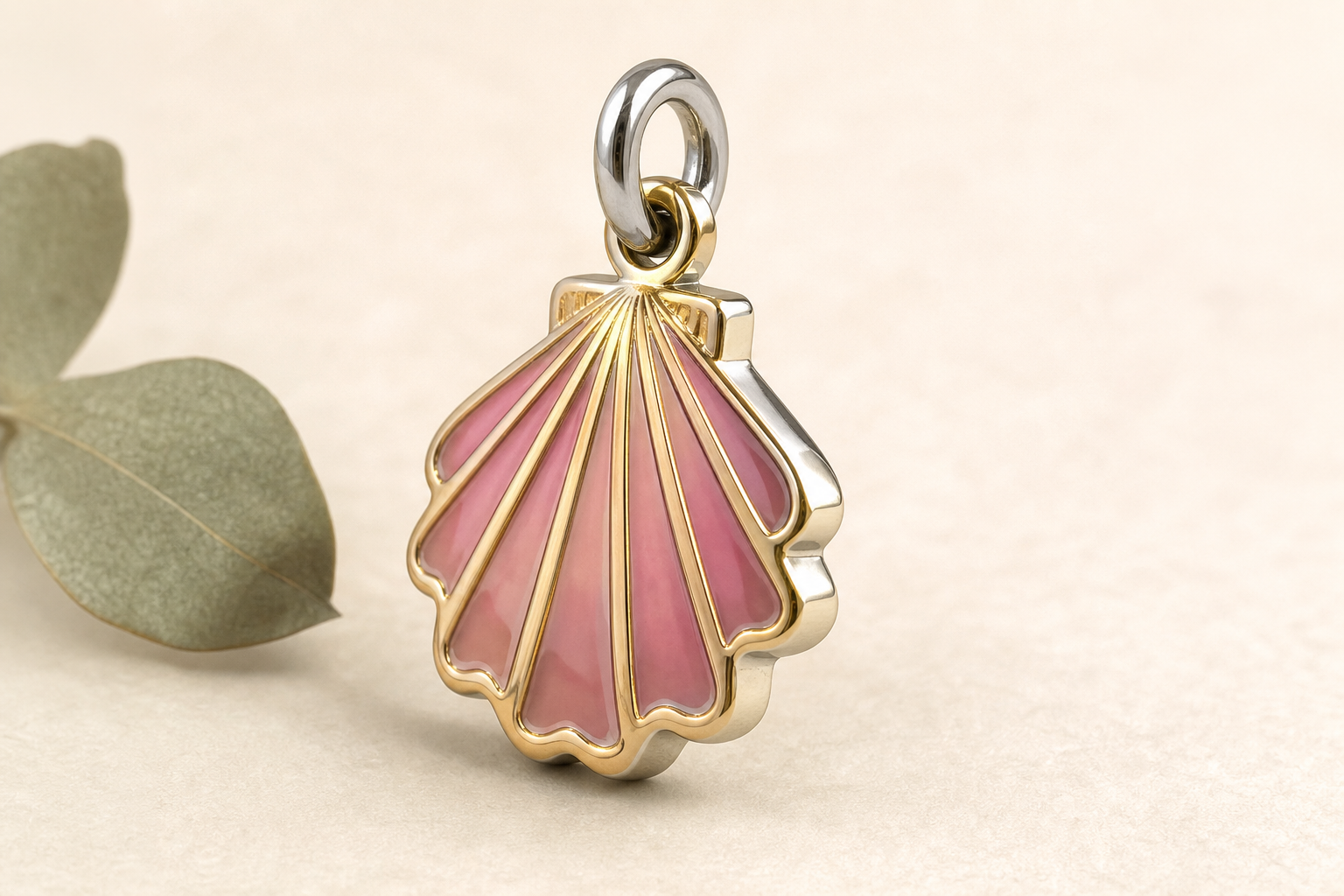
Private Label Custom Enamel 316L Stainless Steel Charms OEM/ODM
Overview and scope
This topic centers on 316L stainless steel charms manufactured under OEM and ODM arrangements for global brands. Lancy Jewelry operates as an OEM/ODM partner with a modern facility featuring CNC machining, laser cutting and marking, welding, and polishing. Our materials guardrails ensure the base metal remains 316L stainless steel with optional PVD gold, silver, or rose-gold finishes, enamel color filling, and crystal inlay. The process is designed for private-label programs that require OEM charms manufacturer capabilities, 316L stainless steel charms integrity, and private label charms readiness with low MOQ options.
Material science focus: 316L stainless steel chemistry
316L stainless steel is an austenitic alloy known for its corrosion resistance and biocompatibility, achieved through a balanced chromium (Cr) and nickel (Ni) system with molybdenum (Mo) addition. Typical nominal composition ranges (by weight) are Cr 16–18%, Ni 10–14%, Mo 2–3%, with Fe as the balance. The “L” denotes low carbon content (0.03% max) to improve weldability and reduce carbide precipitation during heat treatment. For charm manufacturing, this chemistry translates into improved corrosion resistance, stable passivation layers, and reliable electrochemical behavior during PVD plating and enamel filling. In practice, this means fewer plate-life failures, lower risk of nickel release concerns (still verified via EN1811 testing as part of SGS RoHS/REACH compliance), and consistent surface chemistry for logo engraving and crystal settings.
Surface finishing options and compatibility
Surface finishes are chosen to balance aesthetics with durability. PVD plating yields durable gold, silver, or rose-gold appearances with superior thickness control. Enamel color filling requires surfaces that hold color well and resist chipping. Crystal inlays demand precise hole geometry and chemical compatibility with the base metal. All options maintain the requirement that the base material remains 316L stainless steel, ensuring cross-market consistency across the US, EU, UK, AU, CA, DE, FR, SP, NE, and RU regions.
Design-to-manufacture data: documentation and compliance
From the first brief, the procurement team should receive a complete design package, including material spec sheets, chemical passivation data, tolerance charts, and process control plans. SGS-certified controls (RoHS, REACH, Nickel Release EN1811, Salt Spray 240H) are maintained to support global sourcing and to ease vendor audits. This documentation is essential for sample development and fast transitions to bulk charm orders with predictable quality.
Tooling, fixtures, and capability mapping
Manufacturing capabilities include CNC, laser cutting, laser marking, welding, and polishing. For enamel application, dedicated enamel molds and fixtures guarantee consistent fill depth and alignment with engraved logos. For PVD, a controlled chamber environment ensures adhesion and uniform thickness. The combination of tooling and process controls underpins the ability to deliver OEM charms manufacturer capabilities within a private-label program that also supports low MOQ arrangements.
Quality gates and audits
Quality gates cover incoming material verification, chip tests, plating thickness checks, color uniformity for enamel, stone/crystal retention, logo engraving legibility, and functional testing of holes for bails and jump rings. Audits focus on process documentation, traceability, supplier qualification, and factory calibration records, all of which are integral to a vendor vetting process for procurement teams evaluating OEM/ODM partners.
Benefits/Why it matters
Key benefits for procurement and private-label success
Engaging with a dedicated OEM charms manufacturer for private-label enamel charms delivers several strategic advantages. First, 316L stainless steel with enamel and PVD finishes delivers durable, market-ready aesthetics suitable for boutique brands. Second, SGS certifications (RoHS, REACH, Nickel Release EN1811, Salt Spray 240H) support compliance across multiple markets, reducing risk during supplier audits. Third, design-for-manufacture discipline ensures reliable logo engraving and color-finish consistency across batches, which lowers rework and increases batch-to-batch yield. Fourth, low MOQ charm production and a defined sample development timeline help private-label buyers test assortments quickly and scale with confidence. Finally, the ability to manage private-label packaging and OEM/ODM ownership around the product line strengthens market positioning for distributors and boutique brands alike.
Brand protection and documentation
Transparent documentation, part-level traceability, and controlled packaging align with reputable sourcing practices. This supports internal audits and supplier qualification programs that many global buyers require. Importantly, all processes remain grounded in 316L stainless steel charm production, avoiding non-stainless materials and ensuring cross-market compatibility.
Detailed analysis/Guide
Step-by-step manufacturing workflow
- Requirement capture and design brief validation: Confirm target markets, finish options (PVD gold, silver finish, rose gold plating), enamel color palette, and crystal inlay requirements. Capture logo or branding elements for engraving.
- Material specification and supplier qualification: Source 316L stainless steel blanks with documented chemistry and RoHS-compliant certifications. Validate chemical composition and mechanical properties through routine test reports.
- Pre-production risk assessment: Conduct a design-for-manufacture review to verify bail holes, engraving areas, and enamel cavities align with finished charm geometry. Identify critical tolerances (hole size, wall thickness, and finish thickness).
- Tooling and fixture development: Create or adapt CNC jaws, laser fixtures, and enamel molds to ensure repeatable sizing and engraving. Prepare PVD target set for gold, silver, and rose gold finishes as required.
- Cutting and forming: Use CNC punching/laser cutting to create base charm shapes, ensuring burr-free edges and clean punch-through holes for bails. Deburr and pre-polish surfaces for subsequent finishing steps.
- Logo engraving and surface preparation: Apply laser engraving of logos or text onto the charm surface with depth control to prevent material removal from soft enamel recesses. Surface polish to achieve uniform reflectivity prior to plating.
- PVD plating and surface finishing: Execute PVD plating with controlled thickness and uniform coverage. Depending on finish, apply compatibility checks to ensure adhesion of enamel and crystals.
- Enamel color filling and curing: Fill enamel into designated cavities with precise pigment control. Cure and post-cure to achieve consistent color depth and scratch resistance. Conduct color-matching checks against standard palettes.
- Crystal setting (optional): For crystal inlays, place stones with precision via vibration-assisted or manual methods, ensuring secure seating and no protrusion. Inspect for stone retention and uniform alignment.
- Logo engraving in secondary passes: If needed, re-engrave or re-polish to improve legibility after enamel curing. Validate that engraving depth remains within tolerance and is legible across the full circumference.
- Quality control and testing: Implement colorfastness, plating thickness, adhesion, salt spray, and nickel-release tests per EN1811 and SGS guidelines. Document results for traceability and audits.
- Private-label packaging and labeling: Assemble packaging with brand-ready inserts, protective coatings, and tamper-evident seals. Ensure packaging aligns with private-label requirements and BOM accuracy.
- Sample development and validation: Produce a pilot batch for sampling to the buyer. Collect feedback, validate assembly integrity, and adjust documentation before bulk production.
- Mass production setup and ramp: Once samples are approved, begin mass production with ongoing in-line checks, performance sampling, and a confirmed QC plan. Maintain MOQ targets and lead times that suit global buyers.
Audit-ready documentation and risk mitigation
For global buyers, maintaining an auditable trail is essential. Store process control plans, material certificates, test reports, engraving tolerances, and plating data in a centralized repository. Use these records during supplier audits or RFPs for OEM/ODM engagements. The focus remains on 316L stainless steel charms with enamel finishes and PVD plating, ensuring consistency across private-label programs.
Cross-market considerations
While market nuances vary by region, the core manufacturing approach remains universal: high-quality 316L stainless steel, robust finishing options, and strict process controls. The combination of PVD plating for durable finishes, enamel for color diversity, and clear engraving for branding provides a scalable solution for boutique brands and private-label buyers worldwide. This universality supports wholesale stainless steel charms distribution that aligns with private-label programs and low MOQ commitments.
FAQ
1) What certifications support private-label enamel 316L charms?
Our SGS-certified program covers RoHS and REACH compliance, Nickel Release EN1811 testing, and Salt Spray 240H. These certifications support cross-market sourcing and vendor audits for global procurement teams.
2) What is the typical MOQ for private-label enamel 316L charms?
We offer low MOQ charm production to facilitate tester launches and market-entry campaigns. Buyers can scale up once initial private-label samples are approved, enabling flexible partner onboarding and risk reduction in the early stage of private-label programs.
3) How long does sample development take?
Sample development timelines depend on finish complexity and engraving requirements but are designed for rapid iteration. Buyers can expect a structured timeline with clear milestones from design finalization to a pilot sample, followed by buyer review and approval.
4) How do I start an OEM/ODM project with Lancy?
Begin with an RFQ through the official channel and request OEM/ODM collaboration. Our team collaborates to translate design briefs into a BOM, process routes, and production schedules. You can explore our OEM service pages for initial guidance and then submit your inquiry via OEM Service or Request a Quote.
Call to action
Partner With Us: If your brand seeks a reliable private-label partner for enamel 316L stainless steel charms with OEM/ODM capabilities, Lancy Jewelry offers a factory-direct path from initial concept to mass production. We invite procurement teams to initiate a formal RFQ, discuss low MOQs, and plan a sample-development cycle that accelerates time-to-market. Explore our OEM/ODM services or Contact the sales desk to align on scope, packaging, and lead times. For ongoing catalog exploration, visit Birthstone Collection or Alphabet Series to gauge design language and manufacturing feasibility. All routes point toward a transparent, audit-ready supply chain built on 316L stainless steel charm production.