In the world of charm programs, the backbone is often the material science that underpins every aesthetic and performance detail. For designers and sourcing teams, understanding how 316L stainless steel behaves in a keychain context—and how a modern factory processes it—translates directly into more reliable prototypes, faster approvals, and fewer post-production surprises. This deep dive walks through the chemistry, processing, and practical considerations for stainless steel keychains used with charms, with a focus on 316L stainless steel as the base material and on how Lancy Jewelry delivers OEM/ODM solutions for global brands.
stainless steel keychain for charms
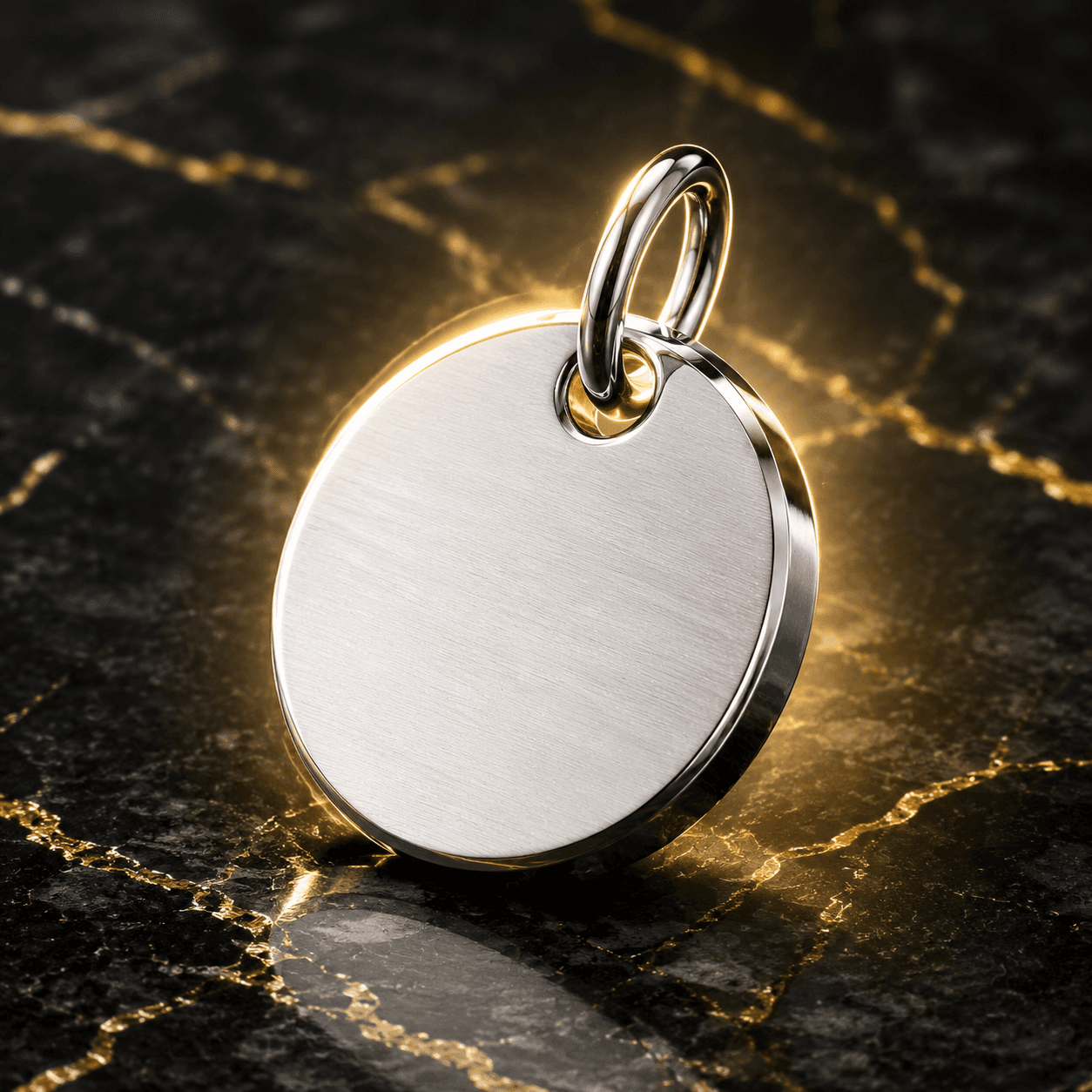
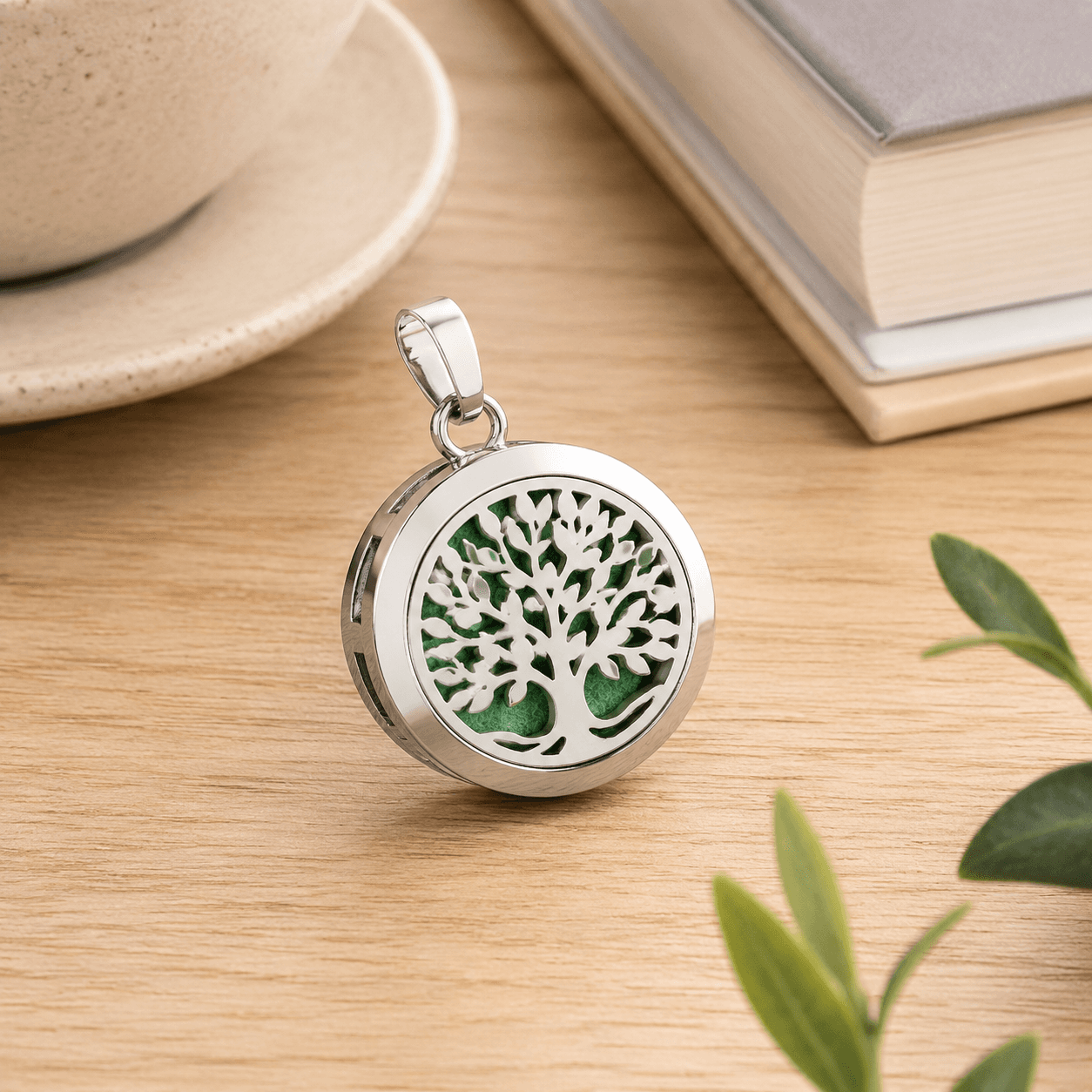
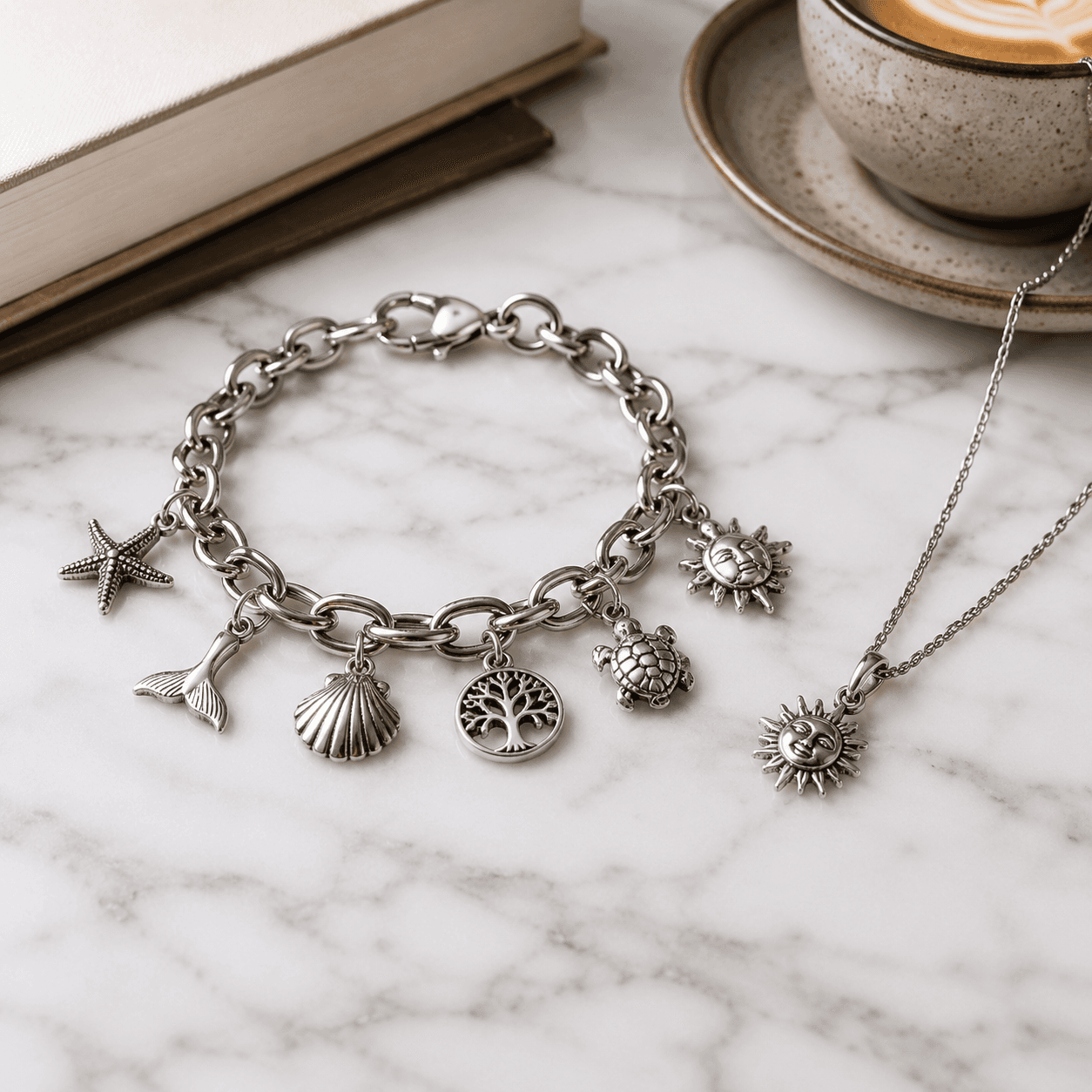
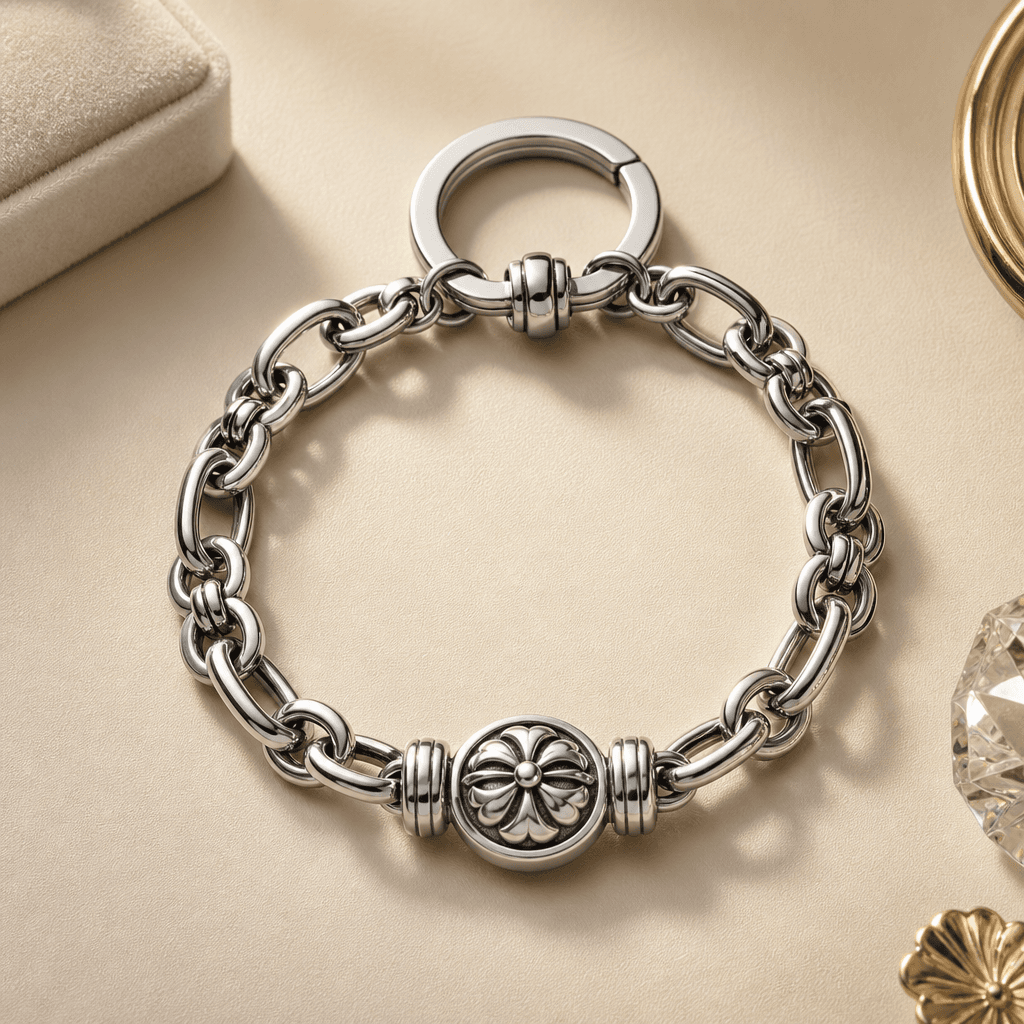
At its core, a keychain that will carry charms must balance mechanical performance, surface integrity, and compatibility with finishes and decorative inserts. The keyword here—stainless steel keychain for charms—frames a product category where durable base metal partnerships are non-negotiable. Lancy Jewelry operates as an OEM charms manufacturer and ODM charm supplier, specializing in 316L stainless steel charms and related keychain hardware for boutique brands and private-label programs. We consistently align material science with production methods to ensure scalable, defect-minimized results across markets.
Sub-points
- 316L stainless steel as the base: corrosion resistance, mechanical strength, and biocompatibility considerations relevant to long-term duty cycles in keychains and charm attachments.
- Alloy chemistry: chromium content, nickel stabilization, and the role of molybdenum in pitting resistance and overall hardness.
- Surface engineering: PVD plating options (gold, rose gold, silver finishes), enamel fill, and crystal inlay compatibility for 316L substrates.
- Manufacturing workflow: CNC shaping, laser cutting, welding, and polishing steps that influence surface finish quality and dimensional accuracy.
- Quality and compliance: SGS certifications (RoHS, REACH, Nickel Release EN1811, Salt Spray 240H) and their impact on global acceptance and private-label packaging.
Benefits/Why it matters
Key benefits for 316L stainless steel keychain charms
Why does material chemistry matter for keychains that carry charms? Because the base metal sets the ceiling for finish durability, environmental resilience, and compatibility with decorative techniques. The following benefits are particularly relevant for designers and procurement teams working with OEM/ODM partners.
- Corrosion resistance and durability: 316L stainless steel delivers strong resistance to saline and humidity exposure, which is especially important for items that may be worn during travel, in humid climates, or in corrosive environments (e.g., near salt spray). This resilience underpins long-term aesthetic retention and minimal maintenance.
- Finish versatility: the 316L substrate accepts a wide range of surface treatments—PVD plating, enamel fills, and crystal inlays—without compromising adhesion or tarnish resistance. This enables boutique-ready finishes that meet brand aesthetics while preserving functional integrity in the attachment points (bail, jump rings, and connectors).
- Consistency and compatibility with private-label packaging: consistent plating quality across batches ensures that private-label programs retain a uniform look, reducing post-production QA time and enabling reliable wholesale or bulk charm orders.
- Certification-backed reliability: SGS-certified RoHS, REACH, Nickel Release EN1811, and Salt Spray 240H testing provide independent validation for compliance and durability, a critical factor for cross-border sales and retailer confidence.
- Manufacturing discipline and traceability: a modern facility with CNC, laser cutting, laser marking, welding, and polishing, combined with controlled finishing processes, results in repeatable geometry and surface finish, essential for multi-project portfolios and SKU expansion.
In practical terms, these advantages translate to fewer design iterations, faster time-to-market for new series, and confidence for private-label buyers that their branding assets will integrate cleanly with durable hardware. For designers exploring a kit of parts—key rings, clasps, chains, and charms—the 316L stainless steel base reduces risk while expanding finish and decorative options. OEM/ODM partnerships are well-suited to capitalize on these strengths, especially when combined with a low MOQ charm production approach and robust sample development programs.
Detailed analysis / Guide
1) Material science fundamentals: 316L alloy chemistry
316L stainless steel is a low-carbon variant of 316 stainless, designed to resist sensitization during welding and to maintain corrosion resistance in welded joints. The key compositional elements typically include chromium (Cr) around 16-18%, nickel (Ni) around 10-14%, and molybdenum (Mo) around 2-3%. The low carbon (L) designation reduces carbide precipitation at grain boundaries, which helps preserve corrosion resistance after heat exposure during manufacturing steps like welding and polishing of small parts such as charms and key rings. The chromium content forms a passive chromium oxide layer that self-repairs after minor scratches, a property that is especially valuable for items exposed to moisture, sweat, and variables in climate across markets like the US, EU, UK, AU, CA, DE, FR, SP, NE, RU.
From a chemistry perspective, nickel acts as a stabilizer that enhances ductility and toughness, which is important when forming small features—holes for jumps rings, unlocking mechanisms in clasps, and delicate bail attachments. Molybdenum improves pitting resistance in chloride-rich environments, such as coastal regions or use scenarios where the product might encounter salt spray or humid air. When you consider finishes such as PVD plating, the metal’s ability to hold an adherent, uniform coating without compromising the base microstructure is critical. In this context, 316L stainless steel provides a robust platform for decorative finishes without sacrificing structural performance.
2) Surface engineering options: PVD, enamel, and crystal inlays
PVD plating creates a durable, uniform coating that dramatically expands styling options while maintaining core metal properties. For 316L stainless steel keychains and charms, PVD can deliver gold plated, rose gold plating, silver finish, and even color tones that align with boutique brand palettes. The PVD process adheres best when the substrate is properly cleaned, etched for roughness control, and passivated to preserve corrosion resistance beneath the coating. Enamel color filling adds another layer of design versatility. Enamel requires surface preparation and careful control of filling and curing to avoid micro-cracking or wear at high-contact points such as jump ring interfaces and bail holes. Crystal inlay offers a premium aesthetic but demands precision to ensure the stones or crystals are securely set within a plaque or inlay region without compromising the integrity of the 316L base.
3) Manufacturing workflow: from raw sheet to finished charm
The production sequence typically follows these steps, each impacting final tolerances and finish quality:
- Design blessing and CAD programming: specify exact bail size, jump ring openings, and hole placements to ensure compatibility with chosen chain or key ring hardware.
- CNC shaping and wire erosion for fine details: CNC milling transitions to wire erosion for tiny contours that would otherwise be damaged by aggressive tooling.
- Laser cutting and engraving: precise cutting and optional logo engraving or serial marking for traceability as part of the OEM/ODM offering.
- Welding and assembly: securing attachment points and ensuring small connectors remain flush and functional; this step sets the stage for robust passivation and cleaning.
- Polishing and surface finishing: achieving the desired luster, smoothness, and uniformity across the charm and any attached hardware.
- Surface treatment: PVD plating, enamel filling, or crystal settings; post-treatment inspection ensures adhesion and aesthetic consistency.
- Quality control and packaging: SGS-compliant tests and packaging that aligns with private-label branding requirements.
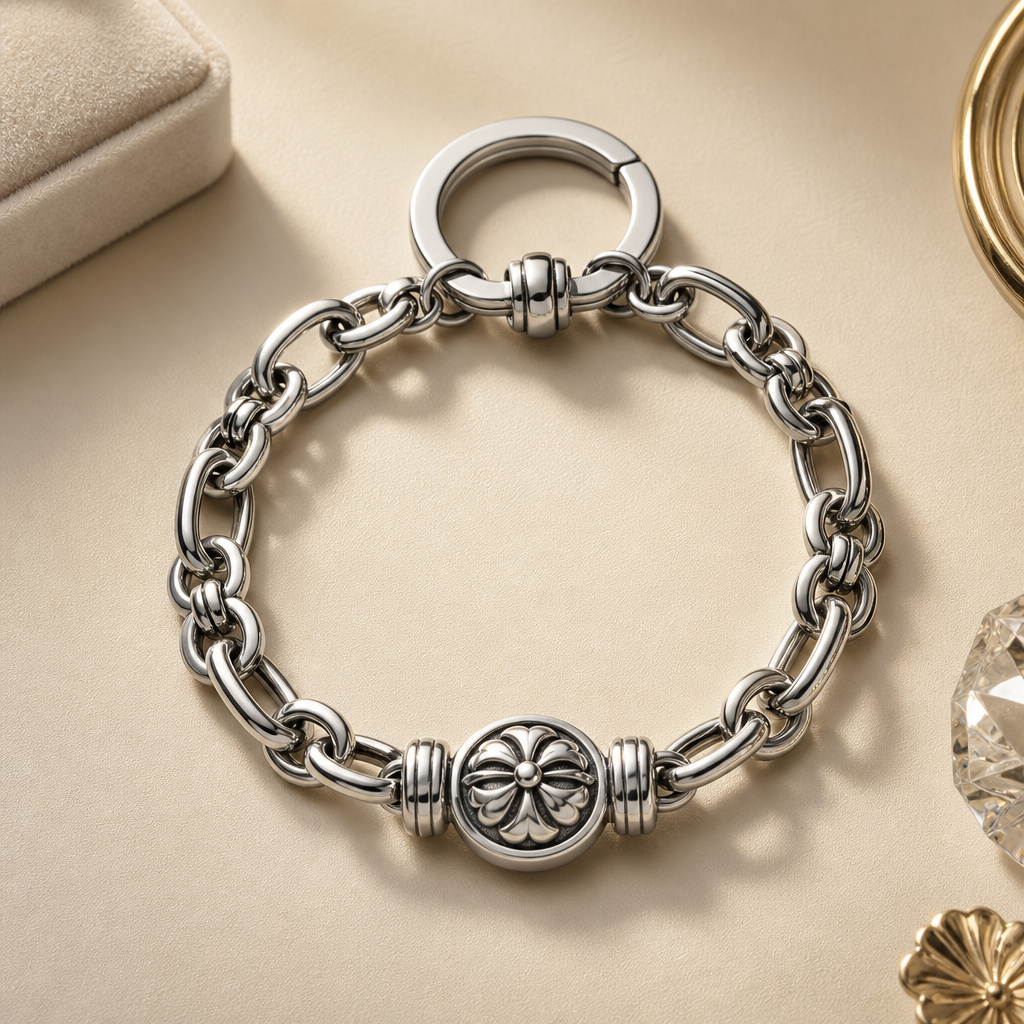
4) Finishing strategies for design parity across markets
When designing for cross-market appeal, finishing strategies must balance cost, durability, and branding. PVD gold plating can deliver a warm, premium look with scratch resistance that suits high-visibility applications like charm bars and boutique gift programs. Silver finishes provide a clean, modern tone that complements enamel fills and crystal inlays, while rose gold options offer a contemporary, trend-aware aesthetic. Importantly, these finishes are applied to the 316L base to maintain base corrosion resistance and mechanical integrity. For private-label programs, consistent plating quality is crucial to ensure uniform appearance across large private-label releases and monthly replenishment orders. Lancy Jewelry emphasizes low MOQ charm production to enable boutique brands to test new finishes and silhouettes without tying up extensive capital.
5) Quality assurance and certifications
Certification is not just a checkbox; it is a performance guarantee. Our SGS-certified processes cover RoHS and REACH compliance, Nickel Release EN1811 testing, and Salt Spray 240H durability, providing external validation for retailers and brands that require rigorous compliance and reliability. Certification credentials matter for private-label packaging, where end customers expect consistent, compliance-forward materials. This assurance supports wholesale stainless steel charms programs and reduces risk in vendor selection for global distribution networks. It also reinforces confidence in sample development timelines and the ability to scale from a first run to bulk charm orders without compromising quality or brand integrity.
FAQ
Q1: What makes 316L stainless steel ideal for keychain charms?
A1: 316L stainless steel combines excellent corrosion resistance, mechanical strength, and formability, which are critical for small hardware components like bail attachments and ring interfaces. The low carbon content reduces sensitization risk during welding, helping to maintain corrosion resistance in welded joints. For charm programs, this translates to durable, long-lasting hardware that accepts varied finishes (PVD, enamel, crystals) without compromising performance.
Q2: What certifications does Lancy Jewelry carry and how do they impact projects?
A2: Lancy Jewelry maintains SGS certifications covering RoHS, REACH, Nickel Release EN1811, and Salt Spray 240H. These certifications provide independent validation of compliance and durability, which can accelerate approvals with global retailers and help ensure smooth market entry for private-label offerings and OEM/ODM collaborations. They also support the integrity of sample development and the scaling process for bulk charm orders.
Q3: How does Lancy handle private-label packaging and MOQ considerations?
A3: We offer private-label packaging and low MOQ charm production to reduce upfront risk for boutique brands and private-label buyers. This approach enables brands to test designs, finishes, and collections with real market feedback before committing to larger production runs. For ongoing programs, our manufacturing capabilities support consistent plating quality and reliable lead times across multiple SKUs, helping you scale from initial samples to full catalog deployment. If you need further flexibility, our team can discuss an OEM or ODM pathway to tailor logos, packaging, and documentation to your brand standards.
Q4: What are the recommended steps for a new 316L stainless steel charm project?
A4: Start with a clear design brief that specifies finish preferences (PVD plating types), tolerances, bail size, and attachment interfaces. Then evaluate the supply chain against a defined BOM, request a sample for evaluation (including logo engraving if applicable), and confirm compatibility with your chosen packaging and SKU strategy. Finally, align on a private-label plan, MOQs, and a rollout schedule that matches your catalog cadence. If you require rapid iteration, a structured sample development program with defined milestones can shorten the path from concept to first production run. For a partner that can manage both design and manufacturing under one roof, consider engaging with an OEM/ODM supplier like Lancy Jewelry through our dedicated pages: OEM service and contact sales for a tailored proposal.
Call to action
Partner with Lancy Jewelry to access a dedicated OEM/ODM supply chain for 316L stainless steel charms and keychain hardware. Our modern facility—equipped with CNC, laser cutting, laser marking, welding, and polishing—delivers consistent plating quality, low MOQs, and a robust sample development program to support your private-label or wholesale needs. If you are a jewelry designer or sourcing manager seeking reliable stainless steel charms manufacturer capabilities, we invite you to explore our OEM services or request a quick quote via Request a Quote. For ongoing collaboration and brand-building opportunities, connect with our team through Sales and begin the journey from concept to market-ready collections.