Stainless Steel Car Key Charms: Supplier Evaluation and Sourcing Guide
For jewelry designers working on car key charm programs, the supplier stage is where quality, consistency, and speed-to-market are won or lost. This sourcing guide focuses on 316L stainless steel car key charms, detailing how to evaluate material properties, coatings, finishing processes, and factory capabilities. It presents a practical framework to identify partners that can deliver not only a reliable base charm but also OEM/ODM options, private-label packaging, and scalable production. As a reference point, Lancy Jewelry operates a modern facility with CNC, laser cutting, laser marking, welding, and polishing, backed by SGS certifications (RoHS, REACH, Nickel Release EN1811, Salt Spray 240H). If you are seeking a true factory-direct partner that can support low MOQ charm production and fast sample development, this guide will help you structure a rigorous supplier assessment. For a direct overview of our OEM capabilities, visit /oem, or start a quote through /cart. You can also connect with our team via /contact for personalized guidance.
Main topic: Stainless Steel Car Key Charms Supplier Sourcing and Evaluation
Sub-point: Why 316L stainless steel is the right base for car key charms
316L stainless steel offers a balance of formability, corrosion resistance, and weldability that is especially valuable for car key charms. The low-carbon version, 316L, reduces sensitization risk during welding and finishing, helping to maintain structural integrity across complex shapes and attachments. The alloy typically comprises chromium for passivity, nickel for corrosion resistance, and molybdenum to improve pitting resistance in chloride environments. This combination yields a durable surface that accepts decorative finishes—PVD plating, enamel fills, and crystal inlays—without sacrificing strength or long-term color stability. In a global product line, 316L stainless steel charms provide dependable performance from the workshop floor to daily wear, regardless of climate or humidity. When evaluating suppliers, confirm the material specification (316L with traceable composition and compliance data), and request test reports that demonstrate consistent corrosion resistance and low nickel release in line with RoHS and EN1811 standards.
Sub-point: Material chemistry and alloy composition you should know
Beyond the generic label 316L, buyers should seek a clear data sheet that confirms typical composition ranges: chromium around 16–18%, nickel around 10–14%, molybdenum around 2–3%, carbon kept low (0.03% max) to minimize carbide precipitation. The low carbon content (the “L” in 316L) is critical for builders who plan welding and plating routes, as it reduces sensitization during thermal processes. Suppliers should also provide information on non-metallic residuals, surface cleanliness (etch and pickling processes), and any surface finishing compatibility notes with PVD plating, enamel filling, or crystal inlays. If your project requires specific heat treatment or passivation, request documented procedures and post-treatment testing results. A credible supplier will align alloy chemistry with your design goals—long-term color stability, edge definition for laser engraving, and compatibility with private-label packaging options.
Sub-point: Coatings and finishes to consider: PVD, enamel, and crystal inlays
Car key charms commonly feature PVD plating (including gold plate or rose gold options) and enamel color fills, sometimes in combination with crystal inlays for accents. PVD offers superior wear resistance and color stability versus traditional electroplating, while enamel fills provide bold, durable color at precise tolerances. When sourcing, verify coating thickness targets, color uniformity across lots, adhesion strength, and resistance to chipping or crazing under keyring flexion. Enamel and crystal applications should be backed by process controls, including curing temperatures, curing times, resin type, and crystal setting methods. A supplier that can demonstrate consistent plating quality and controlled color variance across batches typically reduces downstream QC issues on loop-through attachments and bail connections. Ask for third-party test results (where available) and a sample set that includes plated, enamel-filled, and crystal-inlaid variants.
Sub-point: Factory capabilities that matter for repeated, global orders
The right supplier combines a capable production floor with process discipline. Look for: CNC machining for tight tolerances, laser cutting for intricate shapes, laser marking for branding, and welding/polishing lines to finish edges cleanly. Private-label packaging capabilities, including carton design, label printing, and compliance-ready product sheets, help scale boutique or gift programs. A true OEM/ODM partner will also offer sample development workflows, including rapid prototyping, design feedback loops, and a clear RFQ process. At Lancy Jewelry, this capability set is supported by a modern facility and data-driven quality controls designed to meet global requirements while maintaining low MOQ charm production when needed. For direct information on our OEM/ODM framework, explore /oem; to initiate a quote, use /cart; and for general inquiries, contact /contact.
Sub-point: Certifications and compliance you should verify
Regulatory compliance is a critical risk control factor. In practice, verify an SGS-certified path that covers RoHS, REACH, Nickel Release EN1811, and Salt Spray 240H testing. Documentation should accompany material data sheets, plating process specifications, and finish allowance data. Certification visibility supports supplier audits across regions (US, EU, UK, AU, CA, DE, FR, SP, NE, RU) and helps ensure that private-label packaging and labeling meet local regulations. A supplier with transparent test records and ongoing compliance monitoring reduces post-launch issues and facilitates smoother market entry for your program.
Sub-point: Visual/physical cues to judge supplier readiness
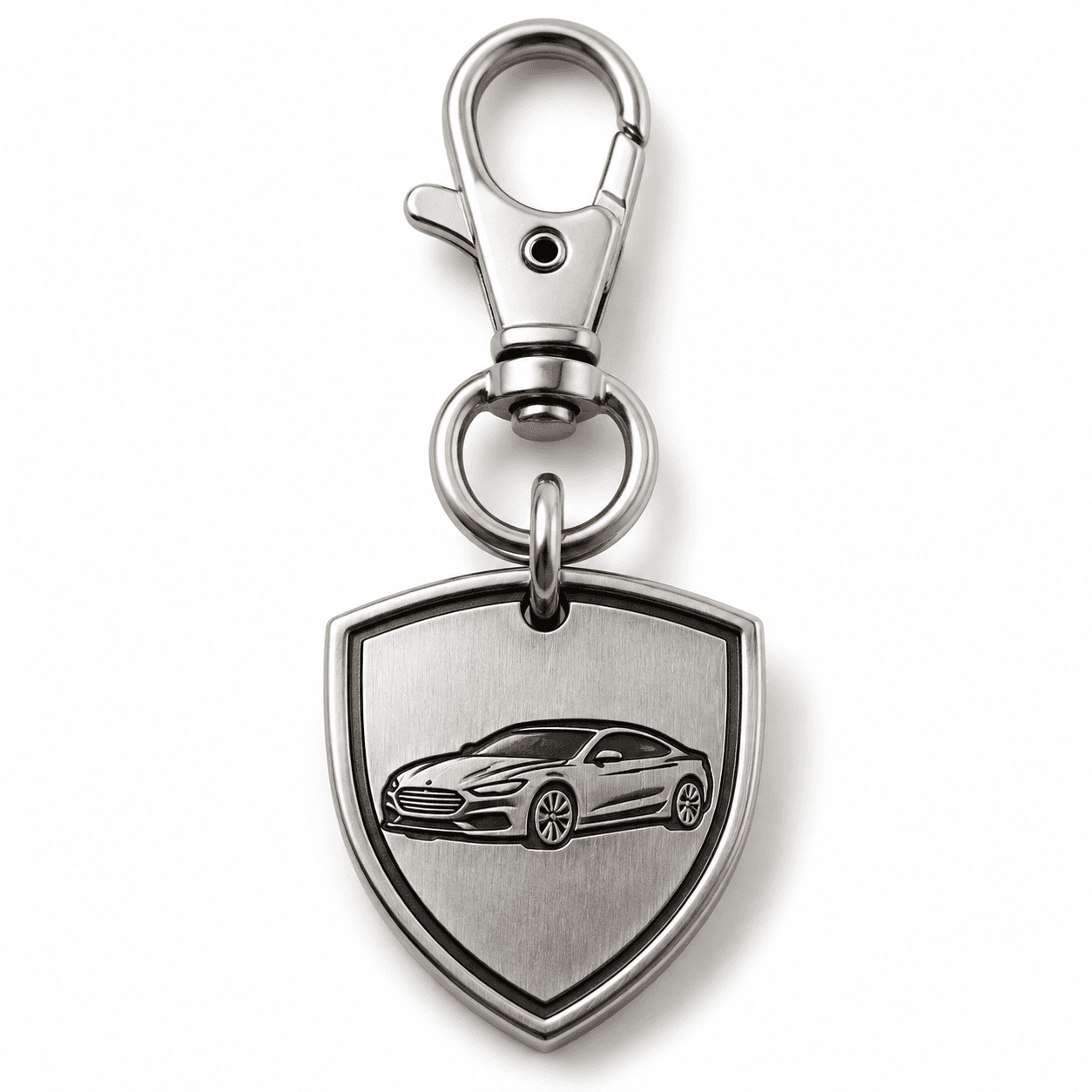
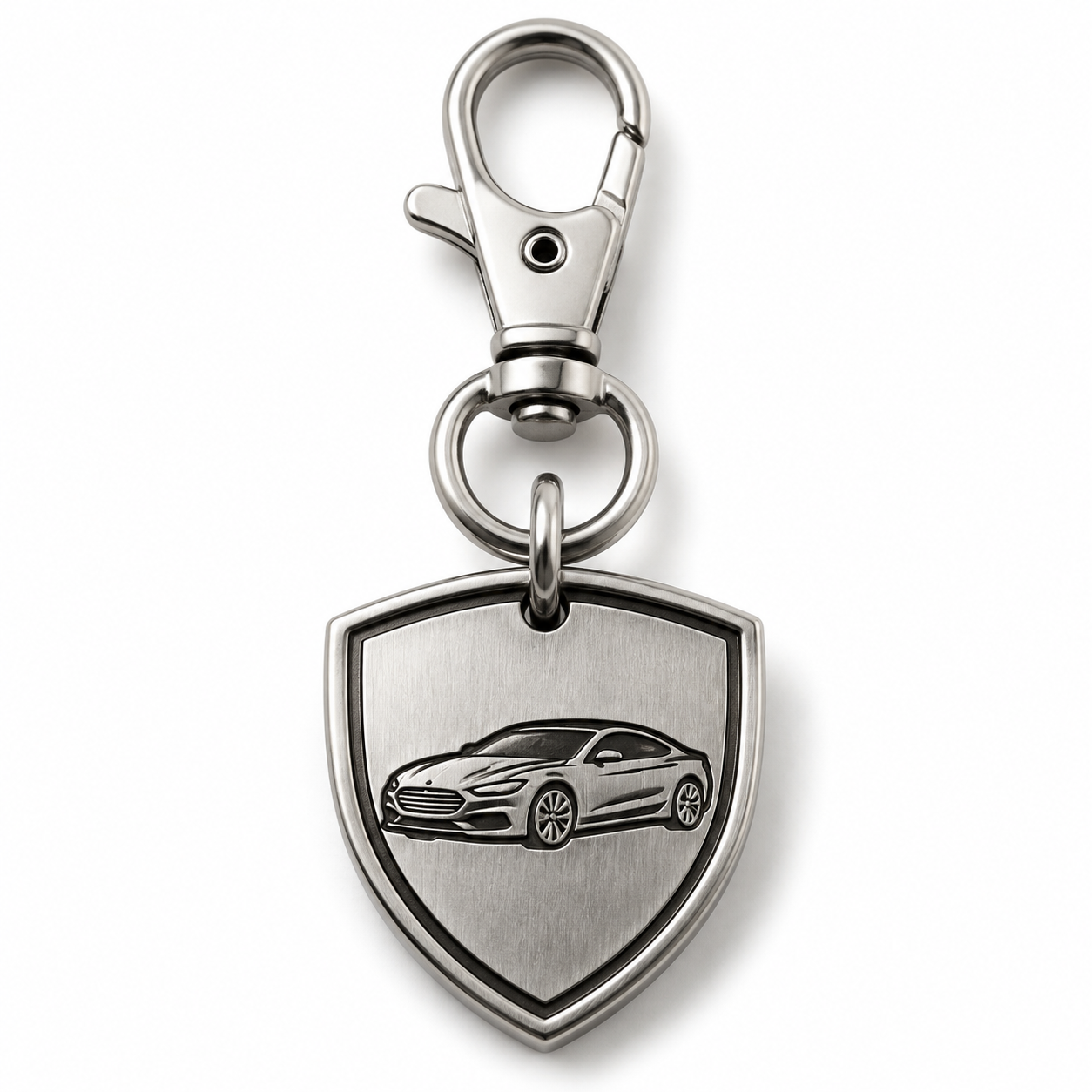
From a practical standpoint, look for evidence of a well-organized quality system, traceable lot numbering, and consistent process controls. A capable partner should present a clear engineering change notice system, robust traceability for each batch, and documented capabilities across plating colors and finishes. In a showroom or sample environment, expect to see isolated examples of 316L stainless steel car key charms with various finishes, attachments, and sizes that demonstrate how your design variants could be scaled. If you want a ready reference, a sample of a 316L stainless steel car key charm with a visible bail, thread-through holes, and a fused clasp should be physically plausible and representative of the final product intended for market.
Benefits and Why It Matters: Key Advantages of Working with a Reputable 316L Charms Supplier
Sub-point: Practical benefits for jewelry designers and brands
- Low MOQ charm production: When design iterations are ongoing, a supplier with low minimum order quantity reduces upfront risk and accelerates testing cycles.
- Consistent plating quality: Stable finishes across lots minimize color variance and reduce rework in packaging and marketing materials.
- Boutique-ready series planning: A capable partner can map a product family (birthstone or alphabet series, for example) to ensure cohesive visual language and consistent finishes.
- Private-label packaging: Integrated packaging options simplify go-to-market, labeling, and compliance across markets.
- Fast sample development: Quick turnaround for prototypes enables rapid feedback loops with designers and buyers.
Sub-point: Why SGS certifications matter for global sourcing
Global brands require suppliers that demonstrate robust compliance. SGS-backed certifications, including RoHS and REACH, reassure buyers that materials and processes meet cross-border requirements. Nickel-release testing (EN1811) helps ensure consumer safety for nickel-sensitive users, particularly for parts intended to be worn or frequently touched. Salt spray (corrosion) testing helps verify long-term performance in challenging environments. For designers sourcing globally, partnering with an SGS-certified supplier reduces due diligence overhead and improves risk management across markets.
Detailed Analysis and how-to Guide: A Step-by-Step Path to Find and Evaluate Car Key Charm Suppliers
Step 1: Define your product specs and strategic goals
Begin with a clear design brief: required size range (default 8-18 mm, with sub-sizes for delicate charms), attachment method, and desired finishes (PVD gold, silver, rose gold, enamel). Establish whether the program will require private-label packaging, multiple enamel colors, or crystal inlays. Outline target markets and anticipated order volumes to determine whether you need a supplier capable of OEM/ODM development, custom logo engraving, or private-label packaging. Document your must-haves for quality and consistency, including tolerance bands for dimensions and finish color. Sharing a detailed spec with shortlisted suppliers improves the accuracy of quotes and accelerates the validation cycle.
Step 2: Request technical data and certifications early
Ask for material data sheets (MDS), process specifications, and third-party test results. Insist on evidence of 316L composition, plating thickness ranges, and adhesion tests for each finish. Certifications should be current and traceable to the production lot. SGS-certified partners will typically provide a certificate pack with RoHS, REACH, EN1811, and Salt Spray results. A transparent supplier will offer a sample set that includes plated, enamel-filled, and crystal-inlaid variants to verify compatibility with your design language and branding needs.
Step 3: Assess manufacturing capabilities and process controls
Evaluate whether the supplier has the capabilities you require: CNC machining for precise geometry, laser cutting for intricate shapes, laser marking for branding, and welding/polishing for consistent high-quality finishes. Confirm their ability to support OEM or ODM development, including logo engraving and private-label packaging. If you anticipate international distribution, verify that the facility can sustain multiple global warranty and compliance requirements and can scale from sample development to bulk orders without compromising lead times.
Step 4: Request prototypes and conduct a thorough quality check
Speed matters. Request a small batch of prototypes that includes your chosen finishes and a representative attachment configuration. Inspect mechanical fit for jump rings, bail, and any clasps or connectors. Check surface finish uniformity, color uniformity, edge sharpness, and tolerance on key dimensions. For enamel and crystal variants, assess color consistency and setting security. A well-documented feedback loop with the supplier will help refine the design before mass production begins.
Step 5: Evaluate packaging, labeling, and private-label options
Consider whether the supplier can provide private-label packaging aligned with your brand aesthetics. Packaging options may include protective trays, custom cards, and labeling that complies with regional requirements. Embedded design language—icons, font choices, and artwork compatibility—helps reduce post-production rework and speeds up market launch. Ensure the packaging and labeling meet the target market’s regulatory expectations and that any branding elements are reproducible across variants.
Step 6: Build a supplier scorecard and negotiate terms
Create a standardized scorecard to compare suppliers across key dimensions: material quality, plating consistency, lead times, MOQ, price per unit, sample development speed, and post-sale support. For global buyers, incorporate logistics capability and regional sales support. Negotiate terms that align with your business model: favorable MOQ thresholds, scalable lead times, clear RFQ processes, and reliable after-sales support. A strong partner will offer predictable pricing, stable supply, and a transparent path from prototype to full-scale production.
Step 7: Final selection and ongoing relationship management
Choose a partner who demonstrates technical competence, compliance maturity, and a culture of continuous improvement. Establish regular scorecard reviews, quality issue escalation channels, and a cadence for design reviews and production readiness. Embedding a close working relationship with an experienced supplier reduces risk and accelerates time-to-market for your car key charm programs. A true factory-direct partner can become a strategic asset for ongoing product development and private-label growth.
Frequently Asked Questions (FAQ)
Q1: What is a typical MOQ for car key charm projects with private-label packaging?
A typical MOQ varies by finish, complexity, and packaging requirements. Many reputable partners offer low MOQs for initial testing and prototype validation, followed by scalable production for larger orders. Discuss your target volumes and lead times with the supplier to negotiate a practical MOQ that aligns with your launch plan. For partners with a strong OEM/ODM capability, you can often start with a modest MOQ while maintaining quality and finish consistency across runs.
Q2: How long does sample development usually take?
Sample development timelines depend on the complexity of the finish and the presence of logo engraving or private-label packaging. A well-coordinated workflow typically ranges from 1 to 3 weeks for initial prototypes, with additional iterations as needed. Working with a supplier that maintains a defined sample development process and clear feedback cycles helps minimize delays and align expectations across design, procurement, and manufacturing teams.
Q3: Do you offer private-label packaging and labeling options?
Yes. Many 316L stainless steel charm manufacturers, including Lancy Jewelry, provide private-label packaging options and branding support. This can include custom packaging designs, labeling, and documentation aligned with regional requirements. When discussing private-label needs, be explicit about packaging formats, branding elements, and any regulatory labeling expectations to ensure a smooth handoff from design to distribution.
Q4: Are 316L stainless steel car key charms compliant with RoHS and EN1811 nickel-release standards?
Compliance is a critical risk-control factor for global distribution. Reputable suppliers should provide SGS-certified documentation for RoHS, REACH, Nickel Release EN1811, and Salt Spray tests. These certifications help ensure your product meets regional requirements and reduces the burden of third-party audits during market entry. If a supplier cannot provide certification documentation, treat that as a red flag and request more information before proceeding.
Call to Action: Partner With Us
If you are seeking a reliable, factory-direct partner for 316L stainless steel car key charms, consider Lancy Jewelry as your OEM/ODM collaborator. We offer robust manufacturing capabilities, low MOQ flexibility, consistent plating quality, and private-label packaging options designed for boutique brands and private-label buyers. Start a conversation today to align on your design, finishes, and production roadmap. Explore our OEM capabilities to understand how we tailor charm development to your brand, or initiate a quote through Request a Quote. For direct inquiries, reach out via Contact and tell us about your private-label goals and global distribution needs. You can also browse our catalog and material options at All Products to help shape your design language.