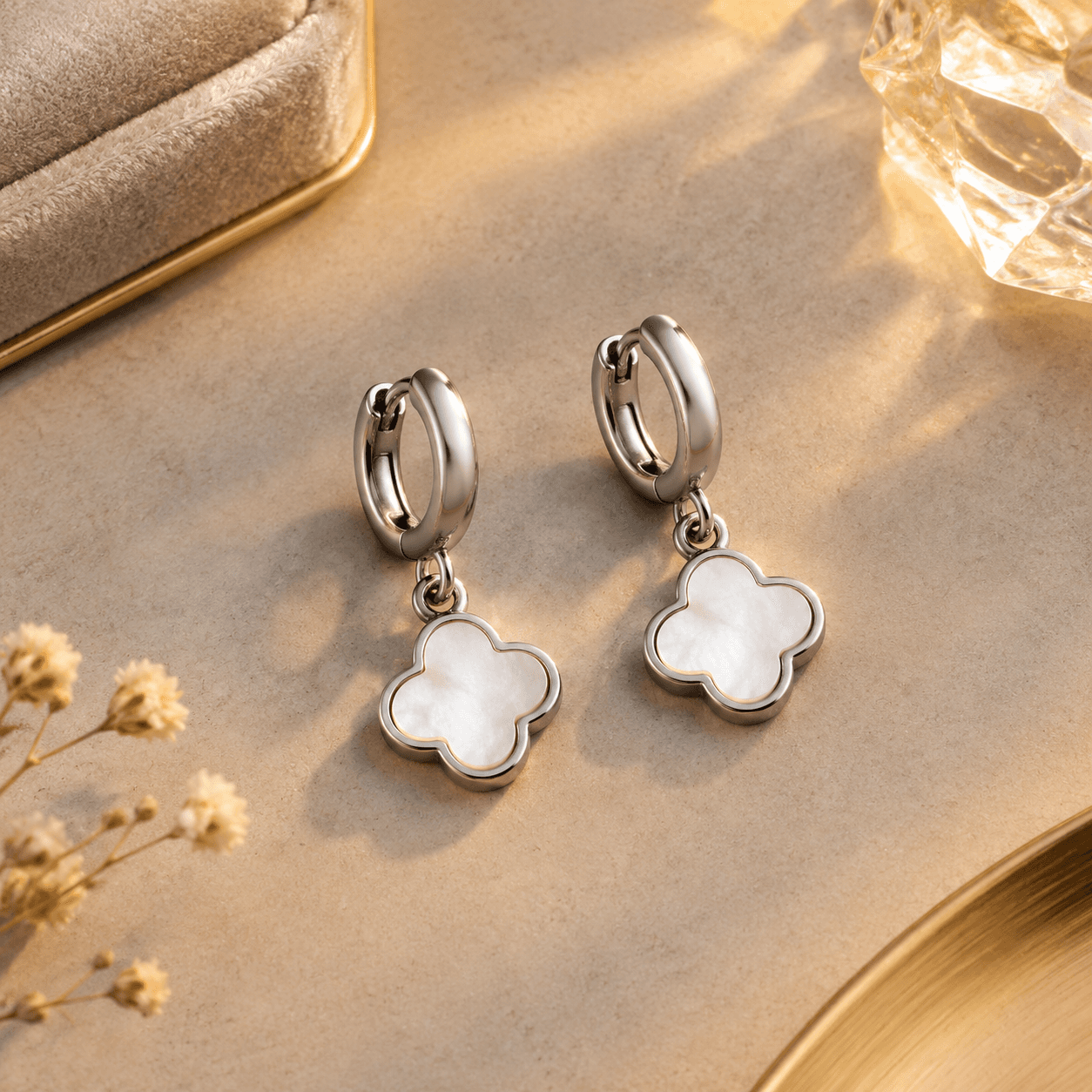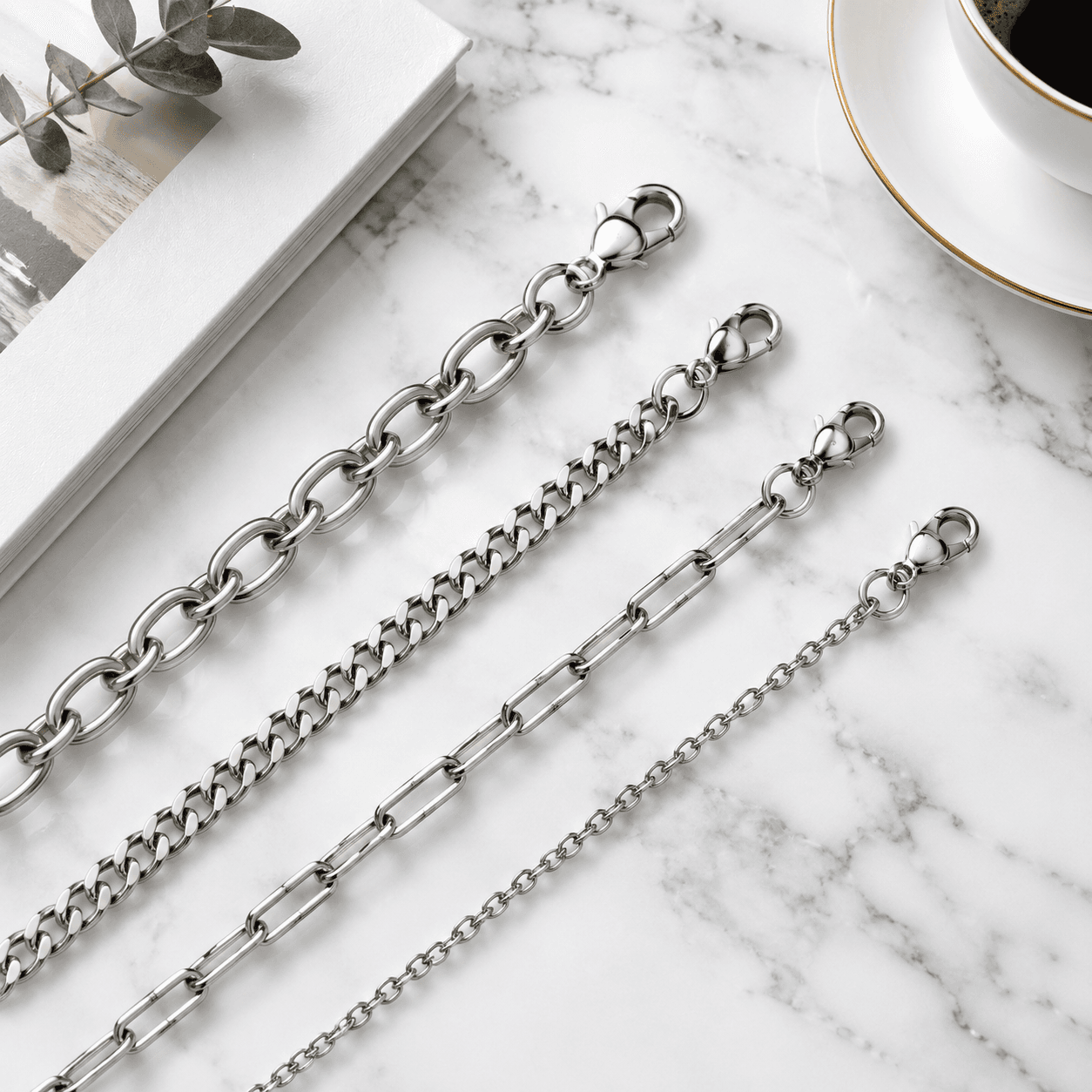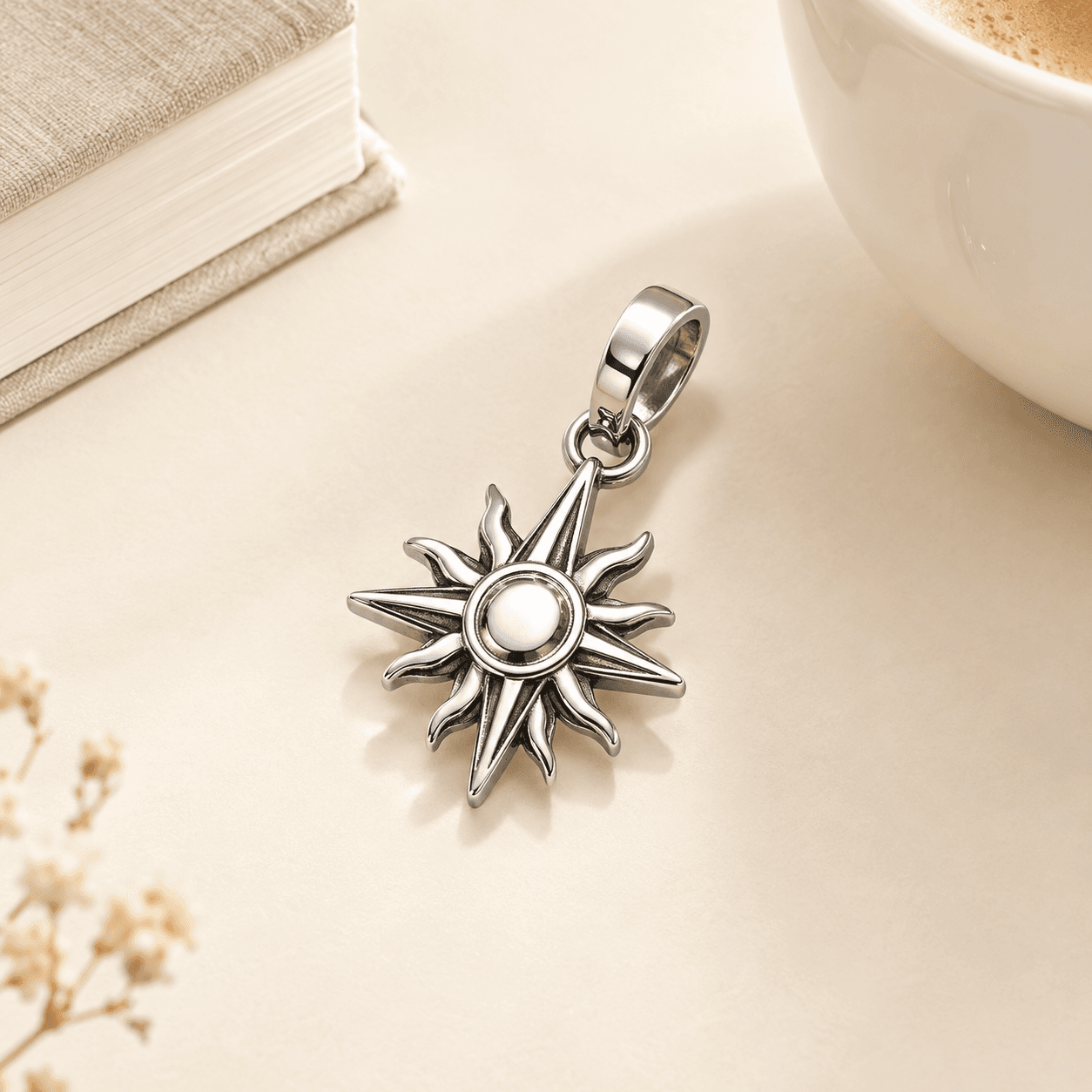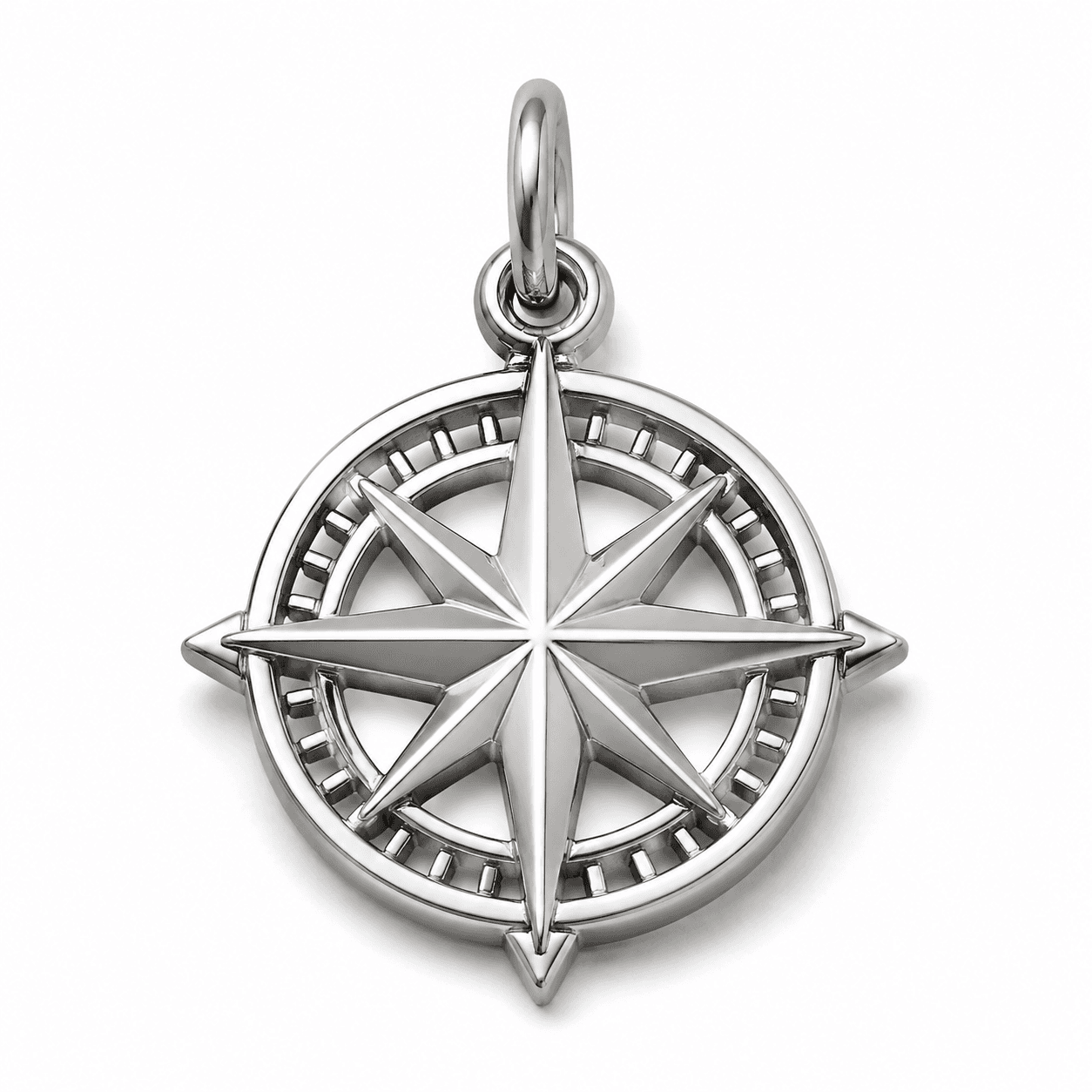
Wholesale buyers in the charm market face a crowded field. This sourcing guide from Lancy Jewelry helps you locate and evaluate reliable suppliers of 316L stainless steel charms, with a focus on material integrity, process controls, and margins. By understanding metallurgy, finishes, and factory capabilities, you can build a supply chain that scales from sample development to bulk orders.
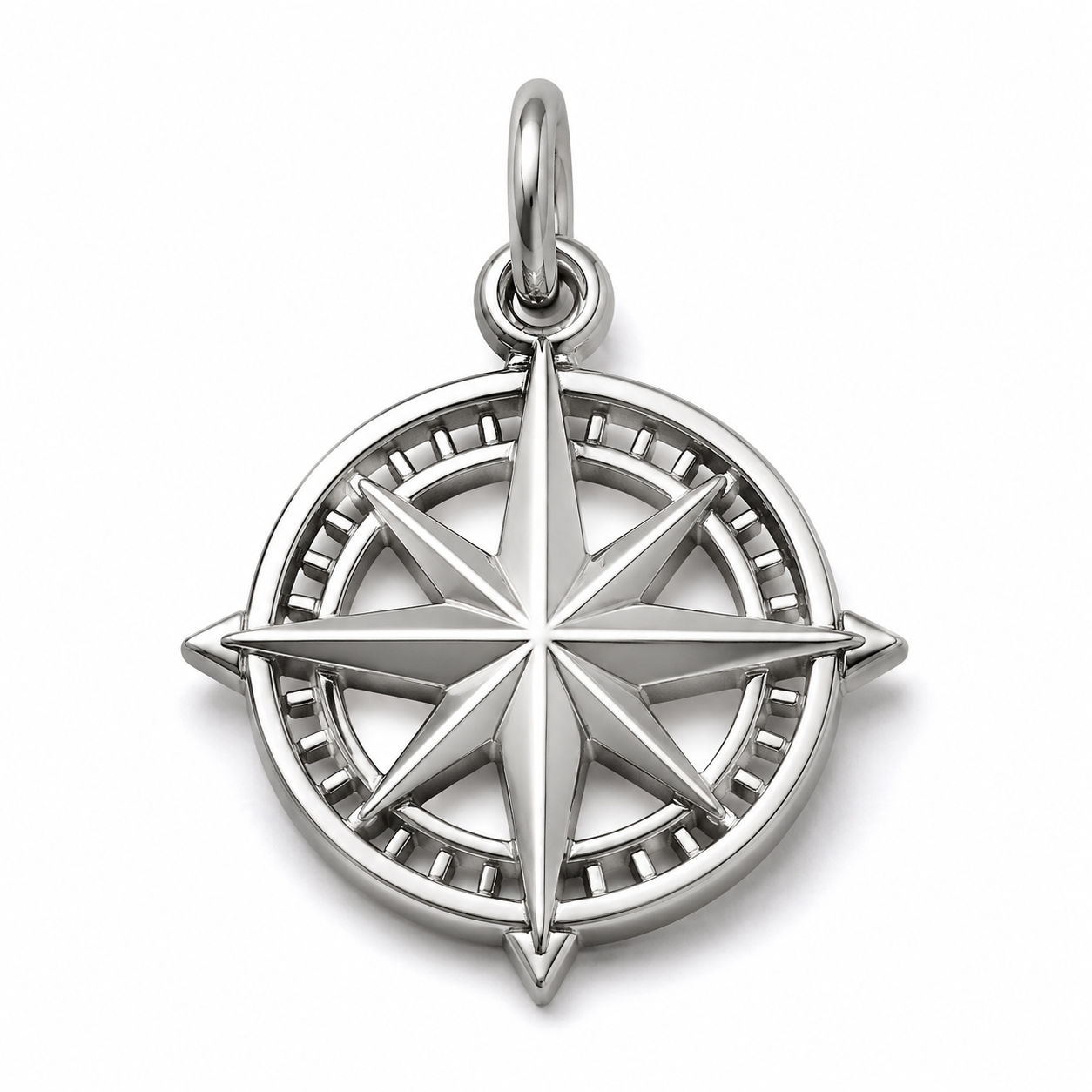
316L Stainless Steel Charm Wholesale: How to Find and Vet Suppliers
1) Define your sourcing criteria
As a stainless steel charms manufacturer, translate business goals into precise supplier criteria. For 316L stainless steel charms, focus on material integrity, finish options, manufacturing capabilities, packaging options, and traceability. For boutique brands and private-label buyers, prioritize consistent plating quality, reliable lead times, and private-label packaging support. Your brief should specify 316L as the base material, with optional finishes such as PVD plating (gold, rose gold, or silver), enamel color filling, and crystal inlays. This clarity helps filter out unsuitable candidates early and aligns expectations with OEM charms manufacturer and ODM charm supplier partners.
Key decision factors to document include:
- Material specification: 316L stainless steel, composition targets, and RoHS/REACH considerations where applicable.
- Finish capabilities: plating thickness control, color range, enamel compatibility, and crystal setting capability.
- Manufacturing expertise: CNC machining, laser cutting/marking, welding, polishing, and logo engraving.
- MOQ and pricing model: low MOQ options, tiered pricing, and sample-to-bulk transition terms.
- Quality controls: in-process inspections, final QA checks, and testing reports where available.
- Packaging and private-label options: packaging design, branding, and protective packaging requirements.
2) Decode the material science: why 316L matters for charms
316L stainless steel is a durable base for gift-ready charms. Its chemistry supports corrosion resistance, formability, and plating compatibility. Key elements include chromium for passivation, nickel for a stable austenitic structure, and molybdenum for enhanced corrosion resistance. In practice, 316L offers:
- Excellent resistance to corrosion and staining in daily wear, sweat, and humidity.
- Good ductility for intricate silhouettes and fine engravings.
- Strong compatibility with finishes such as PVD gold, silver, rose gold, enamel fills, and crystal inlays.
For sourcing teams, request typical composition ranges and test data related to nickel release (EN1811) and salt spray resistance (ASTM/B 117 style). SGS-certified factories with RoHS/REACH documentation and EN1811 nickel-release testing offer stronger risk mitigation for gift programs and boutique channels.
3) Finishes and compatibility: PVD, enamel, and crystal
Finish consistency is a key quality gate in wholesale programs. A 316L base with PVD plating enables durable color options; enamel fills provide branding versatility; crystal inlays add premium sparkle. When evaluating suppliers, verify:
- Plating thickness control and post-plating inspection results to minimize dulling or chipping over time.
- Adhesion strength of enamel and color stability with wear and cleaning.
- Quality of crystal setting, including depth, uniformity, and retention risk during handling.
Consider how finishes behave through private-label packaging workflows and expected shelf-life across markets in the US, EU, UK, AU, CA, and beyond.
4) Manufacturing capabilities you should expect from a reliable supplier
A robust 316L stainless steel charms supplier should offer a complete OEM/ODM suite, including:
- Logo engraving and branding on the charm backside or rim.
- PVD plating options with precise color control and documented thickness.
- Enamel color filling with color-matching capabilities and bake stability testing.
- Crystal setting or decorative inlays with consistent alignment and bonding.
- Private-label packaging design and production with compliant labeling and branding options.
- Sample support to enable quick iteration from concept to production-ready parts.
Request examples of finished parts and a capabilities summary. A modern facility with CNC, laser cutting, laser marking, welding, and polishing—such as Lancy Jewelry—typically delivers higher consistency in form and finish. Confirm the partner can deliver both one-off samples and scalable production for bulk charm orders with reliable lead times.
5) Pricing, MOQs, and sample development: a practical framework
Pricing matters in wholesale programs, but quality must not be compromised. A practical framework includes:
- Transparent pricing tiers based on order quantity, with clear MOQs per SKU.
- Low MOQ options for private-label launches to minimize initial risk.
- Clear terms for sample development, including costs, timelines, and reimbursement against first bulk orders where applicable.
- Discounts tied to longer commitments and multiple SKUs in a single purchase order.
Ask for a sample packet that demonstrates typical finishes, engravings, enamel fills, and crystal settings. Fast sample development is a strong indicator of a supplier’s responsiveness and a healthy long-term partnership.
6) Certification and risk management: why certifications matter
Certification reduces risk across global markets. For 316L stainless steel charms, ensure the supplier holds RoHS/REACH certifications, plus EN1811 nickel-release testing and salt spray testing. Documented process controls, traceability, and QC methodologies further reduce risk across production lots.
7) Private-label packaging and branding considerations
Private-label packaging is a core value for boutique brands. A capable supplier should support packaging options aligned with your branding, including logo placement, packaging materials, and labeling. Confirm whether packaging can be integrated into OEM/ODM workflows and whether lead times fit your product launch calendar. Strong packaging ecosystems reduce post-shipment damage and improve first-time quality in each box.
8) Global sourcing and logistics: planning for cross-market supply
Global markets require adaptable logistics. Assess a supplier’s ability to ship to primary markets with predictable transit times. Discuss Incoterms, carriers, freight terms, and insurance. A factory-direct relationship can yield better pricing and scheduling, but align on lead times, QA checks, and packaging logistics to minimize international risk.
9) Due diligence and supplier risk mitigation
Implement a due diligence step that includes factory visits (or virtual tours), third-party audits where appropriate, and reference checks. Request a short list of recent customers or case studies that illustrate on-time delivery and consistent finishes. If verification is limited, request additional sample sets or a small test order before committing to longer-term supply.
Benefits/Why it matters
Key benefits (with certifications)
- Quality consistency: Modern manufacturing capabilities deliver uniform charm geometry and repeatable finishes.
- Finish reliability: PVD plating, enamel, and crystal inlays meet defined thicknesses and color stability with QC data.
- Compliance and safety: RoHS/REACH and EN1811 testing mitigate regulatory risk across markets.
- Supply chain flexibility: OEM and ODM capabilities, private-label packaging, and sample development support reduce time-to-market for new lines.
- Commercial viability: Low MOQ options and clear MOQs enable healthy margins for wholesale programs.
Detailed analysis/Guide: step-by-step process to vet a 316L stainless steel charm supplier
Step 1: Create a supplier RFP brief
Frame your request with the key capabilities you need: base material 316L stainless steel, finishes (PVD gold, silver, rose gold), enamel options, crystal inlays, logo engraving, private-label packaging, and sample development. Include target MOQs, expected order volumes, and the timeline for the first bulk order. Share a sample brief with your shortlist and request a formal proposal, including price, lead times, and QA procedures.
Step 2: Validate material and finishes
Require documentation on metallurgy and finish processes. Ask for a composition overview, plating thickness ranges, and enamel bake temperatures. Request a short test sample to inspect color stability, corrosion resistance, and the integrity of crystal settings. Confirm finishes align with your cleaning and packaging workflows.
Step 3: Inspect capabilities and QC
Review the factory’s CNC, laser, welding, and polishing capabilities. Request photos and process flow diagrams, as well as QC checklists used during production. Obtain a sample QC report or a first-article inspection document. Ensure batch traceability and the ability to provide batch-level certificates for components used in orders.
Step 4: Evaluate MOQs and pricing structures
Discuss MOQs per SKU and whether low MOQ options exist for private-label launches. Compare pricing scales against target margins, including engraving, enamel, and crystal settings if applicable. Plan for price protection across multiple SKUs and ramping up delivery as demand grows.
Step 5: Sample-to-bulk transition
Use the sample phase to measure throughput, defects, and color consistency. Track time to deliver samples and responsiveness to design changes. A partner with fast, predictable sample development and clear reimbursement terms accelerates market entry.
Step 6: Compliance, IP, and branding considerations
Confirm policies on logo engraving, private-label packaging, and branding rights. Ensure there are no IP conflicts and that branding elements remain secure within the supply chain. Verify packaging labels meet destination-market regulations for private-label programs.
Step 7: Final selection and onboarding
After due diligence, select a partner with proven capabilities, reliable lead times, and aligned cost structures. Start with a small pilot order to validate production stability, packaging readiness, and transit reliability. Establish a single point of contact for ongoing communication and integrate the supplier into your procurement workflow.
FAQ
Q: What is 316L stainless steel and why is it preferred for charms?
A: 316L stainless steel is a corrosion-resistant alloy with low carbon content, enabling strong formability and plating compatibility. Its Cr/Ni/Mo composition provides durability for gift-ready charms that endure daily wear and support reliable finishes such as PVD plating and enamel fills.
Q: What should I look for in supplier certifications?
A: Look for RoHS/REACH compliance, plus EN1811 nickel-release testing and salt spray testing. These certifications reduce regulatory risk and support consistent material safety and performance.
Q: How do MOQs affect private-label programs and margins?
A: MOQs influence upfront capital and inventory risk. A supplier offering low MOQ charm production is beneficial for private-label launches and pilot collections, enabling you to test market demand before larger volumes. Ensure pricing scales favorably as volumes grow to protect margins in wholesale channels.
Q: How can I request quotes and samples efficiently?
A: Start with a concise RFP detailing base material, finishes, private-label needs, and MOQs. Request a formal quote and a small set of samples to verify finish quality, engraving, enamel, and settings. For broader collaboration, contact the OEM service team through the main site channels to begin the RFQ and sample development process.
Call to action: Partner With Us
If you are a wholesale buyer seeking a reliable, factory-direct source for 316L stainless steel charms, Lancy Jewelry offers an end-to-end path from concept to bulk orders. Our facility supports CNC, laser cutting, laser marking, welding, and polishing, with RoHS/REACH compliance and EN1811 nickel-release testing. We provide OEM/ODM development, logo engraving, PVD plating, enamel fills, crystal inlays, private-label packaging, and fast sample development—precisely to support wholesale programs and private-label launches.
Explore our capabilities and request a formal RFQ through our site to begin the conversation. You can view our product ecosystems and catalog to understand how our 316L stainless steel charms align with your lines:
- Catalog and product browsing: catalog
- OEM/ODM service: OEM service
- Request a quote (RFQ): Request a Quote
- Contact sales: Contact
Partner with Lancy Jewelry to secure a scalable, compliant, and margin-friendly supply of 316L stainless steel charms for wholesale programs, gift lines, and private-label initiatives. We are dedicated to transparent communication, consistent plating quality, and workshop-grade manufacturing that meets global standards. Our sourcing team is ready to support your private-label strategy and growth plans.