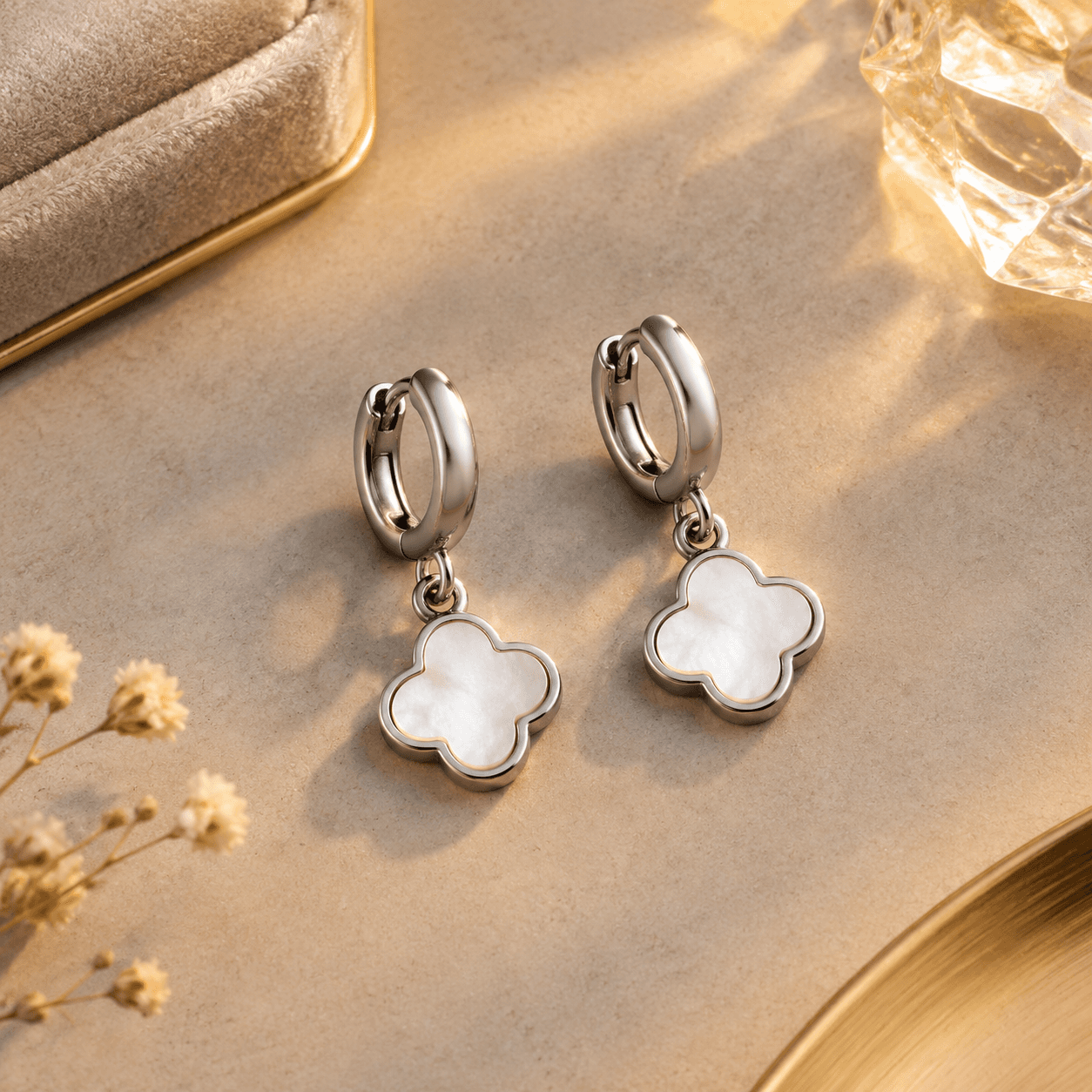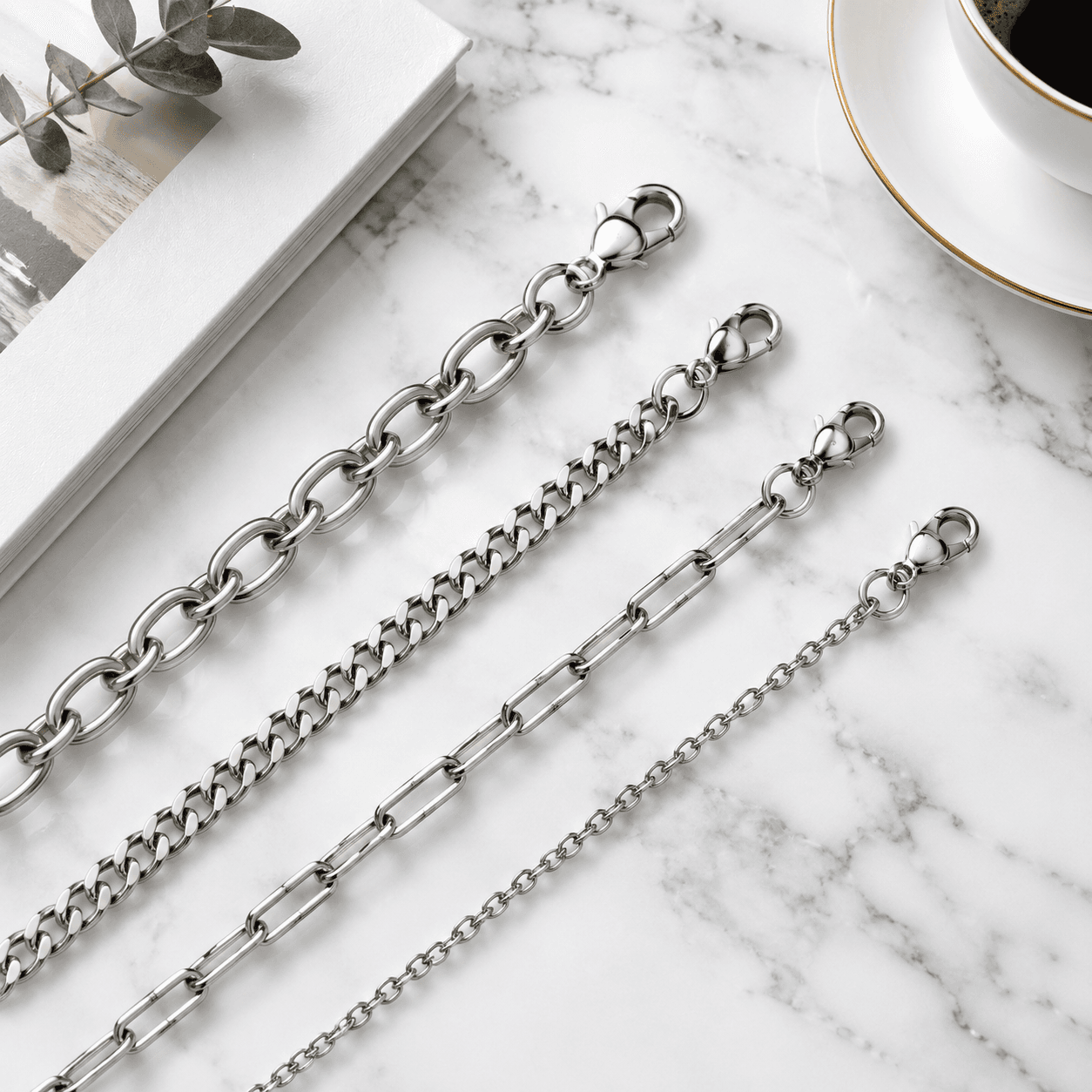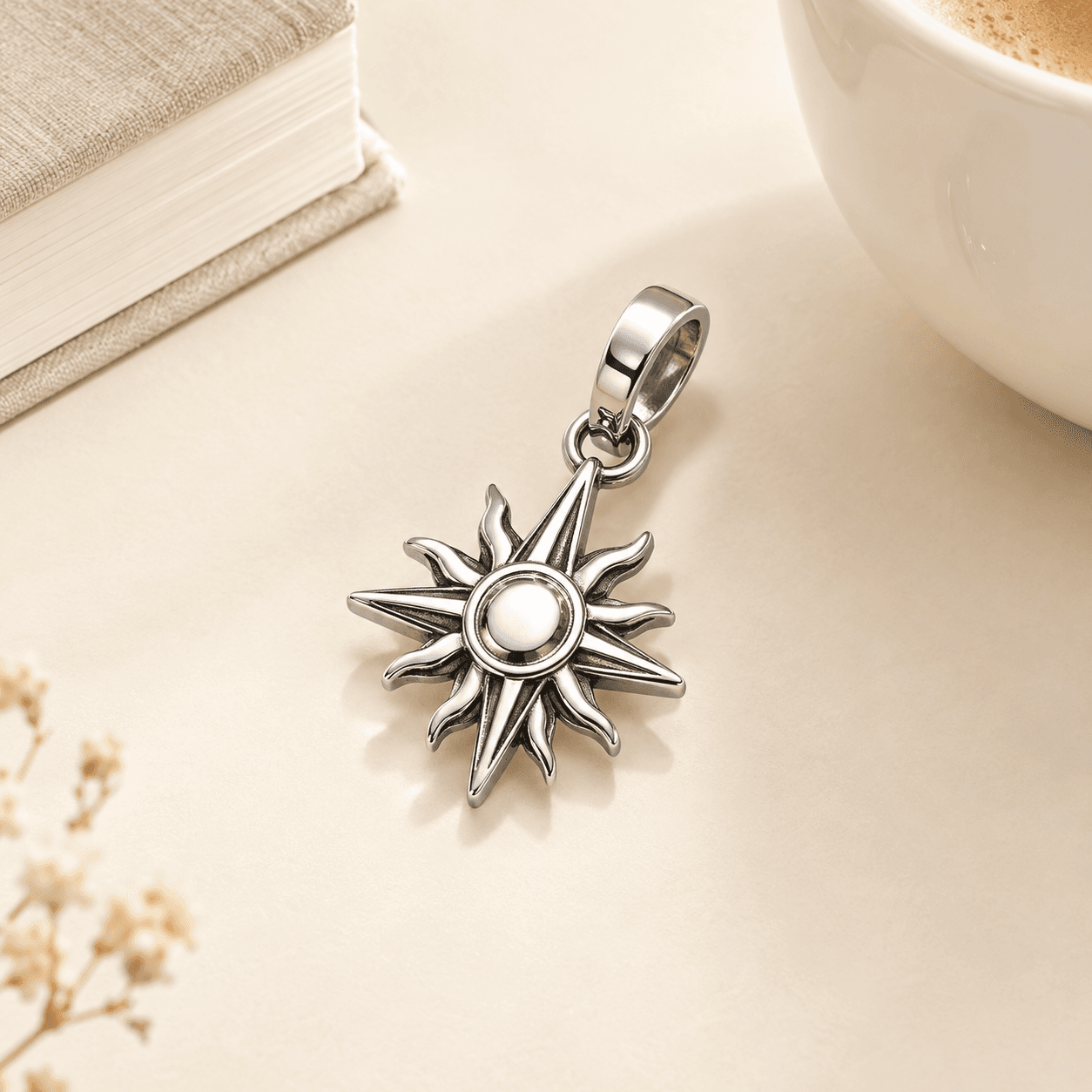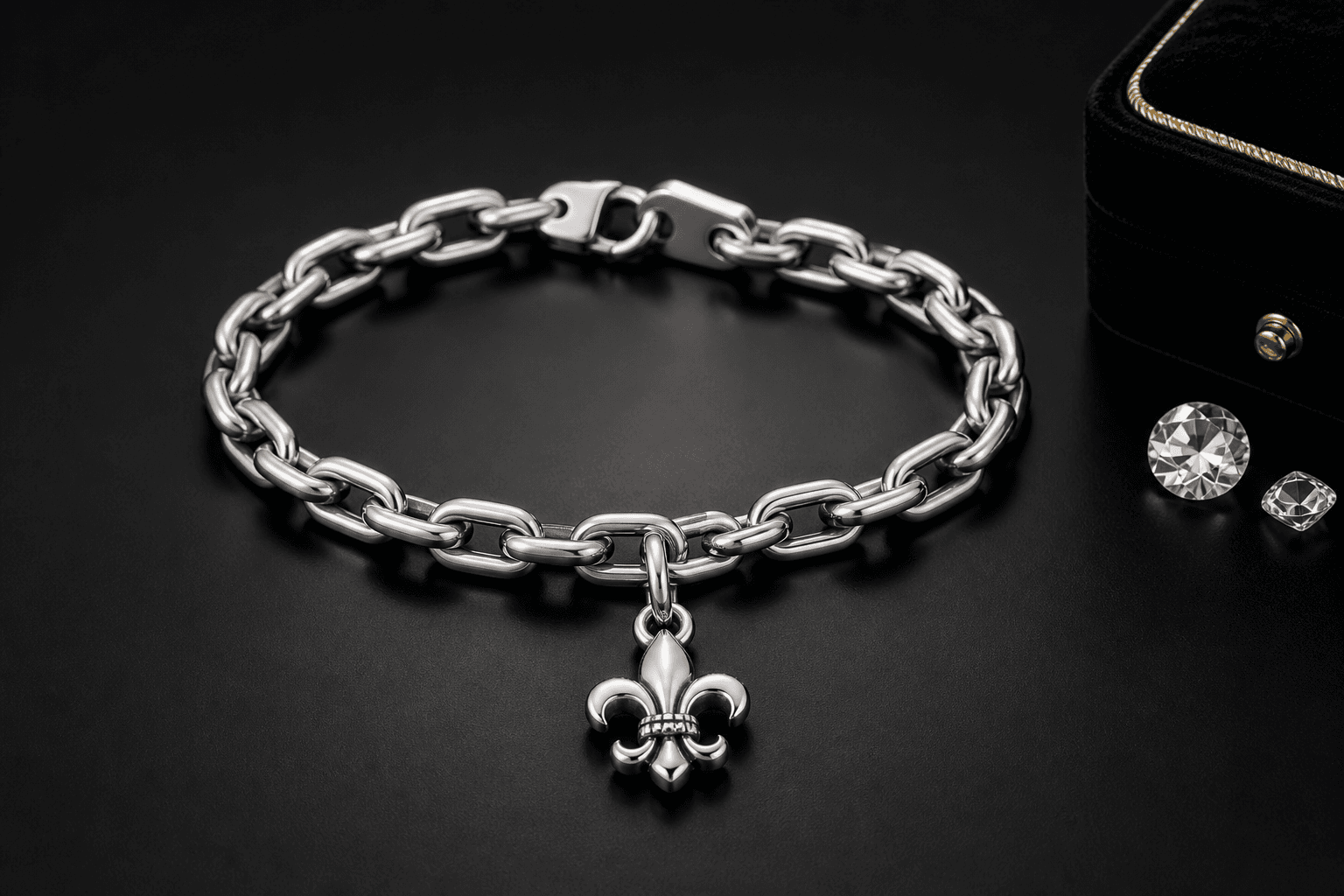
Finding reliable stainless steel charms wholesale suppliers is essential for scaling boutique brands and private-label programs. This sourcing guide presents a practical framework for wholesale buyers to identify, evaluate, and engage 316L stainless steel charms suppliers who can meet quality, pricing, and lead-time expectations. From material science to MOQ negotiations, the guide offers steps to minimize risk and maximize margins for global markets.
Stainless Steel Jewelry Charms Wholesale Suppliers: A Sourcing Guide
This article outlines the essential criteria for selecting suppliers, with a strong focus on material integrity, manufacturing capabilities, and business terms. It targets wholesale buyers seeking OEM and ODM arrangements, low MOQ options, and private-label packaging. In practice, you want a supplier who can deliver consistent 316L stainless steel charms, with reliable plating, precise engraving, and scalable production. As a leading stainless steel charms manufacturer, Lancy Jewelry offers a tested framework to evaluate potential partners, plus concrete steps to accelerate sample development and bulk orders.
What qualifies as a stainless steel charms supplier?
A credible supplier should demonstrate specialization in 316L stainless steel charms, backed by documented capabilities such as CNC cutting, laser processing, welding, polishing, and surface finishing. Look for a supplier who can articulate material chemistry, plating science, and process controls that ensure long-term corrosion resistance and color stability. For OEM and ODM buyers, it's essential to confirm the supplier's ability to accommodate custom logos, private-label packaging, and packaging customization without compromising material integrity.
Key evaluation criteria for 316L stainless steel charms
Beyond basic product visuals, evaluate process control, traceability, and compliance. Key factors include chemistry of 316L stainless steel (low carbon content, high corrosion resistance, and compatibility with PVD plating), plating thickness and uniformity, and the supplier's ability to document plating current density and coating adhesion. Consider the supplier's capacity for product development collaboration, including design feedback, tooling readiness, and prototype iteration timelines. A strong partner will also provide transparent pricing, clear MOQs, and reliable lead times across multiple design families—from alphabet charms to birthstone pieces and meaningful symbols.
Benefits/Why it matters
Choosing the right supplier matters for margins, brand consistency, and risk management across markets. The right partner can reduce defects, shorten time-to-market, and support scalable private-label programs. Working with a certified supplier also contributes to buyer confidence when exporting to US, EU, UK, AU, CA, and other regions, given stringent material and safety expectations. Here are the key benefits to prioritize.
Key benefits
- Quality and material integrity: A supplier who understands 316L stainless steel chemistry and PVD plating delivers consistent performance across high-visibility boutique lines. Expect stable color finishes (gold, rose gold, silver) and durable enamel or crystal inlay applications that resist wear.
- Production scalability with low MOQ options: For boutique brands testing private-label concepts, low MOQ charm production minimizes risk while enabling portfolio expansion. A capable OEM/ODM partner can ramp up to bulk charm orders without sacrificing quality.
- OEM/ODM capabilities and private-label packaging: From logo engraving to private-label packaging, the supplier should offer end-to-end services, enabling brands to present cohesive, premium product stories without extra sourcing steps.
- Certifications and compliance: SGS certified (RoHS, REACH, Nickel Release EN1811, Salt Spray 240H) demonstrates adherence to safety and durability standards, which is critical for global distribution and retailer acceptance.
- Global reach and cross-market experience: A seasoned supplier understands regulatory nuances and market expectations across major regions, helping buyers streamline compliance and logistics.
Detailed analysis/Guide
Below is a structured, step-by-step approach to locating and evaluating stainless steel charms suppliers for wholesale operations. This guide emphasizes 316L material properties, credible manufacturing processes, and practical negotiations for OEM/ODM programs.
Step 1 — Define material, design, and performance requirements
Start with material and design parameters that matter across markets. Specifies: - Base material: 316L stainless steel, with low carbon for improved weldability and corrosion resistance. - Surface finishes: PVD plating (gold, rose gold, or silver finishes); enamel color filling; crystal inlay where applicable. - Core mechanical attributes: galvanic compatibility with chain types, standard jump rings, and bail sizes. Ensure compatibility with common charm bar configurations and packaging requirements. - Regulatory and safety expectations: RoHS and REACH compliance, nickel-release limits, and salt spray durability.
Step 2 — Build a targeted supplier short list
Search for 316L stainless steel charms manufacturers and ODM/OEM suppliers with demonstrable capabilities in CNC, laser cutting, laser marking, welding, and polishing. Prioritize partners who publish finish options, plating thickness targets, and sample development timelines. For global brands, prefer a factory with multiple regional shipping options, predictable lead times, and robust QA documentation. When evaluating candidates, map their capacity against your expected design families (alphabet sets, birthstone series, natural motifs, and special symbols) to confirm they can support your catalog expansion.
Step 3 — Request samples and evaluate plating, finish, and detailing
Samples reveal more than photos. Assess plating uniformity, edge definition, bail thread integrity, and cage-like filigree work if present. For PVD finishes, request color-matching reports and adhesion tests. Enamel and crystal inlays should show consistent depth and secure setting without micro-movements. Lancy Jewelry, as a 316L stainless steel charms manufacturer, offers dedicated sample development support to accelerate validation stages for OEM and ODM projects.
Step 3a — Sample development and iteration timelines
Clearly define sample turnarounds, including first prototype reviews, testing cycles, and final approval steps. A reliable supplier should provide structured milestones, with contingency buffers for tooling, tooling ownership, and any necessary design adjustments before approval for production.
Step 4 — Evaluate manufacturing capabilities and technology stack
Confirm the supplier’s production capabilities align with your needs: CNC, laser cutting, laser marking, welding, polishing, and high-precision finishing. Verify whether the supplier can handle OEM logo engraving, private-label packaging, and color-filled enamel work. A factory with a modern facility and formal process controls (including QA checkpoints and statistical process control) supports consistent outcomes across high-volume runs.
Step 4a — Confirm customization and branding capabilities (OEM/ODM)
Discuss engraving fidelity, logo placement, and tolerance on character spacing for alphabet charms. Confirm packaging customization options, including private-label packaging designs, inserts, and branding on packaging cartons. The right partner can integrate branding elements into both the product and its presentation, ensuring a cohesive line for retailers and gift programs.
Step 5 — Inspect quality control, certifications, and compliance
Review the supplier’s QA framework, test reports, and material traceability. Verify the SGS certifications (RoHS, REACH, Nickel Release EN1811, Salt Spray 240H) and confirm ongoing compliance for shipments. Ask for third-party testing results or certificates of conformity and ensure that nickel-release levels remain within global limits. A compliant supplier reduces risk for retailers and end customers while supporting confident wholesale relationships.
Step 6 — Negotiate commercial terms and MOQs
Discuss pricing structures, MOQs, and lead times. For new programs, negotiate low MOQs that still maintain production efficiency. Outline pricing tiers for different volumes and discuss payment terms, warranty coverage, and defect handling. When negotiating, reference the supplier’s ability to support private-label packaging, custom logo charms, and sample development timelines. Emphasize value: long-term reliability, consistent plating quality, and scalable production for bulk charm orders.
Step 7 — Pilot production and quality assurance
Before large-scale orders, run a pilot production to validate process stability and finish consistency. Use this phase to lock in acceptance criteria for plating thickness, color accuracy, and enamel/crystal settings. A structured QA protocol, including random inspections, helps identify potential bottlenecks and ensures performance aligns with retailer expectations and end-user experiences.
Step 8 — Scale, audit, and manage supply risk
As you move from pilot to bulk orders, ensure a robust supply plan, including lead-time guarantees, safety stock levels, and contingency options for material shortages or production delays. Maintain an ongoing vendor scorecard that tracks defect rates, on-time delivery, and responsiveness. A proactive approach to supplier management reduces stockouts and supports consistent product availability across markets.
FAQ
1) What is the typical MOQ for 316L stainless steel charms?
MOQs vary by design complexity, finish, and customization. Many manufacturers can accommodate lower MOQs for initial private-label programs or pilot collections, while larger catalogs may require higher volumes to achieve favorable pricing. Look for suppliers that offer low MOQ charm production and flexible volume tiers to support test launches and catalog expansion. For wholesale customers, discuss MOQ as part of a broader package that includes sample development, branding, and packaging options.
2) How long does sample development typically take?
Sample development timelines depend on design complexity and the level of customization (logo engraving, enamel filling, or crystal inlay). Common turnaround ranges are one to three weeks for a first prototype, followed by a second iteration if adjustments are needed. Working with an OEM/ODM partner that provides clear milestones, including 3D files, tolerances, and finish specifications, helps keep the project on schedule. Lancy’s structured sample development process is designed to minimize iteration time while preserving design integrity.
3) Do suppliers offer private-label packaging and branding?
Yes. Private-label packaging is a common service among OEM/ODM charm suppliers. A robust private-label program includes packaging design, carton labeling, and branding on inserts or packaging sleeves. Ensure that packaging aligns with your brand guidelines, product family, and retailer requirements. Confirm minimums for packaging customization and whether packaging changes affect lead times or pricing.
4) What certifications or documentation should I verify?
Look for SGS certification (RoHS, REACH, Nickel Release EN1811, Salt Spray 240H) and any supplier-provided test reports that demonstrate plating durability, color stability, and enamel/crystal integrity. Verify material traceability documents and production quality controls. For global distribution, confirm that the supplier adheres to safety standards relevant to your target markets and can provide documentation upon request.
Call to action
Ready to source 316L stainless steel charms with reliable OEM/ODM support, private-label packaging, and low MOQs? Partner with Lancy Jewelry, a dedicated 316L stainless steel charms manufacturer focused on boutique brands, charm bars, and private-label buyers. Explore our capabilities at OEM Service and review our comprehensive range at All Products. For inquiries, request a quote or start a pilot project today via Request a Quote, or Contact our team for direct guidance. You can also review our private-label options and sample development timelines to accelerate your next collection.
Related resources