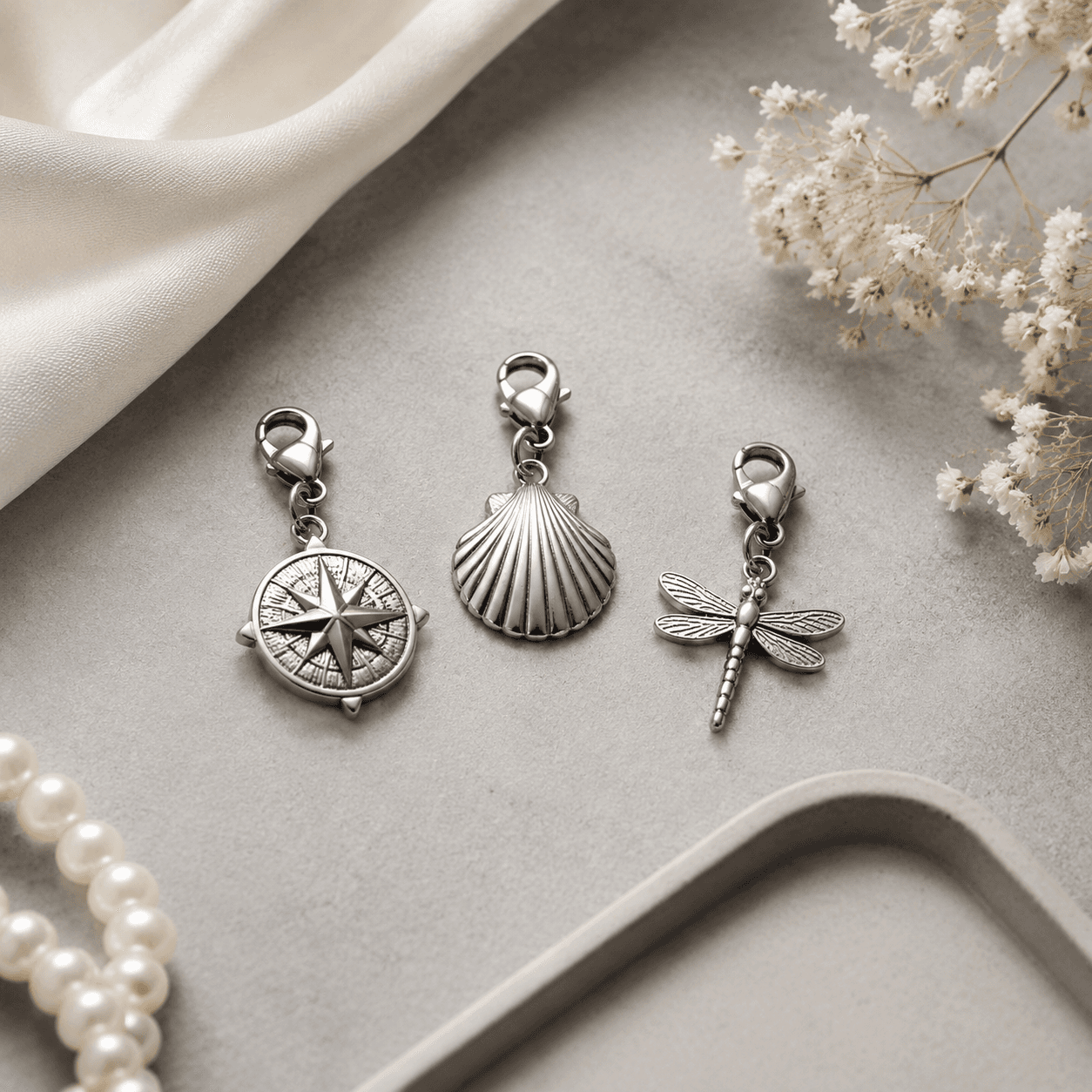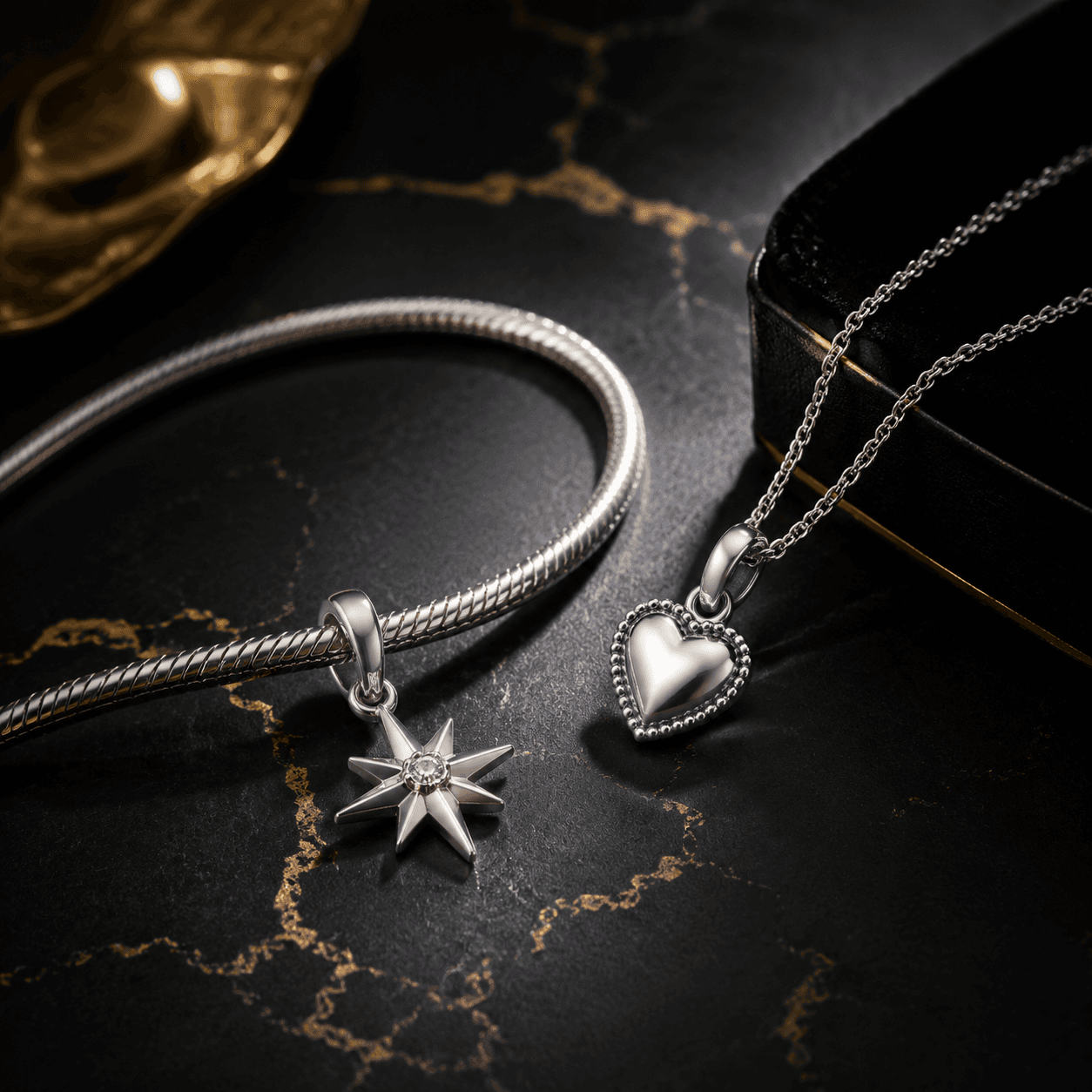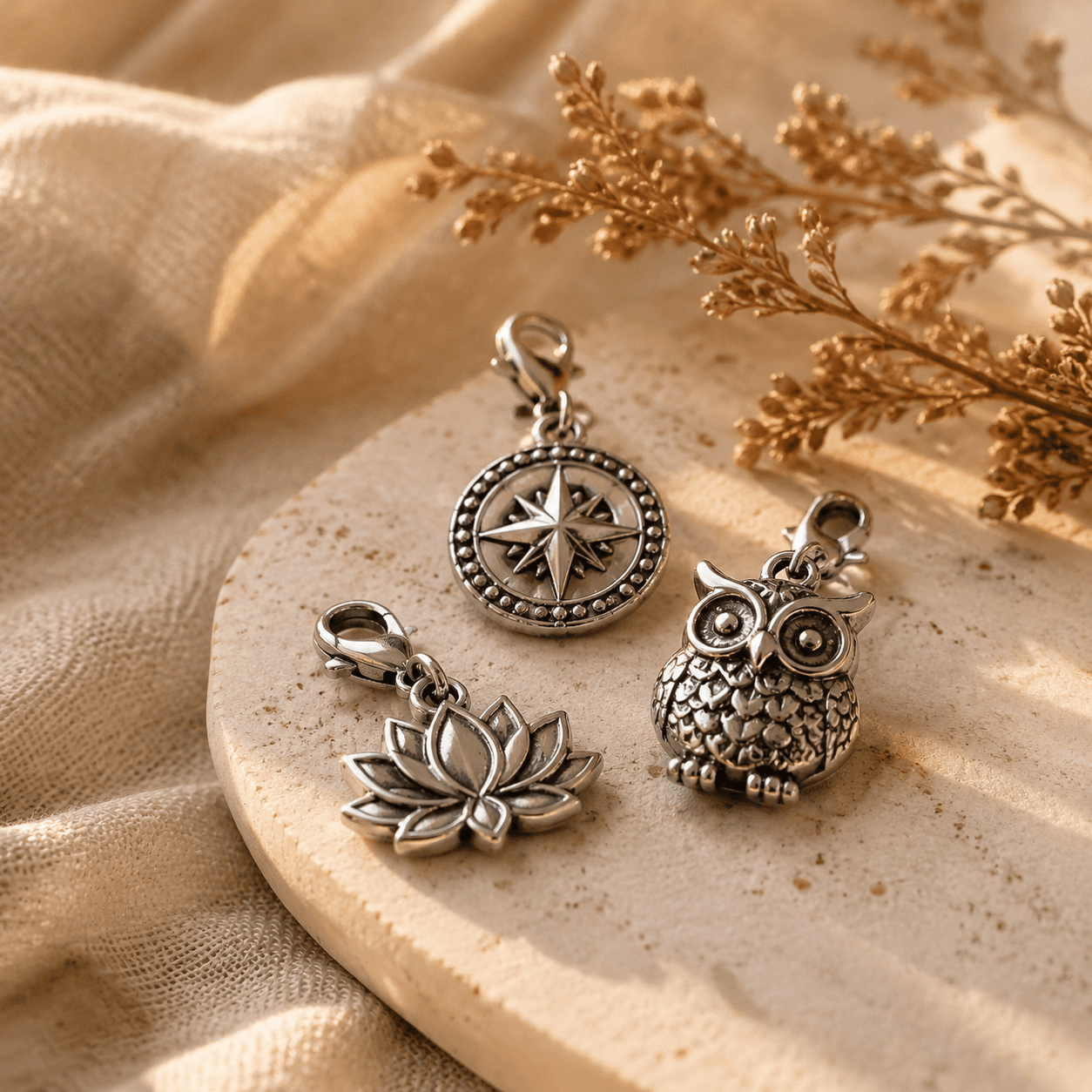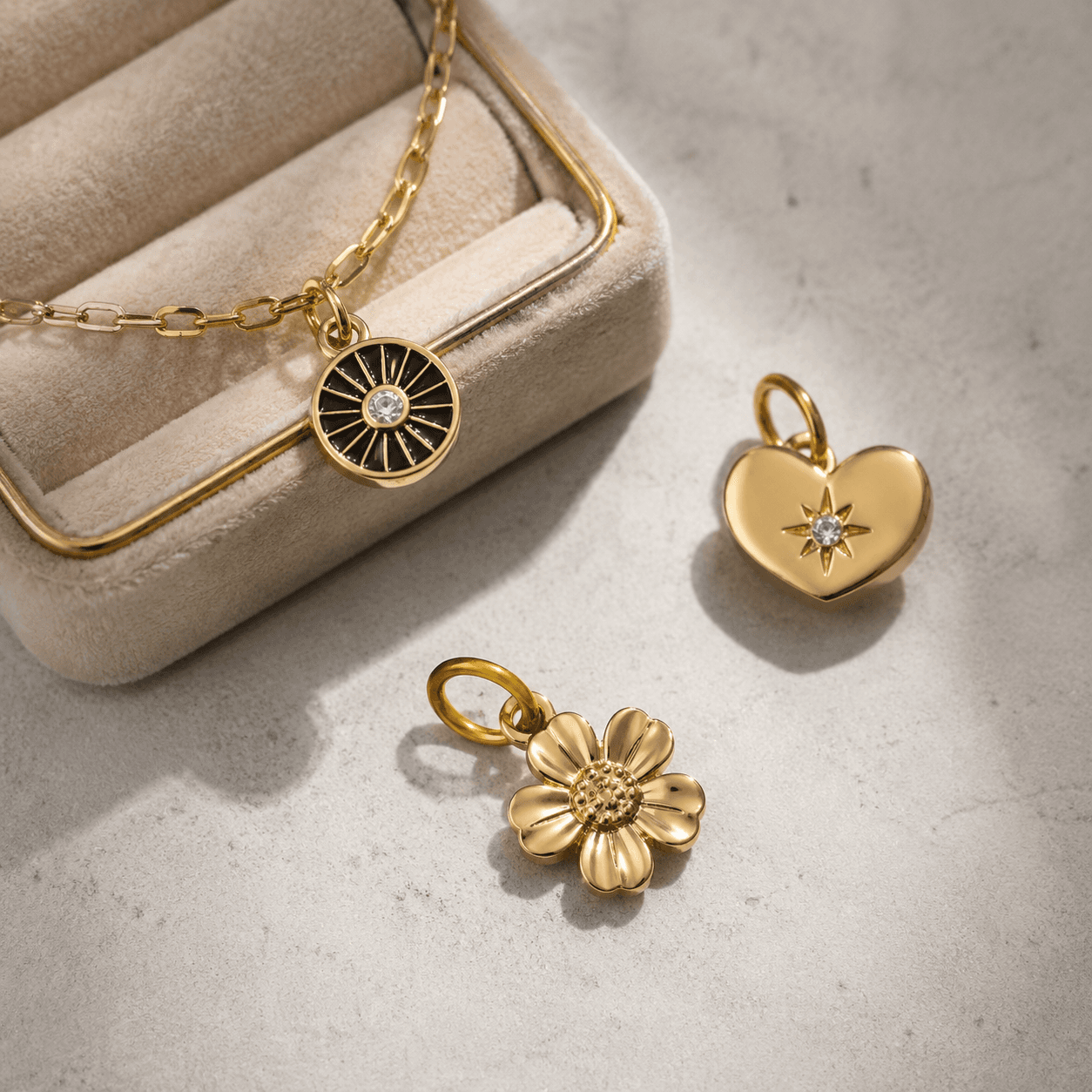
Hook: Why Wholesale Buyers Seek 316L Stainless Steel Charms Now
In the competitive world of boutique jewelry and gift programs, wholesale buyers pursue durable, scalable, and safe charm components. 316L stainless steel charms offer an optimal balance of corrosion resistance, biocompatibility, and formability, enabling consistent plating, enamel filling, and crystal inlay across high-volume production runs. For sourcing managers, a proven 316L stainless steel charms manufacturer is not just a supplier—it’s a partner that aligns cost, quality, and timelines with your brand goals. This guide provides a practical, step-by-step approach to finding and evaluating suppliers, with emphasis on material science, factory capabilities, and long-term value.
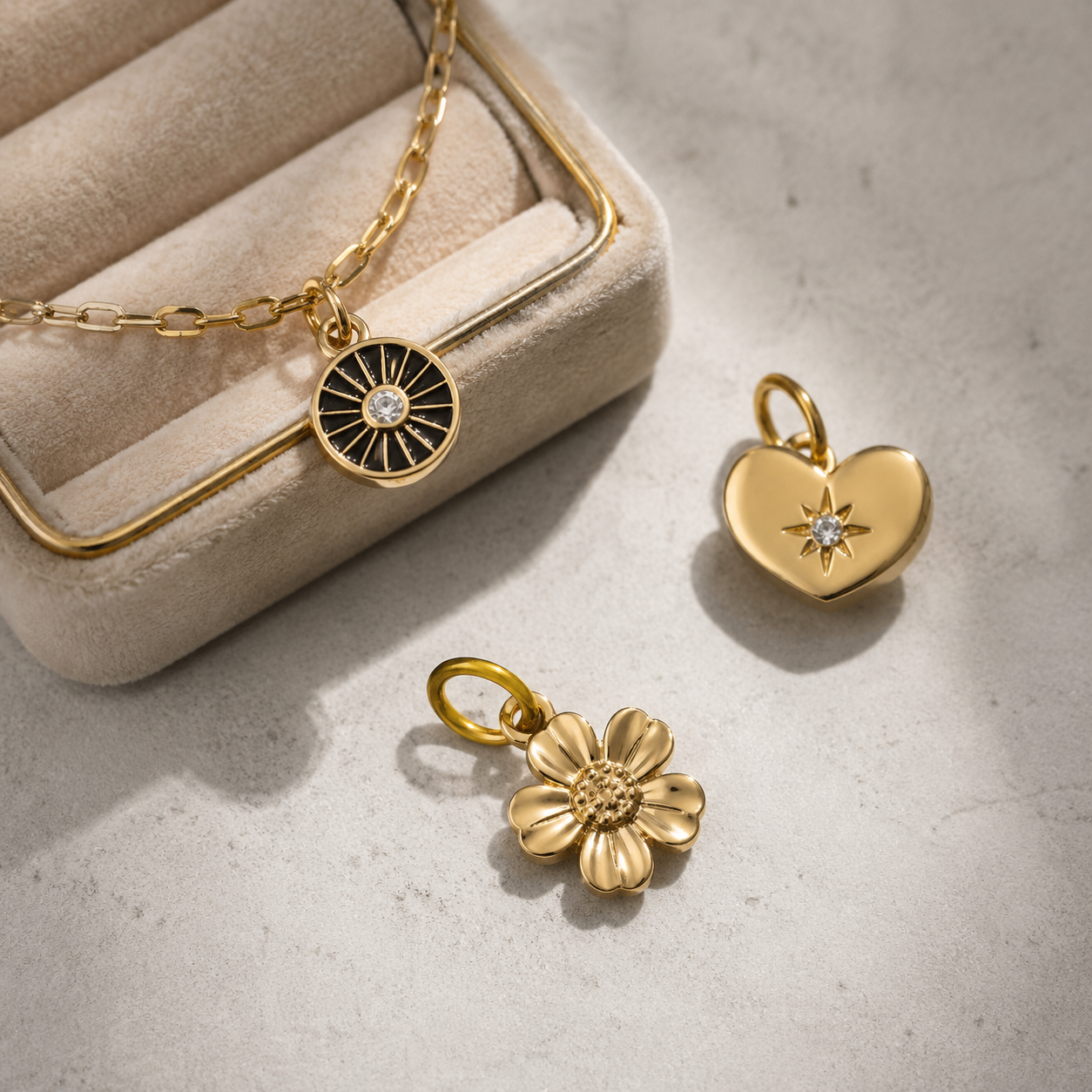
Main topic: Sourcing 316L Stainless Steel Charms Wholesale
When you source stainless steel charms wholesale, you are choosing more than a product. You’re committing to a material ecosystem that supports private-label packaging, OEM/ODM development, and reliable supply for bulk orders. The focus here is on 316L stainless steel, the base material used by Lancy Jewelry for its charm lines. This article walks through the science of the alloy, how to evaluate suppliers, and practical steps to secure favorable terms such as MOQs, sample development, and private-label options. We will also discuss cross-market considerations, acknowledging the global nature of today’s charm programs and the need for universal compliance and consistent plating quality across regions.
Understanding 316L stainless steel as the base material
316L stainless steel is valued in permanent jewelry and charm applications for its low carbon content and robust corrosion resistance. The addition of molybdenum improves pitting resistance in chloride-rich environments, which is essential for products exposed to wear, sweat, and varying humidity. In supply terms, you are looking for a material specification that guarantees low nickel release, excellent plateability, and stable mechanical properties under repeated flexing during wear. A reputable 316L stainless steel charms manufacturer will provide technical datasheets detailing composition ranges (iron base with controlled levels of chromium, nickel, and molybdenum), typical hardness, and surface finish tolerances. These data points help sourcing teams compare material behavior under PVD plating, enamel filling, and crystal setting processes.
Key alloy chemistry to understand for procurement decisions
While exact formulations vary by mill, look for clues about composition in supplier literature: low carbon content (0.03% or less for 316L), chromium around 16-18%, nickel around 10-14%, and molybdenum around 2-3%. A good supplier should clearly state compliance with RoHS, REACH, and EN1811 nickel release standards, as well as salt spray resilience. These certifications correlate with long-term durability and safety—critical considerations for wholesale programs spanning the US, EU, UK, AU, CA, and other markets. For sourcing teams, this means fewer surprises during QC checks and improved consistency across production lots.
Material compliance and safety certifications to verify
Because your program depends on regulatory acceptance across multiple markets, verify: SGS certification for RoHS and REACH, Nickel Release EN1811, and Salt Spray 240H. These demonstrate that the metal, coatings, and finishes meet strict safety and durability criteria. A compliant supplier should readily provide test reports and certificates that align with your internal QA guidelines and customer expectations. As a 316L stainless steel charms manufacturer, Lancy Jewelry maintains these certifications as part of its factory profile, reinforcing reliability for global distribution.
What makes a supplier reliable beyond chemistry
Material is the anchor, but supplier reliability comprises: manufacturing capability, coating quality, and support for customization. Look for a factory with CNC, laser cutting, laser marking, welding, and polishing capabilities—ensuring you can scale from sample development to bulk charm production while preserving tight tolerances. Ask about PVD plating options (gold plated, rose gold plating, or silver finish), enamel color filling, crystal inlay, and private-label packaging. A strong supplier will demonstrate a track record of consistent plating quality, mechanical integrity after assembly, and robust QC processes (incoming raw material inspection, in-process checks, and final inspection). Lancy Jewelry highlights these capabilities as core to its OEM/ODM offerings, enabling boutique brands and private-label buyers to achieve predictable results across collections.
What to ask during supplier evaluation
When evaluating potential partners, structure your RFQ to solicit precise information on:
- Base material confirmation: 316L stainless steel, composition ranges, and the absence of prohibited base materials.
- Surface finishes: plating thickness, adhesion, and wear resistance for PVD gold plating, silver finish, or rose gold plating.
- Engraving and customization: engraving capabilities, logo fidelity, and repeatability across lots.
- Finish consistency: plating thickness tolerance, color uniformity, and enamel fill depth.
- Finish certifications: RoHS, REACH, EN1811, Salt Spray 240H test results.
- MOQ and price tiers: clear volume-based pricing, the feasibility of low MOQs for new programs, and potential for scale.
- Sample development lead times and costs: how fast a first article can be produced, and whether samples are billable.
- Private-label packaging options: branding capabilities, packaging materials, and labeling compliance for multiple markets.
- Quality control and warranty terms: defect rates, return policy, and corrective action procedures.
- Logistics and lead times: production capacity, shipment modes, and incoterms.
Benefits/Why it matters: What a strong supplier delivers
Core advantages for wholesale buyers
Partnering with a dedicated 316L stainless steel charms manufacturer like Lancy Jewelry offers tangible benefits for wholesale channels. Consistent plating quality ensures your private-label lines maintain uniform color and gloss, reducing rejection rates at QC and boosting customer satisfaction. The ability to tailor OEM/ODM programs—logo engraving, enamel colors, and crystal inlay—supports boutique brands in delivering unique offerings without investing in internal tooling. Low MOQ options lower risk for new collections or seasonal drops, enabling you to test market response before expanding production. Fast sample development accelerates go-to-market timelines, a critical factor when you must respond to demand spikes across different regions.
From a compliance standpoint, holding SGS certifications and EN1811 nickel-release standards fosters trust with regulators and end customers alike. For global programs, uniform manufacturing practices translate to predictable lead times and consistent product performance, irrespective of the market. Private-label packaging further strengthens brand presentation, which is essential in shop-in-shop charm bars, gift programs, and distributor networks.
Why SGS and related certifications matter for margins
Certifications are not just boxes to tick; they directly influence margins by reducing risk and rework. Suppliers that operate under recognized standards—RoHS, REACH, EN1811, and Salt Spray resilience—tend to experience fewer compliance-driven hold-ups and returns. This reliability translates into steadier production planning, which lowers carrying costs and improves on-time delivery. For buyers, the assurance that each batch meets safety and performance criteria helps protect your margins across multiple markets and minimizes costly SKU churn.
Detailed analysis/Guide: How to source 316L stainless steel charms effectively
Step 1 — Define your program requirements
Begin with a precise brief: target markets, product specs, and finish preferences. Clarify whether you need enamel fills, crystal inlays, or a combination. Determine acceptable tolerances for dimensions, plating thickness, and color consistency. Establish your MOQ range, desired lead times, and whether you require private-label packaging. A well-defined brief reduces back-and-forth and speeds RFQ responses from manufacturers.
Step 2 — Build a short list of 316L stainless steel charms manufacturers
Use trusted sources and leverage regional and global footprint to ensure coverage across your markets. Look for factories with modern CNC, laser equipment, welding, and polishing lines, plus a track record of producing 316L stainless steel charms for OEM and ODM projects. Inquire about the ability to scale from pilot runs to bulk charm orders while maintaining consistent surface finishes and tolerances.
Step 3 — Prepare a detailed RFQ and request samples
Send a standardized RFQ that covers material spec, finish options, surface treatments, engraving capabilities, packaging, MOQs, pricing tiers, and lead times. Request a first article or sample set that demonstrates your chosen finishes, color fills, and any embedded crystals. Evaluate samples not only for aesthetics but for mechanical integrity—are jump rings and bail threads robust, does the finish adhere in high-stress areas, and is the craftsmanship uniform across multiple sides of the charm?
Step 4 — Evaluate supplier capabilities and certifications
Cross-check the supplier’s certifications and test reports. Confirm RoHS and REACH compliance, EN1811 nickel-release testing, and Salt Spray 240H performance. Verify manufacturing capabilities (CNC, laser marking, welding, polishing) as well as PVD plating process controls. For private-label engagements, review packaging design options, labeling compliance, and any branding constraints. If you plan to distribute across multiple continents, assess whether the supplier can maintain consistent plating and color across regions with similar batches.
Step 5 — Negotiate MOQs, pricing, and lead times
Engage in a transparent discussion about MOQs and price breaks for higher volumes. Ask about sample development fees, and whether sample sets can count toward future orders. Clarify production timelines, including pre-production, ramp-up, and regular batch schedules, to align with your product calendar. Consider negotiating performance-based clauses—e.g., on-time delivery rates and defect-rate thresholds—to protect margins for bulk orders.
Step 6 — Finalize QA, packaging, and documentation
Agree on a QA protocol that includes incoming material checks, in-process plating checks, and final inspection criteria. Lock down packaging specifications—blister cards, anti-tarnish wraps, or private-label packaging—and ensure labeling complies with regional regulations. Obtain a formal QA sign-off and set up a mechanism for ongoing supplier performance tracking, including defect rates and warranty handling.
Step 7 — Pilot, scale, and manage a ongoing supply
Start with a pilot run to validate process stability and product performance. Use pilot feedback to refine engravings, enamel fills, or crystal settings before full-scale production. Establish regular cadence for reorders while maintaining supply chain visibility. A strategic supplier relationship can support product lifecycle management, seasonal drops, and co-marketing opportunities—benefits that enhance your wholesale program’s resilience and growth.
FAQ
Q1: What makes 316L stainless steel ideal for charms used in permanent jewelry?
A: 316L stainless steel offers excellent corrosion resistance, good formability, and low carbon content which supports reliable plating and enamel processes. Its composition supports long-term wear in varying climates and reduces the risk of nickel-related sensitivities when properly certified. For wholesale programs, this translates to durable components with predictable performance across markets.
Q2: What MOQs can I expect when working with a 316L stainless steel charms manufacturer?
A: MOQs vary by factory and program scope. Reputable OEM/ODM partners often offer low MOQs for new collections to help you test markets, with scalable pricing for larger runs. If you’re exploring private-label options, clarify packaging and labeling requirements early to avoid surprises during scale-up.
Q3: How long does sample development typically take, and is it billable?
A: Sample development timelines depend on finish options and engraving complexity. Many suppliers offer a fast-track option for prototyping. Some factories include a nominal sample fee that is credited back against a future bulk order; others may request payment for first articles if customization is extensive. In any case, confirm timelines and costs upfront as part of your RFQ.
Q4: What certifications should I expect from a trustworthy 316L stainless steel charms supplier?
A: Look for SGS certification covering RoHS and REACH, EN1811 nickel release testing, and Salt Spray 240H results. These certifications demonstrate compliance, safety, and durability—a critical factor for cross-border sales and private-label packaging across different regions.
Call to action: Partner with Lancy Jewelry for OEM/ODM 316L Charms
For wholesale programs that demand consistent quality, scalable manufacturing, and private-label flexibility, partner with a proven 316L stainless steel charms manufacturer. Lancy Jewelry offers OEM/ODM development, logo engraving, PVD plating, enamel color filling, crystal setting, and private-label packaging with a focus on low MOQ support, consistent plating, and fast sample development. Explore how our modern factory—equipped with CNC, laser cutting, laser marking, welding, and polishing—can support your charm bar, gift program, or distributor network. Start with a formal RFQ on our OEM service page, request a quote for bulk charm orders, or contact our team to discuss private-label options. You can also view the full product catalog to identify compatible lines that suit your market and margin goals: OEM service, Request a Quote, All Products, Contact.