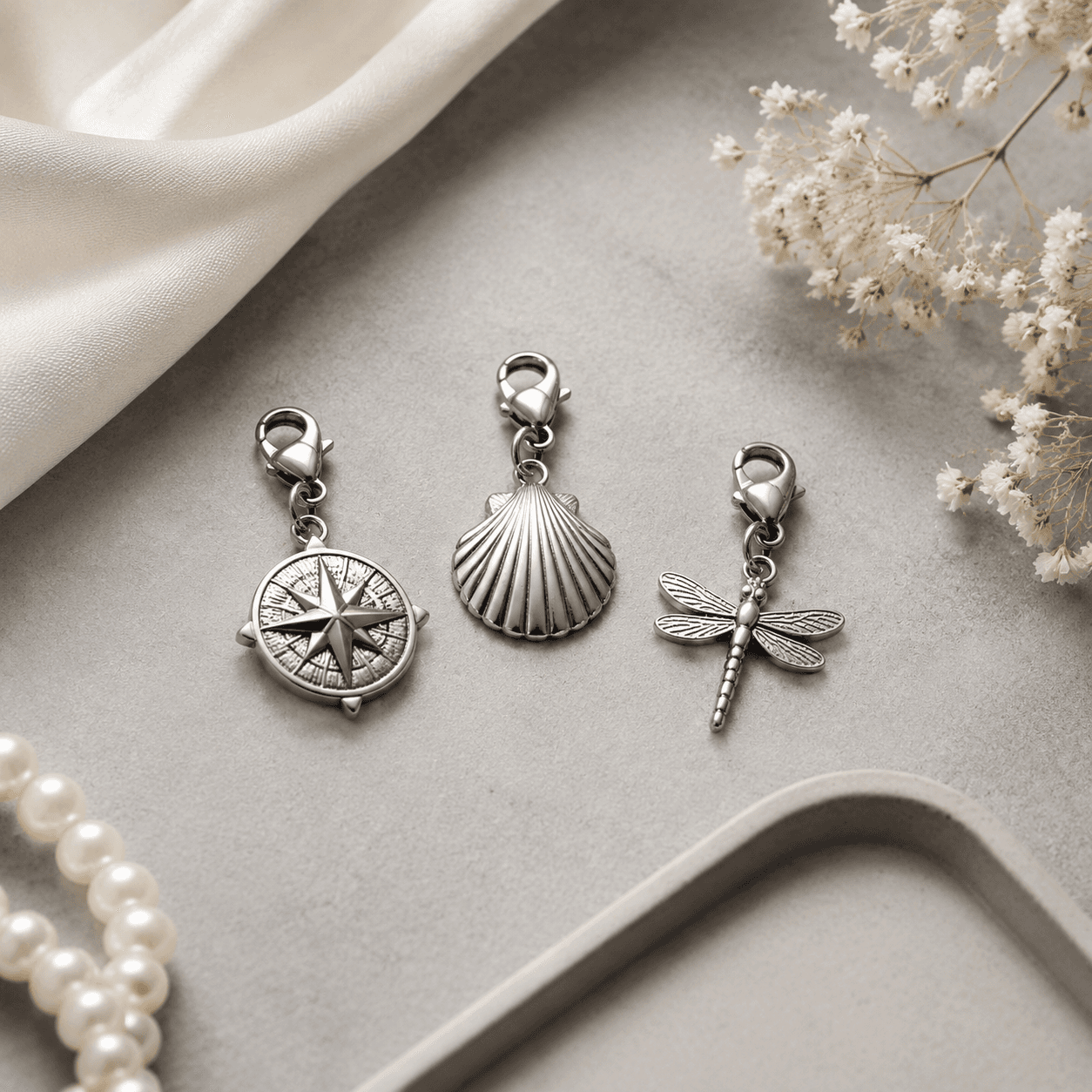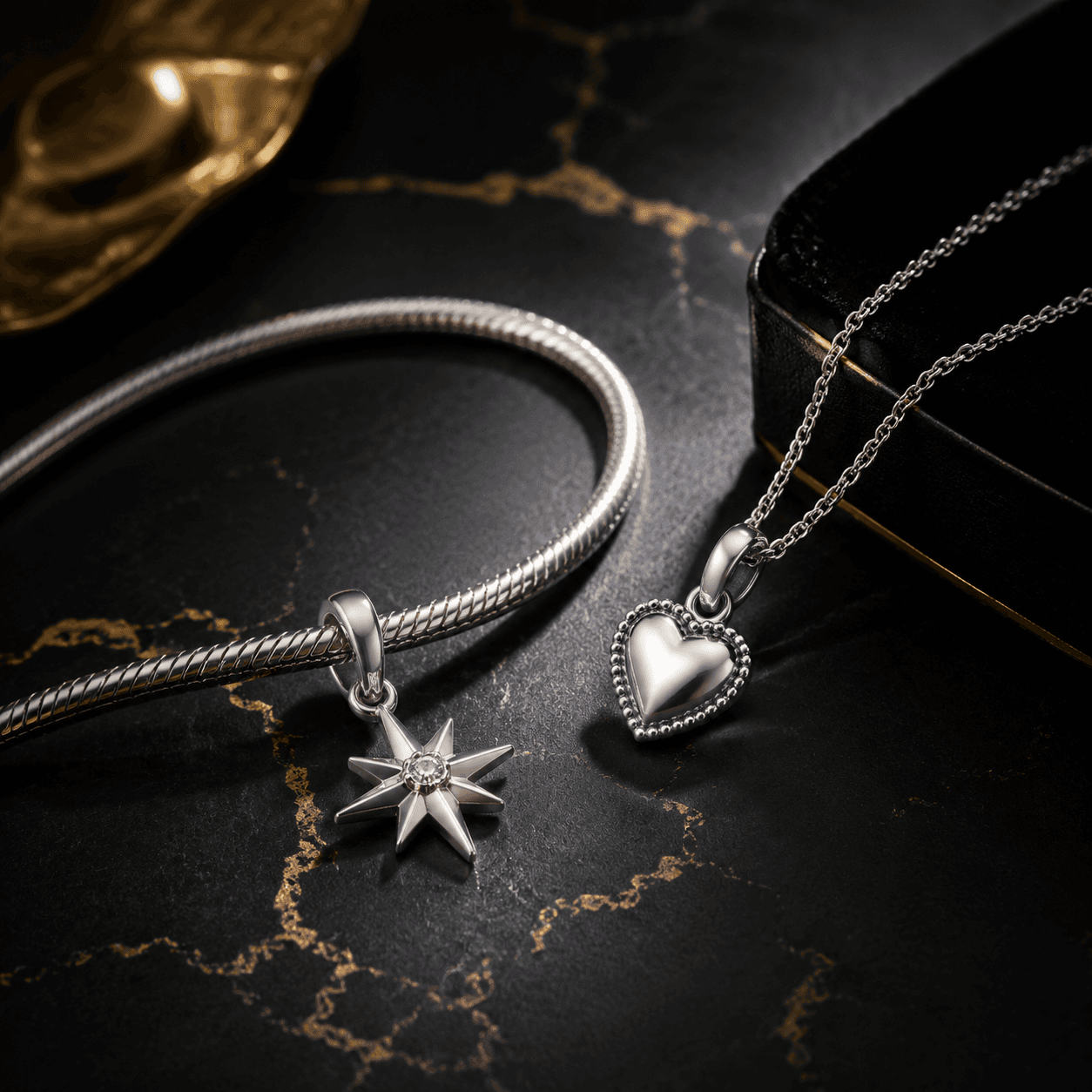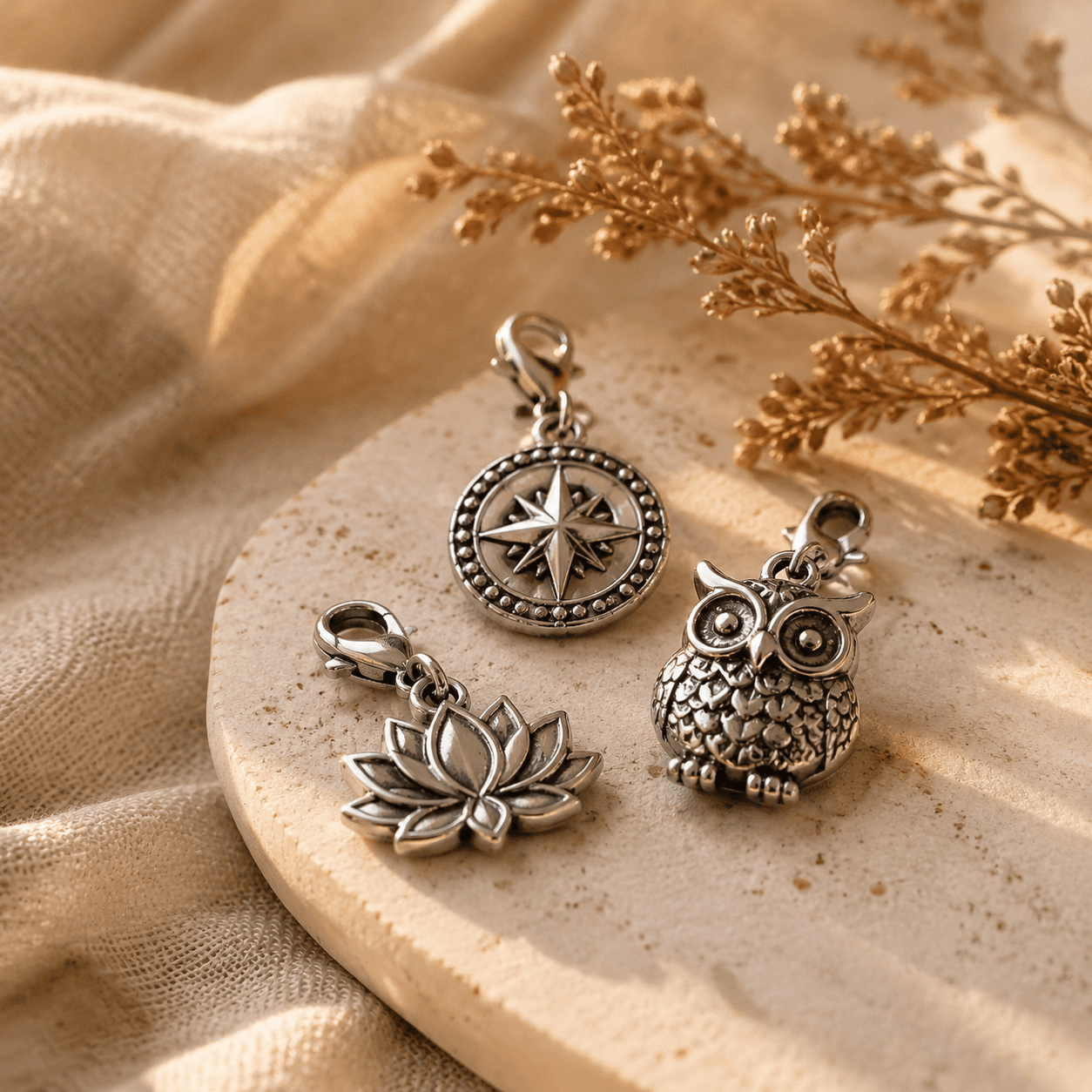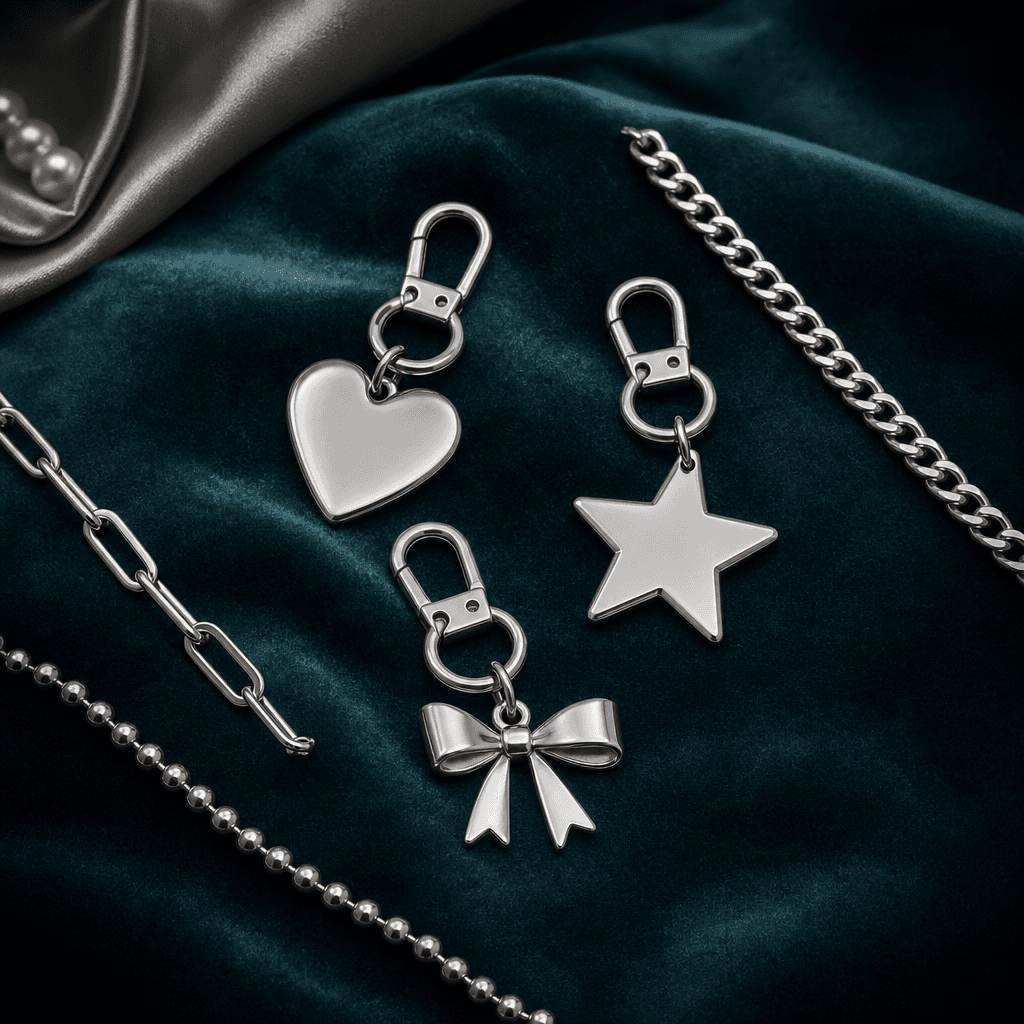
How to Source Stainless Steel Cute Keychain Charms: Supplier Guide
Finding the right supplier for 316L stainless steel keychain charms is a foundational step for designers building boutique lines or private-label programs. This guide helps you systematically locate, evaluate, and partner with a trustworthy charm factory that can deliver OEM and ODM capabilities, private-label packaging, and reliable plating quality. We will focus on material properties, manufacturing capabilities, and practical steps you can take to reduce risk and speed time to market.
Step 1: Define your material, finish, and functional requirements
- Material clarity: ensure the base is 316L stainless steel, with explicit confirmation from the supplier that the charms are manufactured from 316L stainless steel and not any prohibited base metal blends.
- Finish options: identify preferred finishes such as PVD gold plating, silver finish, or rose gold plating, and whether enamel or crystal inlay will be used for decoration.
- Functional details: confirm hole sizes, bail and jump ring compatibility, and whether the charm needs laser engraving for branding or logo marking as part of OEM/ODM packaging.
- Compliance and safety: verify SGS certification scope (RoHS, REACH, Nickel Release EN1811, Salt Spray 240H) and ensure the supplier maintains appropriate testing records for your target markets.
Tip: when evaluating finishes, request a plating quality sample and a color-matching comparison to ensure consistency across batches, particularly for private-label programs where color accuracy matters for boutique brands.
Step 2: Identify potential suppliers with the right capabilities
- Look for a charm factory that offers OEM and ODM services, as well as sample development and private-label packaging. This combination supports both initial concepts and scaled production.
- Assess their listed capabilities: CNC, laser cutting, laser marking, welding, polishing, and finishing workflows, plus capacity for PVD plating and enamel/crystal inlay.
- Check factory-scale attributes: a modern facility with automated processes typically translates to repeatable quality and faster prototyping cycles.
- Gauge their ability to support low MOQ charm production, a common requirement for boutique brands testing new designs.
Action: compile a short list of potential suppliers and request a formal RFQ (request for quote) with your design brief, required finishes, and sample timeline.
Step 3: Evaluate material science and chemistry details
316L stainless steel is chosen for its corrosion resistance, biocompatibility, and suitability for PVD plating. When you review a supplier, focus on:
- Alloy composition and standards: confirm the exact 316L specification used and whether any internal alloy variations are applied for specific finishes.
- Corrosion resistance: inquire about salt spray testing results and how finish layers interact with base metal over time.
- Plating compatibility: discuss how PVD plating adheres to 316L base, potential flaking risks, and expected wear life under regular handling as keychains or bag charms.
- Enamel and crystal inlay compatibility: ensure decorative techniques won’t compromise the base metal or plating integrity during processing and wear.
Note: Understanding the metal chemistry helps you forecast color stability and long-term appearance, which is crucial for wholesale stainless steel charms and private-label programs targeting cross-market consumers.
Step 4: Assess quality controls, certifications, and documentation
Quality control is as important as the design itself. Request:
- Certification proofs: SGS certificates covering RoHS, REACH, Nickel Release EN1811, and Salt Spray tests.
- Material traceability: lot numbers, batch records, and test reports for each production run.
- Process controls: documented plating thickness ranges, enamel fill tolerances, and crystal setting verification methods.
- Packaging and labeling: private-label packaging options, logo engraving capabilities, and branding tolerances for packaging inserts or cards.
Tip: transparent documentation supports risk management for global customers and helps secure wholesale stainless steel charms orders with confidence.
Step 5: Request samples and evaluate real-world performance
Sample development is a critical step in confirming design aesthetics and manufacturing viability. Request samples that include:
- Branding samples with logo engraving or laser marking to evaluate legibility and wear over time.
- Finish samples across all requested finishes (gold plated, silver finish, rose gold plating) to compare color consistency and durability.
- Functional samples showing bail/jump rings threaded through real holes, with a closed loop and properly seated components.
- A short test pack including a salt spray exposure or scratch test to gauge long-term performance in target markets.
In many cases, partnering with a supplier that can offer sample development quickly accelerates decision-making and reduces time-to-market risk for private-label programs.
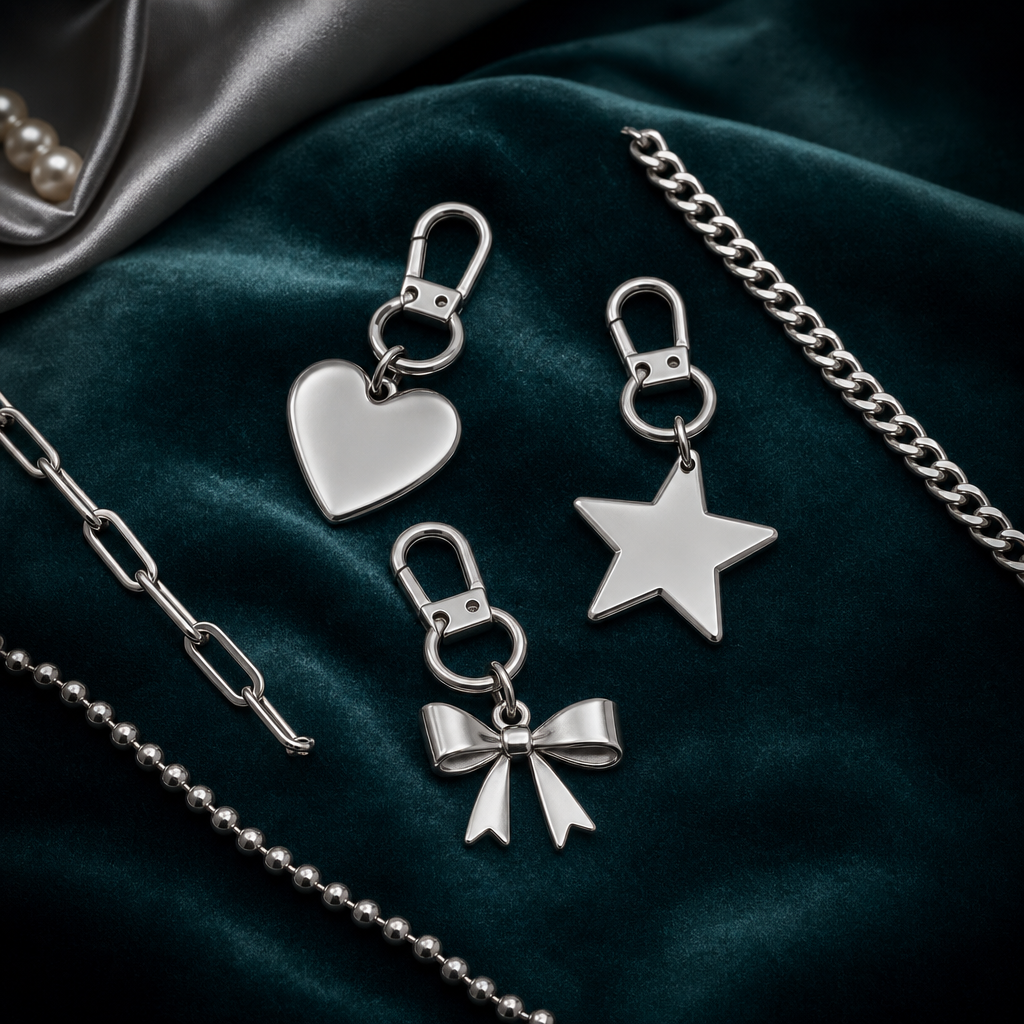
Step 6: Evaluate commercial terms and supply chain resiliency
- Commercial terms: confirm MOQs (low MOQ options if applicable), pricing tiers for bulk charm orders, and lead times for large volumes.
- Logistics and packaging: determine packaging options suitable for boutique gifts or charm bar retail concepts, including protective packaging and branding inserts.
- Support services: verify availability of design collaboration, logo engraving, and packaging customization as part of a turnkey OEM/ODM solution.
- Warranty and post-sale support: establish expectations for defect handling, replacement parts, and response times.
If a supplier can align with your commercial goals, you gain a reliable chain of custody from concept to delivery, which is essential for sustained growth in global markets. For ongoing partnerships, consider a long-term agreement with favorable terms and predictable lead times, especially when you’re planning multiple collection drops per year.
Why it matters: Benefits of a well-chosen supplier relationship
Key benefits for designers and brands
- Access to a dedicated charm factory with OEM and ODM capabilities, enabling custom logo charms and private-label packaging that aligns with brand aesthetics.
- Consistent plating quality and color matching across production batches, essential for boutique-ready lines.
- Transparent material science and performance data backed by SGS certifications, reducing regulatory risk across the US, EU, UK, AU, CA, and other markets.
- Flexible production strategies, including low MOQ support, rapid sample development, and scalable bulk orders for seasonal launches.
- End-to-end support from design to delivery, including laser engraving, enamel fills, crystal inlays, and packaging customization.
These benefits translate to faster time-to-market and a more predictable supply chain, which is critical for designers managing multiple private-label collaborations worldwide.
Detailed analysis and practical guide: putting it into action
Guided workflow: from concept to vendor selection
- Document your design brief: list finish preferences, target markets, and required certifications. Include technical drawings, tolerance ranges, and any branding elements to be engraved or stamped.
- Shortlist suppliers offering OEM and ODM capabilities, with explicit 316L stainless steel base material commitments and plating options.
- Request a formal proposal detailing material specs, plating thickness targets, finishing processes, and packaging options. Include lead times and MOQs.
- Review samples and compare across finish color, corrosion resistance, and engraving quality. Evaluate suitability for gift programs or charm bar displays.
- Perform a risk review: confirm certifications, material traceability, and the supplier's ability to support private-label packaging and branding needs.
- Negotiate terms and sign an initial pilot agreement. Start with a small batch to validate production consistency before scaling to wholesale or private-label orders.
Throughout this process, leverage the vendor’s ability to provide sample development timelines and their readiness to collaborate on packaging and branding to ensure a cohesive product story for your customers.
Practical tips for cross-market success
- Turnkey solutions: prioritize partners offering end-to-end services, including logo engraving, enamel fills, crystal settings, and private-label packaging. This reduces coordination overhead when launching lines across multiple markets.
- Design-to-delivery cadence: align your collection calendar with supplier lead times, ensuring you can restock popular items without sacrificing novelty.
- Quality gates: define pass/fail criteria at each stage (raw material, in-process, finished product) and insist on documentation for audits or retailer inspections.
- Packaging synergy: match packaging design with retail display concepts to reinforce brand identity at the point of sale. Consider packaging that supports gift programs and wholesale distribution.
FAQ
1) What makes 316L stainless steel a good base for keychain charms?
316L stainless steel offers excellent corrosion resistance, good formability, and compatibility with PVD plating. It maintains its strength under repeated handling and provides a reliable surface for finishes like gold, silver, or rose gold plating, which is essential for durable, high-quality charms used in gift and boutique programs.
2) How should I evaluate a supplier for a private-label charm project?
Focus on capability alignment (OEM/ODM, logo engraving, private-label packaging), material consistency (316L stainless steel base with documented plating processes), quality controls (SGS certificates, test reports), and production scalability (low MOQs, sample development timelines, lead times for bulk orders). Ask for a transparent bill of materials and a sample package that demonstrates branding options and finish performance.
3) What timelines should I expect for sample development and first production run?
Sample development timelines vary by finish and customization, but a typical window ranges from 1 to 4 weeks for initial plated and engraved samples. First production runs for small to medium volumes often take 4 to 8 weeks, depending on finishes, packaging, and engraving requirements. A reliable partner will provide a clear calendar with milestones and progress updates.
4) How can I protect my private-label designs during sourcing?
Work with a manufacturer that offers NDA guidance, transparent design ownership terms, and branding protection through secure production workflows. Ensure exclusive or non-exclusive branding rights are defined in the contract, and request a sample library with governance on logo usage and engraving specifications to prevent misapplication of your brand elements.
Partner With Us
If you are looking for a trusted supply partner with a modern 316L stainless steel charm specialty, consider Lancy Jewelry as your charm factory partner. We provide OEM and ODM capabilities, low MOQs, consistent plating quality, and private-label packaging options to support boutique brands and private-label buyers worldwide. Our SGS-certified facility leverages CNC, laser cutting, laser marking, welding, and polishing to deliver reliable, design-forward charms for jewelry designers and gift companies alike.
Explore our OEM services to begin a collaboration, or contact us to discuss your private-label program and material preferences. You can also start with a quick request on our system or Request a Quote to receive a tailored proposal. For direct assistance, Contact our sales team with your design brief and timelines.