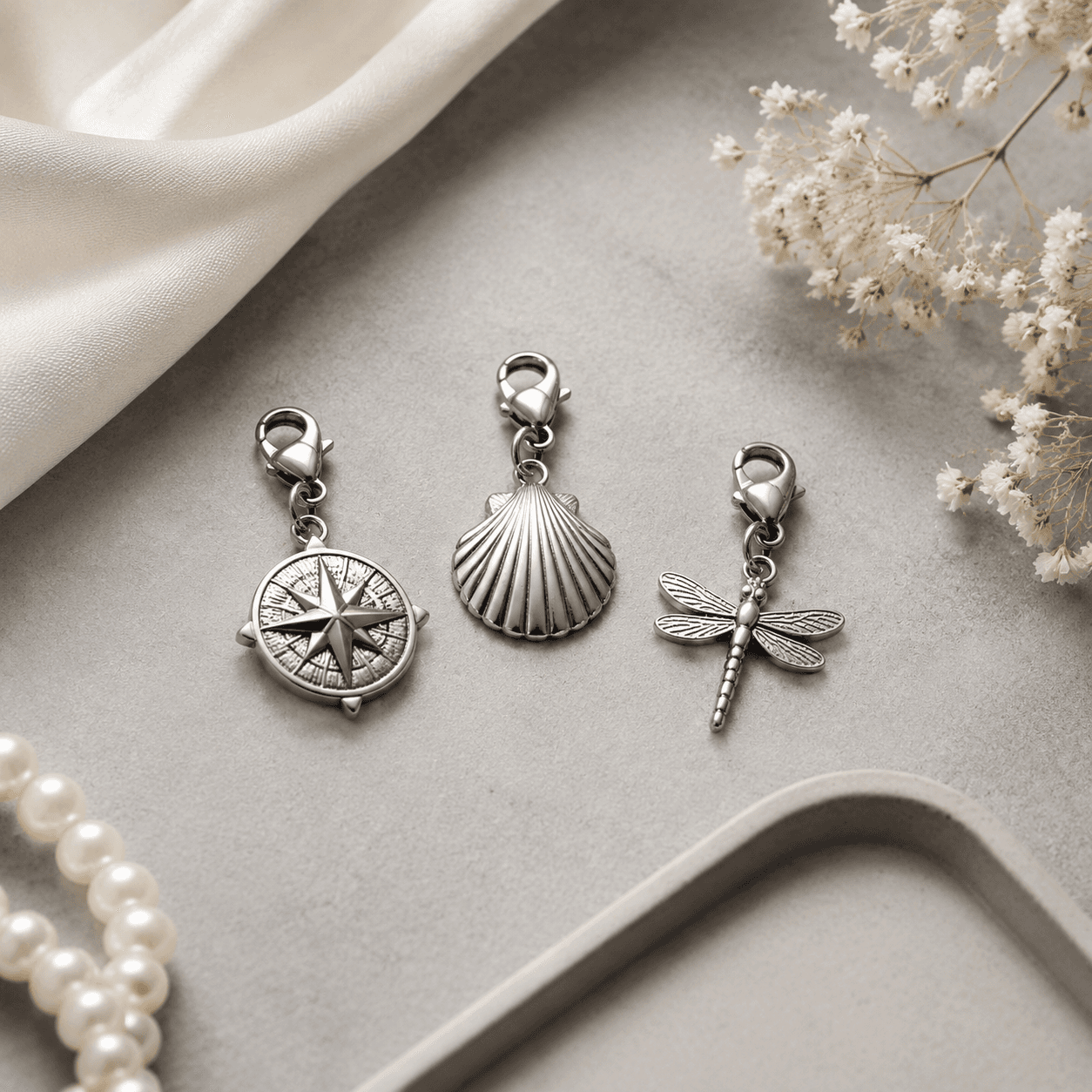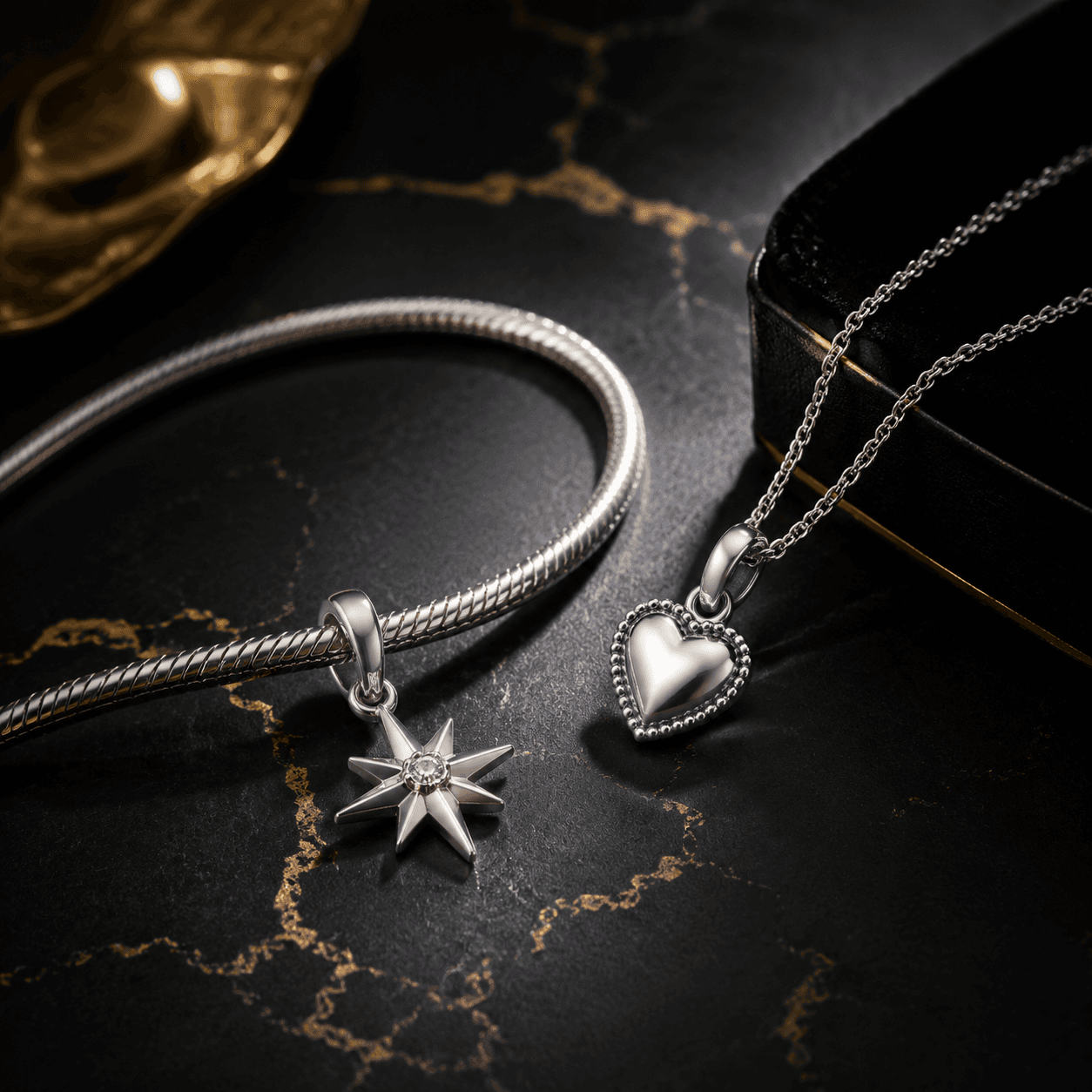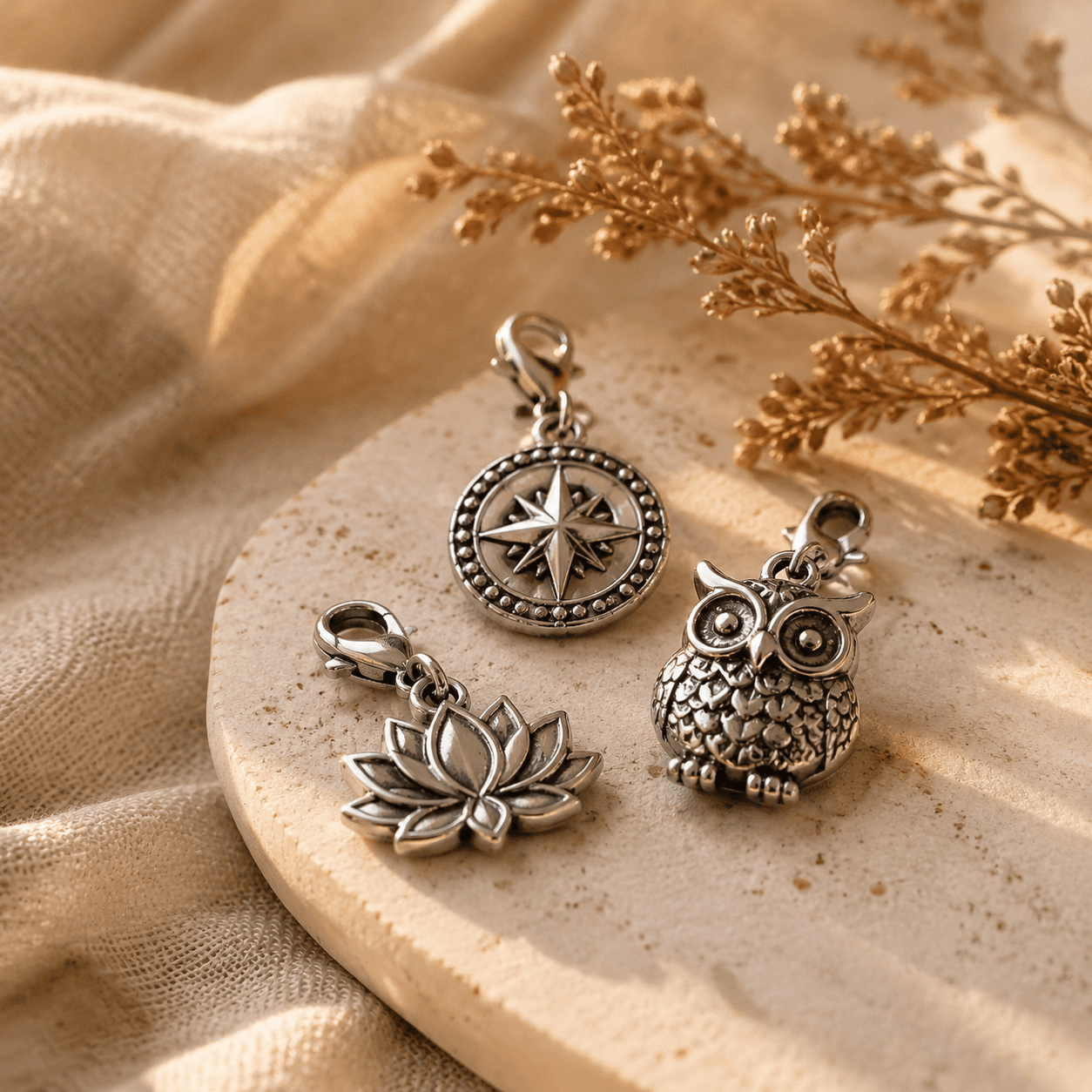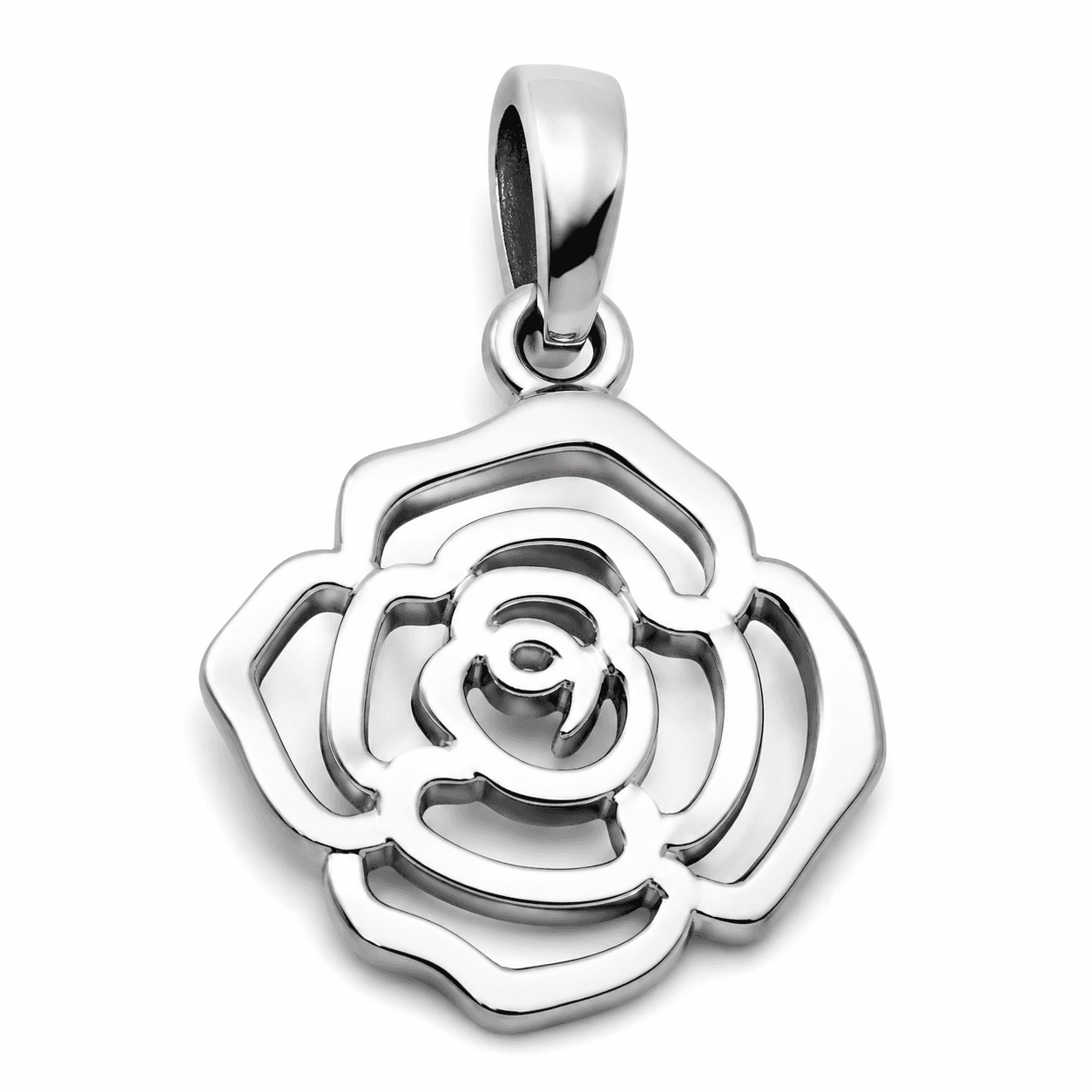
sourcing stainless steel charms wholesale requires more than just price. It demands a methodical approach to selecting a supplier who can deliver consistent material integrity, reliable finishes, and scalable OEM/ODM capabilities for boutique brands and private-label programs. This guide from Lancy Jewelry outlines how to evaluate 316L stainless steel charm suppliers with a focus on material chemistry, plating consistency, and practical steps to protect margins and brand value.
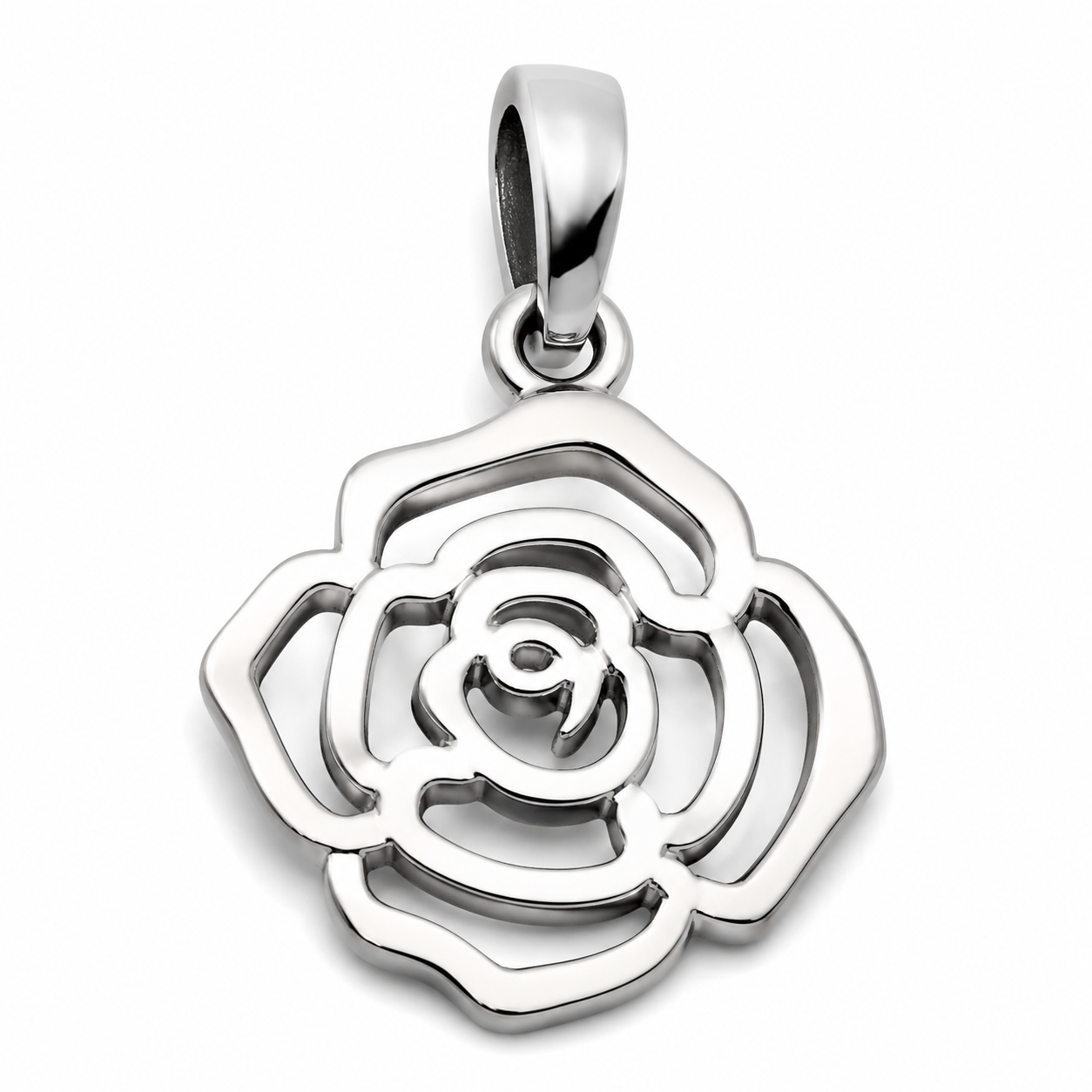
Understanding base material quality and the supplier ecosystem is essential before committing to large production runs. This guide is written for sourcing managers, category leads, and growth teams seeking reliable private-label or wholesale stainless steel charms that meet cross-market standards and regulatory requirements.
Stainless steel charms wholesale: Sourcing 316L charm suppliers
Why 316L stainless steel is the foundation
316L stainless steel is selected for charm programs due to its corrosion resistance, biocompatibility, and machinability. Typical 316L chemistry includes approximately 16–18% chromium, 10–14% nickel, and 2–3% molybdenum, with carbon kept at very low levels (often <0.03%). The addition of molybdenum enhances pitting resistance in chloride-rich environments, which matters for global wear and gift programs. For wholesale programs, the low carbon content minimizes carbide precipitation during welding or polishing, helping to maintain structural integrity across batches.
In practice, this material translates to durable base charms that accept a range of finishes (PVD plating, silver finish, rose gold plating) and decorative insertions (enamel, crystal inlay). When evaluating suppliers, confirm that their base material is consistently 316L stainless steel and that traceability documents provide composition ranges and quality certifications for each batch.
Key supplier evaluation criteria
For bulk charmed programs, assess suppliers across several dimensions: - OEM/ODM capability: The ability to develop customized logos, engravings, enamel colors, crystal settings, and private-label packaging. - Manufacturing breadth: A modern facility with CNC, laser cutting, laser marking, welding, and polishing ensures precise tolerances and repeatable results. - Plating and finishes: Consistent plating thickness, color stability, and compatibility with enamel and crystal inlays. - Sample support: Rapid sample development cycles to validate design through aesthetics, fit, and finish before bulk orders. - Quality controls: In-house QC steps, plating thickness checks, salt spray tests, and nickel release compliance. - Lead times and scalability: Ability to scale from pilot runs to full-scale production while maintaining consistency across markets.
Material and finish options for private-label programs
Choose a supplier able to provide base 316L charms with a range of finishes suitable for multiple brands, including: - PVD plated stainless steel in gold, rose gold, and silver tones - Enamel color filling for vibrant, durable designs - Crystal inlay or accent crystals for premium appeal - Private-label packaging options to simplify integration into boutique programs Consider testing a draft collection with several finish options to gauge color stability and branding compatibility.
Benefits/Why it matters
Quality assurance and certifications
Quality and regulatory compliance are essential for cross-border selling. Look for suppliers with credible certifications such as SGS RoHS, REACH, and Nickel Release EN1811 testing, plus Salt Spray exposure results. These attestations provide confidence on long-term corrosion resistance, nickel safety, and plating adhesion—critical for boutique brands and private-label buyers who expect consistent performance across seasons and markets.
Cost and margins for wholesale buyers
Wholesale success hinges on predictable cost structures and scalable capabilities. Favor suppliers who offer low MOQs without sacrificing quality, stable plating quality across batches, and private-label packaging options that align with your brand identity. A reliable partner should support sample development and pilot runs at a reasonable cost and with transparent pricing for bulk orders.
Detailed analysis/Guide
Step 1: Define product specs and compliance requirements
Begin with a clear product brief: base material 316L stainless steel, target finish(es), size range (commonly 8–18 mm for charms), engraving capabilities, and any enamel or crystal inlay requirements. Attach regulatory expectations (RoHS/REACH) and material safety notes for nickel release. A precise spec package reduces RFQ back-and-forth and speeds supplier qualification.
Step 2: Shortlist and due diligence
Create a short list of manufacturers and suppliers that advertise OEM/ODM services, private-label packaging, and sample development support. Verify factory capabilities (CNC, laser, welding, polishing) and review any available QC procedures. If possible, request third-party test reports or certificates to confirm material safety and plating consistency. This step is essential for global supply reliability and cross-market acceptance.
Step 3: Request RFQ and samples
Submit a detailed RFQ outlining BOM, proposed MOQs, finish options, branding requirements, packaging specs, and delivery timelines. Request samples for 316L stainless steel charms in each proposed finish. Pay attention to sample development timelines and whether samples come with mill certificates or test results. A good partner will provide fast samples without excessive fees and will include a path to scale up to bulk orders.
Step 4: Compare craftsmanship and QA processes
Evaluate plating consistency (thickness, adhesion, color stability), finish uniformity across batches, and engraving quality. Confirm plating chemistries are suited for enamel fillings and crystals, and verify that QA checks address potential defects like small pits or color fading over time. Request process documentation or a factory tour for deeper assurance when possible.
Step 5: Pilot run and scale
Begin with a pilot run to validate volume, lead time, and quality control in a real production environment. Use the pilot to test packaging, engraving alignment, and finish consistency. Measure yield, defect rates, and rework requirements. If the pilot meets criteria, plan a staged scale to balance inventory with demand and seasonal campaigns.
Step 6: Negotiate terms and establish supplier relationship
Finalize terms that protect margins and supply continuity: MOQs aligned to demand, favorable pricing for bulk orders, clear warranty terms, and defined lead times. Discuss private-label packaging options, serialization or engrave-on-demand capabilities, and ongoing quality audits. Establish a long-term relationship with a trusted partner, such as a dedicated account manager, to simplify future iterations and colorway updates.
For ongoing sourcing efficiency, consider our OEM service to align design intents with manufacturing capabilities, or browse the full range of All Products to assess current charmed offerings and potential co-creation paths. If you need immediate price confirmation or sample dispatch, use the Request a Quote channel and we’ll guide you through the process. For direct inquiries, contact our team via Contact.
FAQ
Q1: What defines a reliable supplier for 316L stainless steel charms?
A reliable supplier demonstrates consistent base material quality (316L), robust OEM/ODM capabilities, transparent QA processes, and credible certifications (SGS RoHS, REACH, EN1811). They should provide traceability for each batch, offer sample development quickly, and support private-label packaging to align with brand needs.
Q2: How should MOQs and pricing be managed for wholesale orders?
MOQs affect unit costs; negotiate MOQs that fit the launch plan while maintaining favorable per-unit pricing for bulk orders. Look for transparent pricing tiers, scalable production, and clear terms for engraving, packaging, and freight to protect margins in a private-label program.
Q3: What is the RFQ and sample development process like?
Submit a precise RFQ with material specs, finishes, and packaging requirements. The supplier should respond with a detailed quote, lead times, and sample costs. Sample development should be rapid, with tests for fit, finish, and branding compatibility before bulk production begins.
Q4: How do private-label packaging and branding work with charm suppliers?
Coordinate branding guidelines early, specify packaging materials and labeling, and confirm serialization or branding proofs. Ensure packaging can scale and protect the charm during shipping while maintaining brand consistency across markets.
Call to action: Partner With Us
Partner with Lancy Jewelry for your stainless steel charms supply. We are a modern OEM/ODM manufacturer specialized in 316L stainless steel charms, offering low MOQs, consistent plating quality, and private-label packaging for boutique brands and private-label buyers. Our facility supports RoHS, REACH, EN1811 Nickel Release, and Salt Spray tests to ensure quality across markets. Explore our OEM service to start your private-label line or request a quote to compare bulk options. Learn more about our capabilities via OEM service, browse our catalog at All Products, or contact us directly at Contact to discuss your program. For immediate inquiries about sample development or pilot runs, use Request a Quote and we’ll respond with options tailored to your timeline and margins.