Stainless Steel Snap Jewelry Charms Wholesale: A Sourcing Guide for Buyers
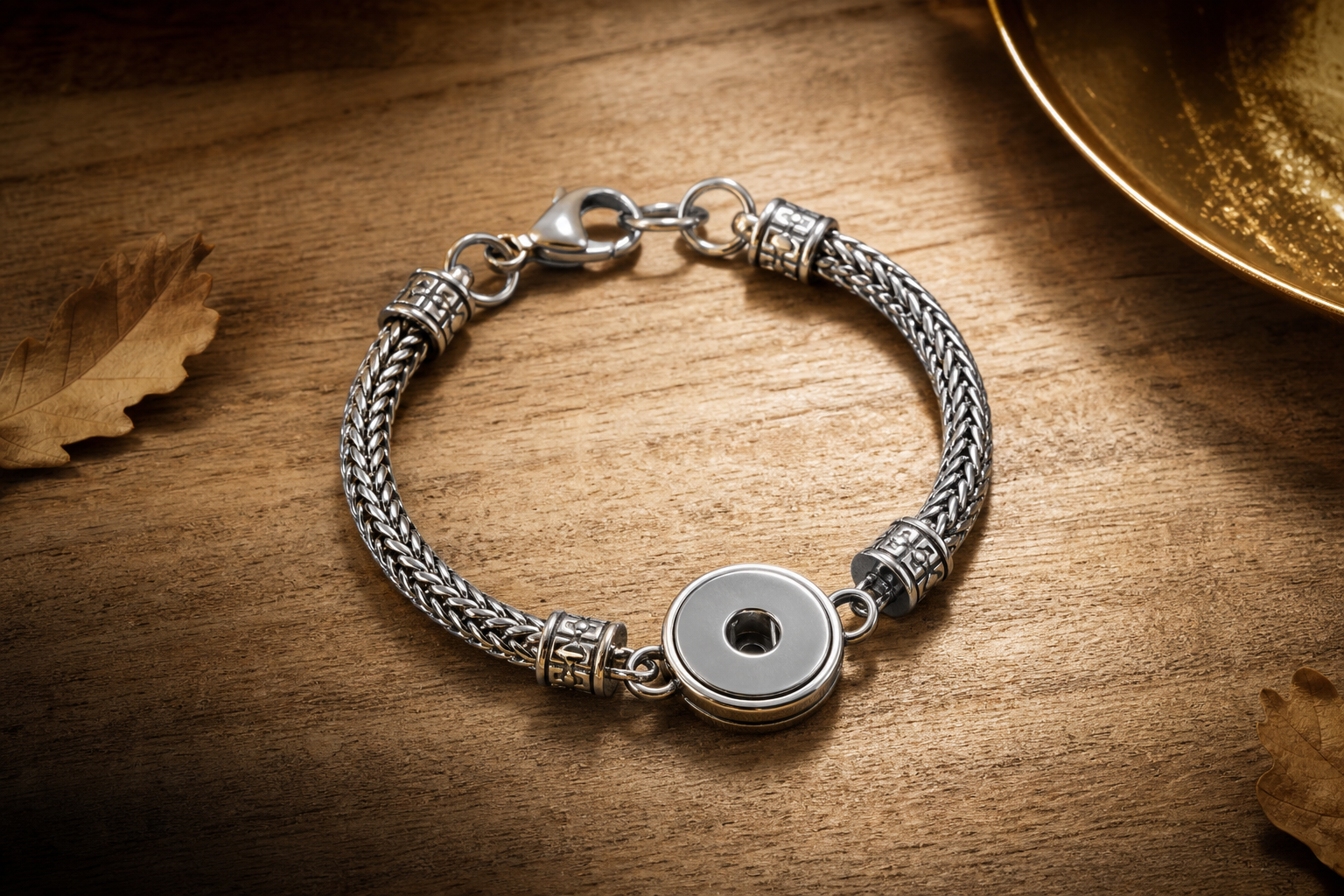
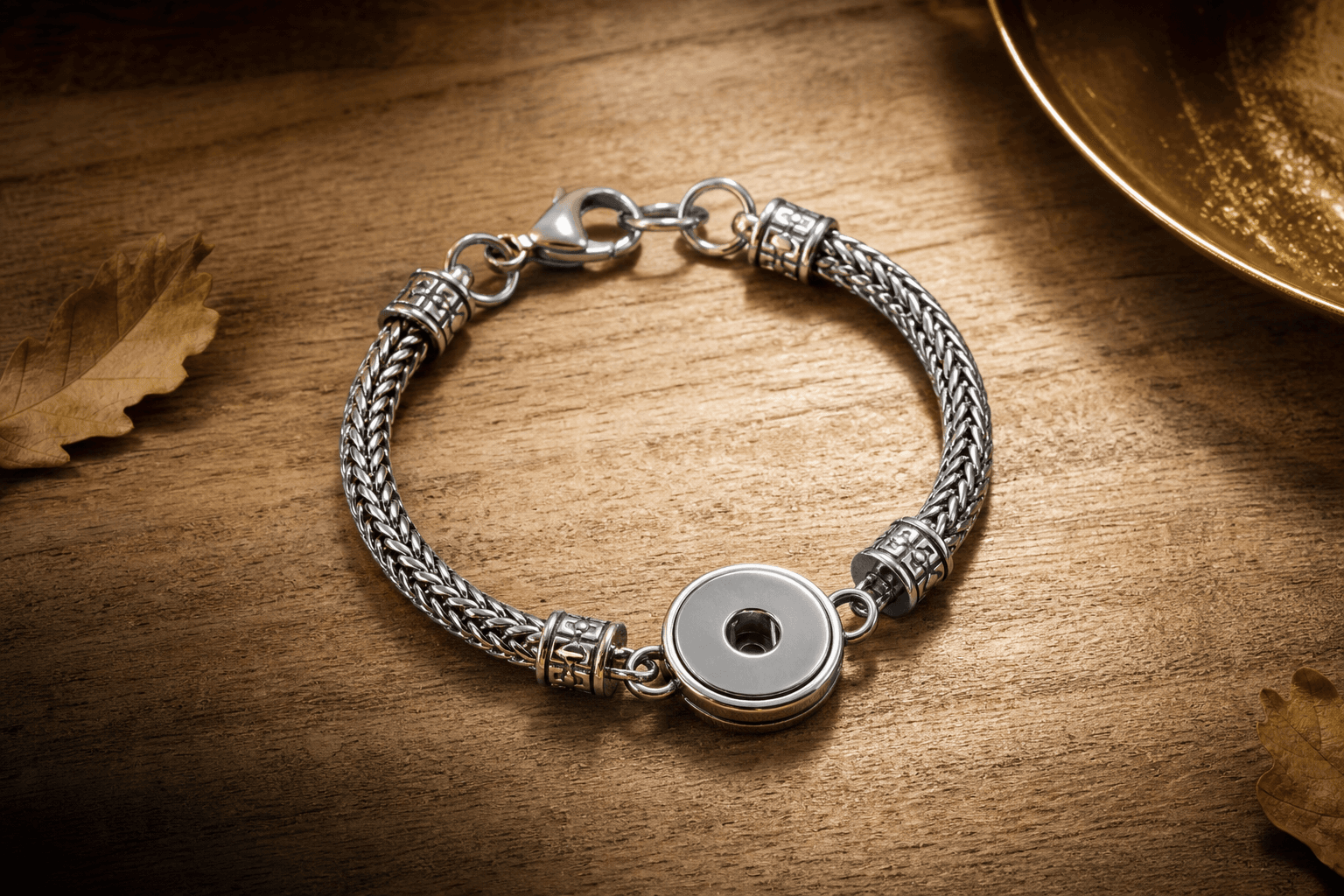
For wholesale buyers and private-label programs, finding a reliable supplier of 316L stainless steel snap charms is foundational to building profitable catalogs. This guide, shaped by Lancy Jewelry's experience as a stainless steel charms manufacturer, walks through supplier evaluation, material science fundamentals, and practical steps to secure margins in a global market. The focus is on 316L stainless steel as the base material, with emphasis on alloy composition, plating compatibility, and robust QA practices that support scalable, private-label programs.
Target readers include boutique brands, charm bar retailers, gift companies, and distributors seeking OEM or ODM partnerships. The content addresses bulk pricing, MOQ considerations, and the path from sample development to full-scale production, all while keeping international sourcing realities in view: cross-market lead times, certification expectations, and universal testing standards.
H2: Main topic with keyword: Stainless Steel Snap Jewelry Charms Wholesale
H3: Sub-points
316L stainless steel charms form the backbone of durable, hypoallergenic, and finish-friendly jewelry components. When you’re evaluating suppliers, the first question should be about material chemistry and the resulting properties:
- Alloy composition: typical 316L formulations include chromium, nickel, and molybdenum to deliver corrosion resistance in challenging environments.
- Carbon content and stabilization: low carbon design (L grade) minimizes sensitization and improves weldability for complex finishes and assembly steps.
- Corrosion resistance and salt spray performance: essential for long-lasting plated or enamel-filled charms destined for global markets with varying climates.
Understanding these fundamentals helps sourcing teams compare material performance across suppliers and aligns with downstream finishes such as PVD plating, enamel color filling, crystal inlays, and coatings. As a stainless steel charms manufacturer, Lancy emphasizes 316L as the base material, ensuring compatibility with diverse finishes while maintaining consistent mechanical properties and production reproducibility.
H3: Sub-points: Alloy Composition and Performance
In practical terms, a supplier should be able to discuss:
- Chromium content for passivation and corrosion resistance
- Mo content to reduce pitting in chloride environments
- Nickel content for formability and ductility
- Carbon control strategies to maintain a stable microstructure during welding and finishing
These elements influence not only durability but also surface treatment compatibility. For instance, PVD plating adheres differently to each alloy profile, and low-porosity surfaces tend to accept enamel or crystal inlay more consistently. When you assess candidates, request a technical data sheet that includes minimum plating adhesion values, finish thickness ranges, and standard test results—ideally SGS-certified test reports such as RoHS, REACH, Nickel Release EN1811, and Salt Spray 240H for confidence in cross-market acceptance.
H2: Benefits/Why it matters
H3: Key benefits (mention certifications)
Choosing a partner like Lancy Jewelry offers several material science and operational benefits that directly impact margins and reliability:
- Material consistency: 316L stainless steel as the base guarantees uniform mechanical properties across production lots, enabling predictable behavior during finishing and assembly.
- Finish versatility: from PVD plating to enamel color filling and crystal inlay, the chemistry of 316L supports robust adhesion and longevity of decorative treatments.
- Certified reliability: SGS-certified RoHS, REACH, Nickel Release EN1811, and Salt Spray 240H testing demonstrate a commitment to cross-market regulatory compliance and consumer safety.
- OEM/ODM readiness: full development support, including logo engraving, private-label packaging, and sample development to accelerate private-label programs.
- Low MOQ and scalable production: flexible MOQs allow boutique brands and larger distributors to align production with demand while preserving margins.
These advantages translate to a smoother path from concept to catalog with consistent plating quality, factory-direct pricing, and dependable lead times. For buyers, the ability to source from a dedicated 316L stainless steel charms manufacturer reduces risk and shortens the cycle from RFQ to purchase order.
Internal link: Learn more about our OEM service and how it supports private-label programs. For catalog browsing, visit our All Products page to see baseline charm options and finishes.
H2: Detailed analysis/Guide
H3: Step 1 — Define specs and finish strategy
Begin with a clear spec sheet that includes: base material (316L stainless steel), nominal size range (typical 8–25 mm depending on charm type), hole/loop geometry for bail compatibility, and finish requirements (PVD gold, silver finish, rose gold plating, enamel color palette, or crystal inlay). Align these specs with downstream packaging and labeling needs to ensure private-label readiness. Include tolerance bands for size, finish thickness, and plating coverage. If you plan to use enamel or crystals, specify color-fastness expectations and crystal grade (e.g., AA or higher) and confirm supplier capabilities for uniform fill and secure setting.
H3: Step 2 — Supplier screening and capability assessment
Beyond price, assess the supplier’s manufacturing footprint, equipment maturity, and process controls. Key indicators include: CNC and laser capability, laser marking for logos, precision welding, and polishing lines. For Lancy, a modern facility with CNC, laser cutting, laser marking, welding, and polishing is standard, alongside private-label packaging capabilities and sample support. Request a facility tour report or a remote QA checklist that covers tool calibration, process validation, and in-line inspection procedures. Verify certifications: SGS RoHS, REACH, Nickel Release EN1811, Salt Spray 240H, and ensure they align with end-market regulatory requirements.
H3: Step 3 — Material and finish compatibility testing
In the 316L family, certain plating chemistries and enamel fillers adhere differently. A robust supplier should provide sample-level adhesion tests, salt spray results, and color-fastness assessments for enamel and crystal inlay. If you require gold plating or rose gold plating, confirm coating thickness ranges (typical microns) and post-plate color stability under heat and wear. Request a test plan that includes corrosion resistance metrics, plating integrity after mechanical flexing, and verification that the base material remains corrosion-free with selected finishes over a representative service life.
H3: Step 4 — Sample development and rapid iteration
Sample development speed is a critical procurement lever. Work with the supplier to establish a defined timeline for concept samples, functional prototypes with logo engraving, and finished-tone checks. A responsive supplier should support multiple sample rounds, material analysis, and aesthetic adjustments before mass production. The goal is to validate fit, finish, and branding correctness prior to committing to bulk orders. Leverage the supplier’s knowledge of 316L chemistry to anticipate any potential finish interactions and avoid rework later in the program.
H3: Step 5 — MOQ, pricing, and commercial terms
Because MOQ is a sensitive lever for boutique buyers, explore options for low MOQ charm production without compromising quality. A competent supplier will offer tiered pricing that rewards larger volumes while maintaining finish consistency and plating reliability. Negotiate transparent pricing that covers base metal cost, plating, finishing, packaging, and private-label branding. Ensure that the quote includes packaging specs, labeling, and any required private-label artwork controls so you can scale across collections without requalifying every lot.
H3: Step 6 — Private-label packaging and branding readiness
Private-label packaging is a differentiator in the gift and boutique channels. Validate packaging options—carded packaging, display trays, and protective inner packaging—along with branding rights, artwork formats, and lead times. Confirm compatibility with your brand guidelines and the supplier’s capability to deliver packaging pre-approved by your team. This ensures faster time-to-market for new collections and reduces the risk of last-minute packaging changes that can derail launches.
H3: Step 7 — Quality assurance, audits, and ongoing supplier management
Institute a QA rhythm that includes incoming inspection, in-process checks, and final QA. Define acceptance criteria for plating thickness, color uniformity, and mechanical tolerances. Plan for periodic supplier audits and performance reviews based on defect rates, on-time delivery, and corrective action effectiveness. The right supplier will provide clear communication channels, RFQ responses, and a documented quality control plan that can be referenced during audits or when presenting to internal stakeholders.
H3: Step 8 — Logistics, lead times, and cross-market considerations
Global sourcing requires visibility into transit times, duties, and regional regulatory requirements. Confirm packaging sizes, carton weights, and logistics options (FOB vs. CIF) that align with your distribution model. Consider regional warehousing or mixed-shipment strategies to reduce lead times for new collections and test-market variations. With 316L stainless steel, corrosion risk during transit is minimal when properly packaged, but dent or scratch risk should be mitigated by appropriate packaging and handling instructions.
H2: FAQ
Q1: What is 316L stainless steel and why is it preferred for charms?
A: 316L stainless steel is a low-carbon variant of 316 stainless steel, offering excellent corrosion resistance, good formability, and compatibility with plating and enamel processes. Its low carbon content reduces carbide precipitation during welding, improving weld quality for complex charm designs. For wholesale charm programs, 316L provides a stable base that supports consistent finishes, reliable color filling, and durable long-term performance across markets.
Q2: Do you offer sample development and private-label packaging?
A: Yes. We provide comprehensive sample development support and private-label packaging options. Our process includes logo engraving capability, finish checks, and packaging design alignment to your brand guidelines. This accelerates time-to-market and helps protect brand integrity across multiple SKUs and collections.
Q3: What are typical MOQs and bulk-order considerations?
A: MOQs vary by finish and customization, but our approach emphasizes flexibility for boutique buyers. We offer low MOQs for pilot runs or early collections, with scalable pricing for larger orders. When planning bulk orders, negotiate lead times, packaging, and branding controls to ensure consistency across shipments and minimize post-launch adjustments.
Q4: What certifications should I expect with a reliable supplier?
A: Look for SGS-certified testing such as RoHS, REACH, Nickel Release EN1811, and Salt Spray 240H. These certifications demonstrate regulatory compliance and consumer-safety focus, helping you meet cross-market requirements and maintain brand trust in global markets.
H2: Call to action (Partner With Us style)
Partner with Lancy Jewelry to establish a reliable source for 316L stainless steel charms with robust private-label capabilities, flexible MOQs, and proven plating quality. Our team can assist with OEM/ODM development, logo engraving, and private-label packaging to support your global growth. Start with RFQ or a sample request to gauge fit and timing. Explore our OEM service and catalog to align your private-label program with factory-direct efficiency. Partner with us or Request a quote today to begin your private-label journey. For general inquiries, contact us via sales and we will tailor a sourcing plan aligned to your margins and market priorities.