Choosing the right manufacturing partner for custom 316L stainless steel charms is one of the most important decisions a boutique jewelry brand or private-label buyer can make. Supplier selection directly affects product consistency, customer satisfaction, brand reputation, and long-term business stability. A reliable partner should provide more than production capacity; they should support quality management, transparent communication, flexible development, and predictable delivery.
This sourcing guide provides an advanced checklist for evaluating custom 316L stainless steel charms OEM ODM suppliers. The goal is to help brand managers reduce production risks, verify manufacturing capability, and build a dependable supply chain for scalable collections.
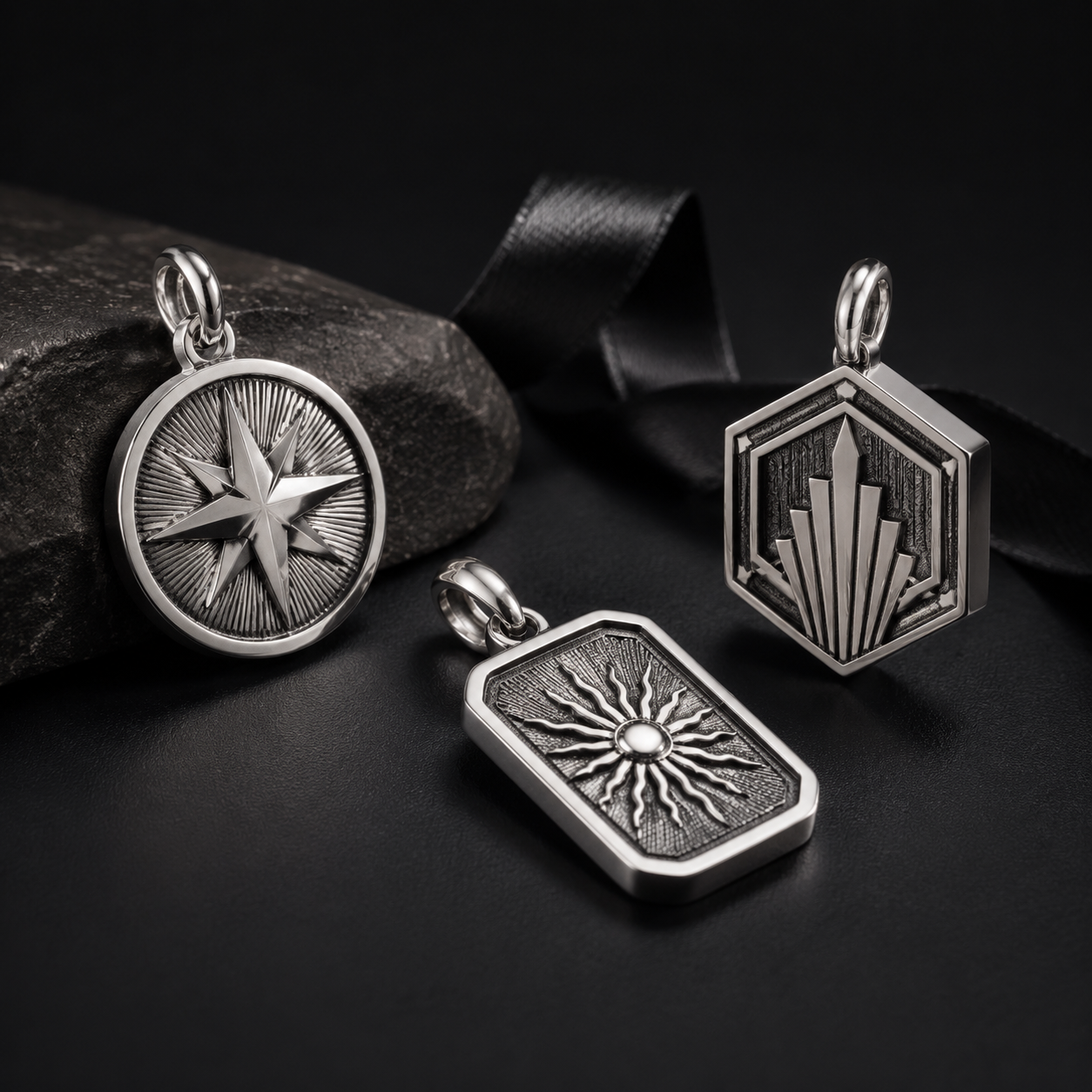
How to Vet Custom 316L Stainless Steel Charms OEM ODM Suppliers
When reviewing an OEM or ODM partner, buyers should evaluate the entire manufacturing process rather than focusing only on price. A qualified stainless steel charms manufacturer should demonstrate technical expertise, quality control systems, and the ability to support private label programs from concept to finished packaging.
Checklist 1: Verify Manufacturing Capability Before Cooperation
- Confirm that the supplier specializes in 316L stainless steel charms as the primary product category.
- Review whether the factory has in-house capabilities for development, precision production, finishing, and inspection.
- Check whether the supplier can support custom logo charms, collection planning, and private label packaging.
- Evaluate production communication processes, including design confirmation, sample approval, and order tracking.
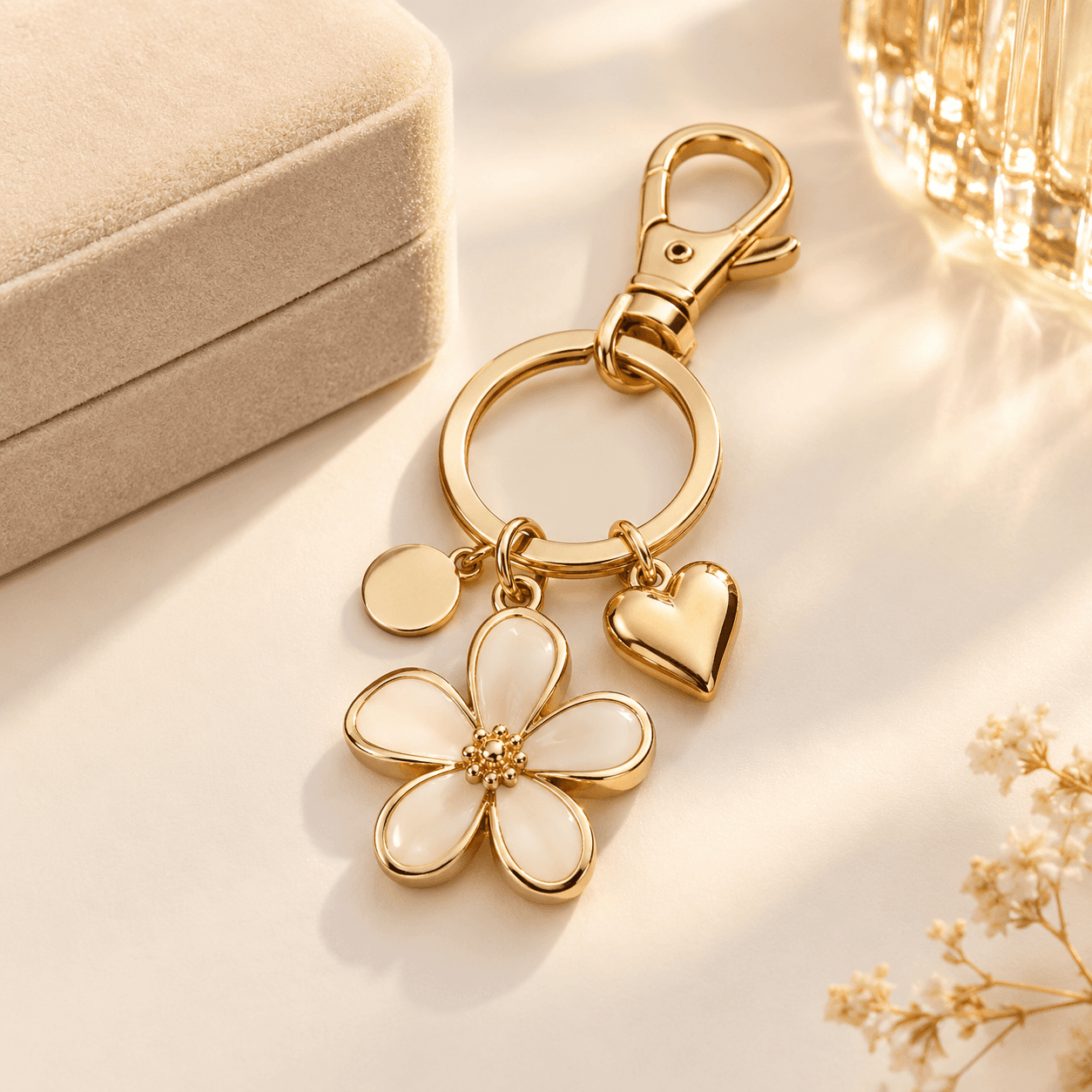
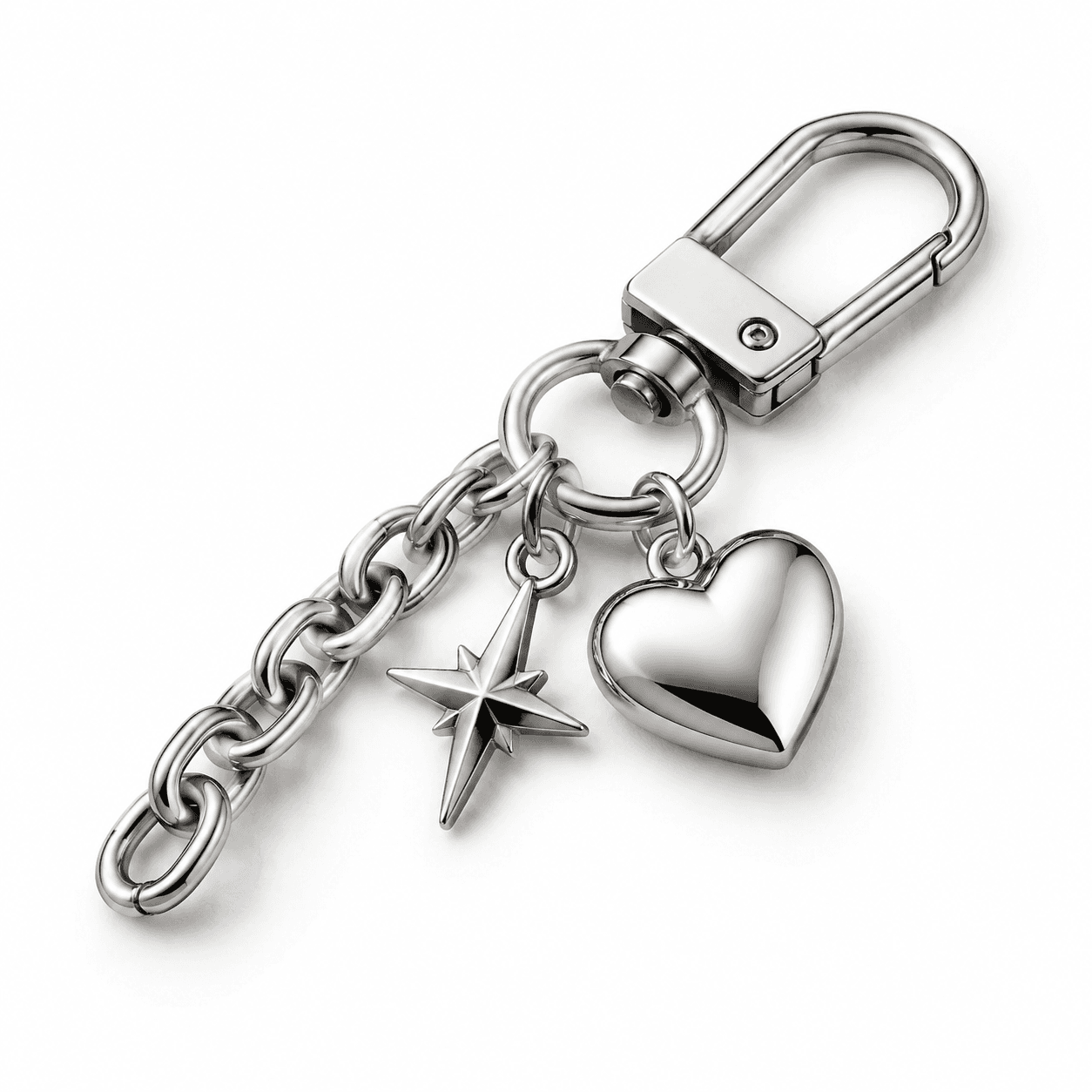
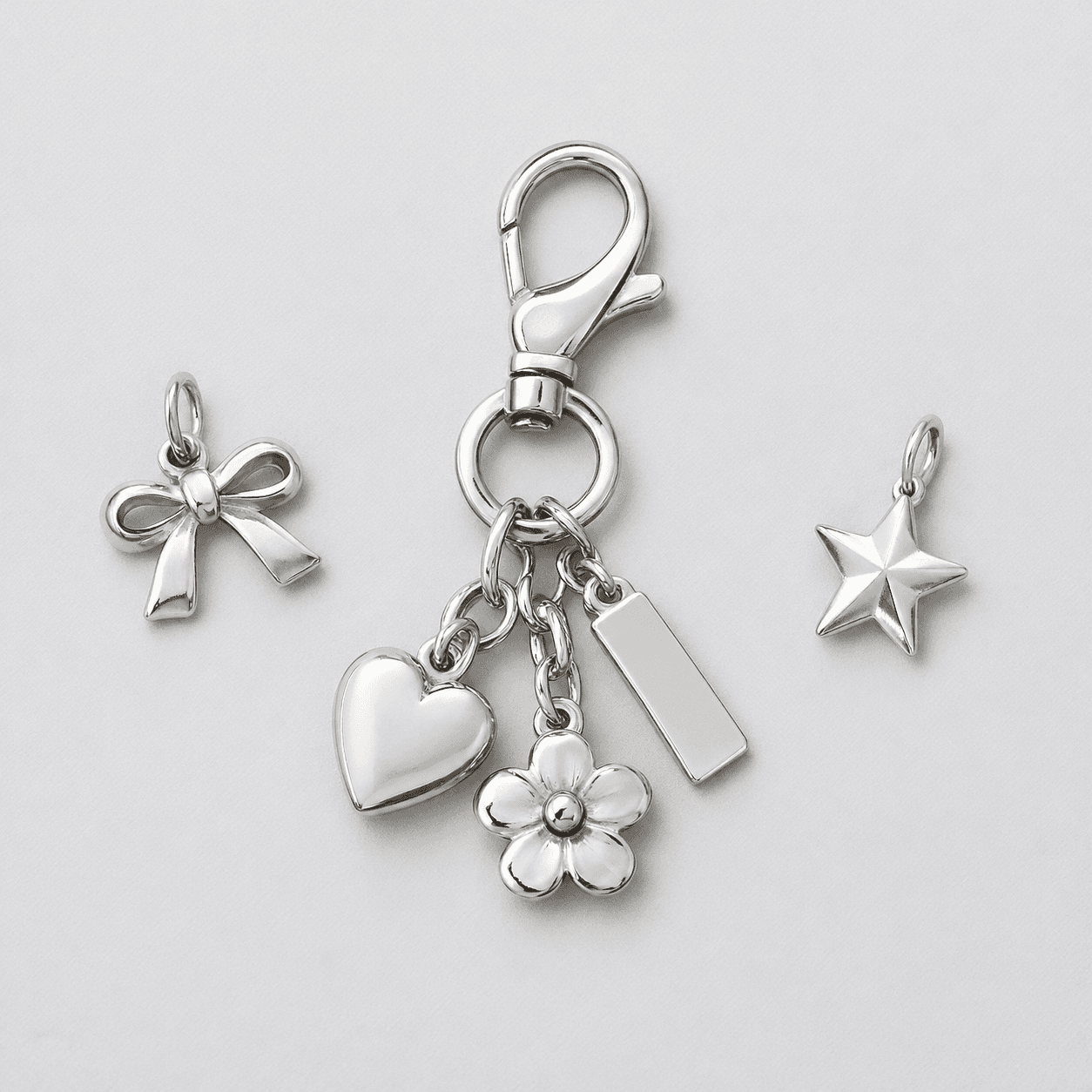
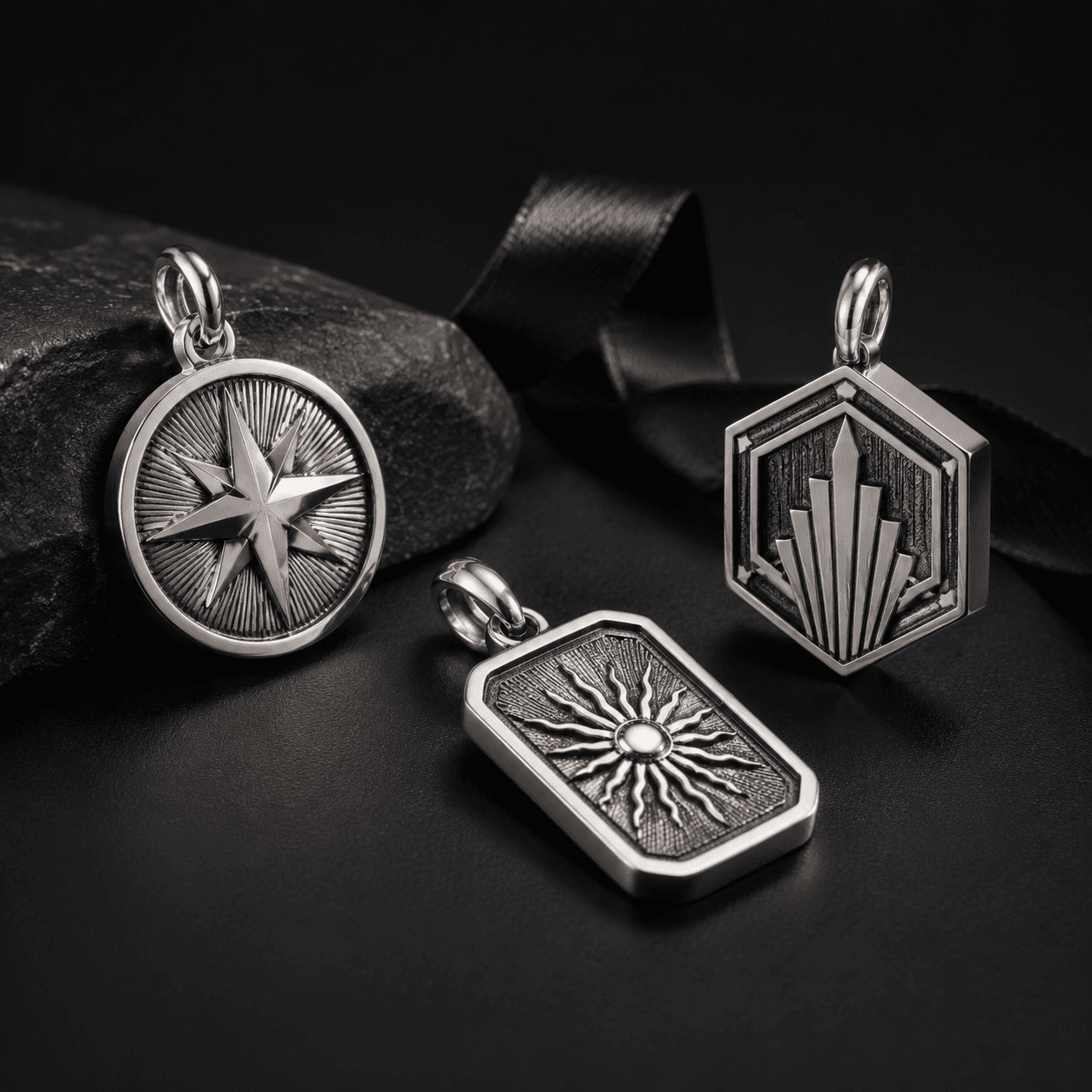
Lancy Jewelry operates as a B2B OEM/ODM 316L stainless steel charms manufacturer with a modern facility equipped for CNC processing, laser cutting, laser marking, welding, and polishing. These capabilities allow brands to develop detailed charm collections while maintaining production consistency.
Checklist 2: Confirm Material Standards and Product Consistency
Material verification is essential when selecting a 316L stainless steel charms supplier. Buyers should request clear documentation showing material specifications and production controls. Consistent material selection helps brands maintain product quality across different collections and future reorders.
- Confirm that all charm bases use 316L stainless steel.
- Review finishing options such as PVD, gold plated surfaces, silver finish, rose gold plating, enamel, and crystal inlay.
- Request sample evaluation before moving into bulk charm orders.
- Check how the supplier manages surface inspection, polishing quality, and finishing consistency.
A dependable supplier should have documented quality procedures and the ability to maintain repeatable results from prototype stage through larger production runs. Lancy Jewelry provides SGS certified testing support covering RoHS, REACH, Nickel Release EN1811, and Salt Spray 240H requirements.
Why Supplier Evaluation Matters for Private Label Brands
Private label buyers need manufacturing partners who understand that every product represents their market position. A supplier with weak quality control can create delays, customer complaints, and unnecessary operational costs. Strong supplier evaluation protects investment and creates a foundation for long-term growth.
Key Benefits of Working With a Qualified Partner
- Reliable quality control: Professional inspection procedures reduce inconsistencies in appearance, finishing, and production details.
- Better brand positioning: Well-developed collections help boutique brands create a professional market presence.
- Flexible production planning: Experienced suppliers can support different launch sizes, including low MOQ charm production.
- Faster product development: Efficient sample development processes help buyers test concepts before larger commitments.
- Lower sourcing risk: Transparent processes reduce misunderstandings related to specifications, timelines, and expectations.
For global buyers, supplier evaluation should also consider communication standards, export experience, documentation accuracy, and responsiveness. A manufacturing partner serving different international markets should understand practical expectations around quality, packaging, and delivery coordination.
Detailed Guide: Supplier Evaluation Checklist for Brand Managers
Step 1: Review Factory Background and Technical Experience
Start by examining the supplier's manufacturing background. A capable ODM charm supplier should provide clear information about production equipment, engineering support, and development experience.
Evaluation points:
- Does the supplier have dedicated production equipment?
- Can the factory explain its development workflow?
- Does the team understand custom design requirements?
- Can the supplier provide realistic timelines for sampling and production?
Manufacturing experience is especially important for detailed charm designs where small surface features, attachment points, and finishing quality require careful control.
Step 2: Evaluate Sample Development Process
Before placing a major order, buyers should test the supplier's sample development ability. A professional partner should transform design concepts into accurate samples while offering practical feedback about production feasibility.
- Submit design references and confirm technical interpretation.
- Review sample details, dimensions, surface treatment, and attachment structure.
- Record approved specifications for future production.
- Confirm that final bulk production follows the approved sample standard.
Sample development is not only a testing stage; it is a risk management tool. Strong sampling processes prevent expensive corrections after production begins.
Step 3: Check Customization and Private Label Support
Brands seeking differentiation should evaluate customization capabilities. A suitable partner should support OEM projects that include design adjustments, logo engraving, packaging solutions, and collection planning.
- Verify support for custom logo charms.
- Discuss private label packaging requirements.
- Confirm whether the supplier can manage multiple designs within one collection.
- Review options for seasonal launches and new product programs.
Lancy Jewelry supports OEM and ODM development for boutique brands and private-label buyers, helping customers create organized charm collections with consistent manufacturing standards.
Step 4: Review Quality Control and Dispute Protection Measures
Quality disputes often happen when specifications are unclear. Before cooperation begins, buyers should establish written standards covering materials, dimensions, finishes, packaging, inspection requirements, and approval procedures.
Recommended protection measures:
- Approve samples before production.
- Maintain clear product specifications and reference files.
- Confirm inspection checkpoints during production.
- Define communication channels for issue resolution.
- Keep production records for future repeat orders.
A professional factory should welcome quality discussions and provide solutions instead of avoiding responsibility. Clear procedures create stronger partnerships and reduce unnecessary business risk.
Step 5: Compare Commercial Terms Beyond Unit Price
Price is only one part of supplier evaluation. Buyers should consider the total value provided by the manufacturer, including development support, quality reliability, packaging capability, and production flexibility.
- Review MOQ requirements.
- Understand sampling costs and timelines.
- Confirm production lead times.
- Evaluate support for wholesale stainless steel charms programs.
- Assess long-term cooperation potential.
The right supplier helps brands balance cost efficiency with consistent product performance. A lower initial quote does not always represent lower overall sourcing risk.
FAQ About Custom 316L Stainless Steel Charms OEM ODM Suppliers
What should I check before choosing a 316L stainless steel charms supplier?
Review manufacturing capability, material standards, sample development process, quality control procedures, customization support, and communication reliability. A complete evaluation helps reduce production and delivery risks.
Can OEM suppliers support private label charms collections?
Yes. Professional OEM partners can support private label projects through custom designs, logo engraving, finishing options, packaging solutions, and coordinated collection development.
Why is sample development important before bulk charm orders?
Sample development allows buyers to confirm design details, finishing quality, and production feasibility before committing to larger quantities. It is an important step for controlling quality and preventing disputes.
What certifications should buyers review when sourcing stainless steel charms?
Buyers should review relevant material and safety testing documentation. Lancy Jewelry provides SGS certified testing support including RoHS, REACH, Nickel Release EN1811, and Salt Spray 240H requirements.
Partner With Lancy Jewelry for Reliable OEM and ODM Production
Selecting a manufacturing partner requires careful evaluation, but the right supplier can become a strategic advantage for your brand. Lancy Jewelry supports boutique brands, distributors, and private-label buyers with 316L stainless steel charms development, flexible MOQ solutions, professional sampling, and production expertise.
Whether you need custom decorative charms, organized collection planning, or long-term manufacturing support, our team provides factory-direct cooperation designed around quality control and dependable delivery.
Explore our product range through All Products, learn more about our manufacturing capabilities through OEM Service, or send your requirements through Request a Quote. Contact our team at Contact to discuss your next private label project.