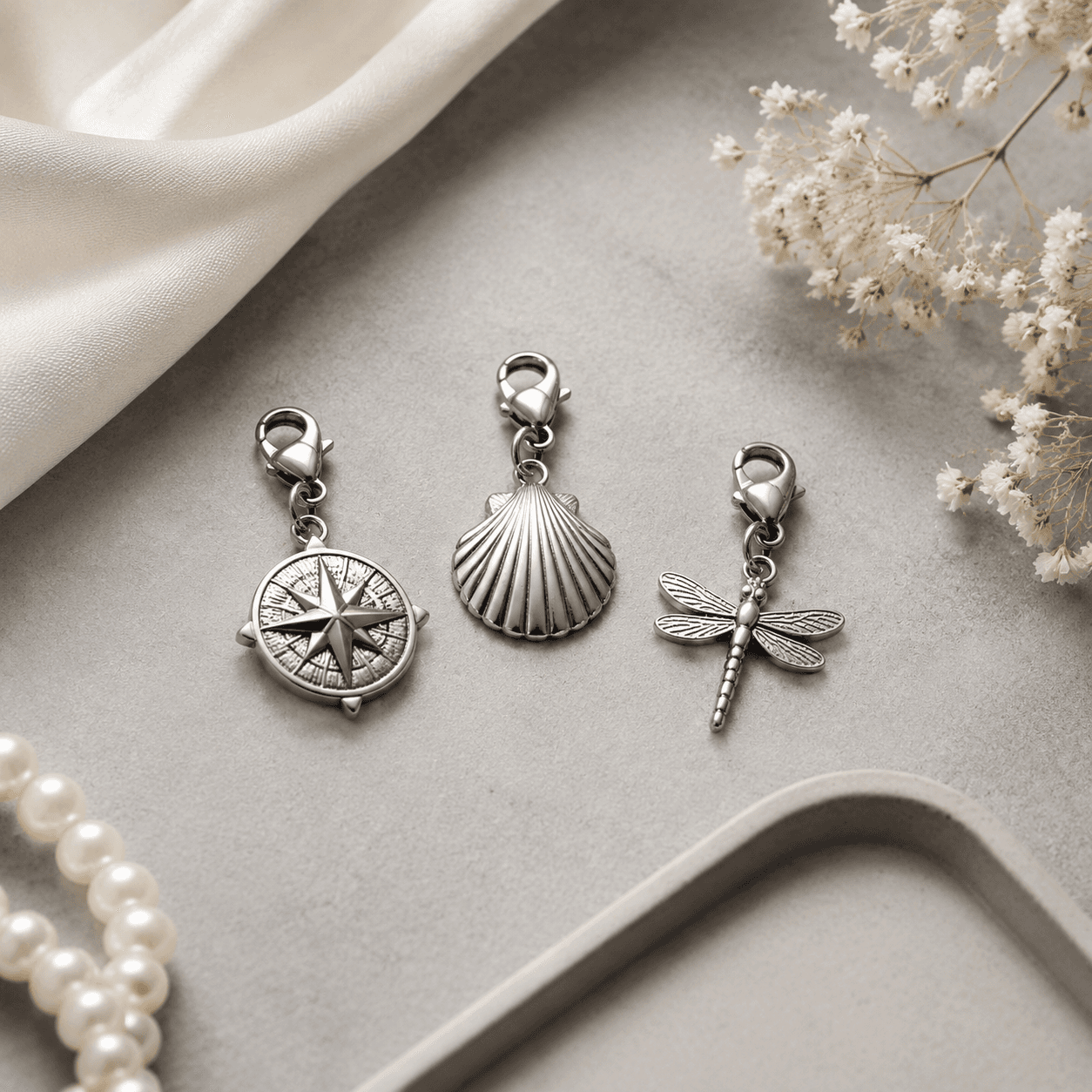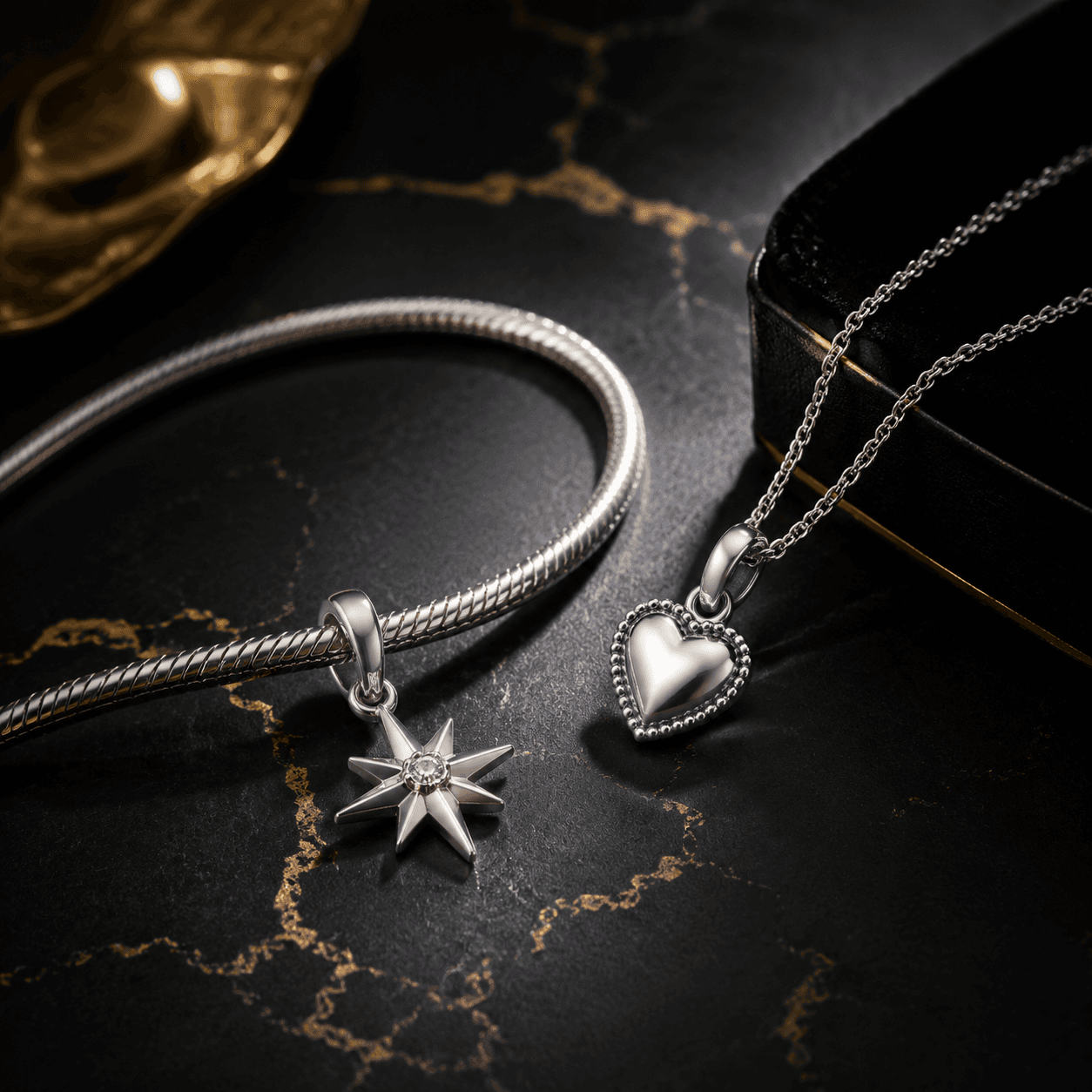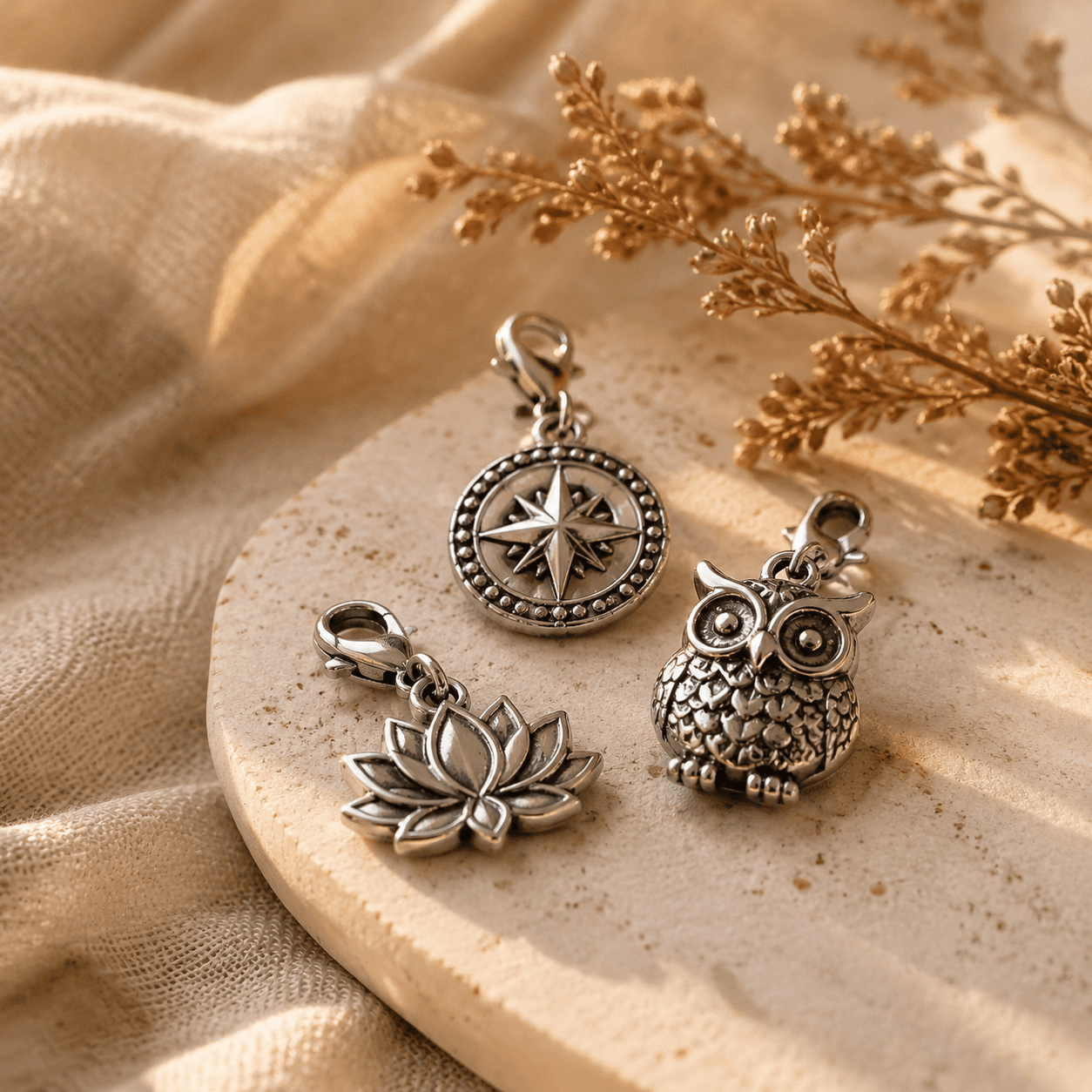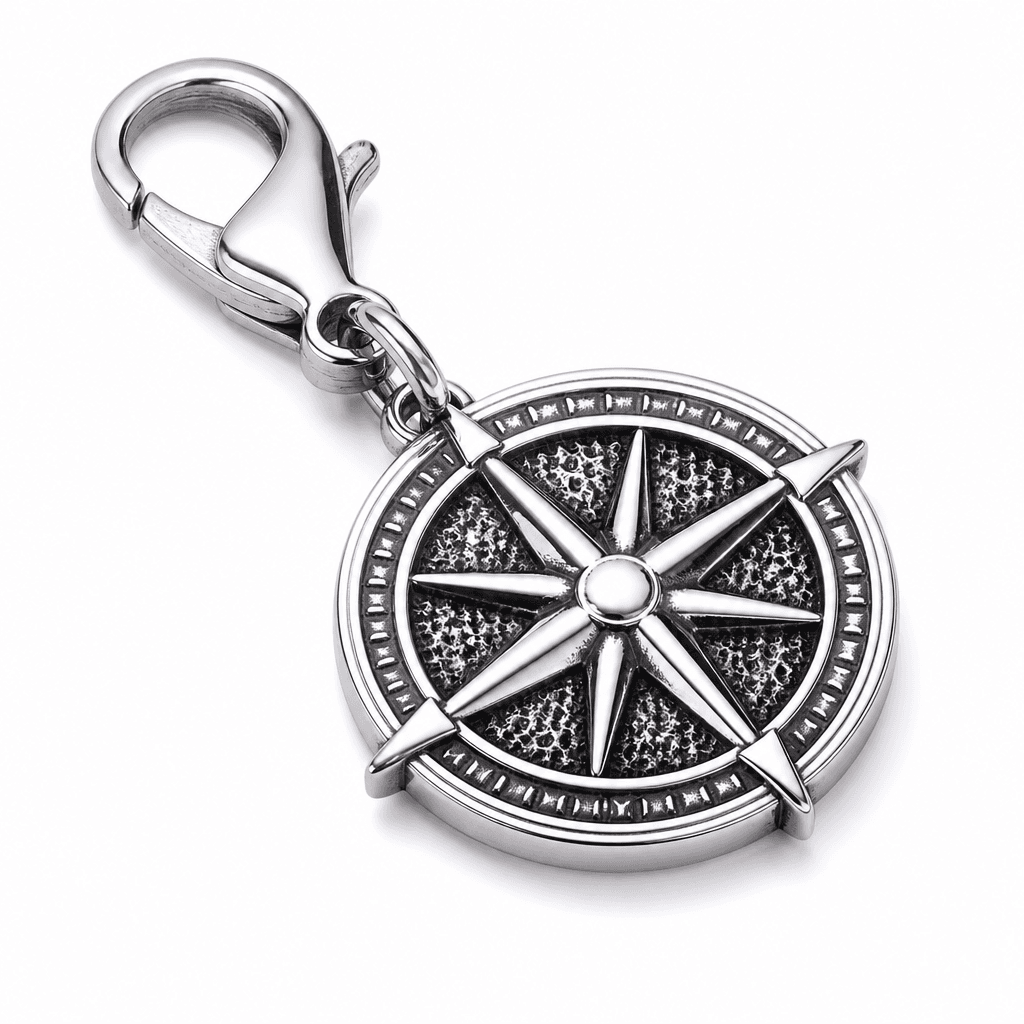
In the fast-moving world of accessory sourcing, the ability to reliably source 316L stainless steel car charms from a compliant manufacturer is foundational. This guide is written for procurement teams who must evaluate vendors with rigor—focusing on material science, process controls, and documentation that supports compliant, scalable private-label programs. As a leading stainless steel charms manufacturer with OEM/ODM capabilities, Lancy Jewelry brings a practical, evidence-based lens to supplier vetting that translates across US, EU, UK, AU, CA, and beyond. Our SGS-certified facility operates with CNC, laser cutting, laser marking, welding, and polishing to deliver consistent, boutique-ready results. We emphasize 316L chemistry, plating stability, and traceable documentation to reduce risk and accelerate private-label timelines. For reference, you’ll find our OEM service and sample development options at OEM service and Request a Quote, with product browsing at All Products or Contact.
Stainless Steel Car Charms: A Sourcing Topic
Car charms, as a product category, demand materials and processes that resist corrosion, maintain luster, and accept precise finishes. The keyword here is 316L, a low-carbon austenitic stainless steel known for its corrosion resistance, formability, and compatibility with a wide range of finishes. When procurement teams evaluate suppliers, the core questions revolve around chemistry, processing controls, and documentation trails that demonstrate consistency across batches and safety for end users. This section uses the lens of a sourcing guide to help you identify, assess, and select trustworthy partners capable of delivering custom stainless steel charms at scale under OEM or ODM programs.
316L stainless steel properties that matter
316L is the low-carbon variant of 316 stainless steel, with excellent corrosion resistance, particularly in chloride environments. The inclusion of molybdenum (the “M” in 316) provides superior pitting resistance relative to 301/304 grades, making it well-suited for exterior-facing charm components that may encounter sweat, humidity, or environmental exposure during wear or display. For procurement teams, the critical properties to verify are corrosion resistance, biocompatibility standards, and machinability. These factors influence the performance of PVD finishes, enamel inlays, and crystal settings that a charm program may demand. When you partner with a manufacturer, you want data on chemical composition, including typical ranges for chromium, nickel, molybdenum, and carbon content, plus test results that attest to stability under salt spray, moisture, and thermal cycling.
Alloy composition and metal chemistry behind long-lasting finishes
Beyond base chemistry, your supplier should provide details on how the 316L substrate interacts with finishes such as PVD gold plating, silver finish, rose gold plating, enamel, and crystal inlay. The chemistry governs adhesion, hardness, and the risk of plating wear during daily use or packaging handling. Ask suppliers for data on diffusion barriers, pre-plating cleaning protocols, and process controls that ensure plating uniformity across large production runs. A robust supplier will document plating thickness targets, color matching tolerances, and adhesion tests (pull tests and bend tests) to confirm that the finished charms can withstand repeated handling from charm bars, retailers, and buyers without layer delamination.
PVD plating and finishes for car charms
PVD plating transforms a primarily metallic 316L substrate into a boutique-ready surface while preserving core material qualities. When evaluating suppliers, request evidence of controlled plating processes, target thickness (measured in microns), and post-plating inspection data. A reputable partner should offer a range of finishes, including gold plated, silver finish, and rose gold plating, with consistent appearance across batches. Documentation should include process capability indices (Cp, Cpk), batch-level test results, and traceability records for lot numbers. For private-label programs, confirm packaging compatibility with your brand guidelines and private-label packaging capabilities, including labeling, carton design, and any required regulatory declarations. As you review potential partners, ensure they can deliver reliable private-label packaging and the ability to maintain plating uniformity at a low MOQ without sacrificing quality.
Documentation and compliance that buyers require
Given global distribution, documentation is a cornerstone of a trustworthy supply chain. Expect to receive material declarations, RoHS and REACH compliance statements, EN1811 nickel-release testing results, and salt-spray corrosion test data (for example, 240 hours) to demonstrate endurance in real-world conditions. In our SGS-certified facility, these certifications translate into structured test reports and traceable lot-based records that support both US and EU regulatory expectations. You should also assess traceability documentation for the supply chain, including raw material sources, in-process checks, and final QC sign-off. A compliant supplier will provide a clear, auditable trail from material receipt through final packaging, along with change-control records for any process adjustments. This level of documentation reduces risk when expanding to private-label or wholesale programs and supports faster RFQs and bulk orders.
Benefits and why it matters for procurement teams
Evaluating 316L stainless steel car charms suppliers through a rigorous, documentation-driven lens yields several tangible benefits. First, compatibility with a wide range of finishes and inlays reduces design friction, enabling faster time-to-market for new collections. Second, a credible supplier with SGS-certified facilities demonstrates lower regulatory risk and higher traceability—which is essential for cross-market distribution across the US, EU, UK, AU, CA, and other regions. Third, a supplier that can support OEM and ODM workflows, private-label packaging, and low MOQs helps you manage private-label programs without tying up capital in unused inventory. In practical terms, these advantages translate into smoother sampling cycles, consistent plating quality, and reliable lead times for bulk charm orders.
Key benefits (with certifications mentioned)
- Private-label packaging and OEM/ODM capabilities to accelerate product launches
- Low MOQ charm production options that fit boutique brands and distributors
- SGS-certified RoHS, REACH, Nickel Release EN1811, and Salt Spray 240H documentation for global markets
- Consistent plating quality and finish control across production runs
- Sample development support to de-risk new designs before full-scale manufacturing
Detailed analysis and practical guide for supplier vetting
Taking a structured approach to supplier evaluation minimizes risk and speeds up procurement decisions. Here is a step-by-step guide designed for global buyers and procurement teams evaluating 316L stainless steel car charms from a reputable OEM/ODM partner.
Step 1: Define specification and performance criteria
Before reaching out to suppliers, translate your design concepts into concrete specifications. Define the base material as 316L stainless steel, specify acceptable tolerances for overall dimensions, and set finish preferences (PVD gold plated, silver finish, rose gold plating). Document acceptable enamel colors or crystal inlay options if applicable, as well as tolerance ranges for thickness, weight, and plating. Clarify whether you require logo engraving or private-label packaging, and outline packaging standards for different channels (retail, wholesale, gift programs). Draft a bill of materials (BOM) and a quality acceptance criteria (QAC) that includes plating adhesion, corrosion resistance, and finish uniformity. A precise spec sheet reduces miscommunication and accelerates RFQ responses.
Step 2: Evaluate manufacturing capability and equipment
Assess the supplier’s factory capabilities: CNC for precision shaping, laser cutting and marking for consistent engraving, welding and polishing for durable construction, and a controlled environment for surface finishing. Confirm that the facility can produce 316L stainless steel charms at your required scale, with reliable process controls and documented testing. For services such as logo engraving and enamel color filling, verify process compatibility and repeatability. A manufacturer with a modern facility, like Lancy Jewelry, often provides a transparent view into capacity, lead times, and the ability to scale from sample development to bulk charm orders without compromising quality.
Step 3: Request samples and test results
Sample development is the most practical way to verify material behavior and finish appearance before committing to larger production. Request samples that reflect your exact finish, engraving, and any enamel or crystal inlays. Evaluate the samples for finish uniformity, engraving clarity, and plating adhesion after simulated wear. Alongside physical samples, require test data: corrosion resistance benchmarks, nickel-release (EN1811) results, and salt-spray performance. If you plan to implement a private-label program, obtain a sample packaging mock-up to ensure branding alignment and label readability. A supplier that can produce representative samples quickly and with complete documentation demonstrates readiness for wholesale or private-label programs.
Step 4: Review documentation and compliance packages
Compliance documentation is non-negotiable for global distribution. Review RoHS and REACH declarations, EN1811 nickel-release data, and Salt Spray results, along with any supplier declarations regarding material sources and traceability. Ensure the supplier provides a clear certificate of conformity for each lot, with batch numbers, production dates, and test results. For brands pursuing a private-label strategy, verify packaging artwork approvals, labeling compliance, and any regulatory disclosures required by your markets. A supplier with comprehensive, accessible documentation reduces the risk of compliance-related delays during RFQs and audits.
Step 5: Assess commercial terms and supply chain reliability
Commercial terms should align with your business model. Look for OEM/ODM capabilities, private-label packaging options, and low MOQs that fit boutique brands or smaller distributors. Confirm lead times, minimum order quantities, and replenishment cadence for ongoing programs. Examine the supplier’s quality control plan, including incoming material inspection, in-process checks, and final inspection criteria. Ask about capacity flexibility to handle peak volumes and back-up supplier options to mitigate risk. A capable partner will provide transparent pricing, a defined lead-time window, and a plan for continuous improvement across orders.
Step 6: Conduct a formal vendor audit and site visit (where feasible)
For larger partnerships or strategic programs, a formal audit—covering quality systems, process control, supplier management, and social responsibility—can be valuable. While ISO 9001 or BSCI are not required per your guidelines, auditors typically review manufacturing controls, equipment maintenance, cleanliness, and documentation practices. If a site visit isn’t possible due to geography or time, request a virtual tour and reference checks from existing clients. A credible supplier will respond with an auditable trail that reinforces trust and enables faster onboarding for new programs.
FAQ
Q1: Why is 316L stainless steel preferred for car charms?
A1: 316L offers excellent corrosion resistance, good formability, and compatibility with various surface finishes, making it a dependable base metal for long-lasting car charms exposed to moisture, sweat, and handling. The low carbon content also supports strong, uniform finishes and reliable engraving results.
Q2: What documentation should I expect when vetting a supplier?
A2: Expect material declarations, RoHS/REACH statements, EN1811 nickel-release results, salt-spray test data, and lot-based traceability records. Documentation should cover the entire supply chain from raw materials to finished charms, including packaging and labeling if you plan private-label production.
Q3: How long does sample development typically take?
A3: Turnaround varies by finish and customization, but a reputable supplier should provide a provisional timeline within 1-2 weeks for basic samples and 2-4 weeks for more complex finishes or private-label packaging mock-ups. A streamlined process reduces time-to-market for new collections and helps lock in private-label programs with confidence.
Q4: How do MOQs affect private-label or wholesale programs?
A4: Low MOQs matter for boutique brands and distributors. Reputable manufacturers can offer flexible MOQs while maintaining consistent plating quality and finish control. For ongoing private-label programs, negotiate a scalable MOQ tied to your production volumes, with clear pricing for ramp-up periods and forecast commitments to secure favorable terms.
Call to action: Partner With Us
If you are seeking a reliable 316L stainless steel charms manufacturer to support OEM/ODM programs, private-label packaging, and scalable sample development, consider engaging with a known, SGS-certified partner. Lancy Jewelry offers the machinery, process controls, and documentation discipline needed to navigate global markets. Explore our OEM service options, request a quote via Request a Quote, or reach out through Contact to begin a structured vetting journey. For product discovery and reference, you can browse our product catalog at All Products to see examples of 316L stainless steel charms and compatible accessory programs.
This guide is designed to support procurement teams in multinational settings: it reflects universal best practices, cross-market considerations, and the practical realities of private-label charm programs. With the right partner, your sourcing process becomes faster, more compliant, and better aligned with your brand’s technical and commercial goals.