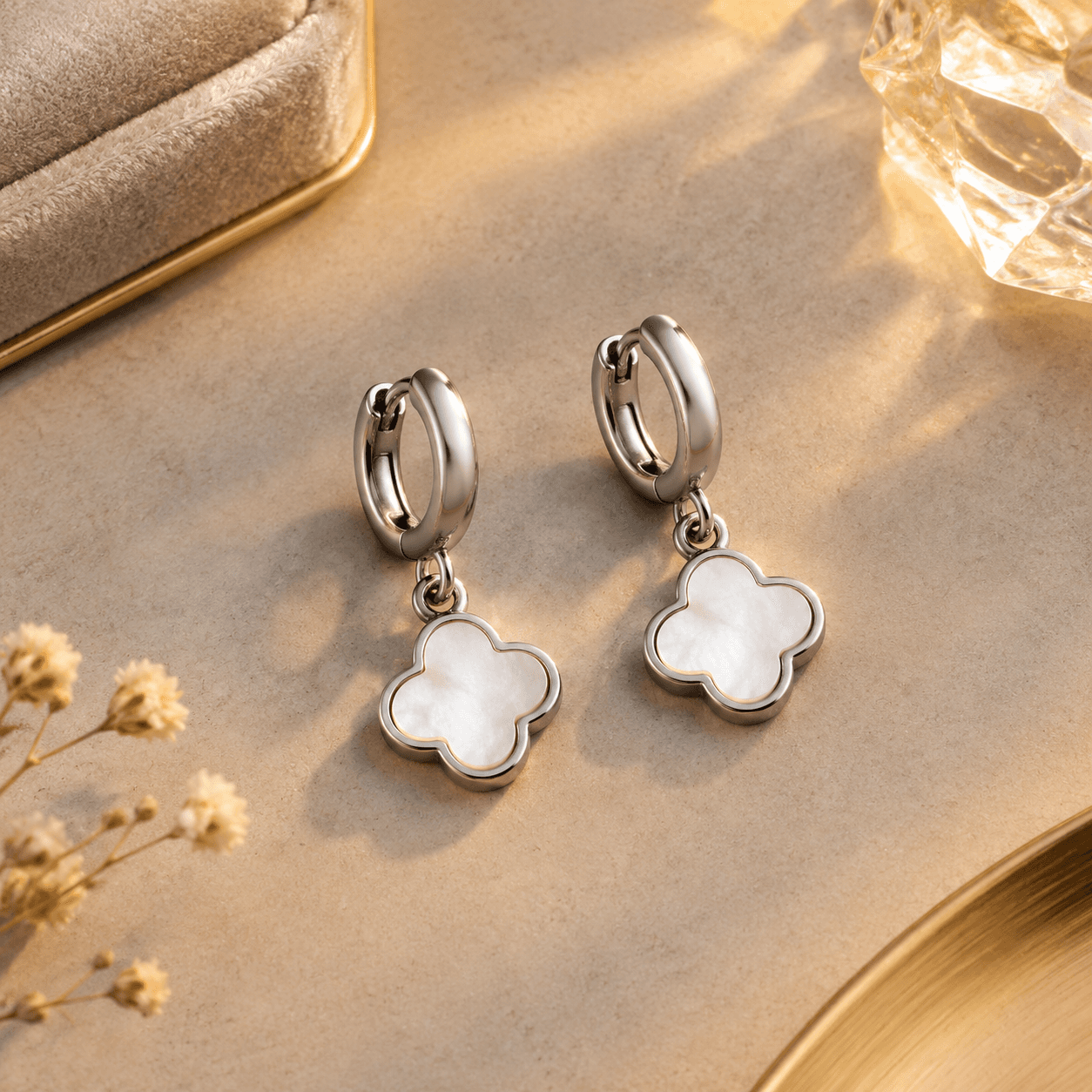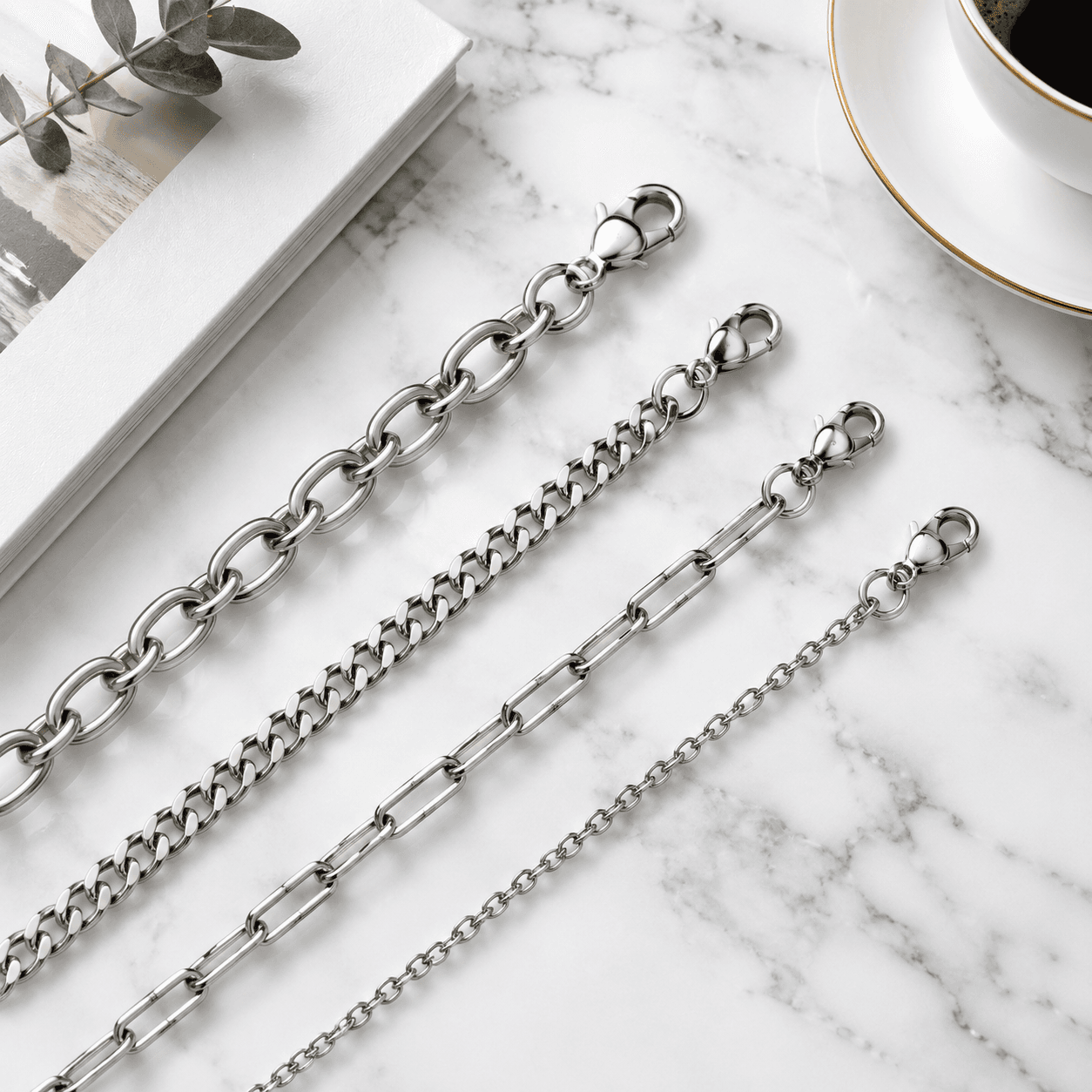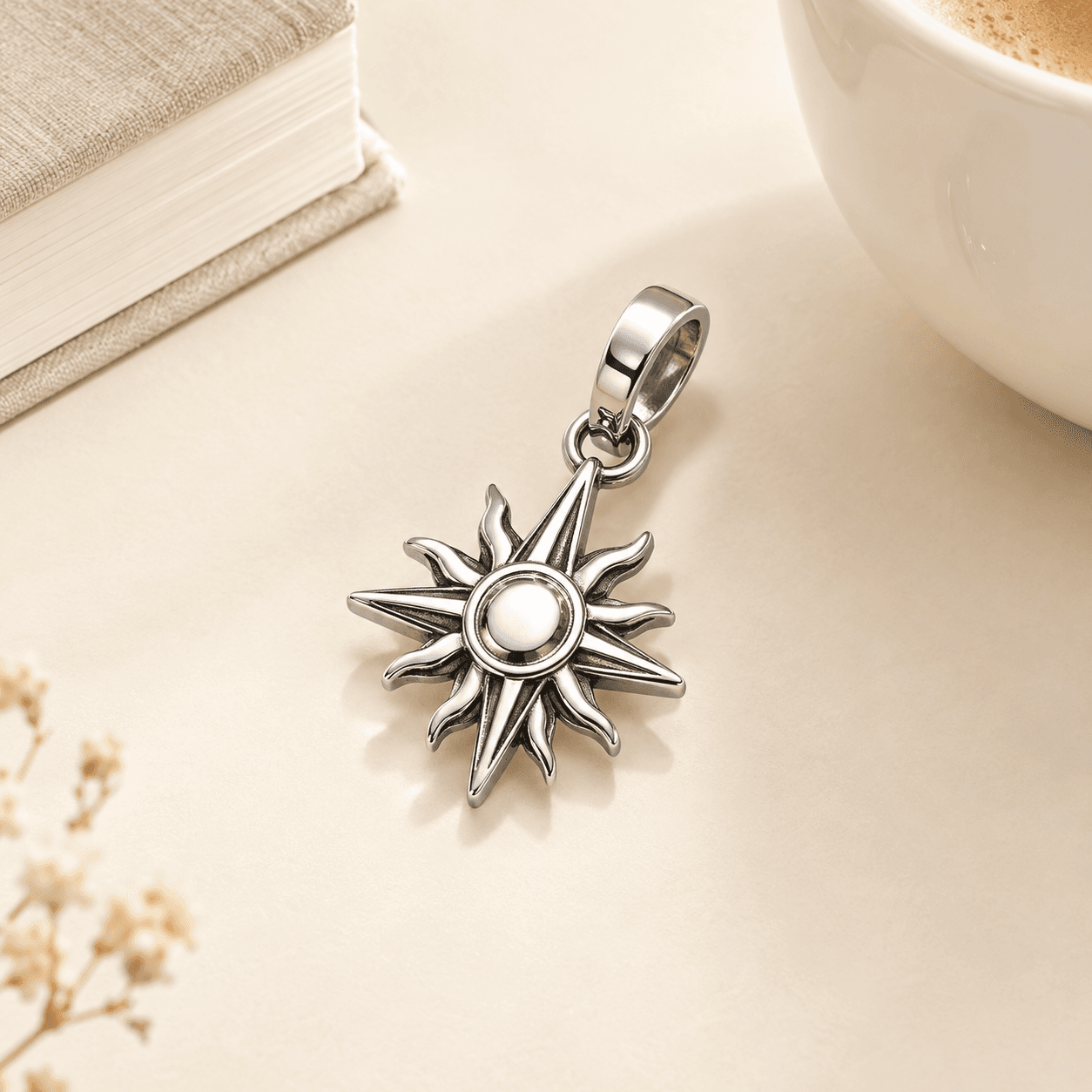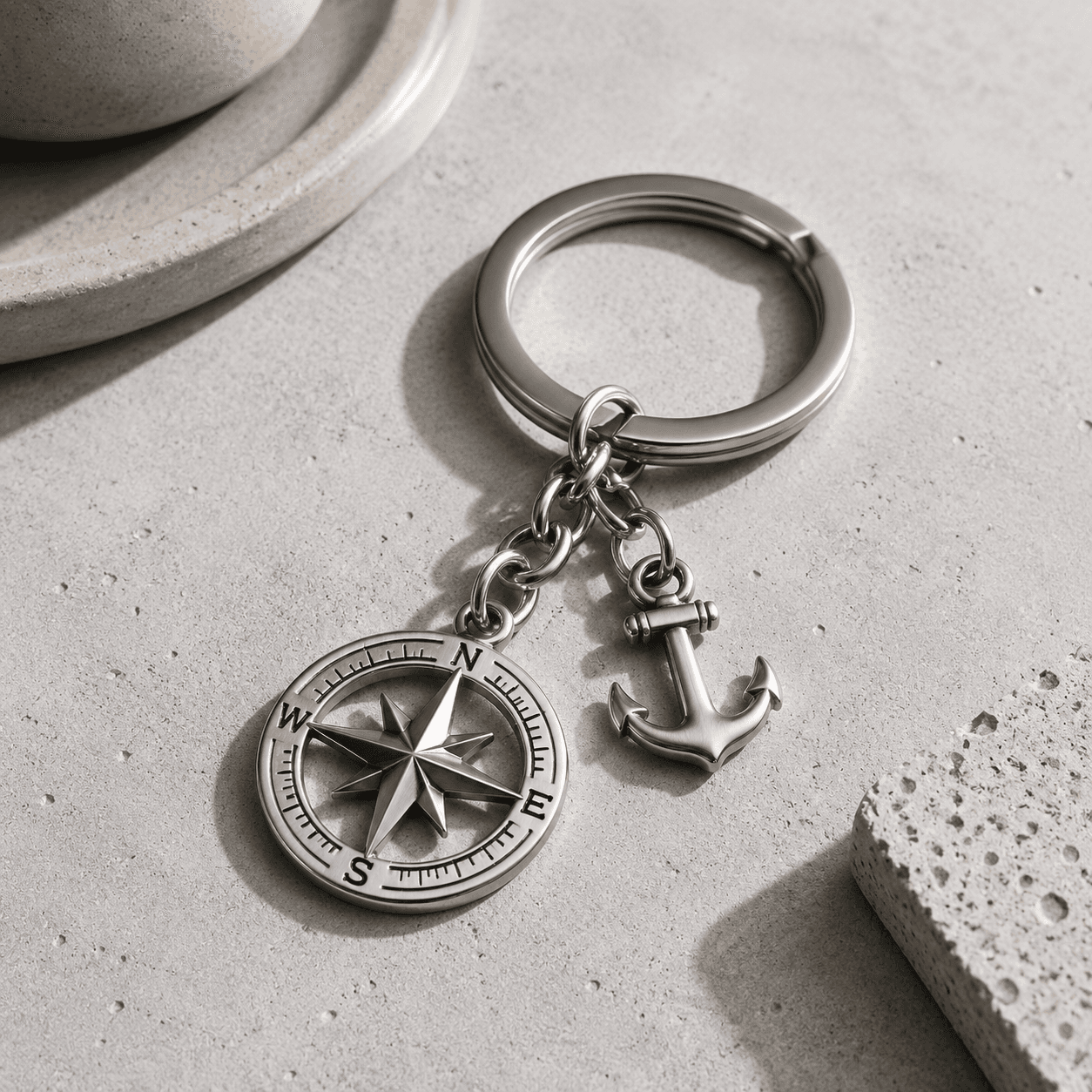
In global procurement, choosing the right supplier for stainless steel keychains with charms can spell the difference between on-time launches and costly delays. This guide provides a practical, evidence-based approach focused on 316L stainless steel charms, material integrity, and robust documentation. By following a step-by-step vetting process, procurement teams can reduce risk, secure consistent plating, and partner with factory-direct manufacturers that offer comprehensive OEM/ODM capabilities. For organizations seeking reliable private-label solutions and scalable production, this guide maps the essentials from materials science to supplier audits.
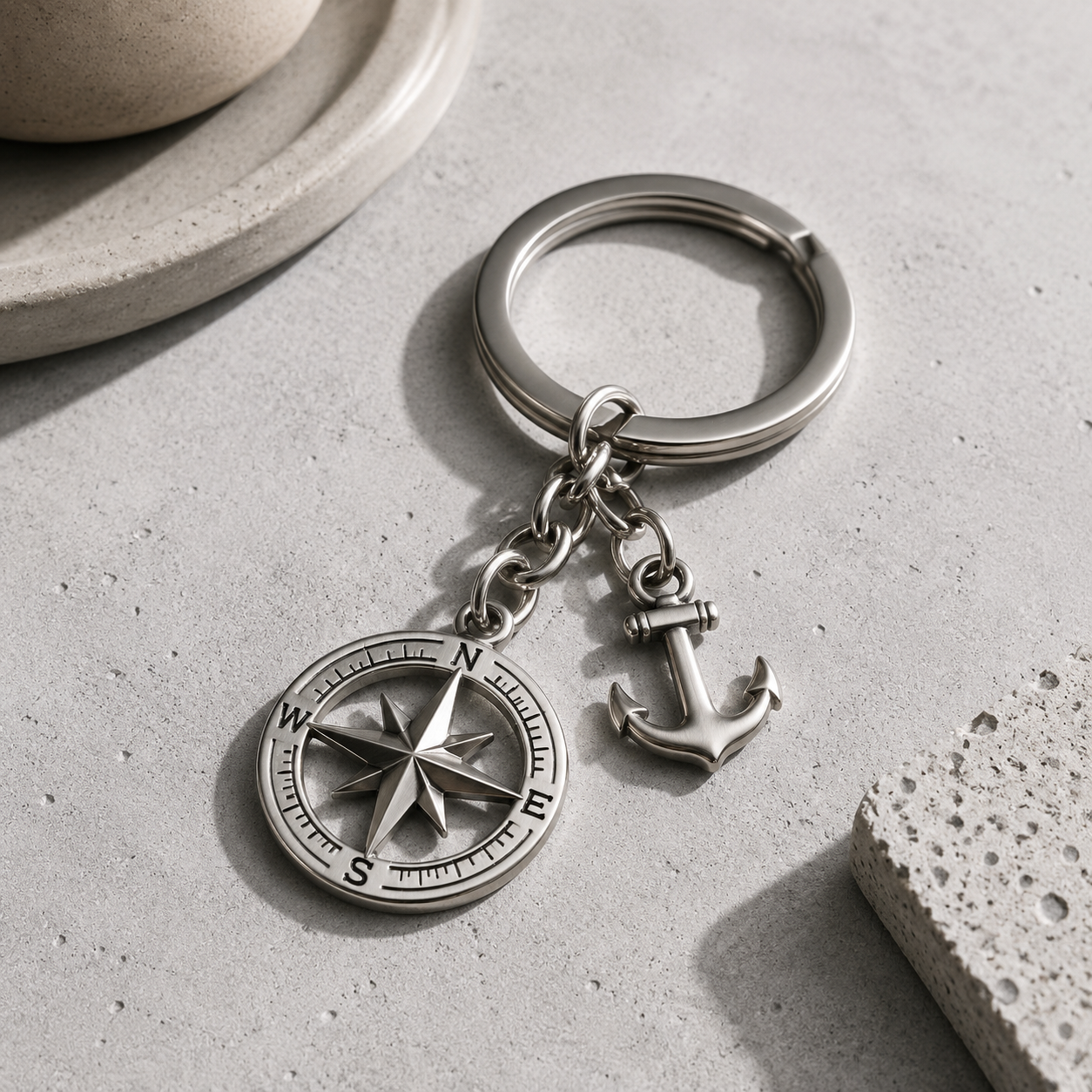
How to Vet Stainless Steel Keychains with Charms Suppliers (316L)
Why this topic matters for 316L stainless steel charms
316L stainless steel is the standard base material for durable charms used in boutique programs and private-label lines. Its low carbon content improves weldability and corrosion resistance, while the molybdenum content enhances pitting resistance in challenging environments. For procurement teams, focusing on 316L helps ensure consistent performance across markets and simplifies compatibility with finishes such as PVD plating, enamel fills, and crystal inlays. When sourcing, look for suppliers who clearly articulate alloy composition, finishing processes, and QA controls. This emphasis aligns with the needs of a modern OEM charms manufacturer and supports custom stainless steel charms programs that scale from pilot runs to bulk orders.
What to look for in a reputable supplier
Key vetting points include material declarations, process capabilities, and documentation readiness. A strong supplier should provide a material declaration that confirms 316L stainless steel as the base, along with details on PVD plating, enamel color filling, and crystal inlay options. They should also demonstrate robust in-house capabilities for CNC, laser cutting, laser marking, welding, and polishing, plus private-label packaging options. When evaluating, prioritize partners that offer MOQ clarity, sample development timelines, and transparent pricing for wholesale stainless steel charms or private-label projects. This approach supports OEM charms manufacturer and ODM charm supplier relationships that can adapt from early prototypes to full-scale production.
Benefits/Why it matters
Certified quality and compliance
Working with a supplier that holds SGS certification (RoHS, REACH, Nickel Release EN1811, Salt Spray 240H) confirms adherence to global safety, health, and environmental standards. These certifications reduce compliance risk for global buyers and support steady cross-market approvals. For 316L stainless steel charms, certified processes ensure nickel release controls and salt spray performance—critical for long-term durability in gift programs and charm bars.
Factory-direct advantages for speed and cost
Partnering with a modern facility that offers CNC, laser cutting, laser marking, welding, and polishing enables faster development cycles and tighter control over finishes such as PVD gold plating, silver finish, rose gold plating, enamel, and crystal inlay. Factory-direct dynamics can translate into more predictable sample development timelines, lower MOQ options, and smoother transitions from concept to private-label packaging. This aligns with the needs of boutique brands and distributors seeking reliable private-label programs.
Documentation that protects your program
Beyond the physical product, comprehensive documentation—from material declarations and process specifications to packaging standards and QC checklists—supports audits and regulatory reviews in multiple markets. A strong supplier will provide clear QA records, test certificates, and production traceability, helping your team meet internal and customer-required documentation for OEM/ODM engagements and bulk orders.
Detailed analysis/Guide: Step-by-step vetting process
-
Define your requirements — Start with your program scope: are you pursuing private label charms or a broader wholesale stainless steel charms program? Define target finishes (PVD plating, enamel, crystal inlay), sizes (default 8-18 mm range for charms), and packaging needs. Establish your MOQ, expected lead times, and whether you require sample development support prior to committing to a large order. This is the baseline for evaluating suppliers capable of OEM charms manufacturer and ODM charm supplier roles.
-
Request material and process declarations — Ask for a formal declaration confirming 316L stainless steel as the base. Request detailed alloy composition, impurity limits, and any post-processing steps. Require descriptions of finishing processes (PVD plating parameters, color options, enamel filling method, crystal setting technique) and QA steps for each finish. A transparent supplier should share test data and confirm compatibility with your protective packaging and labeling requirements.
-
Assess factory capabilities — Review whether the supplier’s facility supports CNC, laser cutting, laser marking, welding, and polishing, plus private-label packaging capabilities. Confirm their ability to execute sample development within agreed timelines and whether they can scale from proto to bulk production while maintaining plating consistency and part-to-part tolerances.
-
Verify finishes and aesthetics — If you plan enamel fills or crystal inlays, request sample finishes to assess color fidelity, fill consistency, and crystal stability. For PVD plating, verify color stability under expected wear conditions and confirm plating thickness specifications. Include a durability plan for long-term use, especially for gift programs and charm bar contexts where daily handling occurs.
-
Conduct a basic QA and traceability review — Inspect QA processes, inspection checkpoints, and acceptance criteria. Confirm traceability from incoming materials to finished charms, including batch records and lot numbers. A robust QA framework reduces post-launch defects and returns—critical for bulk orders or sustained wholesale programs.
-
Evaluate packaging and private-label readiness — Ensure private-label packaging meets your brand guidelines and regulatory requirements. Check whether the supplier can provide custom-printed packaging, hang tags, and serialization if needed. Packaging readiness is essential for a smooth market launch and consistent branding across regions.
-
Discuss commercial terms — Clarify pricing tiers tied to volumes, negotiate lead times, review payment terms, and verify MOQ guidance. For new programs, confirm whether sample development samples are billable and whether there are options for paid pilot runs before committing to a full bulk orders plan.
-
Schedule a vendor audit or remote validation — If feasible, arrange an on-site or remote assessment to verify capabilities, cleanliness, and safety practices. Audit findings should track corrective actions and timelines, reinforcing confidence for global buyers seeking a dependable partner.
-
Make the decision and start with a staged rollout — Select a partner that best aligns with your private-label and OEM/ODM goals. Begin with a controlled pilot run to validate processes, then expand to full production if results meet your standards and customer requirements.
FAQ
Q1: What makes 316L stainless steel ideal for keychains with charms?
A1: 316L stainless steel offers excellent corrosion resistance, good weldability, and low carbon content that minimizes carbide precipitation during fabrication. These properties make it a reliable base for durable charms subjected to daily handling, moisture, and travel. For global programs, 316L helps ensure consistent performance across markets and supports a range of compatible finishes such as PVD plating and enamel.
Q2: How can I verify supplier certifications like RoHS, REACH, and Nickel Release?
A2: Request official test reports and certificates from accredited laboratories. SGS-certified facilities typically provide RoHS compliance, REACH consistency, and EN1811 nickel release data. Review the scope of testing, test methods, and the validity period. For a global supply chain, include these certificates in your QA package and require updated copies with long-term supplier relationships.
Q3: What should I expect in a sample development phase?
A3: A well-structured sample development phase includes design prototypes, material verification, finish sampling (PVD, enamel, crystal inlay), and a first-run quality check. Plan for multiple iterations to align with your branding and tolerance standards. Ensure the supplier can deliver timely samples and clearly state any charges or credit terms for future production.
Q4: How do MOQ and lead times typically work for private-label charms?
A4: MOQ and lead times vary by finish and customization. For private-label programs, MOQs are often set to balance production efficiency with risk management. Lead times typically include design finalization, tooling setup, and initial production. Transparent suppliers provide a timeline from order placement to ready-for-shipment status and will offer options for expedited runs if needed.
Call to action: Partner with Lancy Jewelry
If you’re building a global program for stainless steel charms, Lancy Jewelry offers OEM/ODM expertise, 316L stainless steel charms production, and comprehensive private-label packaging solutions. We support sample development, fast prototyping, and scalable production with consistent plating quality. To start a conversation about your project, visit our OEM service page, request a quote via Request a Quote, or contact our team directly through Contact. For a complete range of catalog options, explore our All Products to identify compatible finishes and decorative options that fit your brand.