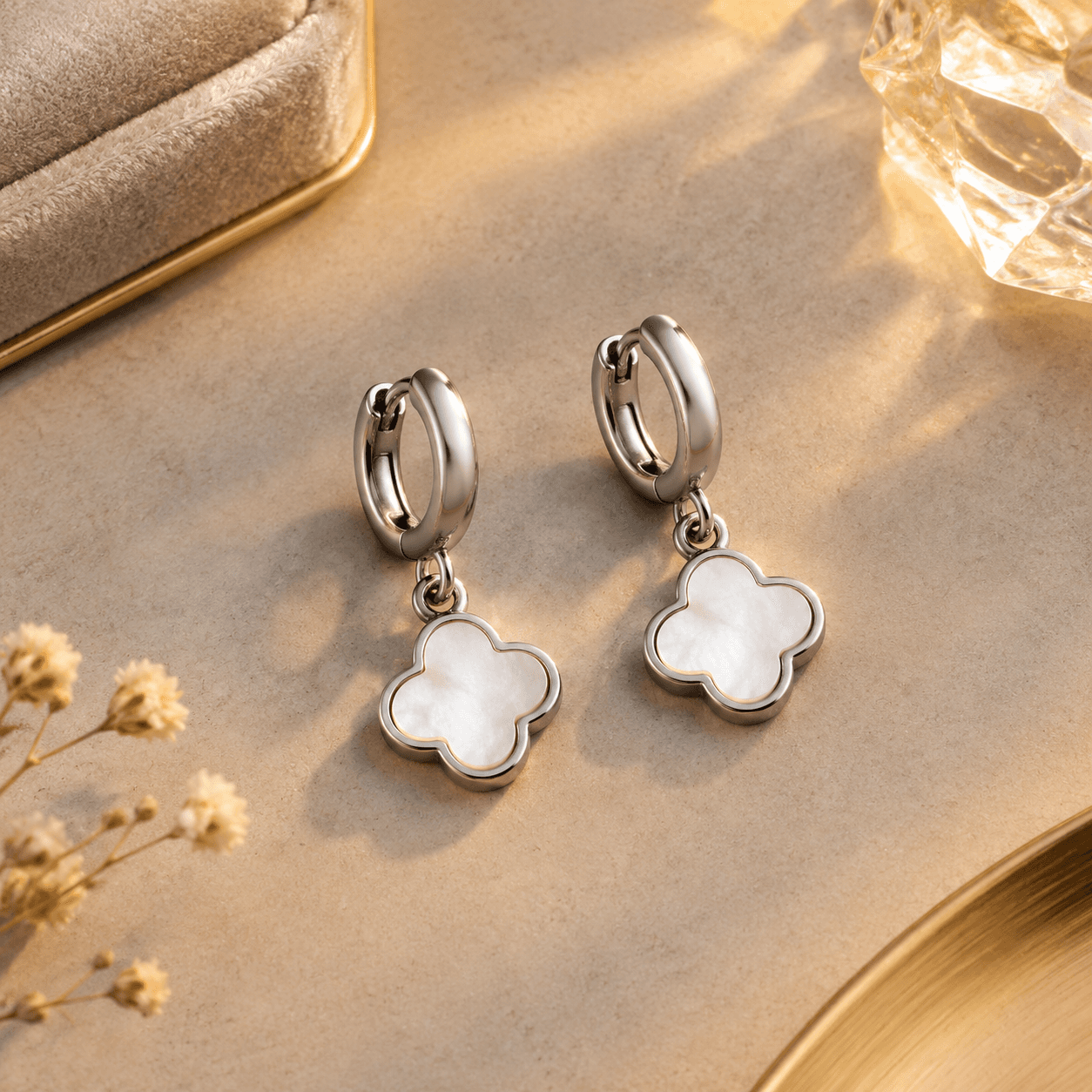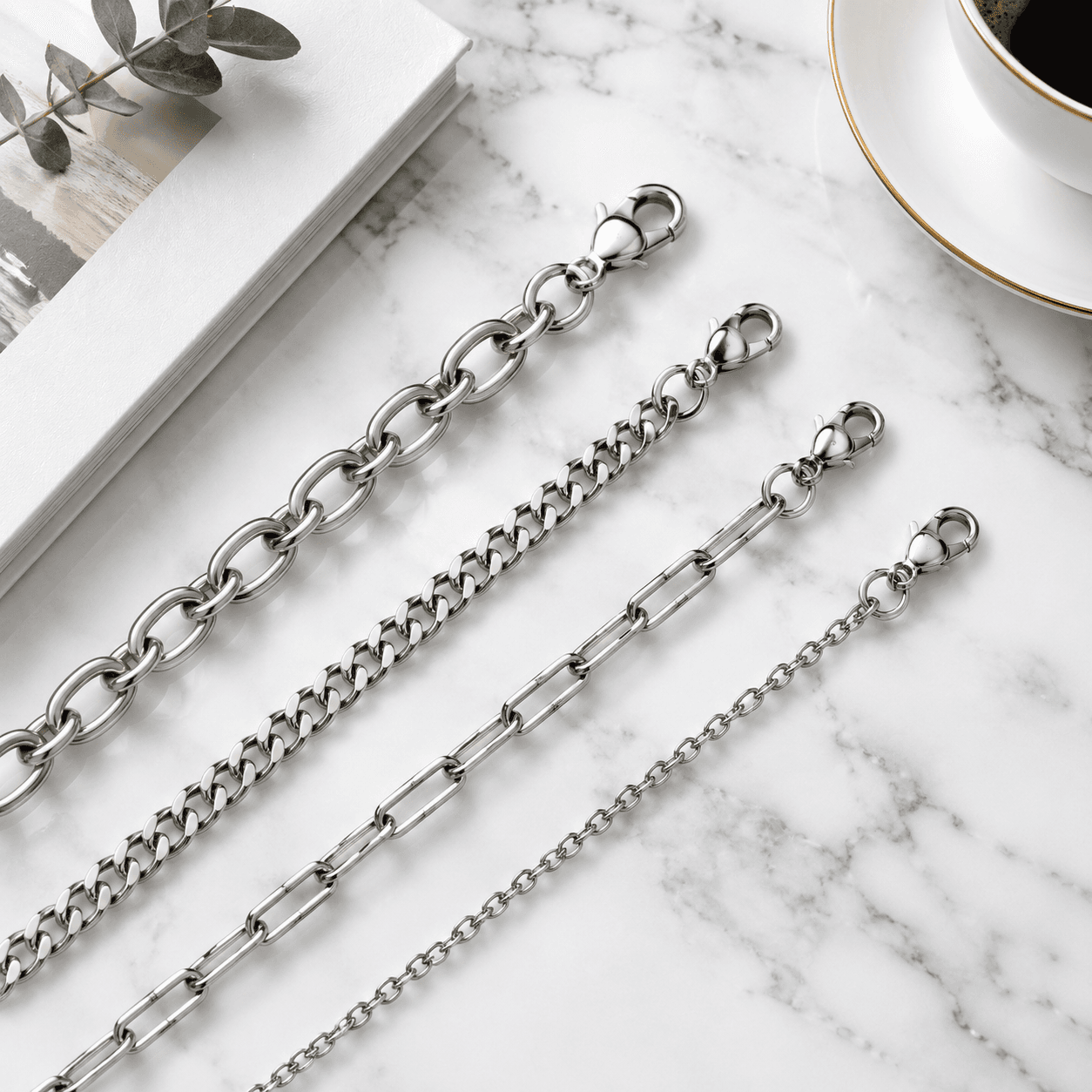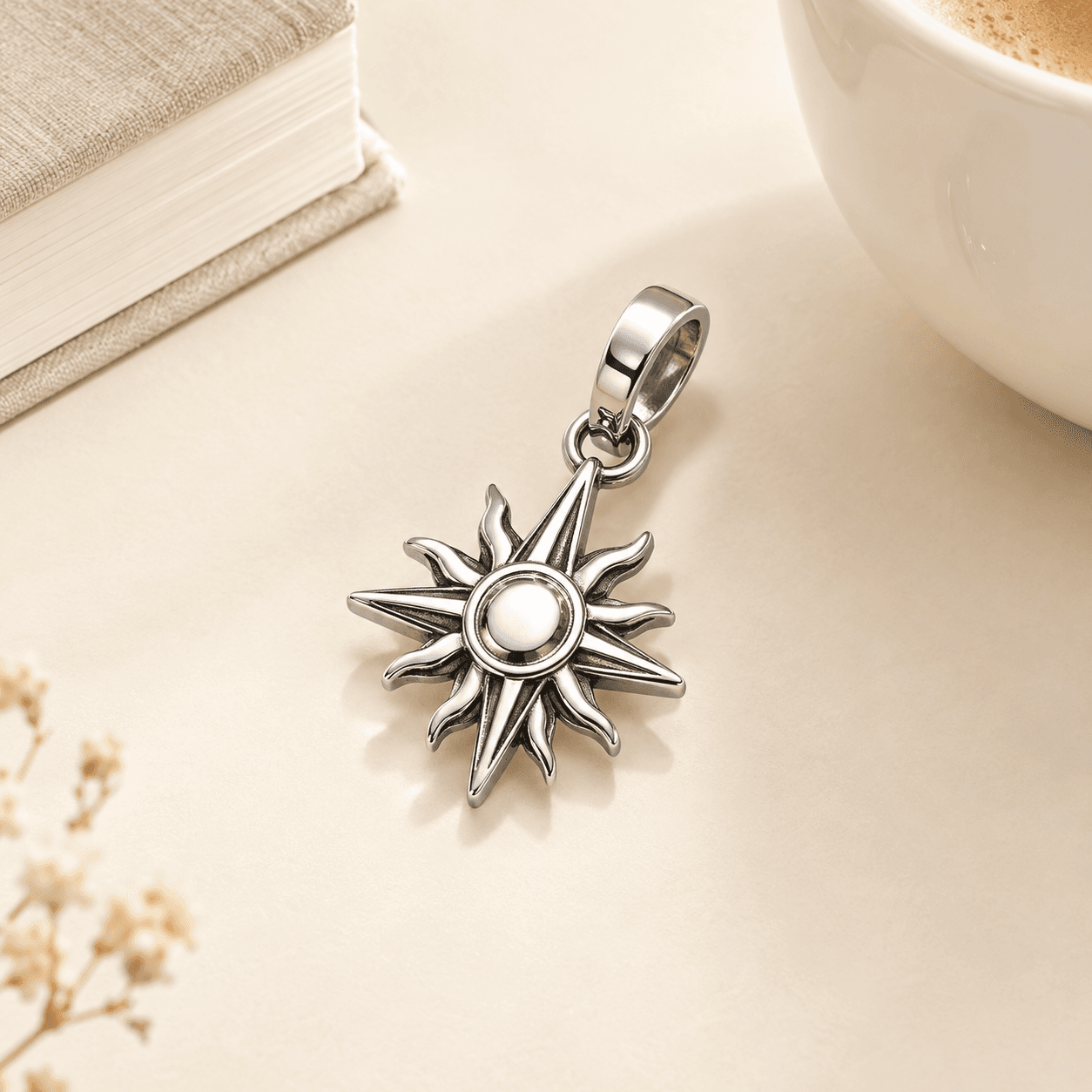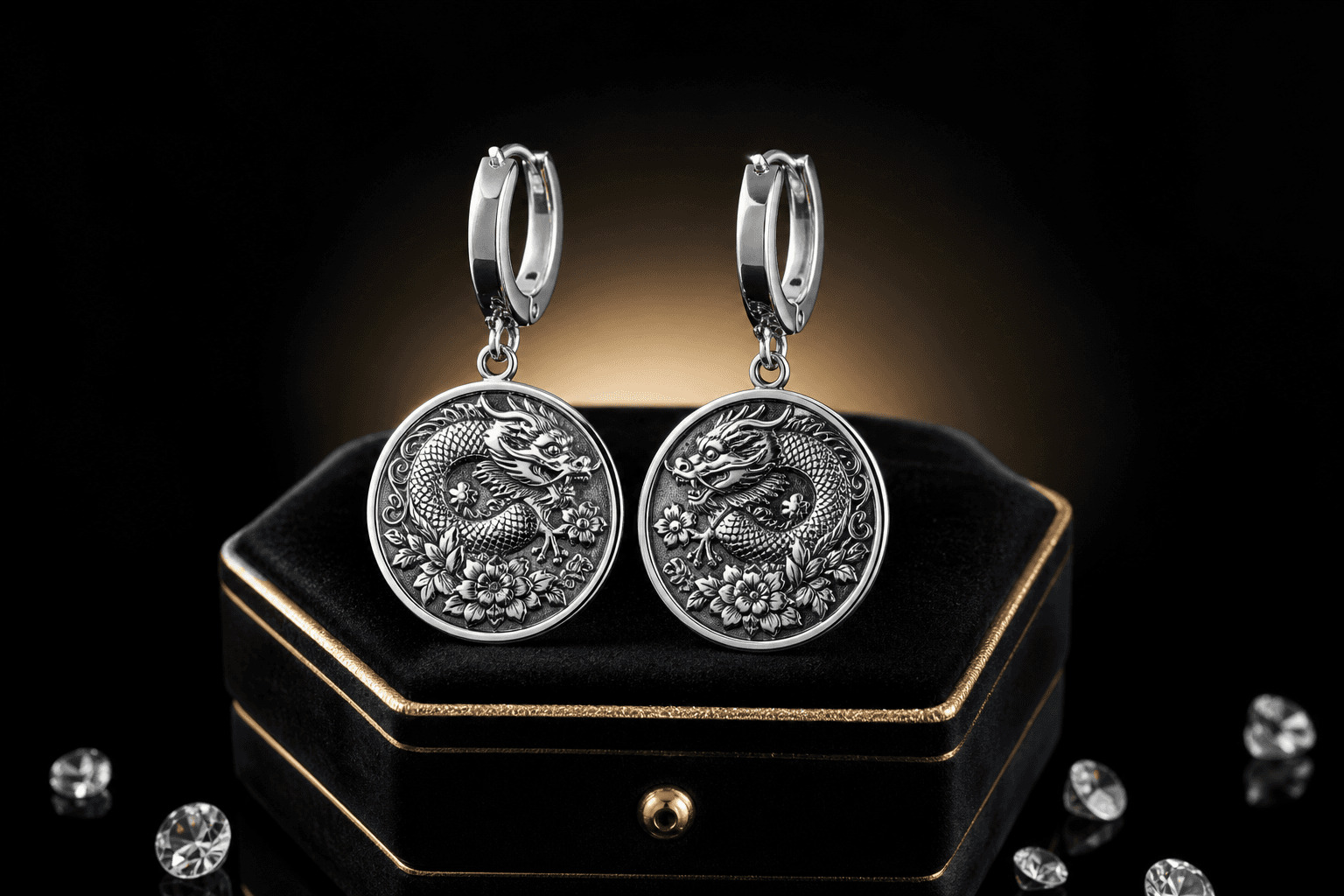
In a wholesale jewelry market where boutique brands expect reliable supply, consistent finishes, and scalable production, vetting stainless steel charms wholesale becomes a structured, repeatable process. For buyers focused on 316L stainless steel charms, a strong supplier foundation reduces risk, protects margins, and accelerates time-to-market across global markets. This guide outlines a practical evaluation method with a focus on materials integrity, supplier reliability, and steps aligned with private-label and OEM/ODM programs. It also demonstrates how a modern factory operates to meet retail and gift program standards.
Stainless steel wholesale jewelry charms and beads: A sourcing framework for 316L charms
Why 316L stainless steel matters for wholesale charms
316L stainless steel is the industry benchmark for long-term durability and corrosion resistance in charms. The alloy’s chemistry — chromium forms a protective passive layer, nickel stabilizes the austenitic structure, and molybdenum enhances resistance to chlorides and harsh environments — makes it well-suited for mass production and global distribution. Typical composition ranges include about 16–18% chromium, 10–14% nickel, and 2–3% molybdenum, with carbon kept very low (<= 0.03%) in the 316L variant. This low-carbon profile enables better weldability and reduces sensitization risk during heat-affected processing, which matters when you’re running CNC, laser cutting, laser marking, and welding on a high-volume schedule. For wholesale buyers, this translates to predictable mechanical properties, consistent plating compatibility, and a broad tolerance for finish variations without compromising core integrity.
Key supplier metrics to evaluate
When you’re comparing stainless steel charms manufacturers, prioritize metrics that impact cost, quality, and risk:
- Pricing structure and total landed cost, including plating, finishes, and packaging options
- Minimum order quantities (MOQs) that fit your private-label or wholesale programs
- Lead times for samples and bulk production cycles
- Quality assurance processes, including in-process checks and final inspection protocols
- Material compliance certifications and nickel-release testing standards
- Customization capabilities: logo engraving, PVD plating options, enamel color filling, and crystal inlay
- Packaging and private-label options tailored to gift programs or charm bar displays
To operationalize these metrics, request a formal RFQ (request for quotation) and specify your target SKUs, sizes, finishes, and quantity bands. A reliable supplier will respond with a structured quote, sample plan, and a realistic roadmap for scale.
Material checks you should perform
Wholesalers should verify that charms are manufactured from 316L stainless steel and that any surface finishes are suitable for the base material. Look for details such as:
- Base material confirmation: 316L stainless steel as the sole base material, with no substitutions mid-project
- Finish options: PVD plating (gold, rose gold), silver finish, enamel, or crystal inlay designed to bond with stainless steel
- Coating consistency: uniform thickness, no visible patching or exposed metal
- Adhesion tests: coatings should resist chipping or flaking under normal wear and during mass polishing
- Corrosion and salt spray tolerance: documented results (e.g., 240-hour salt spray tests) for target environments
Understanding these checks helps you avoid rework and returns as you move from sample development to bulk charm orders.
Process & finish checks: PVD plating, enamel, and crystal inlay
Finish quality is a major differentiator for wholesale programs. Key considerations include:
- PVD plating color fidelity and colorfastness across batches
- Enamel filling depth, uniformity, and resistance to chipping or fading
- Crystal inlay stability, setting security, and edge finish
- Color-difference controls across production runs to ensure SKU-to-SKU consistency
- Compatibility of finishes with jewelry hygiene standards and nickel-release controls
The ability to control plating quality, enamel consistency, and setting precision is often a direct signal of a supplier’s capability to handle OEM/ODM projects and private-label programs with minimal risk.
Manufacturing capabilities to look for
Beyond base material and finishes, reputable suppliers should demonstrate robust manufacturing capabilities that align with private-label velocity and OEM/ODM ambitions:
- OEM/ODM development: ability to translate your design into production-ready formats with scalable tooling
- Logo engraving: precise, repeatable marks suitable for branding across thousands of units
- PVD plating lines and color options: reliable upgrades for gold, rose gold, silver, and other finishes
- Enamel and crystal inlay capacity: capability to support multiple SKU families with distinct aesthetics
- Private-label packaging options: branded boxes, anti-tamper packaging, and display-ready packaging
- Sample support: rapid prototyping cycles and clear timelines for sample approvals
Manufacturers with full-scale CNC, laser cutting, laser marking, welding, and polishing lines can deliver consistent geometry and faster throughput for wholesale partners engaging in large campaigns or seasonal drops.
Quality assurance and certifications
Certifications validate that a supplier adheres to safety, environmental, and quality standards, reducing regulatory risk for global customers. Look for:
- SGS certified programs covering RoHS, REACH, Nickel Release EN1811, and Salt Spray 240H
- Documentation of test methods and batch traceability for finished charms
- Laboratory test reports and material declaration statements for materials and finishes
These certifications help ensure your private-label or OEM program aligns with retailer expectations and regulatory requirements in major markets such as the US, EU, UK, AU, CA, DE, FR, SP, NE, and RU.
Benefits of thorough vetting
Consistent plating quality and private-label readiness
When a supplier demonstrates controlled plating processes, uniform finishes, and strong private-label packaging capabilities, you gain predictable margins. Consistency reduces returns, improves customer satisfaction, and supports scalable campaigns across markets. A factory with a modern facility and a track record of OEM/ODM projects can shorten development cycles and improve lead times for sample development and mass production.
Reliability across markets and partnerships
With global supply chains, stable supplier relationships are critical. SGS-certified manufacturers with robust QA processes provide a reliable baseline for cross-market distributions, ensuring that regulatory and safety expectations are met in diverse regions. This reliability translates into fewer supply interruptions, better planning, and stronger margins for wholesale buyers.
Transparency in pricing and lead times
A transparent supplier will disclose MOQs, bulk pricing tiers, and realistic lead times upfront. For wholesale and private-label buyers, this clarity enables accurate margin modeling and smoother RFQ-to-order transitions. It also supports long-term partnerships, especially for buyers pursuing ongoing bulk charm orders and re-orders across seasons.
Detailed analysis / Guide
Use this step-by-step approach to vet and select stainless steel charms manufacturers for OEM/ODM or wholesale engagements:
Step 1: Define product specs and target markets
Document the intended charms’ sizes (default 8-18 mm; smaller 6-10 mm for delicate charms), finishes, and any special features (enamel colors, crystal inlays, or engraving). Specify target SKUs and identify markets with the highest demand (for example, gift programs in the US and EU, or private-label lines for boutique retailers). This stage sets the baseline for RFQs and sample development cycles. If you plan to expand to collections such as birthstone or alphabet series, ensure the supplier can handle multiple SKU families in parallel.
Step 2: Initiate RFQ and request samples
Send a structured RFQ that includes:
- Base material confirmation: 316L stainless steel
- Finish options: PVD plating, enamel, crystal inlay, and finish tolerances
- Engraving capabilities and minimum detail tolerance
- Sample lead time, cost, and number of iterations allowed
- Private-label packaging requirements and branding guidelines
- Quality assurance plan and test reports
- MOQs per SKU and any tiered pricing for bulk orders
Request samples to evaluate fit, finish, and compatibility with your branding. A dependable supplier will provide a structured sample plan, including timelines for approval and a path to production.
Step 3: Evaluate MOQs, pricing, and lead times
Compare MOQs against your program scale. Some suppliers offer low MOQ charm production for private-label launches, while others may require higher volumes. Price comparisons should consider plating costs, finishing, packaging, and any engraving or customization fees. Assess lead times for samples, pilot runs, and full-scale production, and map these to your product calendar and marketing cadence.
Step 4: Verify materials compliance and certifications
Review SGS certifications and test reports. Confirm Salt Spray 240H performance, Nickel Release EN1811 test results, RoHS and REACH compliance, and any supplier QA audits. These details help you mitigate regulatory risk as you expand into new markets and maintain retailer confidence.
Step 5: Test production viability with a pilot order
Before committing to large bulk orders, place a pilot order to validate manufacturing consistency, packaging alignment, and on-time delivery. Track defect rates, color consistency across lots, and packaging accuracy. Successful pilots reduce risk and pave the way for extended private-label programs or ongoing OEM/ODM partnerships.
Step 6: Align on packaging, branding, and private-label options
Your final phase involves aligning on packaging aesthetics, branding elements, and private-label arrangements. Confirm whether the supplier can deliver branded packaging, bar-ready display units, and co-branded inserts. Ensure that labeling, barcodes, and hang tags reflect your brand guidelines and jurisdictional requirements.
FAQ
What is 316L stainless steel, and why use it for charms?
316L stainless steel is a low-carbon variant of stainless steel with excellent corrosion resistance and weldability. In charms and jewelry, it offers durability, biocompatibility, and a stable base for finishes like PVD plating, enamel, and crystal inlay. Its well-established performance across factories and QA processes makes it a reliable choice for wholesale and private-label programs.
What should I ask in an RFQ to a stainless steel charms manufacturer?
Ask about: base material confirmation (316L), available finishes (PVD, enamel, crystal inlay), engraving capabilities, MOQs, sample timelines, private-label packaging options, packaging standards, QA processes, and certification documentation. Also request a detailed price breakdown and a sample cost credit policy if you proceed to bulk orders.
What are typical MOQ and sample development times for OEM/ODM projects?
MOQs vary by supplier and program scale; low MOQ charm production is common for private-label launches, while larger campaigns may require higher volumes. Sample development times depend on complexity but typically range from 1–3 weeks for simple finishes to 4–6 weeks for custom engravings or multi-finish SKUs. A capable partner should provide a clear timeline and updates at each milestone.
How do certifications impact supplier reliability?
Certifications like SGS RoHS, REACH, Nickel Release EN1811, and Salt Spray tests provide assurance that the supplier adheres to global safety, environmental, and quality standards. This reduces regulatory risk, supports retailer compliance, and accelerates market entry, especially for gifts and accessories programs distributed worldwide.
Partner with Lancy Jewelry for your 316L stainless steel charms needs
As a modern OEM/ODM charms manufacturer, Lancy Jewelry offers 316L stainless steel charms with robust private-label capabilities, low MOQs, and a clear path from sample development to bulk charm orders. Our factory features CNC precision, laser cutting, laser marking, welding, and polishing to ensure consistent geometry and premium surface finishes. We hold SGS certifications for RoHS, REACH, Nickel Release EN1811, and Salt Spray 240H, supporting reliable quality across global markets. Explore our OEM/ODM services and request a quote to start your private-label program or wholesale partnership today. Learn more about our tailored capabilities at OEM service and view related collections at Birthstone Collection. For quick RFQ and inquiry, you can also visit Request a Quote or contact us via Contact.