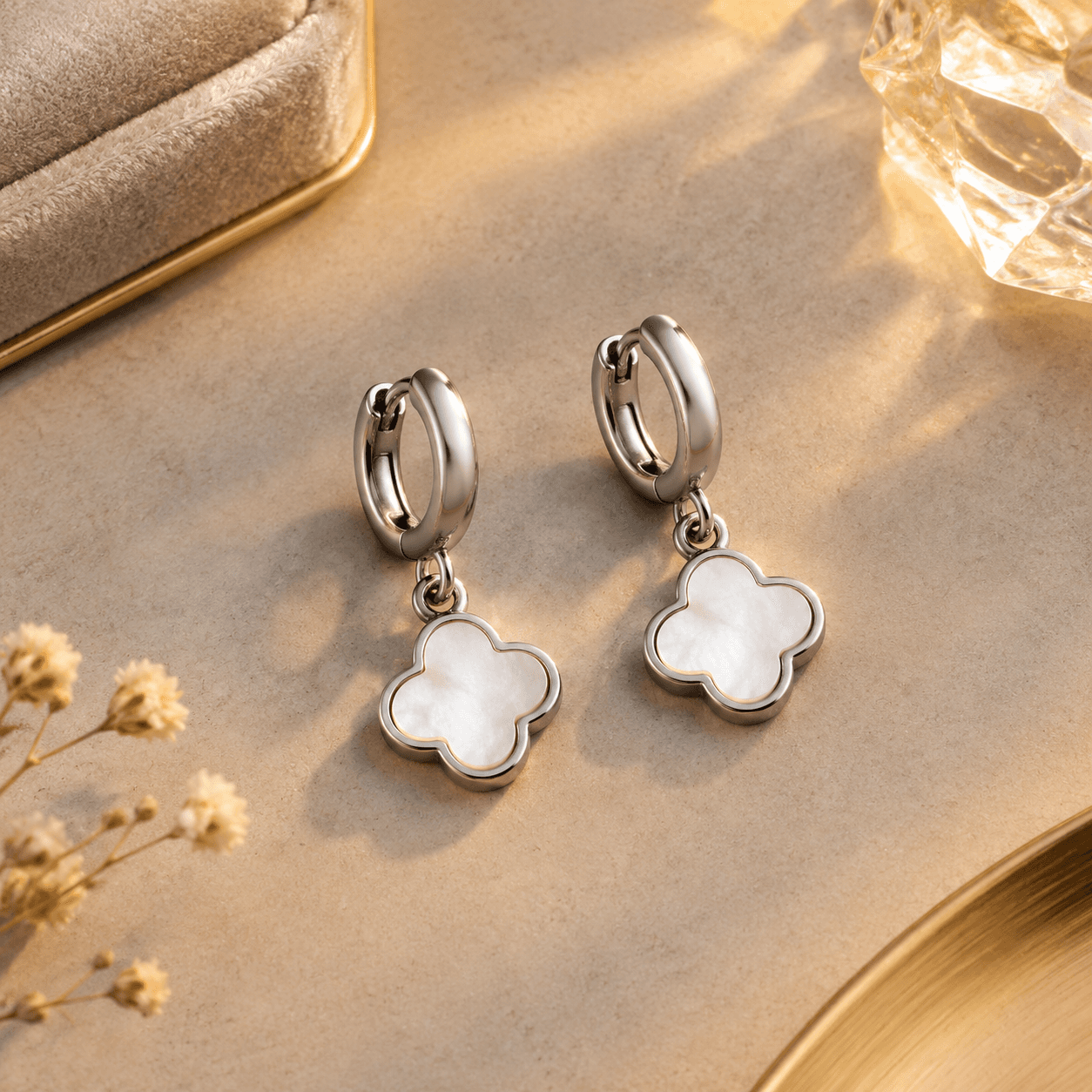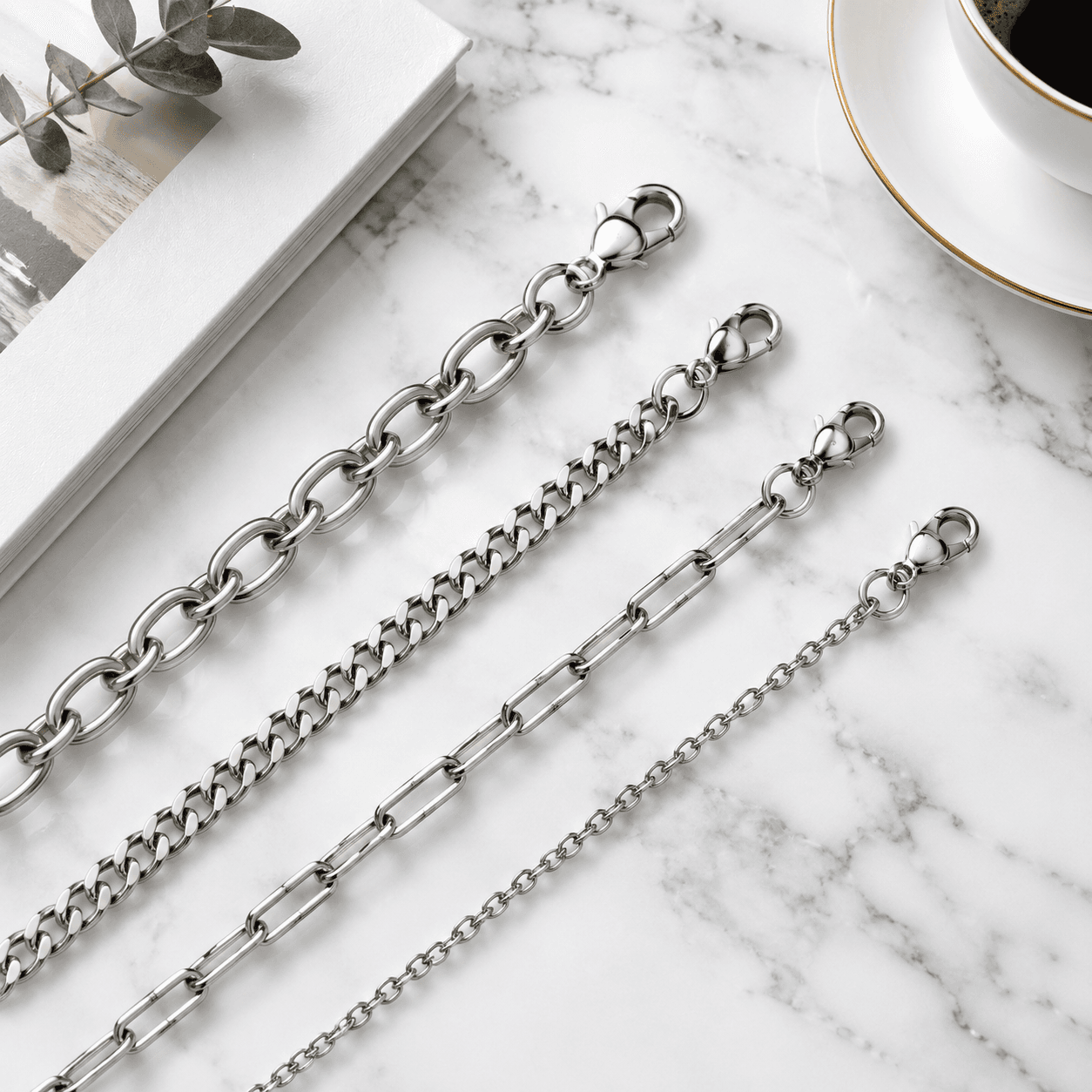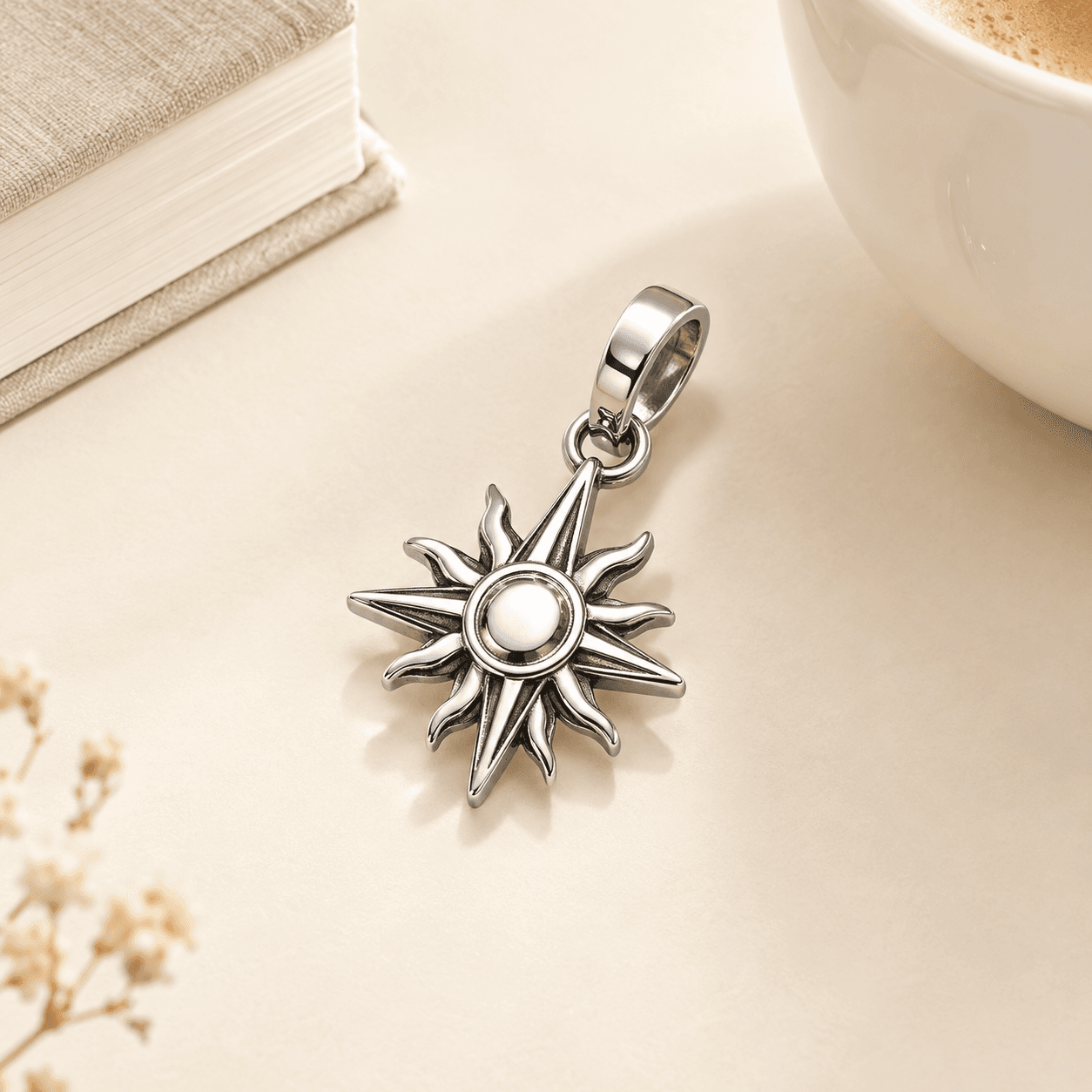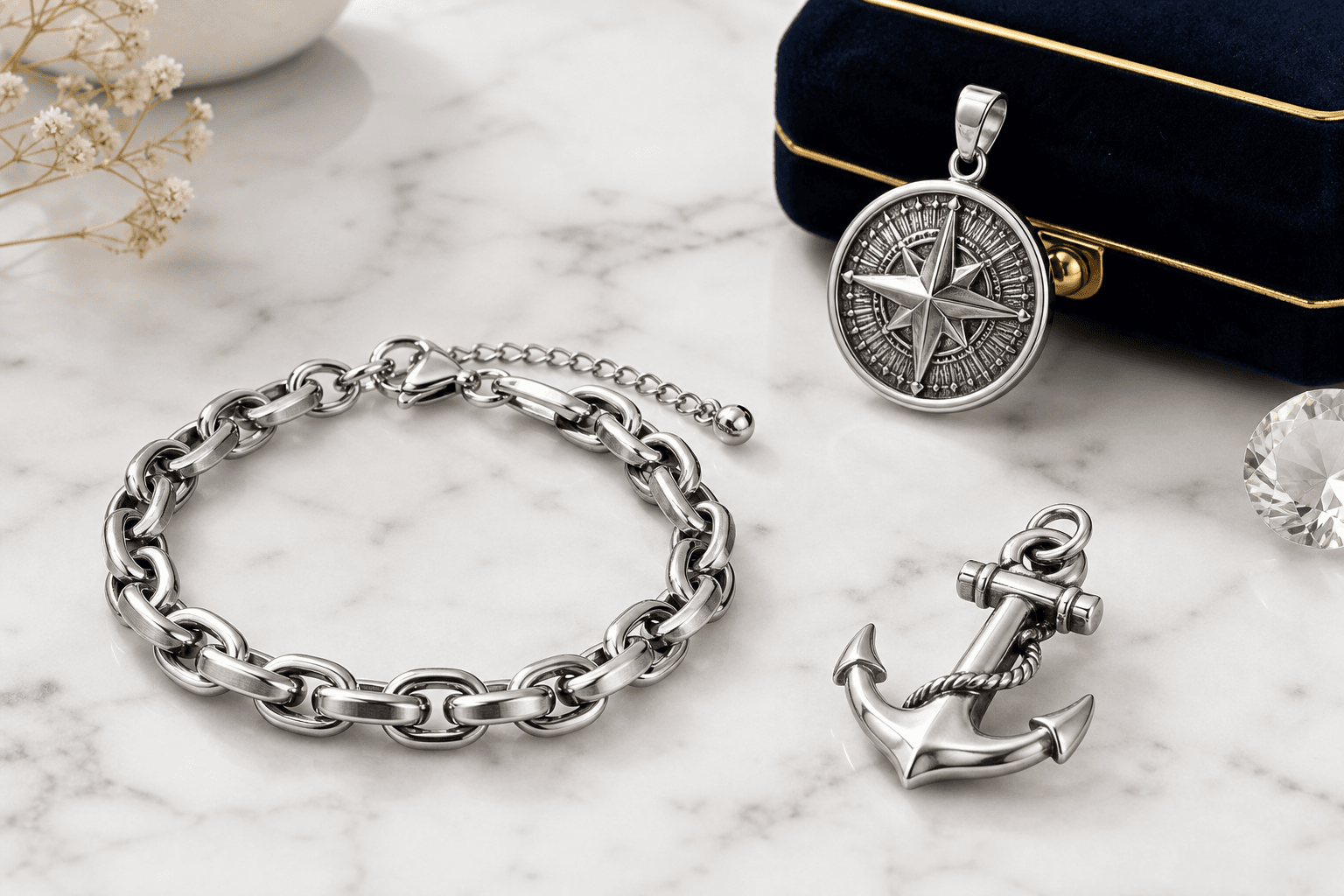
In the realm of stainless steel charms and wholesale findings, buyers must pair material science with supply-chain reliability to protect margins and time-to-market. This expert interview features two seasoned professionals from a modern charm factory, exploring how 316L stainless steel, alloy chemistry, and disciplined production processes translate into consistent, boutique-ready results for boutique brands, charm bars, and private-label programs worldwide. We discuss practical decision points for bulk orders, low MOQs, and a robust OEM/ODM partnership that keeps your line fresh without sacrificing quality.
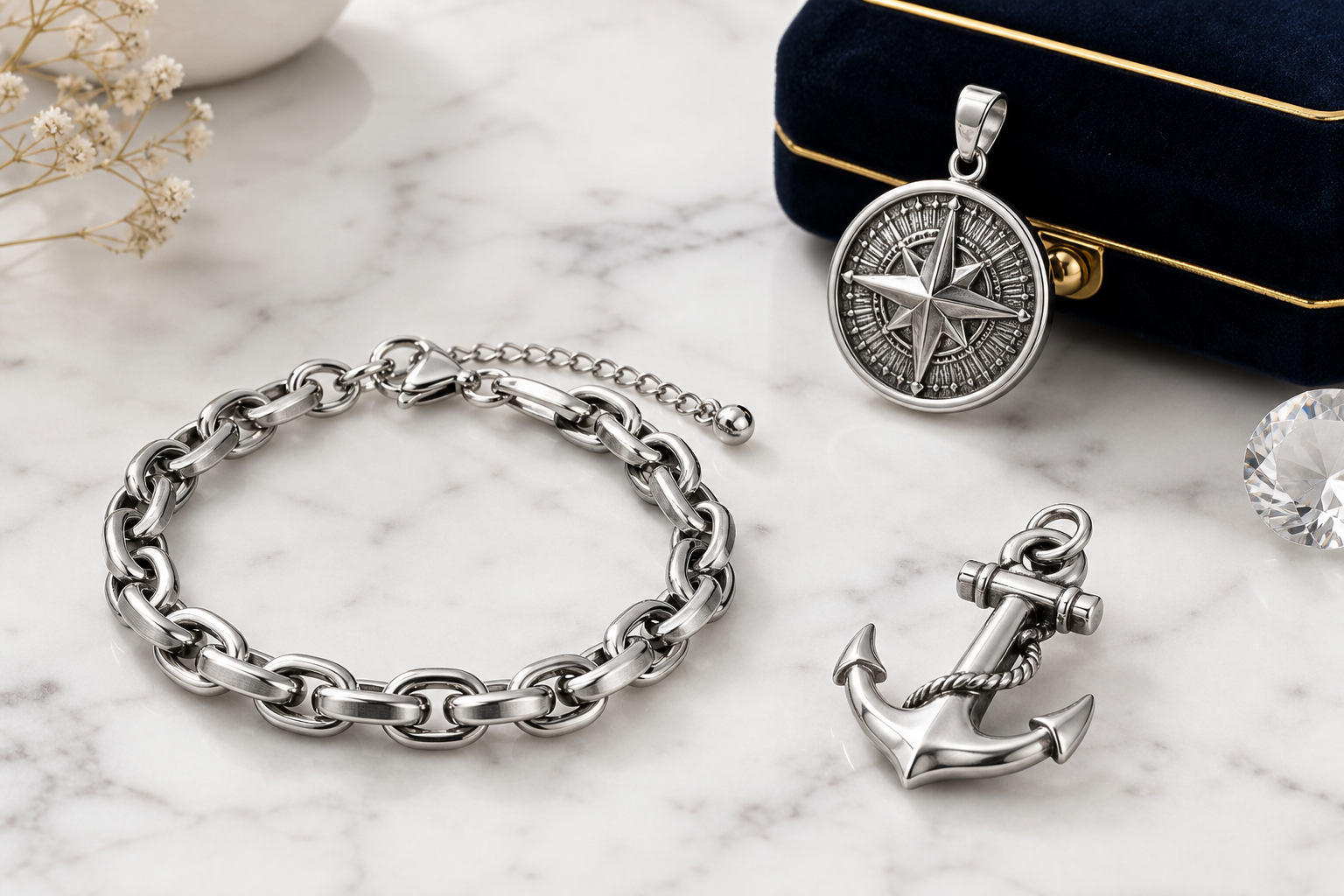
Stainless steel wholesale jewelry findings and charms
Q: What makes 316L stainless steel the reliable base for charms in wholesale environments?
Expert A: 316L stainless steel is the standard for corrosion resistance, biocompatibility, and long-term durability in jewelry components. The alloy’s chromium content forms a protective passive film that resists rust and staining in daily wear and in environments common to gifting, boutique packaging, and display settings. The low carbon content (the “L” in 316L) minimizes sensitization risk during welding and post-processing, which is critical when you’re fabricating precision charms with engravings or enamel fills. In a wholesale context, these properties translate into predictable behavior across batches, simpler surface finishing, and fewer rejections during QC checks.
Expert B: From a supply-chain perspective, 316L stainless steel gives manufacturers a stable chemistry to base tolerances on. When we specify 316L for charm bases, we can plan plating windows, enamel fill consistency, and crystal settings with fewer surprises from lot to lot. That stability is essential for wholesale pricing, MOQ planning, and private-label packaging that needs uniform appearance across multiple production months.
Q: How does alloy composition influence finish options like PVD plating, enamel, and crystal inlay?
Expert A: The chromium and nickel content in 316L supports strong adhesion for PVD coatings and color plating. PVD, or physical vapor deposition, deposits a durable, uniform layer that resists wear, scratches, and color fading. For enamel fills and crystal inlays, a clean, well-prepared substrate is vital—316L’s low carbon level helps reduce edge discoloration around filled areas and ensures consistent bonding between enamel pigments and the metal surface. In practice, this translates into smaller color variation between lots and smoother gradient effects in enamel pieces intended for gift programs or private-label lines.
Expert B: It’s also important to consider the chemistry behind color finishes. A PVD gold or rose-gold finish will wear differently depending on base preparation, but with 316L, standardized pre-treatments and controlled bake cycles help maintain color integrity across high-volume runs. This matters for wholesale orders where color matching across thousands of pieces is expected by private-label buyers and gift brands.
Q: What finishes do buyers typically request for wholesale stainless steel charms, and how does Lancy Jewelry deliver consistency?
Expert A: Finishes range from classic silver finish and gold-plated to rose-gold, with enamel or crystal accents. Consistency comes from strict process controls: pre-cleaning, passivation, controlled plating cycles, and standardized enamel filling protocols. We emphasize process discipline in plating quality and color-fill accuracy to avoid batch-to-batch variance. For wholesale programs, this translates into reliable color matching on new SKUs and predictable lead times for bulk orders.
Expert B: At Lancy Jewelry, we maintain a robust OEM/ODM capability to align finishes with client specs while keeping MOQ and lead times favorable. Our factory uses CNC, laser cutting, laser marking, welding, and polishing to deliver charm bases ready for plating and finishing. That integrated approach supports private-label packaging and private-label labeling strategies for global markets.
Q: How important is certification and compliance when sourcing 316L stainless steel charms for global markets?
Expert A: Certification builds trust with distributors and retailers who are gating product acceptance by standards. Our SGS certifications—RoHS, REACH, Nickel Release EN1811, and Salt Spray 240H—are critical indicators of compliance and performance. These tests verify low nickel release, surface stability, and corrosion resistance, which reduces risk for buyers who market to sensitive consumer segments or regulated regions. Providing documentation along with samples helps procurement teams assess risk quickly and move to bulk orders with confidence.
Expert B: Global buyers often require traceability from raw material to finished product. Demonstrating SGS certifications, material traceability records, and factory process controls supports smoother cross-border purchases and reduces the back-and-forth on compliance questions during RFQ reviews.
Q: What role do OEM and ODM capabilities play in wholesale pricing and program scalability?
Expert A: OEM and ODM capabilities empower buyers to scale programs without requalifying every SKU. An OEM charms manufacturer can produce original designs with your logos, while ODM suppliers can offer ready-made line concepts that fit your brand aesthetic. For wholesale buyers, this means faster time-to-market, reduced development risk, and more predictable margins as you grow a private-label program or expand into new markets.
Expert B: From a supplier perspective, offering ODM options alongside OEM services can optimize capacity planning and buffer against seasonal demand fluctuations. It also enables the introduction of new finishes or enamel colors as part of a curated collection, helping you refresh assortments without large upfront tooling investments.
Q: How should buyers approach the MOQ and sample development process to protect margins?
Expert A: Low MOQ support is a hallmark of a buyer-friendly supply partner. The ability to start with smaller production runs allows brands to test-market designs, gather customer feedback, and iterate before committing to larger lots. Sample development is equally important: a rapid, well-documented sampling process reduces risk before bulk production and helps align product aesthetics with market demand.
Expert B: We encourage buyers to pair MOQ planning with a phased sampling approach. Start with a small batch of a new finish or enamel color, evaluate under real-world packaging and display conditions, and then scale up once the sample passes internal QA and retailer reviews. Transparent cost structures for samples, including any tooling or setup fees, help buyers model true landed costs in their regions.
Benefits and why it matters for global charm programs
Key benefits for wholesale buyers
When sourcing stainless steel charms, buyers gain several tangible advantages by partnering with a factory that specializes in 316L and offers comprehensive OEM/ODM services:
- Consistent plating quality across batches, supported by controlled processes and SGS-certified compliance.
- Low MOQ options that enable experimentation with new SKUs, finishes, and enamel colors without absorbing excessive inventory risk.
- Private-label packaging and branding capabilities to accelerate time-to-market in boutique stores and online channels.
- Fast sample development cycles to validate design concepts and colorways before committing to bulk orders.
- Global applicability across US, EU, UK, AU, CA, DE, FR, SP, NE, RU markets with standardized quality and documentation.
These benefits are not merely theoretical. They translate into margins that are easier to defend in wholesale channels, with predictable costs for private-label programs and reliable delivery timelines for distributor networks. The combination of 316L chemistry, finish options (PVD plating, enamel, crystal inlays), and a structured OEM/ODM pathway creates a scalable model suitable for global charm programs.
Why SGS certification matters for global buyers
Certification matters because it reduces risk in cross-border trade. RoHS and REACH compliance helps ensure materials are suitable for consumer use in sensitive markets, while EN1811 nickel-release testing reduces the risk of skin reactions for nickel-sensitive customers. Salt spray testing demonstrates corrosion resistance under harsh environments, which matters for packaging, shipping, and display conditions in varied climates. Presenting these certifications at RFQ stages signals manufacturing discipline and compliance readiness, encouraging faster decision-making and smoother negotiations with distributors and retailers.
Private-label and packaging as a differentiator
For boutique brands, packaging is part of the product experience. Private-label packaging offers an opportunity to align the unboxing experience with brand storytelling. A reliable partner can deliver not only the 316L base charms but also packaging-ready SKUs, color-matched enamel finishes, and consistent plating tones that support a cohesive line aesthetic across categories. This is a core value proposition for Lancy Jewelry, where OEM/ODM development, private-label packaging, and sample support are built into the service model. Buyers can explore these capabilities at the OEM service page or browse catalog options in the catalog for inspiration before initiating a quote via the RFQ flow.
Detailed analysis and practical guide
Step 1: Define the alloy and finish strategy
Begin with a clear specification of base material: 316L stainless steel. Decide on finishes that align with brand identity and market expectations—silver finish, gold plated, rose gold plating, or PVD color options. For enamel or crystal accents, specify color standards, plate hardening, and fill depth to ensure consistent appearance across production lots. A documented finish spec reduces ambiguity and speeds up the vendor selection and approval process.
Step 2: Vet supplier capabilities and QC practices
Evaluate a supplier’s factory capabilities: CNC, laser cutting, laser marking, welding, and polishing capabilities reassure you of end-to-end control. Request production flow diagrams, process control plans, and traceability documentation. Confirm the supplier’s ability to provide sample development with defined lead times and cost structures. A strong partner will offer low MOQ options, consistent plating quality, and transparent QA procedures for final testing before shipment.
Step 3: Plan the private-label packaging and labeling
Work with your supplier to align packaging materials, labeling, and product documentation with your brand guidelines. Private-label packaging requires clear MOQs, packaging lead times, and sample packaging to ensure fit and finish. This planning reduces rework during mass production and helps maintain margins across wholesale orders and distributor networks.
Step 4: Execute sample development and testing
Initiate a structured sample development cycle that includes:
- One or more base charm prototypes in 316L stainless steel with the target finish.
- Enamel color tests, colorfastness checks, and crystal setting feasibility tests if applicable.
- Mechanical tests for bail fit, jump ring compatibility, and connector tolerances.
- Final QC pass criteria and a pre-shipment inspection plan to verify plating thickness, color consistency, and finish uniformity.
After sample approval, move to a pilot batch to validate scale-up risks before committing to bulk orders.
Step 5: Price planning and MOQ negotiation
Leverage the manufacturer’s ability to offer low MOQs to minimize initial investment while validating demand. Price planning should account for base material costs, plating options, enamel/crystal add-ons, packaging, and logistics. Transparent cost structures for samples and tooling help you model landed cost and determine acceptable margins in wholesale channels.
Step 6: Build a scalable product roadmap
With a reliable partner, you can expand your line by introducing new enamel shades, finishes, or symbol collections on a controlled schedule. A structured product roadmap reduces SKU proliferation risk while delivering a steady stream of new options to your charm bar or private-label program. The goal is a dependable cadence that supports wholesale expansion and sustained margins across regions.
Step 7: Manage logistics, packaging, and after-sales support
Plan for consistent packaging quantities, backup inventory, and reliable defect handling. A mature supplier will offer flexible shipping terms, clear replacement policies for defective items, and proactive communication during production and transit. This reduces friction with distributors and retailers and supports long-term partnerships.
FAQ: 316L stainless steel wholesale findings and charms
Q1: What makes 316L stainless steel ideal for charms used in wholesale programs?
A1: The combination of corrosion resistance, low carbon content, and strong finish adhesion makes 316L a dependable base for a wide range of finishes and decorations. For wholesale programs, this translates into consistent appearance across batches, fewer reworks, and a robust platform for OEM/ODM collaborations that scale across markets.
Q2: How do MOQs and sample development impact wholesale pricing and risk management?
A2: MOQs help balance production costs with demand forecasts. Low MOQs enable brands to test new SKUs with minimal risk, while sample development ensures designs meet expectations before mass production. The right balance reduces sunk costs and improves cash flow during market expansion.
Q3: What certifications should wholesale buyers look for when sourcing 316L charms?
A3: Look for SGS-certified materials and processes, including RoHS and REACH compliance, Nickel Release EN1811 testing, and Salt Spray 240H results. These certifications demonstrate material safety, regulatory compliance, and product durability—key factors for global distribution and retailer confidence.
Q4: How can buyers initiate an OEM/ODM project with a stainless steel charms supplier?
A4: Start with a clear brief outlining base material (316L stainless steel), preferred finishes, and any branding requirements. Request a formal proposal that covers tooling, MOQs, sample timelines, and lead times for bulk orders. Engage early with the supplier’s OEM/ODM team to align on a product roadmap, packaging strategy, and quality control plan. You can explore our OEM service and initiate quotes through the RFQ flow at /oem and /cart.
Call to action: Partner with Lancy Jewelry
If you’re seeking a reliable partner for 316L stainless steel charms and wholesale findings, Lancy Jewelry offers a proven OEM/ODM path with low MOQs, consistent plating quality, and private-label packaging options. Our modern facility supports CNC, laser cutting, laser marking, welding, and polishing, and our SGS-certified processes ensure compliance across global markets. Explore our capabilities, browse our catalog for inspiration, and start a formal RFQ to secure a stable supply chain for your charm program.
Visit our OEM service page to discuss custom-stamped logos and private-label packaging, or review our catalog for 316L stainless steel charms and related components. For direct inquiries and quicker collaboration, use the contact page to reach our sales team. If you’re ready to proceed, you can initiate a quote process now through RFQ.