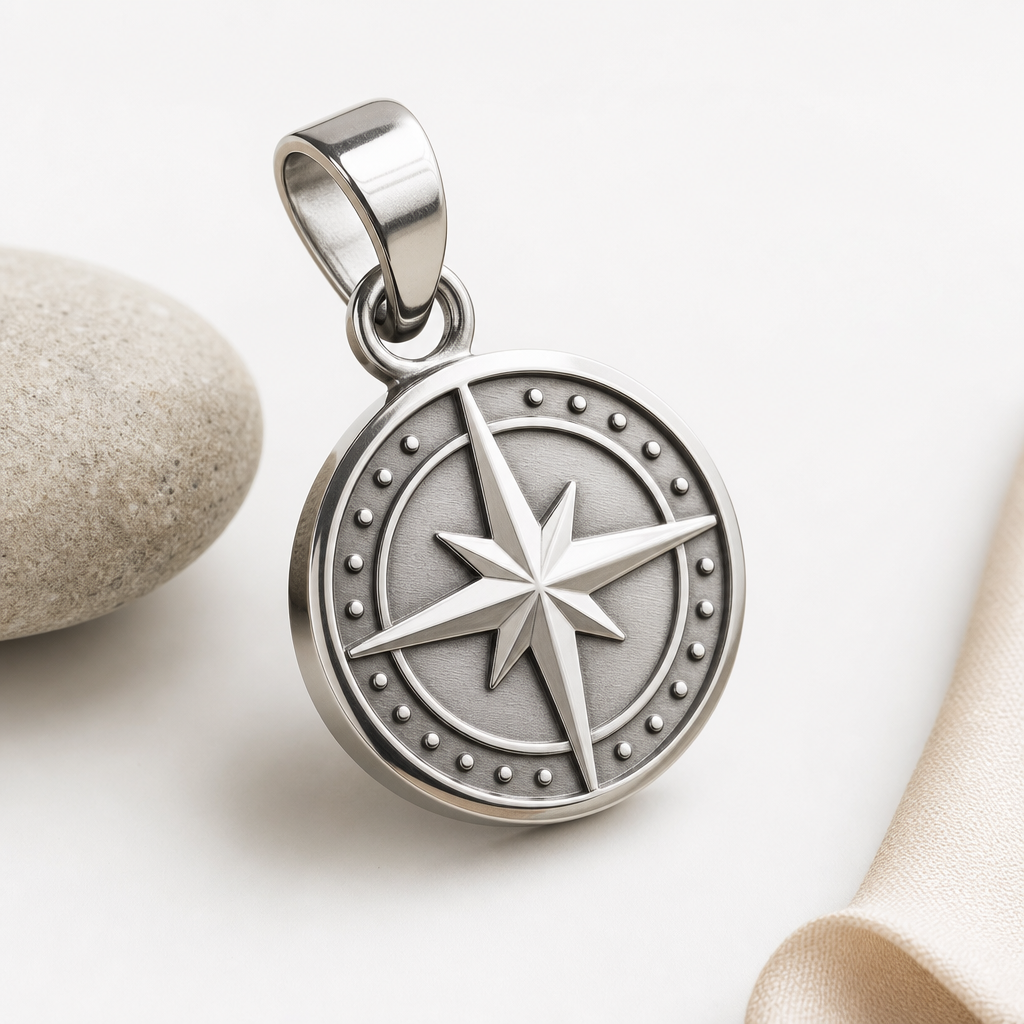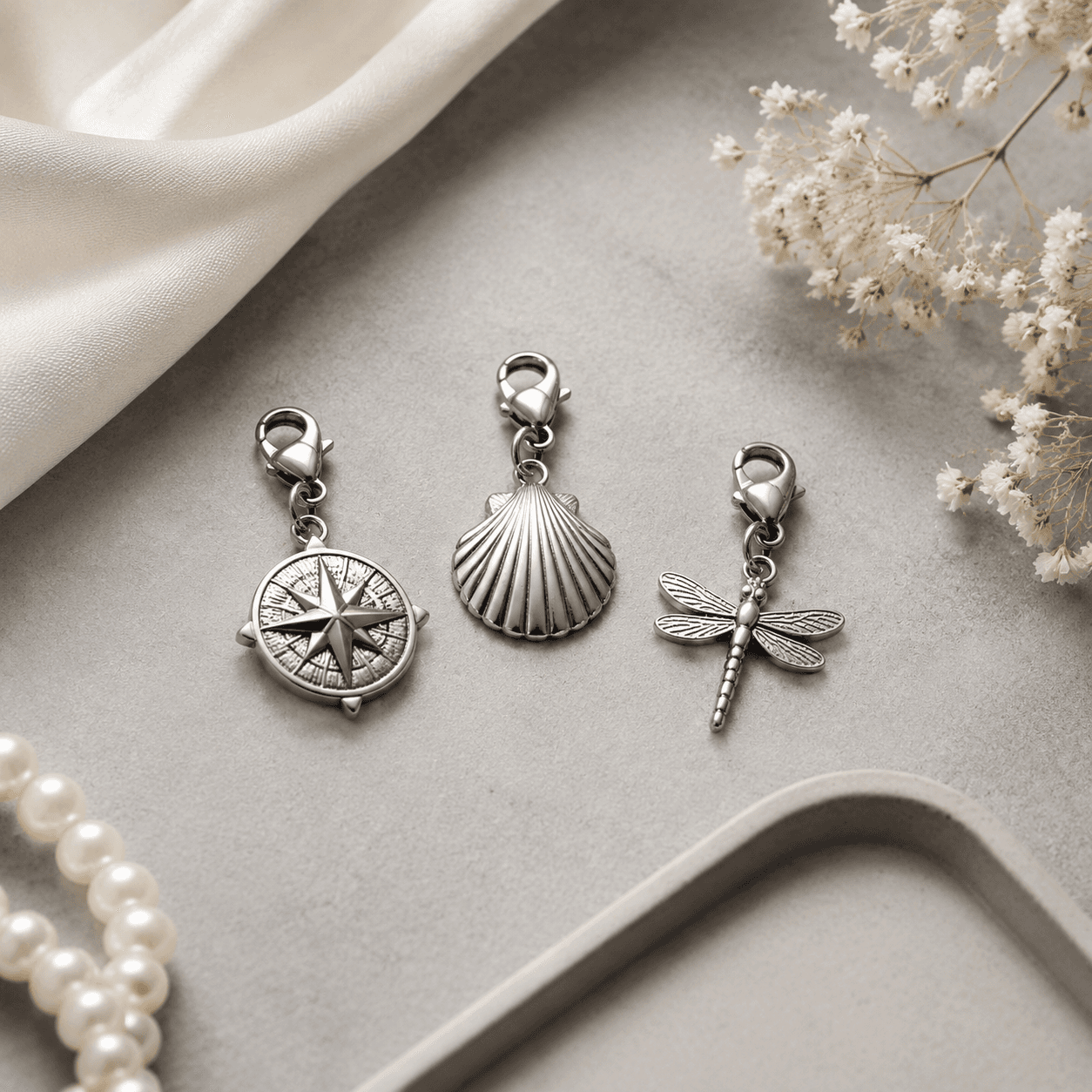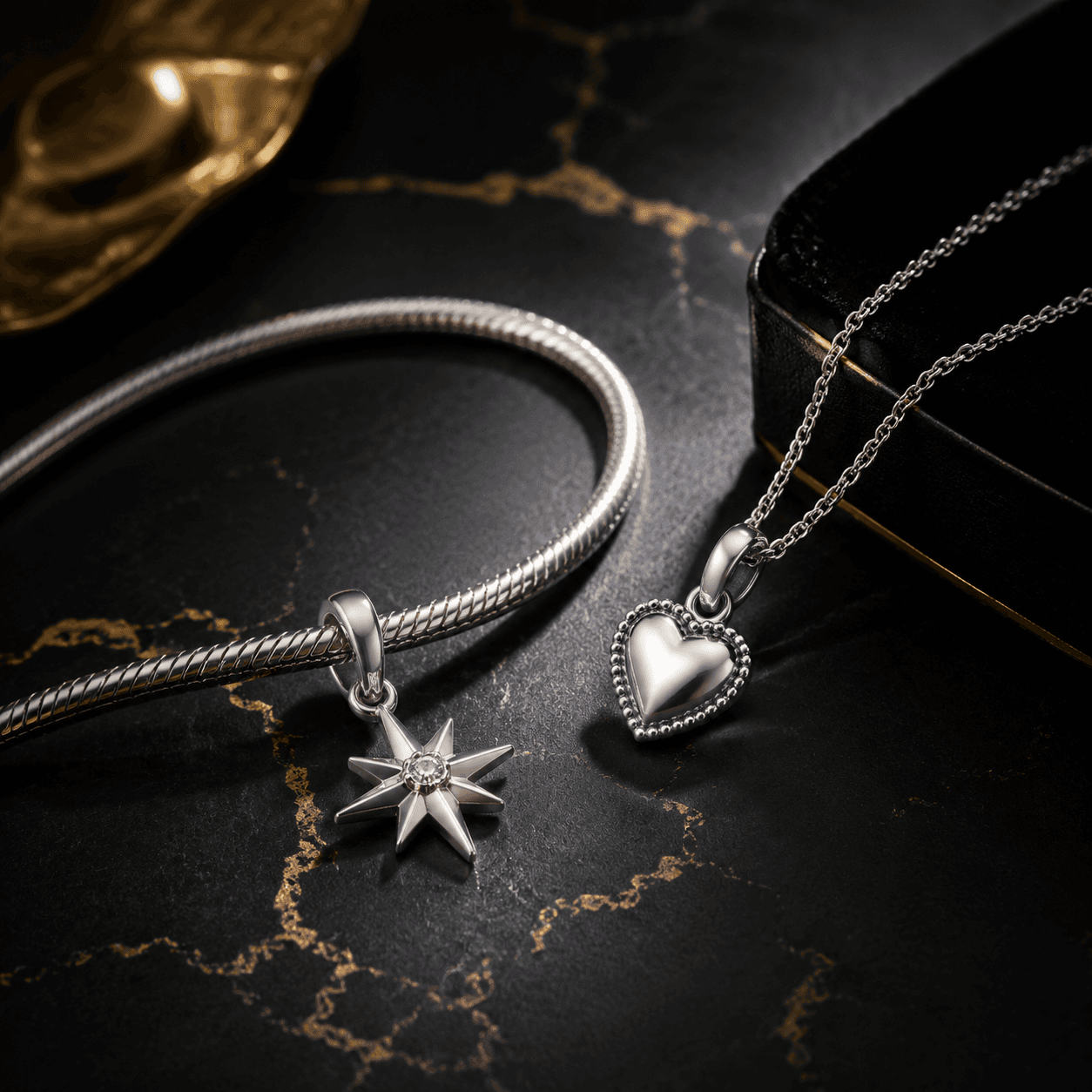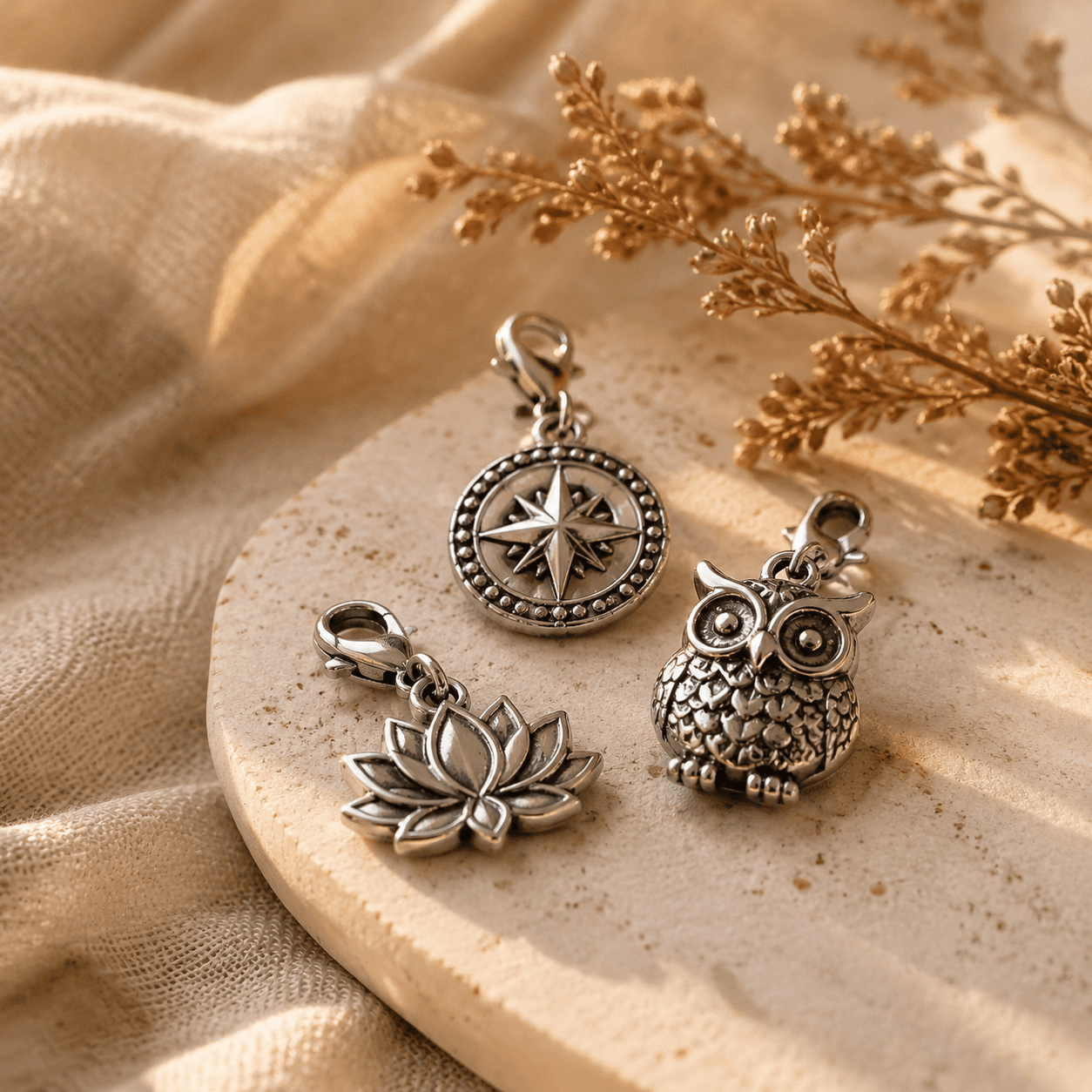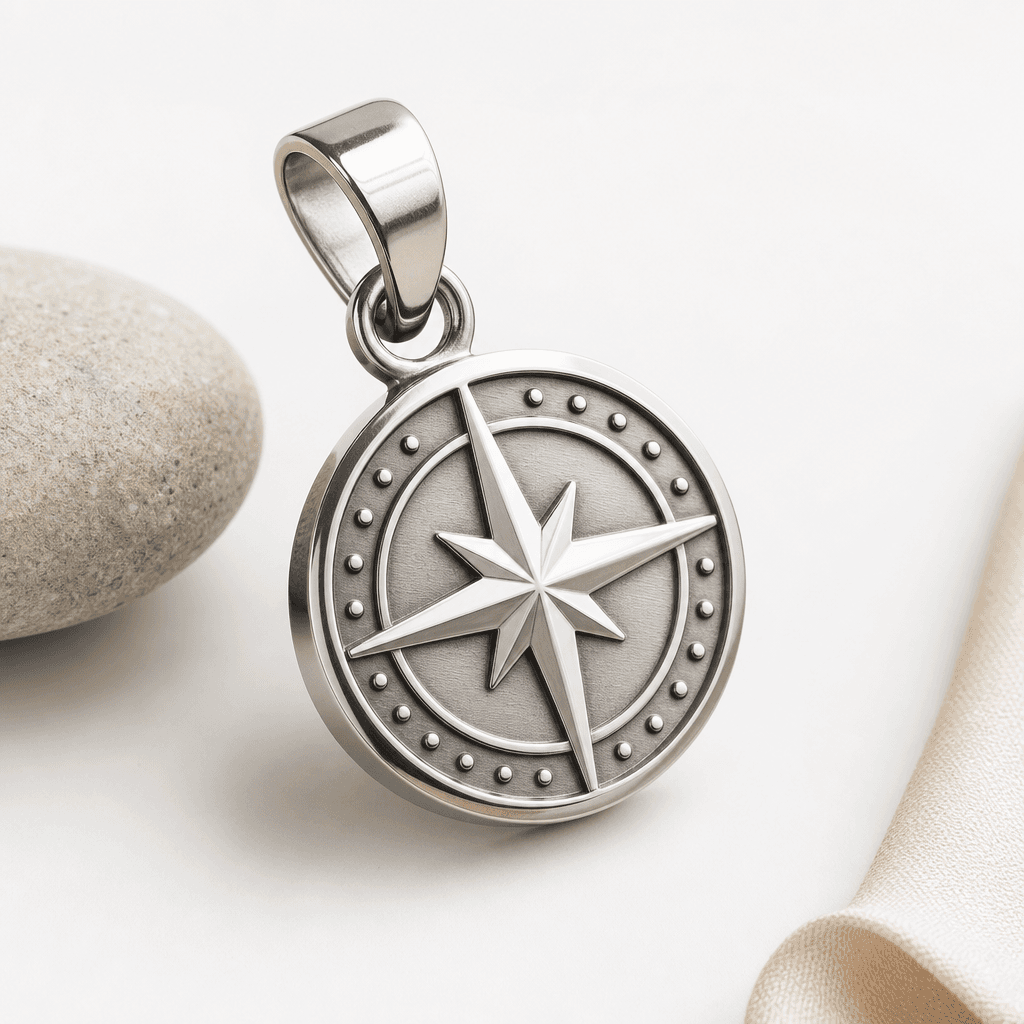
Procurement teams don’t just buy stainless steel charms—they buy assurance. When production timelines, safety requirements, and audit schedules align, the quality standards behind each charm (from base material verification to nickel release testing) become a practical risk-management tool. This compliance checklist is designed for vendor vetting and documentation readiness for buyers in the US and Canada, helping you evaluate 316L stainless steel charms for durable, regulation-conscious jewelry manufacturing.
Quality Standards for Stainless Steel Charms for Jewelry Making Compliance
This section focuses on what to verify when sourcing stainless steel charms for jewelry making. Use it as an intake checklist during RFQ and supplier selection, especially when buyers expect consistent plating quality, safe material behavior, and test records aligned with their review workflow.
Procurement checklist (documentation, testing, and traceability)
Benefits of Compliance-Ready Stainless Steel Charms (Why It Matters)
Compliance is not a box-checking exercise—it directly affects product reliability, customer safety confidence, and reduced return rates. With a documented approach, you can streamline approvals and protect brand reputation as you scale charm bar assortments, private label programs, and bulk charm orders.
Key benefits your procurement team can measure
- Audit-ready documentation: Consolidated evidence for RoHS and REACH plus third-party testing coverage supports faster internal review and supplier audits.
- Safety assurance: Nickel release verification helps reduce the risk of customer-facing safety issues tied to contact materials in jewelry applications.
- Durability under real conditions: Salt spray testing evidence supports corrosion resistance expectations for everyday wear.
- Consistent vendor performance: A qualified stainless steel charms manufacturer should maintain stable processing outcomes across finish variants (silver finish, rose gold plating, gold plating, enamel, crystal inlay) while staying within 316L stainless steel base requirements.
- Better supply continuity: Clear documentation and traceability reduce production interruptions caused by compliance gaps during US/Canada launches.
Detailed Guide: How to Vet a 316L Stainless Steel Charms Supplier
Use the steps below to build a repeatable vendor selection workflow. This guide is written for procurement and sourcing managers evaluating OEM/ODM partners—especially when you need custom logo charms, private label packaging, and consistent QC at scale.
Step 1: Define your acceptance criteria in the RFQ
- Specify base material requirement as 316L stainless steel and request confirmation for each production lot.
- List the exact documents you need: restricted-substance information, REACH statement, and third-party test reports relevant to the charm’s intended use.
- Require nickel release verification evidence and corrosion resistance evidence (salt spray) that aligns with your risk tolerance.
- If you plan PVD plated stainless steel charms or enamel stainless steel charms, ask whether the testing scope covers the finished charm end-state or only intermediate components.
Step 2: Review finish and process controls (not just the material label)
Compliance results often depend on how finishes are applied and validated. Ask your supplier how they control plating stability and finish integrity—especially when you offer multiple SKU variants.
- PVD plating controls: Confirm process consistency for gold plated, silver finish, and rose gold plating programs, including adhesion and surface uniformity checks.
- Enamel and crystal inlay controls: Request details on enamel color filling parameters and crystal setting quality checks, including defect handling procedures.
- Engraving and marking: If you require custom logo charms, confirm how engraving is performed and whether it impacts compliance-relevant characteristics.
Step 3: Validate testing scope and methodology
- Confirm the lab and verify results map to the charm category and intended contact conditions.
- Verify sample selection: ask how representative samples are chosen across finish batches.
- Request test dates and ensure reports are current for the production season.
- Confirm whether reports cover the finished charm end-state or only components, so nickel release evidence reflects real exposure conditions.
Step 4: Confirm quality control checkpoints across manufacturing stages
Even with strong documentation, procurement should expect structured QA. Ask for evidence of production controls across the chain:
- Incoming verification: How 316L stainless steel material is verified before processing.
- In-process checks: Inspection practices for dimensional accuracy and surface integrity during CNC, laser cutting/marking, welding, and polishing stages.
- Finish verification: Checks for plating thickness uniformity and enamel/crystal seating quality.
- Final inspection: How defects are detected and how nonconforming charms are prevented from reaching your warehouse.
Step 5: Use sample development to confirm compliance in practice
Before launching a private label program or scaling a charm bar accessory line, run sample development that mirrors your production specification. A qualified OEM/ODM charm supplier should support:
- Prototype reviews for design accuracy and finishing outcomes.
- Documentation handoff alongside samples for internal compliance and regulatory review.
- Clear revision history for custom logo charms to prevent last-minute changes that can complicate audits.
Step 6: Prepare for bulk orders with standardized documentation
For buyers planning wholesale stainless steel charms programs, align bulk charm orders with documented lot traceability. Ask how your supplier will handle:
- Lot-by-lot traceable documentation delivery.
- Repeatability of PVD plating outcomes across large runs.
- How process or sourcing changes trigger an updated documentation package.
- How nonconforming lots are quarantined and remediated.
FAQ: Stainless Steel Charms Compliance for Procurement Teams
1) What certifications and tests should we request for 316L stainless steel charms?
Request restricted-substance information (e.g., RoHS documentation) and REACH statements, along with third-party testing evidence where applicable. For safety assurance, request nickel release verification and corrosion resistance evidence using salt spray testing where available. Confirm that the testing scope matches the finished charm end-state you will sell.
2) Do we need testing for every finish variation we plan to sell?
Yes. Confirm that the testing scope corresponds to the actual finished charm variants in your lineup—especially plated variants using PVD and decorative finishes such as enamel or crystal inlay.
3) How should procurement verify nickel release compliance for jewelry-making applications?
Ask for nickel release test reports tied to the relevant charm category and verify that the lab, test method, and acceptance criteria are clearly stated. For vendor vetting, require traceability so reports align with the charm style and the production lot used for your order.
4) What is the best way to reduce compliance risk before bulk orders?
Use sample development that mirrors your final spec, review the compliance packet alongside prototypes, and require standardized lot documentation for bulk charm orders with repeatable QC checkpoints.
Partner With Lancy Jewelry for OEM/ODM Compliance-Ready Charm Supply
If your team needs a reliable stainless steel charms manufacturer with documentation support, Lancy Jewelry can help you source and customize 316L stainless steel charms for boutique brands and private-label buyers. With modern manufacturing (CNC, laser cutting, laser marking, welding, polishing) and documentation-ready test coverage planning, we support sample development, custom logo charms, PVD plating, enamel filling, crystal inlay, and private-label packaging. Use RFQ to start your compliance-ready evaluation and move quickly from prototype to bulk orders.
OEM Service | Request a Quote | All Products | Contact