For procurement teams sourcing custom decorative accessories, understanding the real cost structure behind small batch custom stainless steel charm production is essential. Unit price alone rarely reflects the complete value of a manufacturing partnership. Development support, material consistency, finishing processes, quality documentation, and production reliability all influence the total cost of ownership.
Small batch programs require a careful balance between flexibility and efficiency. Buyers need a manufacturing partner that can support design development while maintaining stable quality standards. Lancy Jewelry helps boutique brands, gift companies, and private-label buyers evaluate cost drivers through a factory-direct approach focused on 316L stainless steel charms, controlled production processes, and practical sourcing solutions.
Small Batch Custom Stainless Steel Charm Cost Drivers
The cost of custom stainless steel charms is determined by multiple production variables rather than a single manufacturing step. A professional sourcing evaluation should consider development investment, production complexity, finishing requirements, quality systems, packaging needs, and long-term supplier capability.
Design Complexity and Development Requirements
The first major cost factor is product development. Simple charm structures with straightforward shapes generally require less engineering preparation, while detailed designs may require additional CNC processing, laser cutting, laser marking, welding, polishing, or sample adjustments.
For buyers working with an OEM charms manufacturer, early design communication can significantly reduce unnecessary revisions. Clear artwork files, size requirements, surface expectations, and application details allow the factory team to create accurate samples faster.
Lancy Jewelry supports sample development for buyers who need to validate designs before bulk production. This approach helps procurement teams review appearance, mechanical details, and finishing quality before committing to larger orders.
316L Stainless Steel Material Selection and Processing
Material consistency is one of the most important factors in professional charm manufacturing. Lancy focuses exclusively on 316L stainless steel charms as the base product category, providing buyers with a reliable foundation for boutique-ready collections and private-label programs.
The manufacturing value of 316L stainless steel comes from its durability, stable performance, and suitability for detailed finishing processes. Production cost is influenced by material preparation, machining requirements, surface treatment, and inspection standards.
Buyers evaluating wholesale stainless steel charms should consider not only the purchase price but also the expected product lifespan, customer satisfaction impact, and reduced risk associated with consistent factory processes.
Surface Finishing and Decorative Processes
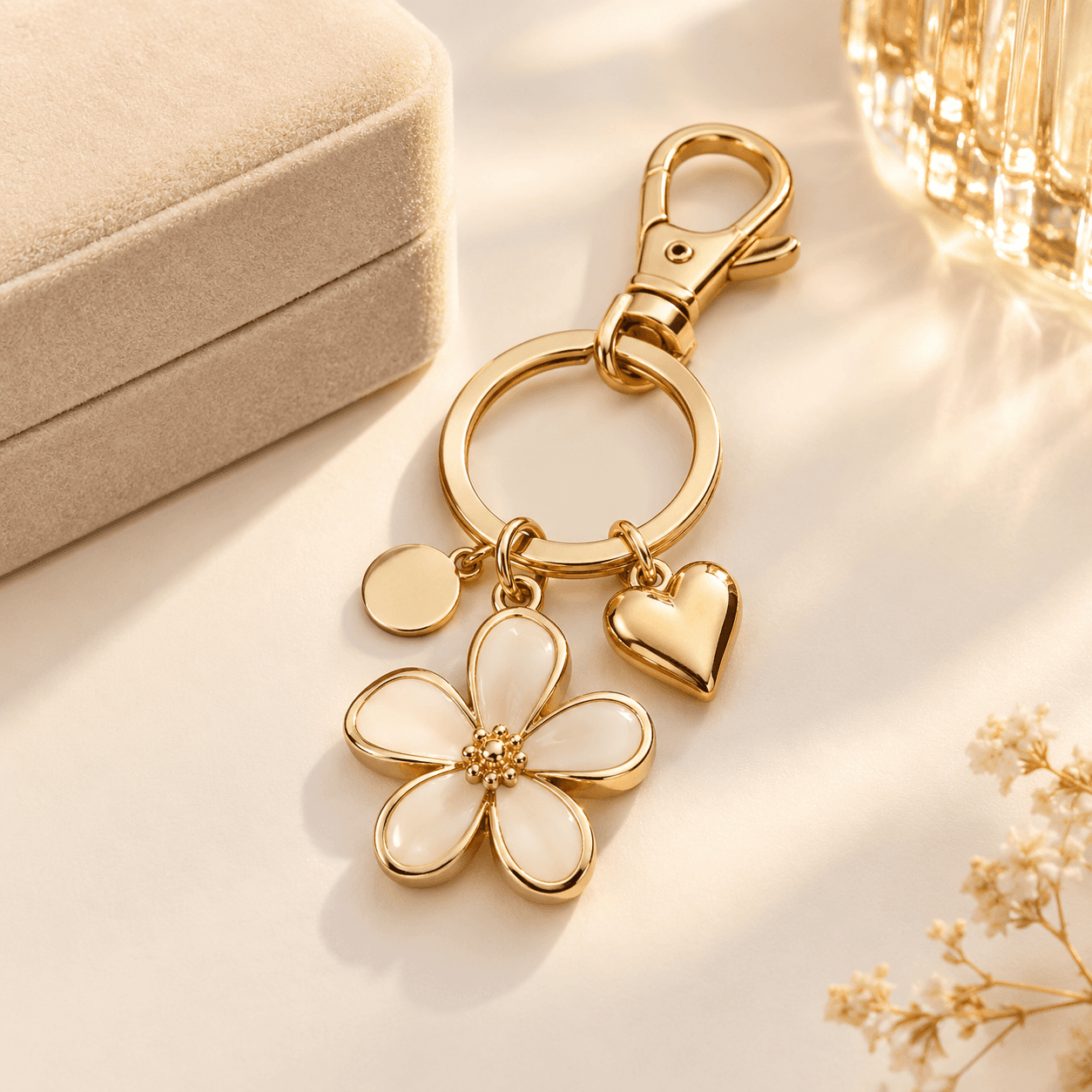
Finishing requirements can significantly affect final pricing. Different visual effects require different production procedures, including PVD, gold plated finishes, rose gold plating, silver finish treatments, enamel color filling, and crystal inlay application.
PVD plated stainless steel charms often require controlled processing conditions to achieve stable color performance and consistent appearance across production batches. Enamel stainless steel charms require careful color filling and inspection to maintain visual quality.
When planning a collection, procurement teams should define finish specifications early. Clear requirements help suppliers calculate accurate costs and prevent unexpected changes during production.
Why Cost Analysis Matters for Buyers
A detailed cost analysis helps purchasing teams move beyond short-term pricing decisions and evaluate supplier value. The right manufacturing partner contributes to smoother product launches, fewer quality issues, and stronger long-term business results.
Improved Vendor Evaluation and Compliance Control
Professional buyers need more than product samples. They need manufacturing transparency, production capability, and supporting documentation. Supplier evaluation should include factory processes, quality management procedures, testing records, and communication efficiency.
Lancy Jewelry operates with SGS certified testing support covering RoHS, REACH, Nickel Release EN1811, and Salt Spray 240H requirements. These certifications help buyers review compliance expectations for different international markets and strengthen internal vendor approval procedures.
Better Total Cost of Ownership
The lowest initial quotation does not always create the lowest overall cost. Procurement teams should consider development efficiency, defect prevention, communication time, packaging coordination, and repeat order stability.
A reliable ODM charm supplier can provide structured recommendations that improve collection planning and reduce avoidable expenses. Strong manufacturing support creates value by helping buyers launch products efficiently and maintain consistent customer experiences.
Flexible MOQ Planning for Growing Collections
Small batch production is often important for boutique brands testing new collections or expanding product categories. Flexible MOQ planning allows buyers to manage inventory risk while exploring new designs.
Lancy supports low MOQ charm production for qualified projects, helping customers balance customization goals with practical production requirements. This flexibility is especially valuable for businesses developing seasonal programs, limited collections, or new accessory lines.
Detailed Guide to Evaluating Small Batch Charm Production Costs
Step 1: Review Design and Engineering Requirements
Before requesting a quotation, procurement teams should prepare complete product information. Important details include charm dimensions, design files, finish requirements, attachment structure, color specifications, and packaging expectations.
Accurate information enables manufacturers to estimate tooling, sample development, and production requirements more effectively. It also improves communication between buyers and factory engineering teams.
Step 2: Analyze Manufacturing Capabilities
A capable charm factory should provide evidence of production experience and technical resources. Lancy Jewelry uses modern manufacturing equipment including CNC, laser cutting, laser marking, welding, and polishing systems to support customized charm projects.
When selecting a supplier, procurement teams should review whether the factory can manage both development orders and repeat bulk charm orders. Production scalability is an important factor for long-term sourcing success.
Step 3: Compare Finishing Options and Value Impact
Finishing choices influence both appearance and cost. Buyers should evaluate which decorative processes provide the strongest value for their target market instead of selecting features without a clear commercial purpose.
For example, PVD finishes, enamel details, and crystal inlay can create different visual directions for a collection. A professional supplier should explain production requirements and help buyers choose suitable solutions.
Step 4: Evaluate Quality Inspection Procedures
Quality control directly affects the real cost of a project. Inspection procedures should cover dimensions, surface condition, color consistency, attachment points, and packaging accuracy.
Strong inspection processes reduce replacement costs, customer complaints, and delays. Procurement teams should request clear quality expectations before production begins.
Step 5: Consider Private Label and Packaging Requirements
For businesses building their own collections, private label charms require attention beyond the product itself. Packaging, labeling, and presentation influence market readiness and customer perception.
Lancy provides private-label packaging support to help buyers create organized product programs. Combining manufacturing and packaging coordination can simplify sourcing management and improve launch efficiency.
How to Build a Cost-Efficient Sourcing Strategy
A successful sourcing strategy focuses on value optimization rather than only reducing unit price. Buyers should establish clear product specifications, select appropriate production volumes, and work with suppliers that provide dependable development support.
Using an experienced OEM and ODM partner can shorten development cycles and improve production planning. A supplier with strong technical communication can identify cost opportunities without reducing required quality standards.
For international buyers, consistent documentation and predictable production processes are especially important. A reliable supplier relationship supports repeat purchasing, collection expansion, and smoother inventory planning.
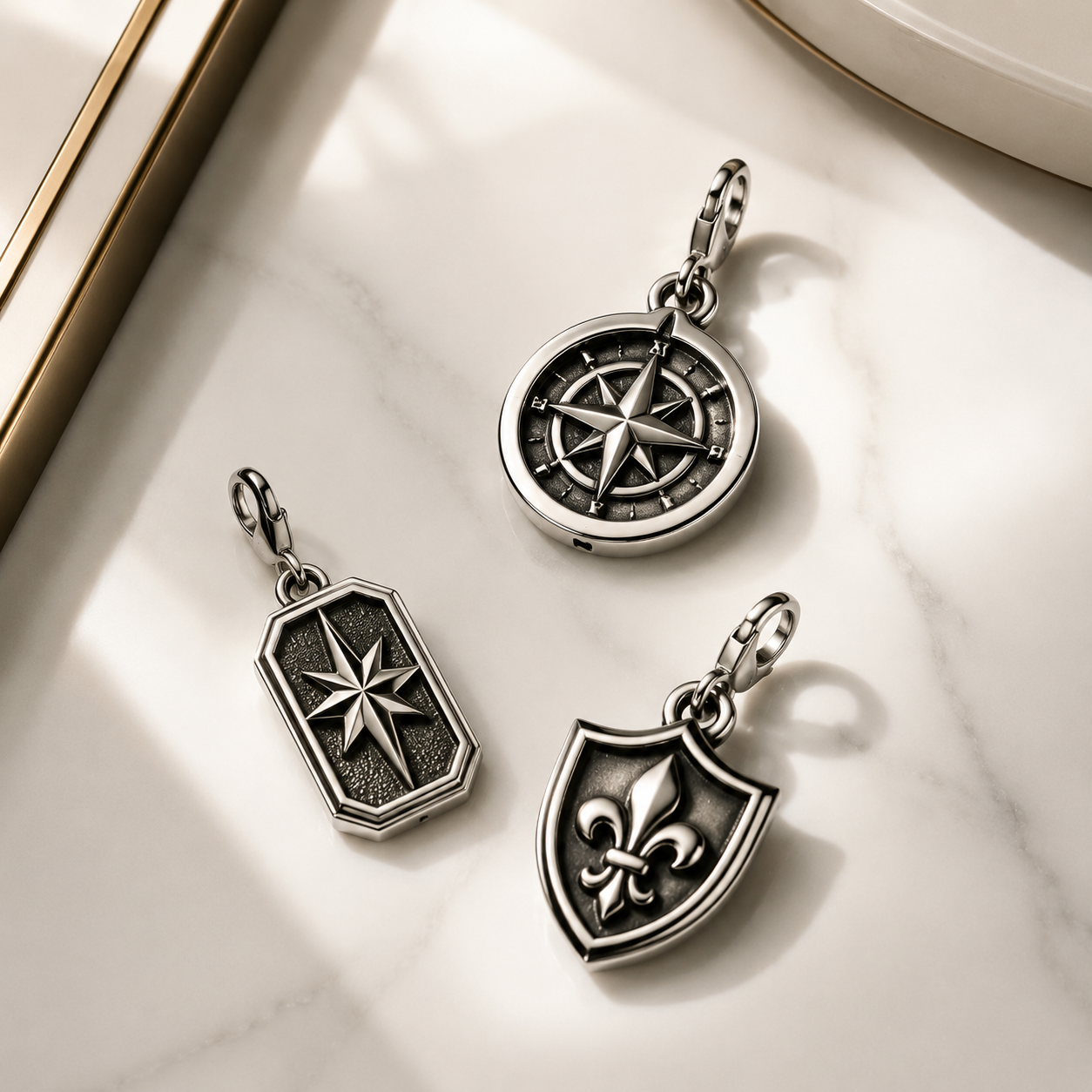
FAQ: Small Batch Custom Stainless Steel Charm Production
What factors influence the price of custom stainless steel charms?
The main factors include design complexity, production volume, finishing requirements, sample development needs, packaging specifications, and quality control requirements. A complete cost review should evaluate the entire production process instead of only the unit price.
Why should buyers choose a 316L stainless steel charms manufacturer?
A specialized 316L stainless steel charms manufacturer provides focused production knowledge, consistent material control, and experience with customization requirements. This helps buyers manage quality expectations and develop reliable collections.
How can small businesses manage MOQ requirements?
Small businesses can work with suppliers that offer flexible MOQ solutions and sample support. Clear product planning and early communication help create efficient production schedules while controlling inventory investment.
What should procurement teams request before placing bulk charm orders?
Procurement teams should review samples, production specifications, compliance documentation, finishing requirements, packaging details, and supplier capabilities before confirming bulk charm orders.
Partner With Lancy Jewelry for Custom Charm Manufacturing
Choosing the right manufacturing partner helps buyers control costs, improve product consistency, and create scalable accessory programs. Lancy Jewelry supports boutique brands, distributors, and private-label buyers with OEM/ODM development, custom logo charms, 316L stainless steel production, and professional manufacturing support.
From initial sample development to repeat wholesale programs, Lancy provides practical solutions designed for global sourcing needs. Explore our product catalog, learn more about our OEM service, or submit an RFQ request to discuss your next custom charm project.