Hook: Why 316L stainless steel charms deserve a focused wholesale sourcing approach
For boutique brands, charm bars, and gift companies, selecting the right supplier for stainless steel charms is a strategic lever on profit margins and brand consistency. This sourcing guide focuses on 316L stainless steel charms, the alloy chemistry that underpins durability and safety, and practical steps to evaluate suppliers for OEM and ODM programs. If you are seeking reliable partners who can deliver private-label packaging, low MOQs, consistent plating, and fast sample development, this guide will illuminate the path from supplier discovery to a confident RQF/OEM collaboration.
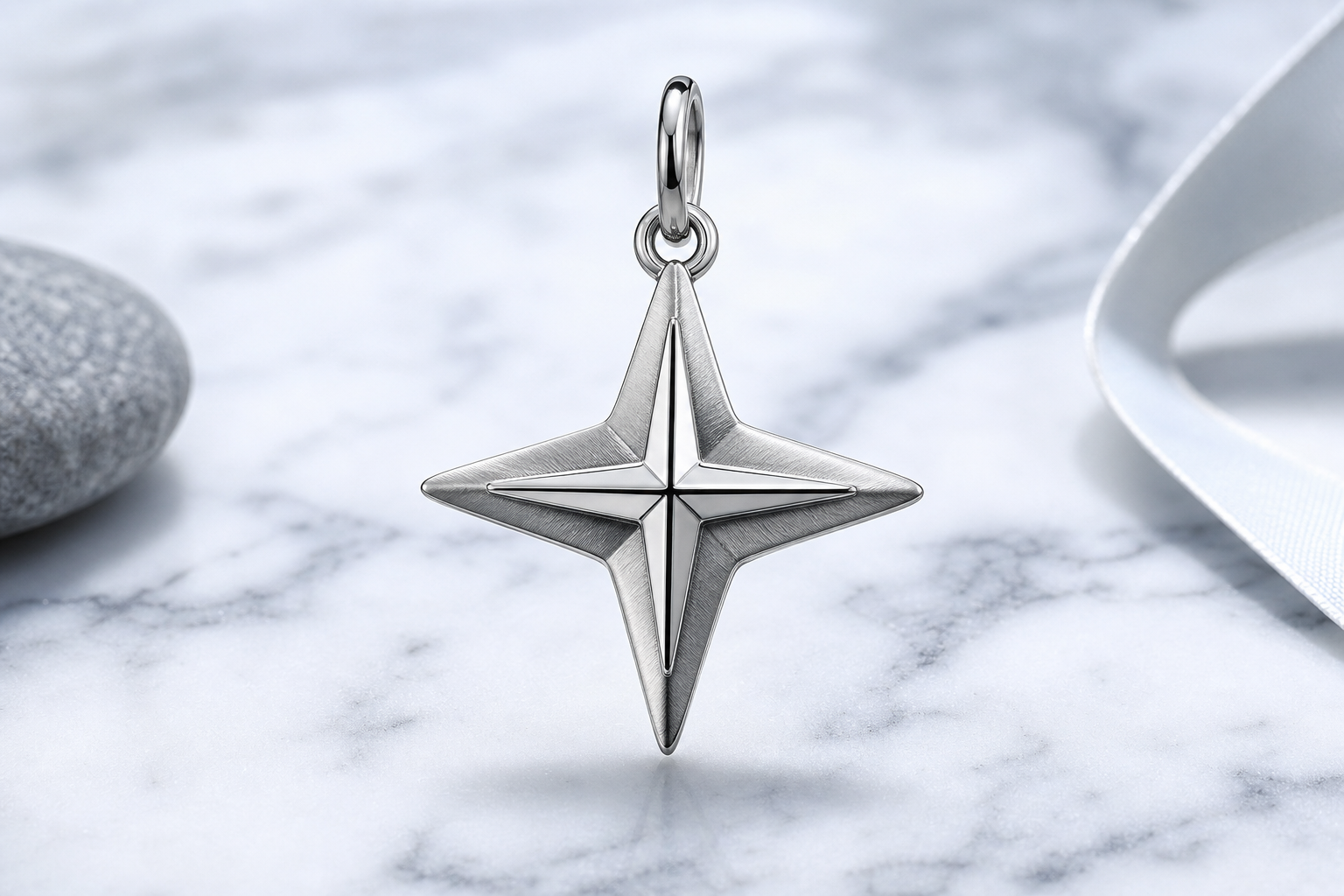
Main topic: stainless steel wholesale permanent jewelry charms
As a sourcing guide by a leading 316L stainless steel charms manufacturer, we outline a framework for wholesale buyers to assess materials, production capabilities, and supplier reliability. The focus on 316L stainless steel ensures a consistent base material across global markets, with finishes such as PVD gold plating, silver finish, rose gold plating, enamel, and crystal inlay. For readers evaluating potential partners, the emphasis on alloy composition, manufacturing process, and quality control helps reduce risk in large-bulk orders and private-label programs.
Sub-points: understanding the core terms you will encounter
- 316L stainless steel: a low-carbon chromium-nickel alloy known for corrosion resistance and biocompatibility, widely used for charms and jewelry components.
- PVD plating: a durable surface treatment that provides gold, rose gold, or silver finishes with high wear resistance.
- OEM/ODM: terms describing original equipment manufacturing and original design manufacturing capabilities for private-label customers.
- MOQ and sample development: minimum order quantities and the process to produce first samples for evaluation.
- Private-label packaging: customized packaging concepts aligned with brand guidelines.
Sub-points: core supplier evaluation criteria you should apply
- Material integrity and certifications: verify 316L composition, absence of disallowed base materials, and SGS certifications (RoHS, REACH, Nickel Release EN1811, Salt Spray 240H).
- Manufacturing capabilities: CNC, laser cutting, laser marking, welding, polishing, plating, enamel filling, and crystal setting capabilities.
- Quality control: inspection protocols, batch traceability, plating consistency, and defect rate targets.
- Commercial terms: MOQs, pricing bands for bulk orders, sample lead times, and private-label packaging options.
- Logistics and reliability: on-time delivery, packaging standards, and regional distribution considerations.
Benefits/Why it matters
Choosing the right supplier for 316L stainless steel charms translates into margin stability, faster time-to-market, and consistent product performance across markets. The following benefits are essential for wholesale buyers who manage budgets, supply chains, and brand promises:
Key benefits
- Material consistency and safety: 316L stainless steel provides corrosion resistance and hypoallergenic properties suitable for jewelry components across US, EU, UK, AU, CA, DE, FR, SP, NE, RU markets.
- Certification-backed trust: SGS certifications support compliance with RoHS, REACH, Nickel Release EN1811, and Salt Spray tests, reducing regulatory risk in cross-border sales.
- Private-label readiness: access to OEM/ODM development, logo engraving, private-label packaging, and sample support accelerates market entry.
- Pricing and MOQs aligned with business models: low MOQs enable boutique brands and new launches to manage cash flows, while bulk orders deliver favorable unit economics for established channels.
- Fabrication depth: from enamel-filled charms to crystal-inlaid designs, you can diversify product assortments without changing base material.
Detailed analysis/Guide
Below is a structured, step-by-step approach to finding and evaluating suppliers for 316L stainless steel charms, with a focus on materials science, production capabilities, and commercial terms.
Step 1: Define your material and finish requirements
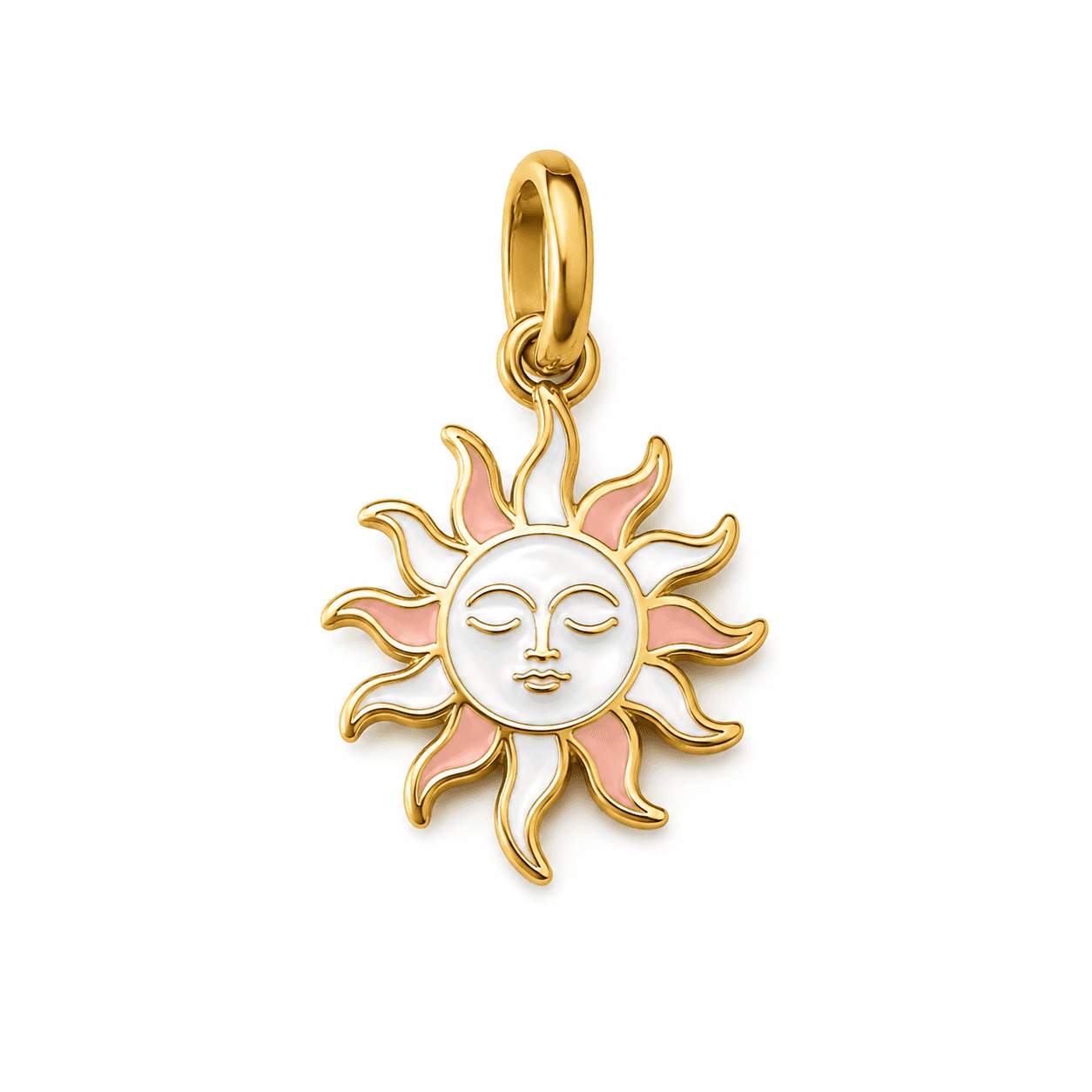
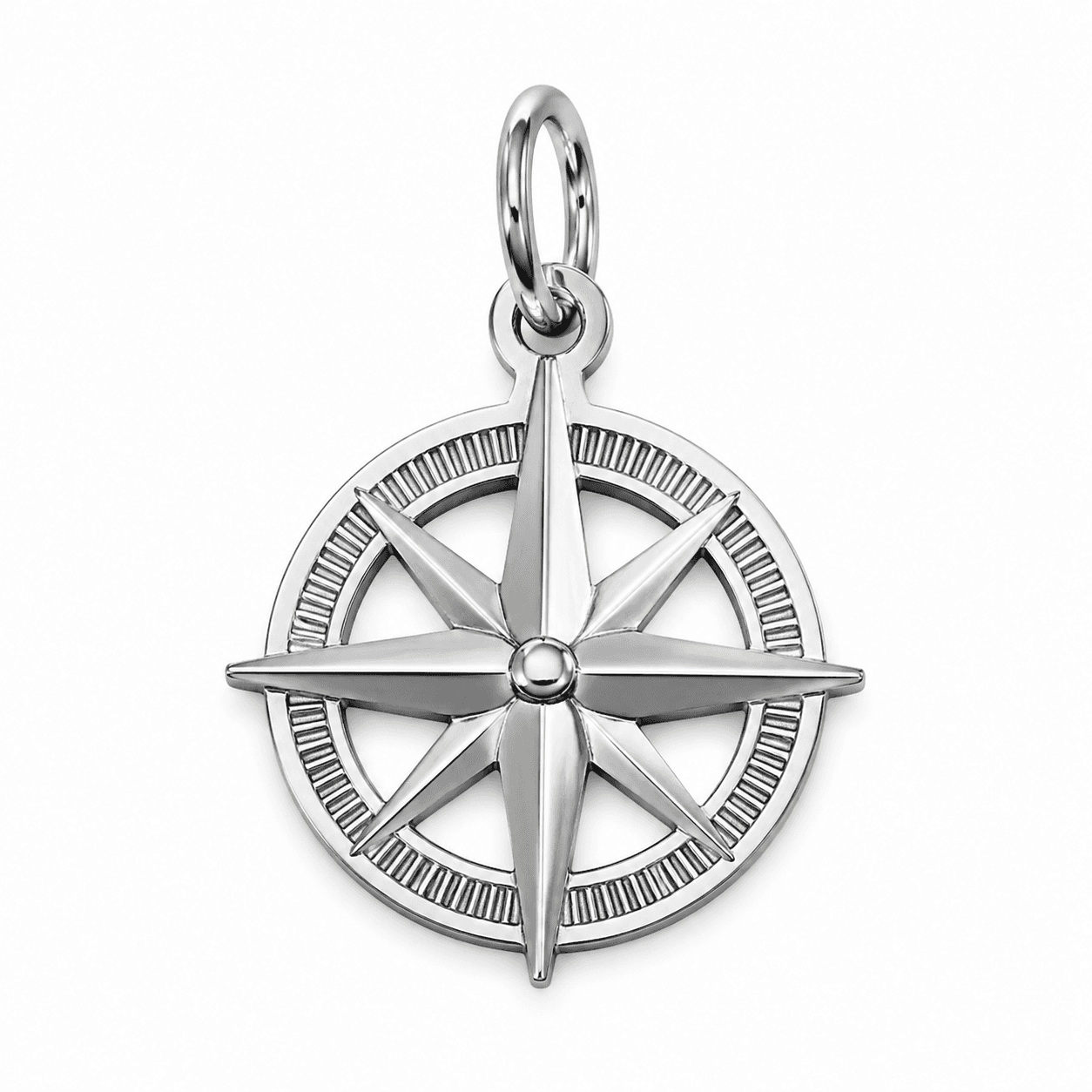
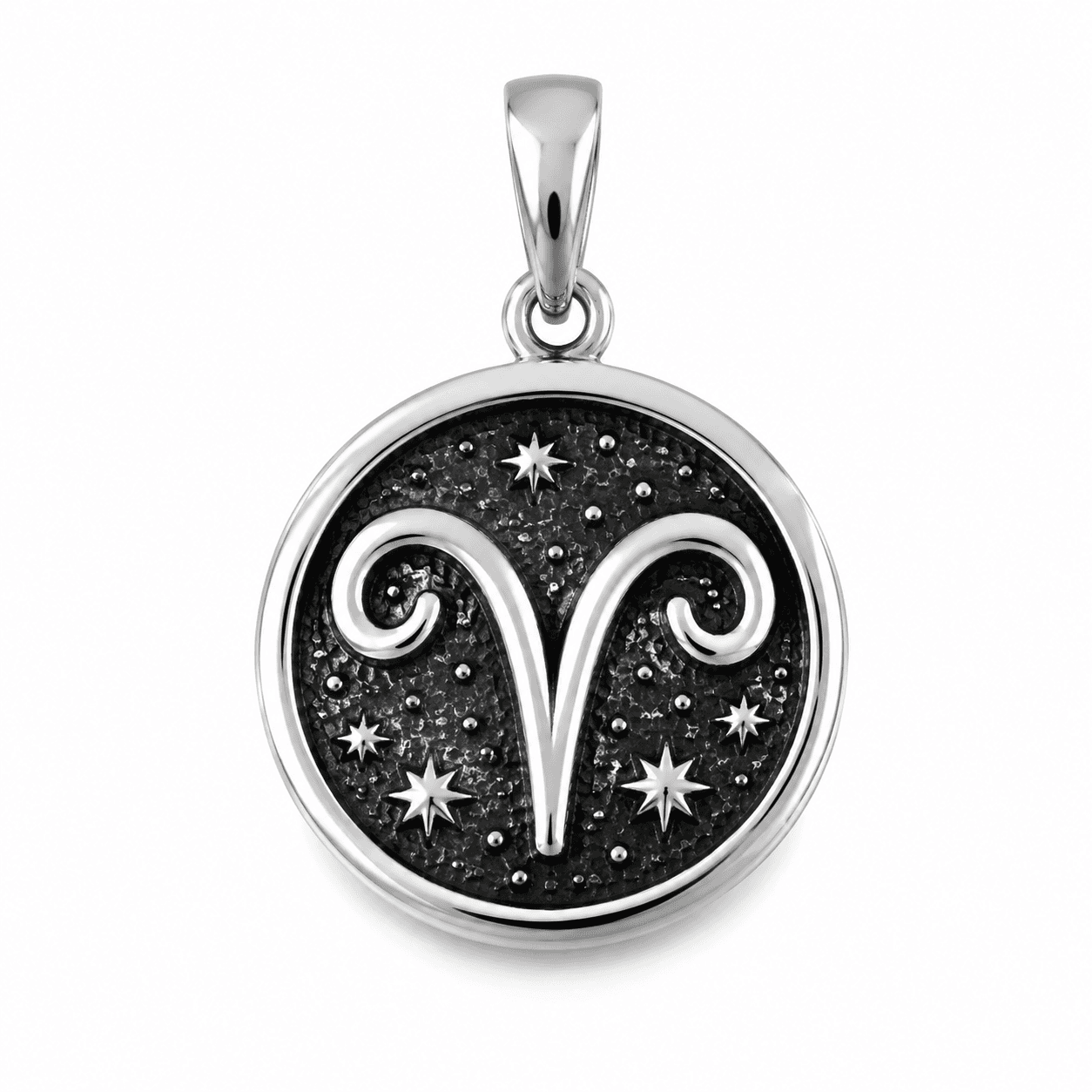
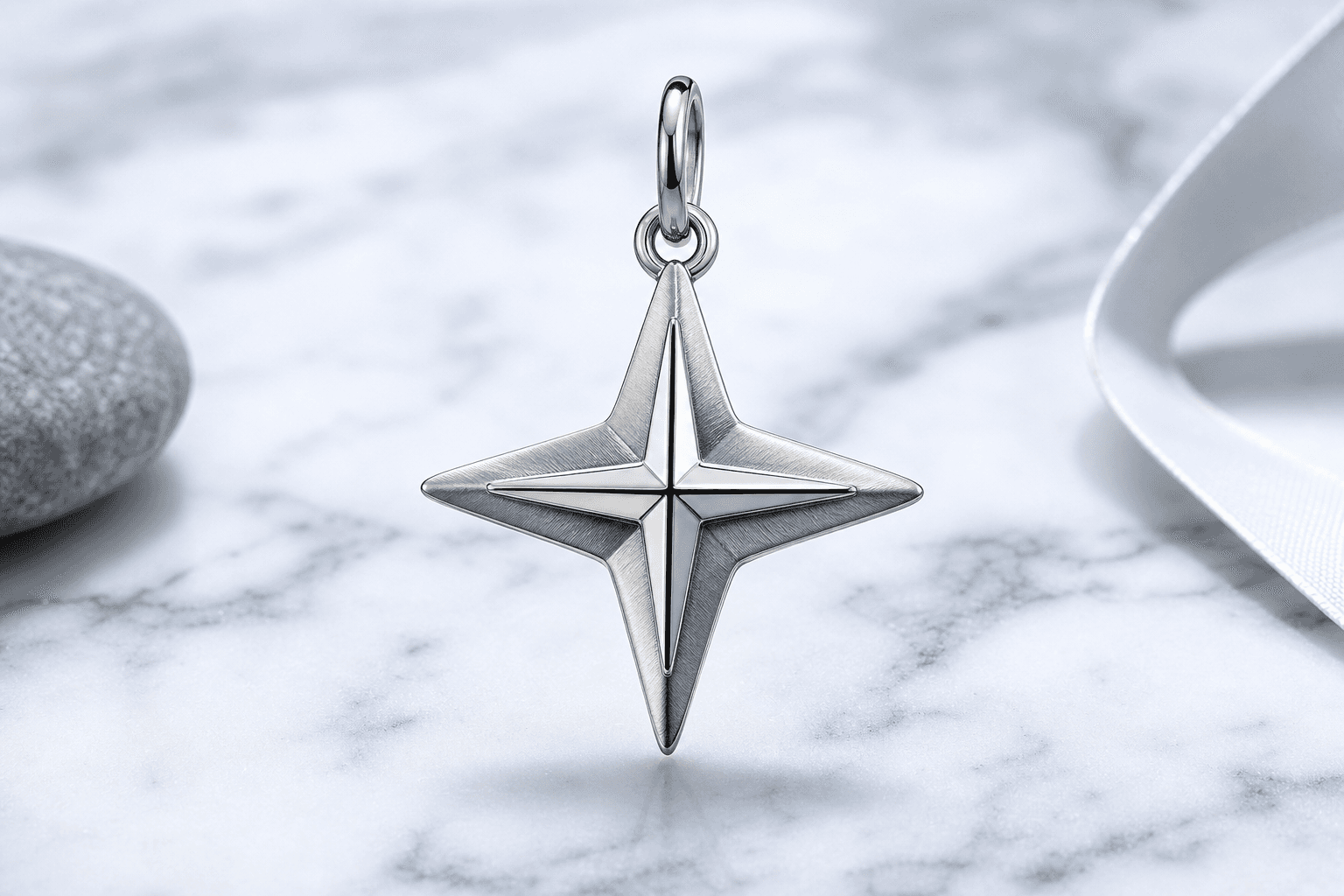
Start with the non-negotiables: base material must be 316L stainless steel. Confirm chemistry specifics with the supplier and request a materials certificate. Decide on acceptable surface finishes: PVD plating (gold, rose gold, silver), enamel color filling, or crystal inlay. 316L stainless steel forms the robust backbone for long-lasting, boutique-ready charms that withstand daily wear in wholesale environments.
Step 2: Assess alloy composition and corrosion resistance
Understand the alloy composition and how it impacts performance in different climates and cosmetic finishes. A reputable supplier should provide a material data sheet (MDS) or equivalent for 316L stainless steel and demonstrate proven corrosion resistance in real-world use. SGS certifications and standard EN/ASTM references help validate claims. Consider the impact of nickel release testing on sensitive markets and ensure compliance with EN1811 standards where applicable.
Step 3: Evaluate manufacturing capabilities and process controls
For 316L charms, a modern facility with CNC, laser cutting, laser marking, welding, and polishing is essential. Ensure the supplier can handle:
- OEM/ODM development and custom logo engraving on the charm surface
- PVD plating with consistent thickness and adhesion for gold, rose gold, or silver finishes
- Enamel color filling and crystal setting for decorative elements
- Private-label packaging and sample development with fast turnaround
Ask for sample lead times, batch control methods, and evidence of plating consistency across production lots. A transparent QA process, including visual checks and metallurgical tests, is critical to maintain consistency across wholesale orders.
Step 4: Examine pricing structure, MOQs, and sample policy
Wholesale buyers should expect transparent pricing tiers tied to order volume. Look for:
- Low MOQ charm production options that support private-label programs
- Clear per-unit pricing for different finishes and decoration types
- Flexible sample development policies with reasonable fees or free first samples
- Clear lead times for bulk orders and predictable delivery windows
Request a formal RFQ or quote via a trusted channel (for example, the OEM/ODM service page) to compare apples-to-apples across suppliers. The ability to ship globally with documented compliance reduces sourcing risk when expanding into new markets.
Step 5: Review certifications and quality assurances
Certifications provide a baseline for reliability. A responsible supplier should offer SGS or equivalent certification coverage (RoHS, REACH, Nickel Release EN1811, Salt Spray 240H). Check for production traceability, documented testing results, and any additional quality control measures such as batch sampling and first-article inspection. These factors are especially important when you are managing a multi-market product line with strict regulatory expectations.
Step 6: Verify private-label packaging and branding capabilities
Private-label packaging aligns product presentation with brand identity. Confirm packaging customization options, branding on packaging inserts, and label compliance. If you require logo engraving on charms, ensure the supplier has reliable laser marking capabilities that preserve ornamentation while meeting tolerance targets.
Step 7: Validate supplier reliability and supply chain resilience
For global wholesale operations, reliability is king. Request references or case studies from existing OEM/ODM customers, review on-time delivery rates, and assess contingency plans for supply disruptions. Consider geographic diversification to mitigate risk and ensure consistent supply to key markets such as the US, EU, UK, AU, CA, DE, FR, SP, NE, and RU.
FAQ
Q1: What is 316L stainless steel and why is it preferred for charms?
A1: 316L stainless steel is a low-carbon variant of stainless steel with excellent corrosion resistance, good formability, and biocompatibility. It is widely used in jewelry components because it resists rust and tarnish, maintains structural integrity with plating and enamel, and supports reliable long-term performance across global markets.
Q2: How do I evaluate MOQs and pricing for wholesale stainless steel charms?
A2: Start by requesting a formal quote that specifies MOQs, per-unit price by finish, and any setup charges. Compare a few suppliers’ tiers, factoring in sample costs, lead times, and shipping. Look for suppliers that offer low MOQ charm production without compromising quality; this supports private-label programs and smaller brand launches.
Q3: What is the typical path for private-label charm development with a supplier like Lancy?
A3: The typical path includes concept briefing, prototype development (with logo engraving and finish options), proofing, production ramp-up, private-label packaging design, and scale-up for bulk orders. A streamlined sample development process with fast iterations reduces time-to-market and helps refine aesthetics and branding before full-scale production.
Q4: How important are SGS certifications for wholesale jewelry sourcing?
A4: SGS certifications provide independent validation of compliance with RoHS, REACH, Nickel Release EN1811, and salt spray resistance, which reduces regulatory risk and increases buyer confidence, especially in cross-border wholesale sales. For global channels, verified certifications help support market access and consumer trust.
Call to action: Partner With Us
If you are a wholesale buyer seeking a reliable 316L stainless steel charms partner, consider Lancy Jewelry as your OEM/ODM supplier. We offer a modern facility equipped with CNC, laser cutting, laser marking, welding, and polishing, along with PVD plating, enamel filling, crystal setting, and private-label packaging. Our SGS-certified processes underpin consistent plating quality and material integrity, enabling you to deliver boutique-ready collections with confidence.
Explore our OEM/ODM service at /oem to start a conversation, request a formal quote, or discuss sample development timelines. You can also initiate bulk charm orders or private-label programs by visiting /cart to submit an RFQ. For general inquiries, contact our sales team via /contact.
Why Lancy is a fit for global wholesale partners
- Specialization: 316L stainless steel charms manufacturing, with a focus on OEM/ODM for boutique brands and private-label buyers.
- Material and finish versatility: 316L base with PVD plated finishes, enamel, and crystal inlay options.
- Production depth: In-house CNC, laser, welding, polishing, and decoration capabilities for scalable programs.
- Compliance and quality: SGS certifications and robust QA processes support cross-market reliability.
- Commercial flexibility: Low MOQs and strong sample-development pipelines to support new product launches.
For ongoing updates and product announcements, stay connected with our product families and collections, including regular launches of 316L stainless steel charms with new finishes and decorative options. Our goal is to empower wholesale buyers with the information and tools needed to source confidently and grow margins through high-quality, private-label charm programs.
Internal resource references
Partner with us: OEM Service | Request a quick quote: RFQ | Browse product catalog: All Products | Contact: Sales