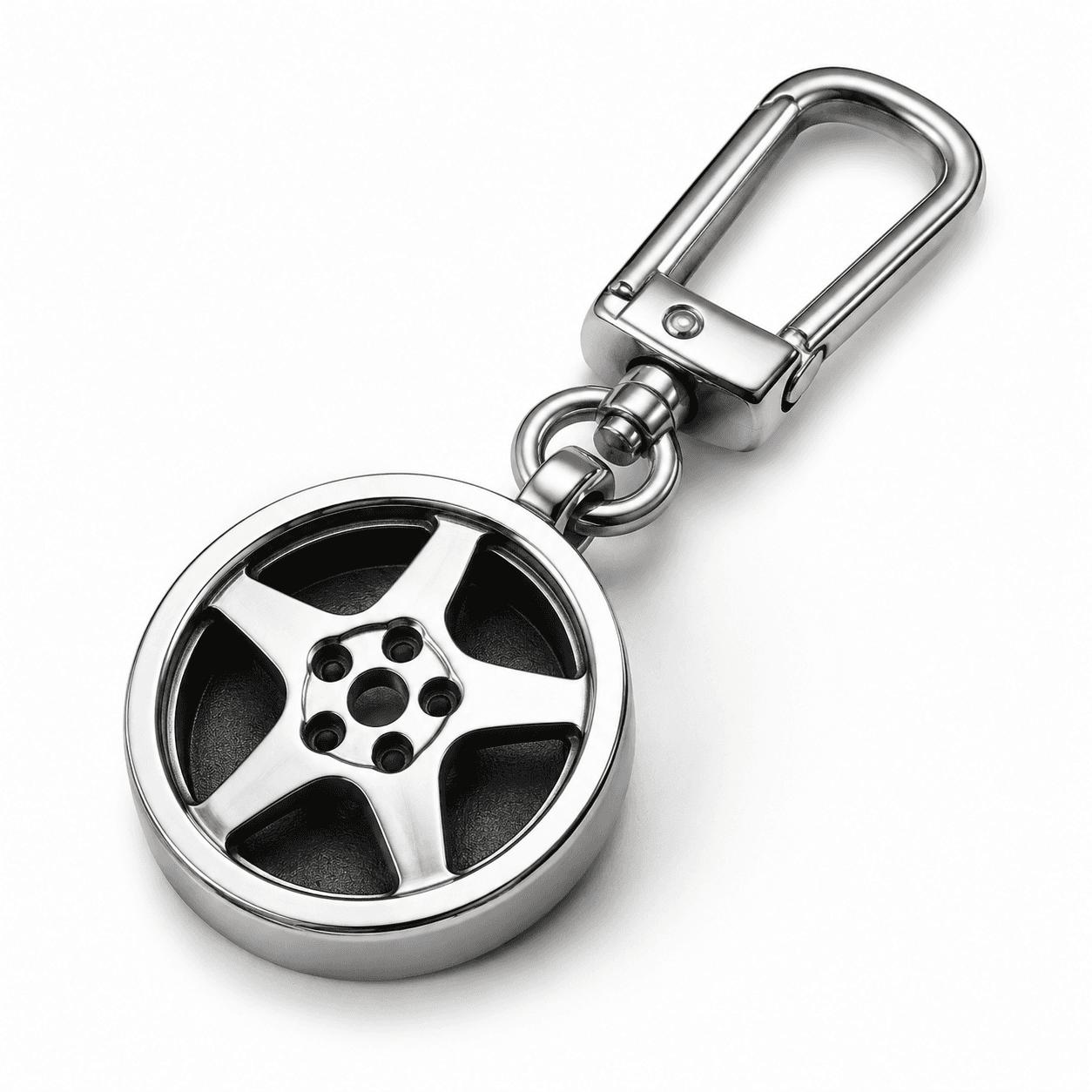
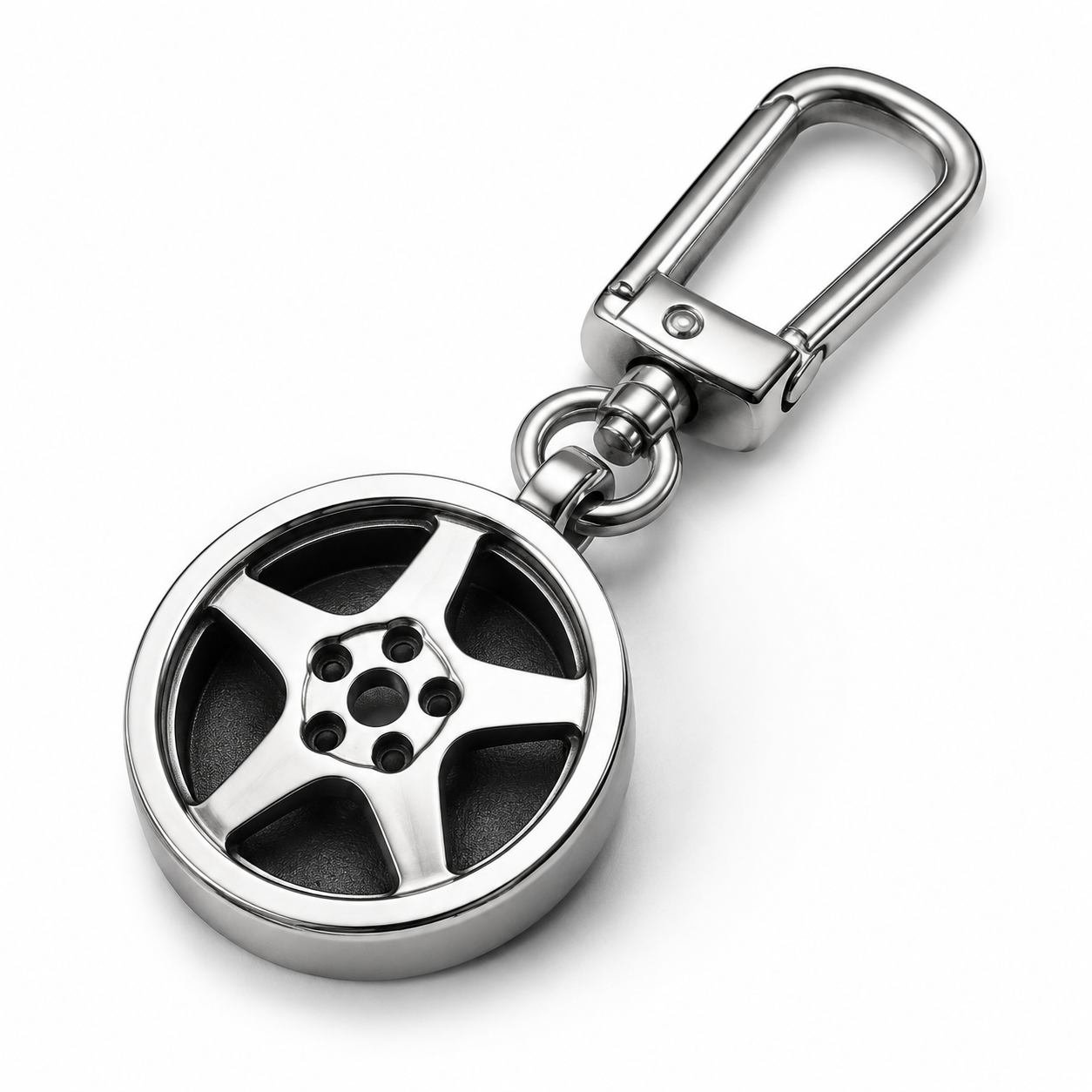
Shopping for stainless steel key charms for car keys requires more than surface appeal. Retail store owners and sourcing managers must pair material science with supplier capabilities to ensure consistent quality, reliable lead times, and profit-friendly margins. This step-by-step sourcing guide focuses on 316L alloy chemistry, practical evaluation of suppliers, and how to align a partner with your private-label or OEM needs. The goal is to help you build a reliable pipeline from a trusted stainless steel charms manufacturer that can support low MOQ options, fast sample development, and scalable production.
Sourcing Stainless Steel Key Charms for Car Keys: 316L Alloy Chemistry
Know the core material: 316L stainless steel and its alloy chemistry
316L stainless steel is the standard base material for durable, corrosion-resistant charms. Its composition typically features iron with chromium for corrosion resistance, nickel for ductility, and a small amount of molybdenum to improve resistance to chlorides and salt spray. The low carbon content (the “L” in 316L) enables easier welding and fabrication, translating to cleaner joints and better yield in OEM or ODM programs. When you evaluate a supplier, confirm the material exactly matches 316L stainless steel charms specifications and that the alloy chemistry is consistent across batches to minimize color shifts or pitting after long-term wear.
Define your supplier profile: OEM/ODM capabilities, private-label packaging, sample development
For car-key charms, most retailers demand more than a loose unit. They want a partner that can offer private-label packaging, logo engraving, PVD plating, enamel filling, crystal inlays, and reliable sample development. A robust supplier profile includes: an in-house factory with CNC, laser cutting, laser marking, welding, and polishing; SGS certifications (RoHS, REACH, Nickel Release EN1811, Salt Spray 240H); and a clear path to both custom and standard finishes. As you assess candidates, prefer a stainless steel charms manufacturer that can support OEM and ODM with scalable capabilities and transparent pricing for low MOQ charm production.
Benefits/Why it matters
Key benefits for retailers
Choosing the right supplier affects margins, inventory turnover, and customer satisfaction. Benefits include consistent plating quality across PVD plated stainless steel charms, reliable surface finishes (gold plated, silver finish, rose gold plating, enamel, crystal inlay), and predictable tolerances. Also critical are private-label packaging options and efficient sample development cycles that allow you to test market response before committing to bulk charm orders. A strong partner should also offer a straightforward RFQ process and a clear path to scale from 100-piece tests to larger programs.
Certifications and compliance
Certification matters because it underpins safety and durability claims. Look for SGS certification coverage such as RoHS and REACH compliance, Nickel Release EN1811 testing, and Salt Spray 240H results. These attestations help you minimize risk with boutique brands or private-label buyers who demand reliable, regulator-friendly products. A compliant supplier reinforces your store’s reputation and reduces returns related to material issues.
Detailed analysis/Guide
-
Step 1 — Define your product specs
Document target size ranges (default 8-18 mm for charms; consider scale for key rings or bag charms), finishes (PVD gold plating, silver finish, rose gold plating, enamel colors, crystal inlay), and any logo or engraving requirements. Clearly state that the base material must be 316L stainless steel and outline acceptable tolerances for thickness, weight, and hole diameters. This reduces back-and-forth and speeds up the RFQ process.
-
Step 2 — Build a short-list of capable suppliers
Screen for a factory with CNC, laser cutting, laser marking, welding, and polishing capabilities, plus private-label packaging options. Prioritize those with documented sample development timelines and a track record of private-label success for B2B buyers. Ensure the supplier can support OEM/ODM development and is comfortable with your private-label program requirements.
-
Step 3 — Verify material and process controls
Ask for material certification data referencing 316L composition and proof of consistent plating quality across batches. Request plating process details (PVD parameters, color formulas, plating thickness) and whether enamel and crystal inlay processes are performed in-house or via trusted partners. Confirm the supplier’s ability to maintain color stability under typical wear and environmental exposure.
-
Step 4 — Request samples with your branding options
Use the sample development phase to test logo engraving, engraving depth, and packaging. Evaluate whether the logo remains legible over time and whether private-label packaging meets your brand standards. This phase is essential for private-label or OEM programs where your brand identity must be preserved.
-
Step 5 — Assess finish consistency and durability
Inspect plated finishes for uniform color, gloss, and adhesion. Check edge cleanliness, burrs, and any seam lines after assembly. If enamel or crystal inlays are included, test colorfastness and setting durability. A reliable supplier demonstrates stable finishes across multiple samples and demonstrates repeatable results in a controlled environment.
-
Step 6 — Confirm pricing, MOQs, and lead times
Request a formal quote that includes unit price tiers for different MOQs, processing fees for logo engraving, and any setup charges. Compare lead times for sample development, first article production, and ongoing bulk charm orders. A preferred partner will offer a low MOQ charm production option that scales as you grow, aligning with your inventory strategy and cash flow.
-
Step 7 — Run a pilot order
Begin with a small pilot order to verify manufacturing consistency, packaging integrity, and fulfillment accuracy. Use the data from this pilot to refine process controls and to validate your logistics, including packaging resilience for car-key use and retail display.
-
Step 8 — Finalize the agreement and start production
Collaborate on a formal contract that covers specifications, IP protections, confidential branding guidance, and quality-control criteria. Ensure the relationship supports ongoing QC checks, supplier audits, and periodic performance reviews so that your private-label program remains dependable over time.
-
Step 9 — Monitor quality and scale responsibly
Implement a simple, repeatable QA process with spot checks on plating thickness, logo accuracy, and packaging conformity. Plan for future expansions, such as additional finishes or variations, while maintaining strict control over base material and plating consistency to safeguard your margins.
Throughout this process, keep in mind the advantages of working with a single partner that can handle both OEM and ODM requests, provide private-label packaging, and support long-term volume growth. A reliable supplier can become an essential part of your product ecosystem, enabling faster time-to-market and more predictable profitability for your car-key charm program.
FAQ
What should I look for in a 316L stainless steel key charm supplier?
Look for material consistency (316L stainless steel), in-house finishing capabilities (PVD plating, enamel, crystal inlay), and proven private-label packaging options. Check for SGS certifications (RoHS, REACH, Nickel Release EN1811, Salt Spray 240H) and a documented sample development timeline. A good supplier will offer OEM/ODM pathways and clear MOQs that fit your business model.
How does private-label or OEM work for car-key charms?
With private-label or OEM arrangements, the supplier engraves or marks logos, provides packaging that aligns with your brand, and can produce under your label. The relationship typically includes a formal quote, sample approval, and a contract covering minimum quantities, lead times, and quality expectations. You should be able to request a mix of finishes and optional features (logo engraving, enamel fills, crystals) as part of a cohesive program.
What tests prove durability for car-key charms?
Durability is demonstrated through corrosion resistance tests and wear performance. Key tests include salt spray exposure and nickel-release testing (EN1811). Visual inspections for finish uniformity and adhesion are also important. A compliant supplier will provide test results or certificates to back up claims and help you risk-manage for global markets.
What are typical lead times and MOQs?
Lead times vary by finish and customization level. A good partner will offer low MOQ charm production options for initial programs, with longer-term options as orders scale. For OEM or ODM projects, expect staged development timelines that include design finalization, prototyping, approval, and full-scale production readiness.
Call to action
Ready to source reliable 316L stainless steel key charms for car keys? Partner with Lancy Jewelry to access OEM and ODM capabilities, private-label packaging, and a transparent, scalable production path. Explore our OEM and Request a Quote options, or contact us at /contact to discuss your program. You can also browse our broader catalog anytime via /products to see how our stainless steel charms can fit your private-label strategy and ensure consistent margins across your car-key charm program.
Internal resources
For more details on our capabilities, visit the OEM service page at /oem and the product catalog at /products. If you are ready to discuss a private-label program or need a formal quote, start with /cart to initiate the RFQ process or reach out through /contact to speak with a sourcing specialist.