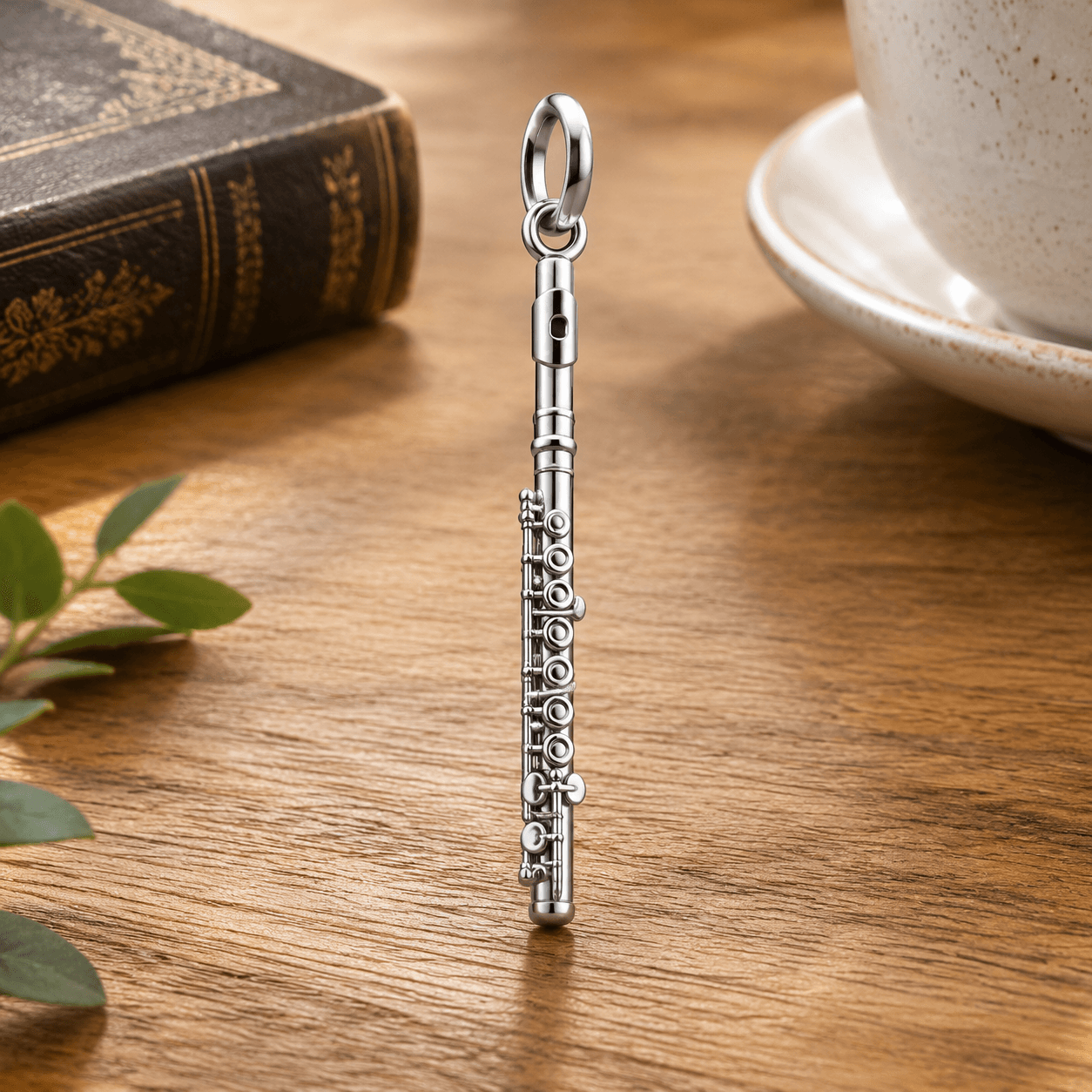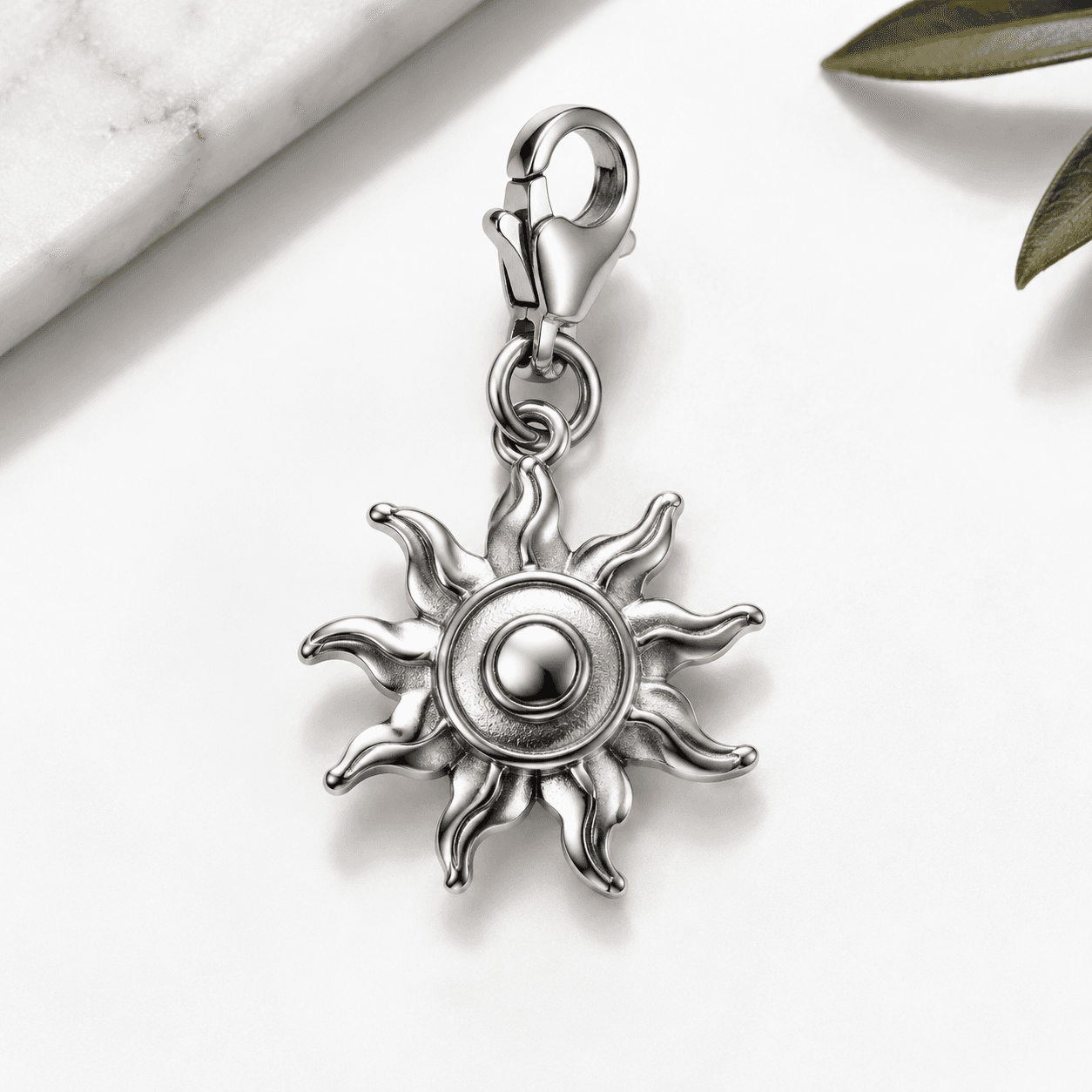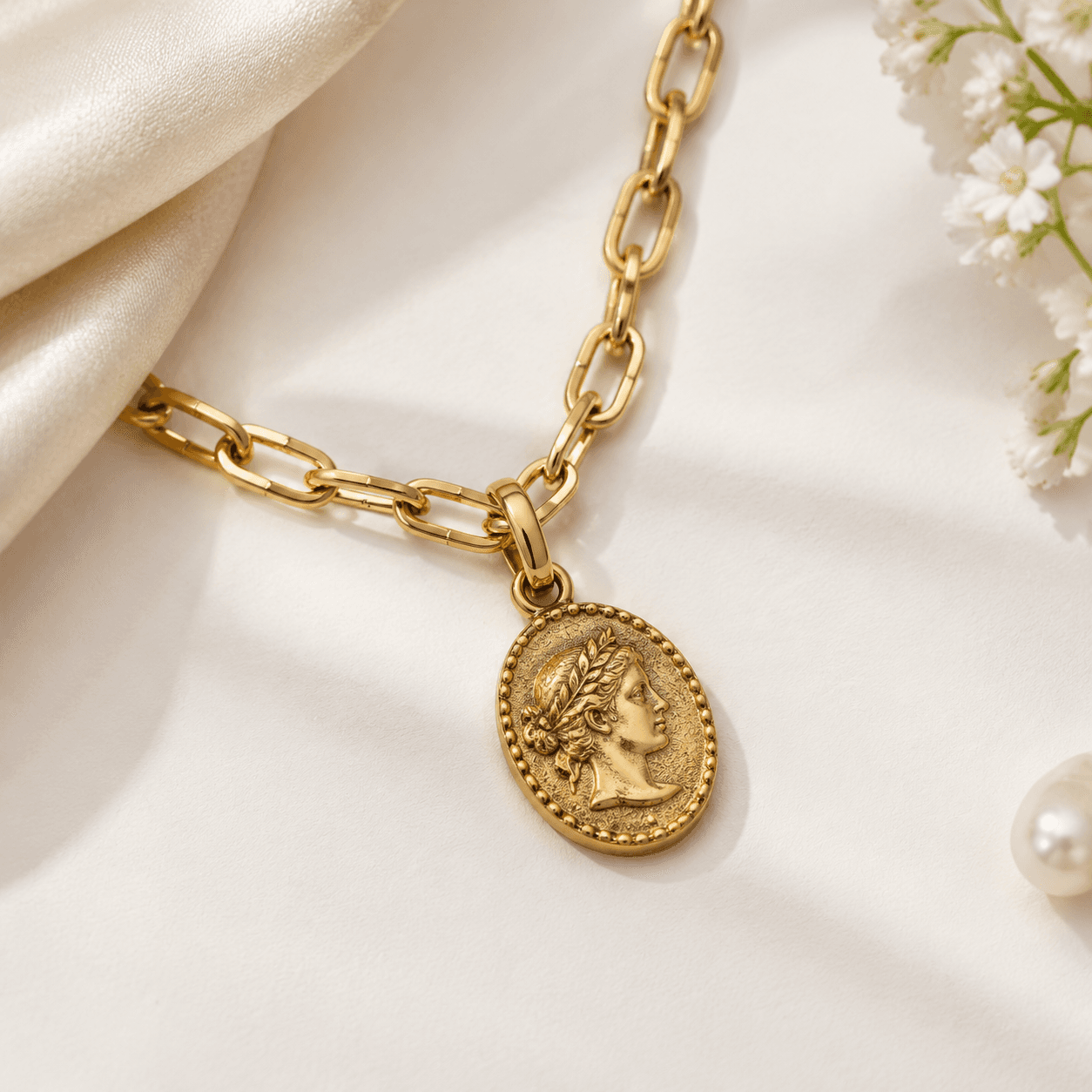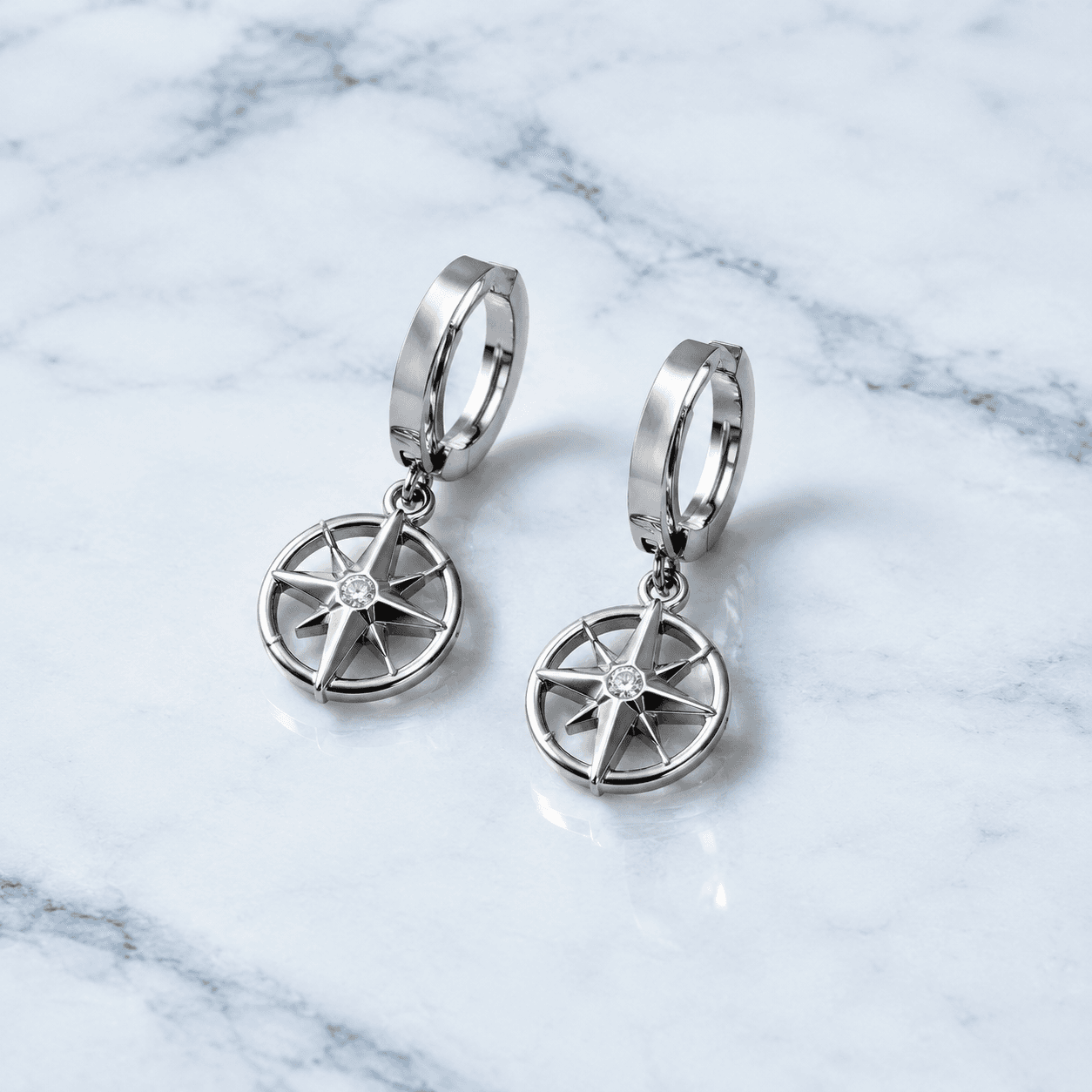
Stainless Steel Inspirational Jewelry Charms Wholesale Guide
Inspirational jewelry charms help boutique brands create meaningful collections that connect with customers through symbols, messages, and personal expression. For designers planning a scalable product line, choosing the right manufacturing partner is essential. A reliable supplier should support creative development, consistent production, and flexible customization while maintaining dependable quality standards.
This guide explains how to evaluate suppliers for stainless steel charms manufacturer partnerships, with a focus on customization options, material performance, production processes, and private label opportunities. Whether you are developing a seasonal collection or building a long-term accessory program, understanding the sourcing process helps you make informed decisions.
How to Source Stainless Steel Inspirational Jewelry Charms Wholesale
Step 1: Define Your Collection Direction and Custom Requirements
Before contacting suppliers, define the purpose and style direction of your inspirational charm collection. Consider the symbols, shapes, surface finishes, and customer preferences that fit your brand positioning. Clear requirements help manufacturers understand your expectations and provide more accurate development suggestions.
Common customization options include custom shapes, logo engraving, surface textures, color applications, and packaging solutions. Working with an experienced OEM charms manufacturer allows designers to transform original concepts into production-ready charm designs.
Prepare reference drawings, dimensions, finish preferences, and estimated order quantities before requesting a quotation. A detailed brief improves communication and reduces unnecessary revisions during development.
Step 2: Evaluate the Supplier’s Material Knowledge
Material selection directly influences product quality, durability, and customer experience. Lancy Jewelry focuses on 316L stainless steel charms as the base material because this material supports reliable everyday use and consistent manufacturing performance.
When reviewing suppliers, ask about material specifications, surface treatment capabilities, and quality testing procedures. A professional supplier should be able to explain production standards clearly and provide documentation for verification.
For example, Lancy Jewelry uses SGS certified testing covering RoHS, REACH, Nickel Release EN1811, and Salt Spray 240H requirements. These certifications support buyer confidence when developing products for different international markets.
Step 3: Review OEM/ODM Development Capabilities
Custom charm programs require more than basic production. Designers should look for partners that provide complete OEM/ODM development support, including design communication, sampling, production planning, and finishing services.
Lancy Jewelry operates a modern facility equipped with CNC processing, laser cutting, laser marking, welding, and polishing capabilities. These resources help support detailed designs, logo engraving, precise structures, and consistent production results.
For brands building unique collections, ODM support can provide professional development assistance from concept refinement through finished samples. This approach helps reduce development challenges while allowing designers to focus on market strategy and customer engagement.
Step 4: Check Custom Finishing Options
Finishing choices influence the visual identity of inspirational charms. Buyers should confirm whether suppliers can provide the finishes required for their collection plans.
Available options for 316L stainless steel charms may include PVD gold plating, silver finish, rose gold plating, enamel color filling, and crystal inlay details. These finishing methods allow designers to create different visual themes while maintaining a consistent product foundation.
Ask suppliers about color consistency, surface protection, inspection methods, and sample approval procedures. A strong finishing process helps maintain quality across repeat production orders.
Step 5: Understand MOQ and Sample Development Policies
For boutique brands, order flexibility is an important sourcing factor. A supplier offering low MOQ support can help businesses test new concepts before moving into larger production quantities.
Sample development is another important stage. Quality samples allow designers to review size, shape, finish, attachment points, and overall appearance before confirming bulk orders.
Discuss timelines, revision options, and production requirements early. Clear communication during the sample stage helps create a smoother transition from concept approval to wholesale production.
Why Choosing the Right Supplier Matters
Key Benefits of Working With a Professional Charm Supplier
Choosing a qualified supplier provides several advantages for jewelry designers and private label buyers. A dependable partner supports product consistency, efficient communication, and long-term collection planning.
First, professional manufacturing support helps improve product development efficiency. Instead of managing multiple production stages independently, buyers can work with a supplier that understands design requirements and manufacturing limitations.
Second, reliable quality control helps protect brand reputation. Lancy Jewelry applies structured inspection processes and SGS certified testing standards to support international sourcing requirements.
Third, experienced suppliers provide practical advice about production methods, finishes, and packaging. This guidance is valuable for designers who want to create boutique-ready collections without unnecessary complexity.
Step-by-Step Guide to Building a Successful Charm Program
Step 1: Research Supplier Experience
Start by reviewing supplier experience, manufacturing capabilities, product categories, and customization services. A suitable partner should demonstrate experience with stainless steel charms, custom development, and international buyer requirements.
Look for information about factory capabilities, quality systems, and communication support. A transparent supplier relationship creates a stronger foundation for long-term cooperation.
Step 2: Prepare a Clear RFQ
A detailed RFQ helps suppliers understand your project. Include charm concepts, estimated quantities, finishing requirements, packaging needs, and target markets.
Useful RFQ information includes product dimensions, preferred finishes, logo requirements, sample expectations, and delivery goals. The more complete the request, the easier it is for suppliers to provide accurate solutions.
Step 3: Review Samples Carefully
Sample evaluation should include appearance, size accuracy, surface quality, attachment structure, and packaging presentation. Check whether the finished sample matches your original design goals.
For inspirational charm collections, small details often create the strongest customer connection. Careful sample review helps ensure the final product represents your creative vision.
Step 4: Plan Production and Inventory
After sample approval, discuss production schedules, inspection points, packaging details, and shipping arrangements. Good planning helps avoid delays and supports stable inventory management.
For growing brands, wholesale stainless steel charms programs can provide a reliable way to expand collections while maintaining consistent quality. Private label charms solutions also help create a complete brand experience through customized packaging and presentation.
Step 5: Build a Long-Term Supplier Relationship
Successful sourcing is based on ongoing cooperation. Regular communication allows designers and manufacturers to improve future collections, introduce new designs, and optimize production processes.
A trusted supplier relationship supports faster development cycles, better planning, and stronger market response over time.

Frequently Asked Questions
What should designers consider when sourcing inspirational charms?
Designers should consider supplier experience, customization options, material specifications, finishing capabilities, MOQ requirements, and sample development support. These factors help create a reliable sourcing process.
Why is 316L stainless steel used for charm production?
316L stainless steel provides strong durability, consistent appearance, and suitability for detailed manufacturing processes. It is the primary base material used by Lancy Jewelry for charm production.
Can suppliers support private label charm collections?
Yes. Private label charms programs can include customized designs, logo engraving, finishing choices, and packaging solutions based on buyer requirements.
How can buyers start a custom charm project?
Buyers can begin by preparing design concepts and sending an RFQ with project details. A supplier can then provide development guidance, sample options, and production recommendations.
Partner With Us for Custom Charm Development
Lancy Jewelry supports boutique brands, gift companies, distributors, and private label buyers with professional OEM/ODM manufacturing solutions. From initial concepts to finished production, our team helps create custom stainless steel charms designed for international markets.
With 316L stainless steel manufacturing expertise, flexible MOQ support, sample development assistance, PVD finishing options, and private label packaging services, Lancy Jewelry provides a complete sourcing solution for brands building distinctive charm collections.
Explore our OEM Service to learn about customization support, browse our product catalog for collection ideas, or submit an RFQ to begin your next charm project.