Stainless Steel Italian Charms: A Vendor Vetting Guide for Global Sourcing
In the fast-evolving world of boutique jewelry brands and private-label programs, selecting a reliable stainless steel charms manufacturer is foundational to your product quality and brand integrity. This sourcing guide is designed for procurement teams who must navigate compliance, document control, and supplier partnerships in a global market. With a focus on 316L stainless steel charms, the guide draws on practical vetting steps, backed by SGS-certified capabilities, including RoHS, REACH, Nickel Release EN1811, and Salt Spray 240H testing. If you are evaluating suppliers for Italian-inspired charm styles, you will gain a structured process to assess technical capability, quality systems, and commercial terms that support long-term partnerships. For quick access to our capabilities, you can explore our OEM service page OEM Service and browse our full catalog at All Products. When you are ready to move, use Request a Quote to start a private-label or ODM project, or contact us at Contact to discuss your needs.
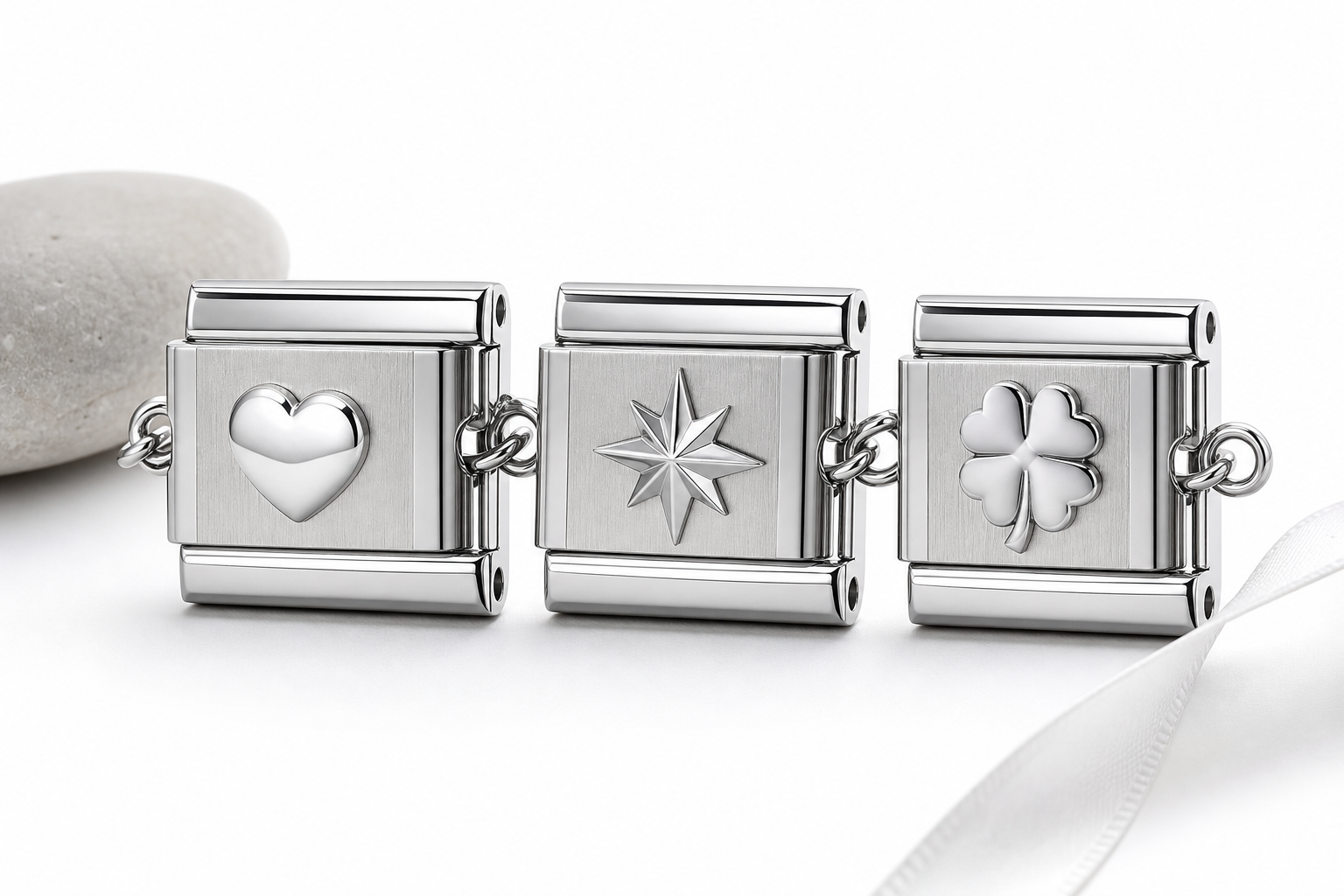
Main Topic: Stainless Steel Italian Charms Sourcing and Supplier Vetting
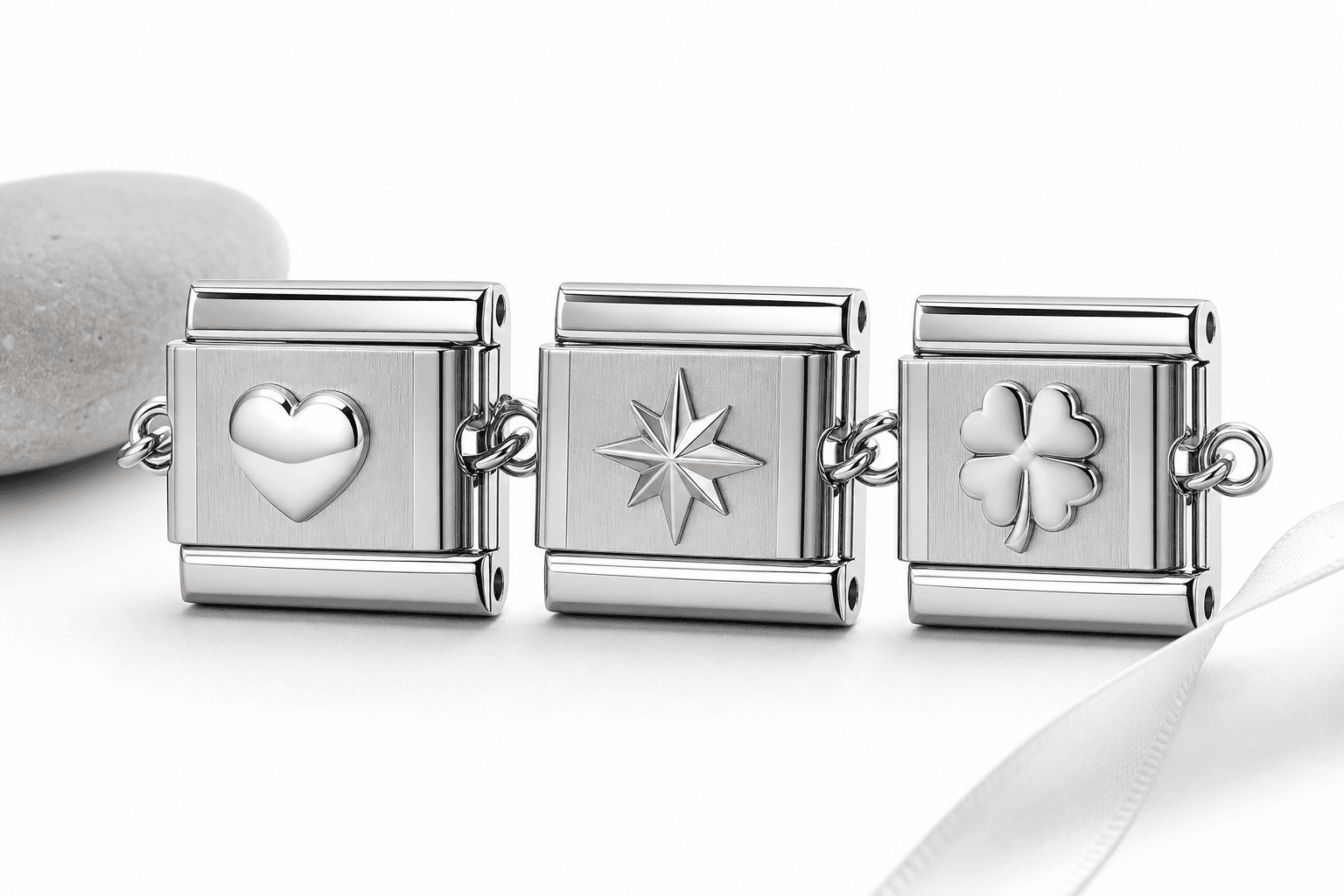
As a B2B partner, Lancy Jewelry specializes in 316L stainless steel charms and offers OEM/ODM development, logo engraving, PVD plating, enamel color filling, crystal setting, and private-label packaging. This guide translates global best practices into a step-by-step workflow that procurement teams can apply to identify, evaluate, and engage the right supplier for Italian-inspired charm collections. The steps emphasize compliance, documentation, and transparency—critical elements for audits and risk management in cross-market sourcing. Each step also highlights how Lancy’s capabilities align with rigorous buyer requirements, including low MOQ charm production, consistent plating quality, and fast sample development. For ongoing supplier relationships, consider scheduling regular performance reviews and leveraging our sample support to validate every production cycle before scale-up.
Step 1: Define Your Sourcing Objectives for Stainless Steel Italian Charms
Begin with a precise brief of your project scope. Specify that you require 316L stainless steel charms with durable PVD plating (gold, silver finish, or rose gold), enamel fills, or crystal inlay as needed. Define form factors (typical 8-18 mm for small charms, 10-16 mm for mid-size, 16-25 mm for statement pieces), and confirm that base material must be 316L stainless steel. Document regulatory requirements such as RoHS/REACH, Nickel Release EN1811, and salt spray corrosion resistance, and align them with your target markets (US, EU, UK, AU, CA, DE, FR, SP, NE, RU). Clarify commercial terms: MOQ expectations, sample development timelines, lead times, and whether private-label packaging or logo engraving is required. This step establishes the guardrails for every supplier interaction and ensures future audits have a clear baseline. For ongoing supplier conversations, reference our experience as a stainless steel charms manufacturer and our ability to support OEM/ODM programs with controlled documentation and packaging options.
Step 2: Map Reliable Discovery Channels for Italian Charm Suppliers
In a global market, supplier discovery should combine verified directories, referrals from trusted industry networks, and direct outreach to manufacturers with proven capabilities. Look for suppliers that emphasize CNC machining, laser cutting, laser marking, welding, polishing, and especially those with PVD plating lines, enamel color filling, and crystal setting capabilities. Because you are sourcing stainless steel charms, verify that the core material is consistently 316L stainless steel and that the supplier refuses non-stainless options. For a practical starting point, request a capability overview and a sample pack that demonstrates plating consistency and finish quality. If your company requires private-label options, inquire about packaging customization and branding documentation. For a direct route to a trusted partner, explore our OEM service page and consider arranging a preliminary technical call to assess alignment with your internal specs.
Step 3: Pre-Screen Suppliers for Material and Certification Fit
Screen candidates against material compliance and certifications. A strong candidate should be able to confirm 316L stainless steel as the base material, with documented plating processes (PVD plating), enamel and crystal capabilities, and robust QC procedures. Key certifications to review include RoHS, REACH, Nickel Release EN1811, and Salt Spray 240H. Ask for third-party test reports or SGS certificates and review any nickel-release test results and surface finish tolerances. Additionally, verify that the supplier operates under a modern facility with CNC, laser, welding, and polishing capabilities and has a track record of stable plating quality across batches. This step narrows the field to candidates who can meet technical and regulatory requirements while supporting private-label needs and low MOQ programs, aligning with Lancy’s strengths as a boutique-ready OEM/ODM partner.
Step 4: Validate Technical Capabilities and Production Footprint
Assess the supplier’s manufacturing footprint against your product specifications. Requirements include: CNC machining for precise geometry, laser cutting and welding for robust connections, plating lines for PVD with uniform thickness, multicolor enamel filling, and crystal setting capabilities where applicable. Review process controls such as batch traceability, inspection checkpoints, and a documented change-control system for any design or material changes. Confirm the ability to produce consistent finishes across multiple runs and the availability of private-label packaging to support a turnkey solution. When speaking with suppliers, request a detailed capability dossier that demonstrates their competence in producing 316L stainless steel charms with the finish options your line uses. If you need fast samples, verify the supplier’s capacity to deliver within your target timelines and budget, a point where Lancy’s fast sample development and low MOQ capabilities shine.
Step 5: Plan for Quality Assurance and Audits
Quality assurance should be embedded in every supplier relationship. Look for a documented quality management approach, even without ISO 9001 certification. Ask about internal QA teams, first-article inspection procedures, yield tracking, and non-conforming material handling. For cross-border procurement, ensure the supplier maintains traceable lot numbers and provides certificate of conformity with each batch. If a supplier claims to be SGS certified, request copies of the recognized test reports and check for up-to-date validity. For buyers with high compliance demands, formalize a supplier audit plan that covers factory walkthroughs, equipment calibration logs, and environmental controls. Highlight Lancy’s certifications and production discipline as a model—our facility includes CNC, laser, welding, and polishing with SGS-backed compliance across RoHS, REACH, Nickel Release EN1811, and Salt Spray 240H to reinforce buyer confidence.
Step 6: Initiate Sample Development and Prototyping
The sample phase is where design intent meets manufacturing reality. Engage suppliers who can deliver samples that reflect your final finish options (PVD gold plating, silver finish, rose gold plating), enamel fills, or crystal inlays. Ensure the sample includes the logo engraving if required, a properly integrated bail or jump ring, and a visible cross-section of the charm’s inner geometry to confirm mechanical fit for your packaging and display. Request multiple samples, including a first-article sample and a color/finish variant if needed. This is precisely where Lancy’s value proposition comes into play: fast sample development with reliable plating and finish consistency, plus private-label packaging concepts to accelerate your go-to-market timeline. Documentation accompanying samples should include material spec sheets, finish tolerances, and care instructions for end customers.
Step 7: Negotiate Commercial Terms and Accessorize with a Clear RFP
Commercial negotiations should prioritize MOQ clarity, delivery terms, lead times, and cost drivers for different finish options. Confirm minimum order quantities, unit pricing for various volumes, and the feasibility of private-label packaging. Clarify packaging options, branding requirements, and any engraving service costs. Negotiate terms that protect you in the event of forecast changes, such as flexible allocation across a quarterly plan or a rolling forecast. If your program requires ongoing design changes or seasonal updates, confirm the supplier’s ability to handle change requests without disrupting production. A strong partner will offer transparent cost structures and a collaborative approach to meeting your launch deadlines. For ongoing collaboration, reference Lancy’s capability as a wholesale stainless steel charms supplier and our readiness to support low MOQ production with consistent plating quality.
Step 8: Establish Compliance, Risk Management, and Supply Chain Resilience
Compliance and risk management are ongoing responsibilities. Verify that suppliers maintain compliance with RoHS/REACH, nickel release standards, and salt spray performance, and that they have a documented process for addressing non-conformances. Consider supply chain resilience, including multiple sourcing options for critical components (e.g., enamel suppliers, crystal setters) and contingency plans for raw material fluctuations. For brands targeting multiple markets, ensure the supplier can meet cross-border logistics, labeling requirements, and packaging languages. Document a risk register that identifies supplier risk, lead times, and quality risk, and establish a cadence for quarterly or biannual risk reviews. A supplier relationship that values transparent risk reporting will help you avoid costly delays and quality issues, while enabling a smoother scale-up into bulk orders and private-label programs.
Step 9: Pilot Order, Validation, and Scale-Up
Before committing to large-scale orders, place a pilot order to validate process quality, lead times, and finish consistency across batches. A pilot provides real-world data on packaging integrity, engraving legibility, finish uniformity, and any color consistency in enamel work. Use the pilot to test your logistics, packaging, and labeling workflows. If the supplier passes the pilot, escalate to a formal production run under a private-label or OEM/ODM agreement. This is the moment to align on final packaging, QC checkpoints, and a long-term production plan that covers seasonal drops and new charm introductions. Remember that private-label packaging and logo engraving can be integrated into the same production cycle to reduce timelines and simplify compliance documents.
Step 10: Cultivate a Long-Term Partnership (Communication and Documentation)
Finally, treat supplier relationships as strategic partnerships. Establish regular communication cadences, review performance metrics, and maintain up-to-date documentation (spec sheets, QA reports, change notices, and certificates). Build a collaborative roadmap for future collections and series planning, leveraging the supplier’s ability to support private-label packaging and customized finishes. A vendor who communicates clearly, delivers consistent plating quality, and supports seamless sample development will be your most valuable ally in a competitive marketplace. For ongoing access to turnkey capabilities, explore our OEM/ODM services and our private-label packaging options to streamline your next launch. See how Lancy Jewelry can help you optimize supplier performance and time-to-market at OEM service or contact us for a tailored briefing. If you need a quick browse of options, you can also review our catalog at All Products.
Benefits and Why It Matters: Compliance, Quality, and Partnership Value
Choosing the right stainless steel charms supplier matters for several reasons beyond initial cost. First, compliance and regulatory assurance are essential when selling across the US, EU, UK, AU, CA, and other markets. SGS-certified facilities provide independent validation of RoHS, REACH, nickel release, and corrosion resistance, reducing the risk of regulatory challenges that can disrupt launches. Second, material integrity and finish reliability are non-negotiable for boutique brands; maintaining a consistent 316L stainless steel base with robust PVD plating and enamel/crystal processes ensures a lasting, premium look. Third, the ability to offer private-label packaging and logo engraving supports brand coherence across multiple SKUs, helping you scale without compromising aesthetics. Fourth, low MOQ options and fast sample development are essential for testing new collections and for private-label programs where demand forecasts evolve quickly. Lancy’s value proposition centers on these pillars: reliable plating quality, boutique-ready series planning, private-label packaging, and efficient sample development. To explore how these benefits translate into your purchasing strategy, visit our OEM service page and start with a formal request for a quote or sample set.
Detailed Analysis and Practical Guide: How to Vet a Stainless Steel Italian Charms Supplier
Below is a concise, action-oriented methodology you can apply in 9 practical steps. Each step includes concrete actions, documents to request, and questions to ask to ensure you select a partner capable of delivering high-quality 316L stainless steel charms for global markets.
-
1) Define your technical and regulatory requirements
Clarify base material (316L stainless steel), finish options (PVD plating, enamel fills, crystal inlays), and size ranges. Document regulatory constraints (RoHS, REACH, EN1811 nickel release, salt spray). Define packaging expectations (private-label options, packaging aesthetics) and the level of engraving or branding needed. A clear definition saves time and aligns supplier capabilities with your testing plans and audits.
-
2) Identify potential partners with proven capabilities
Avoid generic suppliers—target 316L stainless steel charms manufacturers with CNC, laser, welding, and finishing capabilities. Look for demonstrated experience in PVD plating, enamel production, and crystal setting. Review a capability statement and a reference list of clients in your target markets. For direct access to such capabilities, review our on-page offerings under OEM/ODM services and our private-label packaging options.
-
3) Request formal documentation and certifications
Ask for current SGS certificates and test reports covering RoHS, REACH, Nickel Release EN1811, and Salt Spray 240H. Verify that the documentation covers the specific charm finishes you require. Confirm that the supplier’s factory uses 316L stainless steel as the base material and that their traceability system can map each lot to production batches. This documentation supports risk management and audits across markets.
-
4) Evaluate technical capability through a data-driven sample review
Request a sample pack that demonstrates core requirements: 316L stainless steel base, plating consistency, engraving legibility, enamel or crystal finishing, and a functional bail or jump ring. Check tolerances for size, thickness, and finish. Compare sample variations against your internal standards and assess compatibility with your packaging and display needs. Fast sample development is a critical advantage for private-label programs.
-
5) Assess quality systems and process controls
Look for defined quality gates, first-article inspection, in-process checks, and batch traceability. While ISO 9001 is not a stated requirement, a rigorous quality culture is essential. Confirm how changes to formulas, finishes, or suppliers are controlled, and request a sample release procedure that demonstrates how changes are managed. A supplier with robust QA processes reduces risk for long-term OEM/ODM partnerships.
-
6) Negotiate commercial terms with a focus on long-term value
Discuss MOQ, price breaks for volume, lead times, payment terms, and tooling costs. For private-label or OEM programs, confirm whether engraving services are included or billed separately, and clarify packaging customization costs. Align on a forecast-driven production plan and the ability to adjust for demand fluctuations. A supplier who offers flexible terms and transparent cost structures supports sustainable partnerships.
-
7) Plan for logistics, risk management, and regulatory compliance
Ensure the supplier can meet cross-border shipping, labeling, and packaging requirements for your target markets. Validate contingency plans for supply disruptions. Confirm that the supplier’s operations can sustain the required lead times and that documentation accompanies shipments (test reports, material specs, and certificates). With Lancy’s SGS-backed compliance and modern facility, you have a strong example of how risk can be effectively managed in global sourcing.
-
8) Run a controlled pilot order before scale-up
Place a small pilot order to validate production stability, finish uniformity, and packaging integrity under real-world conditions. Use the pilot to verify engraving quality, enamel density, crystal setting stability, and overall visual consistency. Use results to refine your bill of materials, packaging, and quality checks for full-scale production. Pilots are a best practice for private-label programs and for OEM collaboration where time-to-market is critical.
-
9) Formalize the partnership with clear SLAs and documentation
After a successful pilot, codify expectations in a written agreement covering scope, price, lead times, QA, and warranty terms. Establish a cadence for performance reviews and update documents as your product line evolves. Maintain open channels of communication to support ongoing product updates and new finish options. A well-documented partnership accelerates future collaborations, including new SKU introductions and cross-market rollouts.
FAQ: Stainless Steel Charms Sourcing and Supplier Vetting
- What should I look for in a stainless steel charms supplier?
- Look for a manufacturer with robust capability in CNC, laser cutting, welding, polishing, and plating, plus a proven record with enamel and crystal finishing. Confirm 316L stainless steel as the base material and request SGS or equivalent third-party testing data. Ensure the supplier can support OEM/ODM programs, private-label packaging, and low MOQ options to fit your launch timeline.
- Does the supplier offer private-label packaging and logo engraving?
- Many reputable suppliers provide private-label packaging and engraving services as part of an OEM/ODM program. Confirm costs, minimums, and lead times, and request a sample with your branding to validate the final presentation before committing to a full run.
- What is a realistic MOQ for 316L stainless steel charms?
- MOQs vary by finish, customization, and packaging requirements. Look for options that allow flexible MOQs or tiered pricing to support pilot launches and seasonal collections. A partner offering low MOQ charm production helps you test markets and refine your assortment without tying up capital.
- What certifications should a good supplier have for cross-market selling?
- Key certifications include SGS-backed RoHS, REACH, Nickel Release EN1811, and Salt Spray tests. These demonstrate material safety, biocompatibility, and corrosion resistance, which are critical when selling in diverse global markets and across multiple SKUs in a private-label program.
Call to Action: Partner With Us for Your Stainless Steel Italian Charms Program
If you are building a private-label collections or OEM/ODM line of 316L stainless steel charms, Lancy Jewelry offers a factory-direct path with robust capabilities: CNC, laser cutting, laser marking, welding, polishing, PVD plating, enamel fills, crystal setting, and private-label packaging. Our SGS-certified facility ensures compliance across RoHS, REACH, Nickel Release EN1811, and Salt Spray testing. We support low MOQ production, fast sample development, and boutique-ready series planning to help you accelerate time-to-market while maintaining brand integrity. To begin, explore our OEM/ODM services and request a formal quote. You can also browse our catalog for inspiration, or contact us directly to discuss how we can tailor a private-label program to your brand. OEM/ODM Services | All Products | Request a Quote | Contact.