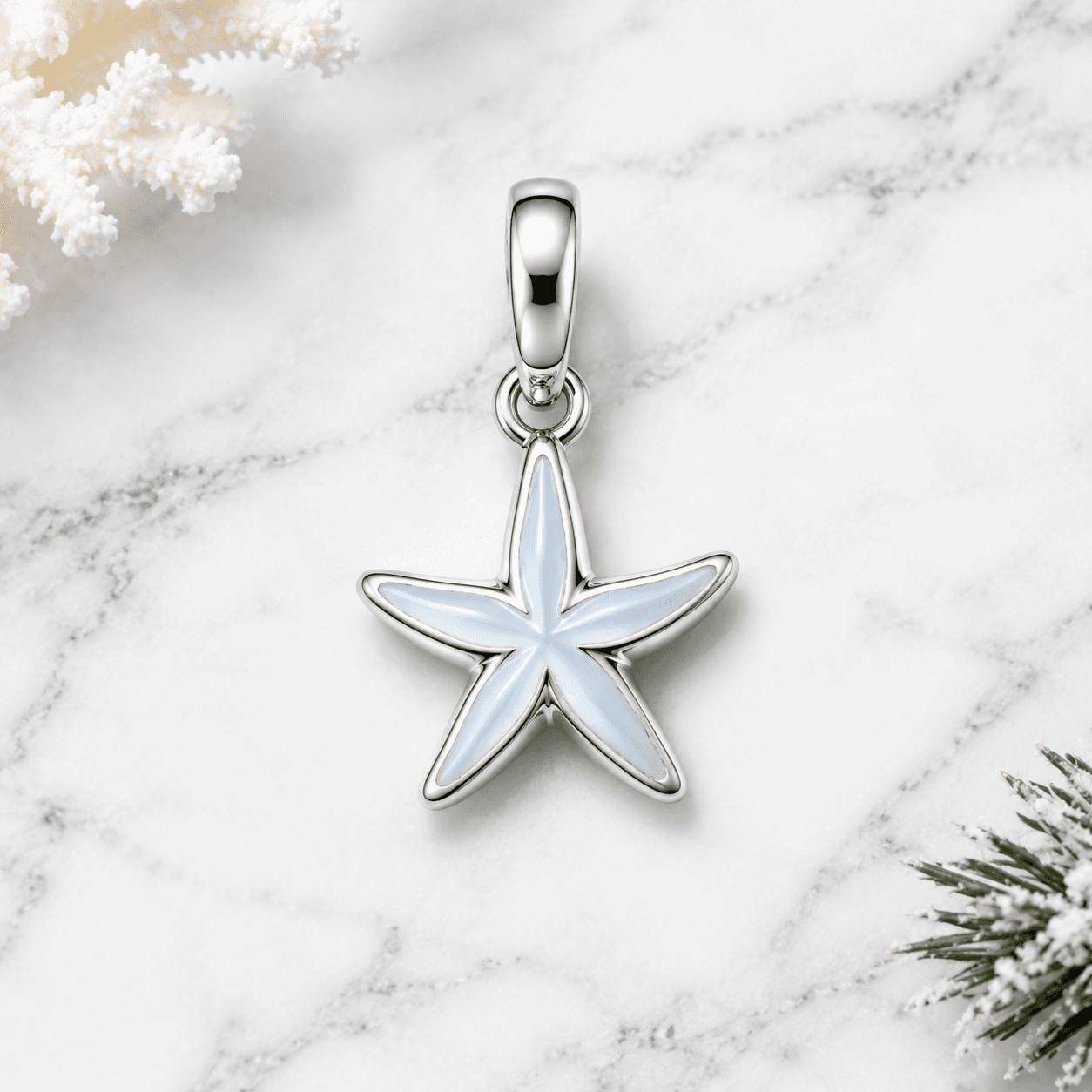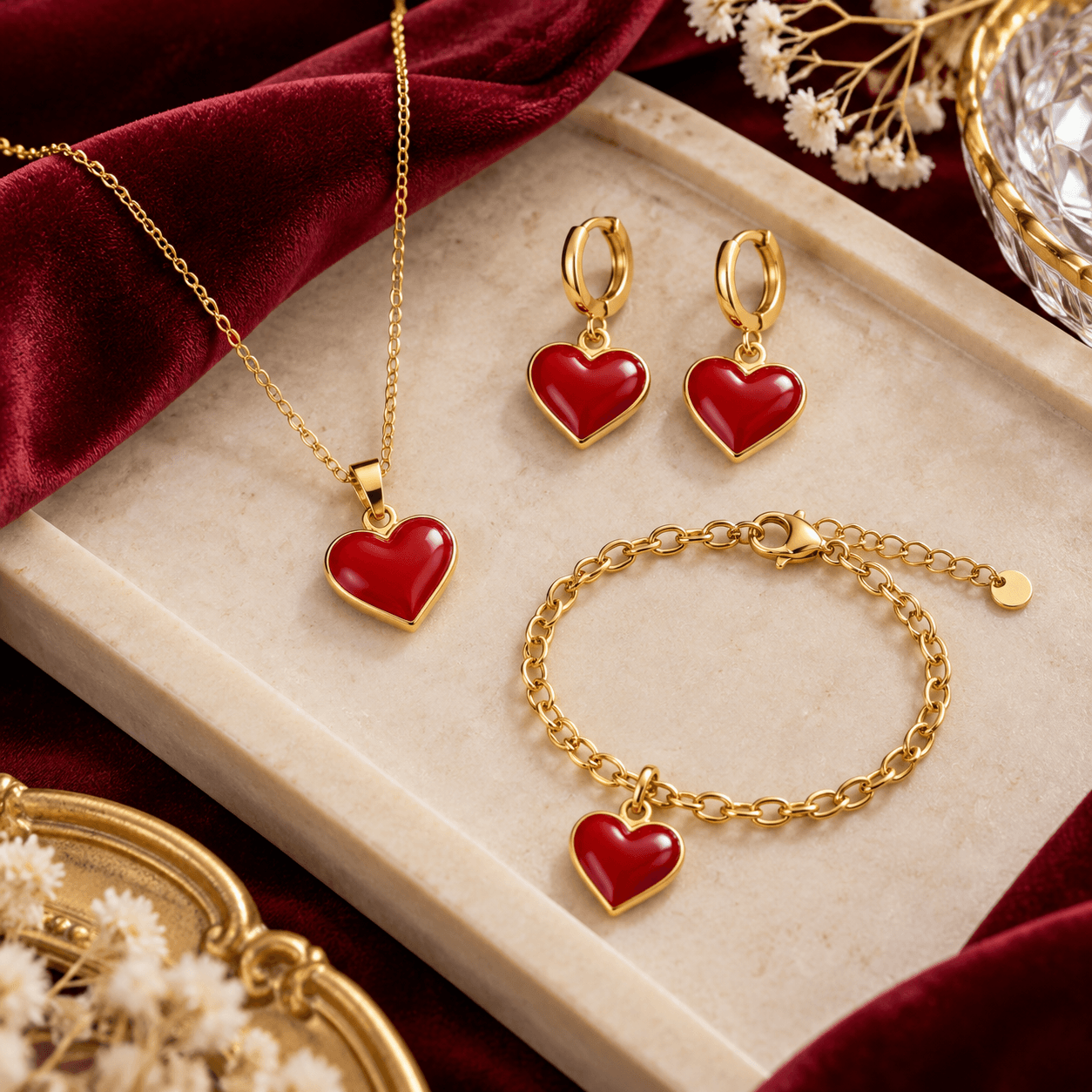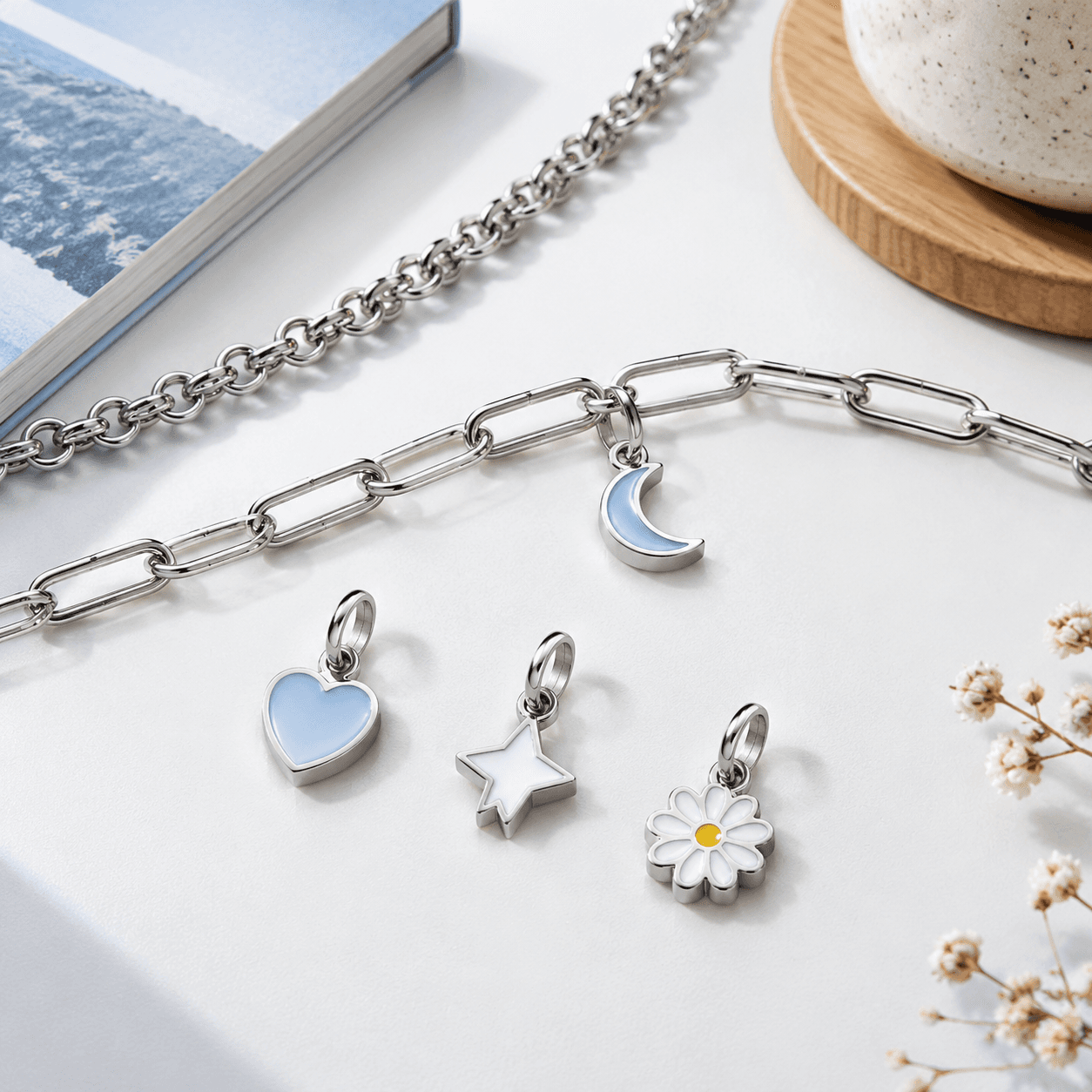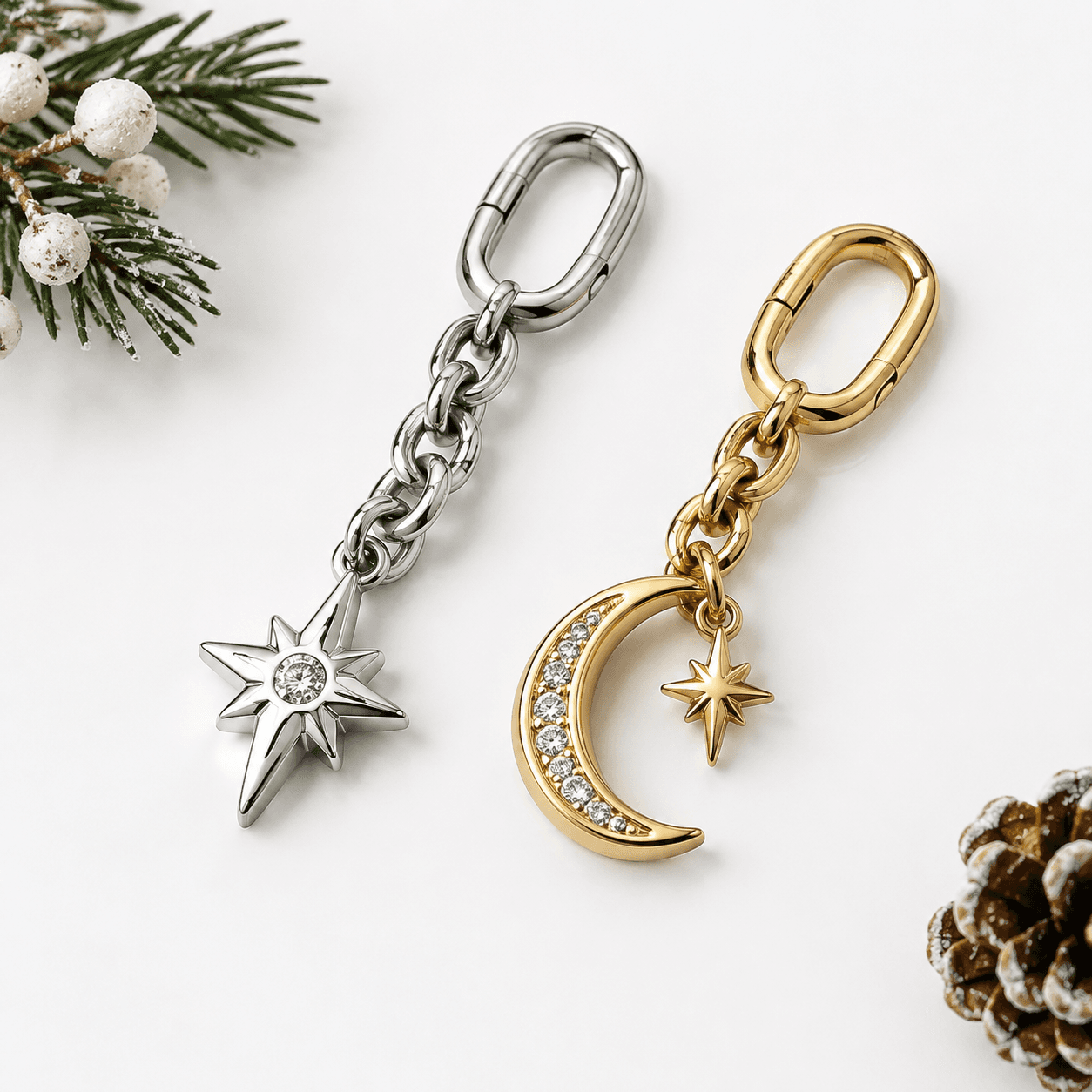
Choosing a stainless steel mobile keychain charm factory in China is not simply a matter of finding a low unit price. For e-commerce sellers, the supplier must also support reliable product photography, clear specifications, repeatable finishing, custom details, packaging, sampling, and practical shipping workflows. A structured sourcing checklist can help buyers reduce avoidable quality issues and identify a factory that can support both initial launches and repeat orders.
Stainless Steel Mobile Keychain Charm Factory China: OEM Evaluation Checklist
Use the following checklist when reviewing a potential supplier. The goal is to assess manufacturing capability, customization flexibility, quality control, commercial terms, and readiness for online retail.
1. Confirm the Base Material
- ☐ Confirm that the charm is manufactured from 316L stainless steel as the base material.
- ☐ Request clear material specifications for the finished product and relevant components.
- ☐ Check whether the supplier can maintain the same material specification across repeat production.
- ☐ Ask for available compliance documentation relevant to your target markets.
Material consistency matters because e-commerce sellers need product descriptions, photography, pricing, and customer expectations to remain aligned from sample approval through bulk production. Lancy Jewelry focuses exclusively on 316L stainless steel charms as the base material, allowing buyers to build product lines around a consistent manufacturing platform.
2. Verify OEM and ODM Capability
- ☐ Ask whether the factory accepts OEM development based on your drawings or specifications.
- ☐ Confirm whether ODM development is available for new concepts and series planning.
- ☐ Check whether the factory can recommend practical dimensions, thicknesses, attachment points, and finishing combinations.
- ☐ Confirm whether artwork can be reviewed before tooling or production begins.
A capable OEM charms manufacturer should do more than reproduce a specification. For sellers building a differentiated assortment, the supplier should be able to discuss manufacturability and translate a concept into a production-ready charm. ODM support can be particularly useful when a buyer wants a coordinated series without developing every design detail internally.
3. Review Personalization Options
- ☐ Confirm logo engraving or laser marking capability.
- ☐ Ask about available enamel color filling options.
- ☐ Check whether crystal inlay can be incorporated into suitable designs.
- ☐ Review PVD options such as gold plated, silver finish, and rose gold plating.
- ☐ Ask whether different finishes can be planned across one coordinated collection.
Personalization is especially valuable for private-label e-commerce programs. A small logo, initial, symbol, color detail, or coordinated finish can help a seller establish a recognizable product architecture without requiring a completely new manufacturing process for every SKU.
4. Check the Attachment Mechanism
- ☐ Inspect the charm's bail or jump ring.
- ☐ Confirm that the attachment point passes through a real hole or loop.
- ☐ Check that the connector is fully closed where applicable.
- ☐ Verify that the attachment mechanism is proportionate to the charm size and intended use.
- ☐ Request close-up photographs or samples showing the hardware connection.
Functional details deserve particular attention because they affect both customer experience and product photography. A visually attractive charm can still create returns if the attachment point is weak, difficult to use, or poorly finished. Ask the factory to show the complete connection rather than evaluating only the decorative front.
5. Evaluate Product Photography Readiness
- ☐ Request clean product images showing the complete charm silhouette.
- ☐ Ask for front and detail views of engraving, enamel, PVD finishing, or crystal inlay.
- ☐ Confirm that photography can show the actual finish without excessive retouching.
- ☐ Request a scale reference when charm dimensions may be difficult to judge online.
- ☐ Keep image specifications consistent across the product catalog.
For e-commerce sellers, supplier photography can reduce listing preparation time. However, buyers should still photograph approved samples or request images of production-standard pieces before publishing detailed claims. Product dimensions, finish, color, and attachment hardware should be represented accurately so customers receive what the listing describes.
Why Factory Evaluation Matters for E-Commerce Sellers
Key Benefits of a Capable Manufacturing Partner
Working with an experienced stainless steel charms manufacturer can provide several practical advantages beyond the initial quotation.
- Consistent production: Stable manufacturing processes help maintain dimensions, surface finish, engraving quality, and color results across repeat orders.
- Faster product development: An established sample development process can shorten the path from artwork to approved sample.
- Flexible customization: OEM and ODM capabilities allow sellers to create differentiated designs, logos, finishes, and coordinated series.
- Better retail preparation: Private-label packaging can help organize products for direct-to-consumer fulfillment or boutique distribution.
- Lower launch risk: Appropriate MOQ support makes it easier to test new concepts before committing to larger bulk charm orders.
Check Certifications and Testing Support
For international sellers, documentation should be part of the supplier evaluation rather than an afterthought. Lancy Jewelry's facility is SGS certified for relevant testing areas including RoHS, REACH, Nickel Release EN1811, and Salt Spray 240H. Buyers should request applicable documentation and confirm that the documents relate to the products and specifications being purchased.
Testing information does not replace production inspection. It should complement practical checks of dimensions, finish, attachment points, engraving, enamel filling, crystal setting, packaging, and overall appearance.
Detailed Guide to Sourcing a China Charm Factory
Step 1: Prepare a Clear Product Brief
Before contacting factories, prepare a concise RFQ package. Include the target charm dimensions, design artwork, desired 316L stainless steel specification, finish, color requirements, logo details, attachment mechanism, estimated order quantity, packaging requirements, and target market.
A clear brief helps factories quote more accurately and reduces the number of clarification rounds. If the final dimensions are not fixed, state the preferred size range and ask the supplier to recommend a production-ready specification.
Step 2: Separate Must-Have Features from Flexible Features
Not every design parameter needs to be fixed before sampling. Identify which elements are essential to your brand and which can be adjusted for manufacturability or cost.
- ☐ Must-have: logo placement, overall shape, core dimensions, required finish, and key decorative details.
- ☐ Flexible: minor thickness adjustments, production tolerances, packaging format, or certain finishing combinations.
- ☐ Review with factory: very fine engraving, narrow openings, small attachment holes, complex enamel boundaries, and delicate crystal settings.
Step 3: Request Sample Development Before Bulk Orders
Sample development should be treated as a decision stage, not merely a formality. Review the physical sample for dimensions, weight, edge condition, surface quality, color consistency, logo accuracy, attachment strength, and packaging fit.
For customized programs, record the approved sample specifications. This creates a useful reference for future production and helps both sides identify deviations more efficiently.
Step 4: Assess Production Equipment
A modern charm factory should have production resources appropriate to the design complexity. Lancy Jewelry's facility uses CNC, laser cutting, laser marking, welding, and polishing processes. These capabilities support different stages of custom charm production, from shaping and precision marking to finishing and assembly.
When evaluating another supplier, ask which processes are performed in-house and which are outsourced. A clear production workflow can make communication, quality control, and lead-time planning easier.
Step 5: Discuss MOQ and Repeat Ordering
MOQ should be evaluated together with your sales model. A new e-commerce listing may require a smaller initial quantity for market testing, while proven products can justify larger bulk charm orders.
- ☐ Ask for the MOQ for standard designs.
- ☐ Ask whether custom logo or personalized designs have different MOQ requirements.
- ☐ Confirm whether multiple designs can be planned within one production program.
- ☐ Request pricing at several quantity levels.
- ☐ Ask how repeat orders are handled after the first approved production.
Low MOQ support can be commercially useful when testing several designs. The objective is not simply to find the lowest minimum quantity, but to balance inventory exposure, unit economics, product variety, and replenishment speed.
Step 6: Confirm Private-Label Packaging
Packaging should be discussed during product development. Confirm whether the factory can support branded packaging cards, product presentation, labeling requirements, protective packing, and carton organization according to your sales channel.
For e-commerce sellers, packaging also affects fulfillment efficiency. Ask how individual units are packed, how cartons are marked, and whether the packaging can be standardized across a series.
Step 7: Build a Shipping and Fulfillment Plan
Before placing an order, establish the production lead time, sample approval timing, packing requirements, carton information, and shipping responsibilities. If you operate a distributed fulfillment model, confirm whether the supplier can prepare individually packed units and provide the documentation needed by your logistics provider.
Do not select a supplier based only on factory location or quoted unit price. A slightly different manufacturing cost can be outweighed by delays, inconsistent packing, rework, or complicated communication during repeat orders.
Step 8: Review the Final Supplier Scorecard
Before approval, score each candidate against the same criteria:
| Evaluation Area | Buyer Checklist |
|---|---|
| Material | ☐ 316L stainless steel confirmed and consistently specified |
| Customization | ☐ OEM, ODM, logo engraving, PVD, enamel, and crystal inlay support |
| Quality | ☐ Testing documentation and repeatable production controls |
| Sampling | ☐ Practical sample development and approval process |
| Commercial terms | ☐ MOQ, quantity pricing, lead time, and repeat-order process |
| Packaging | ☐ Private-label packaging and fulfillment-ready packing options |
| Communication | ☐ Clear response process and specification confirmation |

FAQ
What should an e-commerce seller ask a stainless steel charm factory first?
Start with the base material, customization capability, MOQ, sample process, production lead time, quality documentation, packaging options, and shipping workflow. These factors determine whether a supplier can support a product from concept through repeat fulfillment.
Can Lancy Jewelry develop custom logo charms?
Yes. Lancy Jewelry supports OEM and ODM development, including logo engraving, PVD plating, enamel color filling, crystal setting, and private-label packaging. Buyers can provide artwork or discuss a new concept with the development team.
Is low MOQ useful for new online product launches?
Yes. Low MOQ can reduce initial inventory exposure when sellers are testing new designs or building a broader assortment. The best MOQ should be considered alongside unit pricing, expected demand, sampling costs, and replenishment requirements.
What should be approved before placing bulk charm orders?
Approve the physical sample, dimensions, finish, decorative details, logo execution, attachment mechanism, packaging format, and applicable quality documentation. Keep the approved specifications as the reference for subsequent production.
Partner With Lancy Jewelry for Custom Charm Production
For buyers seeking a factory-direct partner, Lancy Jewelry provides a structured OEM/ODM path from concept and sample development through customized production and private-label packaging. The focus is 316L stainless steel charms, with support for logo engraving, PVD plating, enamel color filling, crystal setting, and boutique-ready series planning.
If you are preparing a new collection, start by organizing your artwork, target dimensions, finish requirements, estimated quantities, packaging needs, and target markets. Then submit your requirements for an RFQ and sample discussion. You can also review the OEM Service for customization capabilities or browse All Products for existing charm categories. For direct sourcing communication, use the Contact page.
A reliable sourcing process begins with clear specifications and ends with an approved production standard. By evaluating material consistency, OEM/ODM capability, customization, sample development, MOQ, quality documentation, packaging, and fulfillment requirements together, e-commerce sellers can build a more dependable supply chain for custom stainless steel charms.