For US buyers sourcing stainless steel charms, certification documentation is a key part of supplier evaluation. A charm supplier must prove material control, safety performance, and production consistency before a private label program moves into bulk orders. Working with a qualified 316L stainless steel charms manufacturer helps procurement teams reduce compliance risks while building reliable product lines.
Lancy Jewelry supports boutique brands, gift companies, and distributors with OEM and ODM manufacturing, SGS testing documentation, and practical quality verification for international markets.
US Export Certifications Stainless Steel Charms: A Procurement Checklist
Checklist for supplier compliance review
Use the following checklist when reviewing a supplier for stainless steel charms:
- [ ] Confirm the supplier provides SGS certification records for product safety testing.
- [ ] Verify that 316L stainless steel material information is documented.
- [ ] Review RoHS compliance documentation for restricted substance control.
- [ ] Check REACH compliance information for market entry requirements.
- [ ] Confirm nickel release testing according to EN1811 requirements.
- [ ] Review salt spray testing results for corrosion resistance performance.
- [ ] Request sample development support before approving production.
What procurement teams should verify
Professional buyers should review more than a certificate name. Documentation should connect with actual manufacturing processes, product specifications, and production records. A reliable stainless steel charms manufacturer should provide clear information about material selection, finishing processes, inspection standards, and testing results.
Why Certifications Matter for 316L Stainless Steel Charms
Building buyer confidence through verified quality
Certifications help procurement teams understand whether a supplier follows consistent quality controls. For Lancy Jewelry, SGS certified testing covers RoHS, REACH, Nickel Release EN1811, and Salt Spray 240H requirements. These evaluations support buyers who need dependable documentation for US, Canada, and other international markets.
Key benefits of certified production
Certified manufacturing creates several advantages for brands purchasing wholesale stainless steel charms:
- [ ] Improved supplier qualification decisions through documented testing.
- [ ] Better product safety management for retail and gift programs.
- [ ] More confidence when planning private label charms collections.
- [ ] Stronger quality communication between buyers and factory teams.
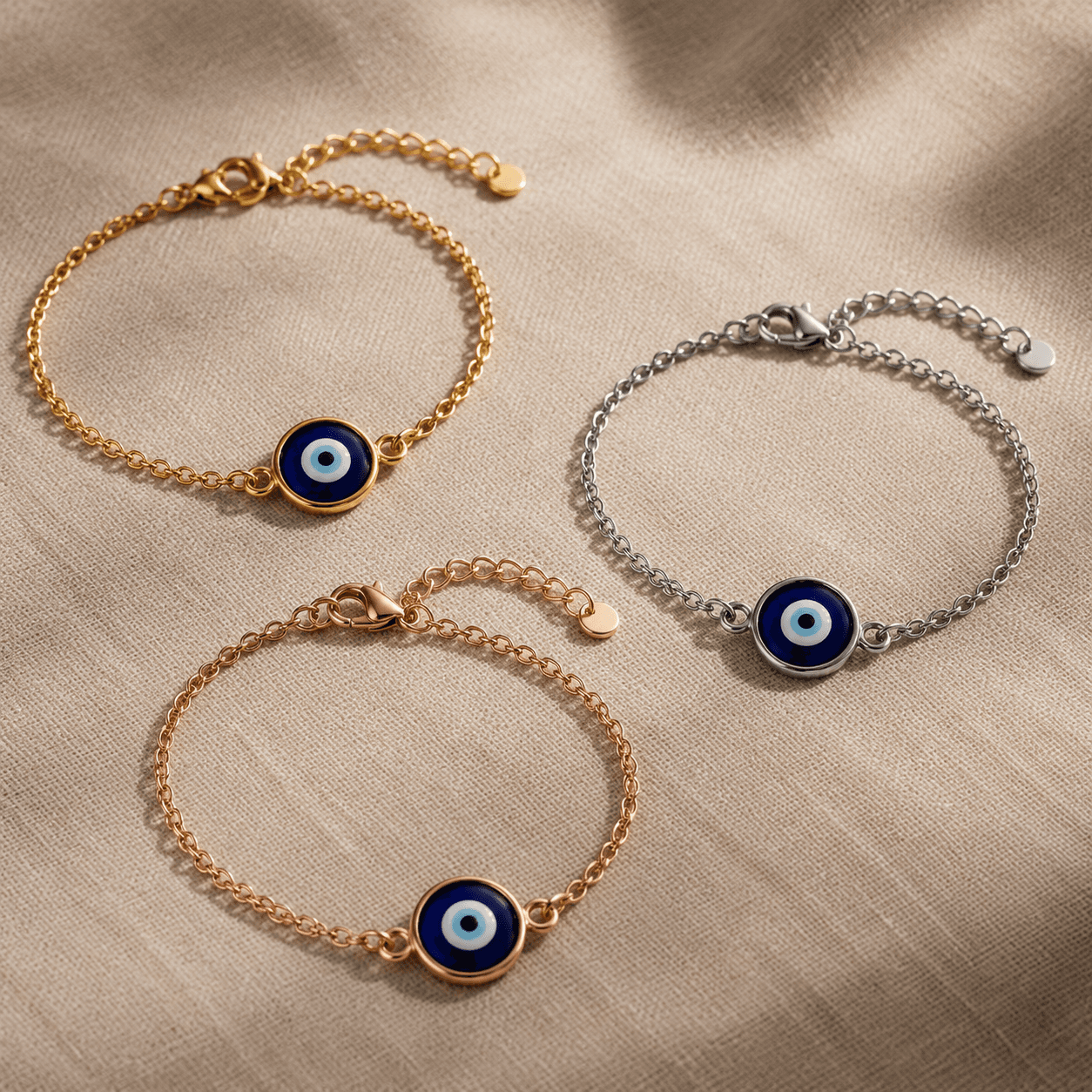
Certification is especially important when charms are developed with finishes such as PVD, gold plated surfaces, silver finish, rose gold plating, enamel details, or crystal inlay. Buyers need assurance that decorative processes are applied consistently while maintaining the expected stainless steel performance.
Detailed Guide: How to Evaluate Stainless Steel Charms Suppliers
Step 1: Review material documentation
Start by confirming that the supplier focuses on 316L stainless steel charms. Material documentation should identify the stainless steel grade and connect the material information with finished product testing. This step helps procurement teams avoid unclear sourcing channels and select a manufacturer with specialized capabilities.
Step 2: Check testing coverage
Ask suppliers which tests are available and request supporting records. For export-focused charm programs, important areas include restricted substance checks, nickel release evaluation, and corrosion resistance testing. Lancy Jewelry provides SGS testing support covering RoHS, REACH, Nickel Release EN1811, and Salt Spray 240H.
Step 3: Evaluate manufacturing capability
A capable OEM charms manufacturer should demonstrate the ability to manage design development and production details. Lancy Jewelry uses CNC processing, laser cutting, laser marking, welding, and polishing capabilities to support custom projects. These processes help create stable results for logo engraving, surface finishing, and detailed charm designs.
Step 4: Confirm OEM and ODM project support
Private label buyers often need flexible development options. A qualified ODM charm supplier should support design communication, prototype review, packaging coordination, and production planning. Lancy Jewelry provides sample development assistance so buyers can confirm product details before moving into larger programs.
Step 5: Review MOQ and order planning
Every sourcing project requires practical production planning. Discuss MOQ requirements, timelines, packaging needs, and expected order volumes early. Low MOQ charm production can help boutique brands test collections, while bulk orders require stronger forecasting and quality management.
Step 6: Maintain audit-ready supplier records
Keep certification files, testing reports, samples, specifications, and approval records organized. A structured supplier record system makes future product expansion easier and supports efficient communication with purchasing, quality, and product teams.
Step 7: Assess packaging and export preparation
Export readiness includes product documentation and packaging coordination. Procurement teams should confirm that the supplier can prepare private label packaging, product information, and shipment records according to project needs. Clear preparation reduces delays during international distribution and helps brands maintain consistent presentation across markets.
Step 8: Review finish durability requirements
Different charm collections may require different surface treatments. When selecting PVD plated stainless steel charms, buyers should review finish specifications, color consistency, and testing expectations. Lancy Jewelry manages finishing processes including PVD, gold plated options, silver finish, rose gold plating, enamel color filling, and crystal inlay to support varied boutique collections.
Step 9: Verify factory communication and response speed
Supplier communication is a practical part of quality management. Procurement teams should evaluate how quickly a factory answers technical questions, provides documents, and responds to sample feedback. Strong communication helps prevent specification misunderstandings and keeps development schedules on track.
Step 10: Select a long-term production partner
A sourcing relationship should support both current projects and future collection growth. A dependable charm factory can help buyers develop seasonal designs, expand product categories, and manage repeat orders with consistent quality. Lancy Jewelry works with international buyers that require stable manufacturing support and professional documentation.
For US market requirements, documentation should be treated as part of the sourcing strategy rather than a final inspection step. Procurement teams that evaluate certifications, production capability, and supplier communication from the beginning can create stronger supply chains.
Additional Compliance Considerations for US and Canadian Buyers
Documentation management
Organized compliance records help purchasing teams complete internal approvals faster. Keep certification files, test reports, approved samples, product drawings, and production notes together. This approach creates a reliable reference when ordering new collections or reviewing repeat production.
Consistency between samples and production
Sample approval is a critical checkpoint. The approved sample should represent the expected production standard, including shape, surface finish, attachment details, and packaging presentation. Lancy Jewelry provides sample support to help buyers validate product requirements before wholesale stainless steel charms orders begin.
Quality-focused sourcing decisions
Certification is one part of supplier selection, but it should be combined with manufacturing experience, technical capability, and service support. Buyers searching for an experienced ODM charm supplier should evaluate the complete process from concept development to finished shipment.
FAQ About US Export Certifications for Stainless Steel Charms
What certifications should buyers request for stainless steel charms?
Buyers should request documentation related to RoHS, REACH, nickel release testing, and corrosion resistance testing. SGS certification records can help verify product safety and quality performance.
Why is 316L stainless steel important for charm sourcing?
316L stainless steel is selected by many buyers because it provides durable performance and supports consistent manufacturing for jewelry charms, keychain charms, bag charms, and decorative accessories.
Can Lancy Jewelry support custom logo charm projects?
Yes. Lancy Jewelry supports custom logo charms through OEM and ODM services, including development support, laser marking, finishing options, and private label packaging.
How early should buyers request samples?
Buyers should request sample development early in the sourcing process. Reviewing samples before production helps confirm design details, finishing expectations, and packaging requirements.
Partner With Lancy Jewelry for Certified Charm Production
Choosing the right factory is essential for successful international charm programs. Lancy Jewelry provides B2B manufacturing support for boutique brands, distributors, and private label buyers seeking dependable 316L stainless steel charms production.
Explore our OEM service for custom development, browse available options through our product catalog, or send an RFQ to discuss your project requirements. Our team supports quality-focused sourcing with sample development, flexible MOQ solutions, and professional production management.