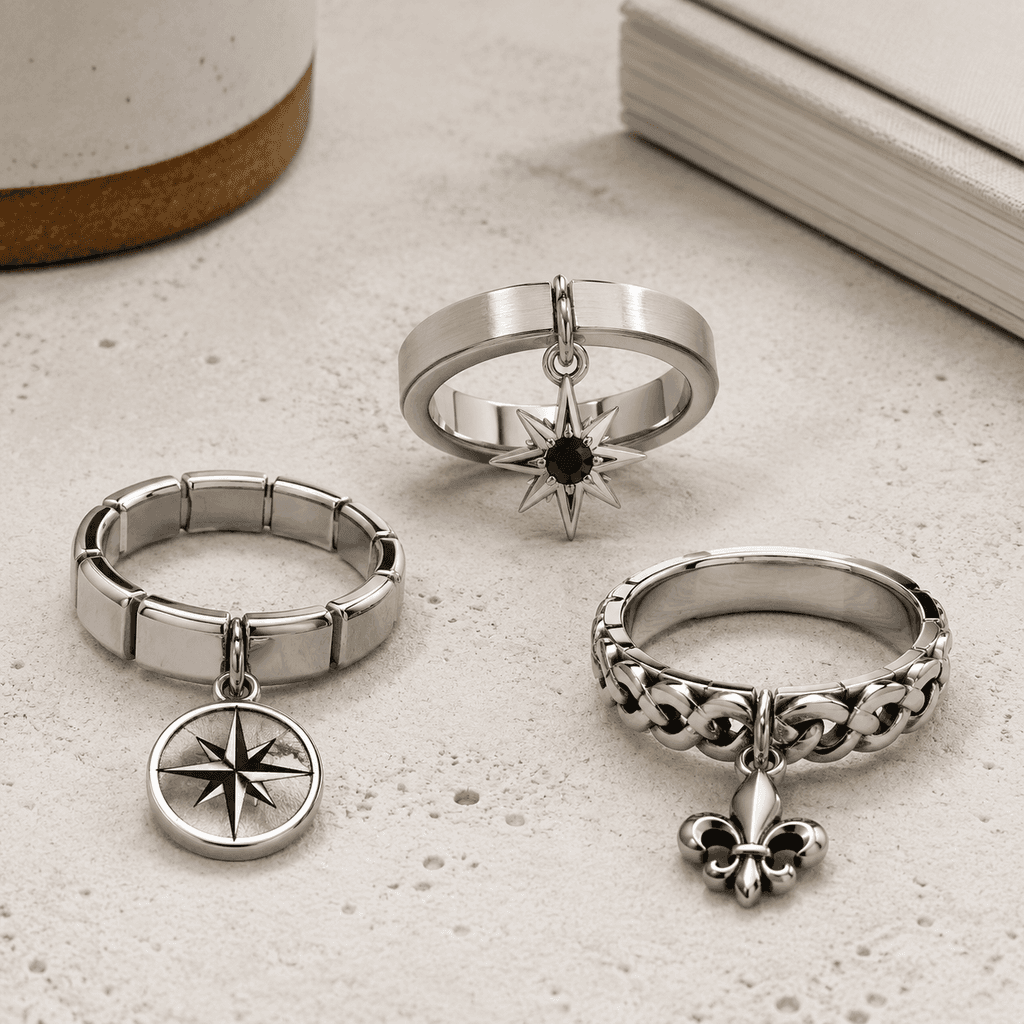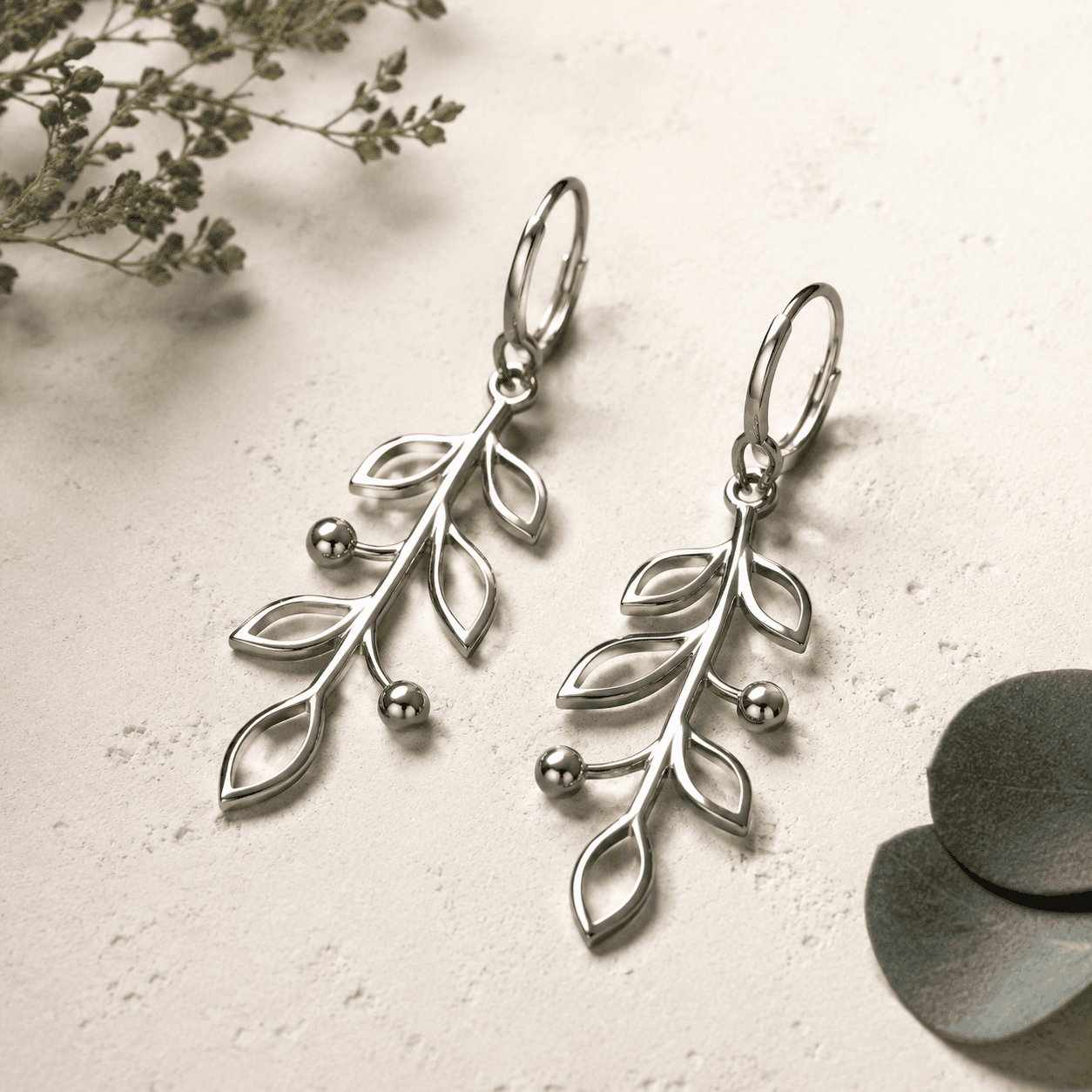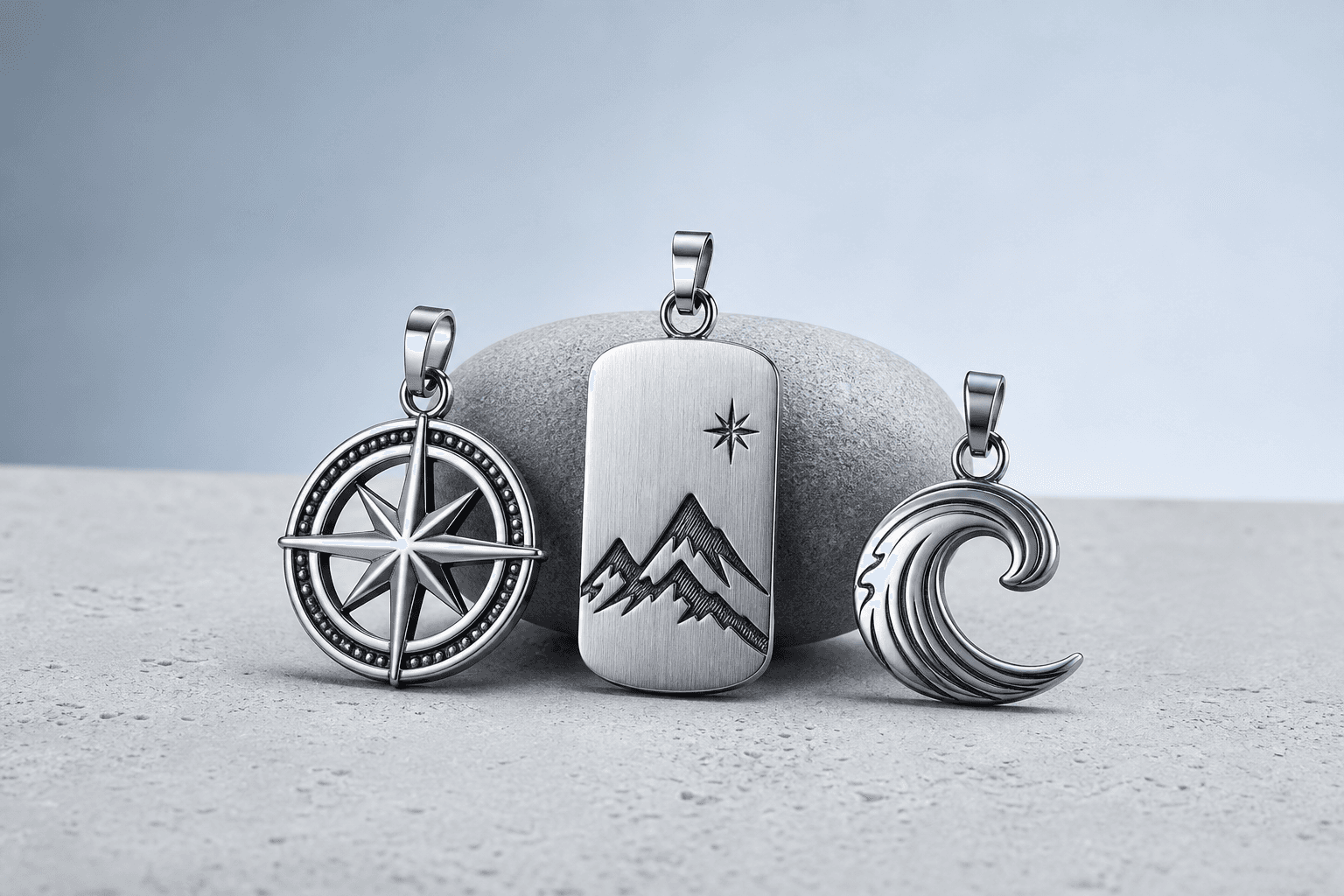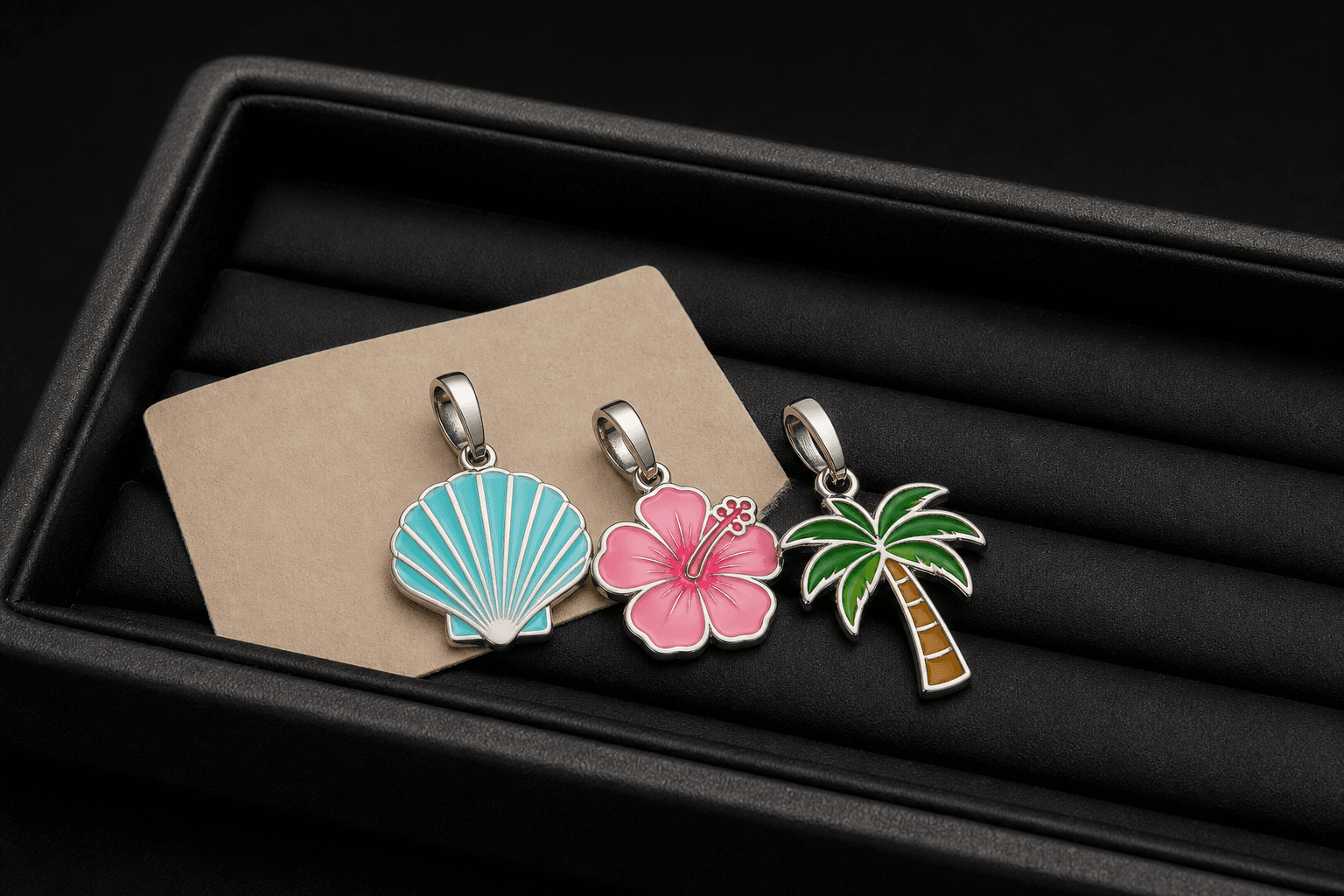
For wholesale buyers navigating 316L stainless steel enamel charms, choosing the right supplier matters for margins, speed, and quality. This sourcing guide from Lancy Jewelry is designed for sourcing managers and boutique-brand buyers who need reliable, scalable solutions for bulk orders. By detailing material science fundamentals, supplier evaluation criteria, MOQs, and private-label capabilities, you’ll gain a practical framework to compare partners and accelerate your product pipeline. The goal is to help you secure a steady supply of enamel 316L stainless steel charms that perform consistently across markets, from the US to the EU, UK, AU, CA, and beyond.
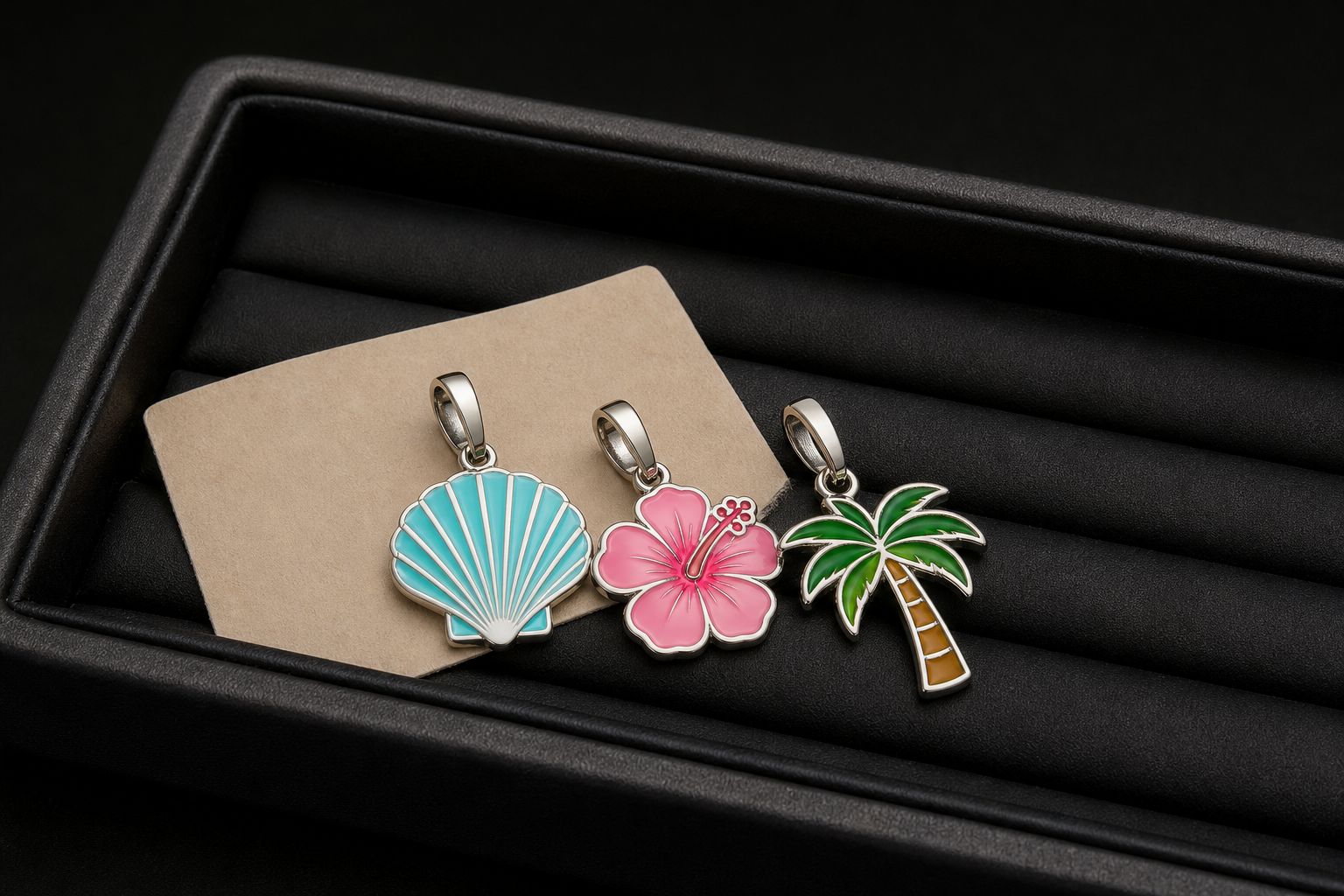
Stainless steel enamel charms wholesale: a sourcing guide for buyers
Material science fundamentals: 316L alloy chemistry and enamel compatibility
When evaluating stainless steel enamel charms, the starting point is the base metal: 316L stainless steel. This grade is defined by low carbon content and a balanced chromium-nickel-nitrogen alloy system that yields corrosion resistance, formability, and weldability ideal for long-run charm production. The 316L composition typically centers around iron with controlled amounts of chromium (Cr), nickel (Ni), and molybdenum (Mo). This combination affords resilience in internal galvanic environments and improves resistance to pitting in chloride-rich contexts, which matters for packaging, shipping, and consumer handling. In enamel applications, the compatibility of the enamel system with 316L is critical—firing temperatures, thermal expansion, and adhesion properties must align with the substrate to prevent crazing, cracking, or debonding.
Factory-grade enamel fillings, whether opaque or translucent, require proven adhesion strategies and substrate preparation. A credible supplier will document the enamel chemistry, filler density, curing cycles, and post-fired sealing processes. For buyers, understanding these material science facets translates into predictable performance across batches and across markets with varying humidity, temperature, and handling conditions.
Supplier evaluation criteria: certifications, manufacturing capabilities, QA
Source selection hinges on clarity around certifications and process controls. Look for SGS-certified compliance (RoHS, REACH, Nickel Release EN1811, Salt Spray 240H) as a baseline indicator of regulatory alignment and corrosion/abrasion resistance testing. A capable charm factory should also disclose details on CNC machining, laser cutting, laser marking, welding, and polishing capabilities. Enamel color filling and crystal inlay processes should be described in process flow diagrams, with notes on plating quality controls for PVD layers (gold, rose gold, or silver finishes).
Beyond certifications, request documentation on traceability, lot sampling, and QA checks at various production stages—from incoming raw materials to final packaging. A robust supplier will provide material certificates, plating thickness ranges, and defect rate reports. When you evaluate a prospective partner, ask for a sample library demonstrating colorfast enamels, consistent PVD finishes, and reliable crystal settings under real-world wear simulations.
Cost and MOQs: negotiating with an OEM/ODM partner
In the B2B enamel charm space, MOQs (minimum order quantities) are a major lever for project economics. A reputable supplier should offer both scalable batch pricing and low MOQ options for private-label or starter programs. When negotiating, align pricing with the following cost drivers: base material cost of 316L stainless steel, plating thickness and finish (PVD options like gold, silver, or rose gold), enamel fill volume, crystal counts, tooling fees, and packaging. Discuss long-term pricing strategies such as tiered pricing for volume commitments, and ensure terms cover potential fluctuations in raw material prices and currency exchange for global orders.
Process steps: RFQ to sample development and bulk orders
The sourcing workflow typically begins with an RFQ/RFQ brief that defines material specs, finishes, enamel colors, packaging, and any private-label branding. A shortlisted supplier should respond with a technical quote, lead times, and a sample development plan. Sample development (including prototypes and one or more pre-production runs) is the critical feedback loop to verify design intent, finish consistency, and assembly integrity. Once samples meet your standards, you proceed to bulk production with agreed lead times, quality assurance milestones, and a clear post-production defect policy. For ongoing programs, negotiate private-label packaging requirements, logistics, and cross-market compliance to ensure a smooth global rollout.
Benefits of choosing the right stainless steel charms supplier
Key benefits for wholesale buyers
- Consistent plating quality across large-volume runs with documented PVD thickness and adhesion metrics.
- SGS certified processes ensure RoHS/REACH compliance, EN1811 nickel-release testing, and corrosion resistance through Salt Spray tests.
- Low MOQ support to de-risk pilot programs, private-label launches, and market testing.
- Private-label packaging options for boutique brands and private-label buyers, enabling differentiated shelf presence.
- Efficient sample development timelines to accelerate product validation and time-to-market for global campaigns.
Detailed analysis / Guide: steps to evaluate and select a partner
Step 1 — Define your specs early
Begin with explicit material and finish requirements: 316L stainless steel base, PVD plating options (gold, rose gold, silver), enamel color palette, and whether crystal inlay is needed. Clarify target sizes (default 8-18 mm for charms) and ensure the design allows for real-world attachment hardware like jump rings or clasps to pass through holes or loops in a physically plausible way. Include packaging needs, labeling, and any private-label branding guidelines in your spec sheet.
Step 2 — Confirm supplier capabilities and certifications
Ask for a facilities overview and a bill of process. Confirm CNC, laser cutting, laser marking, welding, and polishing capabilities, plus plating process controls for PVD finishes. Validate certifications such as SGS RoHS, REACH, Nickel Release EN1811, and Salt Spray 240H. Request lab test data or certificates that demonstrate material compliance and plating performance across production lots.
Step 3 — Review material chemistry and enamel integrity
Inspect material composition documentation for 316L stainless steel and review enamel compatibility notes. Ask for example color runs and adhesion test results to ensure enamel remains stable after firing and during wear. Evaluate thermal expansion compatibility between enamel and stainless steel to minimize crazing or debonding under varying environmental conditions encountered in cross-border shipping and consumer use.
Step 4 — Assess QA, inspection, and sample workflows
Request a detailed QA plan, including in-process inspections, final visual checks, plating thickness measurement, and finish uniformity across batches. Assess the sample development timeline, from initial prototype to pre-production sample, and define acceptance criteria for dimensional tolerances, holes/loops integrity, and fastening mechanism compatibility. Ensure a clear defect rate target and a robust return/replace policy for any batch failures.
Step 5 — Analyze MOQs, pricing, and production scheduling
Review MOQs in the context of your launch strategy. Compare per-unit costs across tiers and examine any setup fees, tooling charges, or color-run costs. Coordinate production calendars with your marketing or gifting programs to align with seasonality in key markets. Ensure visibility into lead times, packaging customization options, and potential ramp-up plans for regional distribution partners.
Step 6 — Plan private-label packaging and branding
For private-label buyers, packaging design, labeling, and carton specifications are critical. Confirm compatibility with your brand guidelines, including logo engraving options, color palettes, and outer packaging compliance. A capable partner will provide packaging mockups, BOMs, and turn-key solutions to minimize your sourcing friction and accelerate store launches.
Step 7 — Align logistics for global distribution
Discuss packaging dimensions, weight, and required certifications for cross-border shipments. Ensure the supplier can support global distribution with scalable production, reliable QA across batches, and coordinated shipping timelines. Consider partnering with a supplier offering a global footprint or multiple regional hubs to reduce transit times and improve lead-time consistency.
Step 8 — Finalize terms and secure a long-term relationship
After successful sample validation, lock in long-term pricing, MOQs, private-label packaging specs, and a clear RFQ/PO process. Establish an ongoing communication cadence for design changes, new color stories, and seasonal launches. A trusted partner should function as a factory-direct resource, offering consistent quality and a straightforward path from concept to boutique-ready product lines.
FAQ
Q1: What is 316L stainless steel and why is it preferred for enamel charms?
A: 316L is a low-carbon variant of stainless steel that delivers superior corrosion resistance, improved formability, and better welding performance. Its stable microstructure makes it well-suited for enamel processes, enabling reliable color adhesion and long-term wear resistance essential for charms used across jewelry and gift programs.
Q2: What is the typical MOQ for enamel stainless steel charms?
A: MOQs vary by project scope and customization. Lancy Jewelry offers low MOQ charm production to support pilot programs, private-label launches, and early-market testing, while larger campaigns may benefit from tiered pricing aligned to volume. Contact us to discuss your exact specs and we will tailor a plan that fits your budget and timeline.
Q3: How long does sample development take?
A: Sample development generally ranges from 1 to 3 weeks depending on complexity, enamel color counts, and the need for crystal settings or private-label engraving. Once you approve a sample, we provide a clear pre-production schedule and mass-production timelines to keep your project on track.
Q4: Do you offer private-label packaging?
A: Yes. Private-label packaging is a core capability. We work with your branding guidelines to produce packaging that aligns with your product launch and market strategy, including engraving options, carton design, and compliant labeling.
Call to action
Partner with Lancy Jewelry to secure a reliable 316L stainless steel charms supplier for global markets. Our modern facility features CNC, laser cutting, laser marking, welding, and polishing with SGS-certified processes to support OEM and ODM projects. Explore our OEM service and start your private-label journey today.
Learn more about our capabilities at OEM Service, browse product options at All Products, or request a quote to kick off your project via Request a Quote. You can also reach our sales team directly through Contact for a tailored solution aligned with your margins and timeline.