What Buyers Should Know About Stainless Steel Keychains Charms
For procurement teams sourcing decorative accessories, selecting the right supplier for stainless steel keychains charms requires more than reviewing product photos and prices. Professional buyers need confidence in material consistency, production capability, compliance documentation, and long-term supply stability. A reliable sourcing partner should provide clear information about 316L stainless steel properties, manufacturing processes, inspection standards, and customization support.
Lancy Jewelry supports boutique brands, gift companies, distributors, and private-label buyers with factory-direct development of 316L stainless steel charms. By combining CNC processing, laser cutting, laser marking, welding, polishing, PVD plating, enamel application, and crystal inlay capabilities, Lancy helps buyers develop market-ready collections with controlled quality and flexible production options.
This guide explains the key evaluation points procurement teams should understand before placing wholesale stainless steel charms orders or requesting custom development.
Stainless Steel Keychains Charms: Understanding the Material Foundation
Why 316L Stainless Steel Matters in Charm Manufacturing
The base material is one of the most important factors affecting the durability and appearance of decorative accessories. 316L stainless steel is widely selected for professional charm production because of its stable chemical structure, corrosion resistance, and suitability for detailed manufacturing processes.
The composition of 316L stainless steel includes carefully controlled elements that contribute to its performance. For buyers, understanding material chemistry helps during supplier evaluation because consistent composition supports predictable production results across different batches.
When sourcing 316L stainless steel charms, buyers should request material documentation and confirm that the supplier has processes for incoming material inspection, production control, and final quality verification.
Material Properties Procurement Teams Should Review
Experienced buyers usually evaluate several material-related factors:
- Surface stability after polishing and finishing processes.
- Consistency of appearance between production batches.
- Performance during PVD finishing, enamel filling, and crystal inlay processes.
- Compliance testing related to market requirements.
- Traceable production records from development to shipment.
For global buyers, these factors reduce sourcing risks and support consistent customer experiences across different sales channels.
Benefits of Choosing a Professional Stainless Steel Charms Manufacturer
Quality Control and Compliance Confidence
A qualified stainless steel charms manufacturer should have structured quality management procedures covering raw material checks, machining accuracy, surface inspection, and finished product testing.
Lancy Jewelry provides SGS certified testing support including RoHS, REACH, Nickel Release EN1811, and Salt Spray 240H evaluations. These certifications help buyers verify product compliance requirements for different international markets and provide supporting documentation during vendor approval processes.
Production Capability for Boutique and Private-Label Programs
Modern charm programs often require more than standard products. Buyers may need custom logo charms, collection development, packaging support, and coordinated product series planning. A capable OEM charms manufacturer should be able to support these requirements from concept through production.
Lancy Jewelry provides OEM and ODM development services for buyers seeking customized designs, including logo engraving, surface finishing, enamel color filling, crystal inlay details, and private-label packaging solutions.
Low MOQ and Flexible Development Support
Many growing brands need flexibility before committing to large production volumes. Low MOQ charm production allows buyers to test new concepts, build seasonal collections, and evaluate market response with controlled investment.
Sample development is an important stage in supplier selection. Buyers should evaluate how quickly a factory can transform design ideas into accurate samples while maintaining production feasibility.
How to Evaluate Suppliers for Stainless Steel Keychains Charms
Step 1: Verify Material Specifications
The first sourcing step is confirming that the supplier works with the required material standard. Procurement teams should ask for material details, testing records, and production explanations related to 316L stainless steel.
A professional supplier should clearly explain how material selection affects polishing, plating, engraving, and finishing performance. Transparent communication at this stage helps prevent quality issues later.
Step 2: Review Manufacturing Equipment and Processes
Factory capability directly influences product consistency. Buyers should examine whether the supplier has appropriate equipment and experienced technicians for detailed charm manufacturing.
Lancy Jewelry operates with modern production equipment including CNC machining, laser cutting, laser marking, welding, and polishing systems. These processes allow precise handling of small decorative components and support repeatable production for bulk charm orders.
Step 3: Assess Finishing Technology
Finishing quality strongly affects the final appearance of stainless steel keychains charms. Buyers should understand how suppliers manage different finishing requirements.
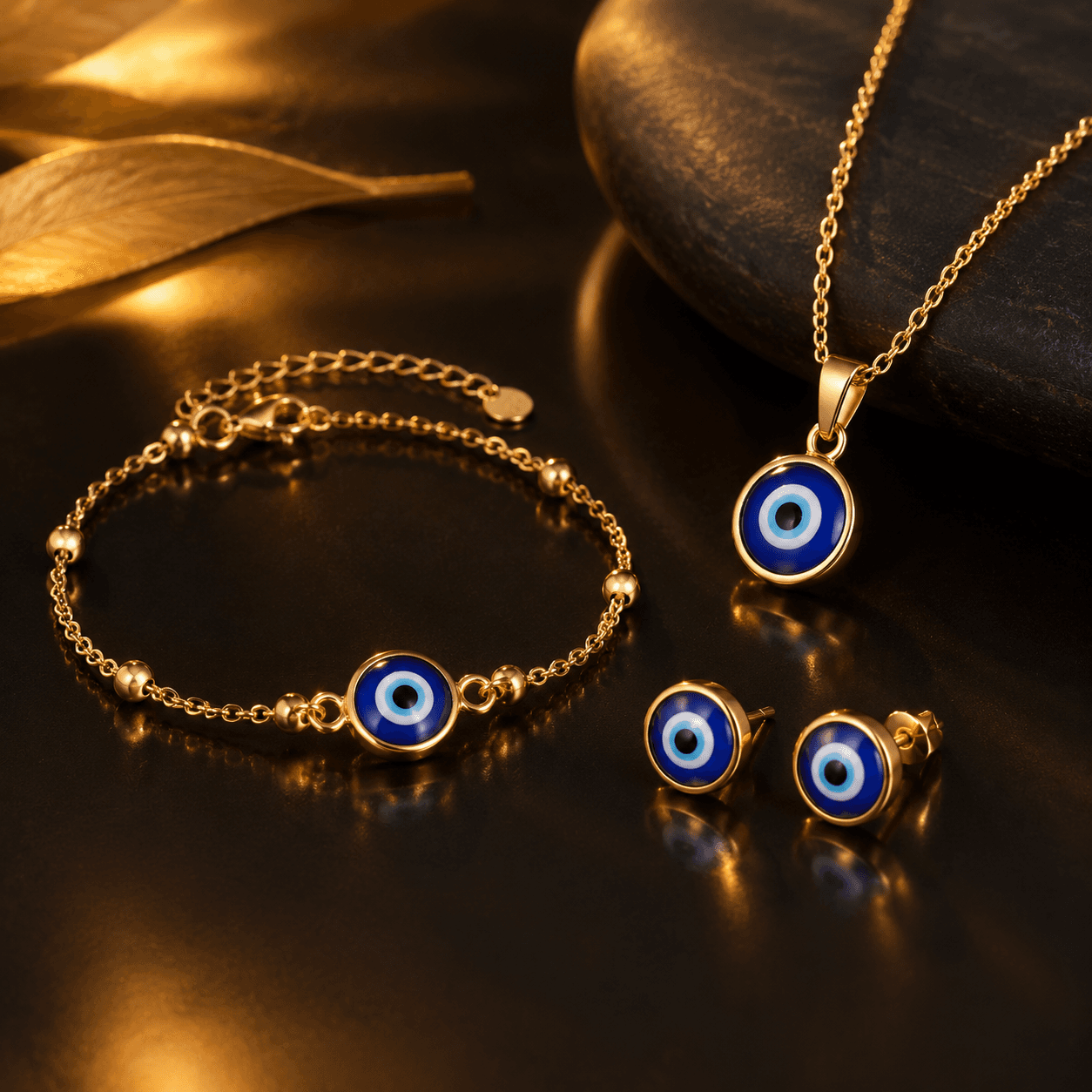
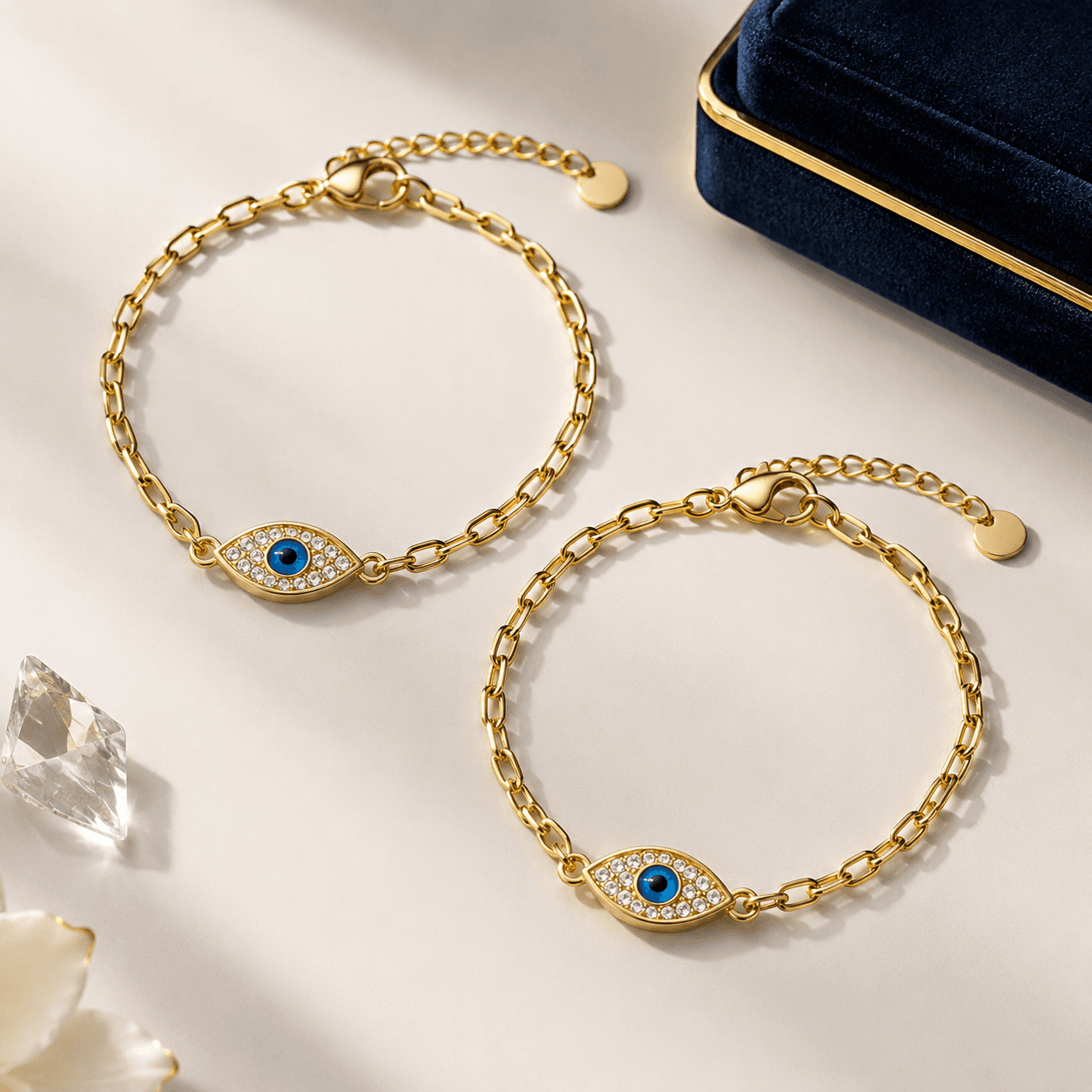
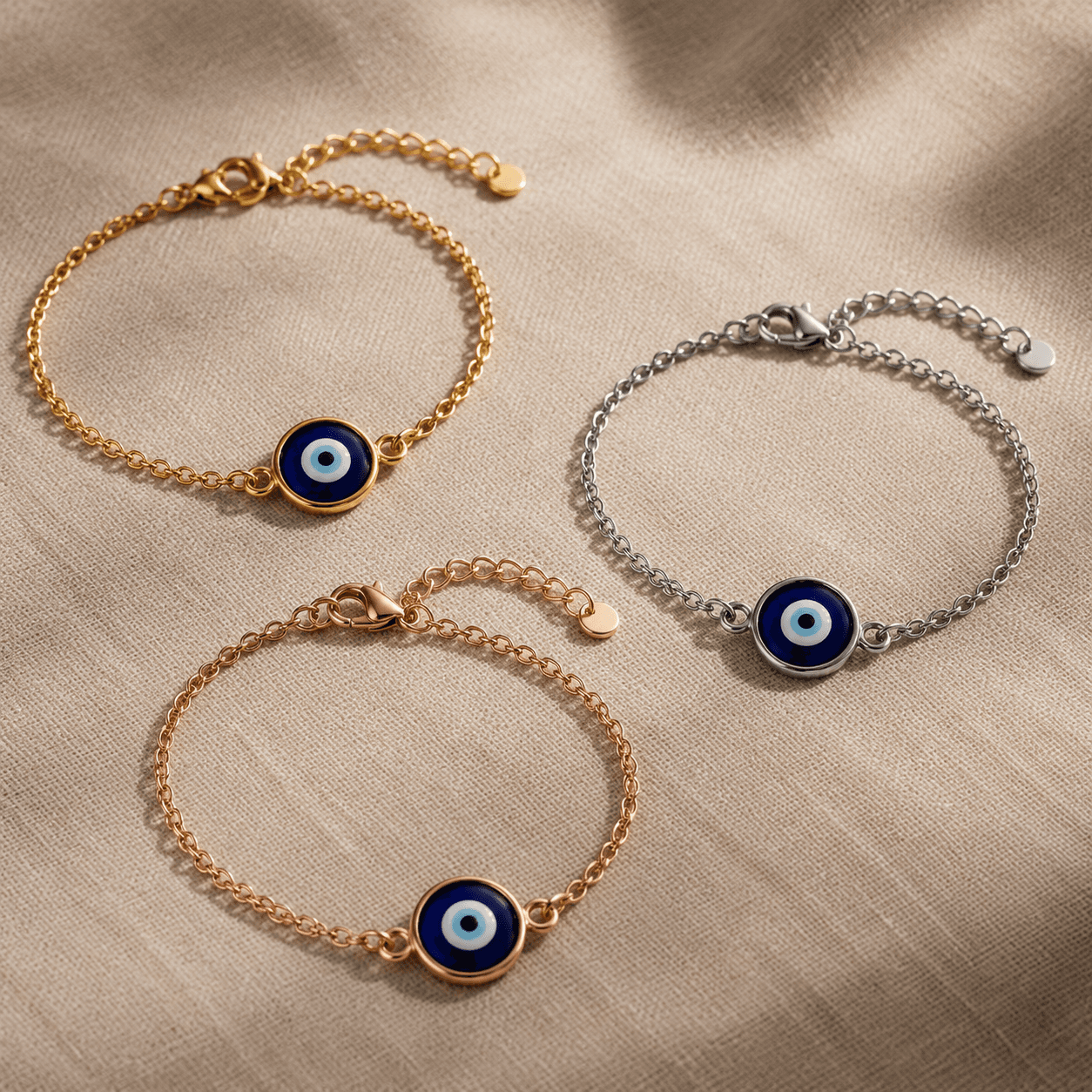
Common finishing capabilities include PVD gold plated surfaces, silver finish options, rose gold plating, enamel color filling, and crystal inlay details. Each process requires controlled preparation, application, and inspection to achieve consistent results.
Step 4: Check Customization and Development Workflow
For private-label projects, suppliers should have a clear workflow covering design review, sampling, approval, production, inspection, and shipment preparation.
A strong ODM charm supplier helps buyers optimize designs for manufacturing while maintaining the intended visual direction. Good development communication reduces revisions and improves project efficiency.
Step 5: Confirm Documentation and Audit Readiness
Procurement teams often require documentation before approving a new vendor. Important records may include material information, compliance reports, inspection procedures, and production capability details.
Supplier transparency is especially important for international buyers working across multiple markets. A factory that can provide organized documentation demonstrates stronger operational reliability.
Important Factors Before Placing Wholesale Stainless Steel Charms Orders
Design Planning and Collection Development
Successful charm collections usually require thoughtful planning rather than isolated product selection. Buyers should consider themes, finishes, packaging presentation, and target customer preferences when developing a collection.
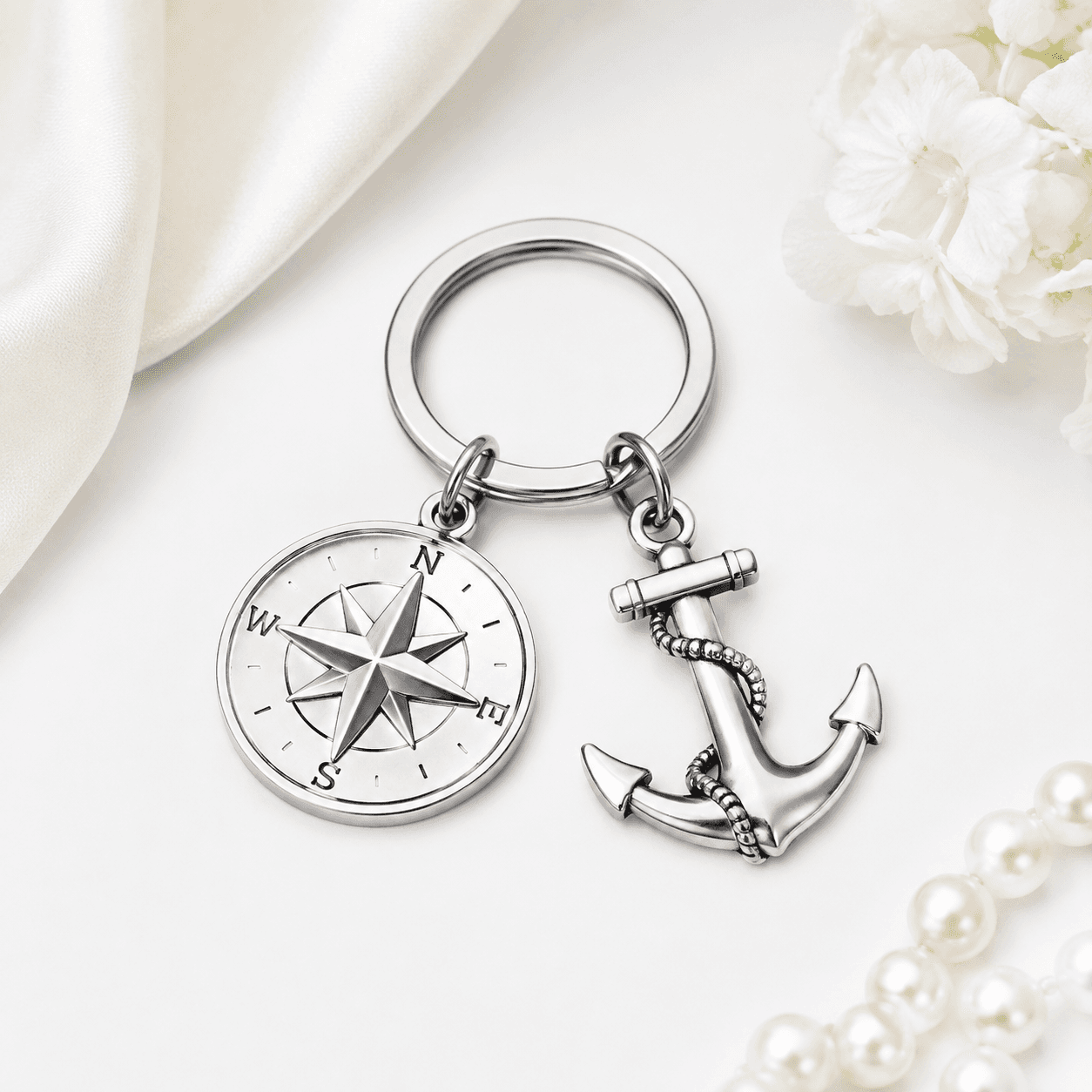
Lancy supports boutique-ready series planning by helping buyers organize designs into coordinated product groups suitable for jewelry charms, keychain charms, bag charms, car charms, charm bar accessories, and gift accessories.
Communication During Sample Development
Clear communication during sample development helps ensure final products meet expectations. Buyers should provide accurate drawings, reference measurements, finishing requirements, and packaging needs.
Factories should provide practical feedback about manufacturing details, connection points, and production methods. This collaboration creates more efficient OEM and ODM projects.
Production Consistency for Long-Term Supply
Long-term sourcing depends on repeatable quality. Buyers should evaluate whether a supplier can maintain consistent dimensions, finishes, and inspection standards across repeat orders.
A dependable B2B accessory supplier should support ongoing collection expansion while maintaining stable production standards. This is especially important for brands building multiple seasonal releases or expanding product categories.
FAQ About Stainless Steel Keychains Charms Sourcing
What should buyers check when selecting a stainless steel keychains charms supplier?
Buyers should review material specifications, manufacturing capability, compliance documentation, finishing processes, sample quality, and communication efficiency. A qualified supplier should provide clear information about 316L stainless steel production and quality control.
Why is 316L stainless steel commonly used for charm production?
316L stainless steel provides stable performance, corrosion resistance, and strong suitability for precision manufacturing. Its consistent properties make it suitable for detailed designs requiring polishing, engraving, PVD finishing, enamel, and crystal inlay processes.
Can buyers request custom logo charms and private-label packaging?
Yes. Lancy Jewelry supports custom logo charms, OEM development, ODM projects, and private-label packaging solutions for boutique brands, gift companies, and distributors.
How can buyers start a new charm development project?
Buyers can prepare design information, target quantities, finishing requirements, and packaging details before contacting a supplier. An RFQ helps suppliers understand project requirements and provide accurate development guidance.
Partner With Lancy Jewelry for Professional Charm Manufacturing
Choosing the right manufacturing partner helps buyers build reliable accessory collections with controlled quality and efficient development. Lancy Jewelry provides factory-direct support for brands seeking 316L stainless steel charms, custom development, and scalable production solutions.
With experience in OEM, ODM, PVD finishing, engraving, enamel processing, crystal inlay, and private-label packaging, Lancy helps international buyers move from concept to finished products with confidence.
Explore available products at /products, learn about custom manufacturing options at /oem, or submit an RFQ through /cart to discuss your next charm project.