What Buyers Should Know: Stainless Steel Charms Tarnish How Long
For retail buyers, charm durability directly affects customer satisfaction, repeat purchases, and long-term inventory value. When customers choose decorative accessories, they expect the finish, color, and surface quality to remain attractive through regular use. Understanding how long stainless steel charms resist tarnishing helps boutique owners and sourcing managers make better purchasing decisions.
This guide explains the durability of 316L stainless steel charms, the factors that influence appearance over time, and the quality checks buyers should review before placing wholesale orders. As a stainless steel charms manufacturer, Lancy Jewelry focuses on practical production standards that support consistent retail performance.
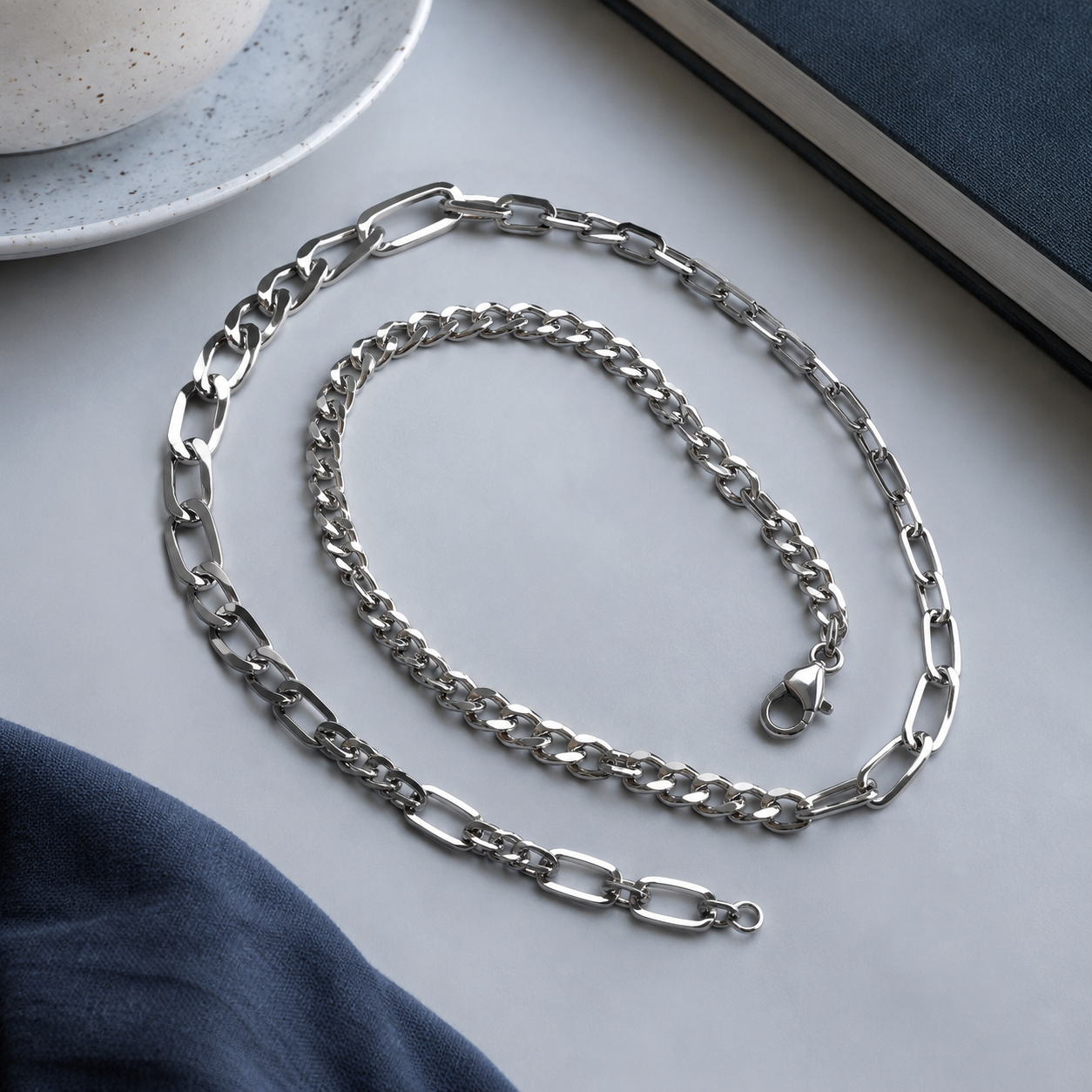
Stainless Steel Charms Tarnish How Long: A Buyer Guide
Understanding stainless steel charm durability
316L stainless steel charms are designed for strong corrosion resistance and everyday wear performance. Unlike decorative products that rely only on surface appearance, 316L stainless steel provides a stable foundation for production because of its durability and ability to maintain a clean finish.
For retail businesses, the expected lifespan depends on several factors, including production quality, surface treatment, customer usage, and storage conditions. Properly manufactured charms can maintain their appearance for extended periods when buyers select reliable suppliers and suitable finishes.
How finishes affect long-term appearance
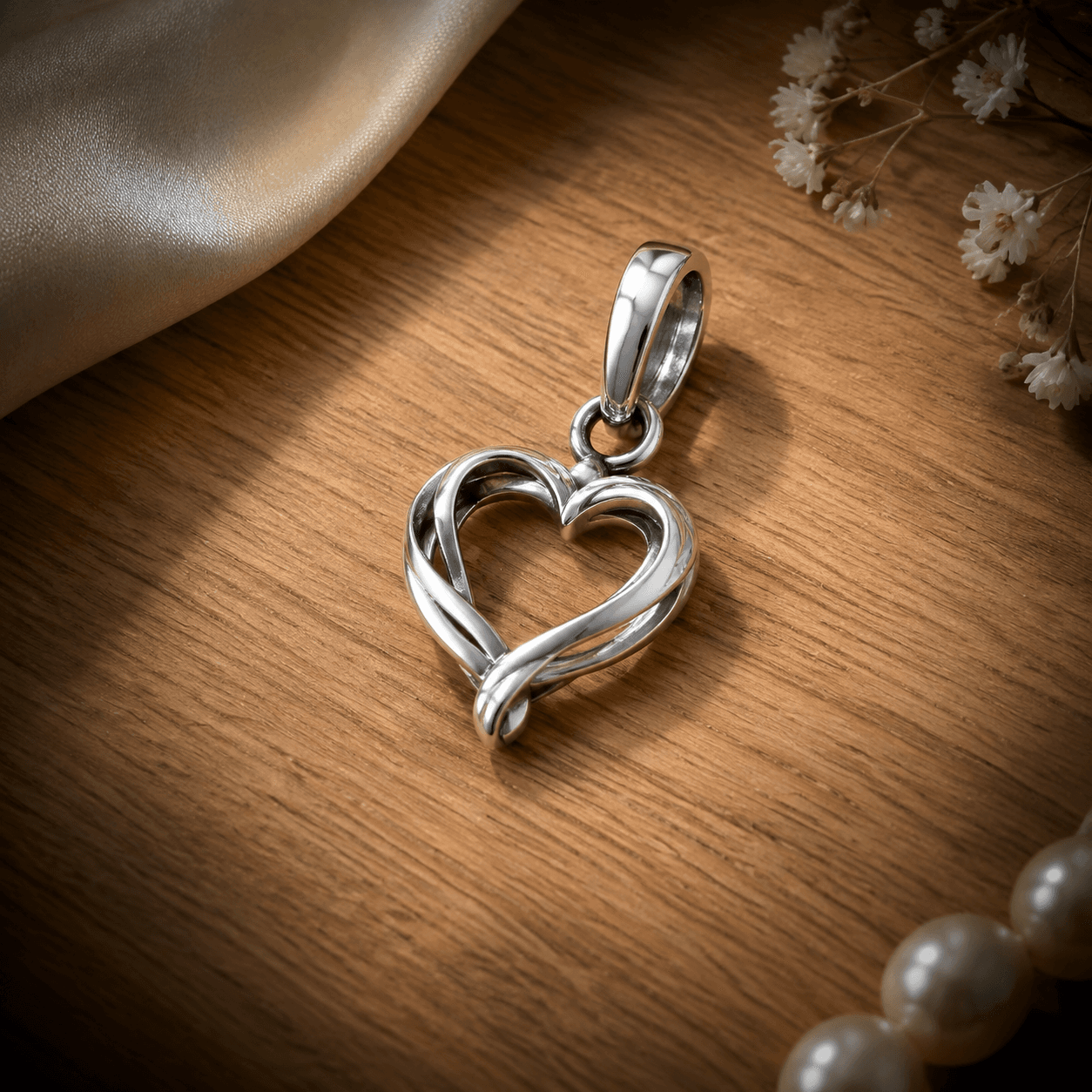
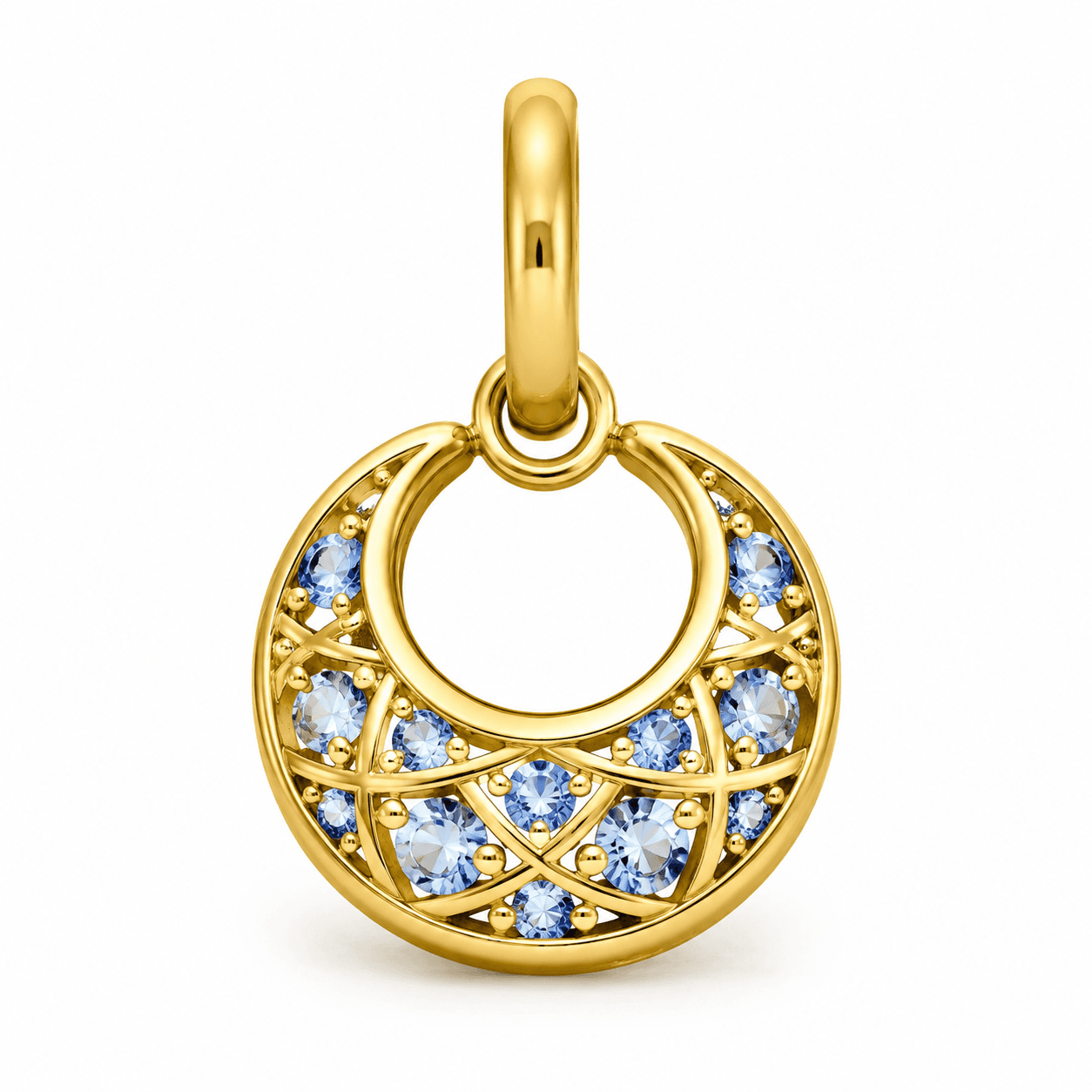
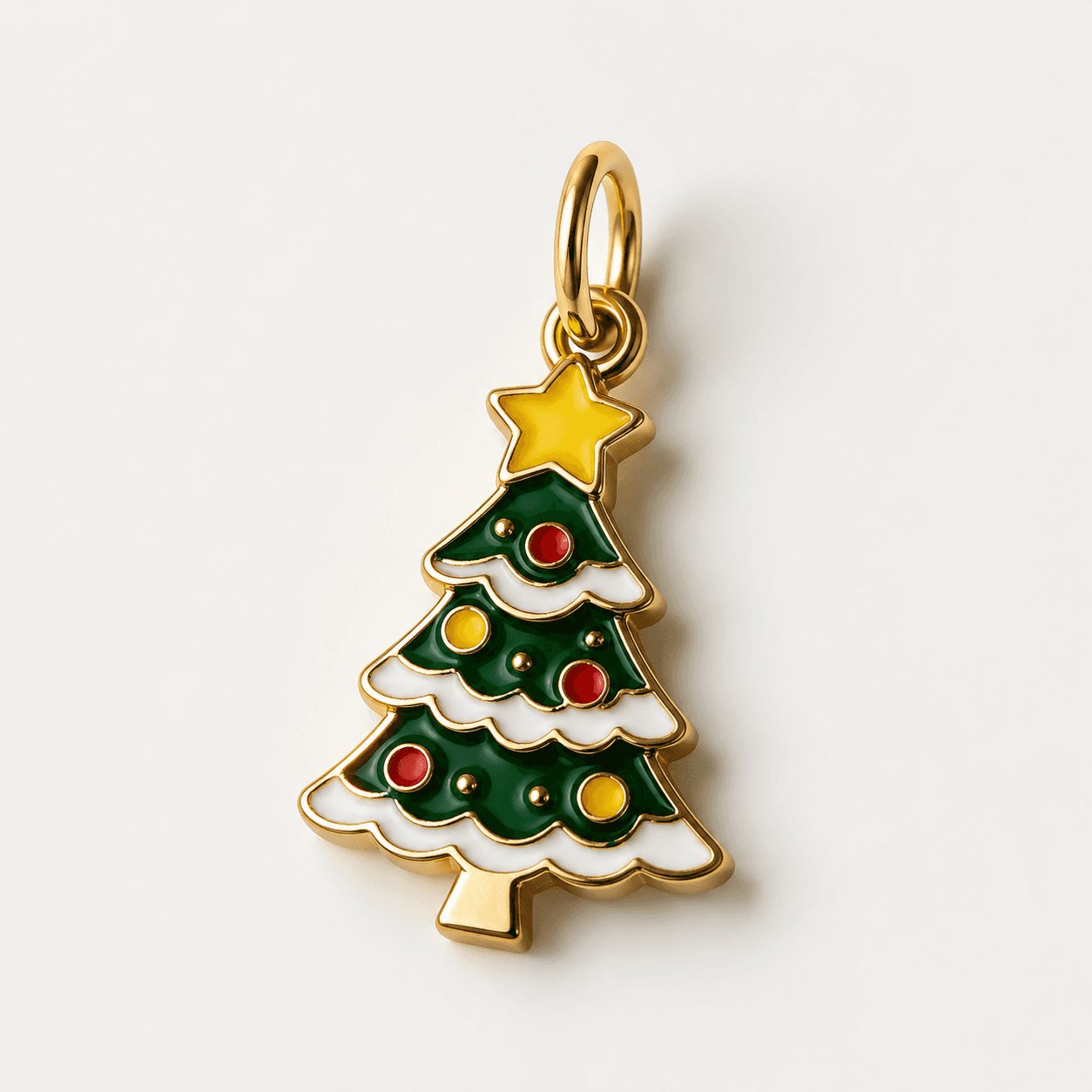
Different surface options create different visual effects. PVD plated stainless steel charms add color depth and help create premium-looking collections, while silver finish, rose gold plating, enamel, and crystal inlay options provide more design variety for different customer preferences.
| Factor | Buyer Consideration | Impact on Product Life |
|---|---|---|
| Base material | 316L stainless steel foundation | Supports strong wear resistance and stable appearance |
| Surface finish | PVD, enamel, or polished treatment | Influences color retention and visual quality |
| Production control | Factory testing and process consistency | Helps reduce quality variations between batches |
| Customer usage | Exposure to moisture, chemicals, and friction | Affects maintenance needs |
Why Tarnish Resistance Matters for Retail Buyers
Protecting customer experience and brand reputation
For boutique retailers, charm collections represent more than individual products. They influence customer trust and future purchasing decisions. A charm that keeps its finish and structure over time creates a stronger ownership experience.
Choosing a qualified OEM charms manufacturer helps buyers maintain consistent quality across collections. Lancy Jewelry supports OEM and ODM development with controlled manufacturing processes, including CNC production, laser cutting, laser marking, welding, and polishing.
Quality testing and manufacturing standards
Durability should be verified through professional testing rather than appearance alone. Lancy Jewelry production is supported by SGS certification testing, including RoHS, REACH, Nickel Release EN1811, and Salt Spray 240H evaluations. These checks help buyers assess product safety, finish performance, and resistance under controlled conditions.
| Testing Area | Purpose |
|---|---|
| Salt Spray 240H testing | Evaluates corrosion resistance performance |
| Nickel Release EN1811 testing | Checks material release requirements |
| RoHS and REACH testing | Supports compliance requirements for global markets |
Detailed Guide: How Buyers Can Evaluate Charm Longevity
Step 1: Review the material specification
Before ordering, buyers should confirm that the product specification clearly states 316L stainless steel charms. Material transparency is essential because it helps retailers understand expected performance and position products accurately.
Lancy Jewelry specializes in 316L stainless steel charms and provides custom stainless steel charms development for boutique brands, gift companies, and private-label buyers.
Step 2: Check finish quality and production capability
A strong manufacturing partner should provide clear information about finishing processes. Buyers should review whether the supplier can manage PVD plating, polishing, enamel color filling, crystal setting, and inspection procedures.
Consistent finishing is especially important for collection planning. Retailers need multiple designs to appear visually connected when displayed together. Stable production helps maintain the same quality level across different styles and repeat orders.
Step 3: Consider inventory planning and order flexibility
Retail businesses often need to test new designs before expanding inventory. Working with a supplier offering low MOQ charm production and sample development can reduce purchasing risk while allowing faster collection updates.
For growing retailers, private label charms provide an opportunity to build recognizable product lines with customized designs, packaging options, and collection themes. Lancy Jewelry supports private label projects from development through production.
Step 4: Plan maintenance guidance for customers
Even durable products benefit from proper care. Retailers can recommend simple maintenance practices, such as keeping charms clean, storing products in dry conditions, and avoiding unnecessary contact with harsh environments.
Clear care guidance helps customers maintain the appearance of their purchases and supports stronger long-term product satisfaction.
Stainless Steel Charms vs Other Buyer Considerations
When comparing sourcing options, buyers should focus on measurable factors such as material stability, finish testing, production consistency, and supplier support. The goal is not only to select attractive designs but also to create inventory that performs well after purchase.
| Buyer Priority | Recommended Evaluation Point |
|---|---|
| Durability | 316L stainless steel material and testing records |
| Collection development | OEM and ODM capability |
| Retail flexibility | MOQ options and sample development support |
| Large inventory planning | Reliable bulk charm orders management |
FAQ About Stainless Steel Charms Tarnishing
How long do stainless steel charms usually maintain their appearance?
The lifespan depends on manufacturing quality, finish selection, and customer usage. Well-produced 316L stainless steel charms are designed for long-term wear resistance and can maintain their appearance with proper care.
Does PVD plating help stainless steel charms last longer?
PVD plating is a finishing process that creates a durable colored surface layer. Its performance depends on production control, application quality, and daily use conditions.
What should buyers check before ordering wholesale stainless steel charms?
Buyers should review material specifications, finish options, testing standards, manufacturing experience, MOQ requirements, and supplier communication. These factors help reduce quality risks before large orders.
Can Lancy Jewelry support custom charm collections?
Yes. Lancy Jewelry provides OEM and ODM services, including design development, logo engraving, finishing options, packaging support, and sample approval processes for business buyers.
Partner With Us for Reliable Charm Production
Selecting the right manufacturing partner helps retailers build durable collections with confidence. Lancy Jewelry supports global buyers with factory-direct development, consistent production control, and flexible solutions for boutique brands and private-label programs.
Whether you need custom stainless steel charms, private label charms, or bulk charm orders, our team can support your project from sample development to finished production. Visit our OEM Service page or explore our product catalog to begin planning your next collection.
For pricing, specifications, or production discussions, submit an RFQ or contact our team through our contact page.