Hook
In the crowded market of bag keychain charms, savvy procurement teams win by vetting suppliers with rigorous material science, documented processes, and verifiable certifications. This deep-dive sourcing guide focuses on 316L stainless steel bag keychain charms, with an emphasis on alloy chemistry, finish quality, and governance that scales from pilot orders to bulk orders. If you are coordinating supplier selection for boutique brands or private-label programs, the steps below translate across markets and compliance regimes while keeping manufacturing integrity front and center.
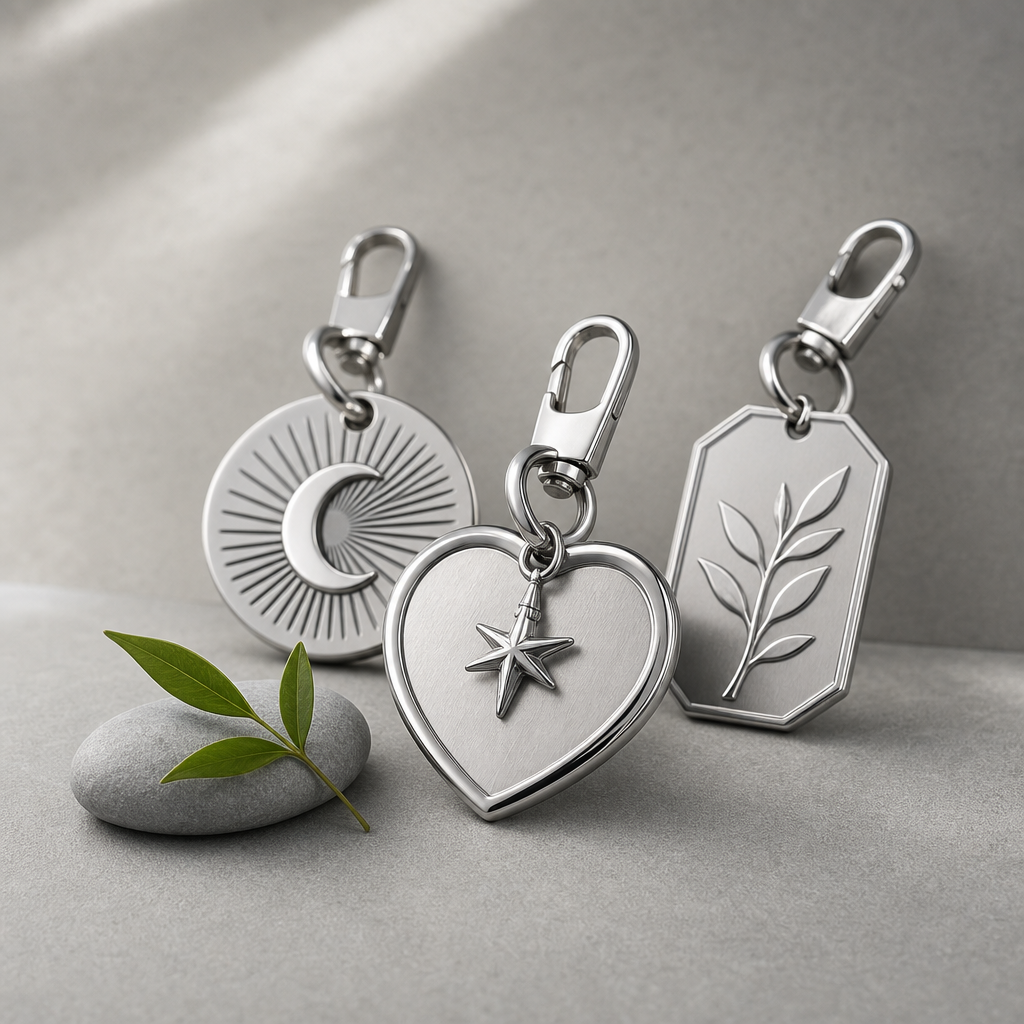
Stainless Steel Bag Keychain Charms: Vetting Suppliers for Quality and Compliance
As a stainless steel charms manufacturer focused on 316L stainless steel, Lancy Jewelry understands that supplier vetting is a multi-layer process. Buyers must align on material baseline, manufacturing capabilities, traceability, and regulatory compliance before committing to OEM, ODM, or private-label arrangements. The global nature of today’s supply chains makes cross-market insights essential, but the core due-diligence remains consistent: verify chemistry, confirm plating integrity, audit production controls, and secure robust documentation. The following sections unpack each pillar and translate them into actionable steps for procurement teams worldwide.
1) Establish Material and Finish Specifications
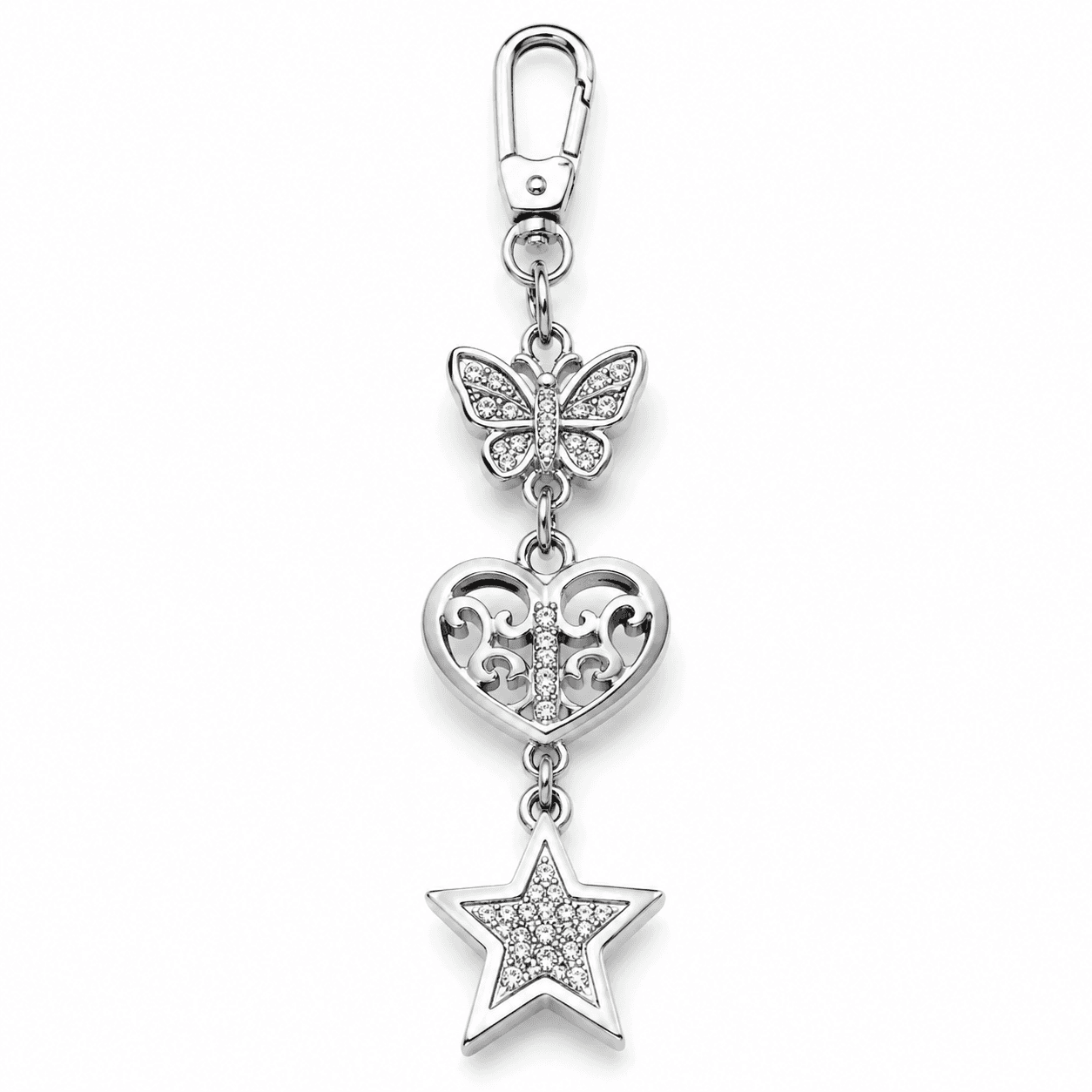
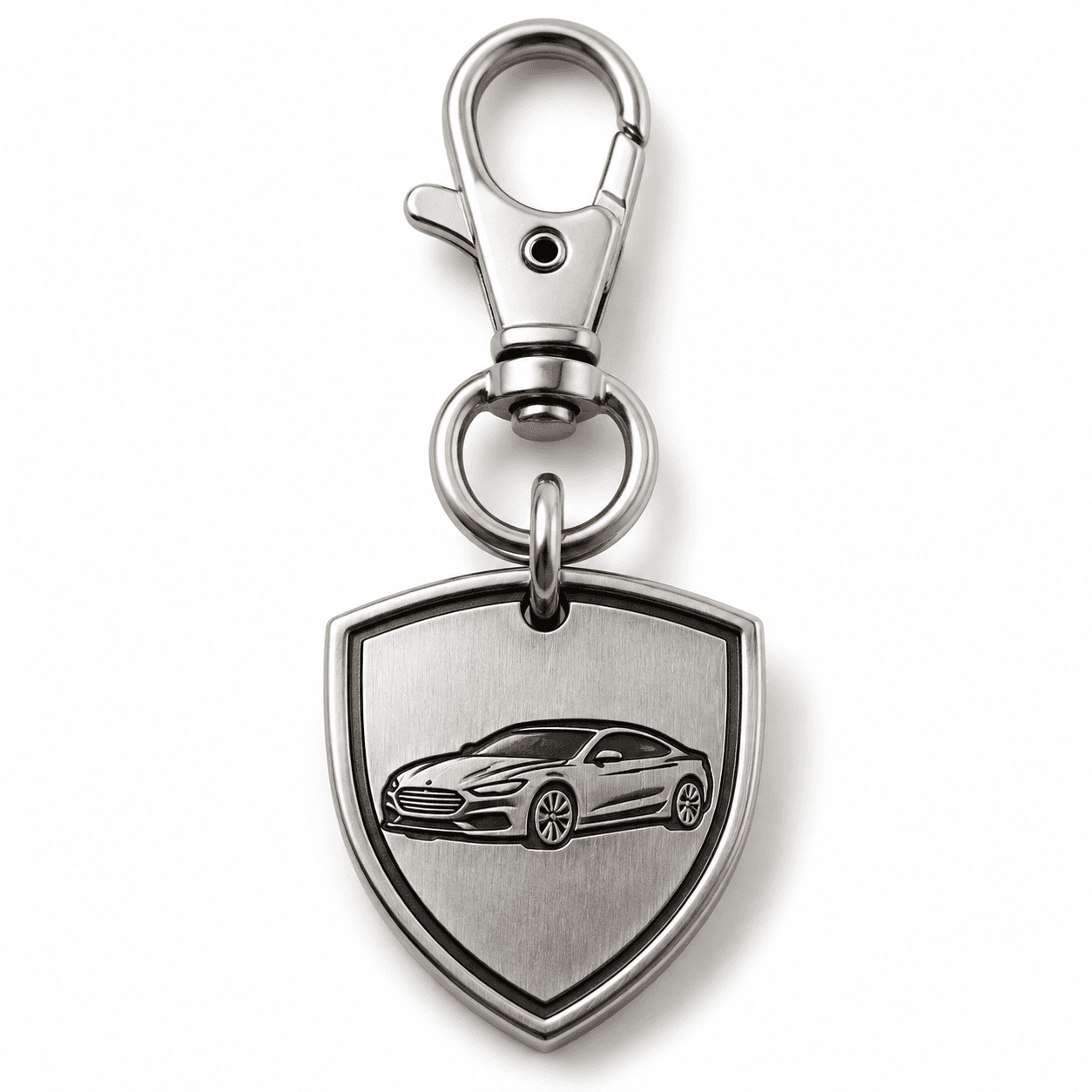
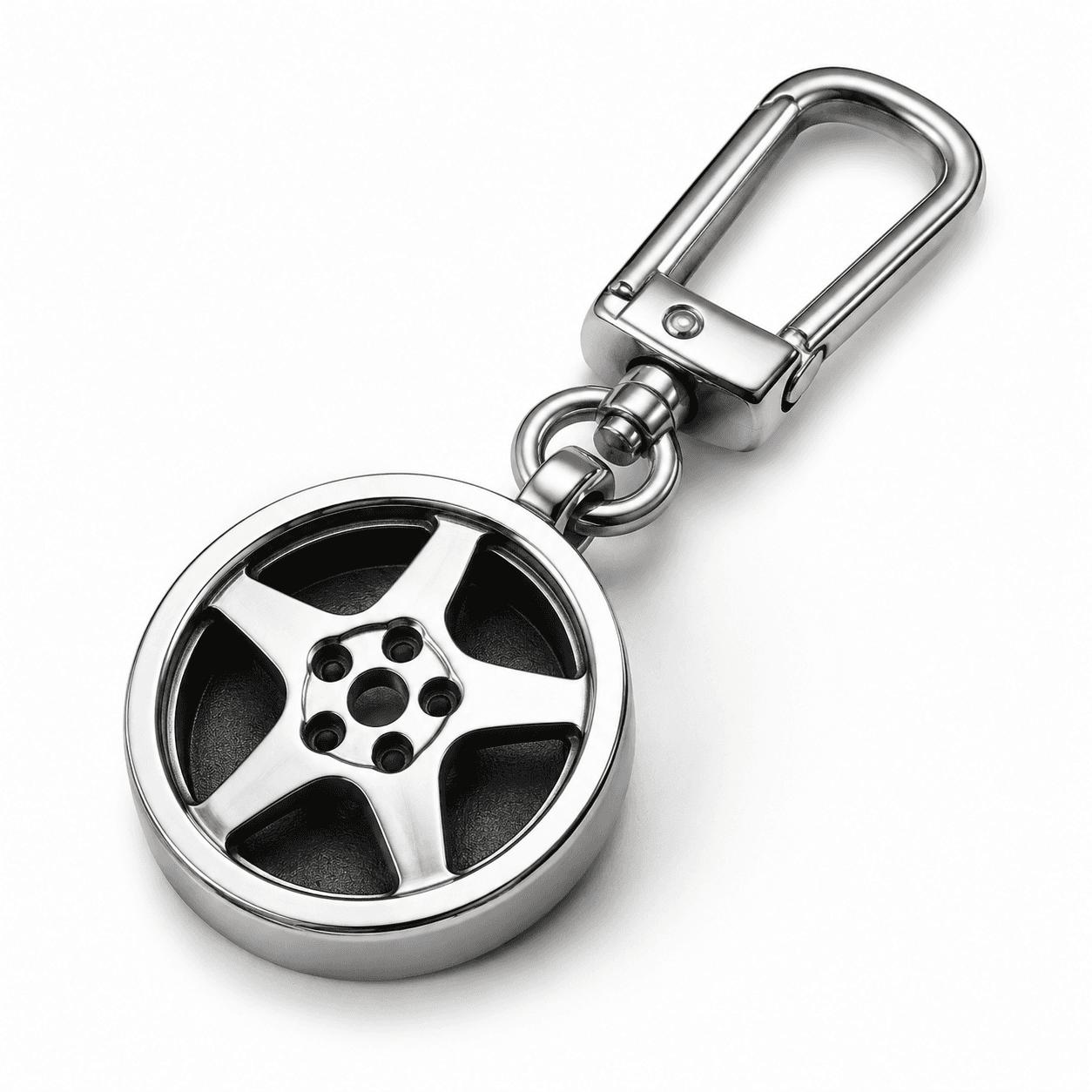
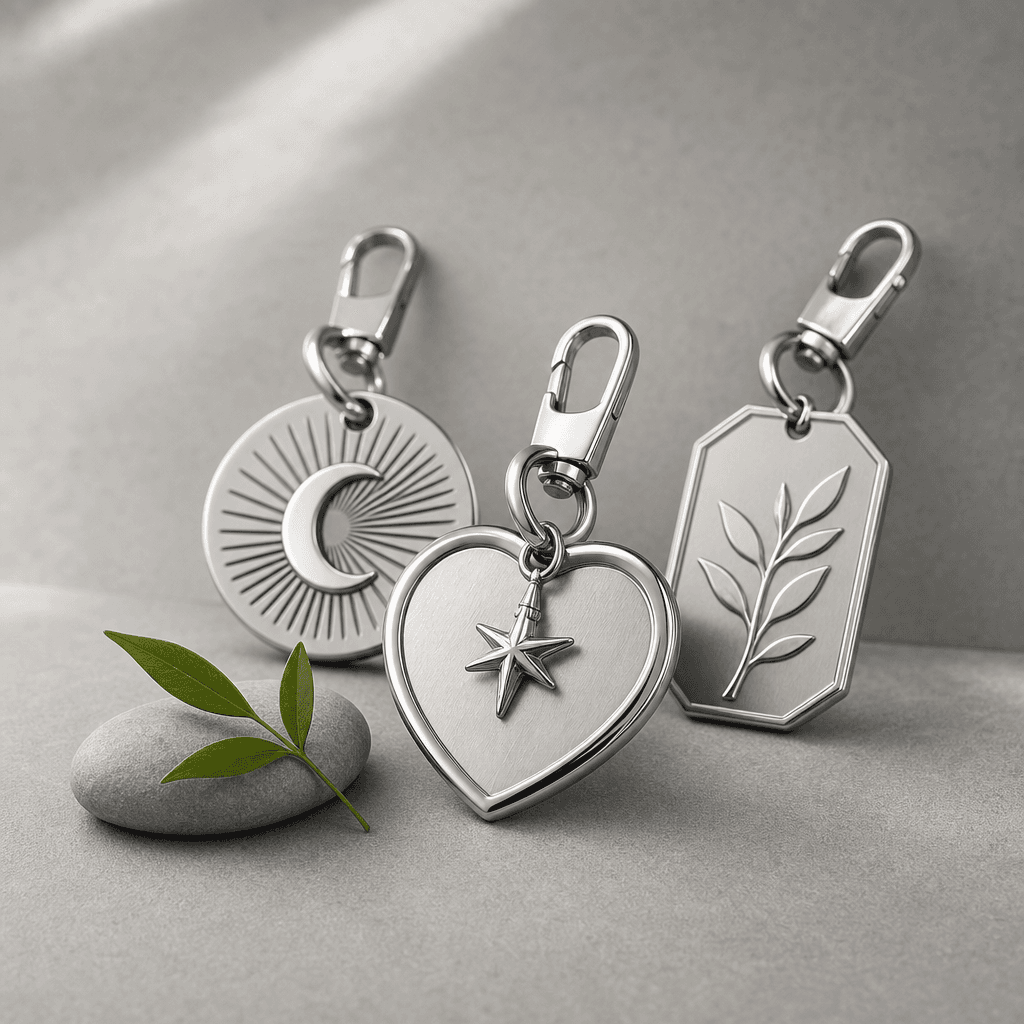
Begin with a precise specification of the base material and finishes. For bag keychain charms, Lancy’s approach relies on 316L stainless steel as the base, with options such as PVD plating in gold or rose gold, silver finish, enamel color filling, and crystal inlay. A well-defined spec reduces variation during production and accelerates QC checks. Key specification components include:
- Base material: 316L stainless steel per industry norms; confirm that all candidates use 316L as the base material without deviations to copper, brass, zinc alloy, or any non-stainless-steel substitutes.
- Finish options: PVD plating thickness targets, color range, adhesion standards, and color stability under expected environmental exposure (humidity, sweat, salt spray).
- Dimensions: typical charm size range (e.g., 6–25 mm), tolerance bands, and hole/loop diameters for attaching jump rings or clasps.
- Attachments: bail, jump ring, or connector must be physically plausible and threaded through real holes/loops with proper closure.
- Surface treatment: mechanical finishing, passivation, and corrosion protection protocols relevant to long-term wear.
Clarifying these specs up front supports consistent plating quality, predictable color matching, and smoother private-label packaging outcomes.
2) Evaluate Supplier Capabilities and Certification
Capability checks go beyond a glossy brochure. They should confirm factory capabilities and independent validation. Essential checks include:
- Manufacturing capabilities: CNC machining, laser cutting/marking, welding, polishing, and post-process finishing. A modern facility with full-stack operations supports consistent results for both sample development and bulk orders.
- Material and process certifications: SGS-certified (RoHS, REACH, Nickel Release EN1811, Salt Spray 240H) to demonstrate chemical safety and corrosion resistance performance. These certifications are critical when supplying markets with strict compliance requirements.
- Traceability and lot control: batch-level traceability for raw material lots, plating batches, and finished parts to support recall readiness and QA analytics.
- Quality management practices: documented QA workflows, in-process checks, and final inspection criteria that map to your acceptance specs.
Ask for direct evidence such as COAs (Certificate of Analysis), plating thickness reports, adhesion test results, and salt spray test data. For networks that require, request EN1811 nickel-release testing results to verify skin-safety compliance across regions.
3) Assess Quality Systems, QA, and Testing
High-quality outcomes stem from rigorous QA. Evaluate supplier quality systems by examining:
- In-process inspection: whether critical dimensions and geometry are measured at defined stages, with documented acceptance criteria.
- Final inspection plan: visible and dimensional checks, plating uniformity, color consistency, and surface defects scoring.
- Material chemistry verification: COA showing chromium, nickel, and other alloying elements per 316L specifications; ensure no prohibited elements are present.
- Non-conformance handling: documented corrective actions, root-cause analysis, and rework/retest procedures for non-conforming lots.
- Third-party testing options: ability to commission external labs for independent verification when required by your customer base.
Certification parity matters across regions. SGS certification helps satisfy global customers, reduce friction in cross-border wholesale or private-label programs, and simplify RFQ screening.
4) Plan for Sampling, Prototyping, and Private-Label Packaging
Strong supplier relationships begin with fast, reliable sampling. Your sampling plan should cover:
- Lead times for prototypes and first articles, with explicit acceptance criteria tied to your spec sheet.
- Finish validation: confirm color, reflectivity, and enamel/crystal inlay accuracy under representative lighting.
- Mechanical fit checks: verify bail/jump ring compatibility, hole alignment, and connector clearance with your proposed packaging and display hardware.
- Private-label capabilities: packaging customization options (brand-ready packaging, hang tags, anti-tamper seals) and any minimums for private-label orders.
- Documentation accompanying samples: COA, plating sheet, and care instructions suitable for wholesale or private-label catalogs.
Leverage a formal sample development timeline to manage expectations and ensure a repeatable path from concept to production-ready articles. This is especially important for private-label programs with branding demands.
5) Review Commercial Terms and Risk Management
Commercial alignment enables a smooth transition from pilot orders to bulk orders. Key considerations include:
- MOQ and scalability: evaluate whether the supplier can support low MOQs when needed, while maintaining consistent plating quality for larger runs.
- Pricing structure: tiered pricing, currency exposure, and cost implications of PVD finishes versus standard finishes.
- Lead times and capacity planning: ensure capacity plans align with your product launch windows and seasonality.
- Private-label packaging and branding: confirm packaging formats, labeling requirements, and logistics for multi-market distribution.
- Warranty, returns, and defect rates: set clear SQAs and acceptable defect thresholds for different product lines.
Always request a formal quote package including terms for RFQ (Request for Quote) and bulk orders, and consider building a multi-source strategy to mitigate supply risks across markets.
6) Sourcing Across Markets: Global Considerations
Global teams must reconcile regional regulatory differences, currency risk, and supply-chain disruption resilience. A robust vetting plan considers:
- Regulatory alignment: RoHS/REACH compliance and nickel-release safety for all target markets, including the EU, US, UK, AU, CA, and others in the list you serve.
- Cross-market consistency: standardized specs and QA criteria that translate across facilities, ensuring boutique brands receive uniform quality regardless of batch origin.
- Supplier scalability: the ability to scale production for wholesale channels, while preserving customization options for private-label programs.
- Risk mitigation: redundancy in supply, forward-looking capacity planning, and transparent lead times to minimize bottlenecks during peak seasons.
With a well-structured vetting process, global procurement teams can secure reliable suppliers who meet 316L stainless steel performance goals and private-label expectations, while preserving cost efficiency and timeline certainty.
Benefits / Why It Matters
Vetting suppliers for 316L stainless steel bag keychain charms yields tangible business benefits:
- Quality consistency: verified 316L chemistry and plating controls reduce batch-to-batch variance, essential for boutique label programs that demand uniform appearance across lots.
- Regulatory compliance: SGS certifications and EN1811 nickel-release data help ensure global market access and minimize regulatory risk.
- Supply chain resilience: multi-facility capabilities and traceability support reliable delivery for wholesale and private-label orders.
- Cost and flexibility: clear MOQ, sampling timelines, and private-label packaging capabilities enable scalable growth from pilot production to full-scale programs.
For procurement teams, partnering with a proven 316L stainless steel charms manufacturer that can deliver OEM and ODM support, along with robust sample development and private-label packaging, translates into measurable time-to-market advantages and improved product quality across markets.
Detailed Analysis / Practical Guide
The following step-by-step framework translates the above concepts into an actionable sourcing playbook you can apply in supplier conversations, RFQs, and audits.
Step 1: Define the Spec and Validation Plan
Draft a complete specification package that includes material, finish, dimensions, passivation, plating thickness targets, and attachment geometry. Create a validation plan that ties each spec to a test or inspection criterion, including acceptance/rejection criteria for samples and production lots.
Step 2: Conduct a Capabilities Verification
Shortlist suppliers with modern manufacturing facilities, CNC and laser capabilities, and a proven track record in 316L stainless steel charms. Request factory photos or virtual tours, and verify the existence of QA/QC teams, dedicated plating lines, and finishing departments. Confirm willingness to share SGS certificates and COAs.
Step 3: Material Chemistry and Plating Qualification
Require a COA for each lot, detailing 316L composition, chromium, nickel, molybdenum (if applicable), and any trade names used for plating processes. Request plating thickness ranges (for example, 3–8 microns for PVD finishes) and adhesion test results. For color-sensitive finishes, request color tolerance data and aging test results to ensure long-term stability.
Step 4: Prototyping and Sample Development
Implement a formal sample pipeline with three milestones: first article, second article (if adjustments are needed), and pre-production sample. Establish clear acceptance criteria and provide a structured timeline to avoid delays. Use private-label packaging samples to validate branding alignment and product presentation.
Step 5: Quality Assurance and Process Controls
Document QA checkpoints along the production flow: raw material receipt, in-process plating checks, and final inspection. Evaluate defect rates by type (surface blemishes, color mismatch, geometry deviation) and ensure non-conformances trigger corrective actions with traceability to batch numbers.
Step 6: Packaging, Labeling, and Shipping Readiness
Confirm packaging formats, branding options, and labeling requirements for each market. Ensure packaging protection for transit and compatibility with retailers’ point-of-sale displays. Plan for multi-market shipping, including packaging compliance and import requirements.
Step 7: Commercial Terms and Onboarding
Negotiate MOQs that align with launch plans, while ensuring the supplier can scale for wholesale or private-label orders. Align on RFQ processes, payment terms, and risk-sharing mechanisms for lead-time fluctuations or supply interruptions.
Step 8: Ongoing Governance and Audits
Set up quarterly or semi-annual supplier performance reviews, with checks on material consistency, plating stability, and delivery reliability. Maintain updated certifications and ensure any changes in process are documented and re-validated where necessary.
FAQ
Q1: What should I verify first when vetting a stainless steel bag keychain charms supplier?
A1: Start with material and process credibility: confirm 316L stainless steel as the base, request COAs for alloy composition, plating thickness data, and evidence of SGS or equivalent certifications. Evaluate factory capabilities (CNC, laser, welding, polishing) and request sample development timelines to assess consistency before committing to bulk orders.
Q2: How important is a nickel-release test (EN1811) for global markets?
A2: Very important. Nickel release testing ensures skin-safety across regions with strict consumer protection standards. If you are serving markets like the EU or the US, EN1811 test data supports regulatory compliance and reduces return risk due to nickel sensitivity concerns.
Q3: What commercial terms should I pursue for private-label programs?
A3: Look for adjustable MOQs, private-label packaging capabilities, and branding support that align with your launch cadence. Ensure the supplier can offer OEM/ODM support, robust sample development, and clear pricing tiers for wholesale or bulk orders to maximize efficiency as you scale.
Q4: How do I validate plating quality over time?
A4: Seek adherence to plating thickness targets, uniform color matching across lots, adhesion test results, and salt spray aging data. Consider requesting periodic re-test data for high-volume runs and establish a routine QA sampling plan to monitor ongoing performance.
Call to Action — Partner With Us
Partner with Lancy Jewelry for reliable OEM/ODM collaboration on 316L stainless steel bag keychain charms. Our modern facility supports CNC, laser cutting, laser marking, welding, and polishing, with private-label packaging and rapid sample development to accelerate your time-to-market. We offer low MOQs, consistent plating quality, and a formal pathway from concept to production. If you are evaluating suppliers for boutique brands, charm bar retailers, or private-label programs, start with a structured vetting process and request a formal quote to begin the collaboration.
To begin, explore our OEM services and request information through the following channels:
- OEM Service — tailor-made manufacturing and ODM support for your designs
- Request a Quote — initiate sample development or bulk orders
- Contact — connect with our sourcing team for technical questions
- All Products — browse 316L stainless steel charms options and accessory components