Choosing a wholesale enamel charm supplier is not simply a matter of finding attractive designs at a competitive price. For jewelry designers and boutique brands in the UK, the right manufacturing partner must deliver consistent color, reliable surface finishes, practical customization options, and documentation that supports responsible sourcing. These factors become particularly important when developing coordinated collections for charm bars, seasonal gift programs, and private-label launches.
This guide explains how to evaluate suppliers of stainless steel enamel charms wholesale in the UK market. It compares finishing techniques, outlines practical quality checks, and explains what British buyers should consider when sourcing from overseas manufacturers after Brexit. The goal is to help you assess suppliers systematically before committing to samples or bulk orders.
How to Choose Stainless Steel Enamel Charms Wholesale UK Suppliers
A dependable supplier should demonstrate control over the complete manufacturing process, from design development and cutting to polishing, color filling, finishing, and final inspection. For buyers developing distinctive collections, the ability to customize shapes, engraving, enamel colors, and surface finishes can be just as important as unit price.
Evaluate the Material Before Comparing Designs
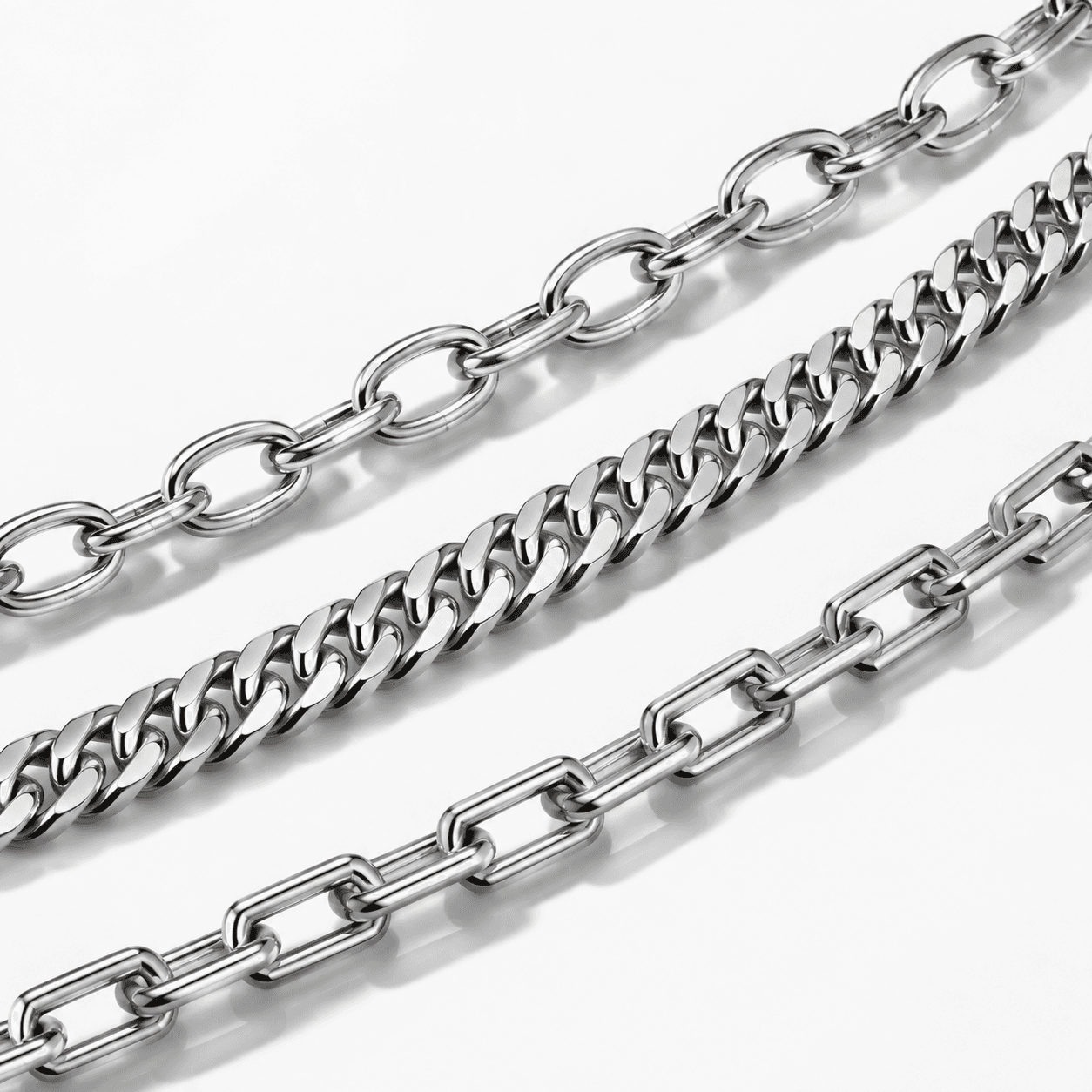
Start by confirming the base material. Lancy Jewelry focuses on 316L stainless steel charms, providing a consistent material foundation for customized jewelry accessories. Ask potential suppliers to identify the material grade in writing and explain how they verify incoming material and finished-product specifications.
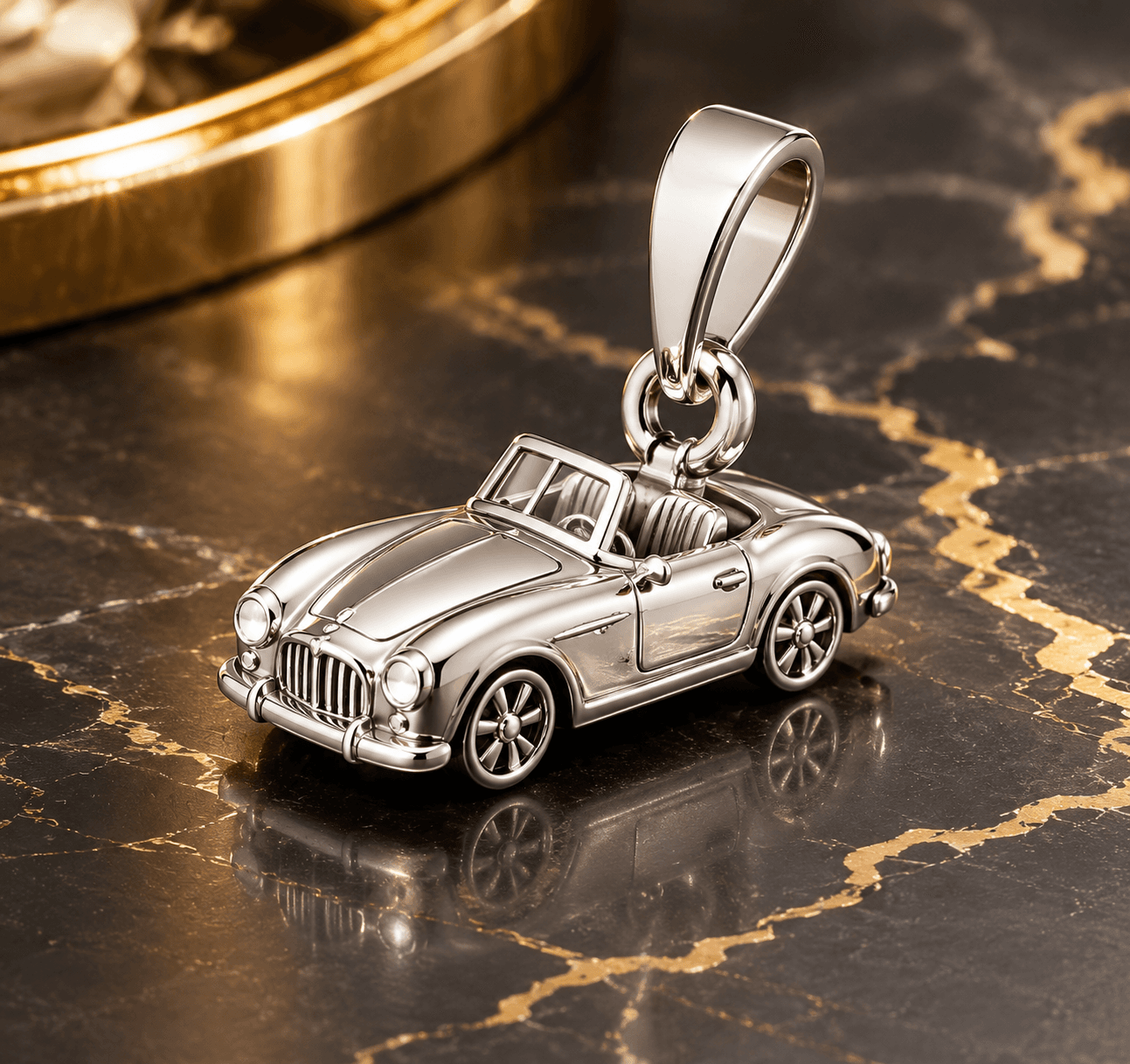
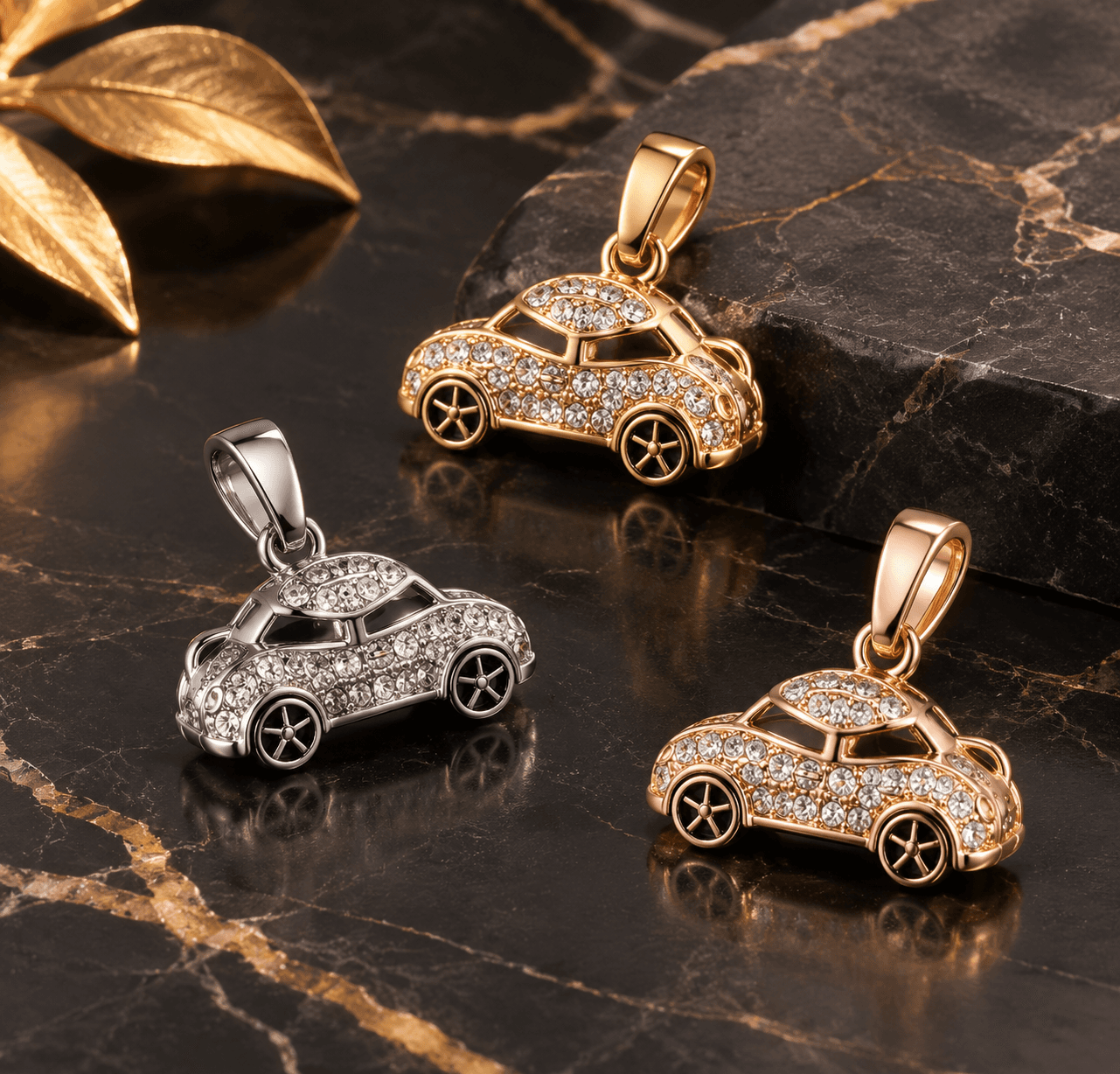
Next, review the proposed finish. A charm may feature a silver finish, gold plated appearance through PVD, rose gold plating, enamel color filling, or crystal inlay. These options create different visual effects, but their performance depends on process control, preparation, and inspection.
Check Whether the Supplier Can Support Your Design Brief
Jewelry designers often need more than a standard catalog selection. A useful partner should be able to discuss custom outlines, dimensions, logo engraving, enamel placement, color references, and attachment geometry. Confirm that the proposed design can be manufactured with a secure hole or loop for its intended connection.
An experienced stainless steel charms manufacturer should also explain which design details affect tooling, development time, minimum order quantity, and repeat-order consistency. Clear answers at this stage reduce the risk of receiving samples that look promising but cannot be reproduced economically at scale.
Why Finishing Quality Matters for Wholesale Enamel Charms
Finishing directly influences how customers perceive a charm. Uneven color boundaries, visible polishing marks, inconsistent plating, or poorly defined edges can undermine an otherwise well-designed product. For wholesale buyers, these defects also create operational problems, including returns, inconsistent retail displays, and difficulties replenishing a collection.
Key Benefits of a Controlled Manufacturing Process
- Consistent appearance: Standardized preparation, finishing parameters, and inspection criteria help keep samples and production batches visually aligned.
- Greater design flexibility: Combining enamel, laser marking, polished surfaces, and selected PVD finishes can help designers establish a recognizable collection identity.
- More predictable production: Agreed specifications and documented sample approval make it easier to evaluate bulk orders against an approved reference.
- Better sourcing documentation: Relevant material and test reports help buyers assess product suitability for their intended markets.
- Stronger retail presentation: Coordinated colors, clean edges, and consistent packaging support boutique-ready merchandising.
Understand the Available Testing Evidence
Ask suppliers which certifications and test reports apply to the products you intend to purchase. Lancy Jewelry reports SGS testing or certification coverage for RoHS, REACH, nickel release under EN 1811, and a 240-hour salt spray test. Buyers should request the relevant documentation and verify its scope, sample identification, issue date, and applicability to the proposed product and finish.
These forms of evidence address different questions. RoHS and REACH relate to specific regulatory requirements, while EN 1811 concerns nickel release testing under the applicable test method. Salt spray testing evaluates corrosion-related performance under defined conditions; it does not guarantee that every product will remain unchanged in every environment. Always confirm applicable UK requirements and the evidence needed for your particular product category.
Comparing Finishing Techniques for 316L Stainless Steel Enamel Charms
Not all finishing processes serve the same purpose. PVD coating and electroplating are finishing methods, while polishing prepares or refines the surface. Enamel adds color to selected areas, and crystal setting introduces a decorative element that requires secure mechanical placement. A supplier should explain how these operations fit together rather than treating the finish as a single step.
Side-by-Side Finishing Comparison
| Technique | Main purpose | What designers should check | Typical considerations |
|---|---|---|---|
| PVD coating | Creates a controlled decorative surface finish, including gold-colored options. | Surface preparation, color consistency, coating coverage, and test results. | Performance depends on coating specifications, substrate preparation, geometry, and wear conditions. |
| Electroplating | Deposits a finishing layer through an electrochemical process. | Layer specifications, adhesion, coverage around edges, and applicable process controls. | Results vary with process parameters and the complete finishing system. |
| Polishing | Refines the surface and improves smoothness or reflectivity. | Edge definition, surface uniformity, recesses, and the absence of visible scratches. | Excessive polishing can soften fine details or change dimensional features. |
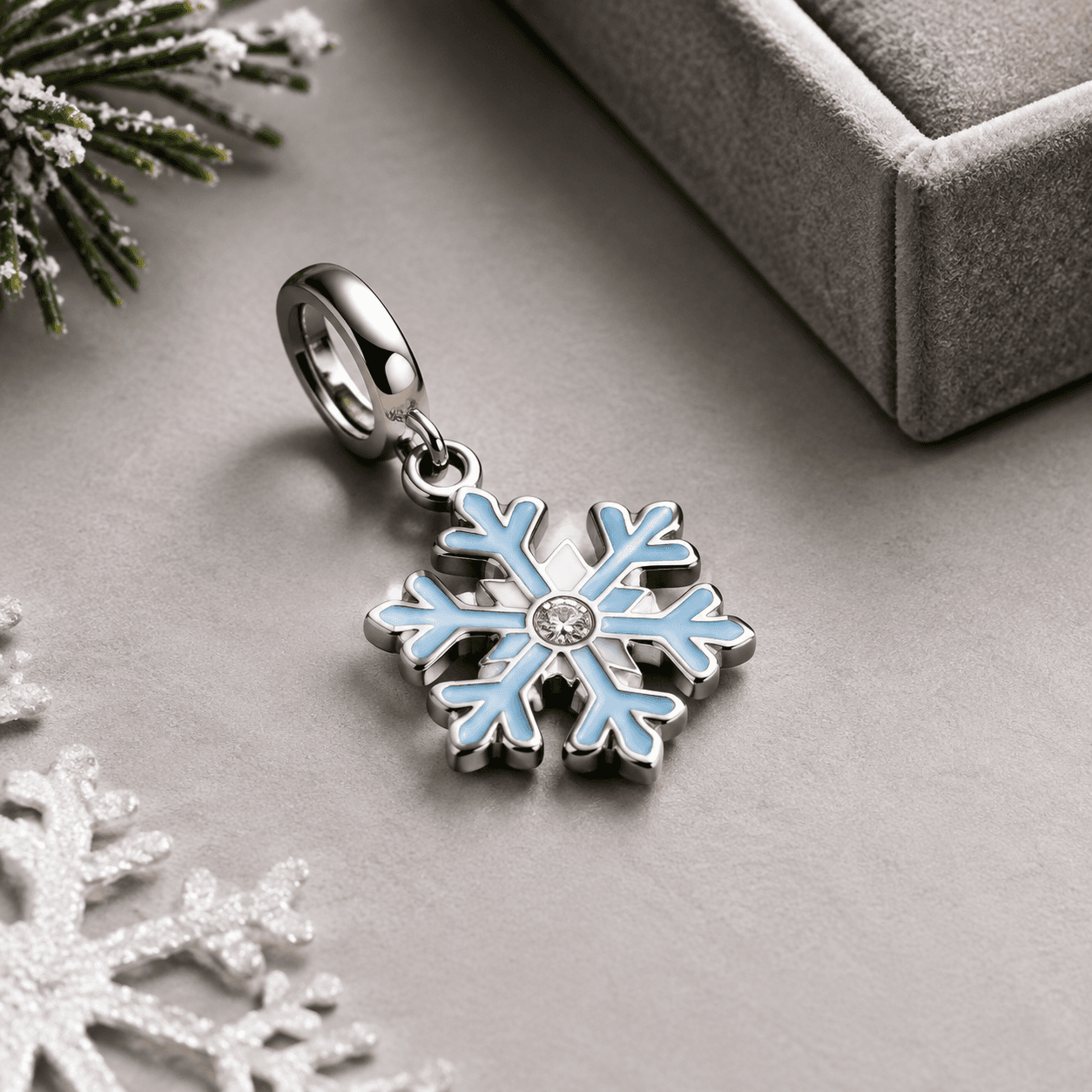
| Enamel color filling | Adds defined colors to recessed design areas. | Color matching, fill depth, boundary cleanliness, curing, and adhesion. | Small areas and intricate patterns may require additional process control. |
| Crystal setting | Adds a decorative focal point through securely placed crystal inlay. | Setting security, alignment, surface protection, and final inspection. | Setting geometry must allow secure retention without damaging nearby finishes. |
PVD Coating Versus Electroplating
PVD and electroplating should be assessed according to the required finish, specification, and evidence of performance. PVD uses a physical vapor deposition process, while electroplating uses an electrochemical deposition process. Neither method should be judged solely by its name or by a supplier's general durability claims.
For gold plated and rose gold plating effects, ask the supplier to specify the actual process, intended color, relevant coating details, and inspection criteria. If the quotation uses PVD terminology, confirm that the process described matches the finish being supplied. Request samples that show the proposed finish on the actual charm design, including edges and recessed details.
For buyers planning repeated seasonal orders, a written color reference and an approved production sample are particularly valuable. They provide a practical baseline for comparing subsequent batches without relying entirely on subjective descriptions such as warm gold, pale gold, or deep rose.
Polishing and Enamel: Why the Sequence Matters
Polishing affects both appearance and the quality of later finishing operations. A well-prepared surface can support a more uniform final appearance, while inconsistent preparation may leave visible marks or differences in reflectivity. The required sequence depends on the design and finishing system, so ask the manufacturer to explain how it controls the process.
Enamel work requires separate attention. Confirm the available color range, the method used to communicate color references, and the acceptance criteria for small recessed areas. Check that color boundaries are clean, the fill is consistent, and there are no obvious gaps, overflow, or damage after final finishing. Where multiple colors are used, approve the complete sample rather than assessing each color in isolation.
A Step-by-Step Guide to Evaluating Wholesale Suppliers
Step 1: Define the Product Specification
Prepare a concise brief before contacting manufacturers. Include the intended application, approximate charm dimensions, shape, logo requirements, enamel colors, preferred finish, attachment method, packaging needs, and estimated order volume. If you have a drawing or reference sample that you own or are authorized to use, include it with clear measurements.
Specify 316L stainless steel as the required base material. For decorative details, identify whether you need enamel, crystal inlay, laser engraving, PVD coating, a silver finish, or rose gold plating. A clear brief makes quotations easier to compare and helps the supplier identify technical limitations early.
Step 2: Compare Supplier Capabilities
Ask whether the supplier manages key operations in-house or coordinates them through external production partners. Facilities equipped for CNC processing, laser cutting, laser marking, welding, and polishing may offer useful control over different stages of charm development. However, equipment alone is not proof of quality; request samples and ask how each stage is inspected.
Evaluate suppliers against the same criteria instead of choosing the lowest initial quotation. The following comparison table can help structure your review.
| Evaluation criterion | Questions to ask | Evidence to request |
|---|---|---|
| Material control | Can you confirm 316L stainless steel for the specified product? | Material specification and relevant supporting documentation. |
| Finish consistency | How are PVD coating, electroplating, and polishing controlled? | Approved samples, written specifications, and inspection records where available. |
| Enamel quality | How are colors matched and fill defects identified? | Color-approved samples and documented acceptance criteria. |
| Customization | Can you develop custom shapes, engraving, and private-label packaging? | Development plan, artwork confirmation, and sample schedule. |
| Commercial terms | What are the MOQ, sampling costs, production lead time, and payment terms? | Itemized quotation and written order conditions. |
| Compliance support | Which test reports apply to the proposed design and finish? | Relevant reports with identifiable product scope and dates. |
Step 3: Request Samples Before Approving Production
Sample development helps reveal practical issues that may not be obvious from digital artwork. Inspect the sample under neutral lighting and compare its dimensions, outline, color, finish, and attachment point with your brief. Run a visual check on the front and back, edges, recessed details, and any engraved logo.
For enamel designs, check for uneven fills, visible gaps, contamination, and inconsistent color boundaries. For coated finishes, look for scratches, patchiness, or obvious differences between exposed and recessed areas. Ask the supplier which additional tests are suitable for the intended use, and agree on the acceptance criteria before placing the production order.
Record sample approval in writing. If the design changes after approval, request a revised sample or written confirmation of the change's effect on appearance, cost, and production timing.
Step 4: Review MOQ, Pricing, and Repeat-Order Terms
Low MOQ support can help emerging brands test a collection without committing to excessive inventory. Nevertheless, the minimum order may vary by design, finishing method, number of enamel colors, tooling needs, and packaging requirements. Ask suppliers to distinguish the MOQ for each design from the total order quantity across a collection.
Request an itemized quotation that identifies sample charges, setup or tooling costs where applicable, unit prices at different quantities, packaging, shipping terms, and payment milestones. Confirm whether any quoted development fees can be credited against later orders, rather than assuming this is included.
An ODM charm supplier may help develop a design from an initial concept, while an OEM arrangement can be suitable when the buyer provides more complete product specifications. Clarify ownership and permitted use of custom artwork, tooling arrangements, and the process for approving future revisions.
Step 5: Confirm Private-Label Packaging and Delivery
Packaging is part of the product specification, especially for gift accessories and boutique retail programs. Confirm card dimensions, logo placement, labeling, protective packaging, packing quantities, and carton markings. Request a packaging sample if the presentation is important to the customer experience.
Agree on a realistic production schedule that separates sample approval, manufacturing, quality inspection, packing, dispatch, and transit. Ask how the supplier handles delayed materials, rejected samples, defects, and replacement quantities. Written procedures are more useful than broad promises of fast delivery.
Post-Brexit Considerations for UK Buyers Sourcing Overseas
For British buyers, landed cost and documentation deserve attention from the beginning. When sourcing from an overseas manufacturer, the final purchase cost may include international freight, insurance, customs declarations, import VAT, any applicable customs duty, brokerage or handling charges, and domestic delivery.
Calculate the Landed Cost, Not Just the Unit Price
Compare quotations using the same delivery assumptions. Ask the supplier to state the Incoterm, named place, shipping method, and which party is responsible for export arrangements, import clearance, duties, and taxes. Do not assume that a factory-direct price includes delivery to your UK premises or all import charges.
Before ordering, confirm the correct commodity code and applicable customs duty using the UK government's current tariff guidance. The classification depends on the actual product and its characteristics; do not select a code based only on a general description of charms. Your customs broker can help confirm classification and declaration requirements.
Check VAT and Import Documentation
Import VAT treatment depends on the transaction and the buyer's circumstances. Ask your accountant or customs adviser how import VAT should be accounted for and whether postponed VAT accounting is available for your business. Ensure that the parties responsible for import declarations understand the agreed delivery terms and have the information needed to complete them.
Also check the product rules applicable to your planned sale in Great Britain and, where relevant, Northern Ireland. Regulatory requirements and arrangements can differ by market and may change. Obtain current advice for the intended destination rather than assuming that a report or declaration automatically satisfies every requirement.
Use a Simple Landed-Cost Comparison
| Cost element | What to confirm |
|---|---|
| Product cost | Unit price, order quantity, sample fees, and tooling charges. |
| International transport | Freight method, insurance, dispatch timing, and delivery estimate. |
| Customs duty | Correct commodity code, origin information, and current applicable rate. |
| Import VAT | Applicable treatment, accounting method, and cash-flow implications. |
| Clearance and local delivery | Broker fees, handling charges, and final delivery costs. |
Comparing these elements helps reveal whether a lower unit price actually produces a lower total sourcing cost. For a small initial order, shipping and handling may have a greater effect on unit economics than expected, so evaluate sample quantities and production quantities separately.
Frequently Asked Questions
What should UK buyers look for in a wholesale enamel charm supplier?
Prioritize confirmed 316L stainless steel base material, consistent enamel filling, reliable surface finishing, sample support, clear MOQ and lead-time terms, and relevant product documentation. Ask for a written quotation and approve a representative sample before authorizing bulk production.
Is PVD coating better than electroplating for stainless steel charms?
Neither process is automatically better for every design. PVD and electroplating use different deposition methods, and the result depends on surface preparation, process control, specifications, and intended wear conditions. Compare documented performance, sample appearance, and the requirements of your product rather than relying on a process name alone.
Can a supplier produce custom enamel colors and private-label charms?
Many OEM and ODM manufacturers can discuss custom outlines, logo engraving, enamel colors, selected surface finishes, and private-label packaging. Confirm the available options, artwork requirements, MOQ, sample charges, and development schedule for your specific design. Request a physical sample when color accuracy and surface detail are important.
How can a UK buyer reduce the risks of importing wholesale charms?
Approve a production sample, document quality requirements, verify the relevant test reports, and agree on order specifications in writing. Calculate landed costs using the correct customs classification and agreed delivery terms. Confirm current UK import, VAT, and product requirements with official guidance or a qualified customs adviser before placing a substantial order.
Partner With Lancy Jewelry for Custom Stainless Steel Enamel Charms
Choosing the right manufacturing partner gives your design team greater control over product development, finish consistency, and collection planning. Lancy Jewelry supports B2B buyers with OEM and ODM development for 316L stainless steel charms, including laser marking, polishing, PVD finishing, enamel color filling, crystal setting, sample development, and private-label packaging.
Our manufacturing capabilities include CNC processing, laser cutting, welding, and polishing, with an emphasis on practical development support and repeatable specifications. Buyers can discuss low MOQ requirements, coordinated product series, custom logo details, and finishing options according to the needs of their collections. Relevant SGS testing and certification documentation can be requested for review, with scope confirmed for the proposed product.
To start your project, browse the Lancy Jewelry product catalog to explore available product directions, review our OEM and ODM manufacturing services, or contact our team with your design brief. Include your target quantity, preferred finish, enamel color references, dimensions, packaging requirements, and delivery destination so we can assess the project more efficiently.
Whether you are developing a new boutique collection or planning repeat wholesale orders, a clear specification and approved sample provide the foundation for a more predictable sourcing process. Request a quotation to discuss your design, MOQ, sample development, and production requirements with Lancy Jewelry.