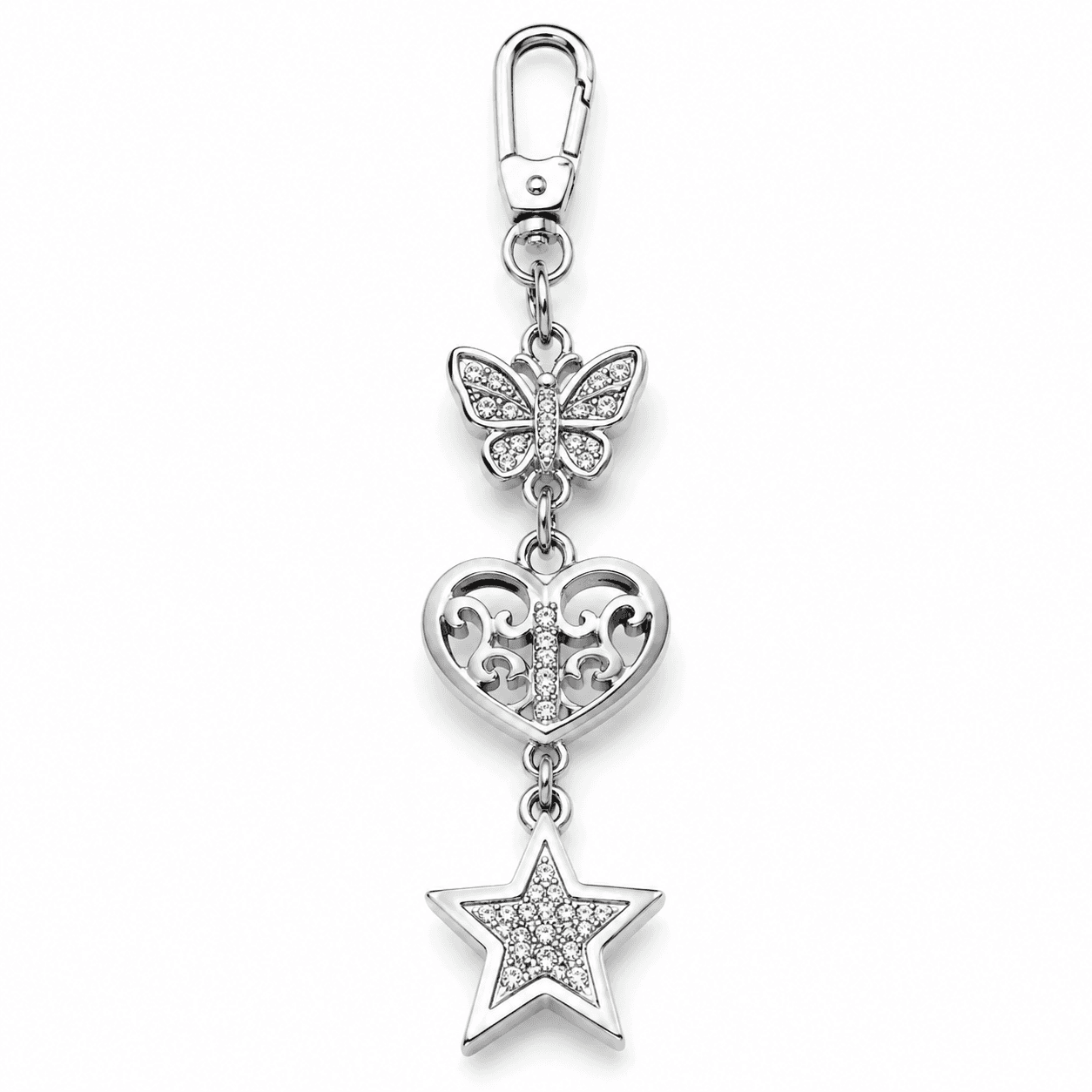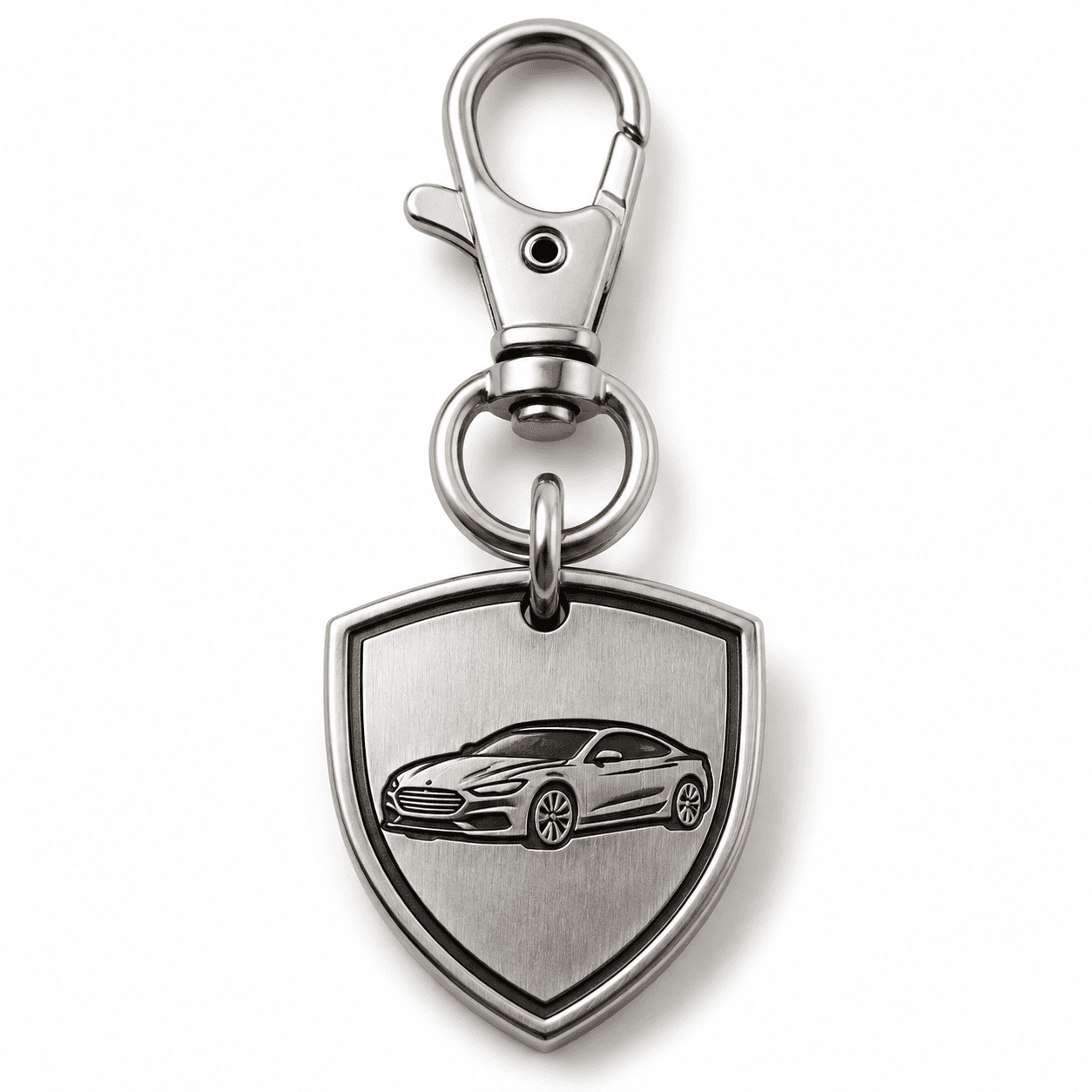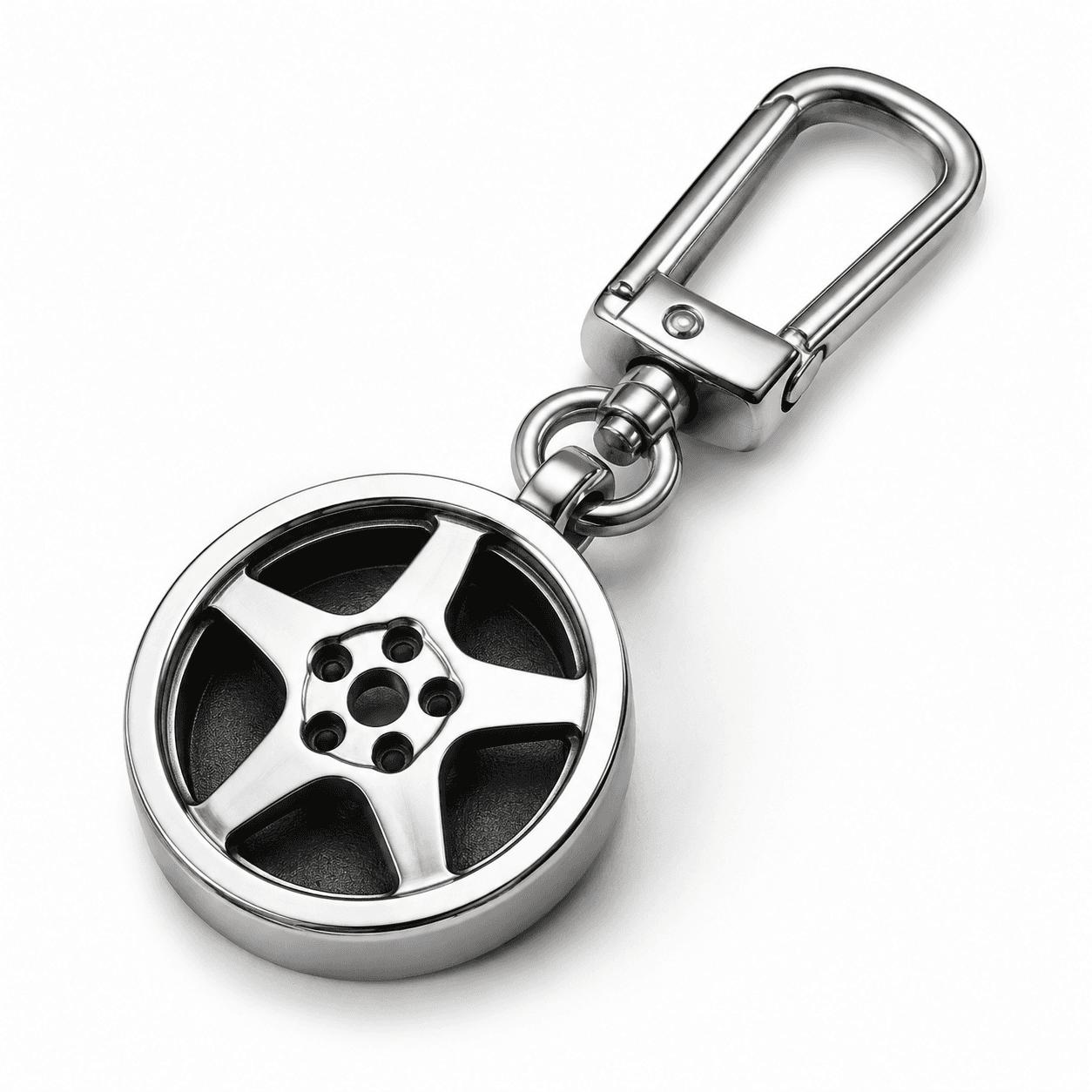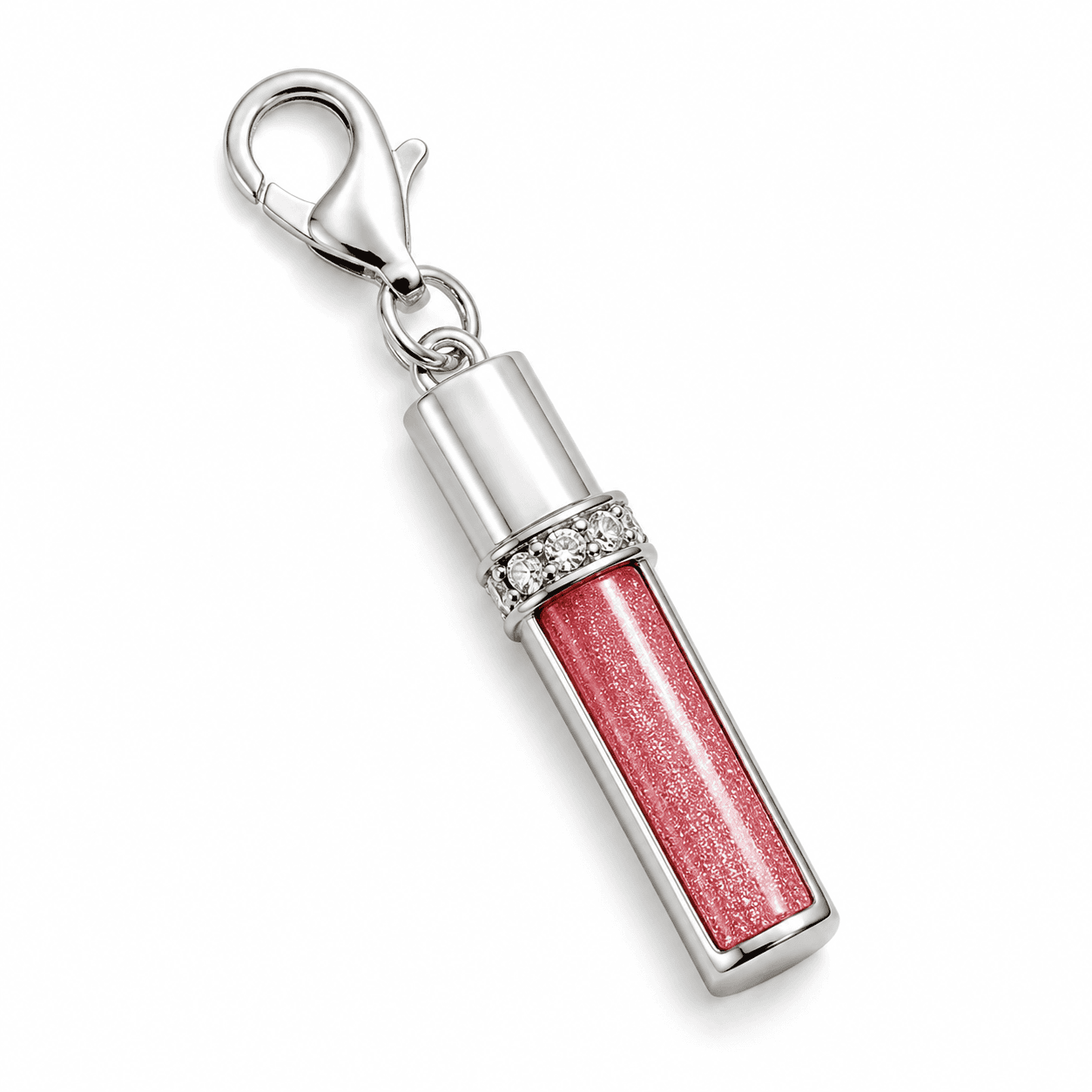
In the fast-evolving world of boutique gift and jewelry programs, a lip gloss charm keychain demands a combination of corrosion resistance, clean aesthetics, and scalable production. For designers who want dependable performance from a single base material, 316L stainless steel provides a proven platform. This technical deep dive focuses on the stainless steel lip gloss charm keychain, unpacking material science, processing nuances, and private-label manufacturing pathways. It also highlights how a modern factory like Lancy Jewelry integrates CNC, laser cutting, laser marking, welding, and polishing to deliver consistent, boutique-ready results across global markets. For readers seeking OEM/ODM capabilities, low MOQ options, and rapid sample development, this article maps the material-to-market journey from concept to final packaging.
Stainless Steel Lip Gloss Charm Keychain: 316L Insights
Why 316L stainless steel is ideal for lip gloss charms
316L stainless steel is widely recognized in jewelry manufacturing for its corrosion resistance, mechanical strength, and compatibility with a variety of finishes. The 316L grade is an austenitic stainless steel variant that contains chromium (CR) and nickel (NI) as primary alloying elements, with a modest amount of molybdenum (MO) to boost pitting resistance in chloride-rich environments. For lip gloss charms, this translates into durability against cosmetic solvents, sweat, and humidity, minimizing surface degradation over extended wear or display periods. The low carbon content (the “L” in 316L) reduces carbide precipitation during welding, which helps preserve corrosion resistance and reduces the risk of sensitization for long-term wear. In a global supply chain, 316L stainless steel also supports consistent sourcing, predictable machinability, and repeatable plating results when paired with PVD or other surface finishes.
Alloy composition and chemistry
A typical 316L formulation includes approximately 16–18% chromium, 10–14% nickel, and 2–3% molybdenum, with carbon kept to very low levels (≤0.03%). The chromium provides a protective oxide layer, nickel stabilizes austenitic structure, and molybdenum enhances resistance to chloride-induced corrosion. The low carbon content minimizes sensitization risk during welding, which is particularly important for components like lobster clasps, jump rings, and bail attachments that may be heat-affected during finishing. For designers, understanding this chemistry helps anticipate how design choices—such as thin wall sections or intricate cutouts—will respond to plating and enameling processes. In addition, 316L’s non-magnetic, biocompatible nature makes it well-suited for accessories that may contact skin or be used near cosmetics without discoloration or irritation concerns when properly plated and finished.
Finish options and compatibility with enamels and crystals
The surface finish sets the visual language of a lip gloss charm keychain. PVD plating (gold, rose gold, or silver tones) provides durable, uniform color deposition with admirable wear resistance. Enamel color filling is a common decorative approach for high-contrast designs, enabling precise color blocks that stand up to handling and cosmetic exposure. Crystal inlay or precision-cut crystals can add sparkle while benefiting from the metal’s hardness. Importantly, 316L stainless steel provides a stable substrate for both enamel and crystal applications; proper preparation—polish, surface cleaning, and primer steps—ensures adhesion and longevity. The combination of 316L substrate with PVD plating and enamel/crystal decoration yields a boutique-ready piece that can withstand the rigors of daily use in lip gloss-themed gift programs and charm bar displays.
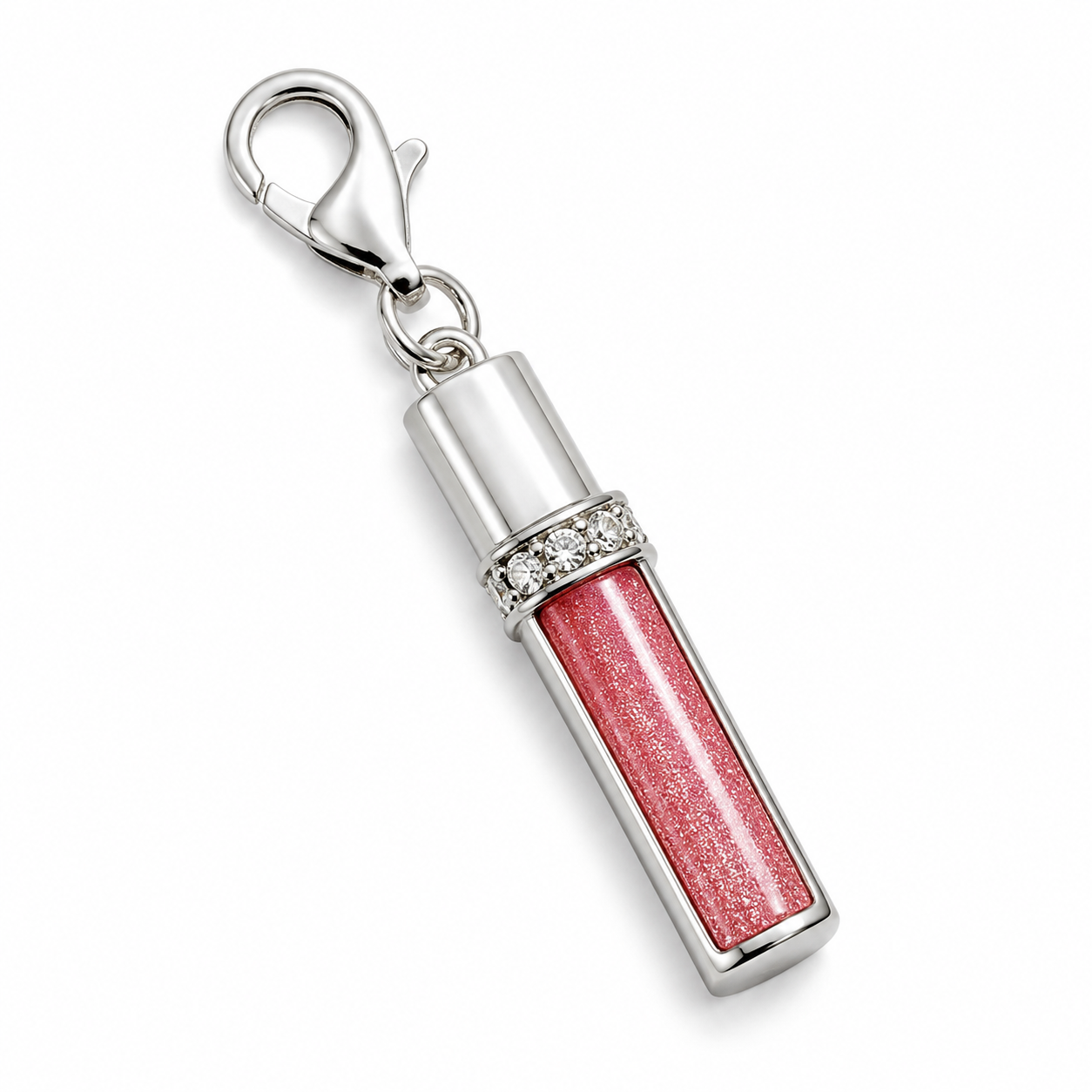
Benefits of 316L Lip Gloss Charm Keychains: Why It Matters
Global market reliability and cross-market applicability
With a 316L stainless steel base and a robust finish strategy, lip gloss charm keychains created by Lancy Jewelry are well-suited to US, EU, UK, AU, CA, DE, FR, ES, NE, and RU markets. The chemistry of 316L translates to consistent performance across climate zones and cosmetic environments, helping brands maintain uniform appearance and durability in wholesale orders and private-label programs. The result is a scalable accessory solution that aligns with boutique retailers, charm bar operators, and gift companies seeking dependable supply chains and predictable lead times.
Certifications and quality control
Quality assurance is central to every Lancy Jewelry program. The factory holds SGS certifications for RoHS, REACH, Nickel Release EN1811, and Salt Spray 240H, which support global compliance, consumer safety, and reliability. These certifications are particularly relevant for lip gloss charm keychains that operate in close contact with cosmetics and skin-contact products. The combination of SGS validation and repeatable 316L properties helps buyers maintain compliance across markets while reducing post-sale quality concerns. For sourcing managers, this reduces risk in RFQ discussions and shortens the path to bulk charm orders or private-label production agreements.
Private-label and OEM/ODM readiness
From conceptual sketch to finished product, Lancy Jewelry supports private-label programs and OEM/ODM development. The capability set includes logo engraving, PVD plating, enamel color filling, crystal setting, sample development, and private-label packaging. These capabilities enable brands to control design language—from initial concept to packaging—without stepping outside the 316L stainless steel base material. For customers evaluating suppliers, the low MOQ support, coupled with consistent plating quality and fast sample development timelines, helps teams test market concepts quickly and move toward scalable production.
Detailed analysis: A Practical Guide to 316L Lip Gloss Charm Keychain Development
Step 1 — Concept to CAD and design feasibility
The development journey begins with a clear concept that translates into manufacturable geometry. Designers should consider bail geometry, jump ring compatibility, and the need for precise holes or loops that real-world hardware can pass through. For a lip gloss keychain, the charm’s silhouette should maintain legibility when reduced to the typical 8–18 mm size range. CAD models must account for wall thickness, fillet radii, and tolerance stacks to ensure smooth assembly and reliable plating coverage. Early collaboration with a trusted OEM/ODM partner—such as a factory with CNC, laser cutting, and laser marking capabilities—helps ensure that the digital design is manufacturable with repeatable results.
Step 2 — Material selection and compatibility with finishes
While 316L stainless steel forms the core, decisions around surface finishes drive the final aesthetic and durability. PVD plating is commonly employed for gold, rose gold, or silver finishes. Enamel fills may be added to achieve color blocks that resonate with lip gloss branding. When combining enamel with PVD, careful process control is required to avoid under- or over-curing enamel, which can affect crack resistance and color fidelity. Crystals or zirconia can be set to add sparkle, but care must be taken to ensure crystal seating remains secure against cosmetic exposure and handling friction. The design should be optimized to maintain a strong anchor for any stone settings and to prevent mechanical interference with the clasp or jump rings.
Step 3 — Finishing: CNC, laser cutting, welding, and polishing
The factory workflow typically includes CNC machining for precise shapes, laser cutting for intricate profiles, and laser marking for logos or serial marks. Welding is used for assembly of components such as jump rings or bail attachments, while polishing achieves a uniform surface that is ready for plating. Each step must be validated to minimize micro-scratches, stress risers, and contamination that could compromise plating adhesion. A robust cleaning and passivation regimen is essential to maintain the metal’s corrosion resistance and to prepare surfaces for PVD deposition or enamel application. Process control metrics—such as surface roughness, notch sensitivity, and oxide layer integrity—are part of the standard QA checklist you should expect from a compliant supplier.
Step 4 — Decoration: enamel filling and crystal inlay
Enamel filling delivers color and branding versatility. The enamel process requires compatible substrate preparation, enamel selection, firing temperature control, and post-fill finishing to achieve a smooth, bubble-free surface. Crystal inlays add premium sparkle but require precise seating and protective overcoats to withstand wear. Each decorative path should consider compatibility with the base metal’s thermal expansion, potential stress concentrations, and long-term adhesion under daily handling and occasional cosmetic contact. Designers should track colorfastness and chipping resistance as part of ongoing QA testing, particularly for lip gloss-related use cases where skin contact and moisture exposure are factors.
Step 5 — Logo engraving and branding accuracy
Logo engraving adds a layer of brand identity and traceability. Laser engraving on 316L stainless steel must balance depth and readability with surface finish quality. For private-label programs, ensure that the engraving resolution remains legible after enamel filling or plating, and verify that the engraved mark survives the chosen finishing process. A controlled engraving workflow helps maintain consistency across large production runs and reduces rework in RFQ cycles.
Step 6 — Assembly, testing, and packaging
After decoration, assembly combines the charm with clasps, jump rings, and optional key-ring hardware. The assembly stage should verify that all components connect through real holes or loops and that nothing interferes with the mechanism’s movement or the charm’s silhouette. QA testing should include visual inspection, surface cleanliness, plating uniformity, and functional checks for the clasp and ring. Packaging should reflect boutique expectations, including protective inserts, anti-tarnish treatments if needed, and private-label branding aligned with the customer’s packaging spec. Private-label packaging can help reduce post-sale returns by reinforcing perceived value and ensuring consistent brand storytelling across retailers.
Step 7 — Private-label and MOQ considerations
Low MOQ charm production is a crucial selling point for designers testing new lip gloss concepts or launching limited-edition programs. The production plan should align with your RFQ or MOQ targets, while still enabling meaningful sample development cycles. When working with a trusted partner, you can negotiate MOQs that balance design iteration speed with manufacturing efficiency, ensuring that initial market tests translate into scalable wholesale or private-label orders.
FAQ: Common Questions About 316L Stainless Lip Gloss Charm Keychains
Q1: What makes 316L stainless steel suitable for lip gloss charms?
A1: 316L’s corrosion resistance, low carbon content, and compatibility with PVD finishes make it ideal for cosmetic contexts. Its chemistry supports durable plating, reliable enamel adhesion, and crystal settings, while its non-magnetic and skin-friendly properties help minimize irritation concerns in consumer use. For brands pursuing long-term performance across global markets, 316L provides a dependable baseline that supports consistent production outcomes and regulatory compliance across regions.
Q2: What are typical lead times and MOQs for private-label lip gloss charm keychains?
A2: Lead times vary with decoration complexity (enamel, crystals, engraving) and plating schedules. A capable OEM/ODM partner can offer low MOQs to support private-label launches and sample development workflows, while scaling to bulk charm orders for wholesale programs. Buyers should discuss RFQ timelines with the supplier and align production slots with seasonal campaigns or gift program cadences. For detailed timelines and MOQs, you can request a quote through the supplier’s OEM channel.
Q3: Can we add our logo and branding to 316L lip gloss charms?
A3: Yes. Logo engraving or laser marking is a common capability in modern charm factories. When adding branding, consider engraving depth, positioning, and compatibility with the chosen finish (PVD, enamel). The engraving should remain legible after enamel fills and plating, ensuring consistent identity across batches and market launches. This capability is a core driver of private-label success and helps brands maintain cohesive on-shelf branding.
Q4: Are enamel colors and crystals durable with cosmetics and normal handling?
A4: Enamel color filling offers vibrant visuals but requires proper process controls to avoid cracking or fading in daily wear. Crystal inlays provide premium sparkle but must be securely seated and protected with appropriate coatings. With proper substrate preparation, select enamel systems, and controlled firing conditions, 316L lip gloss charms can withstand cosmetic exposure, humidity, and typical handling associated with lip gloss packaging and charm bar usage.
Call to Action: Partner With Lancy Jewelry
For designers and sourcing managers seeking a reliable, factory-direct partner, Lancy Jewelry offers a robust path from concept to market. Our modern facility includes CNC, laser cutting, laser marking, welding, and polishing capabilities, complemented by SGS-certified processes for RoHS, REACH, Nickel Release EN1811, and Salt Spray 240H. We provide OEM/ODM development, logo engraving, PVD plating, enamel filling, crystal setting, private-label packaging, and comprehensive sample support. If you’re ready to explore private-label opportunities, request a quote or begin a discussion with our team through the following routes:
- OEM capabilities: OEM
- Product catalog and base options: All Products
- RFQ / inquiry: Request a Quote
- Sales contact: Contact
Whether you’re designing a new lip gloss-themed charm bar or expanding a private-label gift program, Lancy Jewelry provides a clear, executable path from concept to consumer. Learn more about how we support low MOQ charm production, consistent plating, and fast sample development by connecting with our team to discuss your design brief and packaging needs. Partner with us today and move from concept to market with confidence.