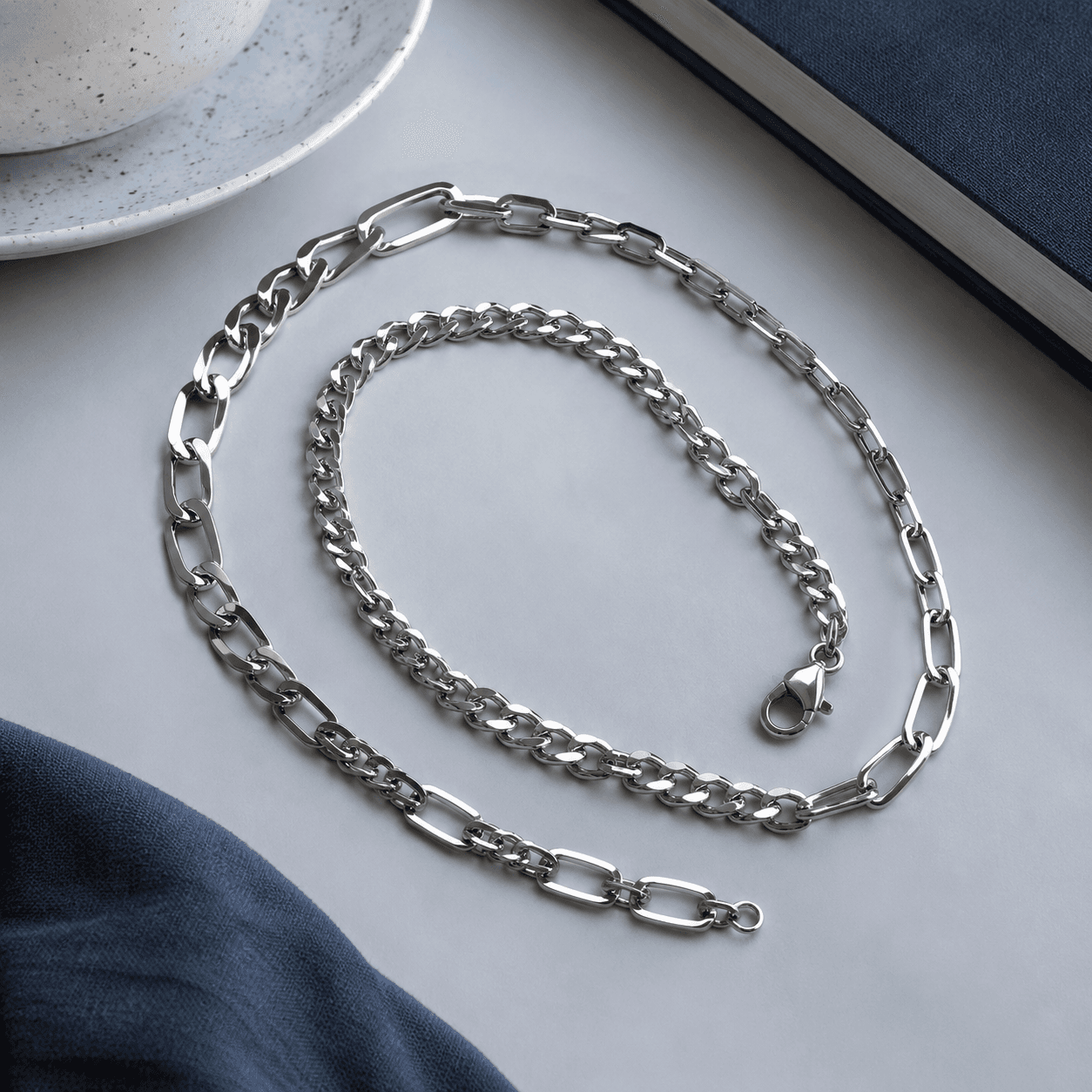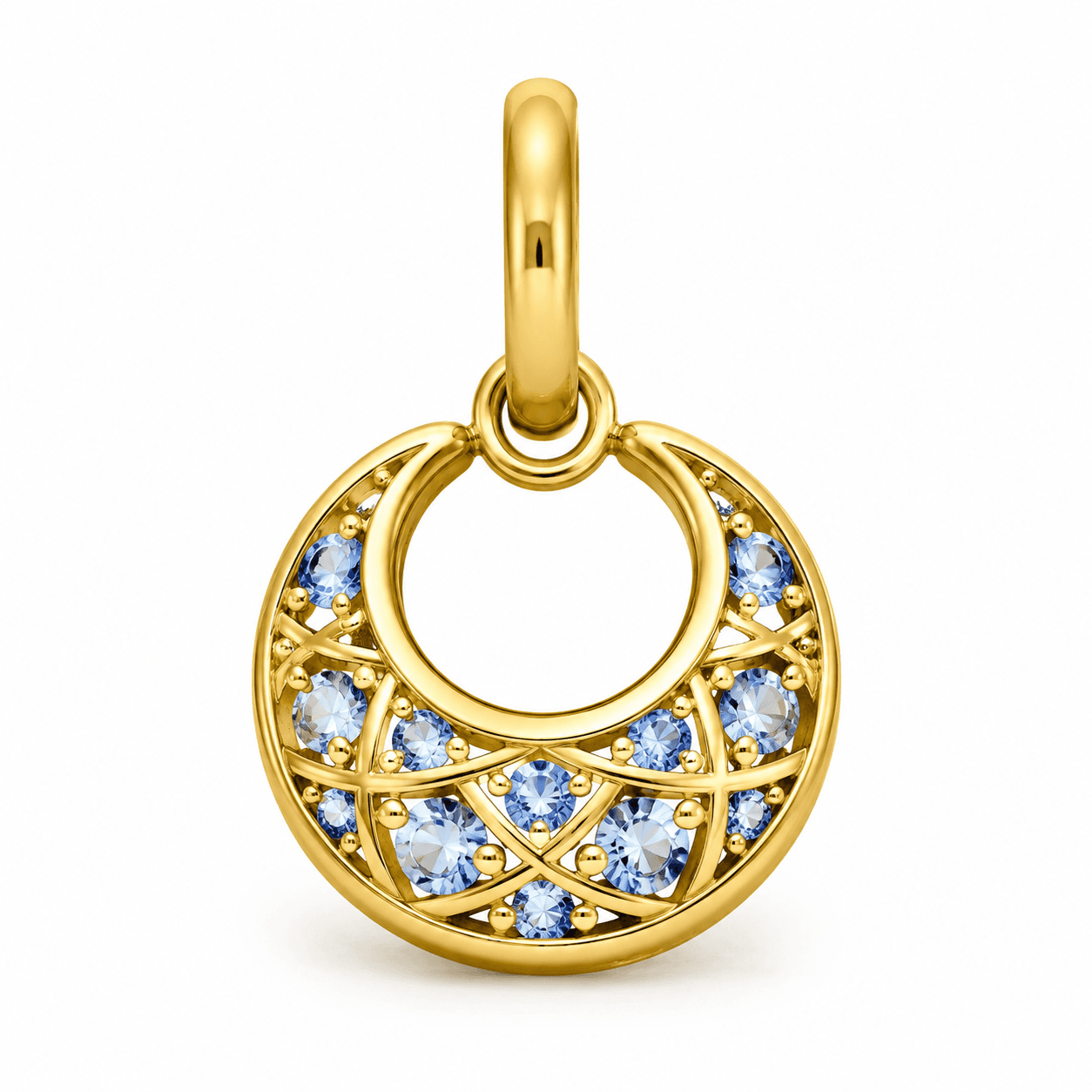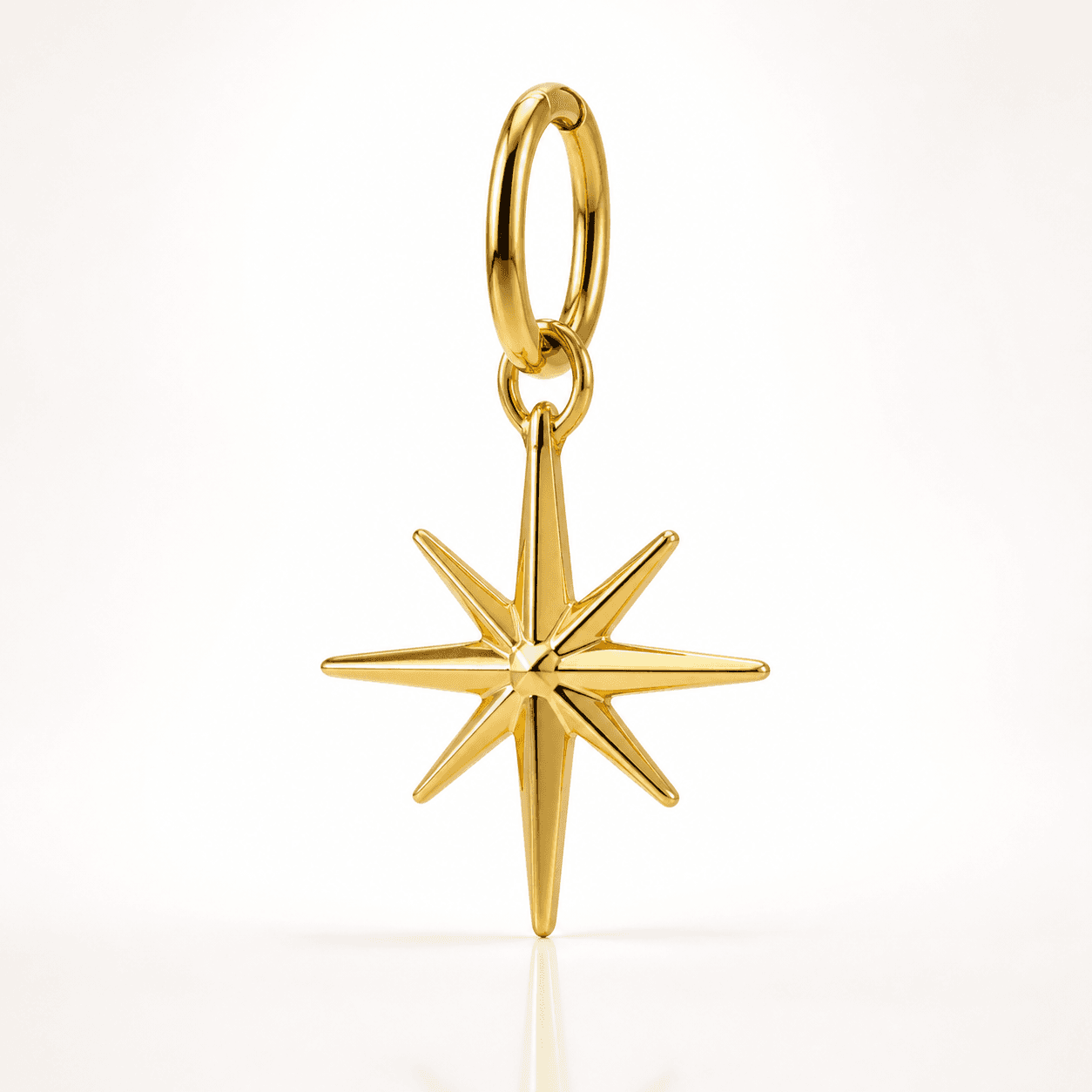
In today’s boutique-brand procurement landscape, securing reliable stainless steel gold keychain charms requires a disciplined, evidence-backed approach to finishing choices, supplier documentation, and compliance. This sourcing guide from Lancy Jewelry outlines a step-by-step process for global procurement teams to evaluate 316L stainless steel charms suppliers, with a focus on PVD coatings, electroplating, polishing, and surface treatments that deliver consistent boutique-ready results.
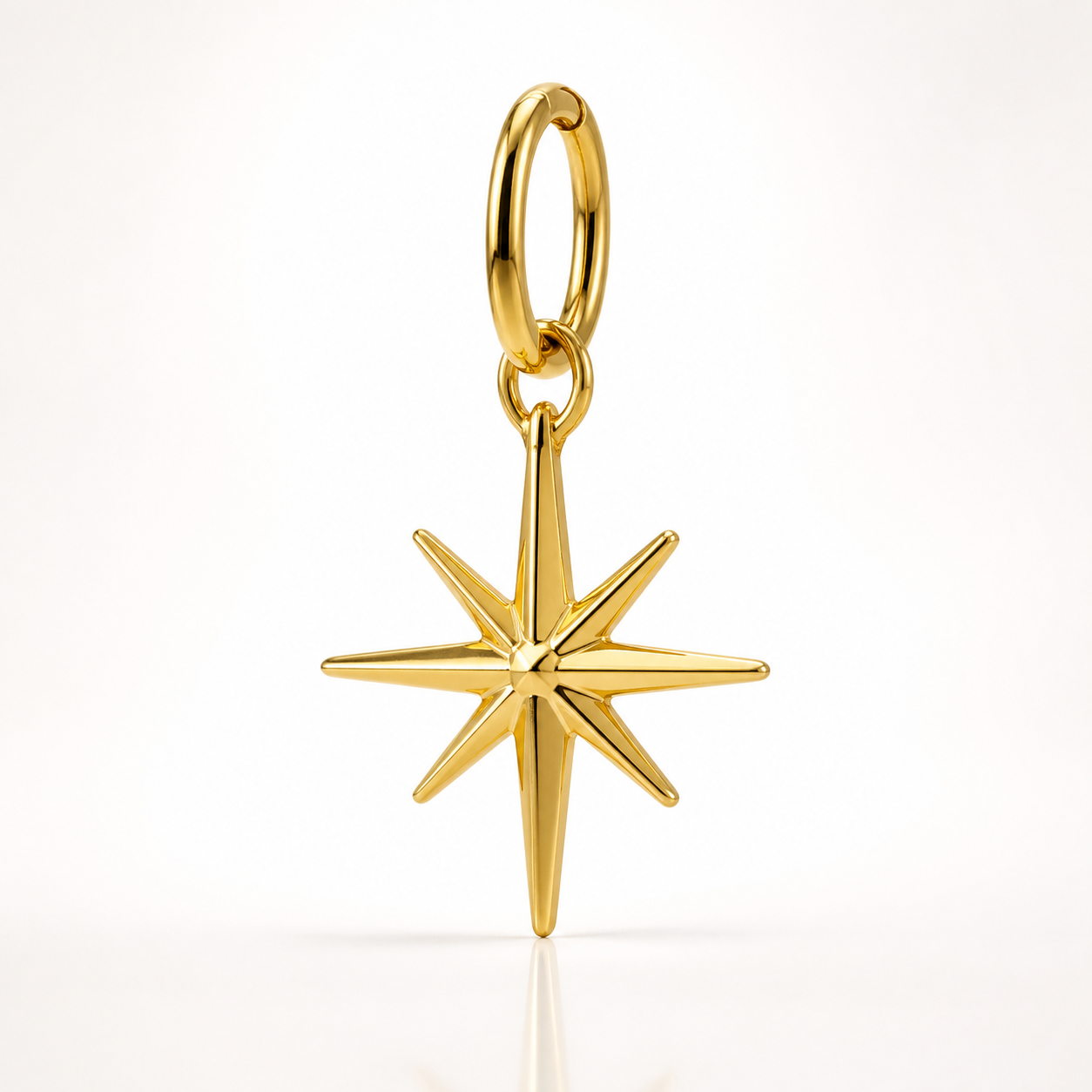
Stainless Steel Gold Keychain Charms: PVD & Plating
Understanding finishing options
Finishing options for stainless steel charms typically include PVD (physical vapor deposition) coatings, electroplating (including traditional gold-tone plating), and a range of surface treatments such as polishing and enamel filling. PVD provides a hard, wear-resistant color layer that adheres well to 316L stainless steel and resists chipping or fading in everyday use. Electroplating can offer rich gold tones but may require more maintenance against wear over time. For global brands, choosing between PVD and electroplating involves evaluating color stability, abrasion resistance, batch consistency, and supplier capability to control coating thickness across large runs.
PVD coating advantages
PVD-coated stainless steel charms are ideal for private-label programs seeking durable color with repeatable finishes. Key advantages include: superior adhesion to 316L substrates, excellent color uniformity across batches, and resistance to tarnish and scratches in typical wear. When engaging a supplier, confirm target coating thickness ranges (measured in microns) and color standards, and request independent test reports to verify performance claims.
Electroplating and color options
Electroplated gold, rose gold, or silver finishes remain common and can be a cost-effective solution for larger orders. Suppliers should provide plating thickness tolerances, visual color proofs, and adhesion test results. For specification clarity, request a plating map that shows where the finish is applied (entire charm versus selective areas) and document any masking processes used to protect recessed engravings or enamel fills.
Polishing and surface treatment
Polishing quality influences both tactile feel and visual appeal. A consistent satin or mirror finish should be achievable across production lots. Surface treatments may also include protective clear coats or passivation steps to preserve corrosion resistance and minimize fingerprinting in mass market packaging. Verify the supplier’s post-polish inspection routine and provide targets for surface roughness (Ra) and defect rates.
Why finishing matters: quality, compliance and risk management
Certifications and compliance
Reliable suppliers should carry independent certifications that support global compliance. At minimum, verify SGS certifications for RoHS, REACH, Nickel Release EN1811, and Salt Spray 240H. These attest to low nickel migration, chemical safety, and corrosion resistance—critical factors for 316L stainless steel charms intended for worldwide markets. Documented factory audits, child-labor policies, and chain-of-custody practices also matter for long-term supplier relationships.
Audits and ongoing quality control
Ask for detailed quality-control plans, including raw-material traceability, in-process inspection checkpoints, and finished-goods sampling criteria. A reputable OEM/ODM partner should provide batch records, coating thickness verification, and nonconforming-material handling procedures. When possible, request third-party test results or a recent supplier audit report to support your supplier evaluation framework.
Detailed sourcing guide: Step-by-step
- Define precise specifications — Determine the charm size (e.g., 8–18 mm range as common for keychains), bail type, hole diameter, polishing level, and whether the finish is PVD gold or electroplated gold. Capture tolerance bands for dimensions, weight, and coating thickness. Specify packaging and labeling requirements for private-label programs.
- Choose finishing method aligned with brand needs — Assess whether PVD coating or electroplating best suits your product lifecycle, branding color stability, and maintenance expectations. For high-rotation programs, prioritize PVD for durability; for cost-sensitive programs with shorter lifecycle, electroplating may suffice. Include a decision rubric in your supplier brief.
- Request and review documentation — Obtain SGS certificates, RoHS and REACH declarations, EN1811 Nickel Release data, Salt Spray 240H results, and any internal process control documents. Require factory-floor photos or process flowcharts showing the PVD or electroplating steps, cleaning protocols, and passivation details.
- Evaluate supplier capabilities — Confirm the supplier’s equipment footprint (CNC, laser cutting, laser marking, welding, polishing) and whether their facility can support OEM/ODM development, logo engraving, enamel filling, crystal inlay, and private-label packaging. Validate their ability to maintain consistent plating quality across multiple lots.
- Request samples and define a sample-development plan — Initiate a formal sample development with a defined lead time, including at least one production-like sample in the chosen finish. Track sample cost, if any, and set expectations for private-label packaging samples alongside the charm sample.
- Assess coating quality and color stability — Examine coating thickness, color uniformity, and adhesion. Request cross-section inspections or magnified images comparing sample-to-production lot color and texture. Confirm color-matching processes with batch-control measures and color tolerance documents.
- Review packaging and private-label options — For boutique programs, discuss private-label packaging, branding insert, and carton design. Confirm minimums for private-label packaging, branding rights, and lead times for packaging changes or rebrands. Include a packaging spec sheet in the RFP (Request for Proposal).
- Verify lead times, MOQs, and pricing — Establish reasonable MOQs for initial orders, considering SKU diversification. Compare unit costs across finishes, note any setup charges, and confirm payment terms aligned with your procurement policy. Ensure the supplier can meet periodic bulk charm orders or seasonal demand spikes.
- Define quality-control and acceptance criteria — Create a written QC acceptance plan with predetermined defect allowances, coating-check protocols, and sampling plans (e.g., AQL levels). Ensure a clear process for returns, replacements, or credits for nonconforming lots.
- Plan audits and supply-chain resilience — Consider on-site or virtual factory tours, particularly for long-term partnerships. Discuss supply continuity plans, alternate material sources, and contingency options for raw-material shortages or shipping disruptions.
- Finalize the contract and launch — Align OEM/ODM terms, private-label scope, and NDA where needed. Attach a formal specification sheet, coating-standards document, and packaging guide. Prepare for the initial purchase-order (PO) with defined milestones and a ramp-up plan.
- Initiate production with a controlled ramp — Start with a controlled production ramp to validate consistency across pre-production samples, then scale to full-grade production. Maintain ongoing communication channels and reporting cadence with the supplier.
Throughout this process, maintain a clear record of all documents and communications. A well-documented sourcing workflow supports audit readiness and minimizes risk for global distribution. When in doubt, reference our OEM Service and Request a Quote channels to align expectations and kick-start the partnership. For ongoing catalog exploration, you can also browse the All Products page to understand current capabilities and finishes.
FAQ
What is PVD plating and why is it used on stainless steel charms?
PVD stands for physical vapor deposition, a vacuum-based coating process that creates a hard, durable, and uniform color layer on metal substrates such as 316L stainless steel. PVD coatings resist wear, tarnish, and chipping better than many conventional electroplated finishes, making them an ideal choice for high-use items like keychain charms that accompany everyday wear.
What documentation should I request from a stainless steel charms supplier?
Request SGS certifications (RoHS, REACH, Nickel Release EN1811, Salt Spray 240H), material specifications for 316L stainless steel, coating-thickness tolerances, adhesion test results, and process-flow documentation. Also seek QC plans, batch-traceability records, and any applicable test reports for corrosion resistance and color stability.
How should I evaluate private-label packaging options?
Clarify packaging materials, branding options, insert cards, carton size, and labeling requirements. Confirm MOQs for private-label packaging, setup charges, and the ability to scale packaging with product launches. Align packaging specs with brand guidelines and regional labeling regulations where applicable.
What is sample development timeline and why does it matter?
A defined sample-development timeline ensures consistent interpretation of specs and helps prevent schedule slippage. Request a written sample-approval plan, including lead times, costs (if any), and acceptance criteria for the first production-grade sample before mass production begins.
Partner With Us
As a leading stainless steel charms manufacturer, Lancy Jewelry offers OEM/ODM development, logo engraving, PVD plating, enamel filling, crystal inlay, private-label packaging, and fast sample development. Our modern facility supports CNC, laser cutting, laser marking, welding, and meticulous surface finishing. We invite procurement teams to engage via our OEM Service or to initiate a RFQ through Request a Quote. You can also contact our team for tailored solutions, including private-label programs and bulk charm orders. For catalog browsing, visit All Products to explore current finishes and capabilities.