Stainless steel keychain charms in bulk: Sourcing guide for procurement teams
When your private-label program or boutique brand plans to scale with bulk stainless steel keychain charms, a meticulous supplier evaluation becomes a competitive advantage. This deep-dive guide is crafted for procurement teams who oversee vendor vetting, documentation, and audits. It emphasizes materials science—specifically 316L stainless steel chemistry—alongside practical steps to ensure compliance, consistent quality, and a smooth sample-to-production transition. For buyers seeking a reliable OEM/ODM partner, this guide highlights what to ask, what to test, and how to document every step from supplier selection to mass production. If you are evaluating suppliers, consider bookmarking our OEM service page for aligned capabilities and private-label packaging options: OEM Service. You may also browse the catalog to understand the base offerings: All Products or reach out directly via our contact form: Contact.
Main topic: stainless steel keychain charms in bulk
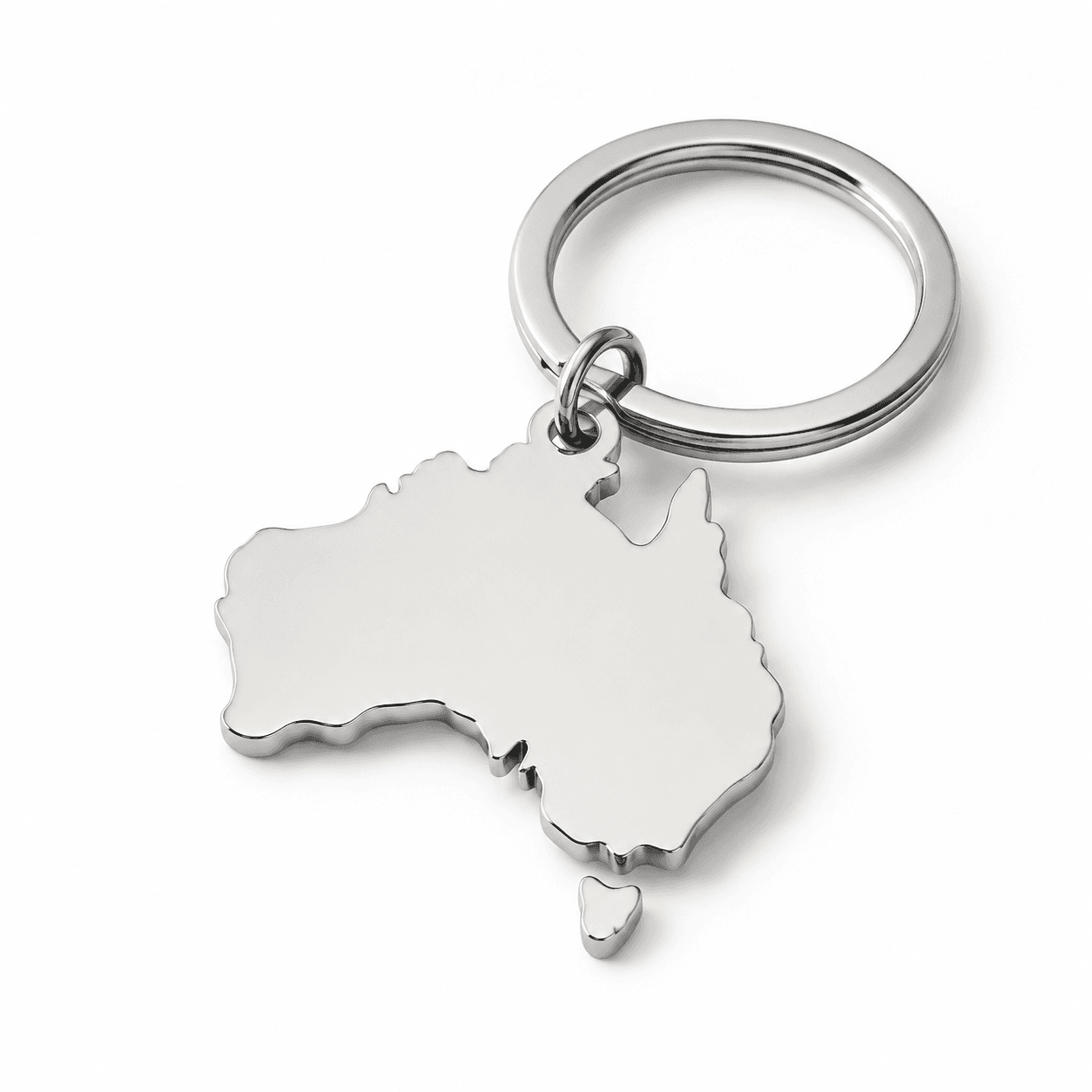
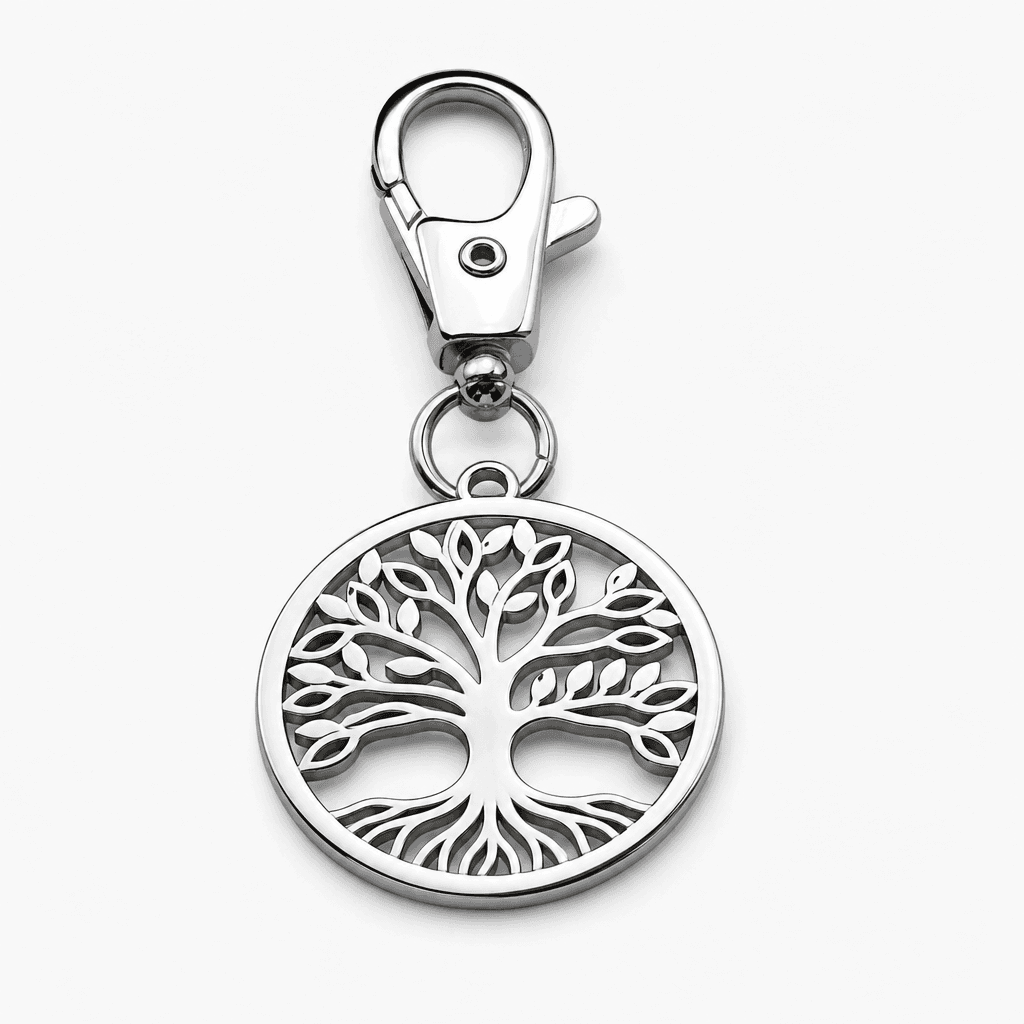
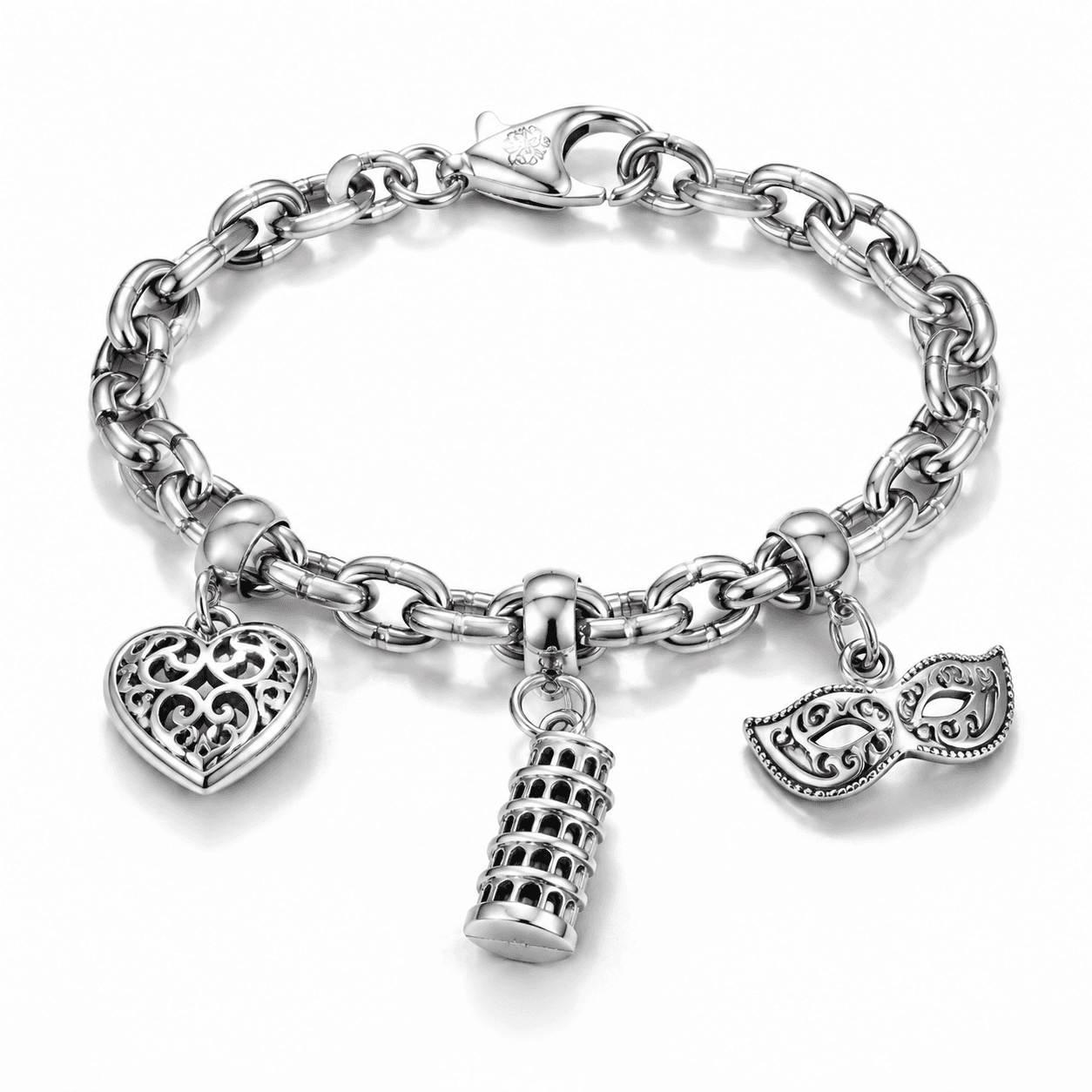
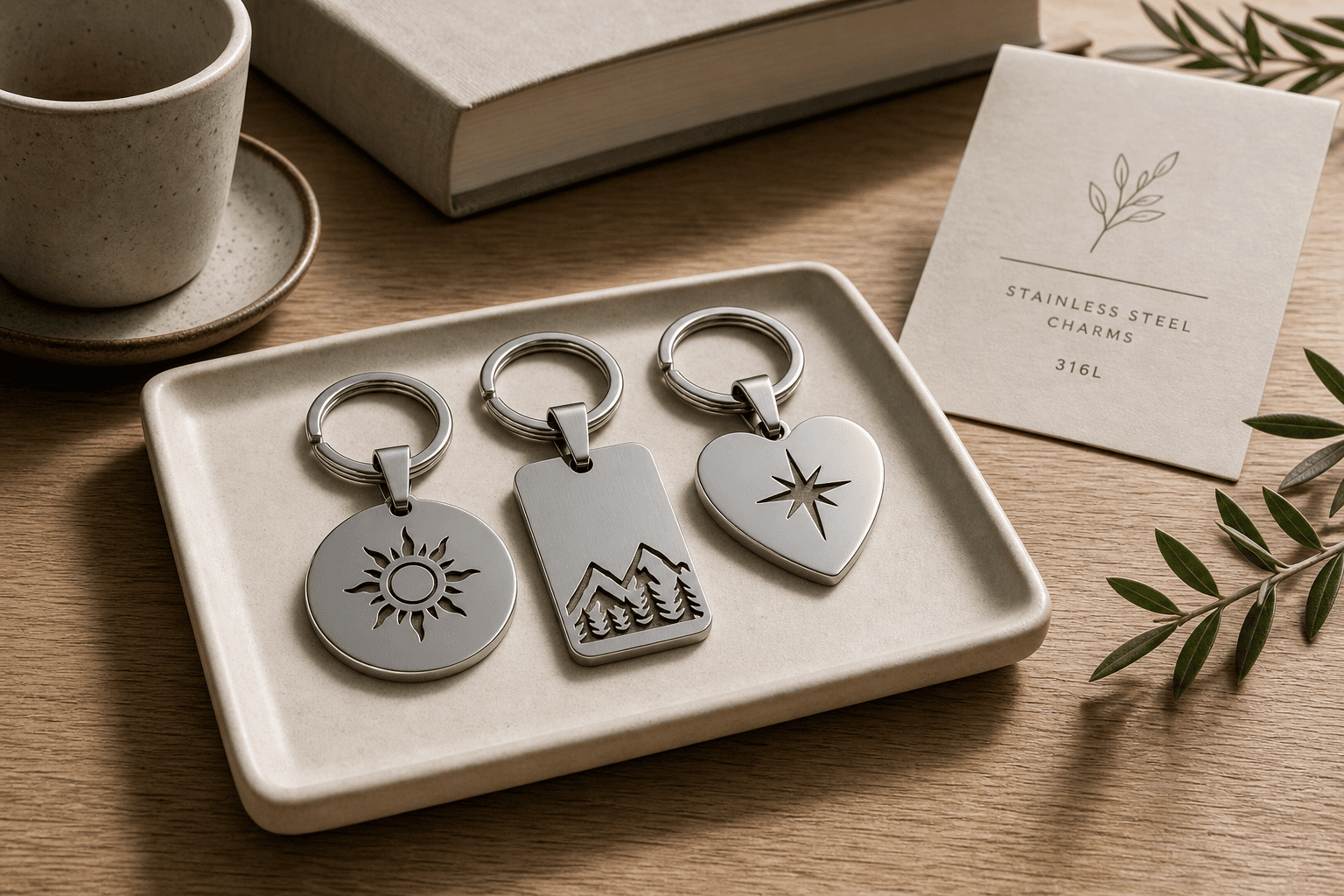
Bulk keychain charms are a high-volume, high-margin product category when produced from 316L stainless steel. The material’s corrosion resistance, biocompatibility considerations, and compatible finishes—PVD plating (gold, rose gold, silver), enamel, and crystal inlay—make it a versatile base for private-label programs and wholesale orders. As a globally distributed supplier, Lancy Jewelry operates as a 316L stainless steel charms manufacturer with modern CNC, laser cutting, laser marking, welding, and polishing capabilities to support both OEM and ODM engagements. Our certifications (SGS with RoHS, REACH, Nickel Release EN1811, and Salt Spray 240H) provide a baseline of compliance that buyers can rely on during audits and supplier questionnaires.
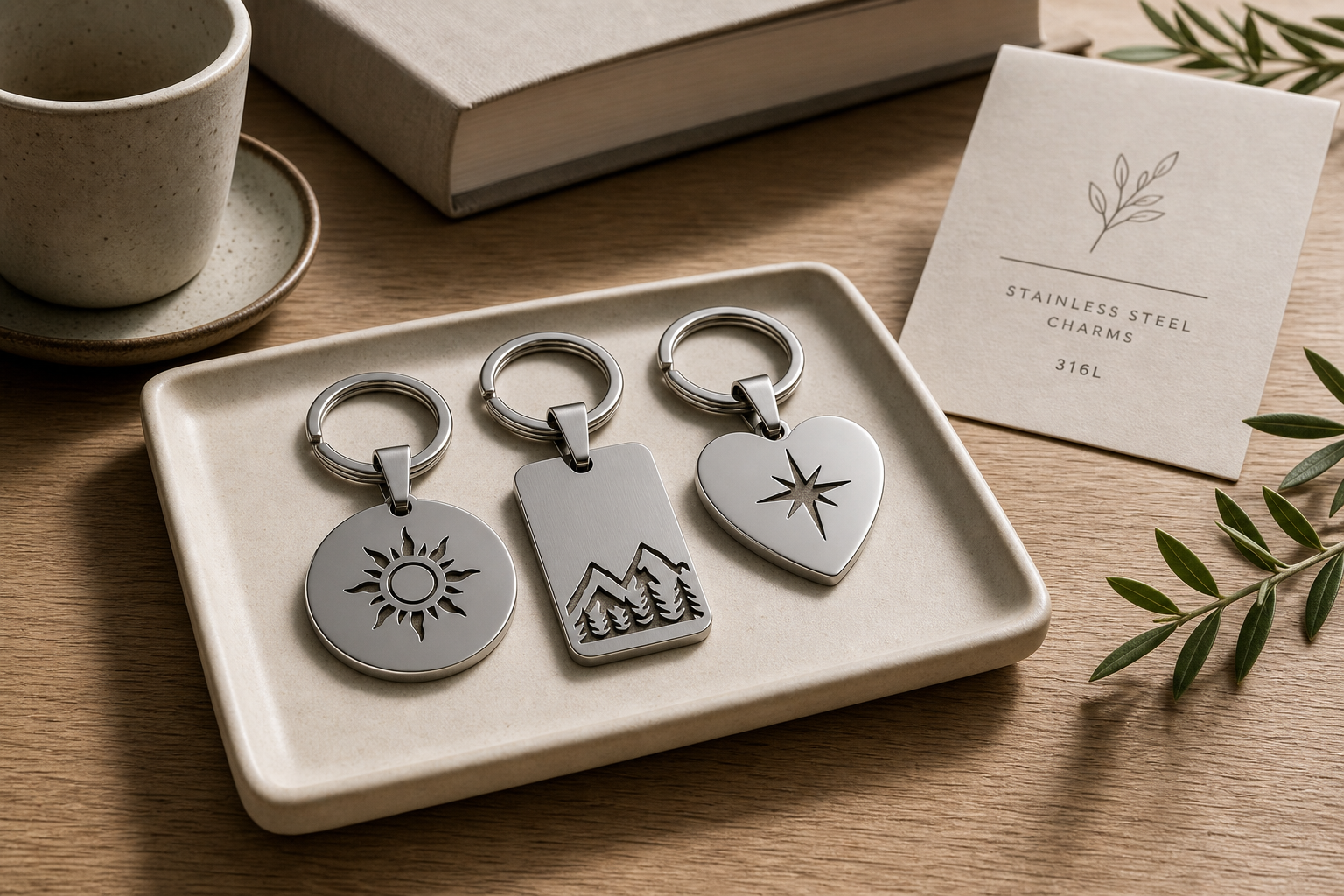
Key materials and alloy considerations for bulk stainless steel charms
The core material remains 316L stainless steel for all Lancy-produced charms. 316L is an ultra-low-carbon variant of 316 stainless steel, offering excellent weldability and reduced risk of sensitization during heat treatment. Typical alloy composition for 316L stainless steel includes approximately 16-18% chromium, 10-14% nickel, and 2-3% molybdenum, with carbon kept at very low levels (<0.03%) to improve corrosion resistance. In bulk charm production, this chemistry yields:
- Superior resistance to salt spray and marine atmospheres, critical for global distribution.
- Consistent mechanical properties across large lots, aiding in stable plating adhesion and enamel filling.
- Predictable polishing outcomes and surface finishes when using CNC and laser-assisted processes.
Variations in the 316L chemistry can occur by supplier tolerance bands, but reputable manufacturers disclose COAs and rely on third-party labs to verify inclusions, nickels, and chromium content. For buyers, request the material certificate and the test reports that verify composition and RoHS/REACH compliance. When evaluating a supplier, prioritize those who can present COA, material test reports, and third-party lab verifications for each lot or batch.
Finishes and secondary processes that affect bulk pricing
316L stainless steel charms can be finished in several ways, each impacting cost, lead times, and performance:
- PVD plating (gold, rose gold, silver): provides durable, uniform color with good wear resistance. Variations in coating thickness can affect weight and color depth across batches.
- Enamel color filling: enables vibrant hues but requires precise gap control and curing conditions to avoid chipping or crazing.
- Crystal inlay: adds sparkle and premium aesthetic; it requires secure setting methods and may affect yield loss if stones are rejected during QA.
When negotiating with suppliers, discuss standard finishes, coating thickness targets (in microns), enamel color matching, and crystal-setting tolerances. For buyers who need consistent cross-market appearance, request color charts and finish tolerance documents to align on a single standard for all production lots.
Benefits/Why it matters
Key benefits for procurement teams
- Consistent plating quality across bulk orders, reducing rework and returns.
- Low MOQ charm production support to enable private-label programs without tying up capital in inventory.
- Private-label packaging options and branding readiness for boutique brands and gift programs.
- Transparent documentation and audits to support supplier risk management and cross-border compliance.
- Accurate sample development cycles to shorten time-to-market for new charm collections.
From a compliance perspective, choose suppliers who maintain SGS-certified processes and can demonstrate RoHS, REACH, and Nickel Release EN1811 test results. This reduces compliance risk in markets with strict nickel sensitivity norms and consumer safety requirements.
Detailed analysis/Guide
Step 1: Define your material and production specs
Begin with a written spec covering material (316L stainless steel), recommended finishes (PVD gold, silver, rose gold; enamel; crystal inlay), and required tolerances. Include the following details:
- Base material: 316L stainless steel charms only.
- Minimum wall thickness and bail/loop dimensions to ensure compatibility with your existing chain or bracelet designs.
- Finish variants and plating thickness targets (e.g., 0.2-0.5 microns for PVD; enamel color codes).
- Photographic or dimensional references for the complete outer silhouette and the drilling/holes through which rings or clasps will pass.
Clear specs enable faster quotes and reduce the risk of misinterpretation during bulk production. If you need help translating design intent into technical specs, consider liaising with a partner who offers OEM/ODM capabilities and sample development support.
Step 2: Vet suppliers with a structured questionnaire
A robust vendor vetting process should cover: factory capabilities, certifications, quality management approach, and document governance. Useful questions include:
- Can you provide SGS certifications and test reports for RoHS, REACH, Nickel Release EN1811, and Salt Spray 240H?
- Do you have CNC, laser cutting, laser marking, welding, and polishing capabilities? What are your typical throughput and lead times?
- What is your MOQ for 316L stainless steel charms, and what are the pricing tiers for various volumes?
- What are your packaging options for private-label programs, and can you support custom labels and branding?
- Do you offer sample development and fast-track prototyping? What is the typical timeline from approval to first production run?
Documented answers and supporting evidence (COAs, lab reports, process flow diagrams) are essential. This is where a partner who can deliver both OEM/ODM capabilities and private-label packaging shines, as they can align development milestones with your internal audits and vendor qualification processes.
Step 3: Material chemistry and testing strategy
Understanding the chemistry helps you predict performance across markets. For 316L stainless steel charms, focus on:
- Chromium content for corrosion resistance (typically ~16-18%)
- Nickel content for corrosion resistance and formability (roughly ~10-14%)
- Molybdenum content to enhance pitting resistance (2-3%)
- Carbon content kept very low to maintain corrosion resistance
Your testing plan should include a material certificate, third-party lab verifications, and nickel release testing to comply with market-specific regulations. For bulk orders, ensure that each batch can be traced to a certificate and that testing samples are retained for QA review.
Step 4: Compliance and documentation
Global buyers need robust documentation. Key documents include:
- Material COA (Certificate of Analytics) with 316L composition ranges
- RoHS/REACH compliance statement
- Nickel release test results (EN1811)
- Salt spray (AASS) or corrosion resistance data
- Process capability data for plating, enamel filling, and crystal setting
- Audit reports or factory visit summaries if available
Ask potential suppliers to align with your internal supplier qualification process. A partner with an established OEM/ODM workflow and documented quality controls can streamline audits and supplier performance reviews.
Step 5: Sample development and timeline
Sample development is a critical bridge from concept to production. A typical path includes:
- Prototype charm in raw 316L material to validate shape and tolerances
- First sample with plating and finishes for visual approval
- Color matching for enamel fills and evaluation of crystal-setting quality
- Second sample with final finishes and packaging mock-ups for label review
Lead times vary by finish complexity and tooling needs, but a well-organized ODM or OEM partner can reduce cycles to a few weeks. For buyers seeking speed-to-market, ensure that the supplier can support a formal sample development process and keep you apprised of progress with stage gates.
Step 6: Quality, plating consistency, and process controls
Quality control in bulk orders hinges on repeatable processes and stringent process controls. Key controls include:
- Plating thickness and uniformity across batches
- Adhesion tests for enamel and crystal settings
- Dimensional accuracy checks for bail holes, jump rings, and connectors
- Visual inspection for finish consistency and absence of surface defects
A reliable supplier will document these controls and provide batch-level QA data. For brand-protection and long-term cost control, root-cause analysis and corrective action plans should accompany any defect incidents.
Step 7: Private-label packaging and branding readiness
For boutique brands and gift programs, private-label packaging is a value-add that often differentiates you in the market. Opportunities include customized inner packaging, branded hangtags, and coordinated colorways for enamel finishes. When negotiating, clarify lead times for packaging development, minimums for packaging quantities, and whether packaging options are available on a per-batch or per-project basis. A vendor that understands private-label needs can seamlessly align packaging with your product line and marketing calendar.
FAQ
Q1: What are typical MOQs for bulk stainless steel keychain charms, and can you accommodate low MOQ requests?
A practical answer is that MOQs vary by design, finish, and tooling requirements. Reputable manufacturers can offer low MOQ charm production for prototype runs or private-label launches, with scalable options as orders grow. If your program requires flexibility, discuss minimums, tiered pricing, and lead-time implications with the supplier. For ongoing private-label partnerships, confirm whether there is a dedicated MOA or framework agreement to preserve pricing stability over multiple runs.
Q2: How do I verify a supplier’s 316L composition and compliance?
Request the COA and material test reports, preferably from an independent third-party laboratory. Verify RoHS/REACH compliance and confirm Nickel Release EN1811 test results. For cross-border programs, ask the supplier to provide documented traceability for each lot or batch, along with any relevant certificates and audit records. A supplier with SGS-certified processes and a strong sample development track record is typically better equipped to support global buyers.
Q3: What is the typical sample development timeline for a new keychain charm in bulk?
Timeline varies by finish complexity and tooling. A straightforward variant with a standard finish can move from concept to first production sample in approximately 2-4 weeks, assuming rapid approval at each stage. For ODM projects involving enamel colors or crystal inlays, plan an additional 1-2 weeks for visual validation and color matching. Establish stage gates with your supplier to maintain visibility and mitigate schedule risk.
Q4: What evidence should I request for packaging and private-label readiness?
Ask for packaging specs, branding mock-ups, and labeling guidelines. Request photos or proofs of the packaging configuration, as well as quantities and delivery timelines for packaging materials. Confirm whether packaging development is part of the OEM/ODM engagement or requires a separate packaging contract. A reliable partner should be able to provide private-label packaging options and coordinate with your marketing calendar.
Call to action: Partner with us
For global procurement teams seeking a trusted 316L stainless steel charms manufacturer with OEM/ODM capabilities, Lancy Jewelry offers a complete solution: robust material science, controlled plating, enamel and crystal options, and private-label packaging. We operate a modern facility with CNC, laser cutting, laser marking, welding, and polishing, and we hold SGS certifications for RoHS, REACH, Nickel Release EN1811, and Salt Spray 240H. Our OEM service supports private-label programs, and we provide sample development to de-risk early production. If you are planning bulk charm orders or want to initiate a private-label program, start with our catalog to review available 316L stainless steel charms: All Products, then reach out to our team through Contact or request a formal quote via Request a Quote.
Notes on cross-market applicability
This guide is designed for a global audience. The focus on 316L stainless steel ensures broad market compatibility, including the US, EU, UK, AU, CA, DE, FR, SP, NE, and RU. Plating options (PVD) and finishes are widely accepted internationally when properly documented with material tests and compliance certificates. In all regions, the emphasis should be on traceability, consistent quality, and transparent documentation to enable smooth audits and regulatory reviews.