For jewelry designers sourcing Chinese zodiac charms wholesale, the finish is more than a visual detail. It influences perceived product quality, color consistency across a collection, maintenance requirements, and the overall suitability of a design for boutique retail. A well-planned finish can also help a twelve-sign zodiac collection feel cohesive while giving each design its own visual identity.
For buyers in the United States and Canada, the most effective sourcing process combines material verification, finishing comparisons, physical samples, and clear acceptance criteria. This guide explains how PVD coating, electroplating, mechanical polishing, and other surface treatments apply to 316L stainless steel Chinese zodiac charms. It also outlines practical questions to ask a stainless steel charms manufacturer before approving samples or placing wholesale orders.
316L Stainless Steel Chinese Zodiac Charms Wholesale: Understanding the Finishing Options
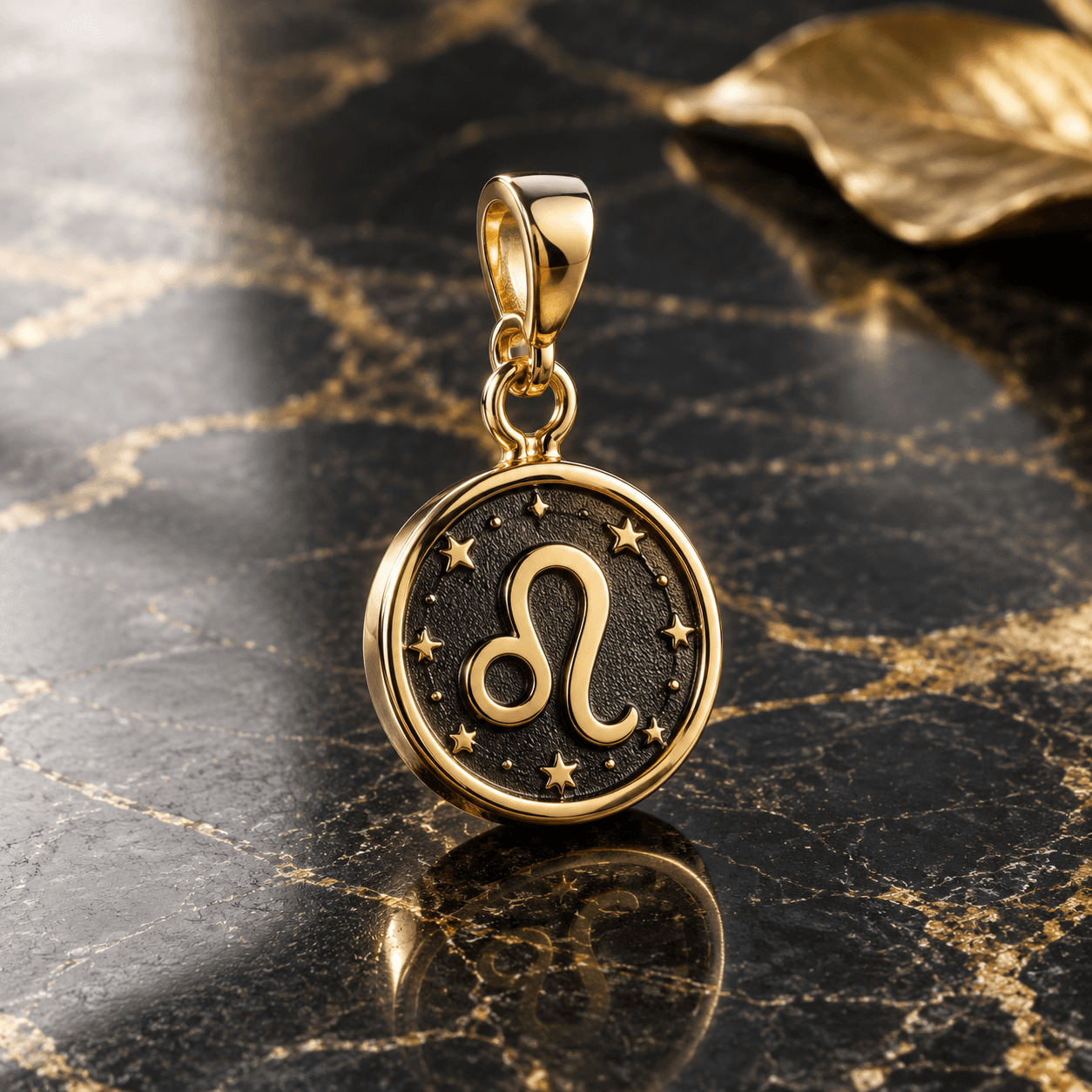
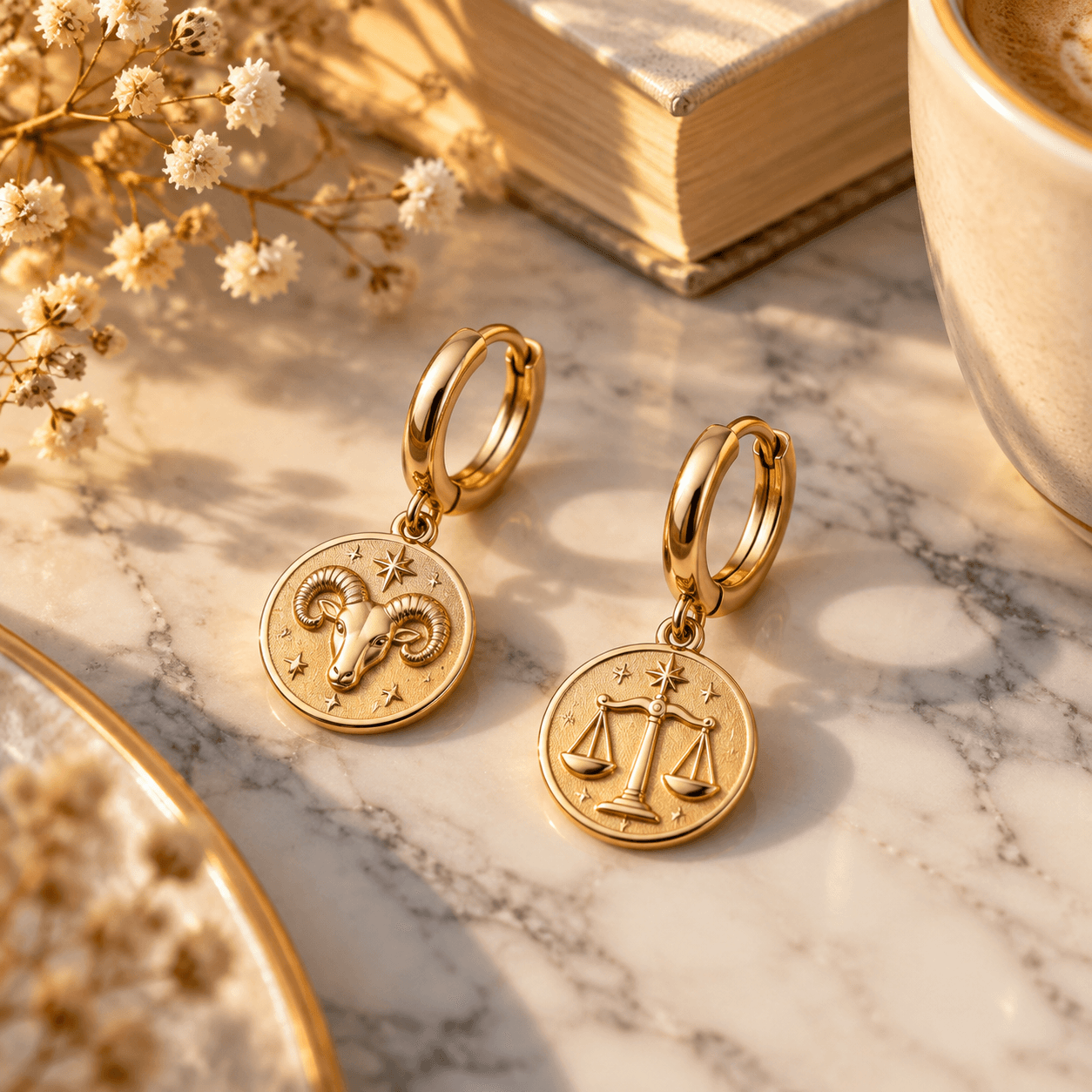
Chinese zodiac charms can feature animal silhouettes, engraved symbols, textured backgrounds, polished outlines, or colored decorative details. Each design creates different finishing requirements. Fine engraving must remain readable, recessed areas should retain their definition, and exposed surfaces should present a consistent appearance across the full collection.
What makes 316L stainless steel suitable for zodiac charms?
316L stainless steel is valued in jewelry manufacturing for its corrosion resistance, structural strength, and suitability for detailed components. It provides a consistent base for polished silver finish designs, gold plated appearances achieved through appropriate finishing processes, rose gold plating, and selected decorative treatments.
For sourcing teams, the important distinction is between the base material and the surface finish. The base material determines the underlying component specification, while the finishing process influences color, gloss, texture, and surface performance. Buyers should verify both rather than assuming that a particular color indicates a particular manufacturing method.
How finishing affects Chinese zodiac designs
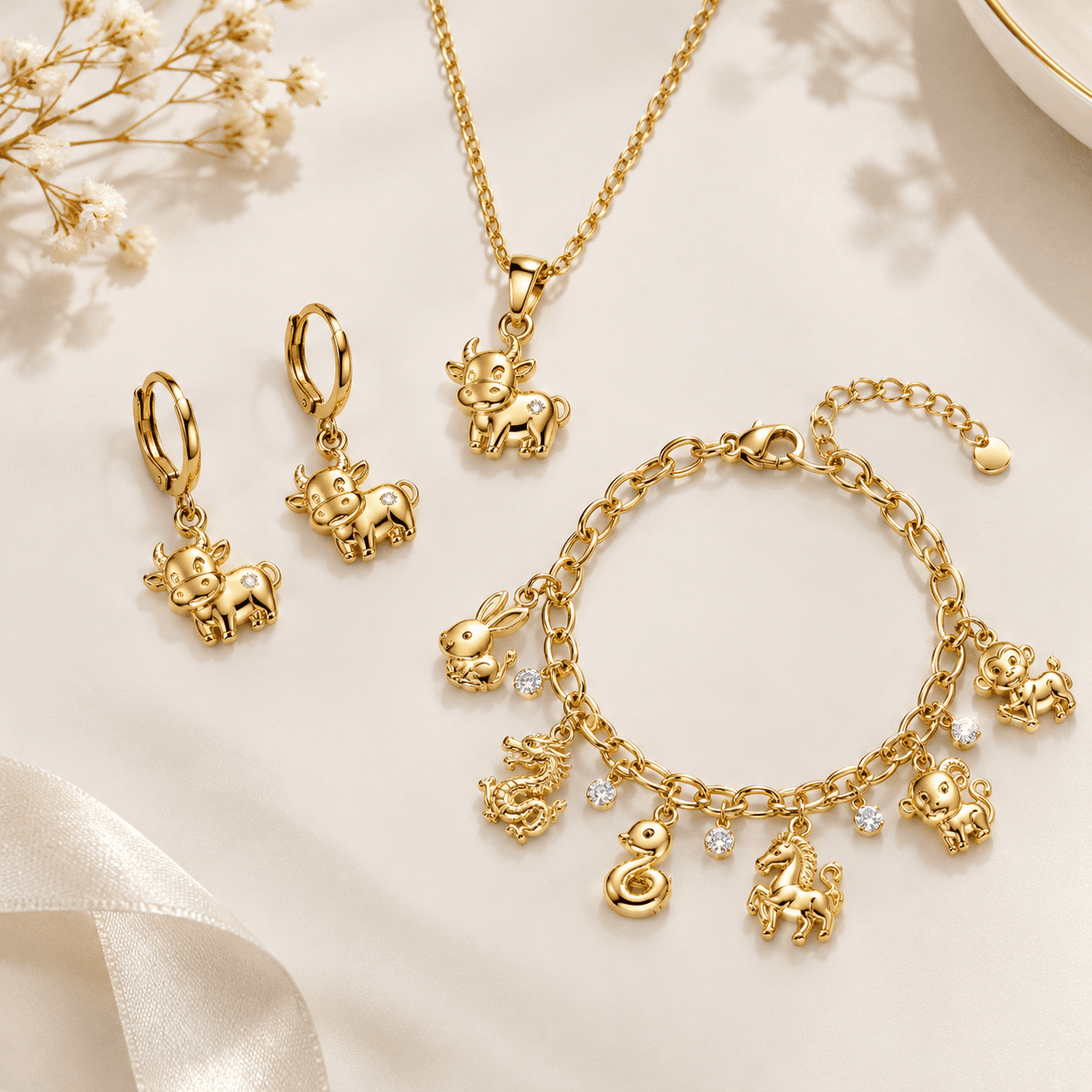
Animal motifs often combine curved outlines with small facial details, scales, fur patterns, horns, or other identifying features. A highly reflective surface can emphasize the overall silhouette, while a matte background can make raised details easier to distinguish. PVD gold plating may support a warm, premium appearance, and enamel color filling can introduce controlled accents where the design allows.
Before choosing a finish, identify the design's visual priorities. A minimalist animal outline may benefit from uniform polishing, while a detailed zodiac medallion may require selective contrast between raised and recessed areas. The selected process should preserve the artwork instead of obscuring fine details.
Benefits of Choosing the Right Finish
1. More consistent collection presentation
A wholesale zodiac collection contains multiple designs that must look related even when their shapes differ. Standardizing the finish specification helps designers maintain consistent color, reflectivity, edge definition, and visual weight across all twelve signs. A documented reference sample is particularly useful when production takes place in multiple batches.
2. Better alignment between appearance and retail positioning
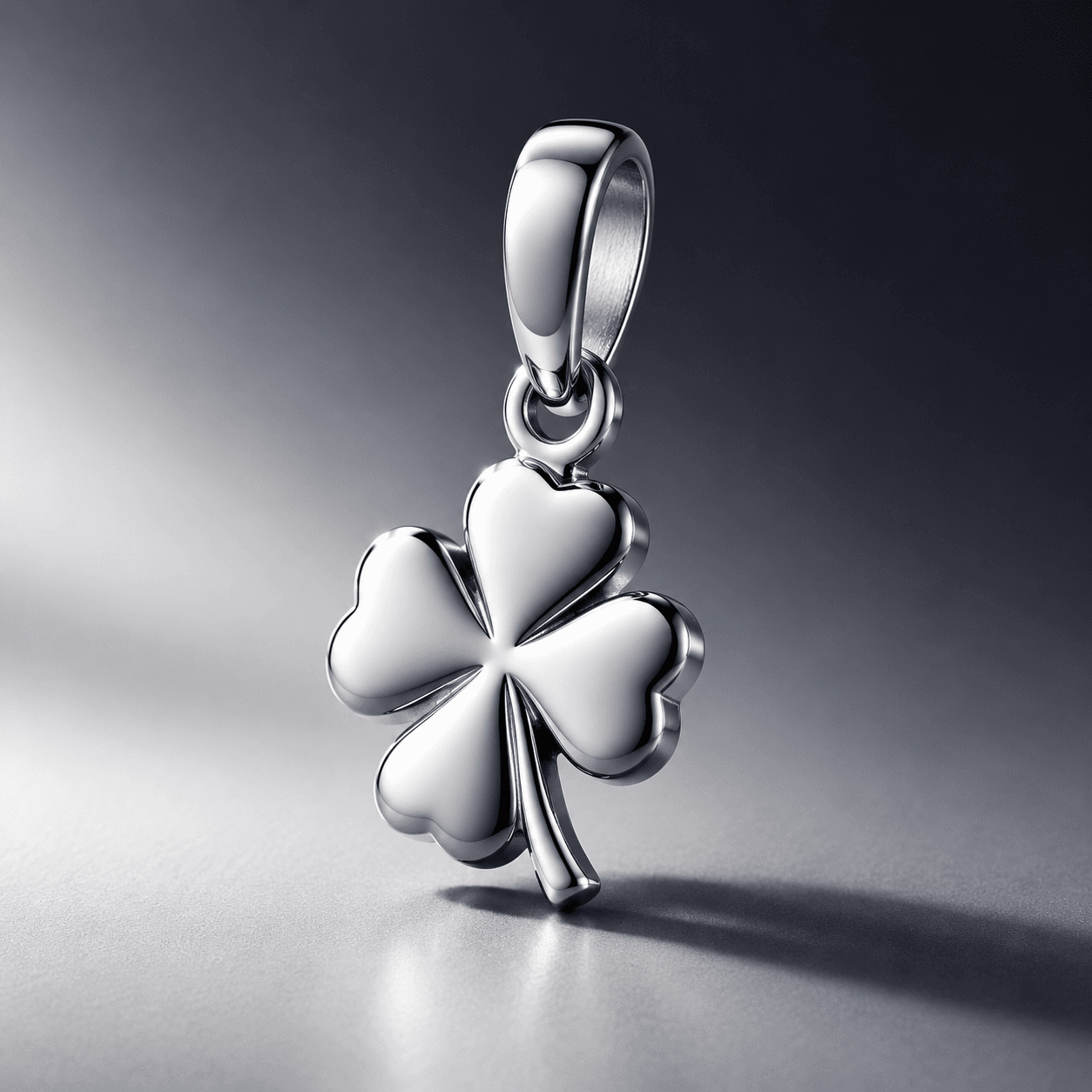
Different finishes communicate different design characteristics. A bright silver finish can create a clean, contemporary look, while gold plated and rose gold plating options can support warmer visual themes. Matte and brushed surfaces can provide a restrained appearance, and selective polishing can emphasize important design elements.
Choosing a finish based on the intended retail environment helps avoid unnecessary complexity. Buyers should consider how the charms will be displayed, combined with other jewelry components, photographed, and packaged for sale.
3. More predictable quality control
Clear finishing specifications give a factory measurable acceptance criteria. These may include approved color references, acceptable surface marks, engraving clarity, plating coverage, edge condition, and corrosion-test requirements where applicable. A sample approval process also gives both parties a shared reference for bulk production.
4. Relevant testing and compliance documentation
Lancy Jewelry reports SGS certification and testing coverage for RoHS, REACH, Nickel Release EN1811, and Salt Spray 240H. Buyers should request the relevant documentation and confirm that its scope, tested product, and applicable finish correspond to their purchasing requirements. A certification statement alone should not be treated as proof that every finished design has been independently tested.
For North American buyers, material and finish documentation can support internal compliance reviews and product quality records. Jewelry requirements depend on the product, its intended use, applicable federal and state rules, and the claims made in marketing. FDA considerations should be assessed according to actual product classification and intended use; ordinary jewelry should not automatically be described as FDA approved. Buyers should verify applicable requirements with qualified compliance professionals when needed.
Comparing PVD Coating, Electroplating, Polishing, and Surface Treatments
These processes perform different functions and should not be treated as interchangeable. PVD and electroplating are finishing methods used to create or modify a surface layer. Mechanical polishing changes surface texture and reflectivity. Brushing, texturing, and selective surface treatments alter the visual character of the component and may be combined with other finishing steps.
Side-by-side comparison of finishing methods
| Finishing method | Visual result | Primary advantages | Key considerations | Potential application |
|---|---|---|---|---|
| PVD coating | Consistent colored surface, including gold and rose gold appearances | Can provide good wear resistance when the process and coating system are properly controlled | Performance depends on preparation, coating specifications, geometry, and testing | Retail-focused zodiac collections requiring controlled color and surface performance |
| Electroplating | Decorative metallic appearance in a specified finish | Supports a range of decorative surface appearances | Layer composition, thickness, adhesion, and process control affect performance | Designs requiring a defined plated color or surface effect |
| Mechanical polishing | Bright, smooth, reflective surface | Enhances surface appearance and can emphasize contours | Excessive polishing may soften fine edges or reduce engraving definition | Raised animal outlines, smooth medallions, and bright silver finish designs |
| Brushing or texturing | Matte, satin, directional, or patterned surface | Creates visual contrast and can reduce the prominence of minor reflections | Texture direction and intensity must remain consistent between pieces | Modern zodiac silhouettes and designs with contrasting surface zones |
| Selective polishing with enamel | Reflective outlines combined with colored recessed details | Creates controlled contrast and supports distinctive sign-specific designs | Requires coordination between surface preparation, color filling, and final inspection | Decorative zodiac motifs with clearly defined colored elements |
PVD coating versus electroplating
PVD uses a physical vapor deposition process to form a surface coating under controlled conditions. Depending on the coating system, preparation, and production parameters, it can provide a durable decorative finish with consistent color. However, performance is not guaranteed by the process name alone. Coating adhesion, thickness, surface preparation, component geometry, and actual use conditions all matter.
Electroplating deposits a surface layer through an electrochemical process. It can support decorative metallic finishes, but the final result depends on the specified layer system, deposition control, and post-treatment. Buyers should ask suppliers to identify the proposed process and explain how color and durability will be verified.
For wholesale Chinese zodiac charms, neither method should be approved solely from a photograph. Request physical samples, confirm the finish specification in writing, and compare appearance under consistent lighting. If the collection requires a gold plated appearance across multiple animal designs, use an approved color reference and define acceptable variation before production.
Polishing versus brushed and textured finishes
Polishing is useful when a design depends on reflective surfaces and crisp outlines. However, very small facial features and shallow engraving can be vulnerable to excessive material removal during finishing. Designers should coordinate engraving depth and polishing requirements early in development.
Brushed and textured finishes provide a different visual effect. They can emphasize a restrained design language or distinguish a central motif from its background. Their quality depends on consistent direction, pattern depth, and treatment around edges and recessed areas. On a coordinated zodiac collection, the same texture specification should be applied to every relevant design.
How to select a finishing system
| Buyer priority | Finishing direction to evaluate | Questions for the supplier |
|---|---|---|
| Warm metallic appearance | PVD gold plating or a specified electroplated finish | How is color matched, and what testing supports the durability claim? |
| Bright, clean appearance | Mechanical polishing with a silver finish | How are fine engravings and edges protected during polishing? |
| Soft, contemporary appearance | Brushed or matte surface treatment | How is texture consistency checked across different zodiac shapes? |
| Distinctive decorative detail | Selective polishing and enamel color filling | How are color placement, edge definition, and surface defects inspected? |
A Practical Sourcing Guide for Jewelry Designers
Step 1: Establish the material and design specification
Specify 316L stainless steel as the base material for every charm in the collection. Include the dimensions, thickness, weight target where relevant, animal artwork, engraving locations, attachment-hole dimensions, and required finish. The attachment mechanism must be mechanically sound, with sufficient space for the intended connector and no obstructed openings.
For OEM projects, provide vector artwork or dimensioned drawings where possible. Identify which details must remain raised, which areas should be recessed, and whether any sections require enamel color filling or crystal inlay. Clear instructions reduce ambiguity during engineering and sampling.
Step 2: Request samples before committing to bulk production
Sample development allows designers to evaluate physical appearance and construction before approving a production order. Review color under consistent neutral lighting, inspect edges and engraving with magnification, and check that the charm hangs in the intended orientation. Where several finishes are under consideration, request representative samples that isolate the finishing variables.
Use the approved sample as the visual reference for subsequent orders. Keep a record of the finish name, color reference, relevant process details, and inspection requirements. For multi-sign programs, confirm that both the first sample and the complete collection maintain a consistent appearance.
Step 3: Define measurable quality checks
Ask the manufacturer how it checks surface cleanliness, color consistency, coating coverage, adhesion, engraving clarity, and visible defects. Depending on the intended use and finish, buyers may also request documented corrosion or wear testing. Salt spray results are useful only when the test method, duration, sample configuration, and acceptance criteria are understood; a stated test duration does not predict every real-world wear condition.
For products sold in the US and Canada, maintain appropriate supplier records and review applicable product safety, labeling, and chemical restrictions. Request evidence that matches the actual product and finish rather than relying on generic statements. Any claims about skin contact, nickel release, or durability should be supported by relevant evidence.
Step 4: Evaluate the supplier's production capabilities
A capable OEM charms manufacturer should be able to explain how design development, precision cutting, laser marking, welding where required, polishing, finishing, and final inspection are coordinated. Ask who approves finish samples, how deviations are handled, and whether the supplier retains a reference sample for repeat production.
Lancy Jewelry supports OEM/ODM development, logo engraving, PVD plating, enamel color filling, crystal setting, and private-label packaging. Its modern facility includes CNC equipment, laser cutting, laser marking, welding, and polishing capabilities. Buyers can explore the OEM manufacturing service to understand available customization support and discuss a project specification.
Step 5: Plan MOQ, packaging, and replenishment together
For boutique brands and charm bar retailers, MOQ planning should account for the number of zodiac designs, the chosen finish, packaging requirements, and expected sales by sign. A twelve-design collection may require a different allocation strategy from a small launch featuring the most relevant signs for a particular customer group.
Ask whether the supplier can support a phased launch, what quantities apply to each design and finish, and how repeat orders will be matched to approved references. Low MOQ support can help buyers validate demand before expanding a collection, but the actual MOQ, pricing, and production schedule must be confirmed for the specific project.
Private-label packaging should be planned alongside the product. Packaging cards, display trays, and clear product identification can improve presentation at a boutique counter or charm bar. Confirm artwork approval, packaging specifications, and delivery requirements before finalizing the purchase order.
Frequently Asked Questions
Is PVD always more durable than electroplating for zodiac charms?
No. PVD can offer strong wear performance when the coating system and preparation are well controlled, but the result depends on the specific process, coating properties, component geometry, and use conditions. Electroplated finishes also vary according to their layer system and manufacturing controls. Compare representative samples and request relevant test evidence instead of relying on a universal durability ranking.
Can Lancy customize Chinese zodiac charms for a private-label collection?
Yes. Lancy Jewelry supports OEM/ODM development, logo engraving, finishing customization, enamel color filling, crystal setting, and private-label packaging for 316L stainless steel charms. Buyers should submit their artwork, dimensions, target finish, packaging requirements, and estimated quantities so the team can evaluate feasibility and prepare a project-specific quotation.
What certifications or test reports should North American buyers request?
Request documentation relevant to the actual product, material, and finish. Lancy reports SGS certification and testing coverage for RoHS, REACH, Nickel Release EN1811, and Salt Spray 240H. Confirm report scope, sample identification, test conditions, and validity for the proposed product. Also assess applicable US and Canadian requirements based on the intended market, use, and product claims.
How should buyers determine the MOQ for a twelve-sign collection?
MOQ depends on the selected designs, finish, manufacturing requirements, packaging, and order configuration. Provide the planned assortment and estimated quantities for each sign, then ask for the MOQ per design and finish, sample costs, bulk pricing, and replenishment terms. A phased purchasing plan can help balance assortment coverage with inventory risk.
Partner With Lancy Jewelry for Wholesale Zodiac Charms
Successful Chinese zodiac charm sourcing starts with a clearly specified 316L stainless steel base, a finish selected for the design objective, and a quality-control process that links approved samples to bulk production. PVD coating, electroplating, polishing, and texturing each offer useful possibilities, but the right choice depends on the product geometry, visual requirements, testing evidence, and target retail positioning.
Lancy Jewelry works with boutique jewelry brands, charm bar retailers, gift companies, and private-label buyers on custom stainless steel charms, sample development, finishing, and packaging. Share your zodiac artwork, preferred finish, target market, expected quantities, and launch schedule to start a practical sourcing discussion.
Explore the Lancy product catalog for available product directions, review the OEM service for customization options, or contact the Lancy team to discuss your requirements. For project pricing and production details, submit an RFQ with your specifications.
With defined finishing standards and a documented sampling process, buyers can build a cohesive zodiac collection designed for consistent presentation, controlled production, and long-term retail planning.